February 3, 2026


kíóñ:dèdàu (it's a good day in Kiowa) ASHE Community,


I am excited to invite you to be part of our 51st Annual Conference as we return to San Juan, Puerto Rico in November and gather virtually in October.


In the coming days, the Program Committee will release the 2026 Call for Proposals. We welcome scholarship from every member, across every career stage and role. Your research matters, and its inclusion in our program drives the conversations that move our field forward.


Beyond submitting your work, I encourage you to serve as a reviewer, chair, or discussant. This service is a vital way we support one another, providing the meaningful feedback and organization that makes our gathering possible.


Today, I am sharing this year’s conference theme and re-introducing the members who are leading our planning efforts.

Guided by the Theme

The conference theme serves as a visionary framework that guides our overall planning. To ensure a fair and consistent evaluation of all peer-reviewed work, please note that the theme is not connected to the peer review process (as has been practice since 2019).


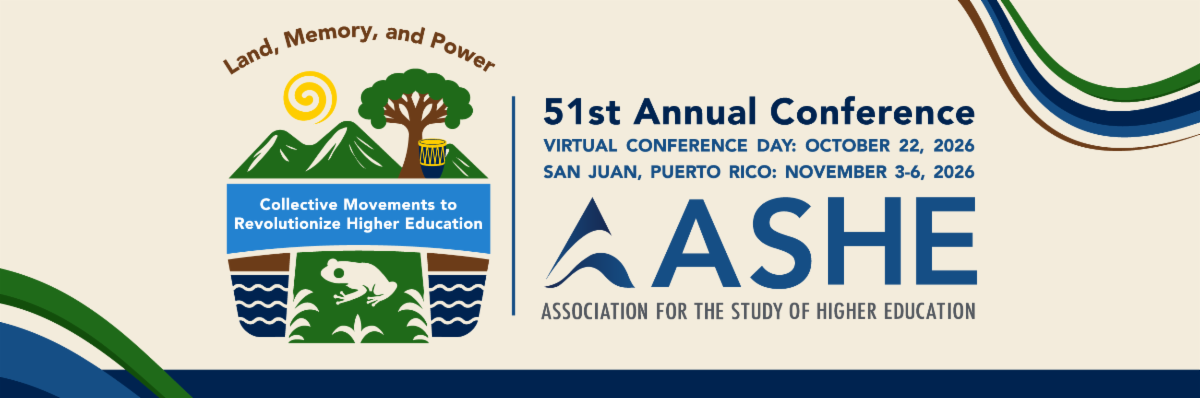
This year’s ASHE conference theme is “Land, Memory, and Power: Collective Movements to Revolutionize Higher Education.” 


As we are engaging as an association, as universities, as scholars, and as humans, we understand that colonization has permeated the landscape and fabric of the United States, the Americas, and the world in how we anchor notions of access, success, and higher education overall. While there are efforts to erase the colonial imposition on individuals and communities targeting race, ethnicity, Tribal/Indigenous affiliation, national origin, citizenship status, class, gender, sexual orientation, disability, age, religion and the intersections across these identity markers. Indigenous Peoples, Black, Latinx, 2SLGBTQIA+, and other populations. The impacts have been felt through defunding and elimination of cultural centers, banning of DEI (Diversity, Equity, and Inclusion) initiatives, and censorship and diminishing of curriculum and voices of marginalized communities on campus. We acknowledge that within higher education, we are toiling with the efforts to undermine our advancements in creating belongingness, cultural centers, decolonizing spaces, and visibility with our students, faculty, staff, and communities. 

Shaped by our Members

Under the leadership of Dr. Nichole M. Garcia (Associate Professor, Rutgers University) as Conference Committee Chair, I am excited about the possibilities for our community. Nichole’s research focuses on comparative studies of Chicanx/a/o and Puerto Rican students, examining group differences to better understand how to support college access and completion. In particular, she explores how Chicanx/a/o and Puerto Rican families who have earned degrees utilize intergenerational resources to navigate higher education.


Since its start in 2023, the Conference Committee has continued to grow and evolve. I am grateful to the leaders and members of the 2026 Conference Committee for their dedication to building this supportive scholarly community.


The Conference Committee includes nearly 80 ASHE members and includes the following groups:

Attendee Engagement Committee

The Attendee Engagement Committee creates resources and opportunities for you to connect more deeply with the conference and your peers. From first-time attendees to long-time returners, committee members serve as ambassadors who help every attendee find their place within our community.

Local and Community Engagement Committee

The Local and Community Engagement Committee helps us center Indigeneity, space, place, and people by building meaningful relationships with local Indigenous and BIPOC communities and higher education institutions in our conference host city.

Program Committee

The Program Committee shapes the core of our annual conference by managing the peer-reviewed program. This includes opening the Call for Proposals and leading a thoughtful review process—from inviting dedicated volunteers to selecting the scholarship that will be featured in the conference program.

This year’s theme, “Land, Memory, and Power: Collective Movements to Revolutionize Higher Education,” invites us to unsettle the colonial narratives that continue to shape our field. As we prepare to gather in Borikén, I encourage you to reflect on how your own stories intersect with these landscapes and how we can work together to undo historical harms. We arrive not as tourists, but as guests and allies, committed to uplifting silenced voices and honoring the communities to which our universities are tethered. By rooting our scholarship in a healing praxis and critical consciousness, we can move toward the disruption and transformation our field requires. I look forward to joining you in this collective movement to honor our shared memory and the land.


I look forward to being in scholarly community with you virtually in October and in San Juan in November. 


Sincerely,

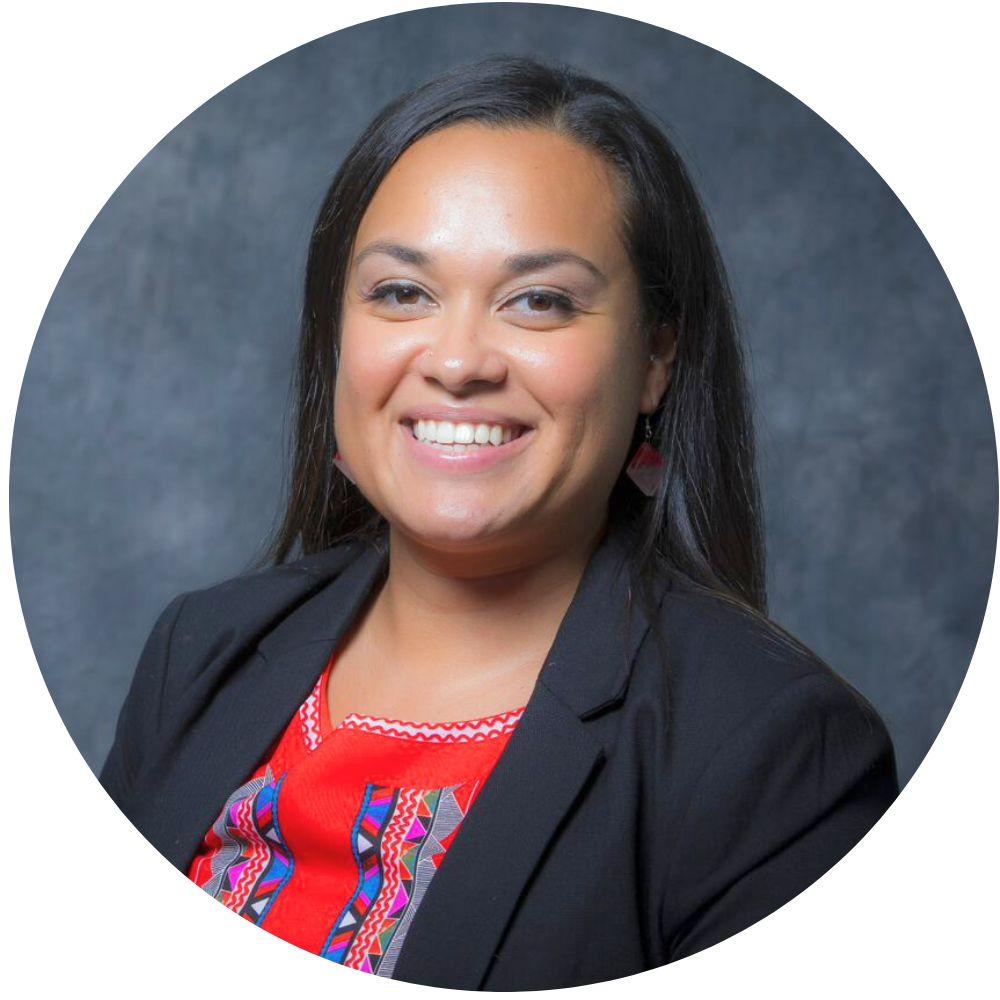
Robin Zape-tah-hol-ah Starr Minthorn, PhD

Kiowa/Apache/Nez Perce/Umatilla/Assiniboine

She/Her/mà:yíñ

ASHE 2026 President


Professor and Department Chair

Educational Leadership and Policy Studies 

Coordinator of Tribal and Indigenous Education Initiatives 

University of Oklahoma


Facebook  LinkedIn  YouTube