Significant Greek Revival/Italianate-style house on 76 acres in picturesque Warren County!

Built in two phases, the earliest section was constructed sometime between 1829 and 1846 for Ann Arnold Key and Daniel Turner, the daughter and son-in-law of Francis Scott Key. Its expansion and fashionable updates were likely commissioned by Richard B. Robinson who purchased Reedy Rill in 1854. The resulting form and exuberant detail are thought to be the work of Jacob Holt, a popular builder among the area’s taste-makers. Reedy Rill has been in the Twitty Family for over a century.

This remarkable property has been listed in the National Register of Historic Places since the early 1970s and is eligible for tax credits.

Minutes from Lake Gaston and Kerr Lake and only an hour from Raleigh and 1.5 hours to Richmond, VA, Warren County is admired for its picturesque scenery, charming character, and remarkably preserved historic buildings. Dozens of properties are listed in the National Register of Historic Places including much of historic Warrenton, the county seat.

Click the button below for more on Reedy Rill!
Save the Date! Preservation North Carolina 2020 Annual Conference

"Adapting Preservation to Local Needs"

October 14-16, 2020 | Rocky Mount/Tarboro

Stay tuned for registration and program agenda at www.PreservationNC.org!

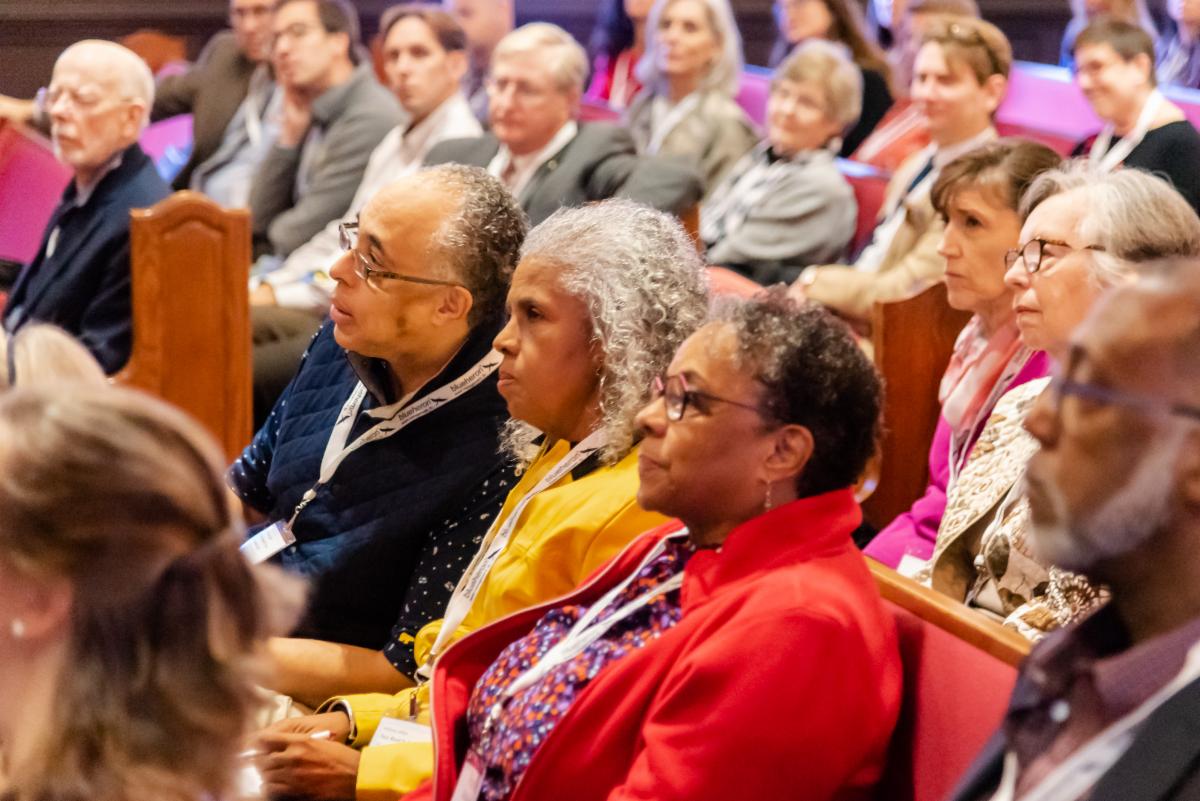
Image: Attendees at PNC's Fall Symposium in Raleigh. Image Courtesy Capital City Camera Club, W. Blaine
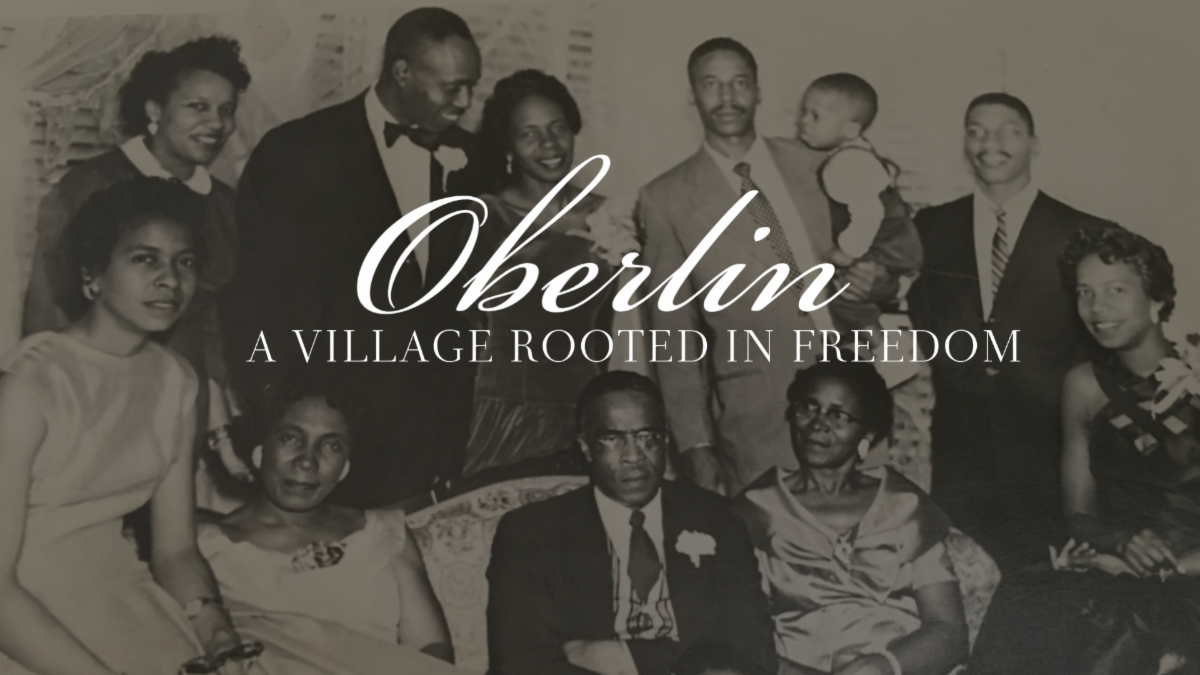
ICYMI: Oberlin: A Village Rooted in Freedom is available to watch anytime at PresNC.org!

Thank you to our friends who attended a preview screening and/or watched the documentary on UNC-TV or WRAL. We're so grateful for your generosity and support!

In case you missed it on UNC-TV or WRAL, you can watch it anytime on our youtube channel. Click the button below to watch.

More on the film: “Oberlin: A Village Rooted in Freedom” reveals how a historic preservation project has helped recover the story of a once-thriving town near Raleigh built after the Civil War by formerly enslaved and free blacks. Oberlin had more than 1200 inhabitants before being paved over in the name of progress. The renovation of two 1880s houses by Preservation North Carolina has exposed remarkable stories about the families who lived there.