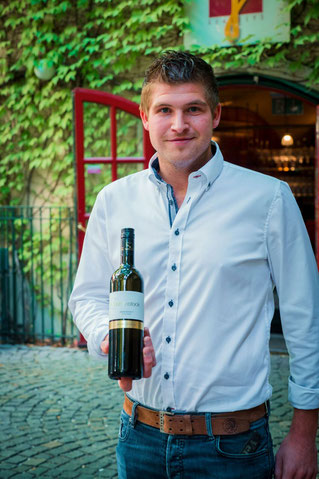
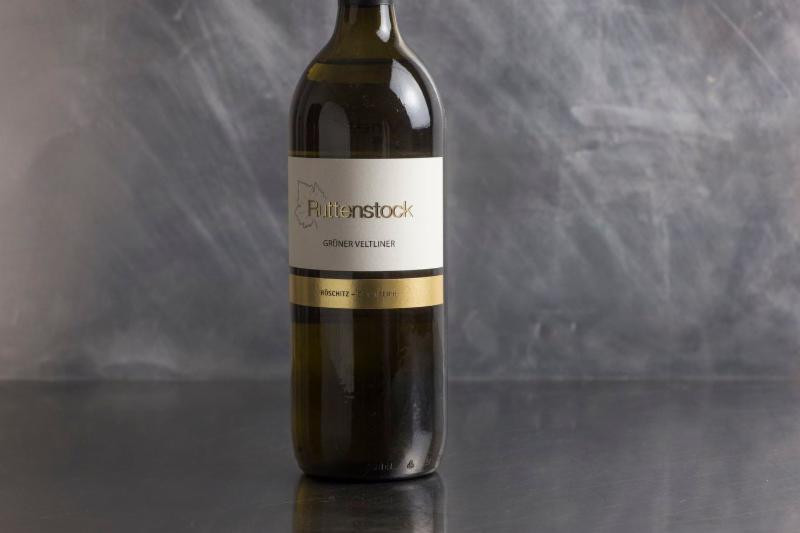
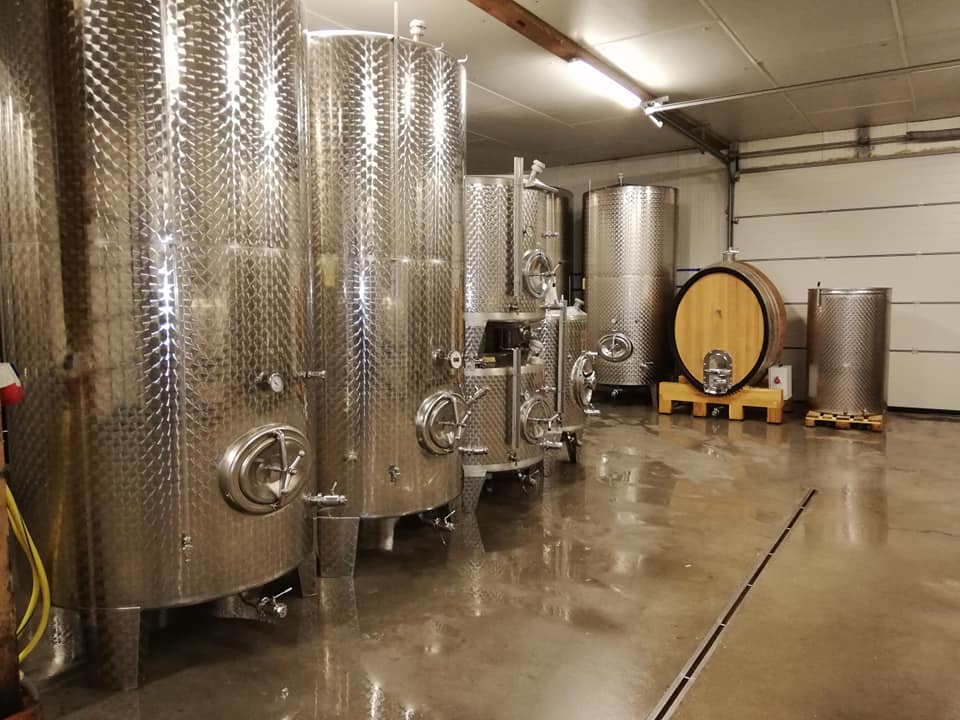
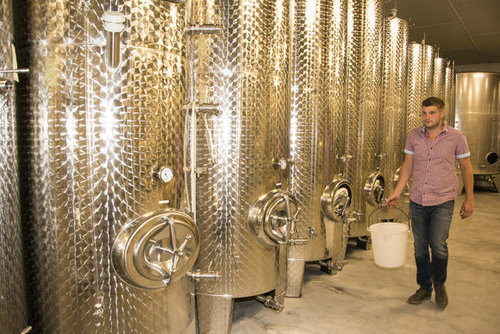
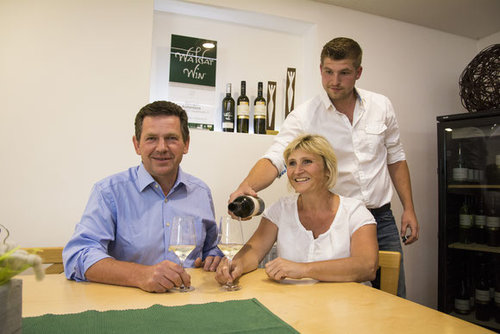
Mathias Ruttenstock, 4th generation winemaker in Röschitz in the Weinviertel region of Austria. He has been in charge of the winery since 2011, following in the footsteps of his father, grandfather, and great grandfather. Mathias gained his experience by working with Anton Bauer in the Wagram and through internships at Roman Pfaffl und Julius Klein.
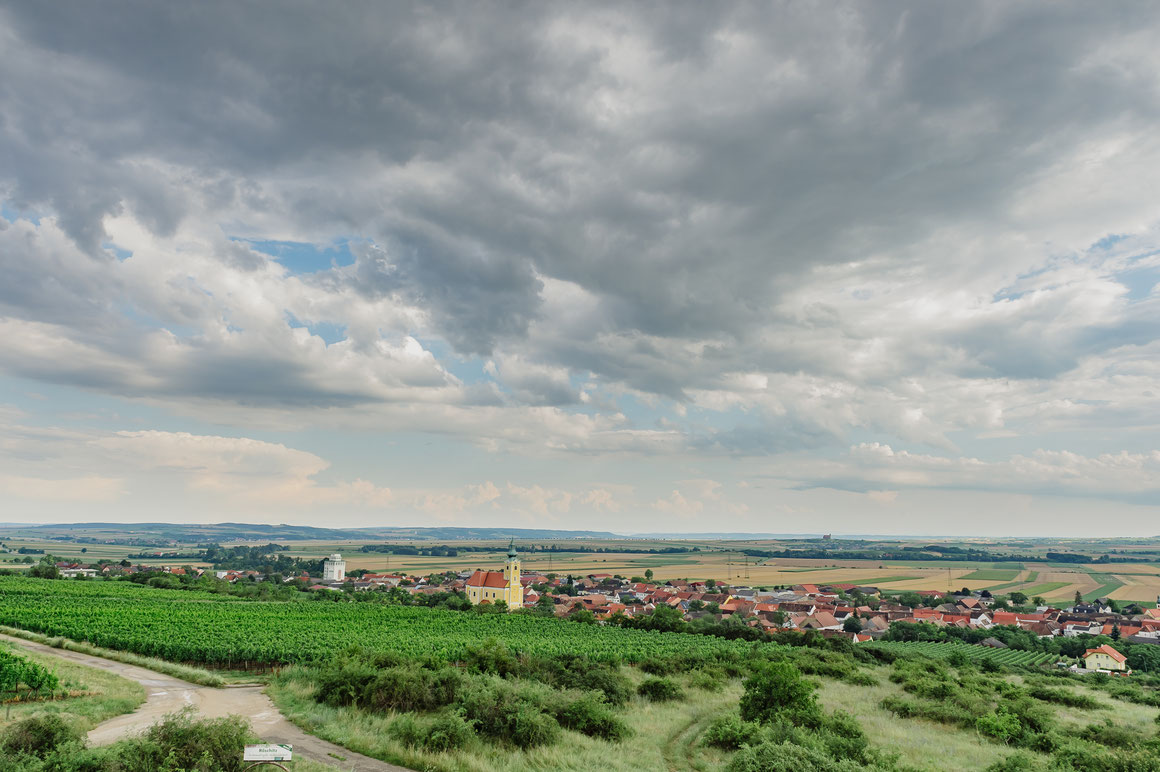
"The vineyards are located at the foothills of the "Manhartsberg". Typical for this terroir is the primary rocks and loess soils. As a result of the remarkable geological conditions, there is a unique climate in the western "Weinviertel". Sunny warm days and cool nights influence the character of the wines. The primary rock soil and the distinct aroma are reflected in the great variety of our different wines. By sensitive and careful care in the vineyard, we try to use the power of nature optimally and manage sustainably. In our wine-growing region, we do not use insecticides. Annually we add new plantings of grass between the rows and fertilize exclusively with organic fertilizer. The respectful and ecological treatment with natural resources is very important to us - this is the only way to produce elegant and fine fruit-driven wines. The total size of our vineyards is 42 acres and almost 80% are planted with Grüner Veltliner with a total production of 80,000 bottles." Mathias Ruttenstock
The vast Weinviertel stretches from the Danube valley in the south to the Czech border in the north, and from the Manhartsberg in the west to the border of Slovakia in the east. The Weinviertel is mostly known for Grüner Veltliner and the first DAC in Austria. If the label reads Weinviertel DAC it is always 100% Grüner Veltliner. A highlight of the western part of Weinviertel is the area around the historic wine-trading town of Retz, with its labyrinth of underground wine cellars.
Wines available: