|
|
|
|
|
|
A reconstructed version of the first YouTube interface and the site’s first upload (2005) now belongs to London’s V&A Museum—a piece of history. Today, YouTube’s share of TV viewing surpasses that of major individual media companies.
|
|
|
|
|
|
|
|
|
|
The Creator Lab at the 2026 NAB Show is a dedicated, hands-on destination for creators, studios, and brands to explore next-generation storytelling tools and the $500 billion creator economy. This year’s Lab has an expanded footprint for its three-day program from April 19–21, 2026. But even if you can’t be at the Lab, you can join us on March 26th as we meet on Zoom
for a sneak preview of some of the Creator Lab’s surprises.
|
|
|
|
|
|
|
Anthropic Takes the High Road in the Highest Stakes Game of All
|
|
|
|
|
|
|
|
A few weeks ago I saw Data, an off-Broadway show that captured the moral dilemma of a young software engineer. He has a dream job at a tech company, until he begins to understand that the predictive algorithm he created during his college days is what the company is really after.
And they want to adapt it as a predictor of whether an immigrant is likely to become a valuable citizen. Implementing the algorithm, a mixture of surveillance, data, and prediction, would be a clear violation of human rights. The play is a thriller about the misuse of data.
|
|
|
|
|
|
|
The Whistleblowers
Because Data’s plot includes whistleblowing, the play, for me at least, initially evoked images of the 2021 Frances Haugen incident, where Haugen detailed the harm to children and to democracy that Facebook facilitated
in its desire for world domination. Or the 2025 book Careless People: A Cautionary Tale of Power, Greed, and Lost Idealism by Sarah Wynn-Williams, who spilled the beans on everything from sexual harassment, to Rohingya genocide, to geopolitical election
tampering.
|
|
|
|
|
|
|
The Anthropic Affair
Armed with ample proof that government and tech are inextricably intertwined, what happens when we add a little AI to the mix? This week, Anthropic found itself in the crosshairs of “how far will you go to make a buck and how much control will you cede to your government.” Anthropic’s sizable government defense contracts were cancelled because it refused to kowtow to
the Pentagon's demand to lift safeguards on the military's use of its model, Claude. The US government asked for the right to use AI to surveil every American citizen, building comprehensive profiles (no warrant required). And it asked
that autonomous weapons could identify and kill targets with no human oversight. When Anthropic refused to comply, the government blacklisted them, labeling Anthropic as a “supply-chain risk,” which put this US company in the same category as TikTok, Huawei, Kasperseky and other foreign entities. “I am directing EVERY Federal Agency in the United States Government to
IMMEDIATELY CEASE all use of Anthropic's technology," wrote Trump on Truth Social.
Waiting in the wings was a land-grabbing Sam Altman and OpenAI, eager to step in where Anthropic refused to go. Within hours of Anthropic’s banishment, Altman signed with the Pentagon, saying he believed the government would honor OpenAI’s guardrails. Anyone who’s been watching OpenAI’s moves into X-rated content and e-commerce knows the guardrails are pliable at
best.
Think it’s just an hypothetical argument? A researcher conducting a recent war games experiment with three of the world’s most used AI models found that the models decided to deploy nuclear weapons in 95% of the scenarios he designed, despite being
trained to understand that nuclear weapons could have disastrous consequences.
|
|
|
|
|
|
|
Of AI and Ethics
Anthropic wins for taking the high road, refusing to relinquish control of its models to the US government. And, in the “there’s no such thing as bad PR" category, Anthropic has seen a surge in downloads of Claude since the hoopla began. There was even an Anthropic outage because of extra high demand this week.
Why should you care? It’s the first standoff between the US government and an AI firm about how a government should use AI. I’m sure it won’t be the last, but on the trust barometer, Anthropic deserves our respect.
|
|
|
|
|
|
|
Google’s AI Studio: A Treasure Trove of Tools and Tokens
|
|
|
|
|
|
|
|
|
|
|
If you want to head down a rabbit hole for a few hours, visit aistudio.google.com, It’s a directory where you’ll find the latest versions of Google’s AI machinations: the newest version of its image creation and editing tool, Nano Banana, its video creation tool VEO, and tools
including everything from watermark removal to an enhanced version of Gemini. Some of the tools are free. Most work on a reasonably priced token system where you pay for your creations. The major problem being that you don’t know if you’ll like your creation until you’ve paid.
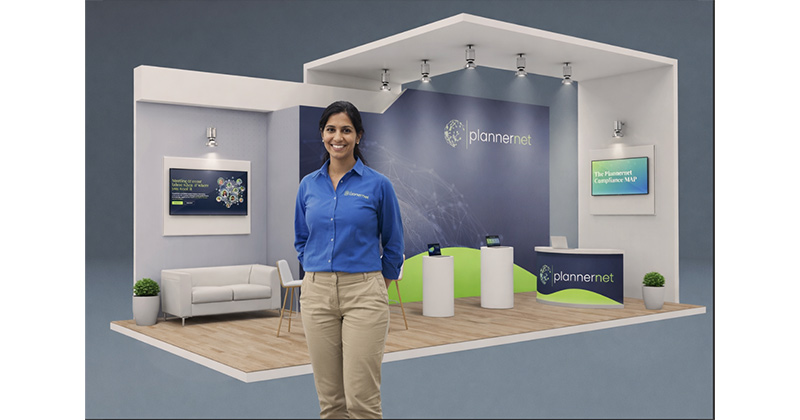
My advice is to start with the Nano Banana app because creating an image is a lot easier than creating a movie. Select the Nano Banana model from the model dropdown. Then start prompting, but keep in mind the following attributes for your prompt:
- Subject
- Environment
- Style
- Lighting
- Camera angle
- Constraints
So, here’s my prompt::
A professional woman standing inside a modern trade show booth, wearing chinos and a blue work shirt, with a confident stance, soft exhibition lighting, eye-level camera, and realistic photography.
|
|
|
|
|
|
|
|
Next, ,instead of starting from scratch, you can iterate the image. I prompted Nano Banana to add some signage for a client of ours, modify the furniture a bit, and darken the woman’s complexion. My result is above; try it and see how you do.
|
|
|
|
|
|
|
Ads Coming to an AI Near You
Thanks, Adthena and Ashley Fletcher, for laying out a few scenarios on how ad results are going to be worming their way into our ChatGPT queries. Fletcher points out that Best
Buy, AT&T, Pottery Barn, and some other early adopters are already relying on keyword prompts to trigger ads. Read the full post here and remember to look twice when you ask
ChatGPT what’s the best mattress to buy.
|
|
|
|
|
|
|
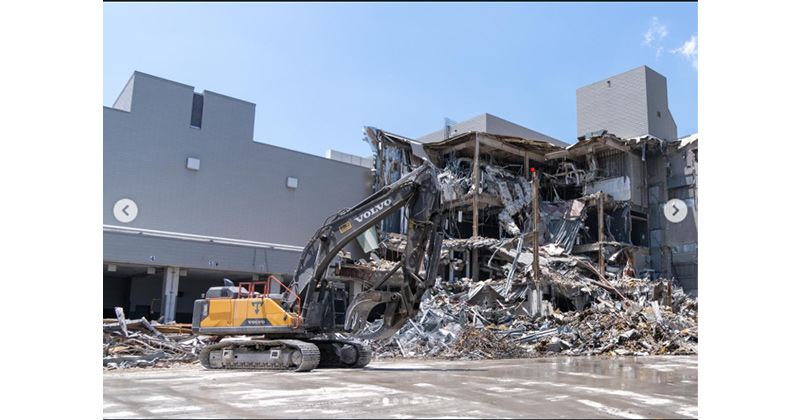
Austin Convention Center will not be the central hub of SXSW this year. Image credit: Austin Convention Center
|
|
|
|
|
|
|
If you think the East Wing of the White House is a mess, take a gander at the Austin Convention Center. This is the time of year when it should serve as headquarters for SXSW. It seems as though the organizers have made lemonade from lemons by creatively spreading the
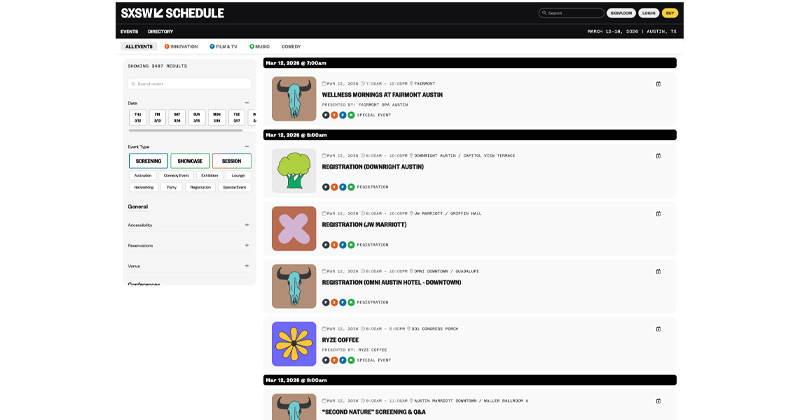
conference throughout the city with different hubs for Innovation, Film and Music. The organizers are calling it a “city as campus” model. The show has been shortened to a more manageable 7 days instead of 9. And a new system of reservations (which experienced some early glitches) is supposed to help people from schlepping from location to location only to find
themselves closed out of an event. Can a distributed show that needs to be discoverable and navigable work? Hoping that the Convention Center’s closure gave the organizers a chance to rethink the magic moments of SXSW.
|
|
|
|
|
|
|
Word to the wise? Plan your SXSW schedule carefully this year because the show is distributed across multiple locations. |
|
|
|
|
|
|
|
|
|
|
|
|
|
|
|
|
|
We’ll be in Taiwan in the middle of the month, with a delegation attending the Smart Cities Summit and Expo, exploring how technology is used to improve outcomes in health, agriculture, government, and education. Looking forward
to reporting on it
|
|
|
|
|
|
|
|
|
|
|
|
|
|
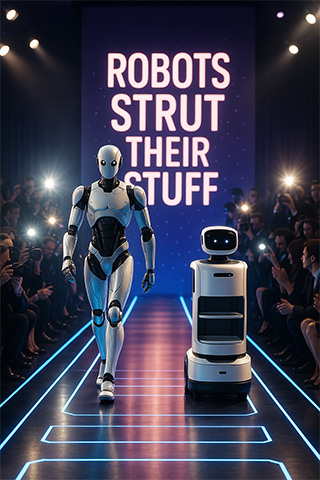
We’ve added a new trick to our repertoire. At IFA Berlin this year, we’re building our signature Robots on the Runway. It’s a fashion show of every kind of robot, from baristas to acrobots, from housekeepers to kids’ playmates. If you’re interested in participating on the runway, contact Gigi@virtualeventsgroup.org.
|
|
|
|
|
|
|
|
|
|
|
|
|
|

|
|
|
|
Sign up to get us in your inbox.
|
|
|
|
|
|
|
|
|
|
|
|
|
|
|
|
|