November 2024

From the Station Director

Earlier this month, the University of New Hampshire welcomed members of the New Hampshire Farm Bureau (NHFB) for its 107th annual meeting. The NHFB continues to be a strong supporter of the agricultural, food and natural resources research and educational missions of the NHAES and COLSA, and it was great to have them hold their meeting at UNH.


After the business meeting, NHFB members were invited to tour the recently renovated Spaulding Hall as well as a bus tour to learn about the agricultural research and diagnostics facilities around campus. The showcasing of Spaulding Hall was particularly rewarding because NHFB members have consistently supported the building's renovation, helping provide an important voice in what ultimately ended up being one of the largest state-funded capital investments in New Hampshire.

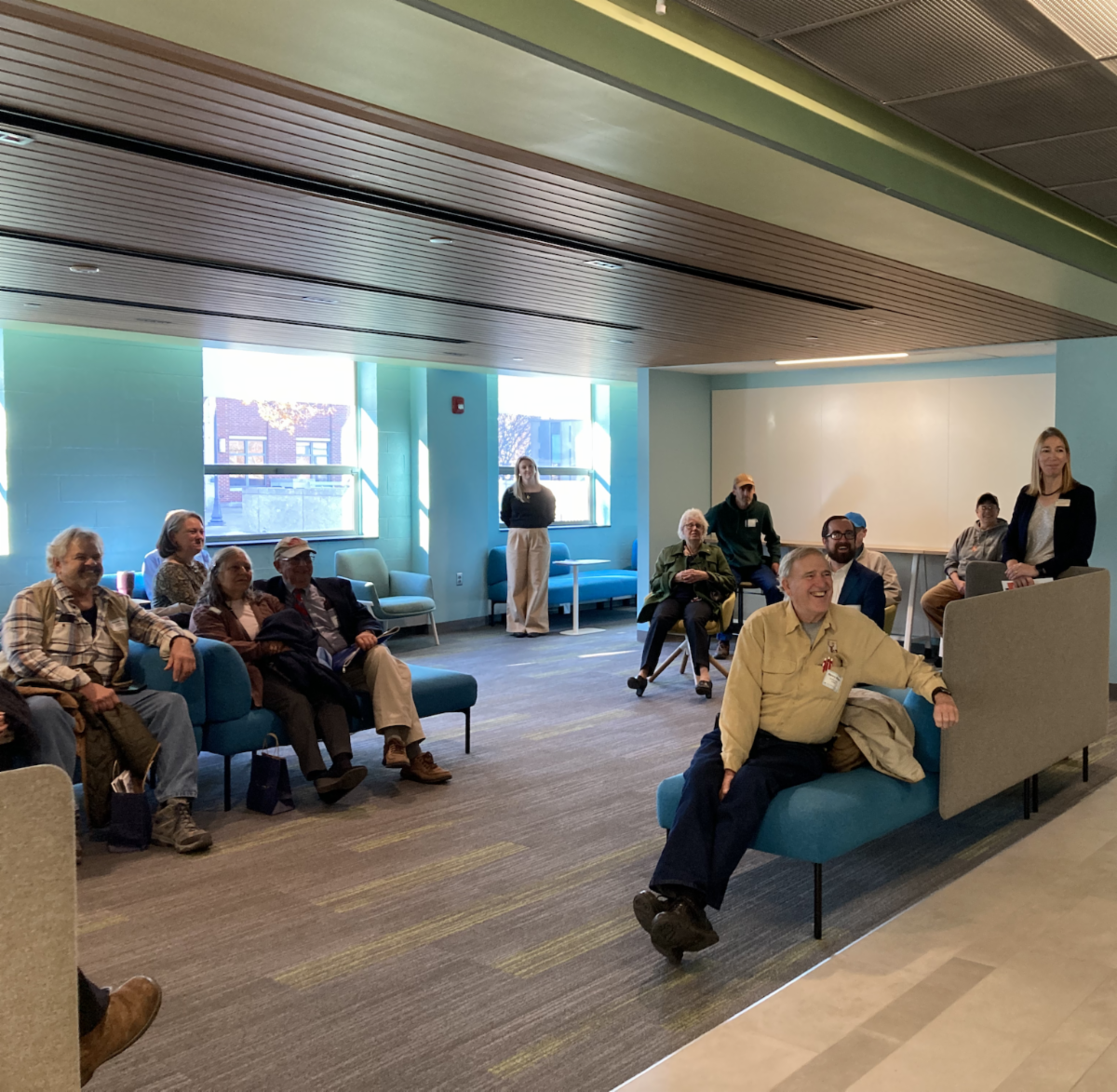
NH Farm Bureau members learning about COLSA and NHAES students, programs and research after touring the renovated Spaulding Hall.

The Spaulding Hall tour featured not only an overview of the state-of-the-art teaching and research labs and their contributions to the agricultural and lands sectors, but also brief presentations and thoughtful conversations with COLSA undergraduate and graduate students. One of the students noted that coming to COLSA and being able to work and study at the Fairchild Dairy Research and Teaching Center motivated her to pursue a career in large animal veterinary. Another student highlighted her experience in hands-on production and small-farm operations learning within local and regional food systems. A graduate student, whose research on agricultural soils was funded by the NHAES, discussed his evolution in understanding the extent to which scientific discoveries can make an impact on farms' economic and environmental sustainability.


Thank you to all NH Farm Bureau members your continued support of the Station's mission to support New Hampshire’s lives, livelihoods and landscapes!


Anton Bekkerman

Director, NH Agricultural Experiment Station

Latest NHAES Research and News

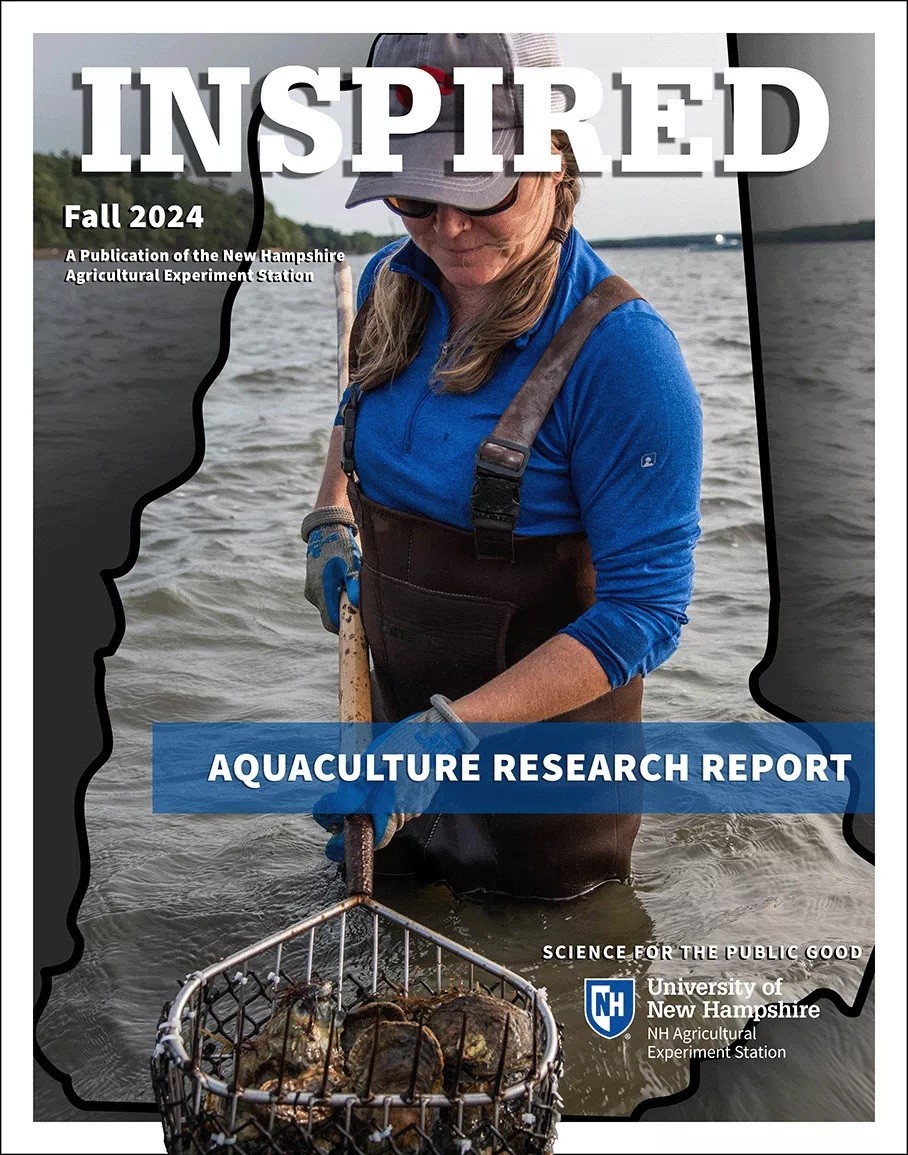
INSPIRED Aquaculture is Here!


The NHAES recently published its latest issue of the INSPIRED research report, focused on Aquaculture. This issue highlights critical research in support of New Hampshire’s growing aquaculture industry and presents findings that explore the challenges and opportunities facing sustainable aquaculture, from managing climate impacts to controlling sea lice infestations.


Key studies include research on how warming ocean temperatures are shifting lumpfish distribution in the Gulf of Maine, the first documentation of blue crabs mating in Great Bay, and how oysters are helping improve water quality. NHAES scientists continue to explore solutions that support both environmental resilience and seafood production.


Learn more about these efforts and other innovative aquaculture research in the full report.

Coyotes Thrive Despite Human and Predator Pressures


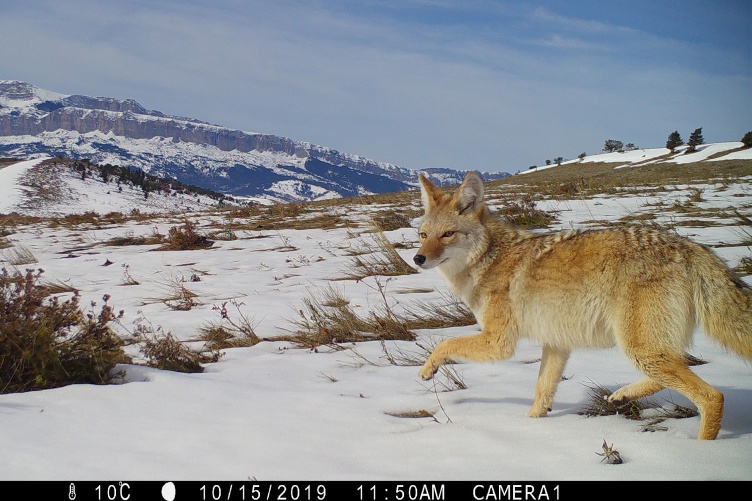
A new study from NHAES researcher Rem Moll reveals that human hunting may actually boost coyote populations by increasing their reproduction and immigration rates. Moll, in collaboration with North Carolina State University scientist Roland Kays, analyzed data from over 4,500 camera traps across the U.S., uncovering that while coyote hunting can reduce numbers temporarily, it also leads to population rebounds, especially in areas with ample prey. Interestingly, the presence of larger predators like black bears showed a more sustained impact on reducing coyote numbers in certain habitats. Discover how these findings can inform effective wildlife management strategies for coyote populations.

Elsewhere in COLSA Research

Synthetic Microbiomes: Building Plant Defenses for a Changing Climate


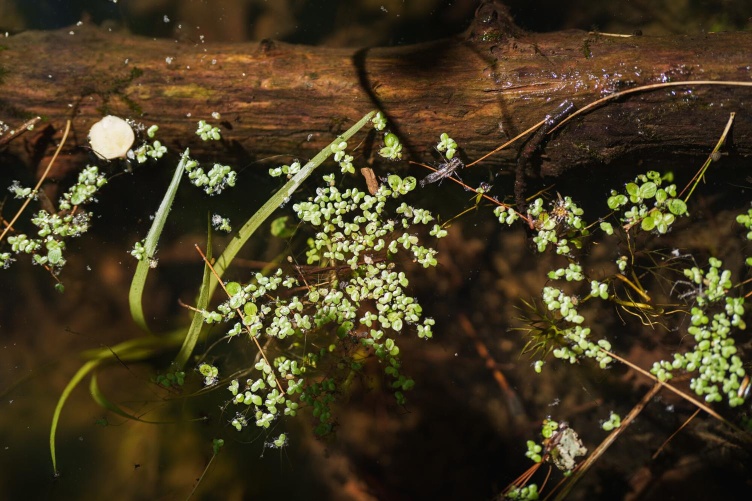
Station scientist Anna O’Brien and UNH graduate student Ciana Lazu are testing synthetic microbiomes—engineered microbial communities—to help plants like duckweed adapt to climate change. By breeding microbes sourced from related plants, they aim to enhance plant growth and resilience in extreme conditions, with implications for agriculture and bioremediation. Read more about this innovative research into synthetic microbiomes and their potential for climate adaptation.

COLSA Faculty Among 2024 Outstanding UNH's 2024 Faculty Excellence Recipients


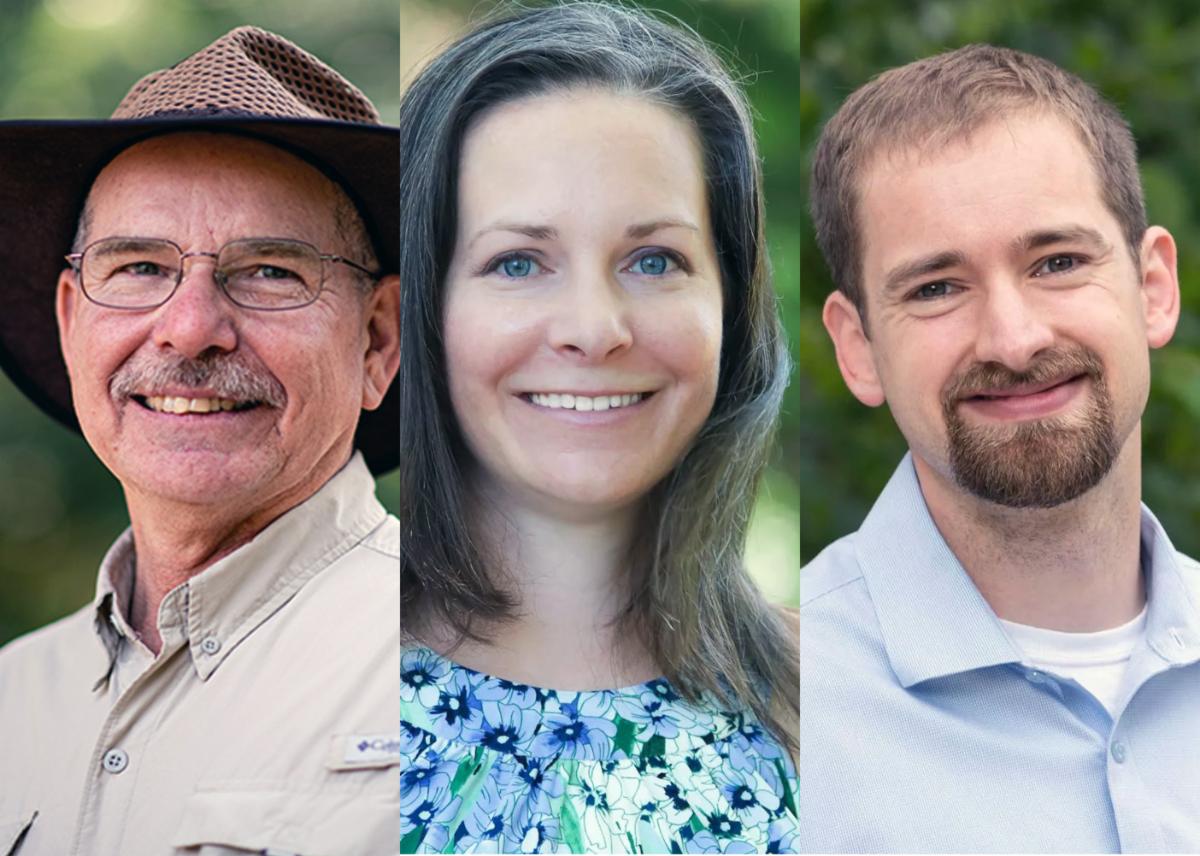
Andrew Conroy, Megan Enos-Fournier, and Nathan Furey from UNH’s College of Life Sciences and Agriculture have been recognized for their significant contributions as part of UNH's Faculty Excellence Awards. Conroy received the Excellence in International Engagement Award for his work advancing global education. Enos-Fournier was honored with the Award for Excellence in Teaching for her efforts in enhancing biology education. Furey earned the Outstanding Assistant Professor Award for his research in migration biology. Learn more about the achievements of these faculty members and others from across UNH.

External Funding for UNH Research Leaps to $252 Million


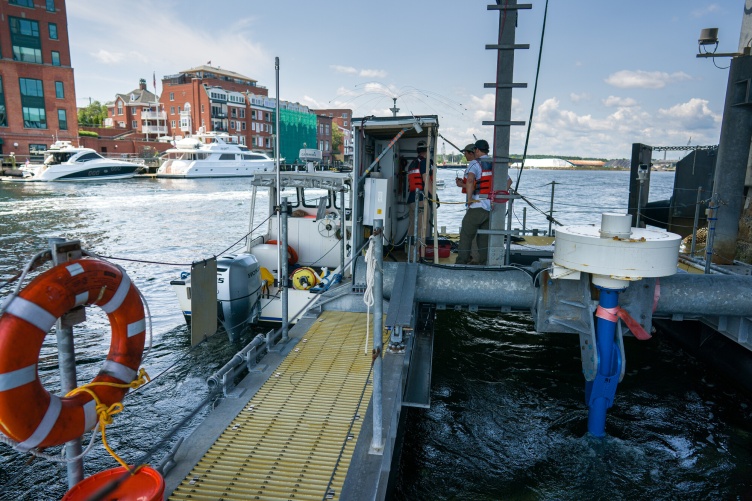
UNH’s research funding soared to $252 million in FY24, advancing nearly 1,000 projects aimed at addressing issues impacting New Hampshire and beyond. This substantial growth—an increase of $42 million from last year—has more than doubled since 2019. Major initiatives include a $12 million DOE grant for tidal energy research, a $10 million USDA grant for agroforestry, and projects focused on tick-borne disease, sustainable space manufacturing, and STEM workforce development. Federal support, led by NOAA, NASA, and the DOE, totaled $157 million. Read more about UNH’s expanding research impact.

NHAES & COLSA Research In the News

More Station News & Notes

Support the NHAES and Subscribe to Our News Channels


Please consider supporting future agricultural, food and natural resources research and innovation at the NH Agricultural Experiment Station with a charitable gift.


Want more news and information from the NHAES? Sign up for our NHAES News – and get notified each time we publish new articles highlighting our research (approximately twice a month). Know someone who might be interested in signing up to receive Station Science? Send them our newsletter sign-up webpage.

Visit our Website
Read and Be INSPIRED!
Meet our Researchers
Follow NHAES on social media:
Facebook  Twitter  Instagram  
Share this newsletter:
LinkedIn Share This Email