Faulkner County Agriculture Update

May 15, 2026


General Conditions

Weather


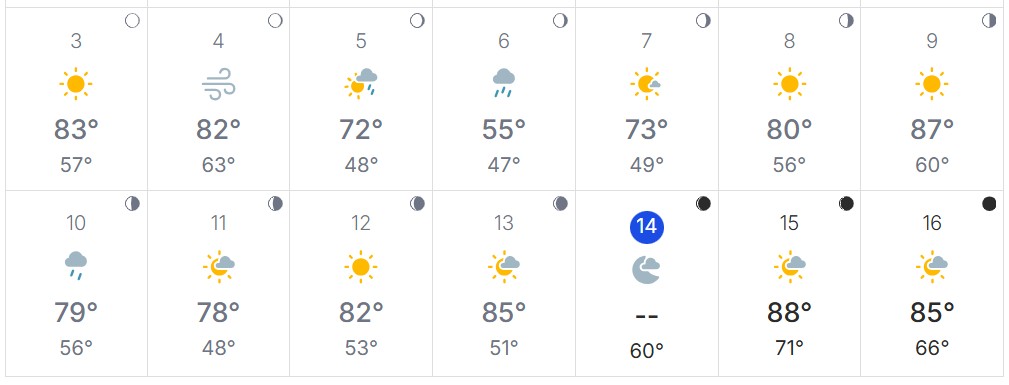
Rain amounts ranged from 0.40 inches to 1.25 inches across Faulkner County on Sunday where I have rain gauges. I am pretty sure downtown Conway may have gotten more than that as the roads flooded. Temperatures were much better this week. We did get down in the high 40's on Monday but the rest of the week wasn't bad.


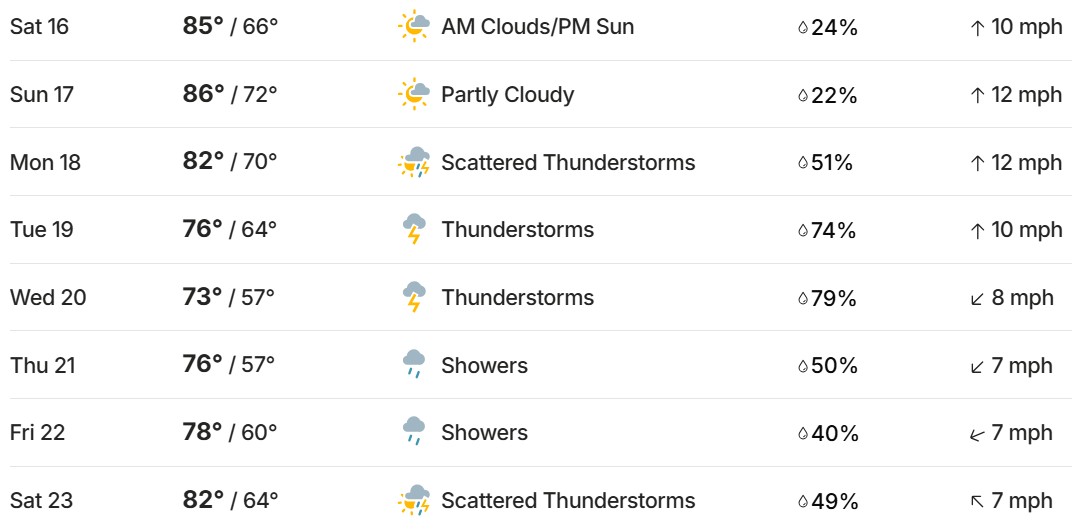
As we look to the forecast there are several good rain chances next week. Temperatures look like they are finally starting to straighten out also. This is one of the few weeks we will have lows in the 60's for the majority of the week.

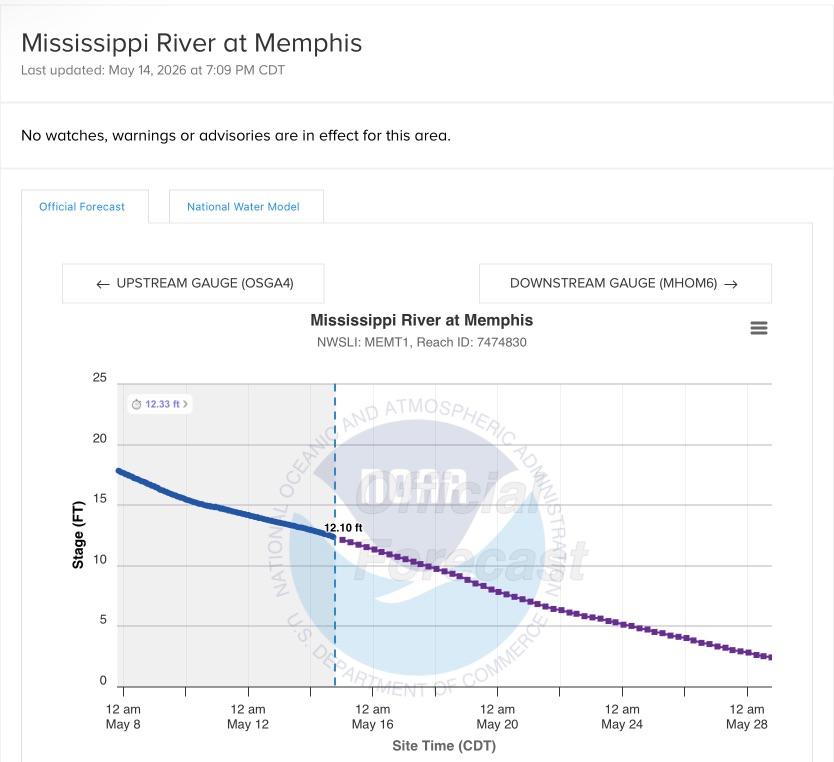
Arkansas and Mississippi River

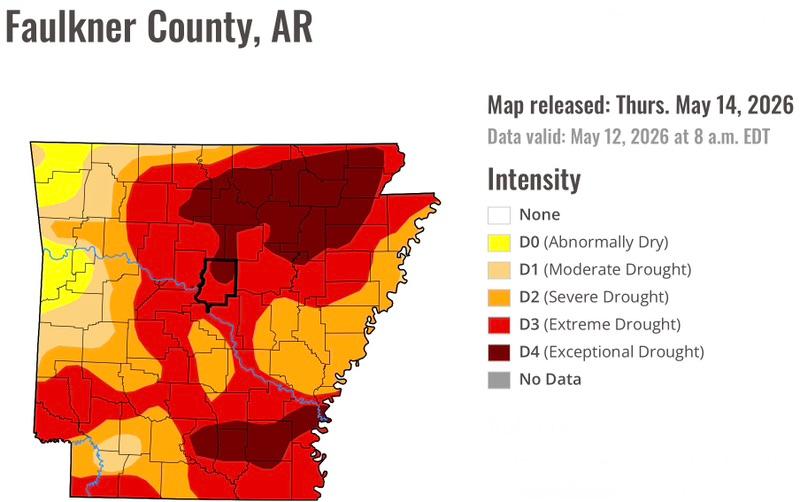
Drought Monitor

Row Crop

Corn


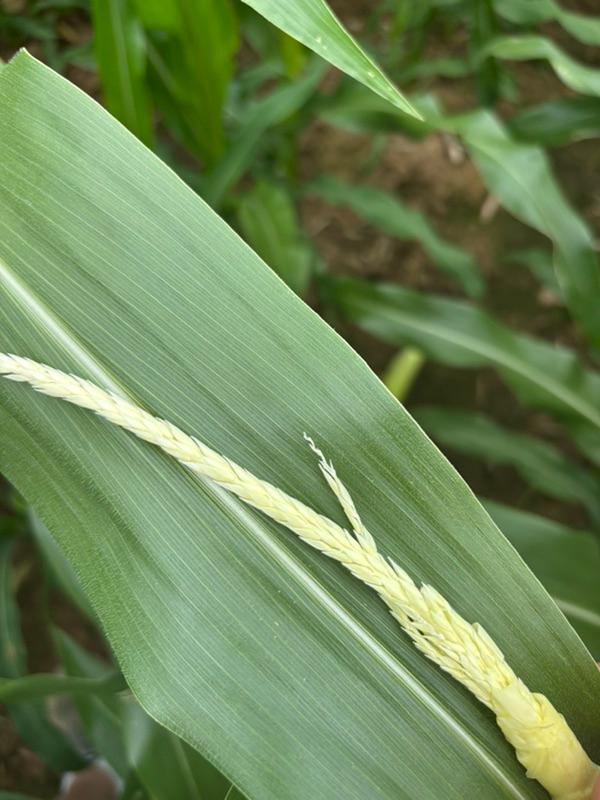
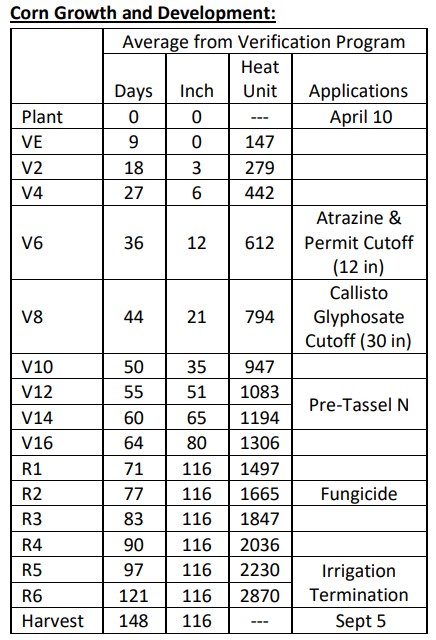
Thankfully we have finally had some warm sunny days this week. Corn needs that bad. Corn is a photosynthesis factory that thrives on sunlight. Even the later planted corn looks like it has turned around this week. We need to finish sidedress nitrogen before this next rain and get prepared for tassel applications in a few weeks. The early planted fields are now putting on two leaves a week. So for fields that are at V11, could be putting out tassels in about 3 weeks.


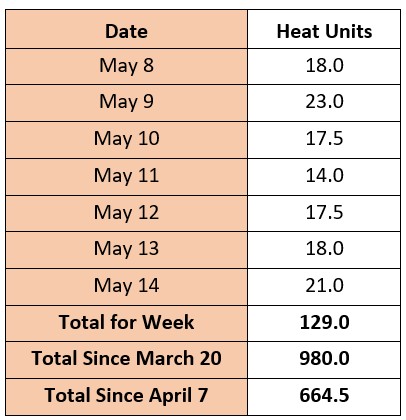
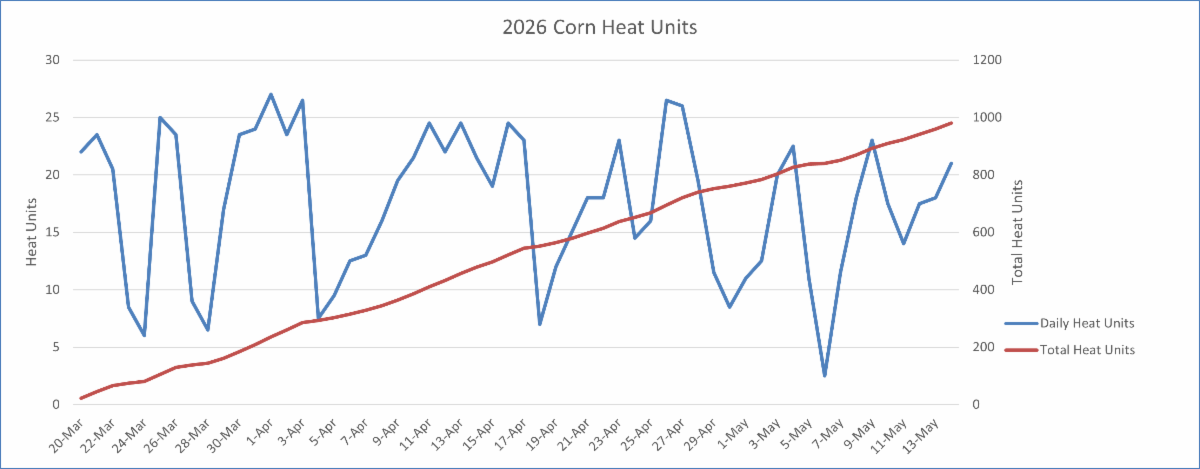
Heat units were back to a more normal range this week. We accumulated 129 heat units for the week. Heat units for corn planted on March 20 is at 980 and for fields planted on April 7 there is 664.5 heat units. Early planted fields are at V11 while late planted fields are around V6.

Rice


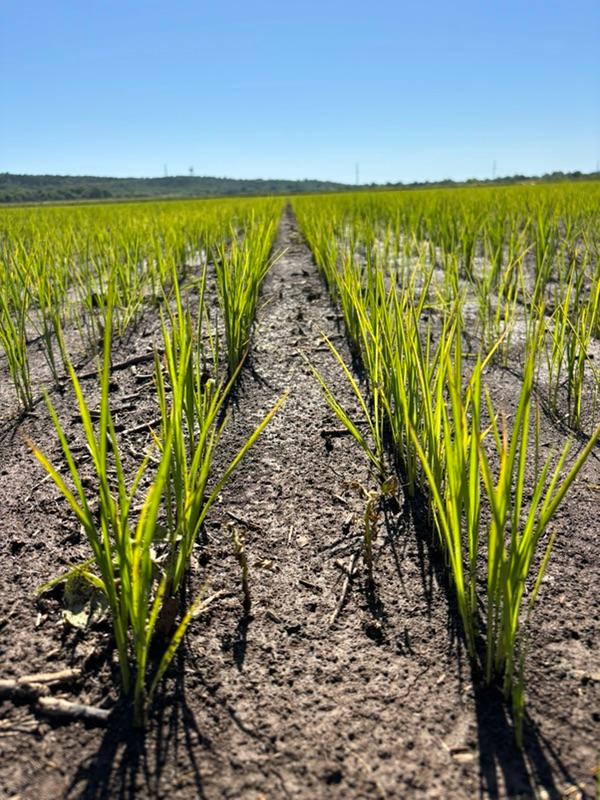
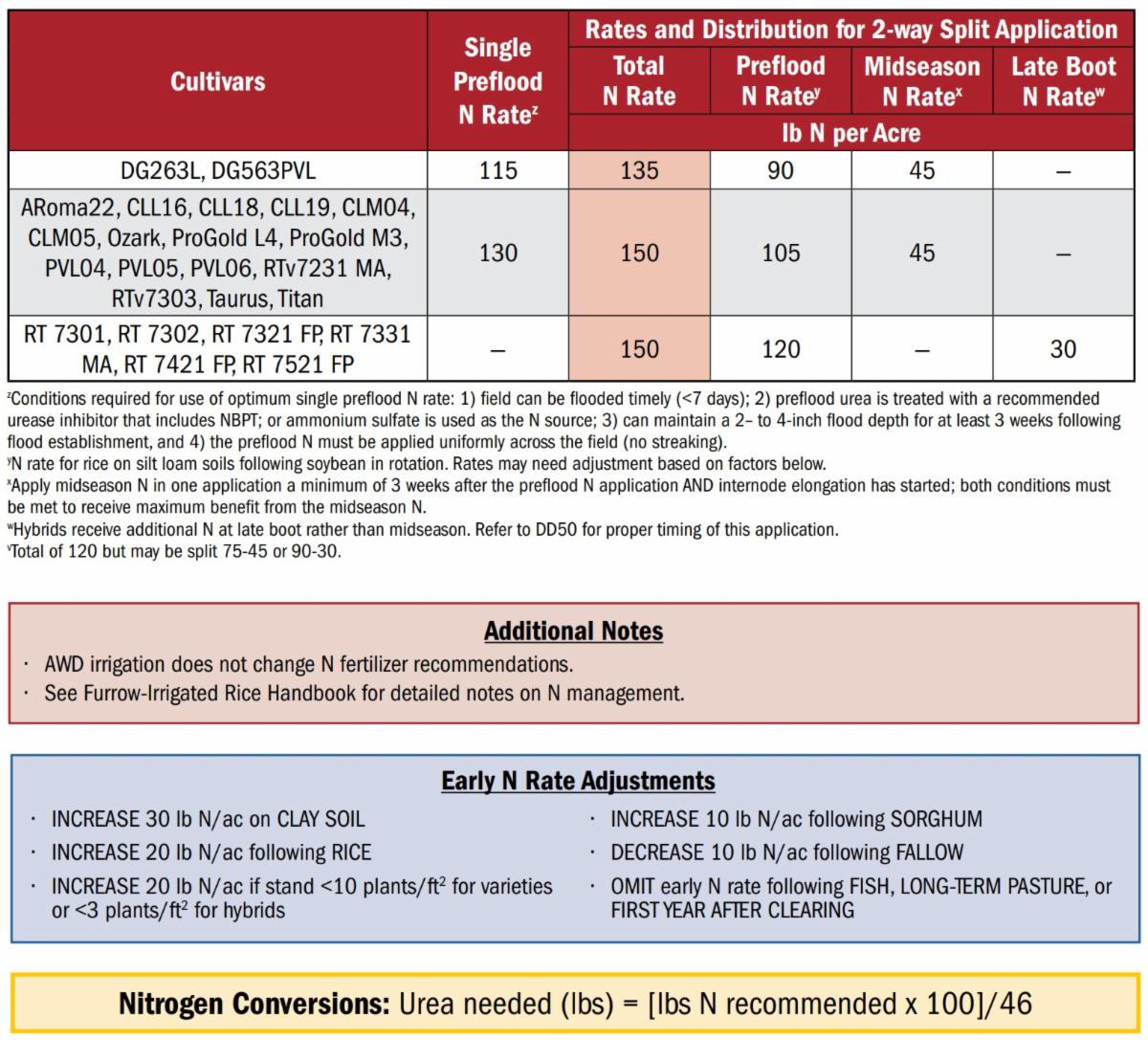
Herbicide applications that went out last week are doing a good job. Now is the time to look at follow up applications of Provisia or start getting ready to fertilize and flood. It would be nice to apply this fertilizer before the predicted rain early next week. But the ground needs to be dry with no water standing. I don't like muddy either, but I will take fertilizer in muddy ground with no standing water with a rain predicted.


The key to a great rice crop is this initial flood. This flood needs to be deep enough to keep weeds from germinating, but it has to be shallow enough to allow for maximum tillering of the rice crop. It is a really fine line but it is crucial to a great rice crop.

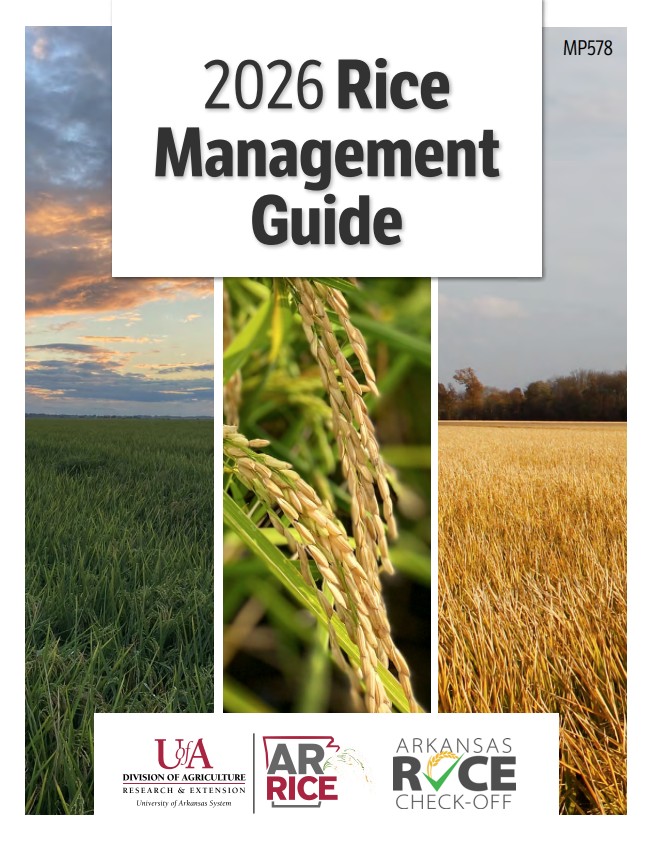
Latest rice update from Dr. Jarrod Hardke and our 2026 Rice Management Guide.

Soybeans


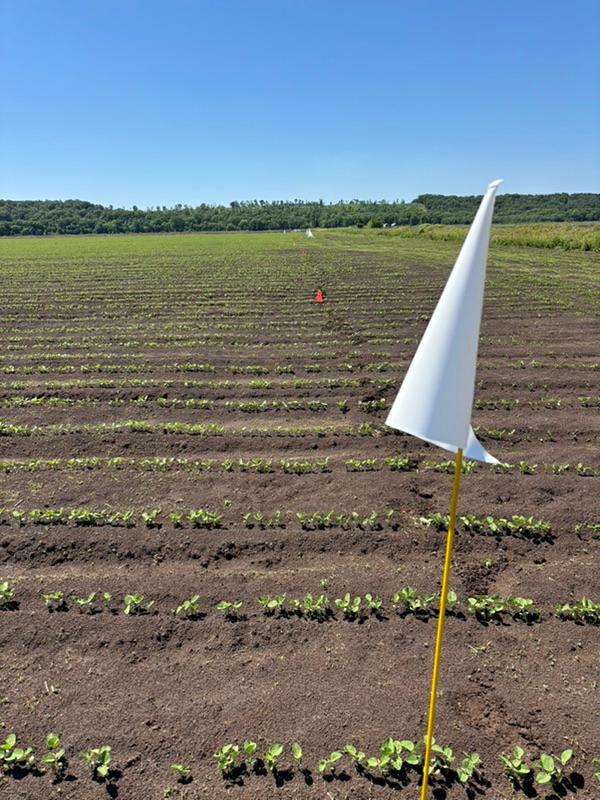
More soybeans are going in the ground this week in front of the predicted rain. We have a few fields with nice stands, and some with not so nice stands. There are a few fields that will need a complete replant, some that will need the ends replanted, and some with just a hole or two that will need to be replanted. The early planted soybeans have looked rough the last few weeks with the cool weather, but I will say this week they actually looked a little better. If you are ready to apply Enlist and glyphosate, think about some dual or some other residual to give you some more time.

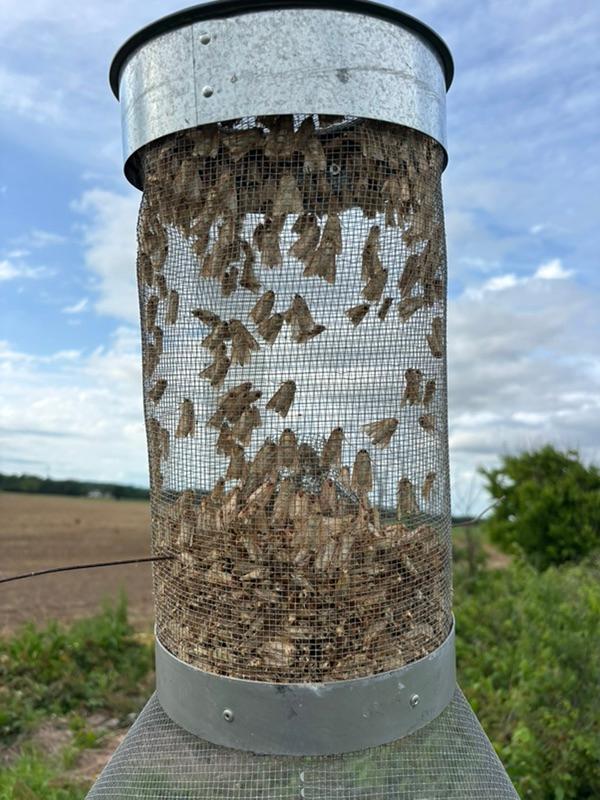
Corn Earworm Moth Traps


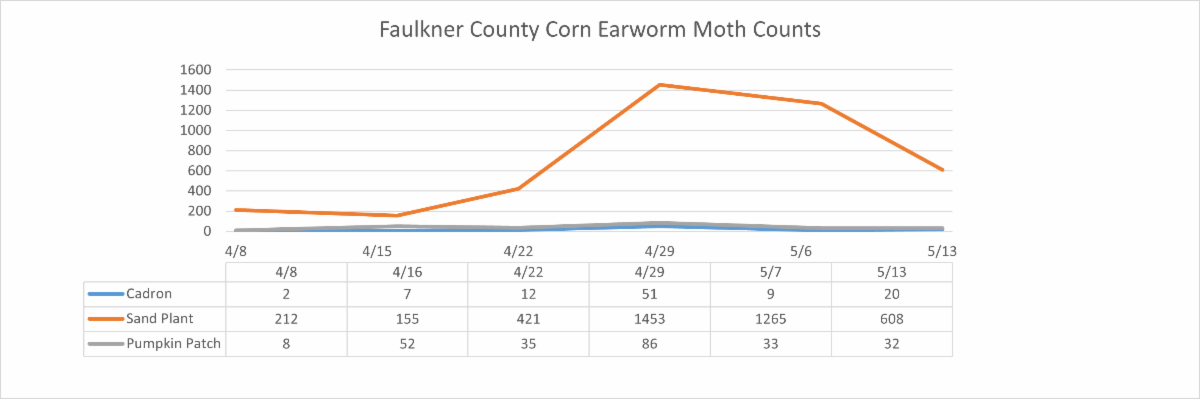
Corn Earworm Moth Counts for May 13, 2026

Cadron - 20


Sand Plant - 608


Pumpkin Patch - 32

100 Years of Arkansas Soybeans


This week on Morning Coffee and Ag Markets, Hunter Biram sits down with three guests who together represent a full sweep of Arkansas soybean history. From the farming family that helped introduce the crop to the state a century ago, to the researchers and advocates keeping it at the forefront of row crop agriculture today, this week's episode is a fitting conversation as Arkansas celebrates 100 years of soybean production.


Joining Hunter are Brad Doyle, a farmer, seed businessman, and former president of the American Soybean Association. Also at the table is Doug Hartz, a farm manager and agribusiness entrepreneur whose grandfather was among the first to bring soybeans to Arkansas in the mid-1920s. Rounding out the panel is Jeremy Ross, soybean agronomist with the University of Arkansas Cooperative Extension Service.


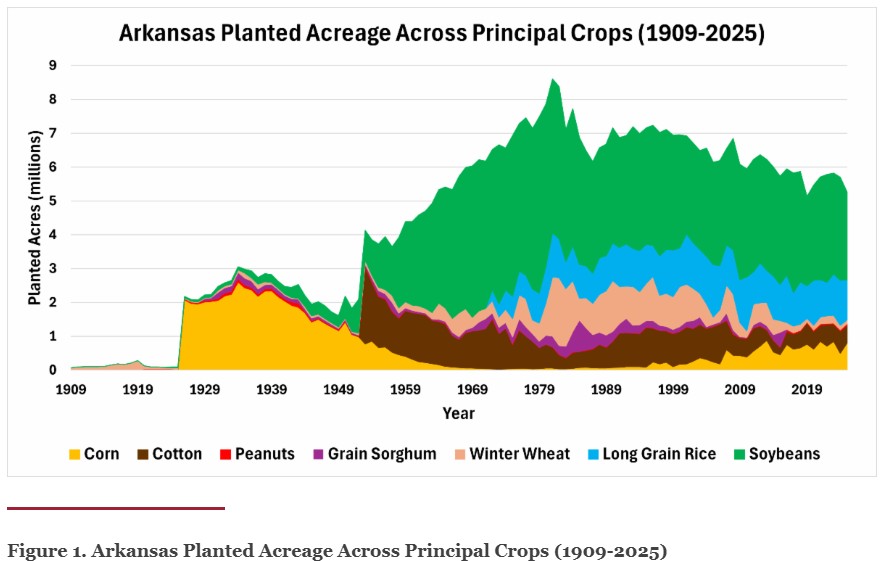
As Figure 1 below illustrates, soybeans have fundamentally reshaped Arkansas agriculture over the past 100 years. What began as a minor soil-building experiment planted largely as a green manure crop, at a time when synthetic nitrogen fertilizer was barely accessible, grew into the dominant crop across the state. Soybeans surpassed cotton in the 1950s and have held that top position for nearly seven decades.


The panel digs into exactly how that transformation happened. They cover the role of nitrogen fixation in an era before synthetic fertilizers were widely available, the genetics revolution that drove state yield averages from 6.5 bushels per acre in 1924 to 55 bushels in 2024, and the arrival of Roundup Ready technology in the 1990s that changed weed management forever.


But the conversation is not purely historical. The guests get candid about where things stand today for Arkansas soybean farmers. They also look ahead to the next 100 years, touching on improved technology and expanding export markets, and why Arkansas-grown soybeans may have a quality and reliability story the rest of the world has not fully heard yet. Tune in to Episode 87 of MCAM to hear more, available now on Spotify, Apple Podcasts, and Amazon Music, or on the Fryar Price Risk Management Center of Excellence's website.

Beef, Small Ruminants, & Forages

Forages


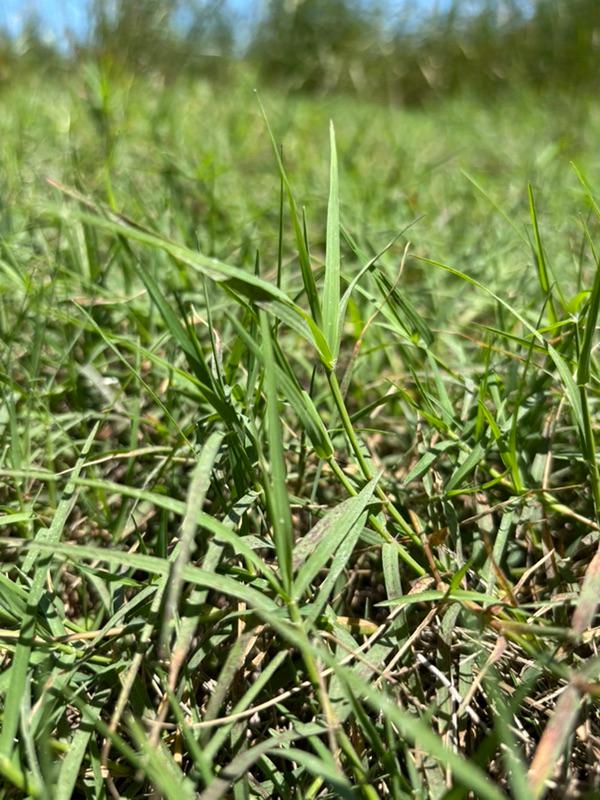
Forages are another crop that is turning around this week. Bermuda and bahiagrass both look good and are growing well. I am ready to start fertilizing hay fields and pastures in Faulkner County. If you can get this fertilize application out in front of the predicted rain next week you should be in business. Several hay fields were harvested this week to get all of the ryegrass and other grasses off and get ready for the next harvest.

Selecting the Right Calving Season for Your Ranch

David Lalman, Oklahoma State University Extension Beef Cattle Nutrition Specialist


One of the most important management decisions in a cow/calf operation is determining when cows should calve. Yet, there is no single “best” calving season for every ranch. The ideal system depends on forage resources, labor availability, weather patterns, marketing plans, and overall management goals. Regardless of whether producers choose spring calving, fall calving, or even a combination of both, having a defined and controlled calving season is one of the most effective ways to improve efficiency and profitability.


Research and standardized performance analysis (SPA) data collected from nearly 400 herds in Texas, Oklahoma, and New Mexico demonstrated that longer breeding seasons increased cost of production. In fact, each additional day in the breeding season increased cost per hundredweight of calf weaned. Herds that reduced breeding seasons from year-round exposure to approximately 75 days substantially lowered production costs while also improving calf uniformity. Uniform groups of calves are generally worth more at sale time because buyers prefer cattle that are similar in age, size, and management background.


Controlled breeding and calving seasons also simplify management. Vaccination schedules, nutritional management, pregnancy diagnosis, weaning, and marketing can all be streamlined when cows calve within a relatively short window. In contrast, year-round calving often creates nutritional and labor challenges because cows are in different stages of production simultaneously.


Spring calving remains the most common system in Oklahoma and much of the Southern Plains. One advantage of spring calving is that cows are typically dry (not producing milk) and pregnant during winter feeding. The dry, gestating period represents lower nutritional requirements compared to post-calving when cows are producing milk. Thus, wintering costs are generally lower for spring-calving cows. Calving too early (January and February) in Oklahoma offsets some of this advantage.


Spring-calving systems are not without challenges. Severe late-winter and early-spring storms can result in newborn calf losses. Another disadvantage is that cows can slip in body condition during early spring forage green up. They tend to burn a lot of energy “chasing” bits of tender green forage and ignore available low-quality standing forage or hay provided, resulting in inadequate forage intake and weight loss. This challenge is exacerbated when the early green up period coincides with peak lactation. Finally, delaying the calving season too long exposes females and herd sires to extreme late-summer heat stress during the breeding season. 


Fall-calving systems offer a different set of advantages and disadvantages. Fall-calving cows are usually in excellent body condition at calving because they have recovered body reserves during summer grazing. Calves are also generally older and heavier at weaning. However, on most ranch operations in Oklahoma, winter supplementation costs are greater in fall-calving cows. Increased nutrient requirements for lactation in combination with lower quality winter forage or hay results in a dramatic gap in nutrient supply. Without proper adjustments in the nutritional program, cows can experience rapid weight and body conditions loss during the breeding season. In addition, if calving starts too early, extreme heat during late summer can lead to weak or even stillborn calves. 


Heat stress deserves increasing attention in Southern beef systems. Breeding cattle during periods of high heat and humidity can reduce conception rates, lengthen the postpartum interval, and negatively impact bull fertility. In some regions, pregnancy rates may decline substantially when cows are bred during late July through early September. Adjusting breeding and calving seasons to avoid predictable periods of extreme heat may improve reproductive performance.


Regardless of calving season, body condition management remains critical. Mature cows should generally calve in a body condition score (BCS) of approximately 5, while first-calf heifers should be closer to a BCS 6. Long-term data consistently show that pregnancy rates decline dramatically in thin cows. Producers should evaluate whether their calving season aligns with forage availability and allows cows to maintain adequate body condition economically. Adoption of synchronization and artificial insemination (AI) is gradually increasing in the commercial beef cattle operations. Recent research indicates that pregnancy rates to AI are improved when cows are slightly gaining weight and condition during the breeding season. This is most economically achieved through timing of the calving season and selection for cattle that are a good match to the forage system. 


There are also tradeoffs between operating one calving season versus two. A single calving season simplifies management and creates larger, more uniform groups of calves to market. Multiple calving seasons may spread marketing risk and increase bull utilization, but they also complicate labor, nutrition, and herd health programs.


Ultimately, the “best” calving season is the one that best matches the ranch environment and available resources. Producers should design systems that minimize purchased feed, maintain reproductive efficiency, and fit local forage resources.

Sheep Success Series


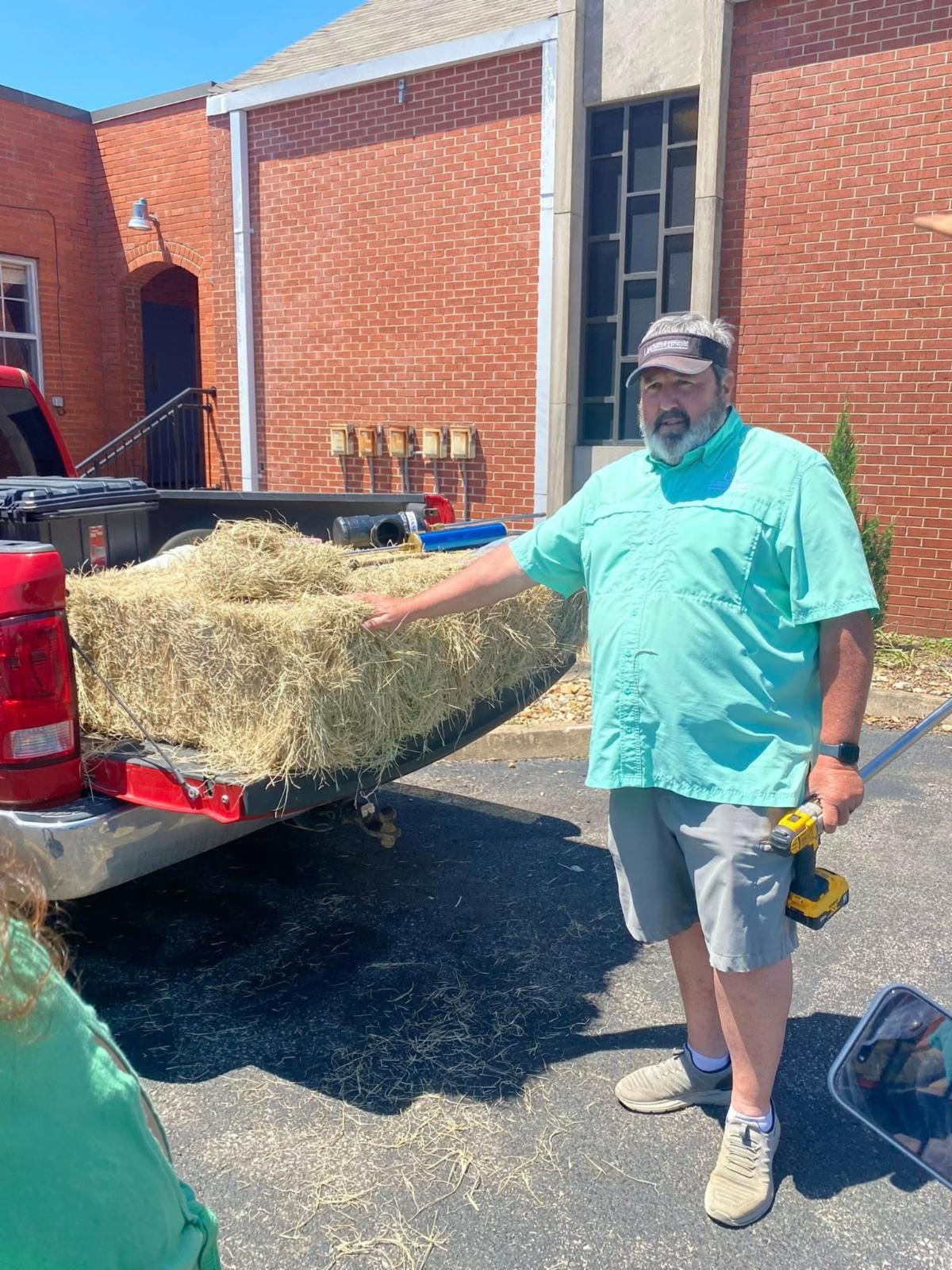
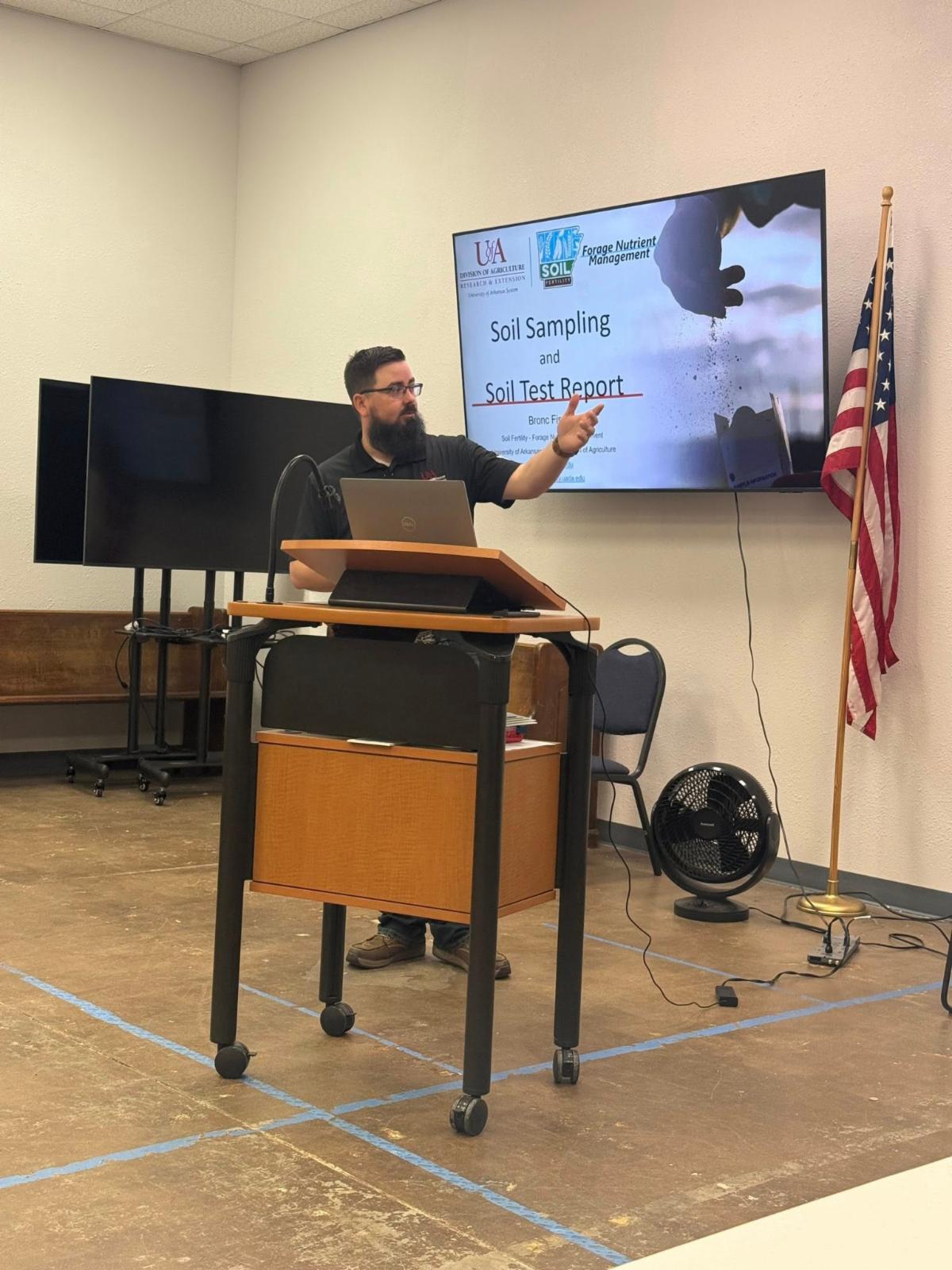
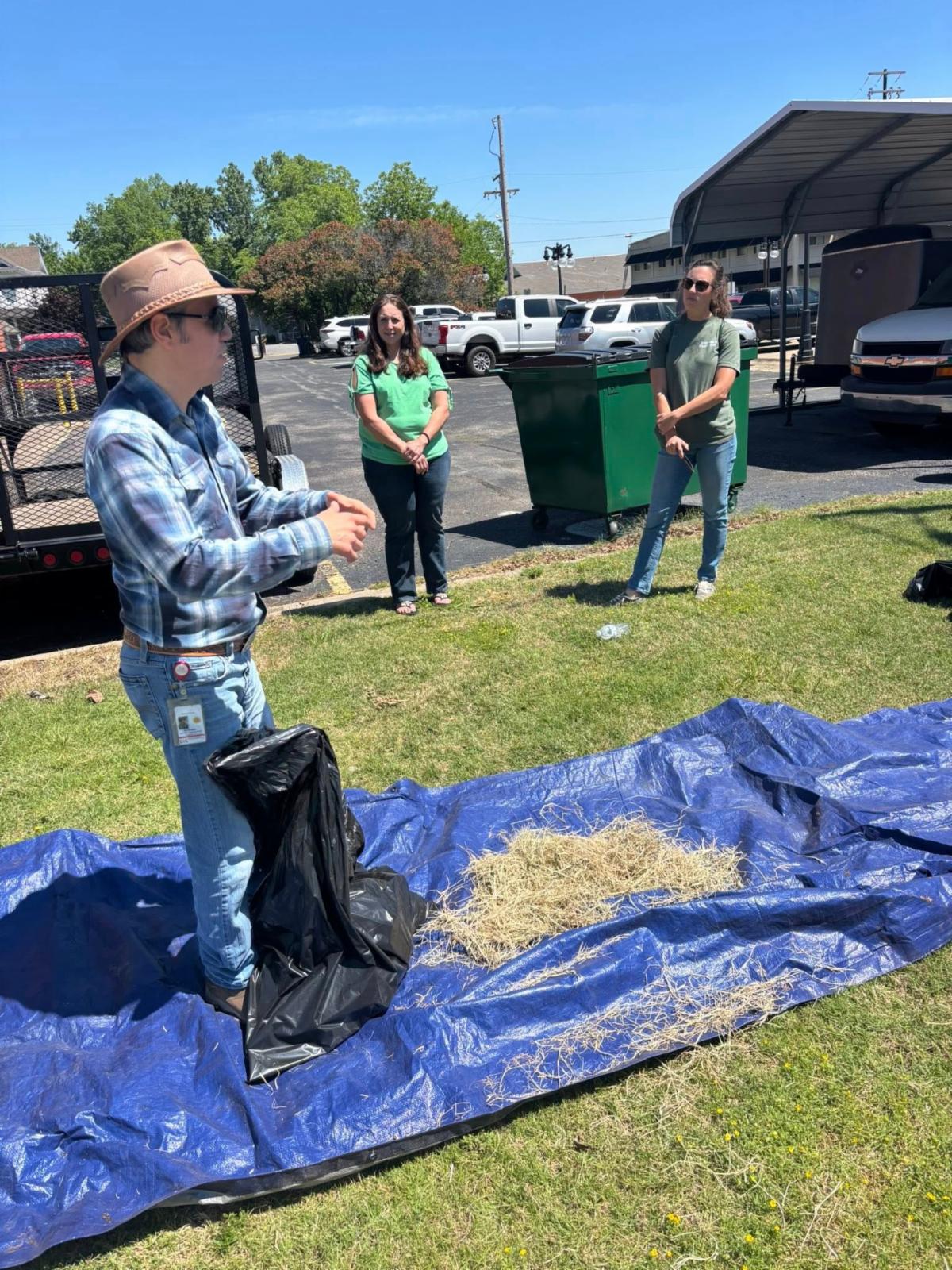
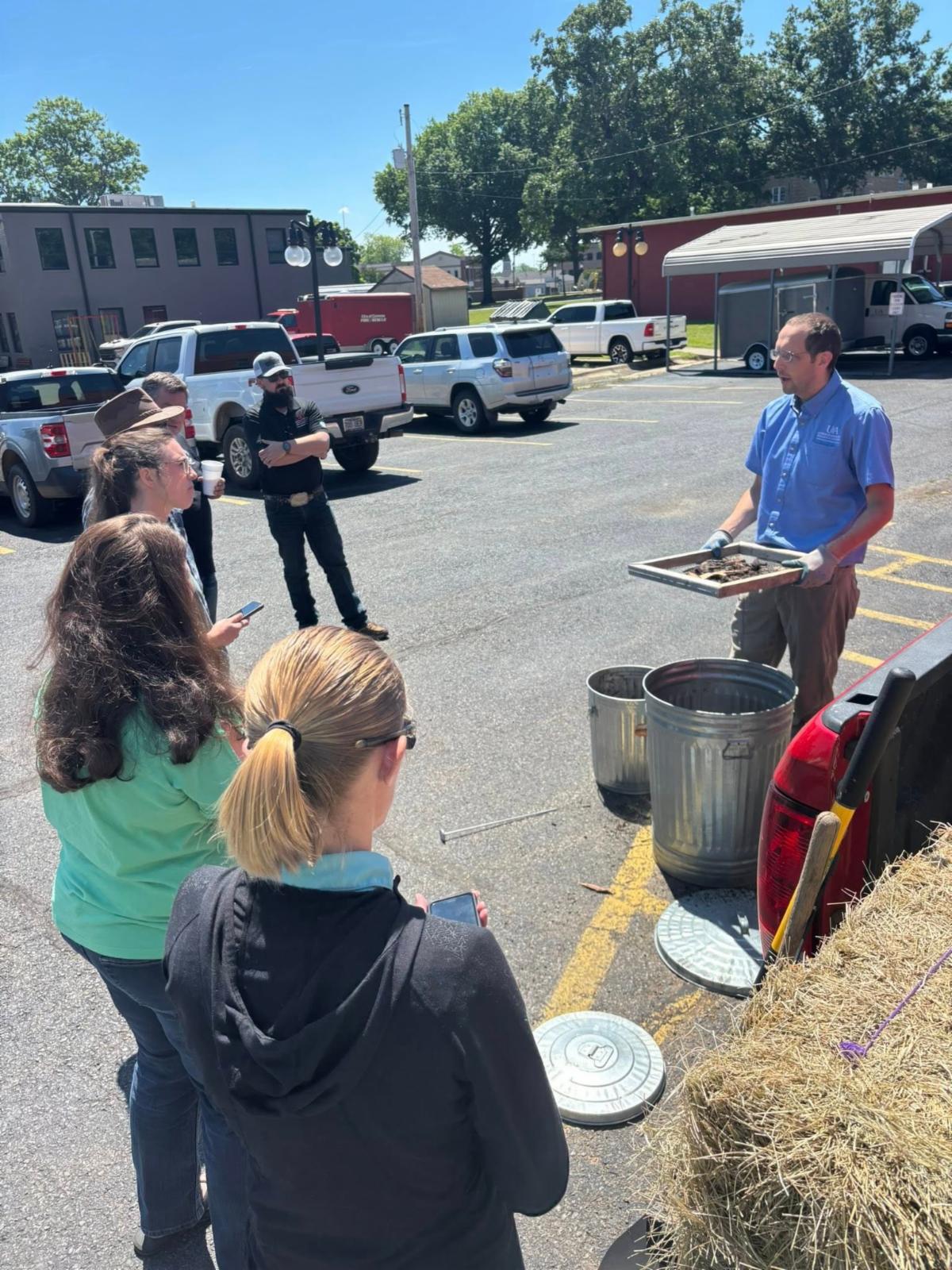
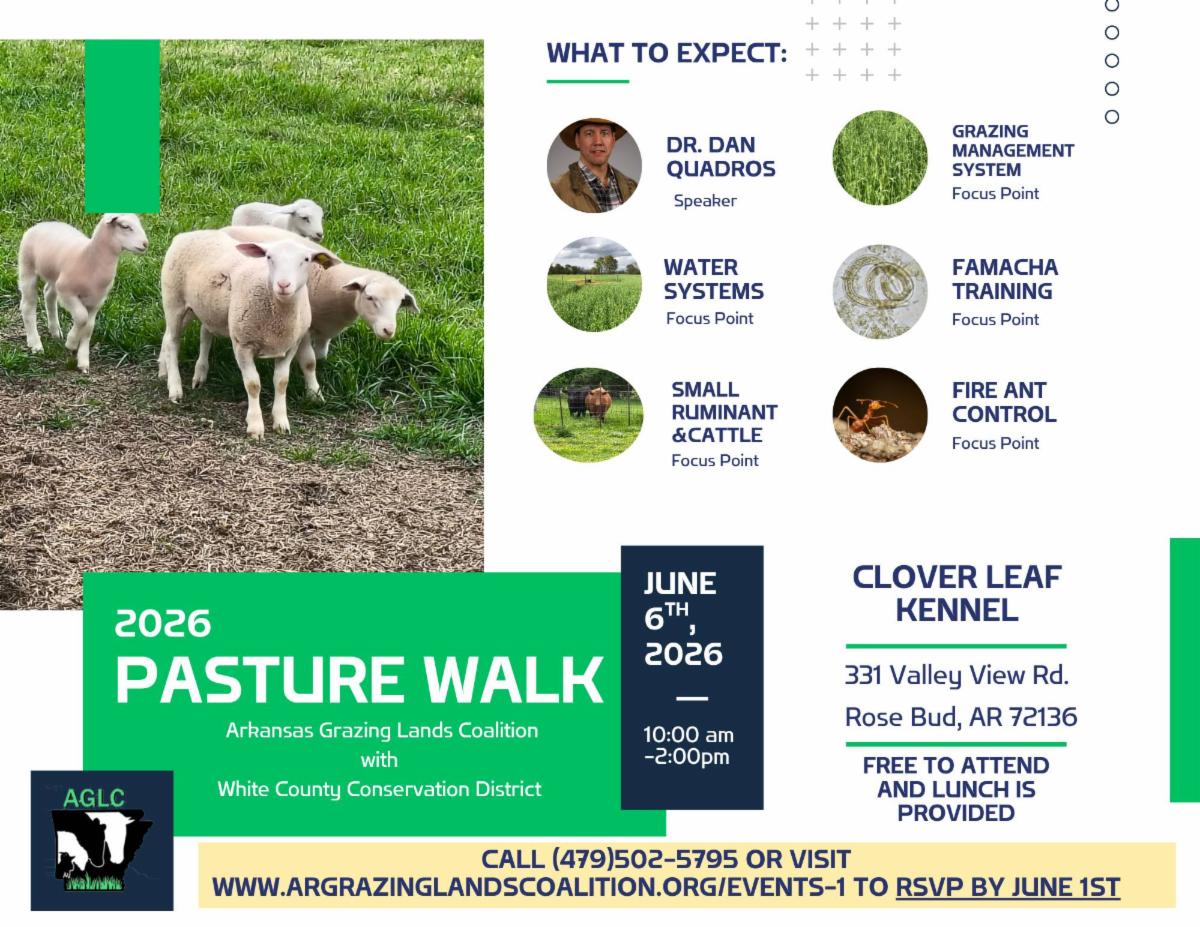
The 2nd quarter of our Sheep Success Series was held last Saturday May 9 at the Extension Office. We had a great workshop with some inside presentations followed by outside hands on demonstrations. Thank you to Dr. Matt Bertucci, Dr. Dan Quadros, and Dr. Bronc Finch for spending their Saturday educating our sheep producers on composting, soil sampling, and hay sampling. Stay tuned for the 3rd quarter meeting that will be in about 3 months.

Faulkner County Cattlemen's Meeting


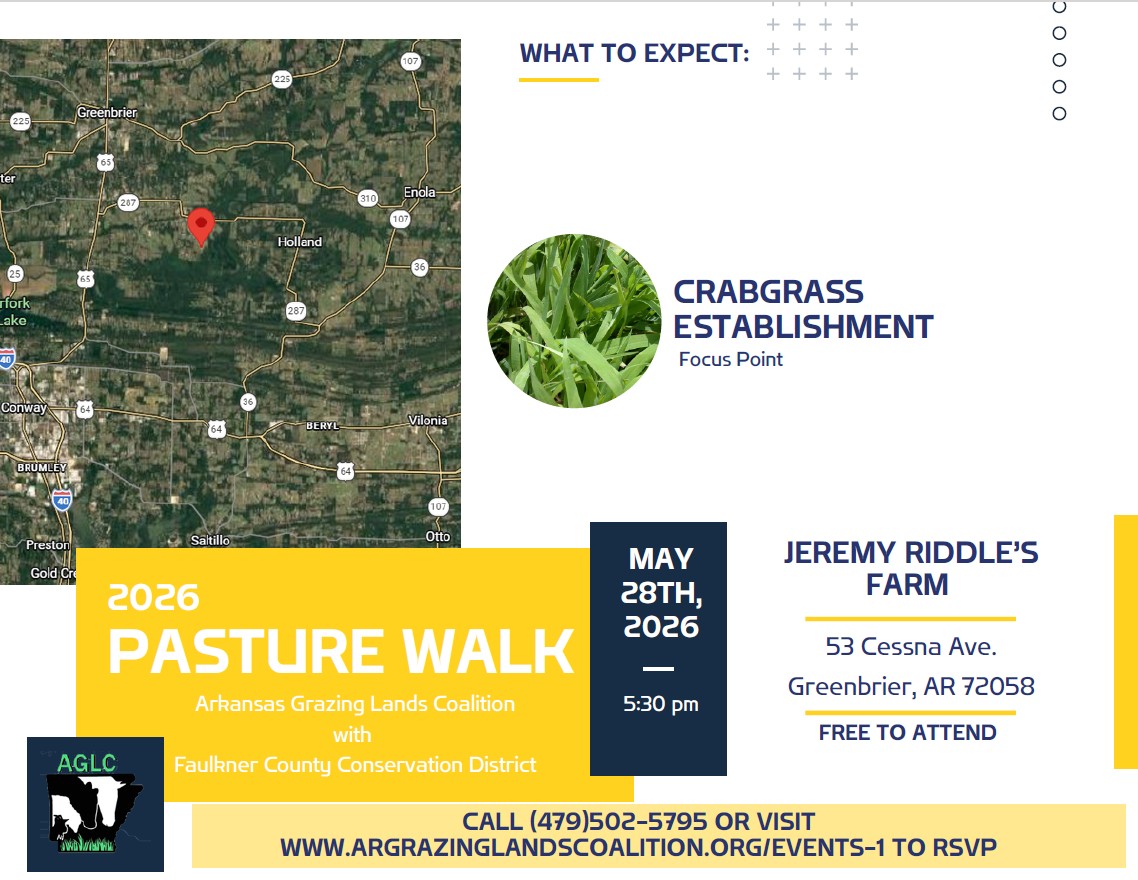
The next Faulkner County Cattlemen's meeting will be on May 28 at the Jeremy Riddle Farm in Greenbrier. The actual Cattlemen's Meeting will start at 6:30, but for anyone that wants to come early we will have a pasture walk looking at establishing crabgrass sponsored by the Arkansas Grazing Lands Coalition and the Faulkner County Conservation District.

Arkansas Shepherds Association


The Arkansas Shepherds Association is an organization for sheep owners or businesses that want to support the Arkansas sheep industry. They will have lots of information for sheep owners and an annual educational workshop.

Upcoming Meetings

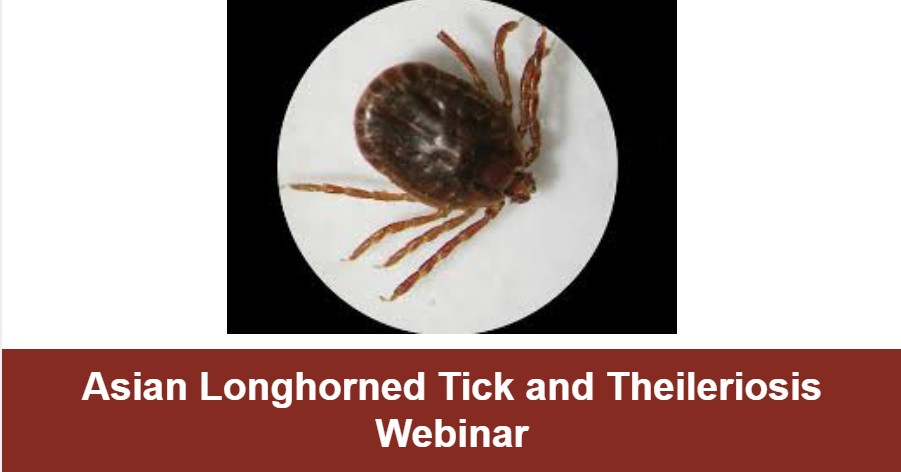
Asian Longhorned Tick and Theileriosis Webinar


Join us on May 22nd at 11:30 AM till 1:00 PM for a webinar on Asian Longhorned Tick and Theileriosis in Arkansas!


Topics that will be covered will include: regulations and the importance of testing and reporting; current geographical distribution of the tick and Theileriosis in Arkansas; prevalence of ticks and infection rates among cattle herds; tick management strategies and cattle management strategies; and research updates. Additionally, there will be a roundtable discussion with veterinarians who will talk about their experiences with Theileriosis, along with time for questions for the speakers.


Please click the link below to register.

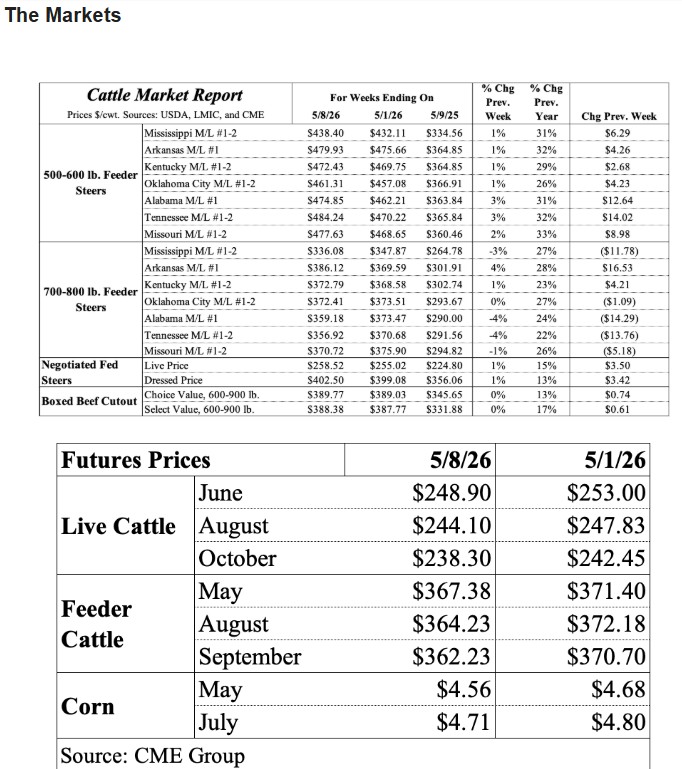
Here is this weeks Cattle Market Notes Weekly

Pesticide Applicator Trainings


There will be no more in person Pesticide Applicator Trainings until this winter. If you need a license you can still do the training online. There is a link below for the online training and a link to check your license status.

Livestock Market Report


The following links are for the weekly livestock market report from the Arkansas Department of Agriculture website and the Livestock Auction Dashboard from USDA. Both sites have marketing data for all livestock sold at Arkansas Sale Barns.

2025 Faulkner County Agriculture Demonstration Summary


The 2025 Faulkner County Agriculture Demonstration Summary is now available at the link below.


The 2025 Faulkner County Demonstration Summary is a collection of on-site demonstration results conducted in Faulkner County by local County Agents. Demonstrations are the cornerstone of the University of Arkansas System Division of Agriculture Cooperative Extension Service’s mission which is:


“We strengthen agriculture, communities, and families by connecting trusted research to the adoption of best practices.”


On-site demonstrations allow producers and homeowners to see firsthand how Extension recommended varieties and best management practices work in their counties and surrounding area.

Sign up for Text Alerts


You can now sign up for text alerts from me throughout the year. I have two areas you can sign up for which includes Faulkner Livestock or Faulkner Ag (Row Crop Updates). To sign up you can follow one of these links or use the QR Codes below.

Faulkner Livestock


Use either the QR Code or this link:

https://slktxt.io/10lLe

Faulkner Ag (Faulkner Row Crops)


Use either the QR Code or this link:

https://slktxt.io/10lLc

Pursuant to 7 CFR § 15.3, the University of Arkansas System Division of Agriculture offers all its Extension and Research programs and services (including employment) without regard to race, color, sex, national origin, religion, age, disability, marital or veteran status, genetic information, sexual preference, pregnancy or any other legally protected status, and is an equal opportunity institution.

Contact Kevin Lawson, County Extension Agent–Agriculture, Faulkner County | Kevin Lawson