|
|
The Limpkin Times
Apalachee Audubon Society Mission Statement:
Protection of the environment through education,
appreciation and conservation.
November2019
|
|
President's Message
On October 26, I had the distinct honor of standing up on stage at the 2019 Audubon Assembly to accept an award on behalf of the chapter. This wasn't just any award, either. Apalachee Audubon won Chapter of the Year for chapters of 500 members and above. This award really means something to me, and I hope it means something to you too.
Unlike some of the other chapters in Florida, we do not have paid staff, we do not have huge financial resources, and we have a lower volunteer base than many other chapters have. What we do have is vision, a dedicated board, a large number of partnerships, and many members that are willing to step up to help birds and their habitats. As I said when we were on stage accepting the award, the award recognizes all of us.
If you are reading this, you're connected with our chapter and this is your award as much as it is mine. Give yourself a pat on the back, then look inside yourself to see what kinds of skills you can bring to the table to help make this chapter even more successful. We've got a good thing going and I'm looking forward to seeing what else we can accomplish this year. Let's continue to improve Leon, Jefferson, Gadsden, Wakulla, Franklin, and Liberty Counties for birds and the people that appreciate them.
Thank you.
-Peter Kleinhenz
President, Apalachee Audubon
In This Issue:
The Invasive Plant Removal at Lake Elberta Park
Knight Tract Receives Attention at ARC Meeting
Toll Roads Bad News for Our Birds
A Report from the 2019 Audubon Assembly
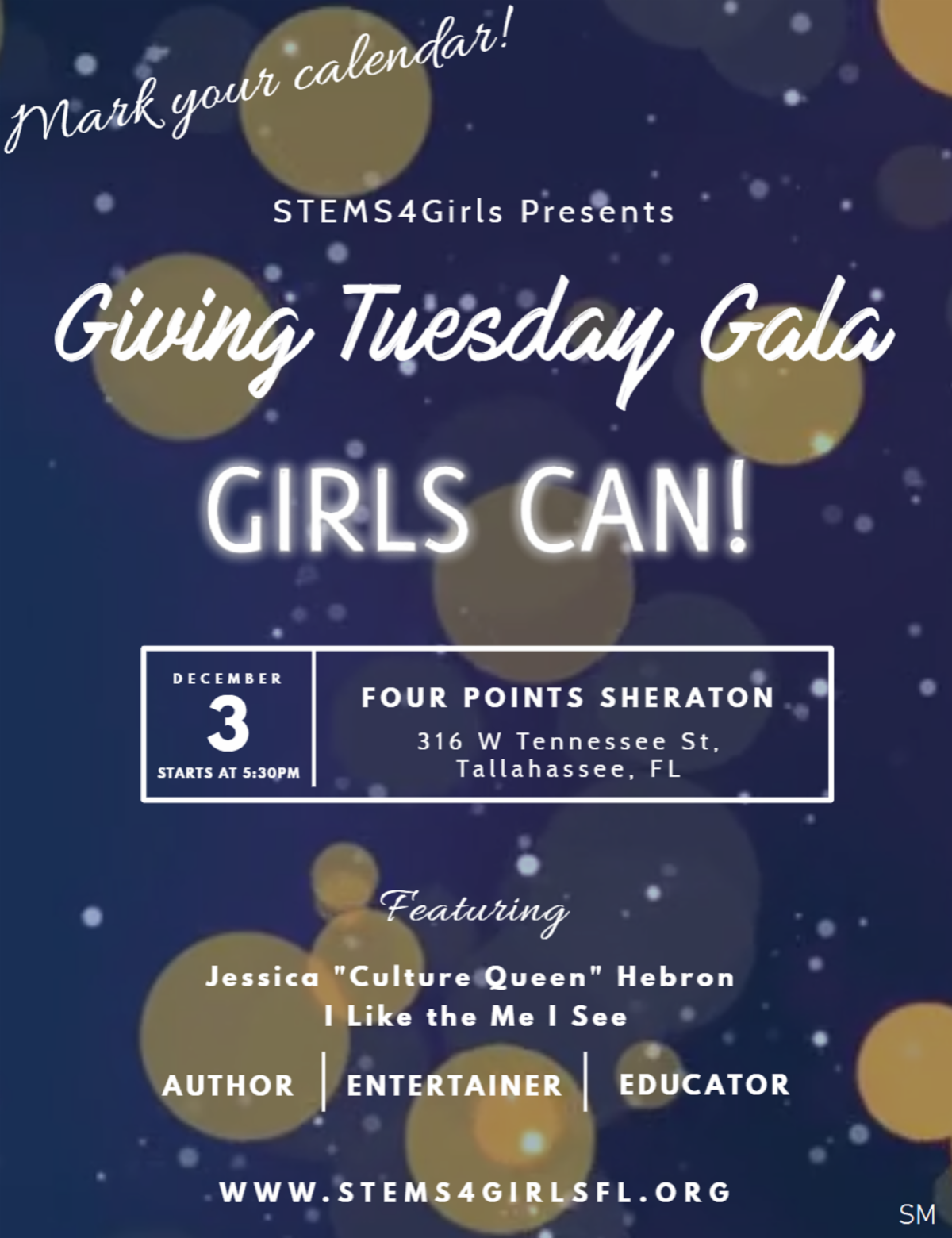
STEMS4Girls Presents Giving Tuesday Gala
|
|
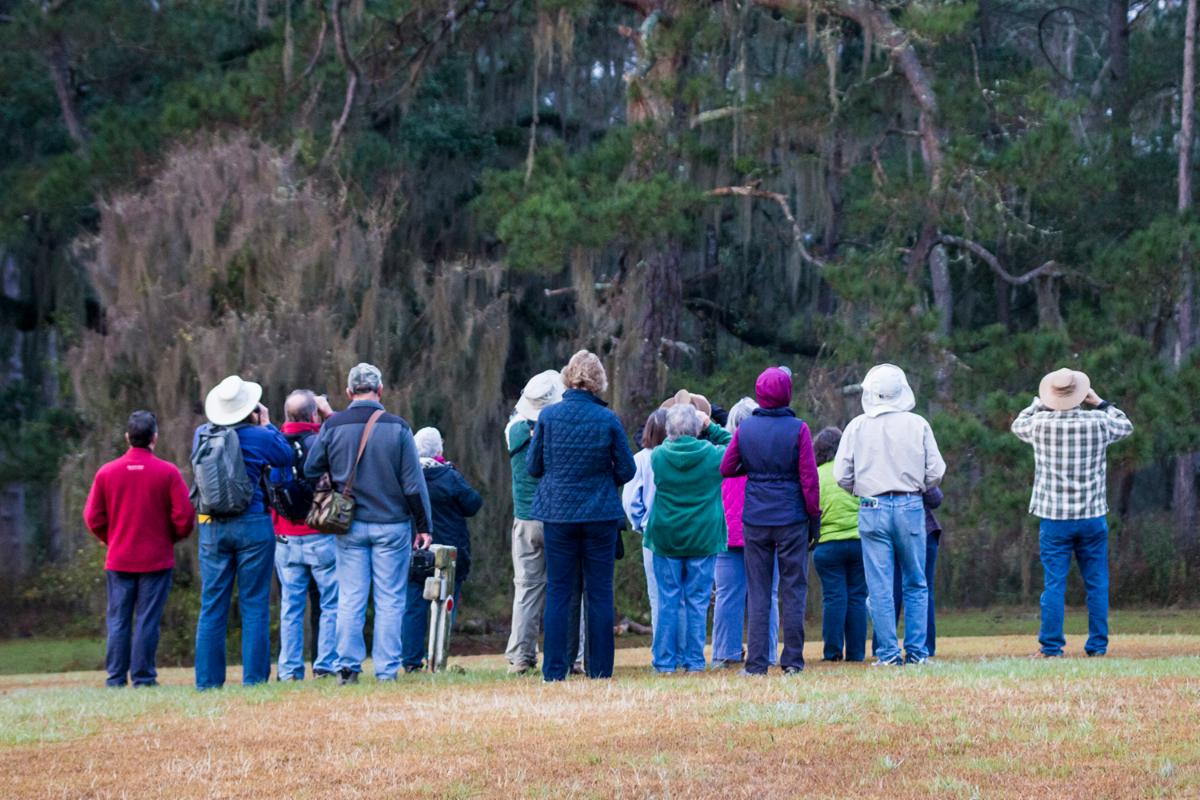
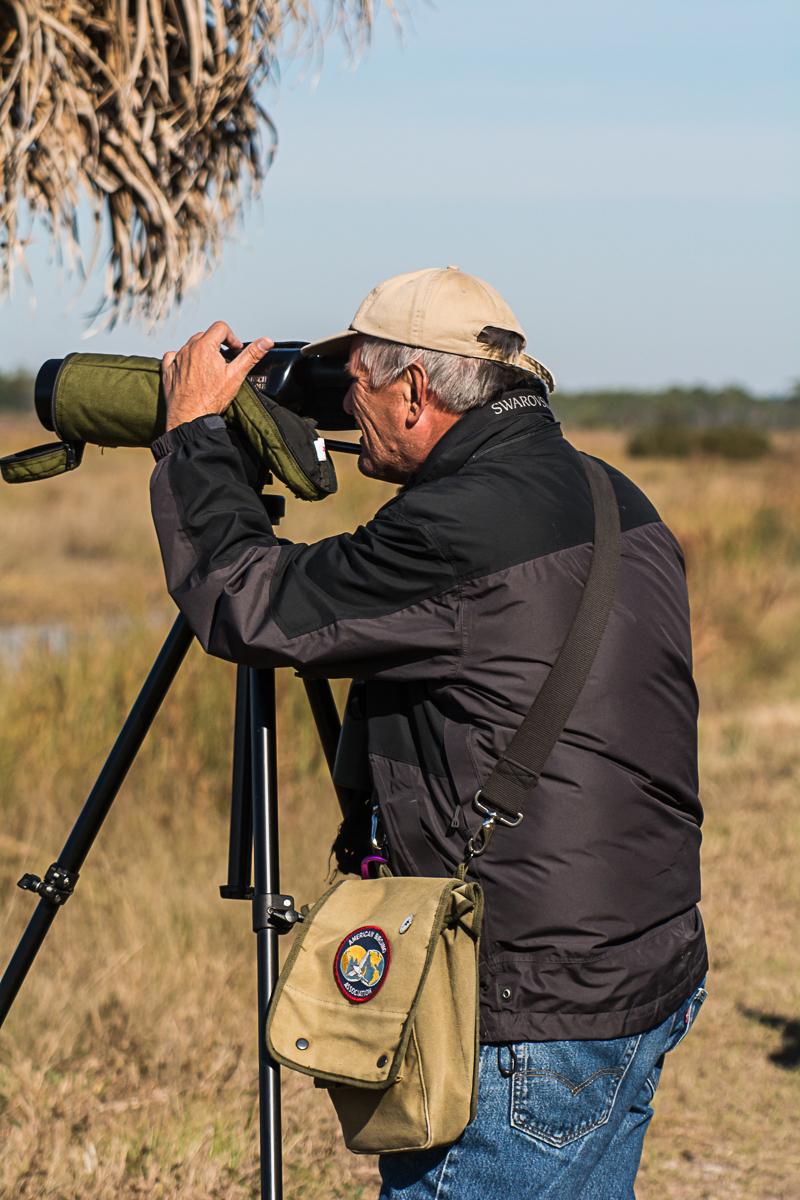
Birding Field Trip (more advanced) with Jim Cox at Tall Timbers
|
Saturday, January 11, 2020
8:00 AM - 11:00PM
|
|
Beginning Birding Field Trip with Jim Cox at Tall Timbers
|
Saturday, February 22, 2020
8:00 AM - 11:00PM
|
|
|
|
|
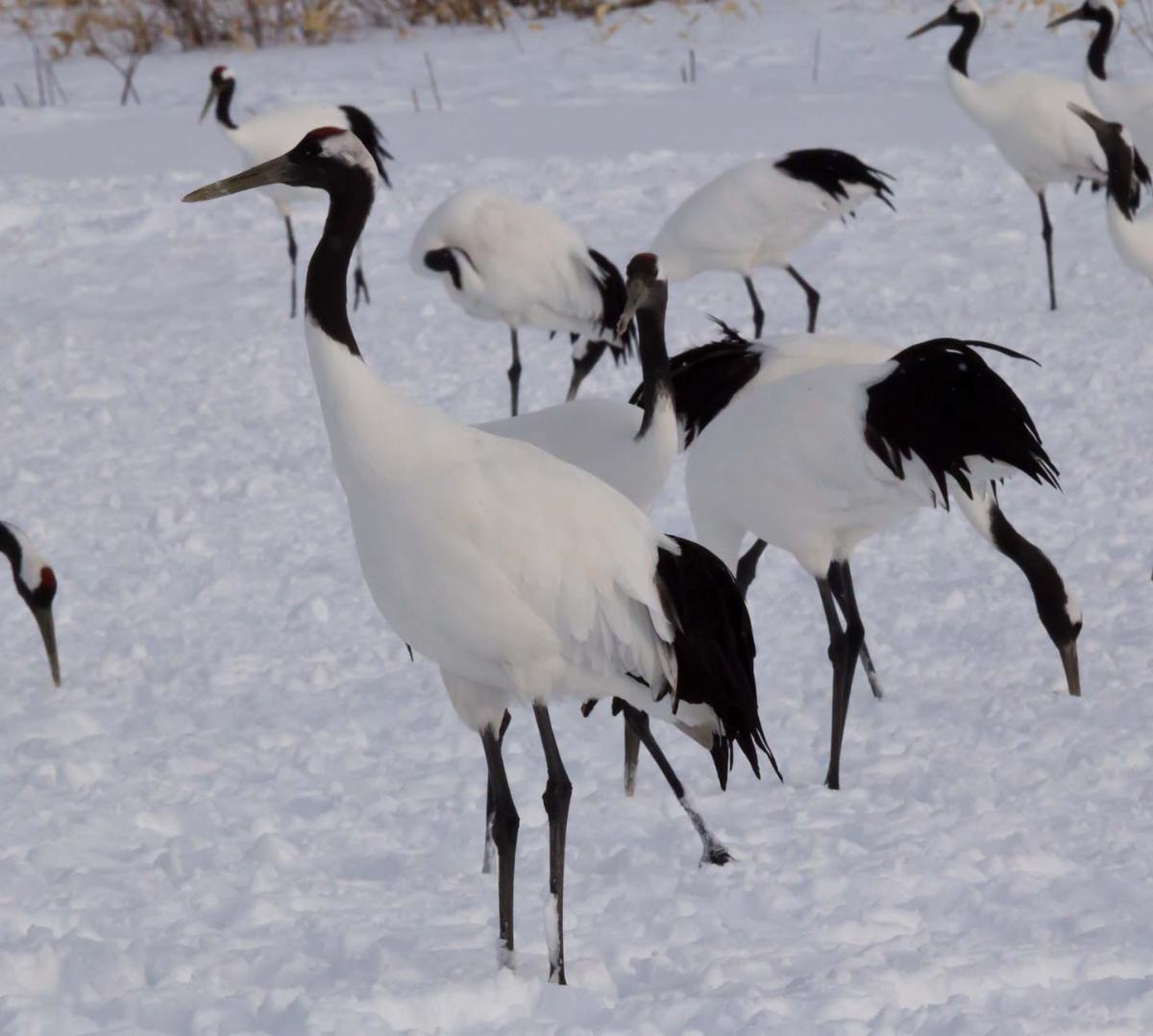
Two Seasons Birding in Japan with Bernie and Chris Grossman, AA members and excellent bird photographers
|
Thursday, November 21, 2019
7:00 - 8:30 pm
The King Building on the FSU campus
Chris and Bernie Grossman moved to Tallahassee about two and a half years ago after living in New York’s Capital District for forty two years. They were active birders with the Hudson-Mohawk Bird Club during this time serving as officers in many positions.
They took two trips to Japan, one to see the wintering cranes and to attempt to see the Blakiston's Fish Owl, the world's largest owl.
The second, a spring trip, was aimed at breeding residents, endemics, and another chance at the Blakiston's Fish Owl.
|
|
The Birds of St. Marks National Wildlife Refug
e
with Don Morrow
|
Thursday, January 16, 2020
7:00 - 8:30 pm
The King Building on the FSU campus
Don Morrow is the author of
CHECKLIST the Birds of St. Marks National Wildlife Refuge
|
|
All program meetings (except for the May Banquet) are at the King Building on the FSU campus (easy and free parking available) and take place on the 3 rd Thursday of each month. Come at 7pm for refreshments and socializing. At 7:15 we have announcements followed by the speaker.
|
|
The Invasive Plant Removal at Lake Elberta Park
|
|
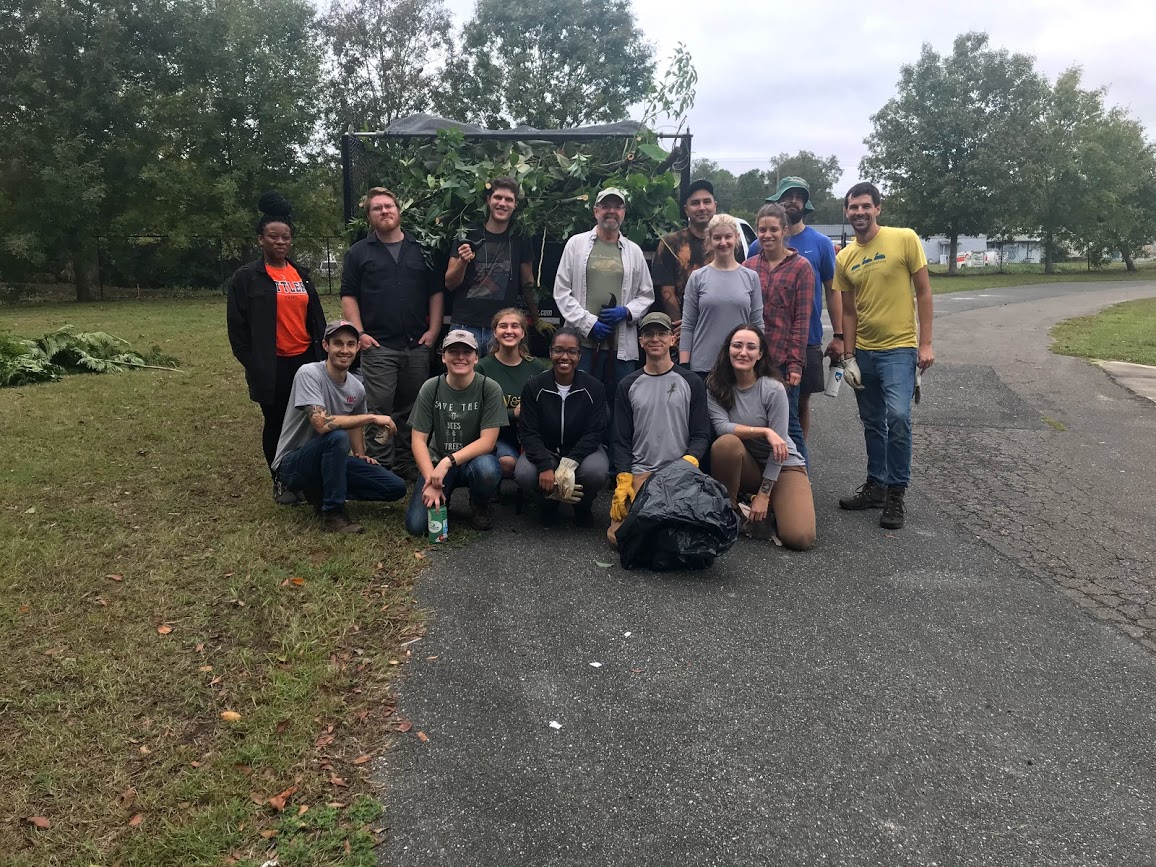
The Invasive Plant Removal at Lake Elberta Park on October 20
th
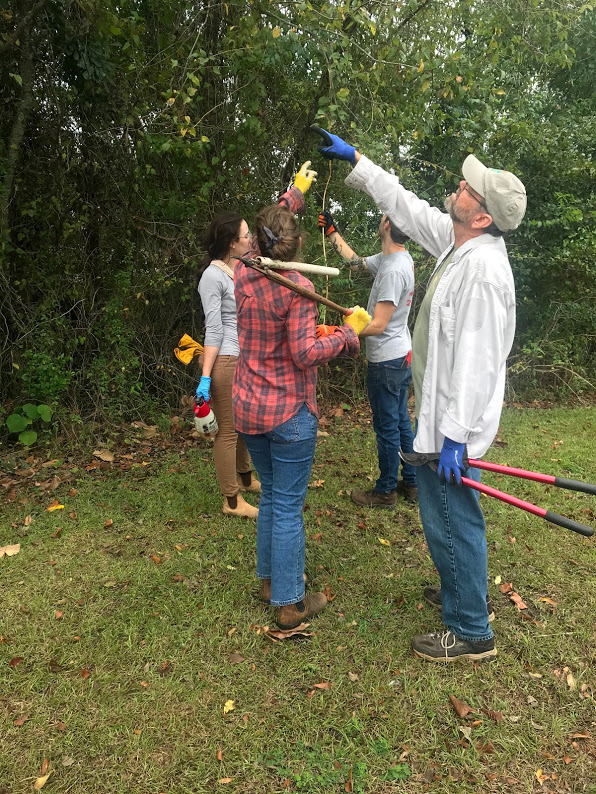
was a huge success! Fourteen people volunteered to spend their Sunday morning with us helping to pull, cut and dig out invasive plants from the wooded area on the southeastern part of the park boundary.
Jim McCue, Foreman of Horticultural Operations at Cascades Park, came out to assist the group with a chainsaw for the bigger trees, herbicide for all of the stumps we left behind, extra hand tools, and a big trailer for us to fill up with debris. Working their way along the wooded area, our well-organized team of volunteers ended up removing more than we could fit in Jim’s trailer—we had to leave behind several piles for other City employees to pick up the following morning. A truck bed full of trash was also removed from the wooded area by our volunteers (an added bonus)!
|
|
A huge thank you to our volunteers and Jim for a great event!
We’re excited for the upcoming Native Planting Day at Lake Elberta Park on November 3
rd
.
|
|
Knight Tract Receives Attention at ARC Meeting
|
|
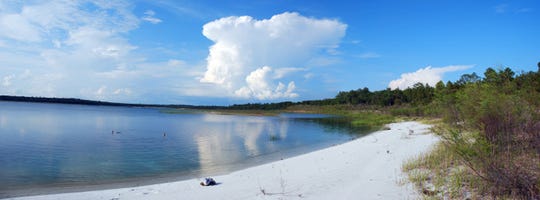
Blue Lake in the James L. Knight Forest and Ecosystem Project
|
|
Apalachee Audubon board members Peter Kleinhenz and Rob Williams recently attended an Acquisition and Restoration Council (ARC) meeting where a number of people spoke up on behalf of the Knight Tract. This incredible tract of land was the subject of our September program meeting and is a truly significant tract of land. The 55,000-acre property houses steephead ravines, pitcher plant bogs, springs, and blue karst lakes that are ringed with bright red sundews.
At the ARC meeting, supporters of the Knight Tract spoke to the ARC Council about the value of including the Knight Tract as a high priority for state acquisition. Supporters included one of the top officials of Eglin Air Force Base, the director of state parks (and past president of Apalachee Audubon, Eric Draper), the director of the Florida Chapter of Defenders of Wildlife, and the executive director of the Florida Wildlife Federation. Getting the Knight Tract conserved is one of Apalachee Audubon's top conservation priorities this year and, based on the meeting, a positive outcome for the property seems likely.
|
|
Toll Roads Bad News For Our Birds
This year, we've heard about many threats to birds on a national scale. Climate change, a rollback of several environmental laws, and alarming statistics regarding bird populations. Apalachee Audubon can't fix all of those issues, but we can take action locally. One of the biggest threats facing our region in the near future is the toll road legislation that was pushed through rapidly by Senate President Bill Galvano earlier this year. One of the three proposed toll roads is expected to pass right through Jefferson County. The road will further fragment intact natural areas, threaten native wildlife attempting to cross the road, and bring increased development pressure to one of Florida's most rural counties. Proponents have yet to provide evidence that traffic demands warrant these new roads, and the roads are being pushed by a number of special interest groups expected to financially benefit from the construction of these roads.
Numerous environmental groups we partner with, including Tall Timbers Research Station and Land Conservancy, Defenders of Wildlife, the Big Bend Environmental Forum, Sierra Club, and Florida Native Plant Society have expressed their concern about these new roads. Please contact your elected officials, especially if you live in Jefferson County, about your concerns regarding these roads.
|
|
A Report from the Audubon Assembly
by Ben Rangel
The 2019 Florida Audubon Assembly was held October 24--26 in Gainesville, and this year Apalachee Audubon board members Kathleen Carr, Donna Legare, Ben Rangel, along with our President, Peter Kleinhenz, and one of our Lake Elberta Project interns, Nelson Ball, were in attendance. Our board representatives came away from the Assembly inspired by a weekend of networking, learning sessions, award ceremonies, and, of course, birding.
The theme of this year’s assembly was “Water and Land for Florida’s Future: Science-based Strategies for Clean Water and Healthy Watersheds” and the events of the weekend mirrored this important topic. The Friday morning birding field trips were located near water: Kathleen and Ben visited Bolen Bluff, an oak hammock on the south side of the Paynes Prairie’s Alachua Lake; Donna and Nelson birded at La Chua Trail, located on a boardwalk along a flooded sinkhole; and Peter went to Sweetwater Wetlands, which is Gainesville’s waste water treatment wetland. Those that visited Bolen Bluff saw a yellow-billed cuckoo, a barred owl, a white-eyed vireo, and many types of warblers, including black-and-white, hooded, and many American redstarts. At La Chua, Donna and Nelson also saw a yellow-billed cuckoo, many limpkins, various warblers, a bald eagle, and several snail kites. Peter saw over ten limpkins, six snail kites, and two American bitterns. These birding hotspots allowed our members to see several “lifers”, but also offered up various birds of the typical fare.
The birding fieldtrips were followed by a series of learning sessions related to the Assembly’s theme. Our members chose to attend two different sessions: one entitled “Treatment Wetlands: Bird Habitat that Improves Water Quality”, and another called “Trees, Cows, and Wetlands: The Role of Agriculture in Florida’s Watersheds”. At the “Treatment Wetlands” session, attendees learned about the role of places like Sweetwater, where municipalities have chosen to treat their wastewater through the “green infrastructure” of human-designed wetlands, which also offer the benefits of wildlife habitats, public recreation, and educational opportunities. The “Trees, Cows, and Wetlands” learning session gave an eye-opening look at how agriculture affects Florida watersheds, and the current issues of preventing agricultural lands from turning into urban development, eco-friendlier agriculture technologies, and working with farmers, ranchers and timber companies to increase conservations easements.
Throughout these events, Nelson, Donna and Peter also participated in the Assembly’s Conservation Leadership Initiative. The CLI brings together Audubon leaders working within conservation-minded fields with some of the best college students in the state in a mentorship opportunity. Donna and Peter participated as mentors, and Nelson was selected as a scholarship recipient in this highly competitive program. Nelson’s acceptance into the program shows that our chapter has done an excellent job of selecting interns who will go on to be leaders in conservation fields.
At the Friday evening banquet, there were many significant awards given out to individuals and organizations across the state who have gone above and beyond to protect Florida’s environment. Attendees also heard from the first Chief Science Officer of the State of Florida, Dr. Thomas Frazer, and his work with the Governor and the Department of Environmental Protection to use sound science for protecting and improving the state’s water quality and environment.
The highlight of the weekend for our chapter occurred during the Saturday morning Chapters’ Celebration. Apalachee Audubon was named Chapter of the Year, and our attending members were honored to stand on stage in front of representatives of chapters across the state to express our gratitude to all the members, donors, leadership, and volunteers who have made our chapter so great. After our representatives accepted the award, Jacqui Sulek, Chapter Conservation Manager for Florida Audubon, made a point to emphasize the great work that has been done with our Lake Elberta Project, and that we had found such strong leadership in our President, Peter Kleinhenz.
We would not have been named Chapter of the Year were it not for our membership and their generous donations which support the projects our chapter undertakes. We continue to need your support. The Lake Elberta Project is reaching a critical point where native plants are attracting large amounts of pollinators and birds. We need funding for the next few seasons to increase our planting areas. It’s not hard to imagine the lake being surrounded by native plants and devoid of invasives, and becoming the number one birding spot in Leon County. Also, the chapter made the decision to pay our interns, as they do a huge amount of work planning events, meeting with the city, advertising our chapter, and preparing to become future leaders of our organization. Past donors have earmarked donations to be used to support the interns or buy plants for Lake Elberta. To make a donation directly to our chapter, please visit the “Get Involved” tab on our website at
https://www.apalachee.org/
|
|
|
|
|
|
|