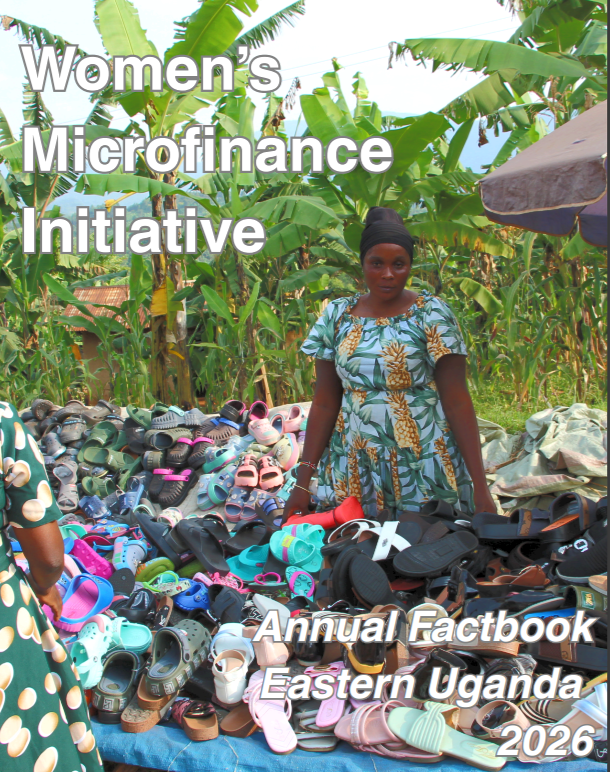
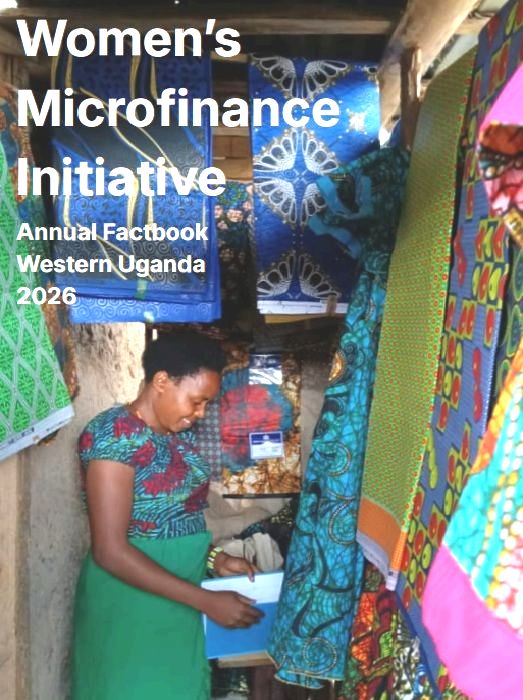
WMI 2026 ANNUAL FACTBOOKS | | |
Once again, WMI’s college interns analyzed data collected from loan program participants throughout the year to prepare an assessment of the loan program’s role in reducing poverty. Improved incomes, increased savings, more food, and affordable access to medical care were all highlights of the findings in WMI’s 2026 Fact Books.
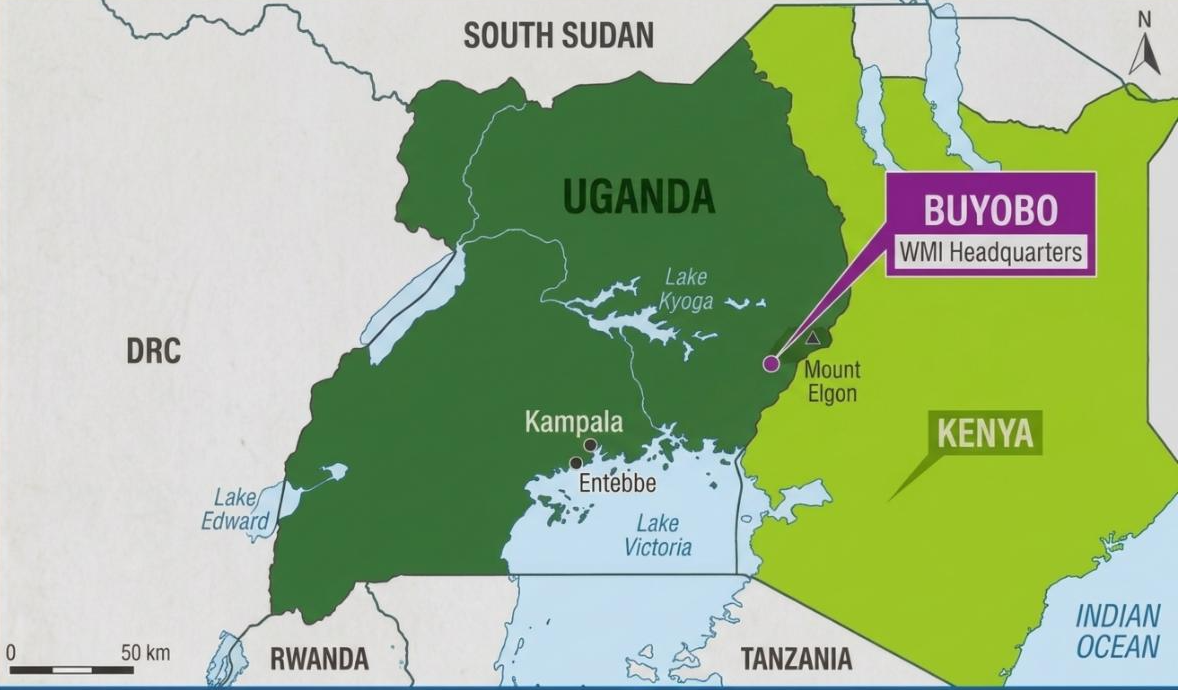
This year WMI expanded its impact assessment catchment area and collected data from borrowers in western Uganda for the first time. Analyzing those survey results as well as the results from borrowers served by our Headquarters loan hub in Buyobo in the eastern part of the country, meant the interns were able to prepare separate reports for Western and Eastern Uganda.
Based on the data from thousands of surveys and interviews, the 2026 Factbooks document how the loan program continues to improve household living conditions for borrowers and their families.
Check out the results that were made possible by your generous donations and on-going support!
| | WMI SUMMER INTERNS REFLECT ON THEIR EXPERIENCES | | |
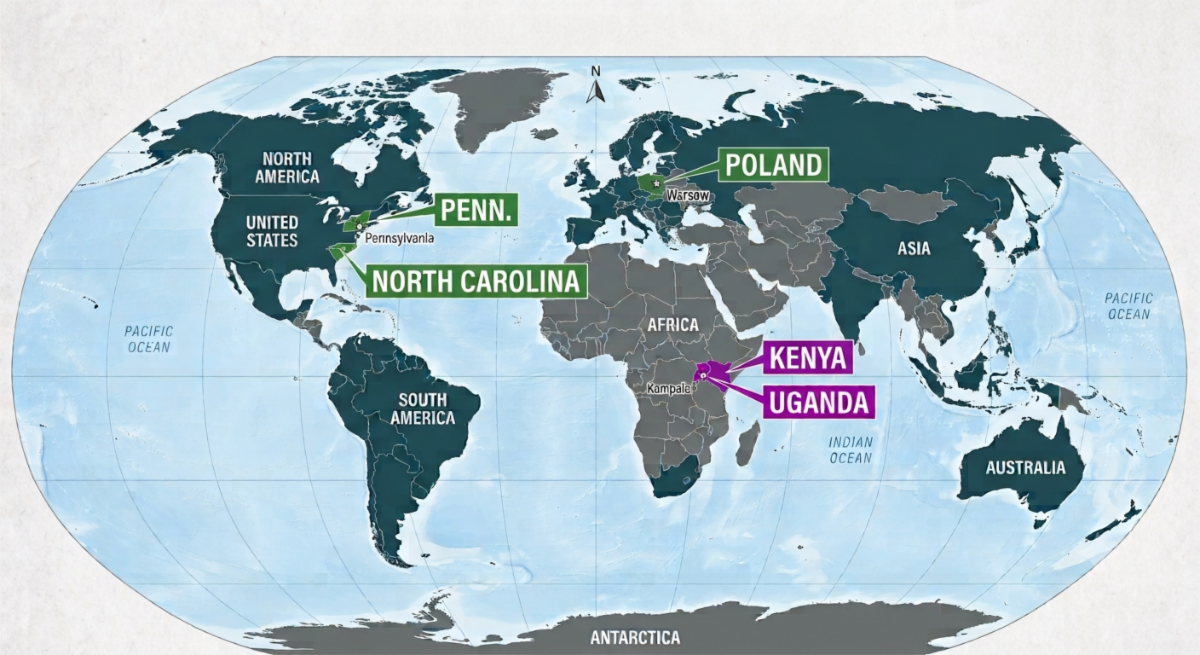
Year after year, WMI’s annual summer internship program has brought young students directly into Ugandan and Kenyan communities where we operate. WMI has benefited immensely from the passion, creativity and innovative ideas brought by interns, fellows, and volunteers from across the country and around the world. This year, students from Massachusetts, Pennsylvania, North Carolina, and Poland worked together to analyze field surveys, create annual Factbooks highlighting program impact, interview borrowers and local leaders, research and report on local programs, and compile digital content in the form of an impact video and social media posts.
Each year delivers a new set of obstacles that requires resiliency and swift pivoting by WMI in order to continue our operations…and 2026 was no exception! When the Ebola outbreak in May curtailed international travel to Uganda, we had to cancel our on-site summer internships just days before the students were set to board their planes. Pulling together ideas from the WMI board and local leaders, the internship was recast as a virtual experience. Four interns rolled up their sleeves and got to work, creating an immersive and meaningful internship experience, even though it meant exploring Uganda and Kenya through a screen!
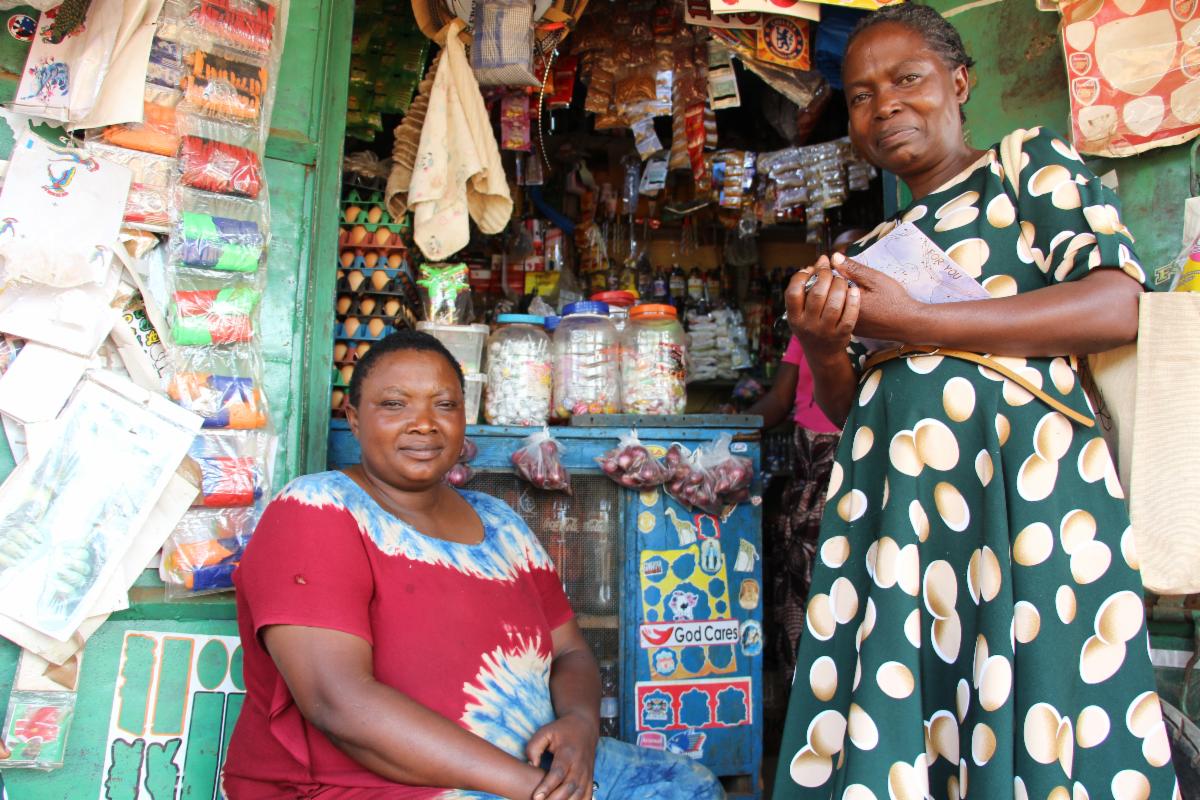
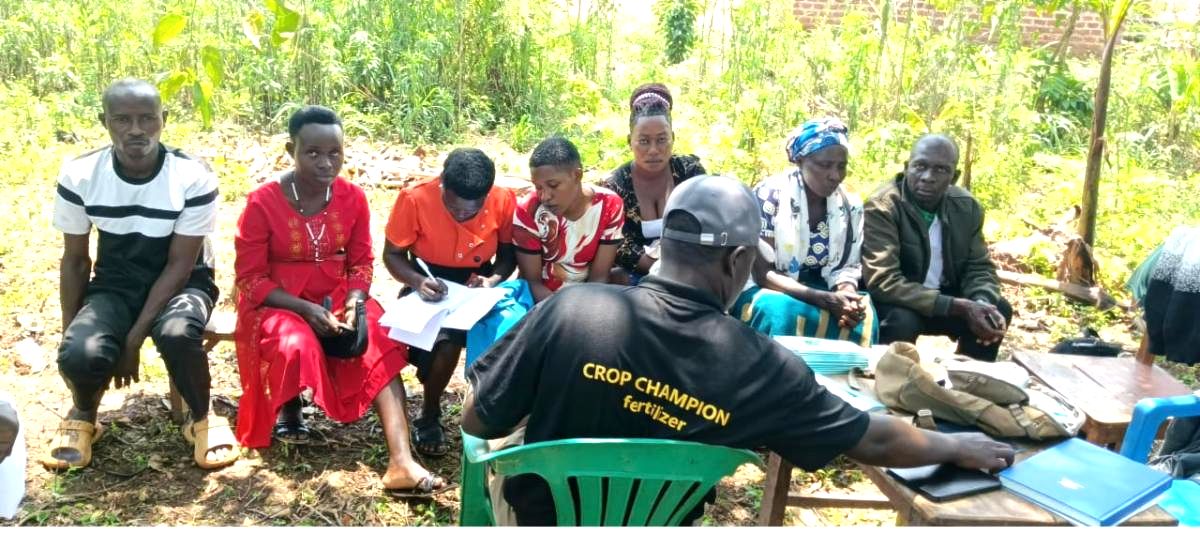
From late May to early August, interns engaged with WMI loan program staff, local leaders, borrowers, and project coordinators via video calls, conducting in-depth interviews and learning about WMI’s loan program and the community-based projects it supports. The real-world testimonies from rural businesswomen helped personalize the field survey data interns were simultaneously reviewing and analyzing for the Factbooks.
After operating for almost two decades, WMI has learned that willingness to adapt is a critical feature in non-profit work. And, adapt we did: local leaders embraced a new method for connecting with interns and sharing information and interns worked across time zones to learn about the loan program and deliver a highly-informative Factbook that WMI uses to monitor program impact. With committed local leaders, engaged students, and a shared determination to keep learning and improving, WMI was able to continue its commitment to involve student interns in the loan program despite changing circumstances.
| | First Stop: Buyobo, Uganda | | |
Typically, summer interns travel to WMI’s headquarters in Buyobo, Uganda to conduct their internship activities under the leadership of WMI’s local partner, SURE Women’s Association (SURE).
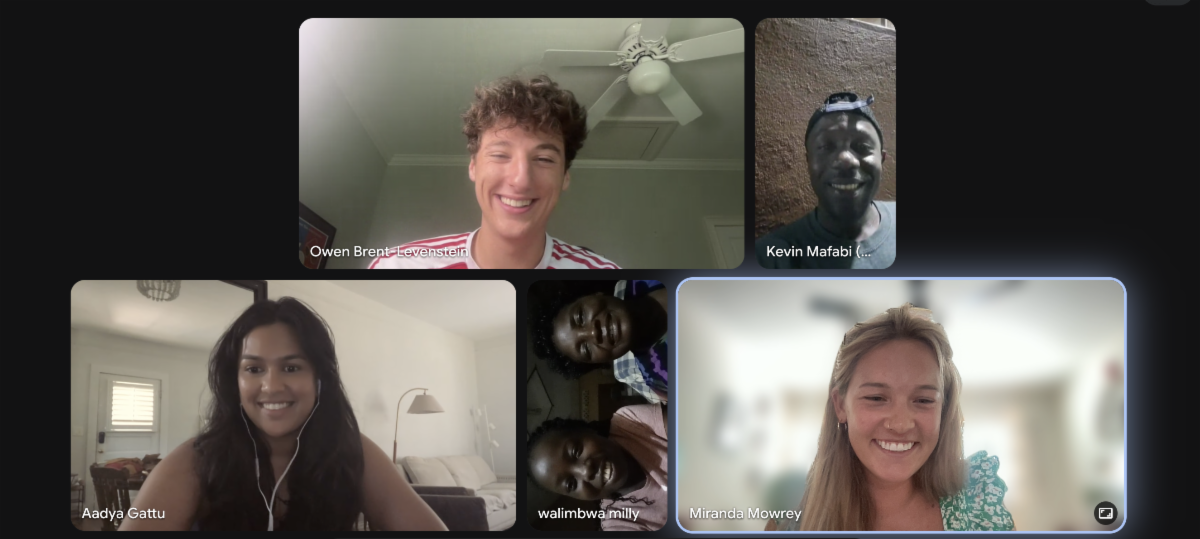
This year, Aadya Gattu and Owen Brent-Levenstein were able to virtually support SURE, analyze thousands of surveys, prepare an annual Factbook, create an impact video, and interview borrowers and project leaders.
Coordinating the on-the-ground Buyobo experience was SURE Local Director Olive Wolimbwa and Finance Manager Milly Walimbwa, along with Local Internship Supervisor Kevin Mafabi. These three leaders did an exceptional job capturing the typical intern experience by providing videos, photos, and live recordings of local markets, borrower businesses, loan collection days, and more.
Read on to learn more about Aadya and Owen and their reflections on their experience, as well as the local coordinator perspective of this year’s virtual internship.
| | |
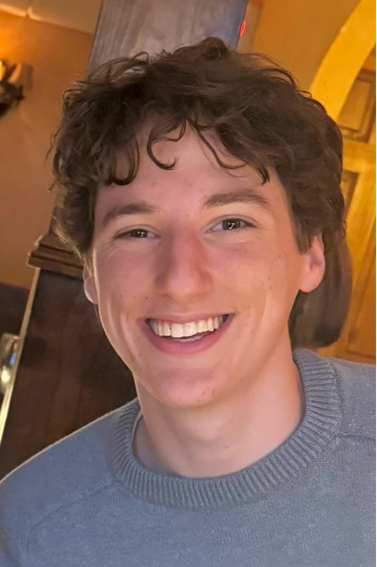
Owen Brent-Levenstein is a rising senior at Davidson College, where he is pursuing a major in economics and a minor in mathematics. Last summer, he conducted statistical research on how West African tariff policy affects regional trade flows, traveling through Benin, Togo, and Ghana as part of the project. His time in the region strengthened his interest in economic development and inspired him to learn more about how microfinance and small business development can expand opportunity in developing communities. Outside of school, Owen enjoys cooking, sports, and chess.
|
Buyobo Leadership Reflections
"What I liked in the interns was their patience during the process of interviewing borrowers. In some places the network was not good but they would still wait as we kept changing positions to get a network. Translating questions from English to Lugisu, and then the answer from Lugisu to English takes some time..."
..........................-Olive, SURE Local Director
"Aadya and Owen were so engaged, and brought so much energy and fresh perspective to our work. The thing that really surprised me was how our people on the ground (the borrowers, the coordinators, and other members of the community) adapted to the virtual format without any training. Of course there were some challenges but everyone helped turn a challenging situation into a truly collaborative and successful one."
...............-Kevin, Local Supervisor of Interns
| | |
Owen's Reflection
It's 7 AM and I’m sitting in my room waiting to get on a call to talk to some of the WMI borrowers that were at the Buyobo Headquarters. Having woken up 5 minutes prior, I was understandably groggy and looking to get through these interviews before getting back to sleep. As I joined the call, I was brought to life by the smile and immediate excitement from Kevin, one of the leaders of the Buyobo Boys and Girls Club. Kevin introduced me to Olive and Milly, two of the leaders of the Buyobo loan hub, who were eager to walk me through everything the loans had made possible.
As they took me virtually from borrower to borrower, a similar pride in their work came through. While many were reserved at first, which was understandable considering the odd digital format and language barrier, the more I asked them about the specifics of their businesses and craft the more animated they became. From Rebecca explaining how she sewed school uniforms, to Elizabeth walking me through the techniques she used to grow higher-quality sugar cane, they seemed to light up when they got the chance to talk about the work itself.
While my internship duties required me to focus on the data behind the WMI’s impact, through these interviews it became clear that the full impact these loans have couldn't be fully captured by numbers and data. The loans had not just given these borrowers an ability to make more money, for many of them it had given them agency over their own lives. When describing how the loans changed their lives, they didn’t talk about the amount of money they made or how quickly they scaled their businesses. Instead, what came up again and again was the freedom their businesses gave them in everyday life. They could decide how to spend their time, make choices without depending as heavily on others, and see themselves as people who were contributing to their households and the wider community. Even sitting in my room, 7,000 miles away from Buyobo, I could feel how deeply everyone involved with WMI, from borrowers and employees, to community leaders, believed wholeheartedly in what they were building together.
| |
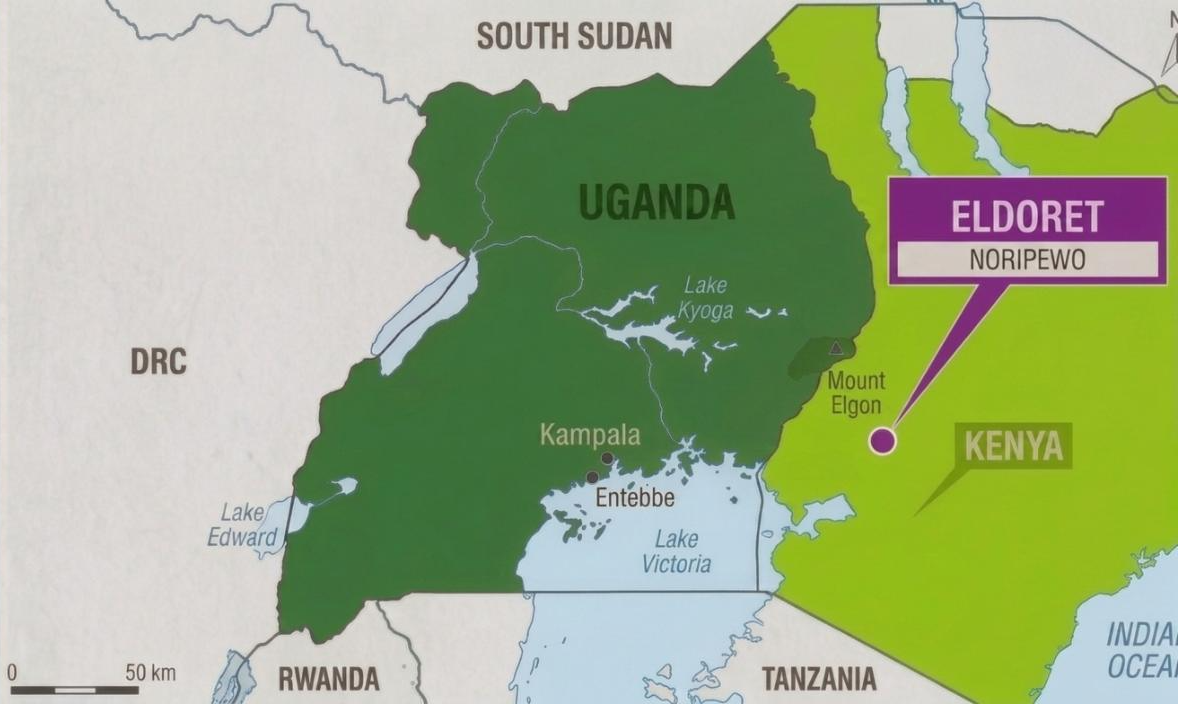
Next Stop: Eldoret, Kenya
Kenya has thankfully remained untouched by the Ebola outbreak, so in an unexpected twist, WMI intern Aadya Gattu was able to travel to the Eldoret District to visit the Northern Rift Peculiar Women Association (NORIPEWO), WMI’s western Kenya partner. Adding to this year’s unconventional internship format, Aadya became the first ever college intern to visit our western Kenya loan hub!
| | |
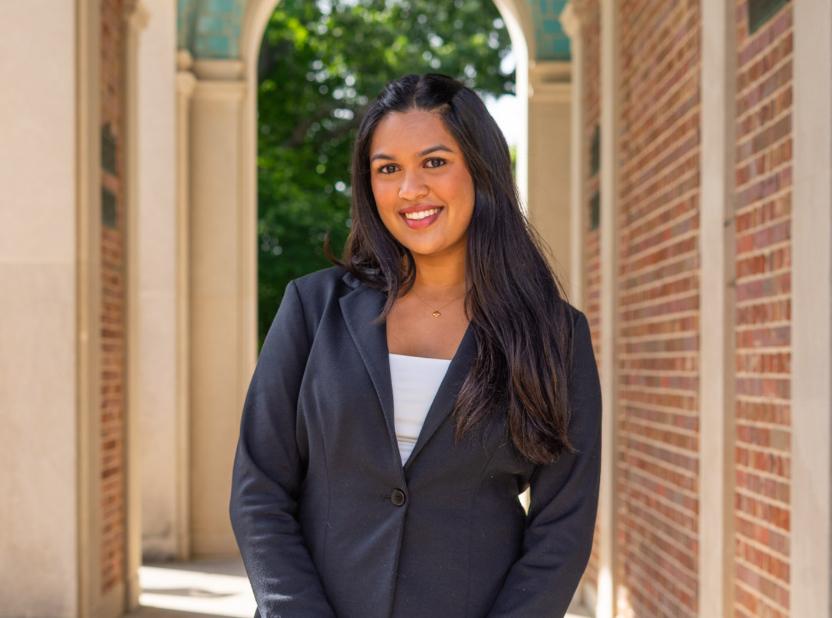
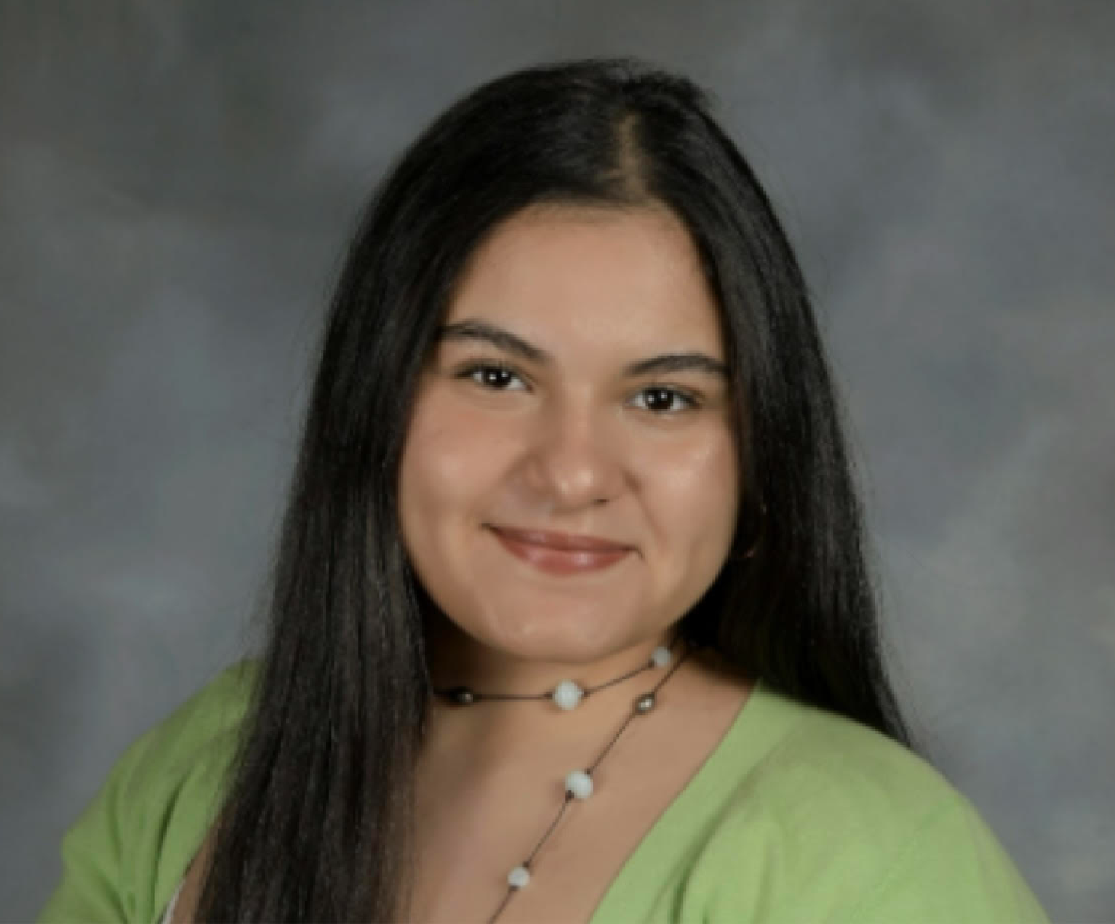
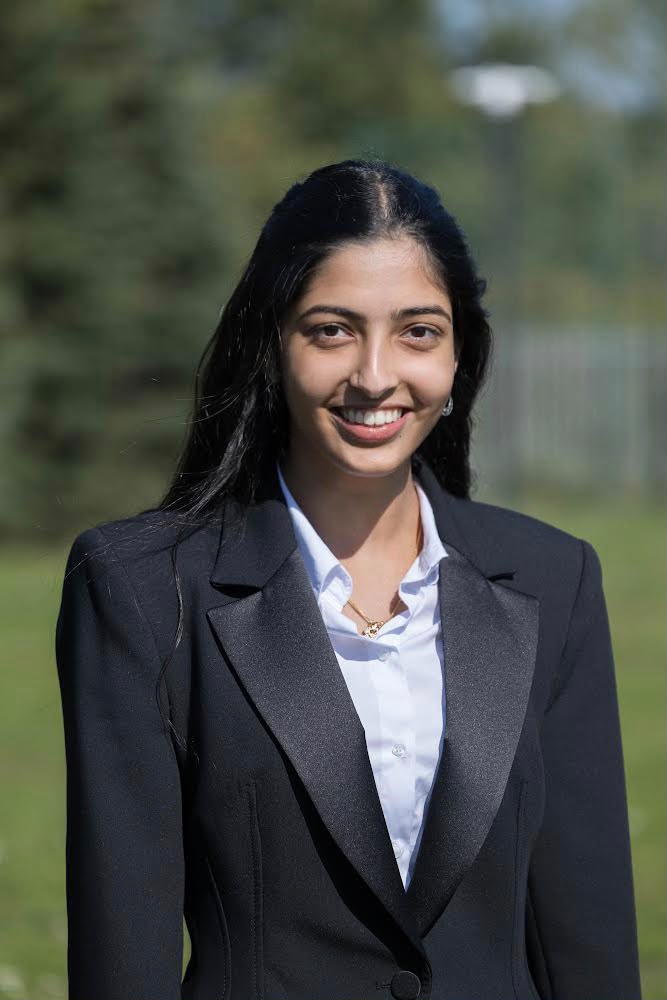
Aadya Gattu is a Morehead-Cain Scholar at the University of North Carolina at Chapel Hill, studying Economics and Political Science. She cares deeply about community building and is involved in the Carolina CU Initiative, where students are chartering a credit union at UNC, as well as student government, a civil discourse initiative, democratic backsliding research, violence prevention advocacy, and her business fraternity, AKPSI.
Her past work spans organizing statewide rallies and serving on shelter boards for women affected by intimate partner violence, interning in legislative offices at every level of government, and building citywide volunteer systems. She is driven by the belief that institutions can and should work better for people.
She hopes to pursue a career in economic development and law, and eventually run for office. More than anything, she loves being with people and having conversations.
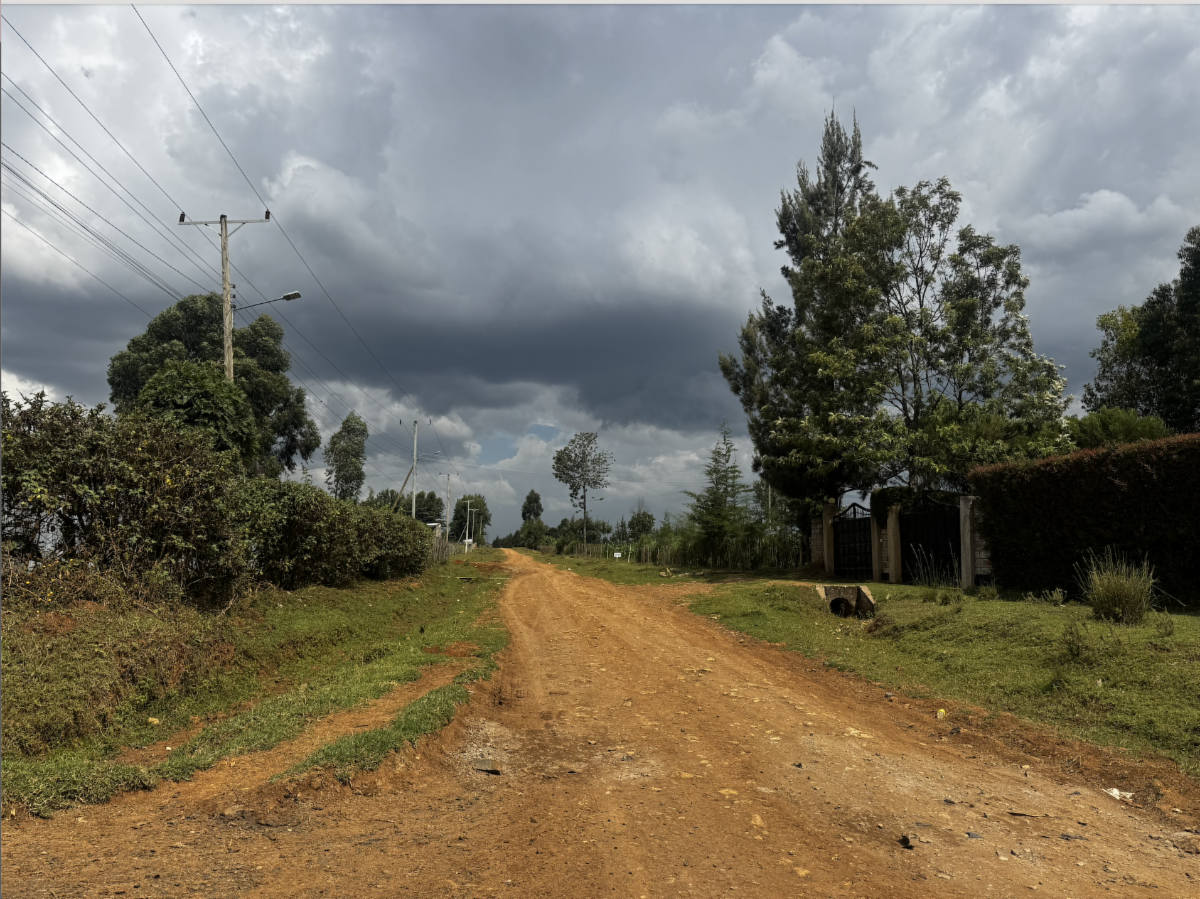
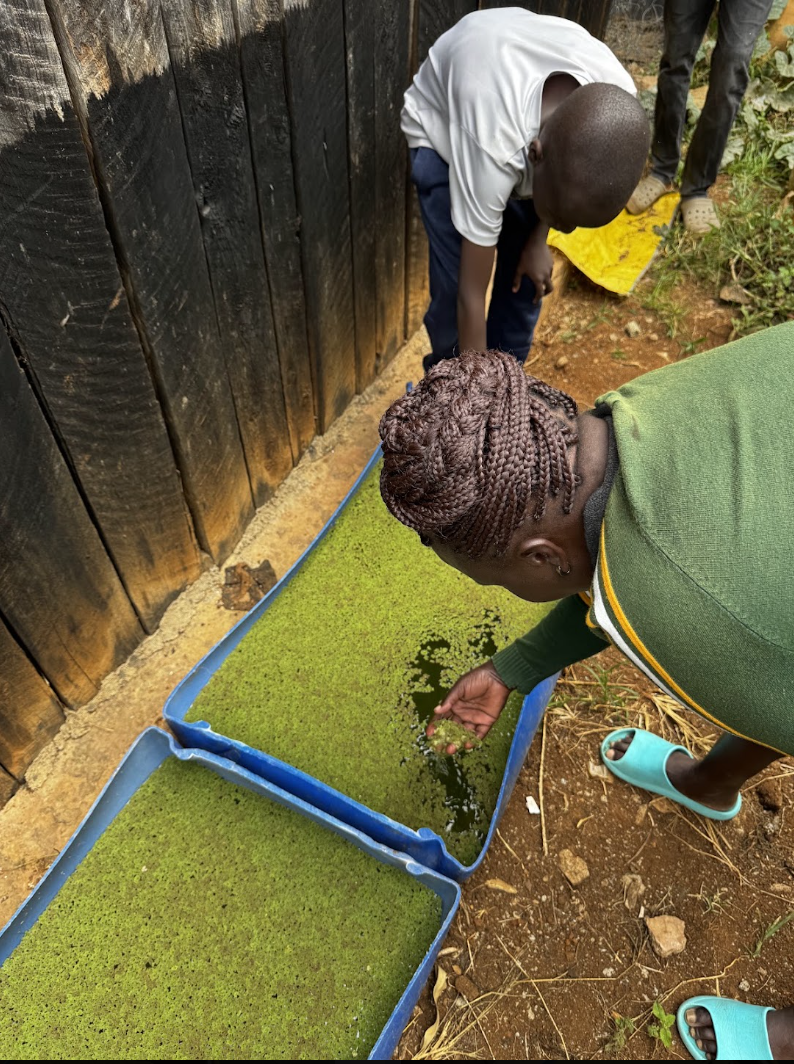
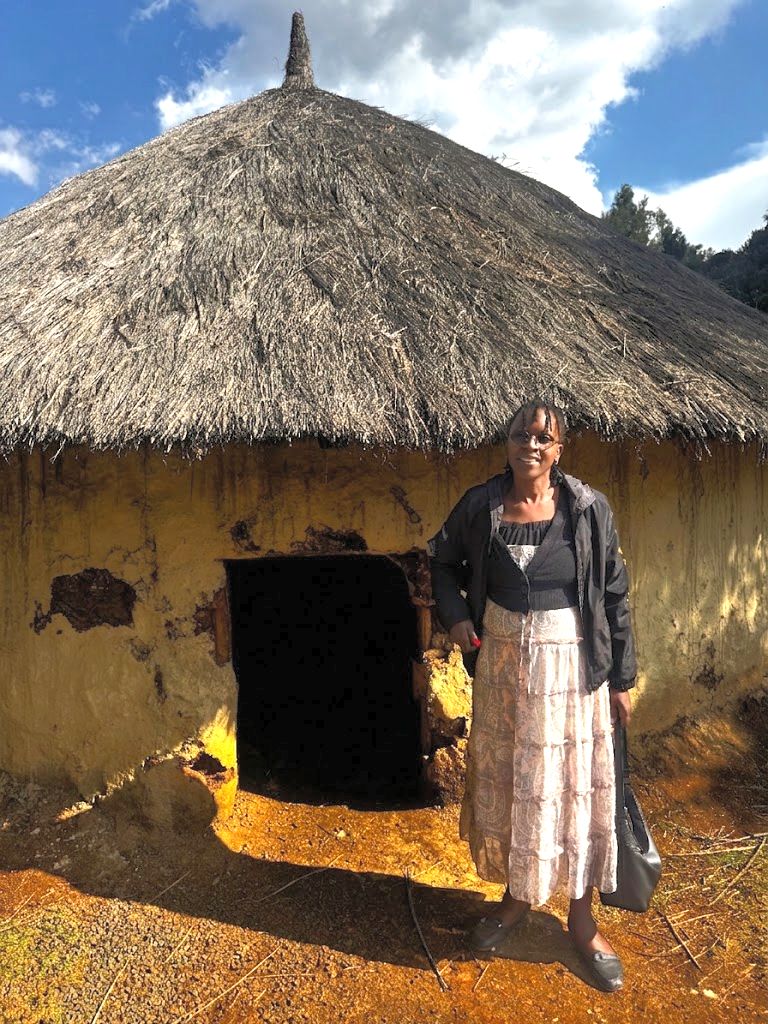
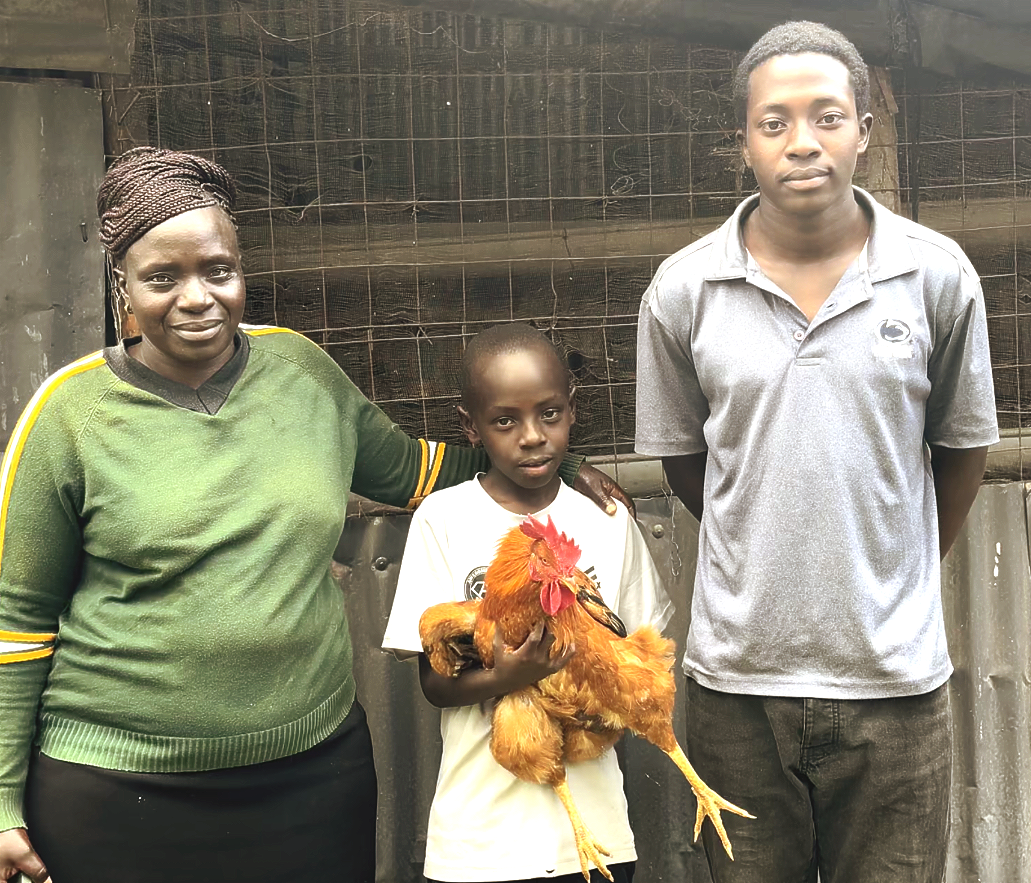
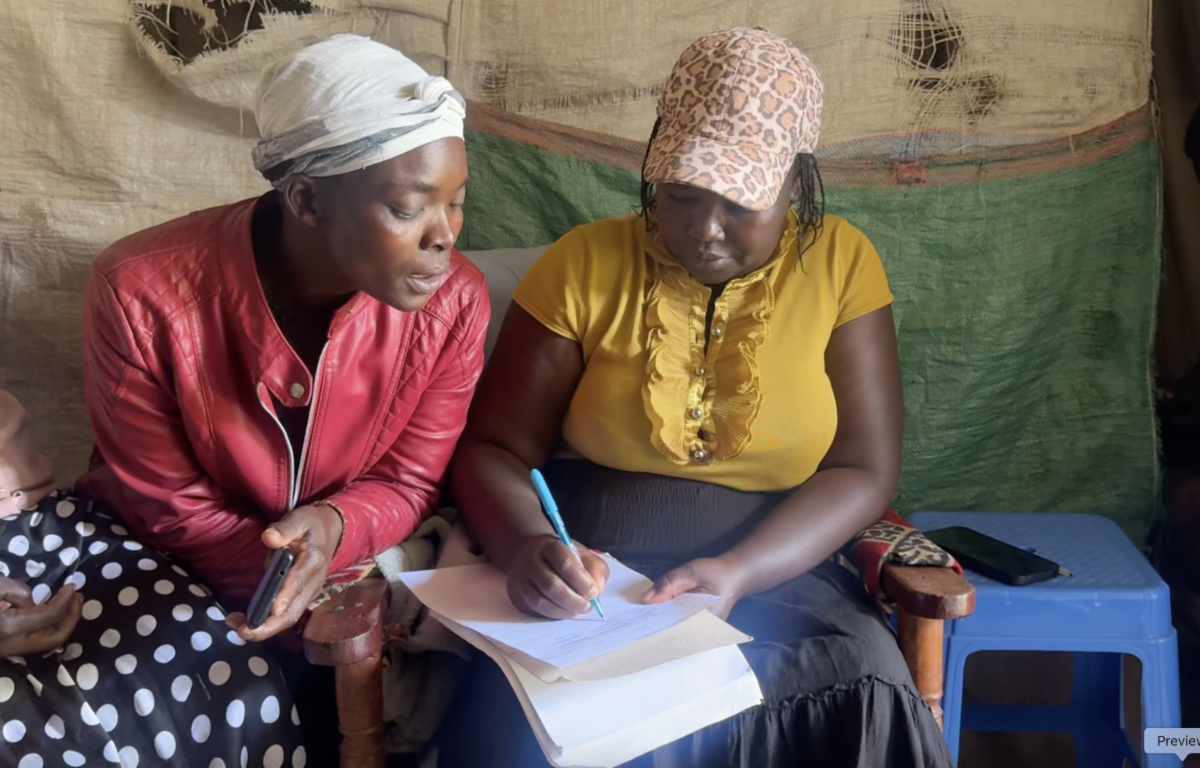
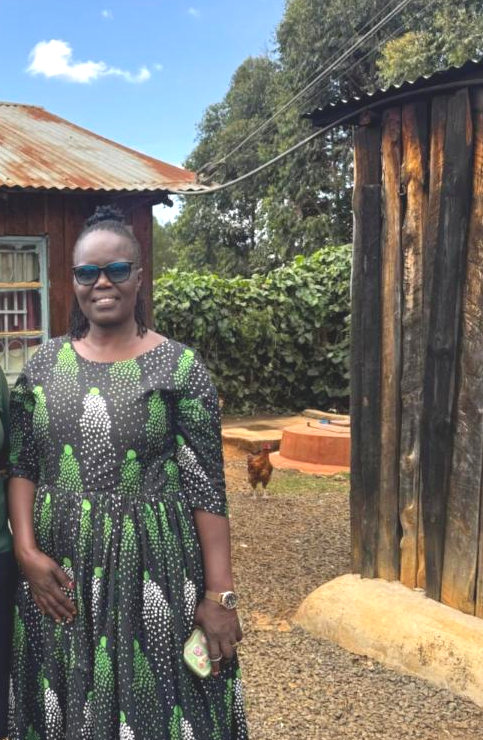
| Aadya traveled 6 hours from Nairob to Eldoret, which sits at an altitude of 7,000 ft on a plateau overlooking the Rift Vally. | A soldier fly manure composting plant uses soldier fly larvae to break down animal manure into organic fertilizer. | Aadya explored local farms and homes with Lucy, a WMI loan coordinator, pictured above. | Jane, a WMI loan coordinator and borrower, with her sons and a chicken from the farm she operates using her WMI loan. | Aadya shadowed Everlyne as she met with members of a local self-help groups to share information about WMI's loan program. | | |
Aadya's Reflection
I was initially drawn to WMI because of the previous internship reports. They described a summer where interns became part of a community, embraced a slower pace of life, connected with entrepreneurial women, and learned what it meant to live in Buyobo. When the Ebola outbreak continued to get worse and the in-person internship transitioned to remote at the beginning of the summer, I was worried that I would lose the heart of why I joined WMI in the first place. After more than two months of working with WMI, I can confidently say that the values that initially drew me to the organization remained the same, even when the experience looked very different from what I had imagined.
Much of my summer was spent analyzing hundreds of surveys to help create the annual factbook. Kevin graciously scanned the surveys locally so that we could continue the work remotely, and that process gave me a much deeper understanding of the scale and context of WMI's work. But the surveys became much more meaningful when I had the opportunity to meet the women behind them. We had virtual meetings with multiple borrowers, learning about their lives, motivations, businesses, and families. Every interview made the impact of microfinance feel more tangible and personified the numbers further.
There are a lot of bad actors in the microfinance industry, and one of the things I wanted to understand this summer was what made WMI different. Learning about WMI's model showed me that it is possible to prioritize financial stability and social good at the same time. My interview with Caitlyn, the consultant working on WMI's digital transition, also gave me a new perspective on how an organization can adapt to changing circumstances without losing the values that make it meaningful. Even though so much of the summer changed unexpectedly, WMI continued to find ways to keep its mission at the center of the work.
While I was working remotely with WMI, I was living in Nairobi, Kenya. After reading a WMI newsletter, I reached out to Miranda and Robyn to ask if I could visit one of the Kenyan loan hubs. That opportunity became one of the most meaningful parts of my summer. I traveled to Eldoret and stayed with Everlyne Koech, the woman who started the NORIPEWO team and connected it with WMI four years ago. Everlyne is a true visionary and someone who taught me how to recognize a feeling and simply go after it. I stayed in her home for the entire week, and despite having never met before, she took care of me like family. The generosity and openness I experienced throughout the week were difficult to put into words.
Everyone I met in Eldoret reflected the success of the WMI model and the importance of prioritizing women in the development process. I met coordinators like Lucy, borrowers from different areas and villages, and potential women's groups interested in becoming loan groups. The women I met were balancing more responsibilities in a single day than I had seen in weeks, while still building businesses and thinking about what they wanted for their families and communities. One group was working toward the goal of building a soldier fly manure composting plant, and they even toured me around an existing one. Their vision was incredibly clear, as were the steps they were taking to reach it.
At times, I felt an uncomfortable, empty guilt about my own privilege. But that feeling was often replaced by gratitude because of how warmly I was welcomed. Borrowers were excited to show me their businesses and homes and to tell me about the work they were doing. Lucy called me her daughter, and it made me want to cry. Being welcomed so fully by people who had every reason to see me as an outsider was a blessing beyond words.
On my last day in Eldoret, Lucy took me to visit several farms. It was another reminder that the work I had been studying through surveys and interviews was part of a much larger system of livelihoods, families, and communities. I also took a special interest this summer in understanding behavior changes around saving. From the survey work, it was clear that women across the board were saving more because of their business profits and the increased financial knowledge they gained through lessons and workshops. But through the virtual interviews with SURE borrowers in Buyobo and my conversations with NORIPEWO borrowers in Eldoret, I began to understand how much further that change could reach. Many of the women talked about changing their children's habits around saving as well. They were building savings for themselves while teaching their children to think differently about money, planning, and the future.
This summer also taught me a lot about how I react to circumstances that are completely outside of my control. I entered the internship expecting to live in Buyobo and become part of a community there. Instead, I spent the summer working remotely and living in Nairobi, and ultimately found another way to experience the community I had hoped to understand.
I have so much gratitude for the entire SURE team, the NORIPEWO team, especially Everlyne, for allowing me to experience the full breadth of this internship, even though it did not happen in its original form. The relationships I built, the women I met, and the work I was able to contribute to made this summer feel much bigger than the internship I initially imagined.
I am now working on a video highlighting the journey of the NORIPEWO loan hub, which feels like a fitting way to end my summer. Everlyne's story, and the story of the women who built NORIPEWO with her, represents so much of what I came to WMI hoping to understand.
| | | | |
Everlyne Koech (photo left), Chairwoman of NORIPEWO, facilitated Aadya's experience in Eldoret and is deeply passionate about supporting village businesswomen. Finding out only a few weeks ahead of time that Aadya was able to visit, Everlyne was excited to host an intern and provide a comprehensive introduction to the loan program operations in Eldoret. Ms. Koech coordinated tours of borrower’s businesses, interviews, and shadowing of important project meetings.
“One of the most notable aspects of Aayda's visit was her maturity, curiosity, and genuine interest in the WMI Program's work. Her passion for public service and community development was particularly evident in our interactions. She approached the visit not simply as an academic assignment, but as an opportunity to understand the realities faced by women at the grassroots level and the role that public policy and economic empowerment can play in transforming their lives. We were also encouraged by her willingness to contribute ideas, particularly her proposal to support the development of a project website. Such initiatives can help strengthen the visibility, documentation, and sustainability of the WMI Loan Program.”
| | Final Stop: Buseesa, Uganda | | |
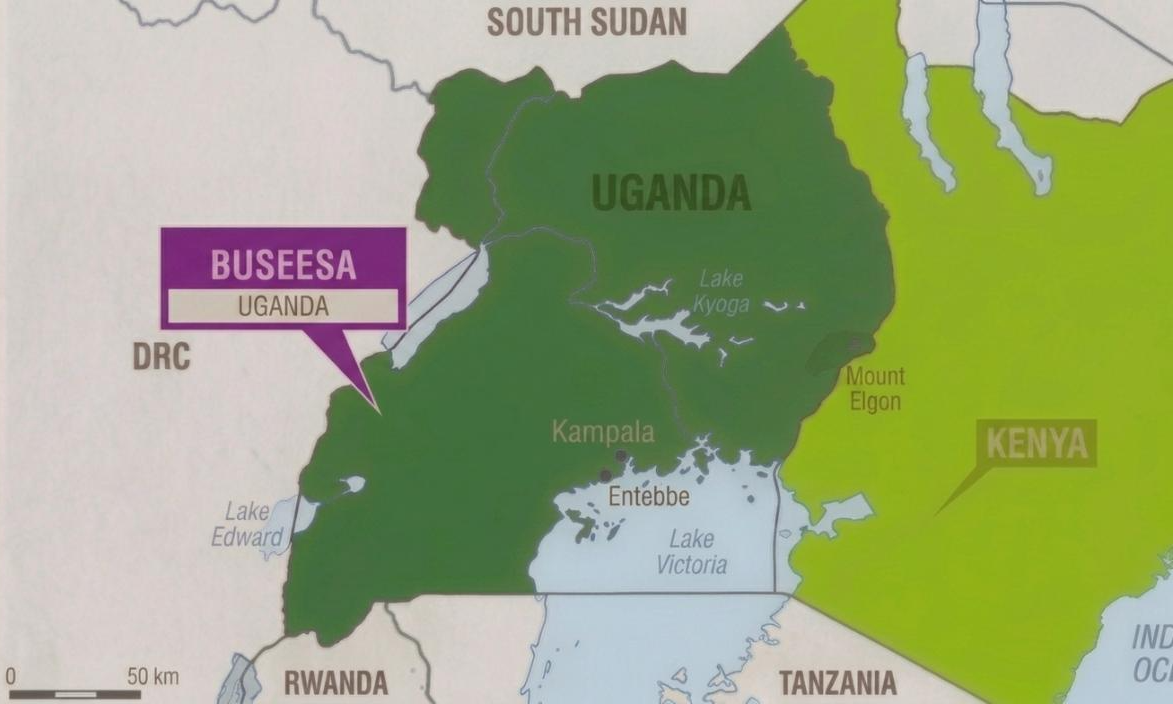
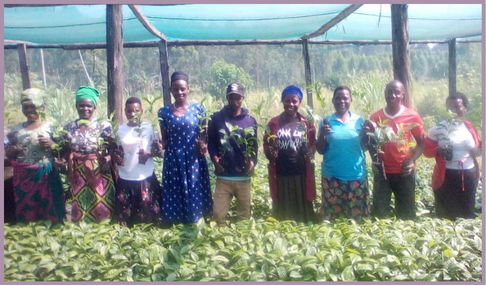
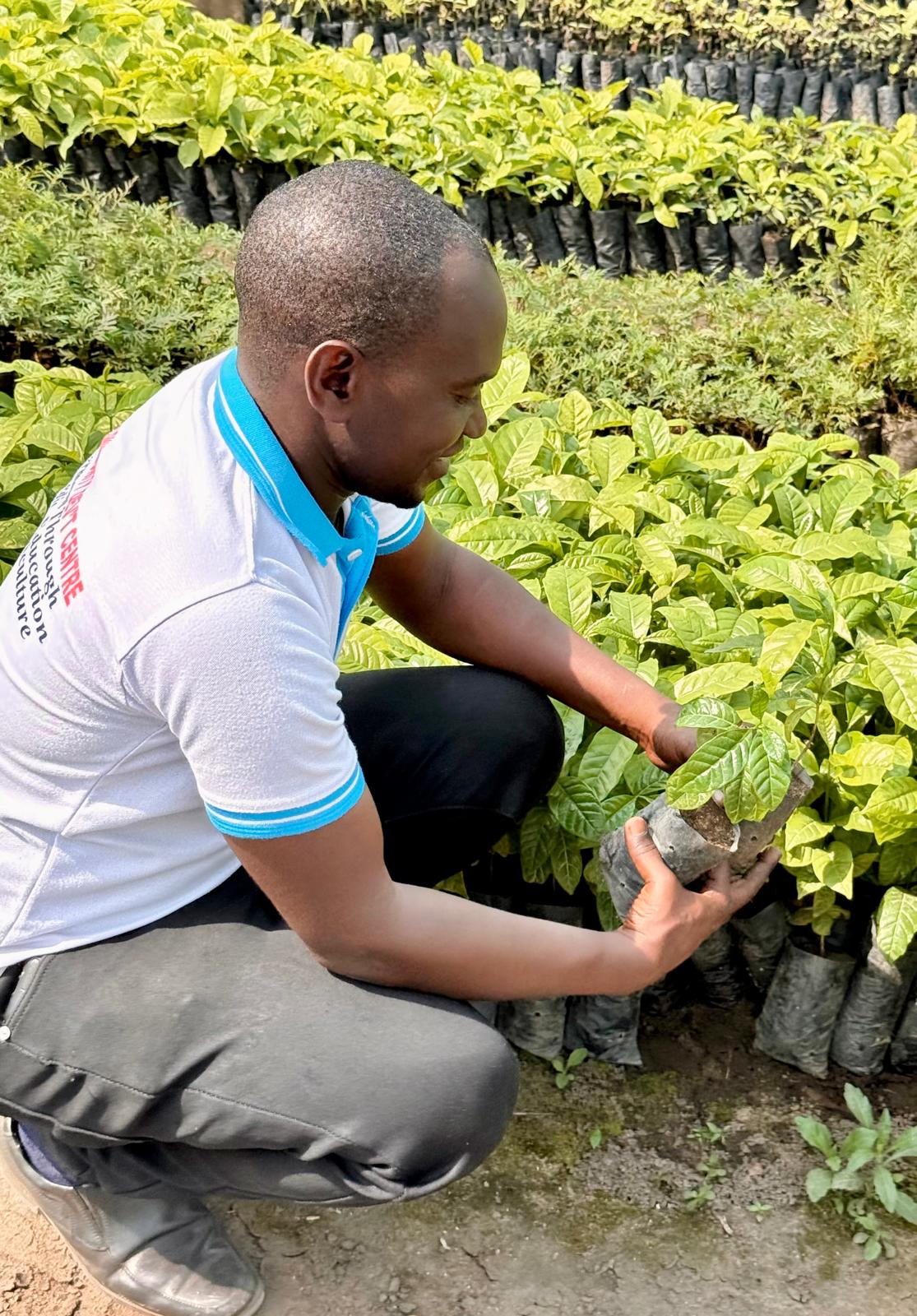
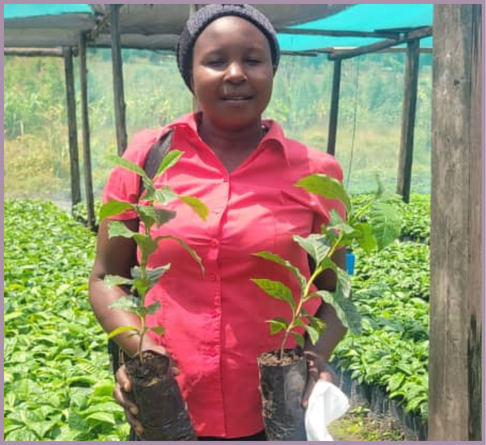
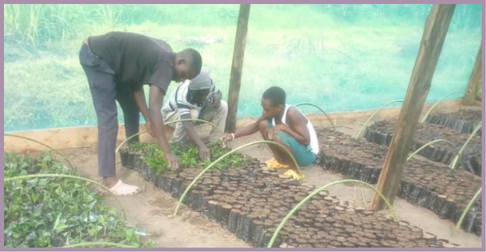
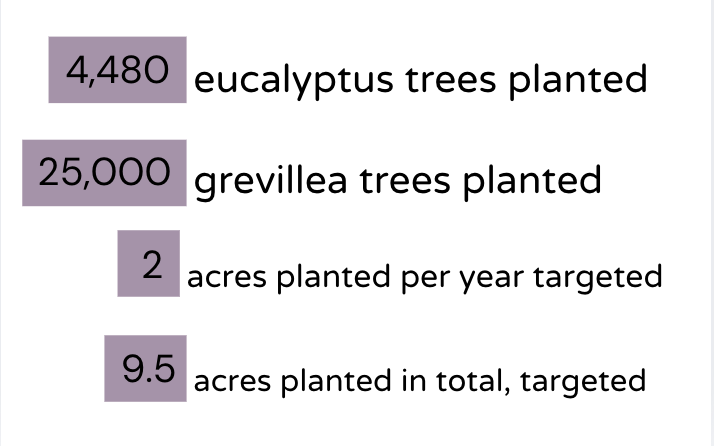
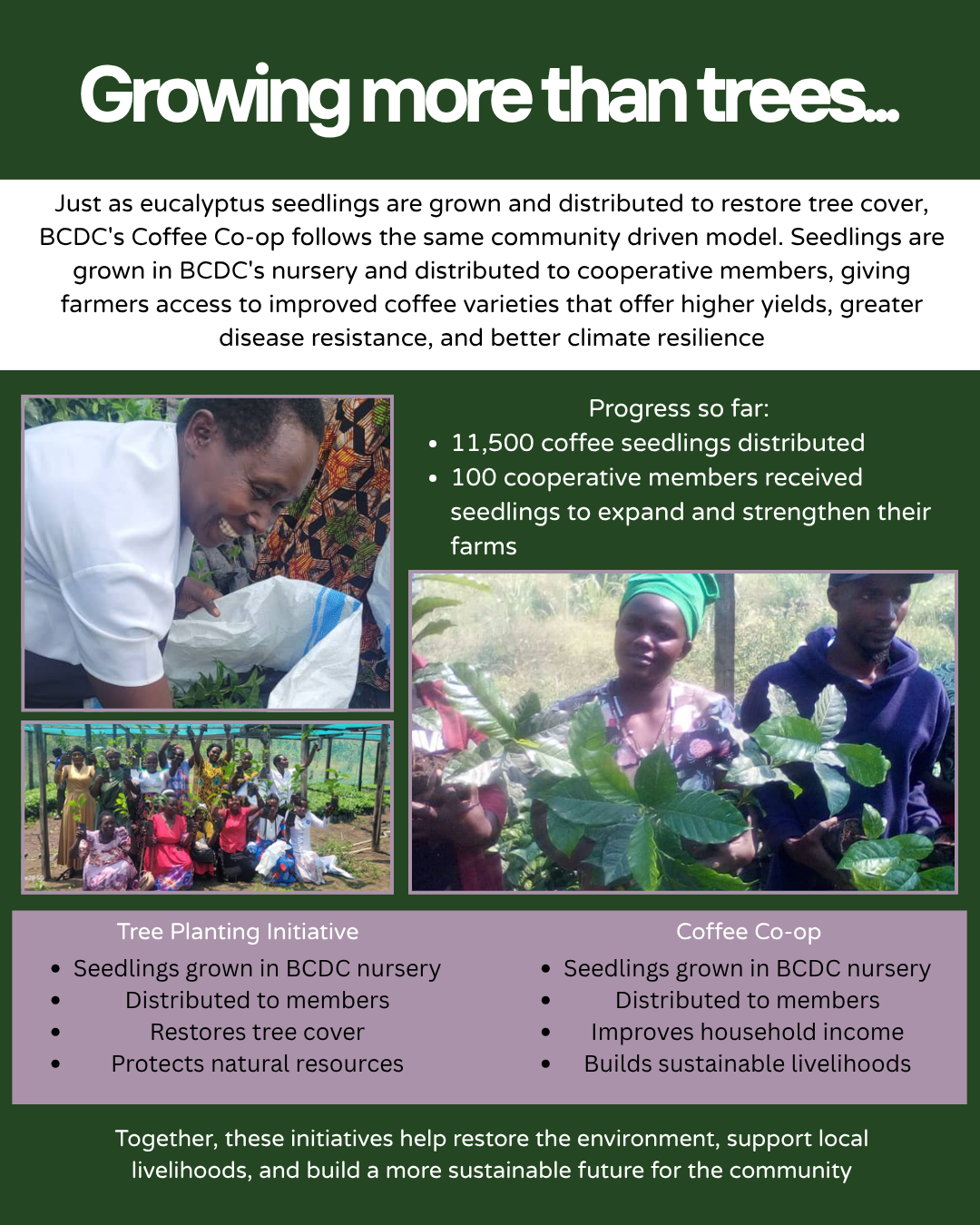
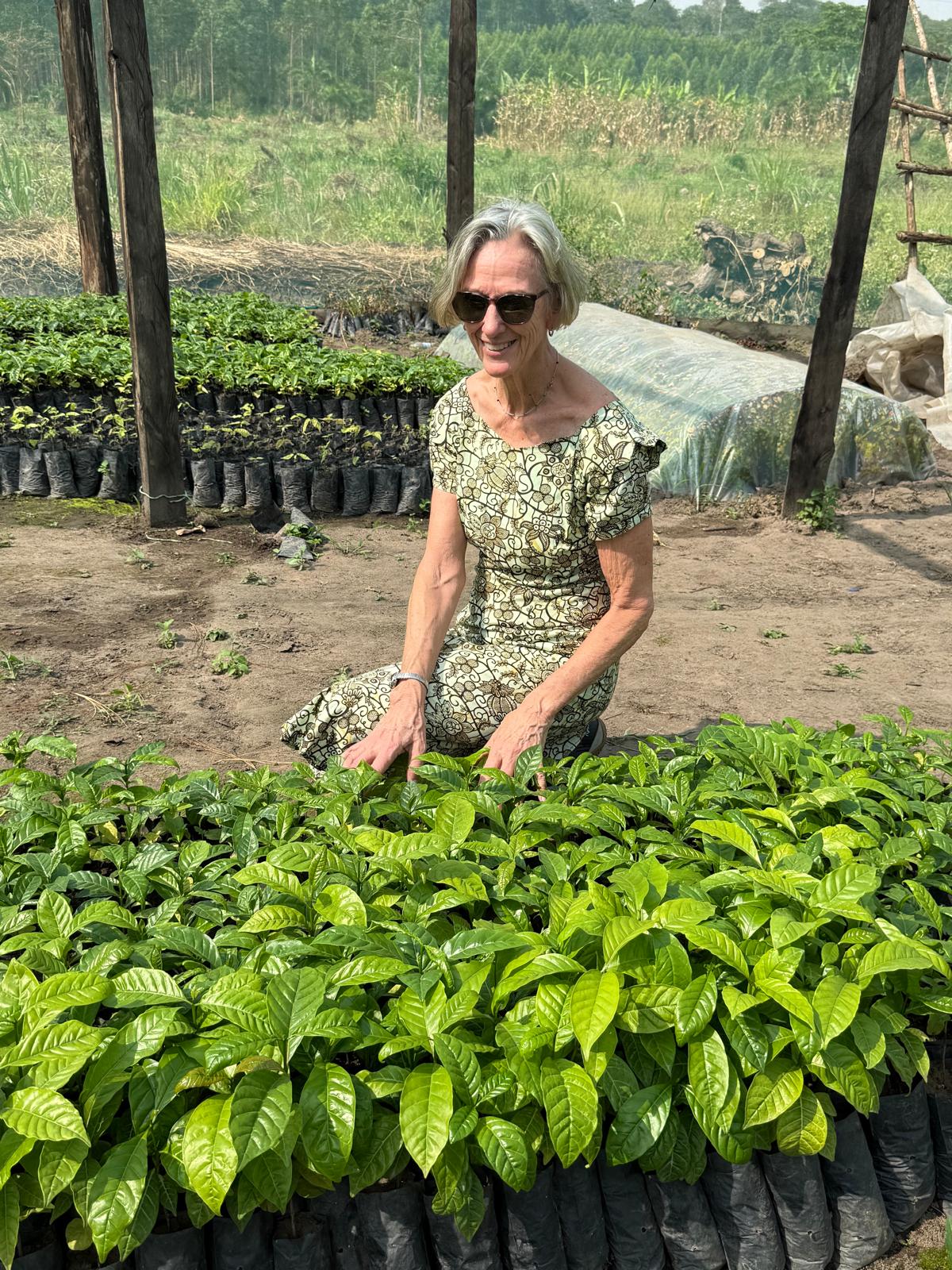
Since 2014, WMI has partnered with Buseesa Community Development Centre (BCDC) in southwestern Uganda to support the loan program and other ancillary projects in Buseesa and the surrounding communities. BCDC is expanding rapidly and pioneers numerous initiatives to support and strengthen the lives of its members, including a tree planting initiative, gas tank microcredit program and coffee co-op.
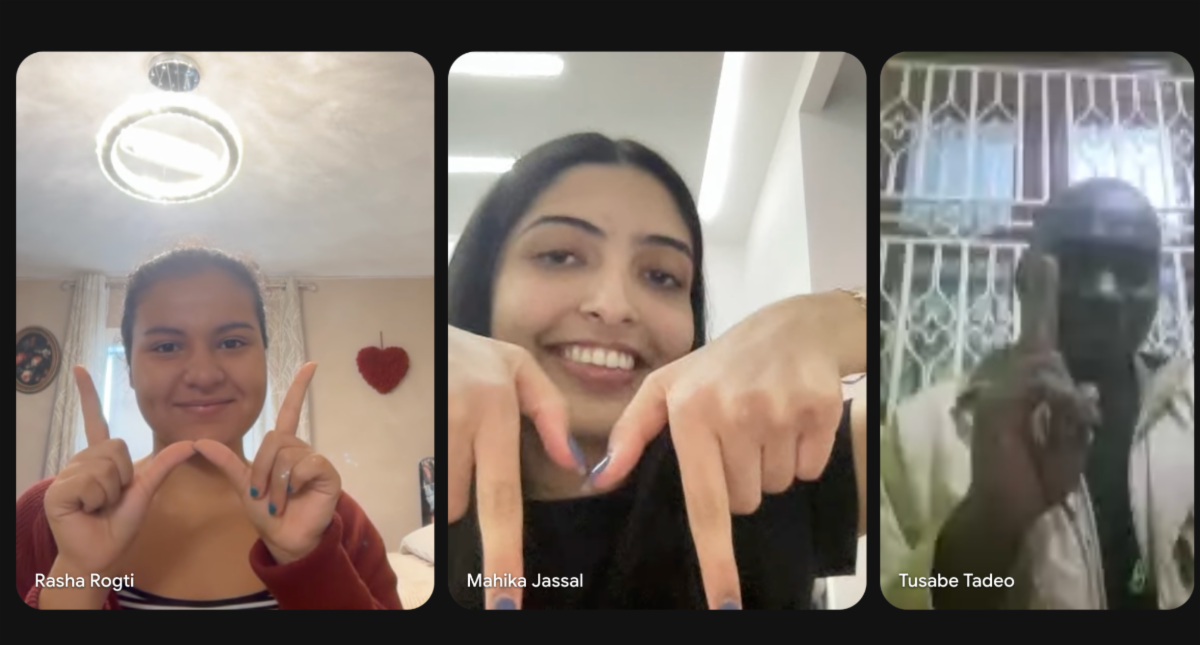
Rasha Rogti and Mahika Jassal are the first WMI interns to focus their efforts entirely on BCDC’s loan program and projects. Notably, Rasha and Mahika are the proud authors of BCDC’s inaugural Factbook, a new resource that will help local leaders and the WMI board better understand the community and measure the impact of its programs.
Tusabe Tadeo Titus, Executive Director of BCDC, was on the ground in Buseesa coordinating virtual internship activities, providing Rasha and Mahika with an immersive experience, connecting them with borrowers, project coordinators and interviewees. Tusabe has been the driving force behind much of BCDC’s growth and success since its inception and was (unsurprisingly) an invaluable asset this summer.
Meet Rasha and Mahika and read their thoughts on this year’s unique WMI internship experience.
| | |
Tusabe's Reflection I am writing this with a profound sense of gratitude and admiration as we officially celebrate the successful completion of the 2026 BCDC Factbook.
Rasha, when the unexpected outbreak of Ebola forced a sudden shift in our plans and made your physical presence on the ground in Buseesa impossible, it was a moment of great uncertainty. Traveling halfway across the world is a massive undertaking, and having that dream altered overnight could have easily derailed everything. Yet, your resilience, flexibility, and unwavering dedication turned what could have been a setback into an extraordinary triumph.
Over the past eight weeks, working alongside Mahika and under the stellar guidance of Miranda, you didn't just adapt to a remote environment—you shattered every expectation. Conducting comprehensive assessments across our stations, bridging oceans through virtual sessions with our borrowers, and synthesizing complex field data into such a polished, professional, and visually stunning document is an achievement of the highest order. This is the very first Factbook of its kind created by a WMI intern for BCDC, and it will serve as an invaluable tool for our ongoing grant applications, donor presentations, and strategic growth.
Mahika, your brilliant collaboration, marketing insights, and dedication to this project alongside Rasha have been equally inspiring. Miranda, your exceptional stewardship of the entire intern program ensured that every challenge was met with grace and seamless organization. And to Robyn, Deborah, and the wider WMI team—thank you for your continuous mentorship, partnership, and steadfast belief in our mission here in Uganda. You always make our work feel light, supported, and deeply purposeful.
At BCDC, we hold our partnerships with WMI and the bright minds who support us with the utmost respect and reverence. This internship experience has left an indelible mark on our community, our staff, and our loan programs. It is our fervent hope that this successful pathway opens doors for many more future interns recommended by WMI to collaborate with us, knowing the profound and lasting impact they can make.
Rasha, thank you for choosing to pour your time, intellect, and heart into BCDC, even from afar. You have left a permanent legacy here, and we are endlessly proud of you.
Wishing all of you a wonderful remainder of your summer, filled with the deep satisfaction of a job exceptionally well done.
Tusabe Tadeo, Chairperson
Buseesa Community Development Centre
| | |
WMI Volunteer Spotlight!
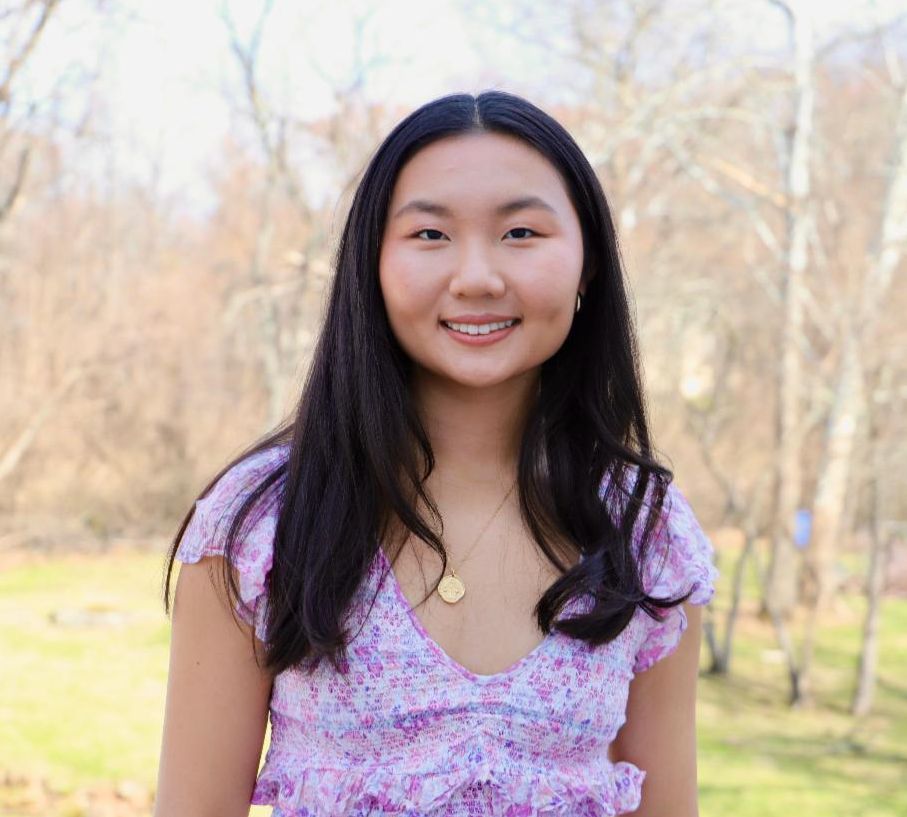
WMI is sending a long and loud shout out to our very steadfast and creative student volunteer, Caroline Ma, a rising senior at The Baldwin School in Bryn Mawr, Pennsylvania. Starting this year, Caroline has been an integral part of strengthening WMI’s social media presence. She dedicates her time to researching various projects underway in our loan hubs and creating captivating pieces for our Instagram and other social media platforms. Involving young people in our mission is a long held practice of WMI and we are happy to provide a forum where Caroline can learn about microfinance and discover more about her passions. We are very glad to have her on the team and appreciate her input!
| | |
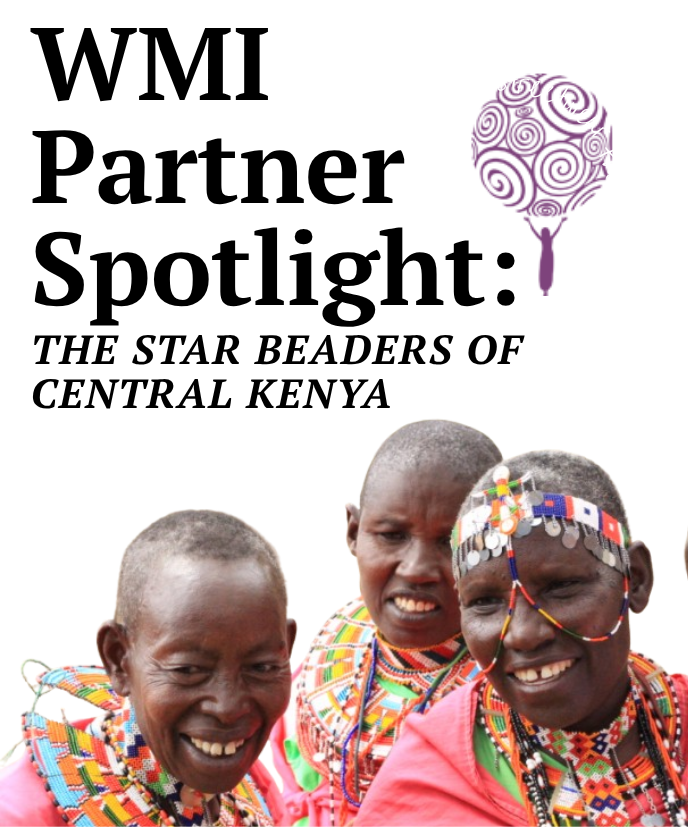
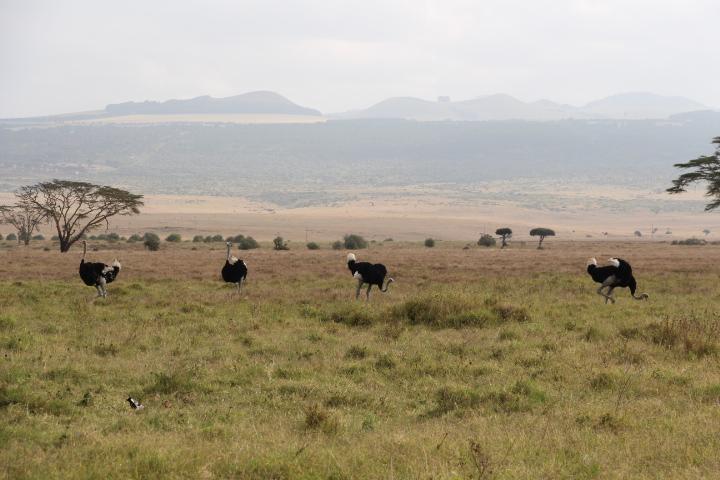
Stradling the equator in Meru and Laikipia Counties of Central Kenya are WMI’s loan partners, Lewa Wildlife Conservancy (LWC) and the Imela Community-Based Organization. WMI and LWC are currently mentoring Imela CBO in its transition to 100% leadership by village women.
The loan program in this region reaches about 36 groups, which is approximately 1,800 rural women. These women are mainly Maasai and Samburu peoples, who are faced with the challenge of generating income in a very rural region with limited resources and infrastructure.
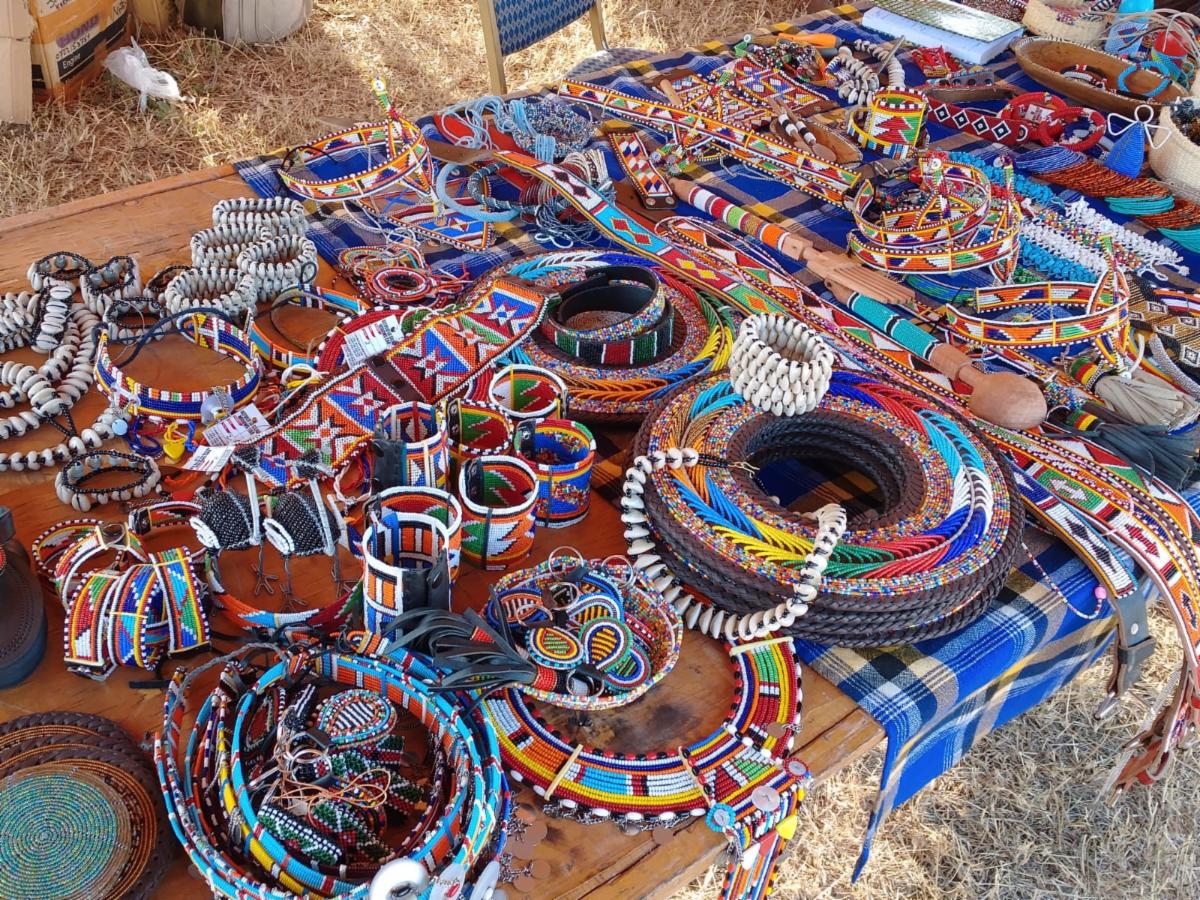
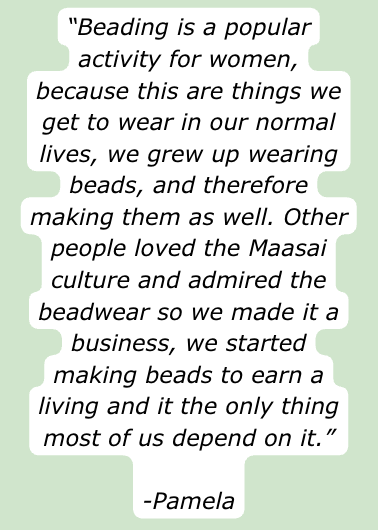
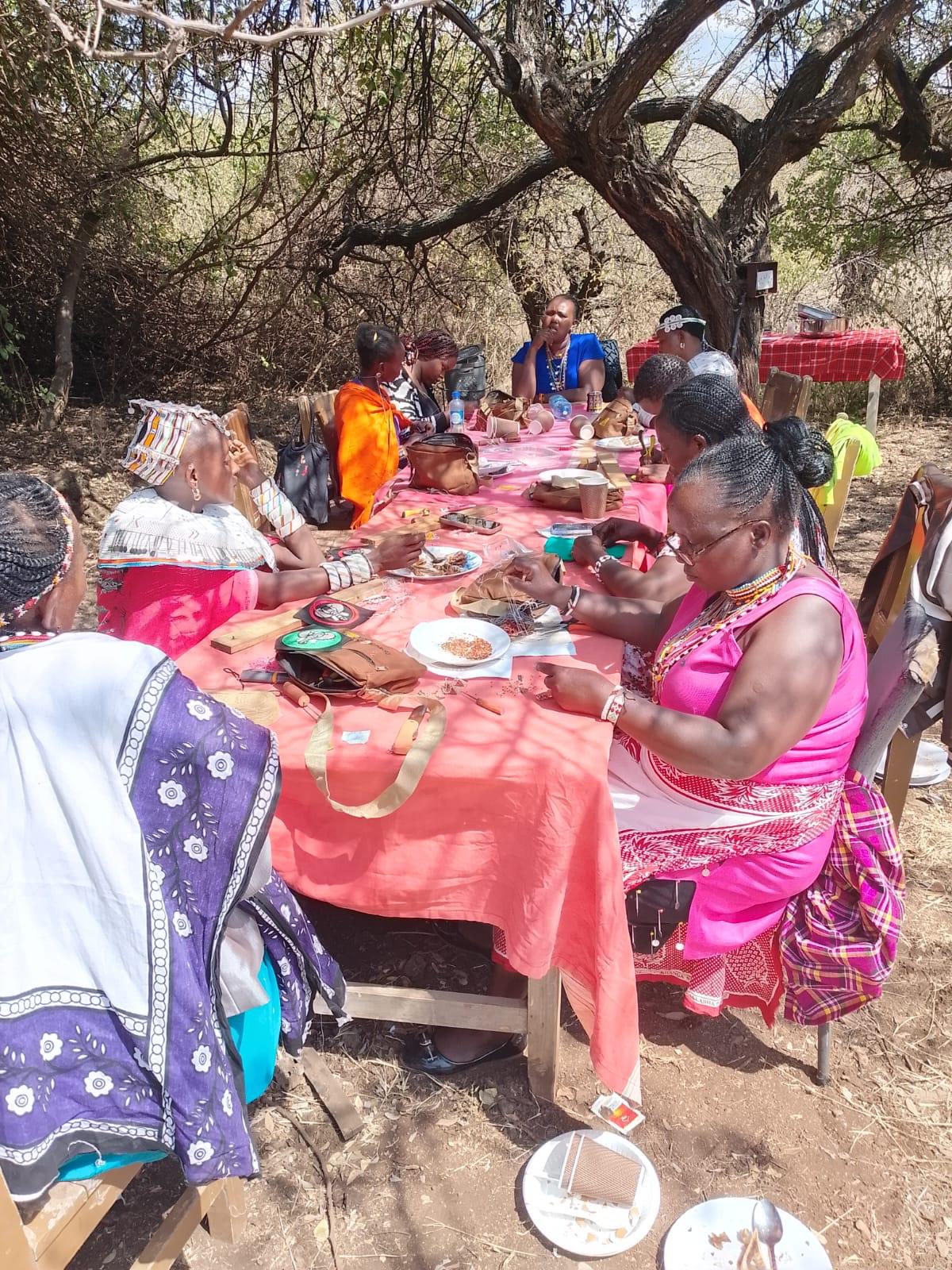
Handcrafted beadwork is an integral part of the Maasai culture and the lives of many WMI borrowers. Generations of women have artfully sewn beads into stunning belts, neckpieces or headpieces, colorful artwork and other types of jewelry.
Access to financial capital and business training has allowed this deeply-rooted tradition to take a new form for WMI borrowers - it is an opportunity to start a business and generate income. One of the immediate barriers to beading is the upfront costs of purchasing beads and other materials required to create marketable designs. WMI loans allow women to purchase the necessary supplies to kickstart their beadworking business.
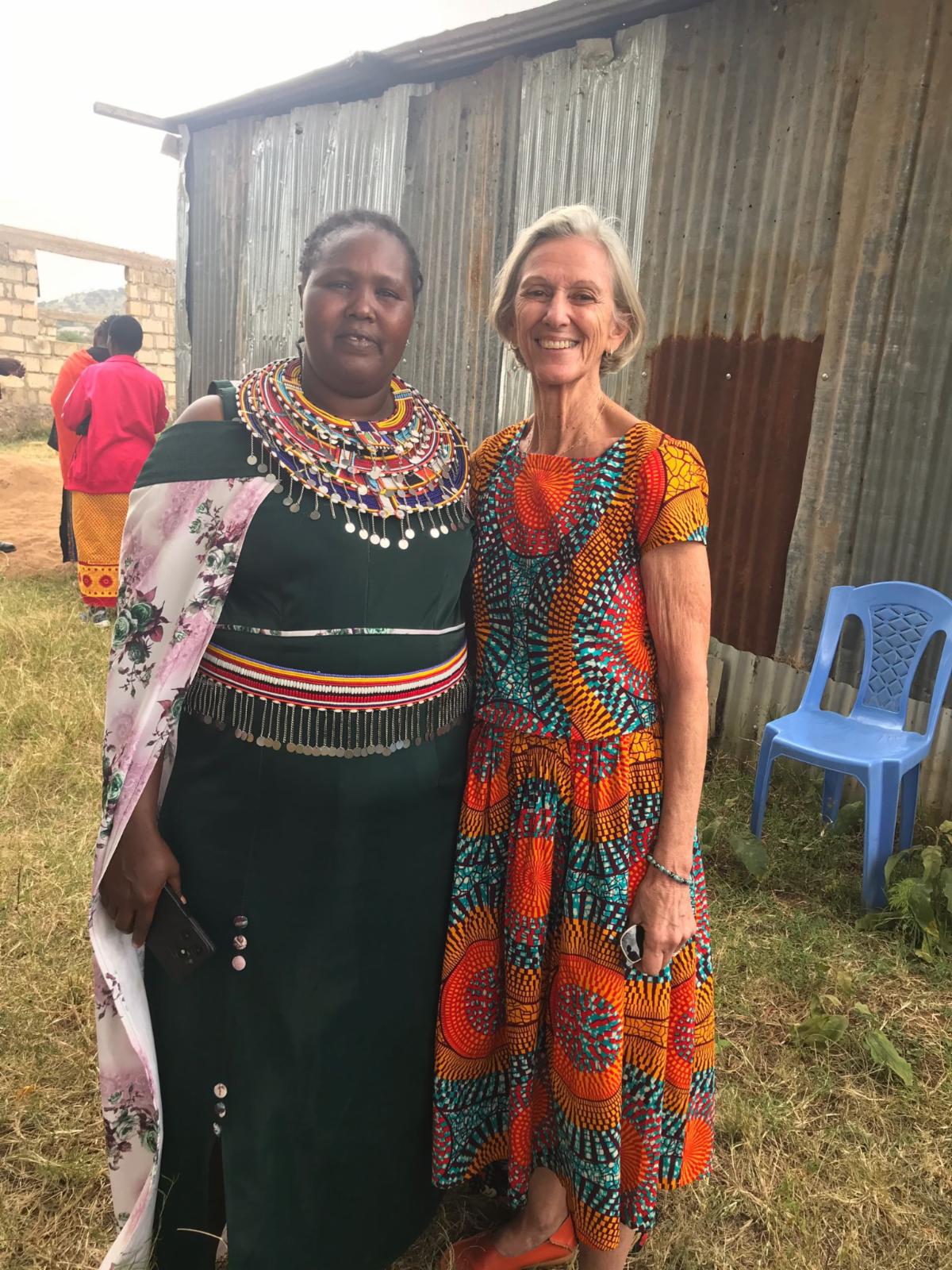
| | Pamela, Imela CBO’s chairwoman and a superstar beader herself, wearing traditional beadwork and posing with WMI’s founder and president, Robyn Nietert. | |
WMI loans have provided the Maasai women the critical starting capital to generate income, pay school fees and support their families. In the future, these women hope to use their exceptional skill to produce products for a steady, reliable, and consistent market.
Empowering women, specifically rural women, with financial capital and accessible markets is not an easy feat. WMI is committed to continue equipping this community with the resources needed to drive their own economic futures.
| | |
These crafty businesswoman have established a robust method for fulfilling bead orders and training new beaders. The beading group, made up of creative leads called “star beaders” and “superstar beaders” meet to design new pieces and teach other women who want to learn the art.
Living in deeply rural areas means there is virtually no local market to sell artisan products. Major events like the Lewa Marathon offer an excellent opportunity for income generation, but they happen infrequently. Some organizations bring intermittent foreign orders, but more distribution channels are needed for the women’s work to gain a larger customer base. This is a problem WMI hopes to be able to help brainstorm potential solutions.
| | |
WMI continues to support and monitor long-term projects like these that help create the foundation for rural business women to run profitable agriculture based businesses.
WMI President, Robyn Nietert visited both projects in 2026 to assess the impact and discuss how future WMI grants could provide capital to expand operations. Working together with local loan program leaders, WMI is committed to investing in creative and sustainable solutions that provide economic opportunities for rural women.
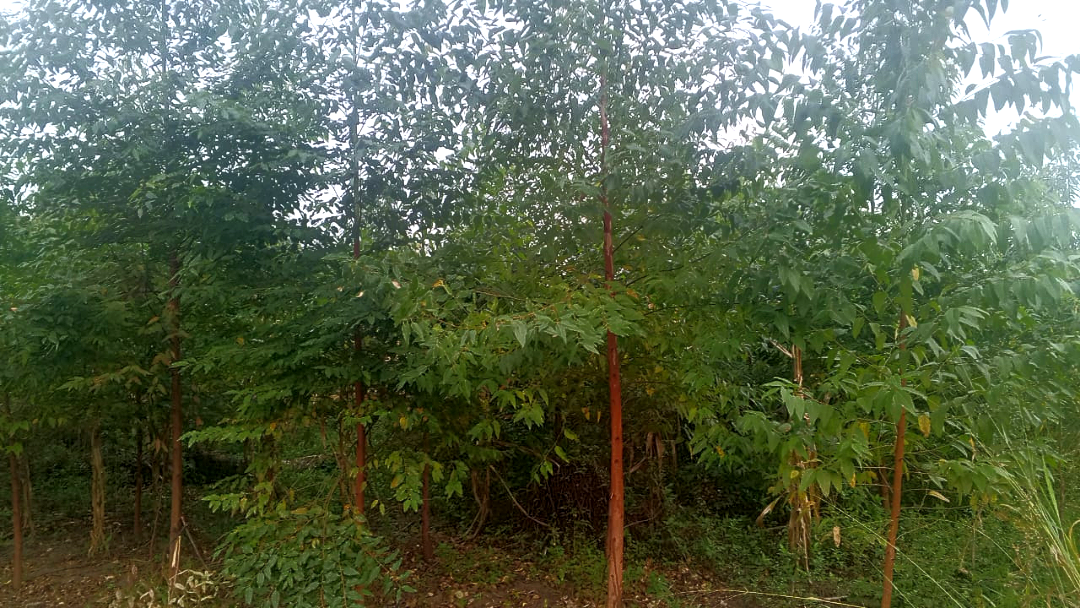
| | To the left is the current state of the eucalyptus trees growing on BCDC soil, highlighting the exponential growth of the trees planted as baby seedlings just three years ago! | | | | |