ECORP Celebrates Changes to the Board of Directors | |
ECORP is pleased to announce the election of two additional members to the Board of Directors: Anne Surdzial, AICP and Lisa Westwood, RPA and the appointment of Dave Krolick to Chief Operations Officer (COO) and Don Mitchell to Chief Contracting Officer (CCO). | |
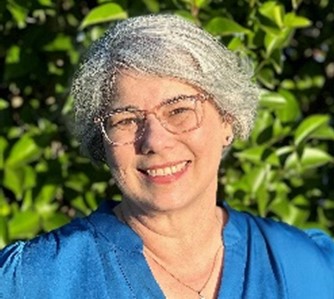 |  | Anne Surdzial joined ECORP in 2004 and founded ECORP’s CEQA/NEPA practice. As Vice President and Director of CEQA/NEPA Services for ECORP, she is responsible for ensuring consistency and quality of all CEQA and NEPA products companywide, managing environmental planners and air quality, greenhouse gas, noise, and energy specialists in all five California offices. As Operations Manager for ECORP’s full-service Inland Empire office in Redlands, she is responsible for a staff of environmental analysts, biologists, regulatory permitting specialists, archaeologists, GIS analysts, and support staff. With more than 30 years of experience in environmental planning, her expertise includes management of large, on-call environmental programs for public agencies, requiring the completion of multiple, simultaneous task orders and management of multiple internal project teams and subcontractors. In this role, she often acts as an extension of staff by developing and implementing a compliance path for California and federal environmental regulations, including CEQA, NEPA, and regulations regarding air quality, biological resources, water resources, and cultural resources, in a cost- and time-effective manner. She is an active member of the Association of Women in Water, Energy, and Environment (AWWEE). Anne was elected to the Board of Directors in May 2023.
|
| | 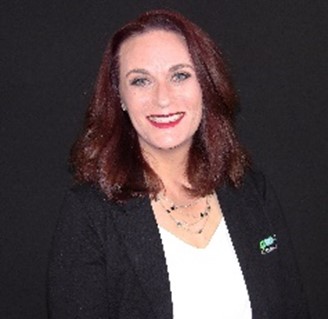 | Lisa Westwood is Vice President, Director of Cultural Resources, and Orange County Operations Manager for ECORP. A Registered Professional Archaeologist with a career spanning nearly three decades, Lisa has been actively involved in the field of cultural resources management since 1994 and joined ECORP in 2007. Lisa is a recognized expert in Assembly Bill 52 Native American consultation and has provided training on the subject more than 100 times to agencies and professional organizations. She specializes in advanced Section 106 compliance and consultation, cultural resources laws and regulations, preparation and negotiation of agency agreement documents (Programmatic Agreements and Memoranda of Agreement), and conflict resolution and mediation, and is the President Elect of the Register of Professional Archaeologists. She exceeds the Secretary of the Interior's Professional Qualifications Standards for both prehistoric and historical archaeology and oversees a large staff of archaeologists and architectural historians in five offices throughout California. She also manages the multidisciplinary Santa Ana office, which provides archaeology, extension of staff tribal consultation support, terrestrial biology, aquatic biology, CEQA and NEPA, and regulatory permitting services. Lisa was elected to the Board of Directors in May 2023.
|
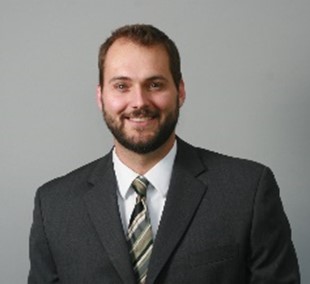 | | Dave Krolick is a Vice President and the Northern California Operations Manager. In his operational role he is responsible for the financial performance of the Rocklin and Chico offices and, in concert with the Northern California Management team, for setting the goals for the region. He joined the firm in 2004 as a Spatial Analyst working in the GIS Department. He was promoted to GIS Manager in 2005 and oversaw the reorganization and merger of the GIS, CAD, and Graphics Departments between 2007and 2009. He was promoted to Rocklin Office Operations Manager in 2011 where he joined the Operations Committee and began supporting outgoing COO Hal Freeman with the compilation and development of our annual corporate budgets. He was elected to the Board of Directors in 2017. In addition to his operational duties, he is a Project Manager and Project Principal for multidisciplinary/regulatory focused projects as well as projects with interesting geospatial challenges. He also supports ECORP’s companywide UAS/Drone Team with business development and project delivery. Most recently he has led the development of the 2028 ECORP Strategic Plan and looks forward to working with staff and leadership to implement our vision for the future of the firm. Dave was appointed COO in June 2023.
|
| | 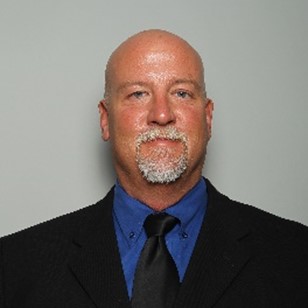 | Don Mitchell is Vice President and Southern California Operations Manager. He has more than 35 years of applied and research experience in the field of environmental science, with particular emphasis on wildlife assessments, impact analysis, and project management. He has extensive experience in managing and conducting biological studies, focused threatened and endangered species surveys, sensitive habitat surveys, and the use of Geographic Information Systems as an analysis tool for environmental studies. He has also conducted and managed surveys for the Mohave ground squirrel, desert tortoise, San Joaquin kit fox, Stephens’ kangaroo rat, San Bernardino Merriam’s kangaroo rat, California gnatcatcher, California red-legged frog, arroyo southwestern toad, unarmored threespine stickleback, and a wide variety of Mojave Desert and southern California terrestrial plant and wildlife species. He is also a founding Director for the new 501(c)(3) Mohave Ground Squirrel Conservation Council. Don has been a leader on ECORP’s Federal Marketing Team with a focus on Department of Defense Work, and he has managed nearly a dozen on-call contracts and over 200 task orders for Caltrans. Don has served as Corporate Secretary since 2015 and was appointed Chief Contracting Officer in August 2023.
ECORP’s Board of Directors is composed of President, Chief Executive Officer, and Treasurer Bjorn Gregersen; Vice President and Chief Financial Officer Hal Freeman; Vice President Peter Balfour; Vice President and Chief Operations Officer Dave Krolick; Vice President Brant Brechbiel; Vice President, Corporate Secretary, and Chief Contracting Officer Don Mitchell; Vice President Anne Surdzial; and Vice President Lisa Westwood.
| |
Amplifying Our eDNA Services | |
|
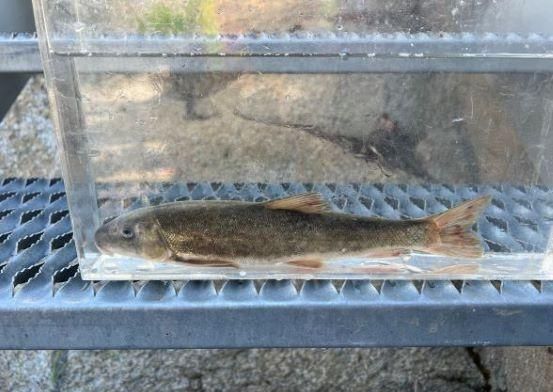
ECORP has continued to expand our Environmental DNA (eDNA) services to include monitoring of aquatic and terrestrial species richness in streams, reservoirs, floodplains, tidal habitats, and beyond. Using molecular assays allows us to determine the presence of a large number of aquatic species that can be difficult and time consuming to detect using traditional survey protocols. We use both quantitative polymerase chain reaction (qPCR) assays as well as metabarcoding assays, each of which has a unique approach for determining species’ presence. Our use of eDNA has proven to be a cost-effective approach for serving our clients’ needs and providing innovative solutions to challenging and complex problems associated with finding rare, elusive, or cryptic species.
qPCR is a molecular assay where species-specific sequences of DNA are amplified. These sequences are detected using fluorescent molecules that light up when the DNA sequence is copied, allowing the computer to precisely determine the number of copies made and therefore the starting number of DNA sequences present in the sample. This allows for a high level of sensitivity in detecting specific species of interest, as extremely small amounts of initial DNA are necessary for amplification using this method. In contrast, metabarcoding is a similar molecular assay that instead amplifies a general sequence of DNA, one that is shared among multiple taxa, that is also located near DNA regions of high variation between different species/taxa. This allows the DNA of many organisms in the sample to be amplified, as well as enabling the determination of the species composition within a sample. The limitation of this method is that it is less sensitive in the detection of specific species than qPCR, however it will detect a larger variety of organisms. Using both assays we are able to detect, with a high degree of sensitivity, species of special concern using qPCR, and we are also able to look at the aquatic community as a whole using metabarcoding.
In addition to our use of eDNA for evaluating the presence of animal species, we are currently employing qPCR to determine if Cannabis molecules from illegal cultivation sites are present in California water bodies. This novel approach will be utilized to detect and locate illegal Cannabis grow sites on public lands as part of a State-wide effort to identify, remediate, and restore illegal grow sites. Illegal Cannabis cultivation practices result in degradation of our natural resources, including reduced streamflow from illegal water diversions and degradation of water quality resulting from the use of toxic and unregulated fertilizers and pesticides.
Finally, we are currently investigating the potential use of both qPCR and metabarcoding for determining presence and species composition in bumble bee surveys, as these species can also be difficult to detect through standard survey protocols. Four bumblebee species are currently candidates for listing in the California Endangered Species Act, including Crotch’s bumble bee (Bombus crotchii), which has been found in some southern California project locations. There has been a marked decline in pollinator populations in recent years due to various factors such as habitat loss and increased pesticide use. These molecular assays would consist of the collection and testing of flowers that have potentially been visited by these insects. Bumble bees are known for a special pollination method, called buzz pollination. Many species of plants are specifically adapted to this type of pollination, in which the bumble bee grabs onto a flower and vibrates its body at a certain frequency causing the release of pollen that is often otherwise inaccessible.
In response to our expanded use and widespread acknowledgement of the benefits and cost-effectiveness of eDNA and metabarcoding, ECORP has convened an internal eDNA Working Group comprising biologists in all areas of species expertise to collaboratively discuss the benefits and limitations of using these services to better serve our clients. If you have a project that you think could benefit from these services, feel free to contact Dave Thomas at (916) 764-9288 or Jen West at (916) 316-9534.
| |
Update on Sackett vs. EPA | |
|
Big Changes to Wetland Regulations Expected
In a ruling that is expected to have major repercussions nationwide, on May 25th, the Supreme Court ruled unanimously in favor of Michael and Chantell Sackett, owners of a property near Priest Lake, Idaho. At issue was the question of whether wetlands on their property were considered Waters of the U.S. (WOTUS) and would thus require federal permits under Clean Water Act (CWA) Section 404 prior to construction.
Court Ruling and Regulatory Implications
The majority opinion was delivered by Justice Alito, and concurring opinions were issued by Thomas, Kagan, and Kavanaugh. The majority opinion found that the definition of “waters” in the CWA is limited to features “described in ordinary parlance as ‘streams, oceans, rivers, and lakes’” and to wetlands that are adjacent and “indistinguishable” from those bodies of water due to a continuous surface connection. Therefore, although wetlands on the Sackett’s property were located just 300 feet from Priest Lake and had a hydrological connection, the Court ruled that these wetlands are not WOTUS. The concurring opinions included an argument that no adjacent wetlands be considered WOTUS (Thomas), as well as arguments for including “wetlands separated from a covered water only by a man-made dike or barrier, natural river berm, beach dune, or the like” in the definition of “adjacent wetlands” as per statutory text and Court precedents (Kagan and Kavanaugh). However, all justices concurred that the “significant nexus test” should not be used to determine the jurisdiction of certain adjacent wetlands. The significant nexus test was proposed by Justice Kennedy during the Rapanos vs. EPA split decision in 2006 and determines the jurisdiction of certain “adjacent wetlands” on a case-by-case basis.
The Sackett ruling is a stark departure from the USACE and EPA’s current interpretation of “adjacent wetlands” under the CWA which has, by and large, remained consistent since the Rapanos decision (excluding brief periods during which the Obama and Trump era WOTUS definitions were in place). The decision also calls into question the Biden-era redefinition of WOTUS, which was published in the Federal Register in January and was based on guidance issued after the Rapanos decision, and lessons learned from the past 17 years of implementation since Rapanos.
At this time, no guidance has been issued from the USACE Headquarters to regional offices on how to proceed after the decision. However, the EPA has stated that they are now interpreting the phrase “waters of the United States” consistent with the Supreme Court’s decision in Sackett and are developing a new rule to amend the Biden WOTUS rule with the intent to issue a final rule by September 1, 2023.
Anticipated Effects on Projects
Although the USACE and EPA’s implementation of the Sackett decision remains unknown, several repercussions with potential to affect construction timelines are possible. In California, all wetlands are protected by State law regardless of federal jurisdiction, and where federal jurisdiction is lacking, project proponents must currently go through a lengthier and more arduous process with the State Water Resources Control Board which includes public review. In addition, many wetlands in California (including vernal pools) are hosts to federally listed endangered and threatened species. Because many vernal pools and other wetlands may no longer be subject to federal jurisdiction under the CWA, project proponents may need to obtain coverage under the Endangered Species Act through separate, more complex regulatory processes such as preparation of Habitat Conservation Plans. As a result, although wetlands throughout much of the U.S. are losing protection, wetlands in California will remain heavily regulated, potentially requiring more complicated processes.
ECORP’s regulatory team is closely tracking this topic. Please contact Lourdes Gonzalez-Peralta at (916) 782-9100 or Scott Taylor at (909) 307-0046 for information on ECORP’s regulatory services.
| |
Griffin Living Project Spotlight | |
|
ECORP assisted the City of Laguna Niguel with environmental services for a proposed senior living center and improvements to an existing church on an approximately 5.3-acre property in the City of Laguna Niguel.
Griffin Living proposes to design, develop, build, own, and operate the Laguna Niguel Senior Living Center. Griffin Living is also assisting Grace Church of Laguna Niguel in the redesign, remodel, and renovation of their existing church facilities. The Project proposes to subdivide the existing 5.34-acre parcel into two new parcels. Parcel 1 would include Grace Church on 1.65 acres; Parcel 2 would include the Griffin Senior Living Community on 3.69 acres.
The Project would modify portions of the existing single-story church building located on proposed Parcel 1. The Project would construct an additional first floor area to expand the kitchen, educational rooms, restrooms, and storage. The Project proposes a partial second story with youth room, offices, and restrooms.
The Project would also demolish and remove existing modular classroom and restroom buildings (approximately 3,360 square feet) currently located within the boundaries of proposed Parcel 2. The Project would construct a proposed two-story, 108-unit senior living facility with an approximately 24,000 square foot basement parking garage.
In 2022, ECORP initiated the California Environmental Quality Act (CEQA) environmental review process for the Project. ECORP prepared an Initial Study/Mitigated Negative Declaration along with technical studies, including air quality/greenhouse gas, biological resources, cultural resources, and energy analysis.
In May of this year the City of Laguna Beach City Council approved the Project and certified the IS/MND document that ECORP prepared.
For information on environmental services, please contact Anne Surdzial at (909) 307-0046 or Margaret Partridge at (949) 433-8725.
| 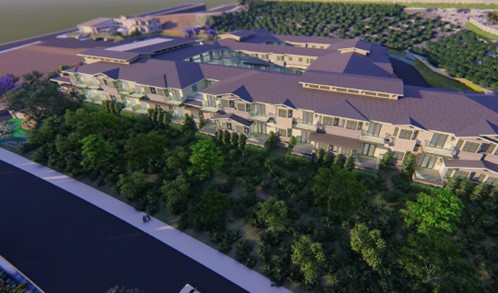 | Figure Source: Land Concern prepared for Griffin Living | |
Seal Beach National Wildlife Refuge Clean-Up | |
|
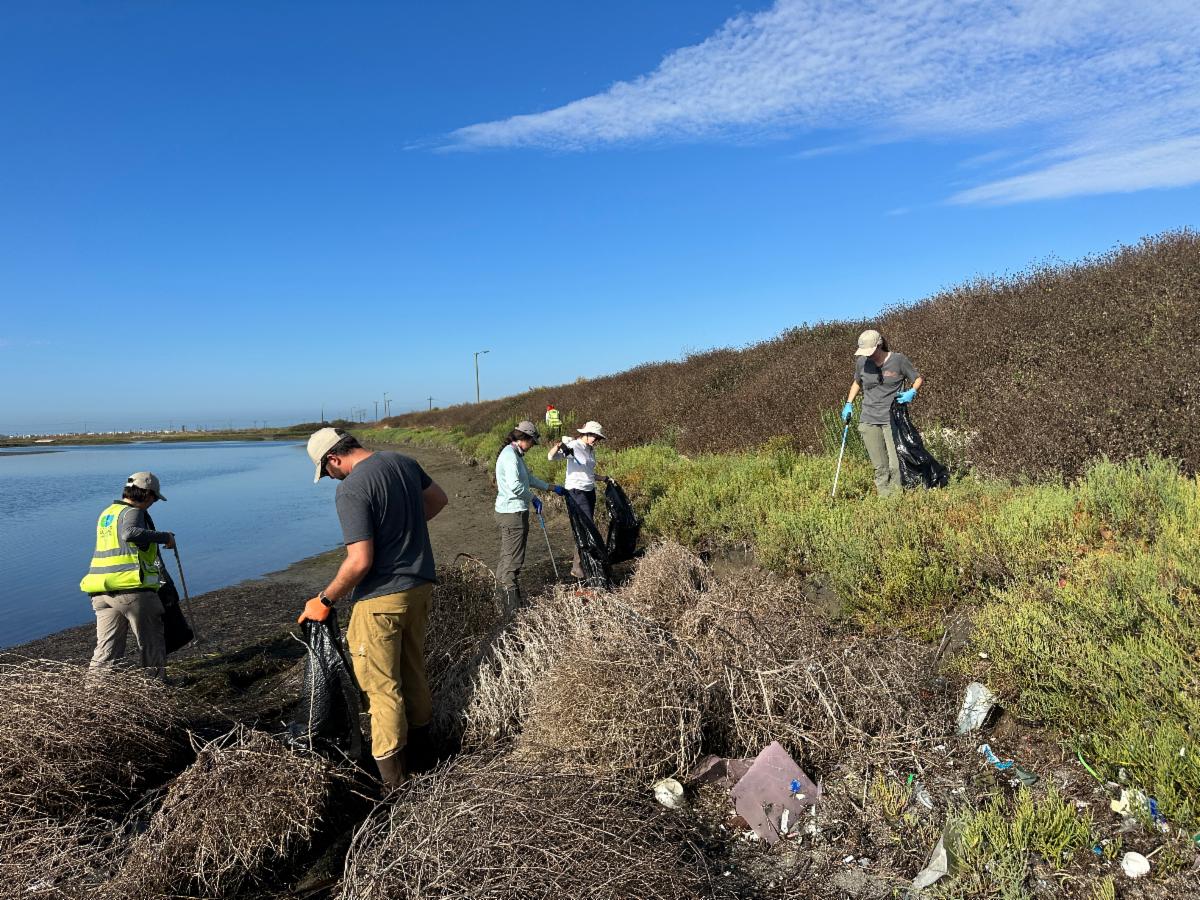
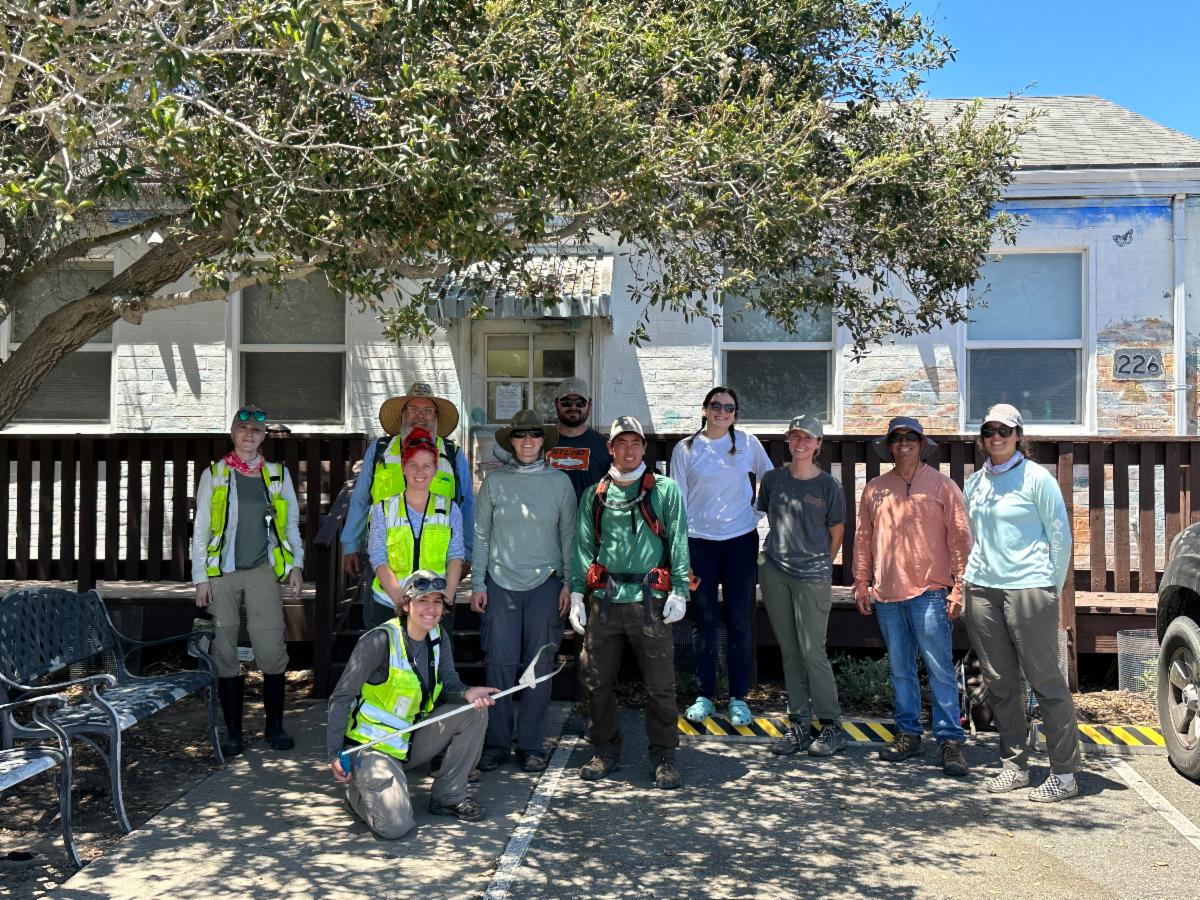
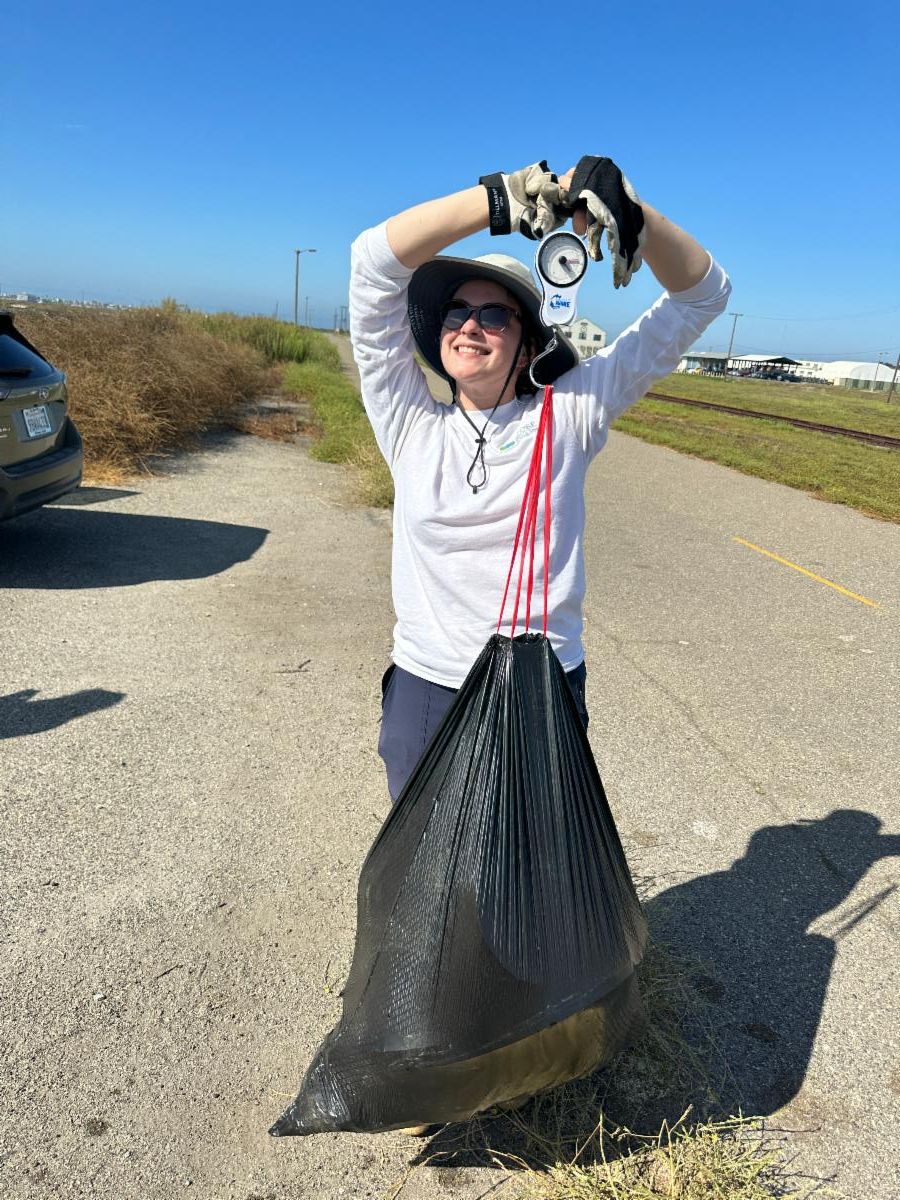
On August 2, eleven ECORP employees from three ECORP offices (Santa Ana, Redlands, and San Diego) came together with members from other volunteer organizations to remove trash from selected areas of the 965-acre Seal Beach National Wildlife Refuge. Seventy-two full bags of trash plus several items of waterlogged debris including sofa cushions, pallets, and furniture were removed from the refuge. Over 200 pounds of trash were pulled from the corner section of a single pond. Trash removed was dominated by single-use plastic items including take-out containers, plastic bottles and bottle caps, straws, and plastic bags. The most commonly encountered items were small fragments of plastic and foam. These small pieces can be particularly devastating in the environment as they are easily consumed by wildlife.
We are really grateful that we were able to take the opportunity to make such a tangible difference to such an ecologically important area. The data collected during this process will be submitted to contribute to a citizen science project to identify the number and types of trash items found in different locations. This information can inform legislation locally and nationally and foster change in our communities.
We would like to thank Mac Purvin, the Refuge Manager, for making this effort possible and the ECORP volunteers for all their hard work.
For information on the National Wildlife Refuge Clean-Up, contact Verity Richardson at (760) 704-7249.
| |
ECORP New Hires & Employment Opportunities | |
|
ECORP is fortunate to continue to increase our staff in 2023. Here are some staff members who have joined ECORP since May.
- Jed Dowell Rocklin Staff Biologist
- Amber Francis Santa Ana Assistant Biologist
- Sam Harrison Santa Ana Assistant Biologist
- Daniel Jaques Santa Ana Assistant Biologist
- Ajeet Samra Rocklin Associate Biologist
- Thomas McNairn Rocklin Associate Environmental Planner
- Justin Ramsthaler Chico Assistant Environmental Planner
- Sabrina Ward Rocklin Human Resources Generalist
- Clair Salib Santa Ana Accounting Clerk/Administrative Support
- Rick Renfroe Redlands PC Technician/Help Desk Support
ECORP is hiring in all offices.
Please click here to explore potential employment opportunities.
| |
For more information contact
(714) 648-0630
|
| | | | |