|
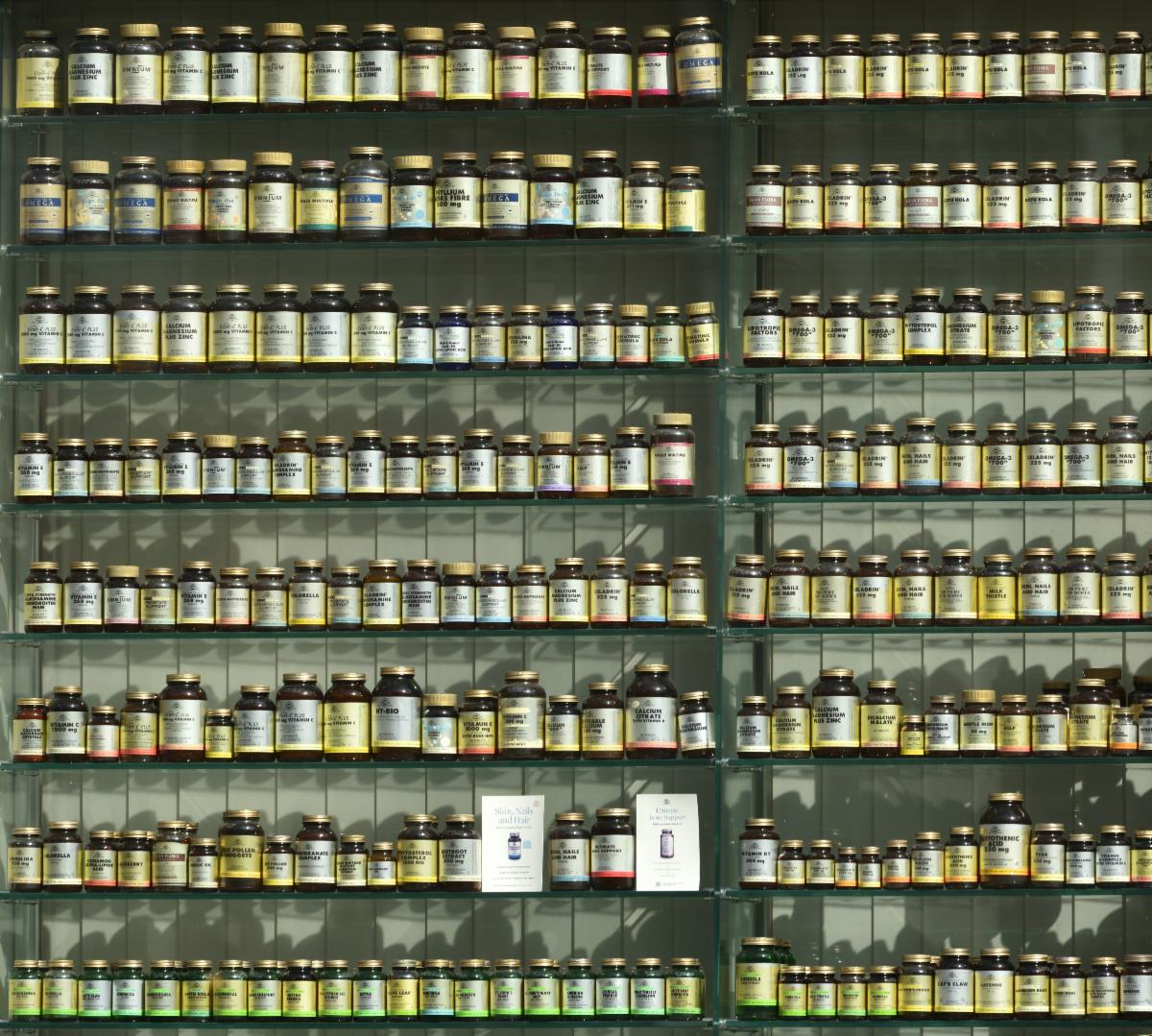
Advertisements for supplements are all around. Social media posts tout the life
enhancing benefits of herbal remedies to enhance sports performance, delay signs of
aging, improve physical health, and even enhancing mental well-being. And, they are
plants and natural remedies. What could possibly go wrong?
Natural remedies have been around since prehistory. Archeological evidence suggests
early man understood some of the healing or mind-altering properties of plants. Burial
sites have been found where a person was buried with flowers and plants, many with
powerful actions on the human brain and body. How can something that is natural be
bad for you?
Why "Natural" Doesn't Always Mean Safe: What You Should Know About Dietary
Supplements
One of the most important things consumers should know is that dietary supplements
are not regulated in the same way as prescription medications. Unlike drugs, which
must undergo rigorous testing for safety and effectiveness before they reach the
market, dietary supplements are not approved by the U.S. Food and Drug
Administration (FDA) before they are sold. Manufacturers are largely responsible for
ensuring the quality and safety of their own products. This means that the amount of an
active ingredient listed on the label may not always match what is actually in the bottle,
and contaminants or undisclosed ingredients have occasionally been found in
supplement products.
Another significant concern is that supplements can interact with prescription
medications. A common example is St. John's wort, an herbal supplement often
marketed for depression. While some research suggests it may help mild depressive
symptoms, it can interfere with many medications. For individuals taking
antidepressants such as selective serotonin reuptake inhibitors (SSRIs), combining
these medications with St. John's wort can increase serotonin levels to dangerous
levels, potentially leading to serotonin syndrome. This condition can cause agitation,
confusion, rapid heart rate, high blood pressure, muscle rigidity, and, in severe cases,
can become life-threatening. St. John's wort can also reduce the effectiveness of birth control pills, blood thinners, and many other medications.
Many people also assume that supplements cannot be addictive because they are sold
over the counter. Unfortunately, that is not always true. Kratom, a plant native to
Southeast Asia, is frequently marketed as a natural remedy for pain, anxiety, or low mood. However, kratom contains compounds that act on some of the same brain
chemistry targeted by prescription opioid medications. Regular use can lead to
tolerance, dependence, and withdrawal symptoms like cravings, irritability, muscle
aches, insomnia, and other symptoms similar to opioid withdrawal.
None of this means that all supplements are harmful or ineffective. Some have strong
scientific evidence supporting their use for specific conditions. However, supplements
should be approached with the same caution as any substance capable of changing
how the brain or body functions. Before starting any supplement talk with your
psychiatrist, or another qualified healthcare professional. Making informed decisions,
rather than assuming "natural" means harmless, is one of the best ways to protect both
your physical and mental health.
|