|
✡︎ Shalom and Good Shabbos, Friends ✡︎
Parshas Noach: First Rain Then Rainbows
Parshas Noach promises us rebirth and redemption after spiritual death. We get countless chances over many generations to know God and to choose life.
This week’s Torah portion, Noach: Bereshit (Genesis) 6:9 - 11:32, opens with an introduction to Noah, the only righteous man of his generation. The portion includes the legendary stories of the Great Flood and the Tower of Babel, cataclysmic events in the evolution of humankind that pause human folly and wickedness for a short time.
Noah's Mission
Noah emerges on the scene of human history 10 generations after Creation. He has a lifespan of 950 years. He lives among primitive people who embrace wickedness and violence as a lifestyle. When Noah is 500 years old, HaShem gives him an ark building project that lasts 120 years, during which time he is to call the people to repent from their savage, barbaric ways, that God might show mercy and cancel the flood.
Noah convinces absolutely nobody to change and repent. At the appointed time, he and his family and the animals embark. The rain starts and the flood waters rise and cover the earth. Over one year later the ark makes landfall on Mt Ararat. Noah and his passengers disembark to build a new world. They should “be fruitful and multiply and fill the earth.”
The Seven Noahide Laws
God establishes the Rainbow Covenant with all the people and animals that will inhabit the earth. This contract remains valid for all time. God promises never again to destroy the earth by flood to rid the world of man's wickedness. He provides seven moral guidelines to follow this second time around - the Seven Noahide Laws. Then and now, these guidelines provide simple rules for successful living.
1) Know God and acknowledge Him. 2) Respect the Creator. 3) Respect human life. 4) Respect the institution of marriage. 5) Respect the rights and property of others. 6) Respect God's creatures. 7) Maintain justice.
To learn more, visit our friends at https://noahide.org
Communication and Conceit
Noah's three sons and their wives make their way in a new world. They build their homes and families under the new rules of conduct. Everyone speaks the same language so they are able to coordinate and cooperate as they organize themselves. For a while, Noah’s progeny succeed and prosper.
Life goes so well that the people forget about God. After just 100 years, they collaborate in a Tower of Babel Project meant to defy and displace the Almighty's mastery over creation. God ends this ill conceived attempt to usurp His supernatural power. He scatters the people throughout the earth and gives each population a different language.
Our Global/AI/Google Translate brave new world resembles a modern Tower of Babel, a conceited attempt to defy and displace the Almighty's mastery over creation. We wonder how He will respond this time.
Respect Life
In the Noahide law, HaShem deems willful murder a capital crime punishable by death. If a human court fails to punish the murderer, God Himself will seek redress. In Genesis 9:5, He tells us, “From the hand of each man, his brother, I will demand the soul of man."
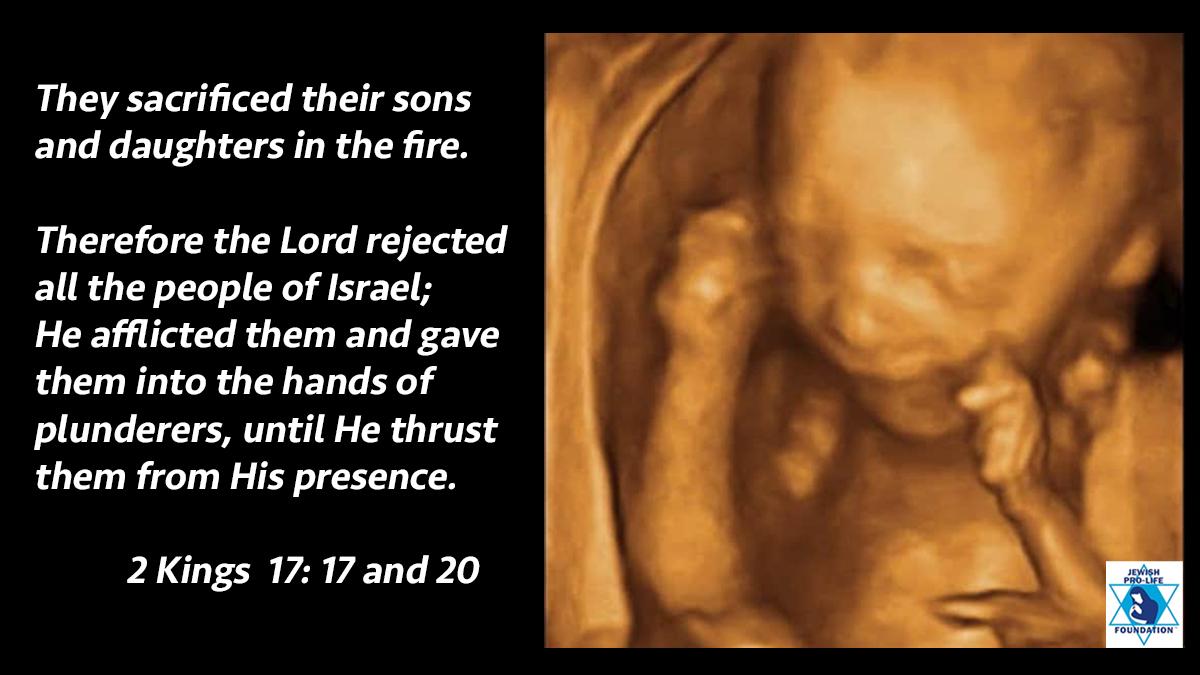
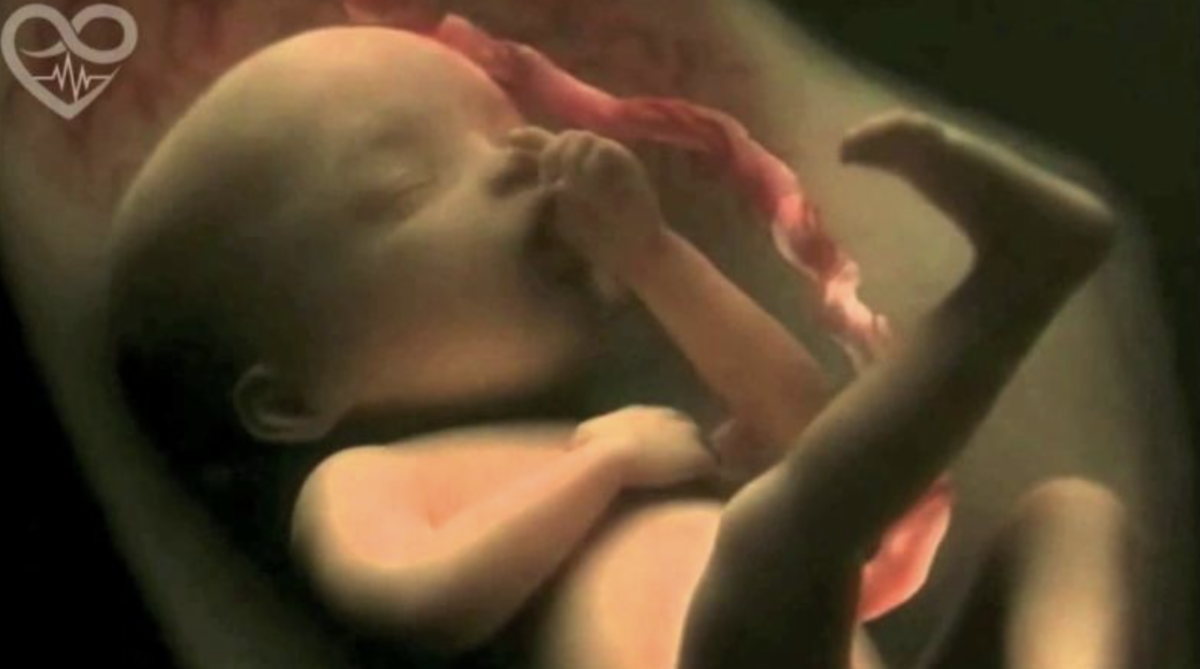
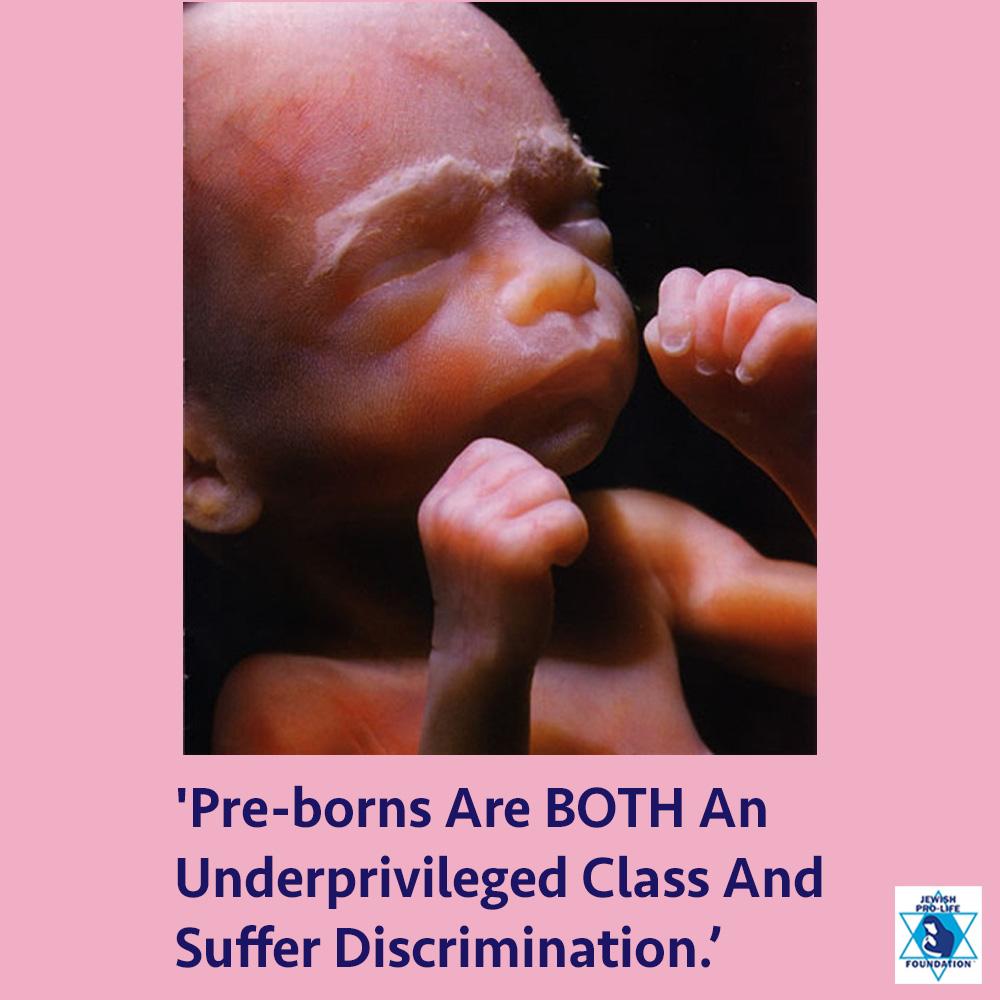
We are instructed to respect human life from conception because it is sacred, made in God’s image. in Genesis 9:6, the word of HaShem is clear: "Whoever sheds the blood of man within man so shall his blood be shed, for in the image of God He made man.” The context in which the word 'made' is used is the conception, growth and development of the human being in the womb.
Judaism, as given to us by God through Moses, regards human life so precious that Jews are obligated to break every Sabbath restriction in order to save a human life, including a baby in the mother’s womb. This special exemption, known as pikuach nefesh, logically supports the fact that Jewish law recognizes the unborn baby as a living human being that we must safeguard.
The Big Lie - Abortion Saves Lives
Jewish abortion activists distort and misuse pikuach nefesh when they insist that legal, taxpayer funded, unlimited abortion access saves lives. This lie denies the death of an innocent baby, and ignores the damage, harm, and death that women experience from abortion.
The pikuach nefesh distortion has broader appeal in the overall pro-abortion movement with propaganda that claims baby killing saves lives. Actually, baby killing saves abortion industry profits by killing babies and exploiting vulnerable women.
Women who do face danger because of pregnancy have life saving solutions that are preferable to killing their unborn children. For life threatening medical events after viability, interventions that save both mother and baby are available and preferable.
In rare cases, when treatment requires ending a pregnancy before viability, the baby's life can be dignified and mourned rather than tortured and discarded. The Association of Pro-Life Obstetricians and Gynecologists (AAPLOG) publishes Evidence-Based Guidelines for Pro-Life Practice. For a deeper understanding of these serious medical situations, see Ethical Considerations in Ending a Pre-viable Pregnancy for Maternal-Fetal Vital Conflict.
Abortion activists demand pregnant women have access to legal abortion when faced with threats of abuse, abandonment, homelessness and homicide. These extreme situations require extreme solutions. Killing the unborn baby may seem a practical and immediate way to solve these problems; however, the cycle of violence continues and repeats itself, with ever graver outcomes for women and children.
A Life Saving Mandate
A better approach is to apply several of the Noahide principles in these situations. Acknowledge God as the Creator of human life, Respect God by respecting both the baby's life and the mother's life, and Do Justice by protecting their right to life by securing safe haven for the mother and protecting her baby from abortion.
The biblical mandate for this approach is found in Deuteronomy 24:17, where the 'fatherless' is the unborn baby and the 'widow' is the pregnant woman, both of whom have been abandoned by the baby's father. The 'cloak' is the woman's essential property, her baby and her peace of mind. Do not deprive the foreigner or the fatherless of justice, or take the cloak of the widow as a pledge.'
We can find the just and loving course of action by heeding the prophet, Jeremiah, who preaches this message to a nation that has found violence acceptable in human affairs. This is what Adonai says: “Do what is right and just; rescue the wronged from their oppressors; do nothing wrong or violent to the stranger, orphan or widow; don’t shed innocent blood in this place. Jeremiah 22:3
Rain and Rainbows
Our Haftorah portion this week, Yeshayahu (Isaiah) 54:1-10, refers to the Great Flood and the Rainbow Covenant. Isaiah lives in Israel during a time when once again, society falls into a state of moral decay, political corruption, violence and pagan worship. This time, invasion, rather than flooding, results. The northern Kingdom of Israel has fallen to Assyria and no longer exists.
Isaiah warns that Judah will come to a similar, tragic end from a growing power in Babylon. Like Noah, he tries to convince his people to reform policy and society to align with holiness. He tells the people that abandoning holiness separates them from God's protection. As a result, they will continue to experience rainy periods, that is, difficulties and tragedies.
Isaiah promises rainbows, too. He reassures the people that God will have compassion on Israel and save her. He likens a redeemed Israel to a barren woman who ultimately gives birth to a righteous nation.
For this is to Me [as] the waters of Noah, as I swore that the waters of Noah shall never again pass over the earth, so have I sworn neither to be wroth with you nor to rebuke you. For the mountains shall depart and the hills totter, but My kindness shall not depart from you, neither shall the covenant of My peace totter," says the Lord, Who has compassion on you. Isaiah 54:9-10.
|