The Mental Health Conversation is Not Over Yet
by Emily Kibler | April 30, 2026 | Read in Browser
In recent years, mental health has been a hot topic across the country and around the world. During the pandemic, people were more isolated than they had ever been before while also facing a large global hardship; therefore, it was only natural for conversations to shift to taking care of yourself and your mental health.
This brought mental health into the spotlight in ways that it never had before. People began openly discussing anxiety and depression and sharing tips to combat difficult emotions. It was a beautiful movement that changed the way people view mental health practices both through casual and professional lenses.
Unfortunately, the conversation stopped too soon.
While self-care practices, setting boundaries, and other "therapy buzzwords" are important, they should not be reduced to the headlines and inspirational quotes that are commonly pasted across social media. Mental health is a complicated subject that spans from everyday worries to diagnosable symptoms that significantly impact a person's way of life. It is important that our conversations around the subject reflect this spectrum.
Mental Health for Everyone
Considering your own mental health is a practice that is beneficial to all people. Regardless of diagnoses or the lack thereof, stress, anxiety, loneliness, and sadness are emotions that most people understand deeply. Not just in the face of a global catastrophe, but throughout the general day-to-day experience of being a human.
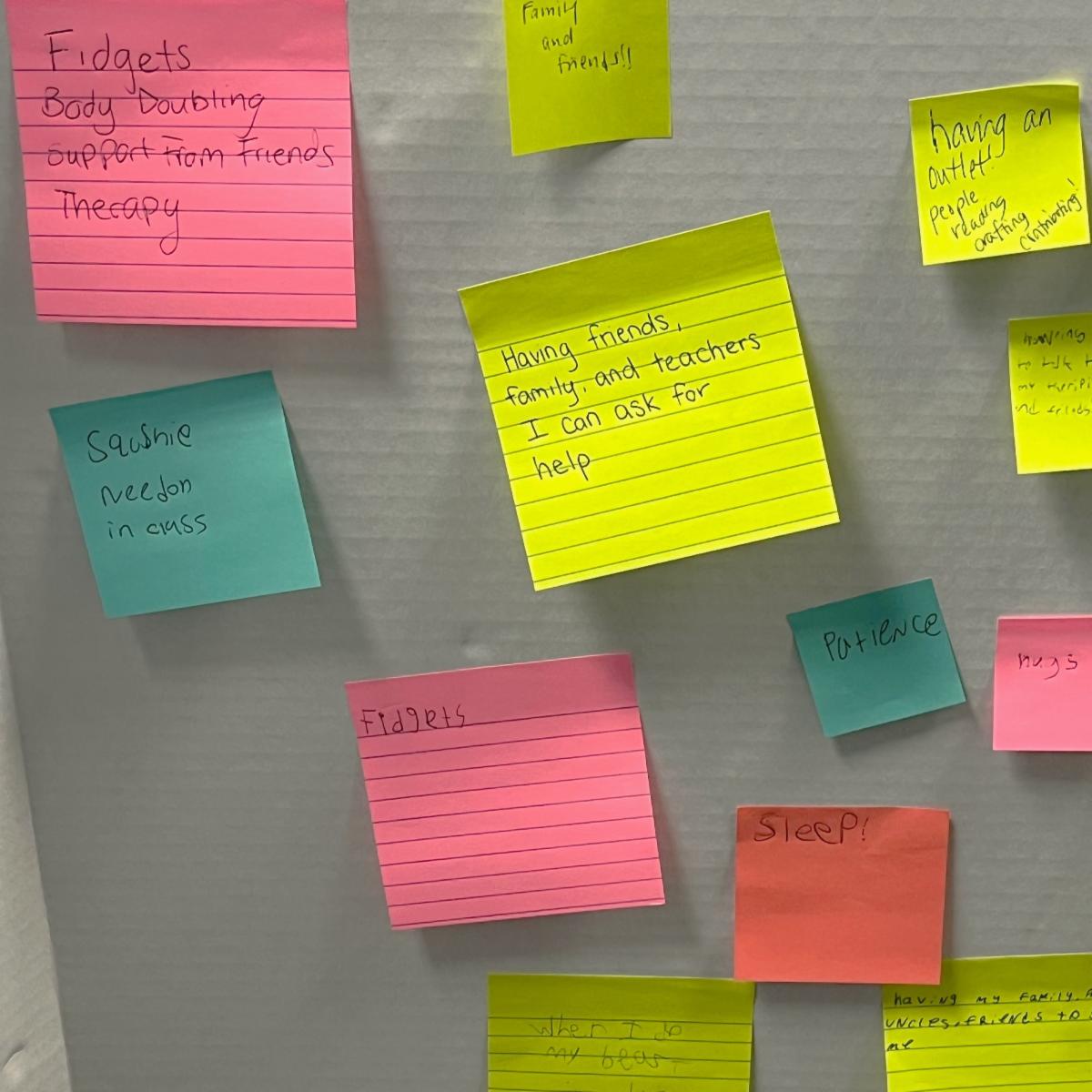
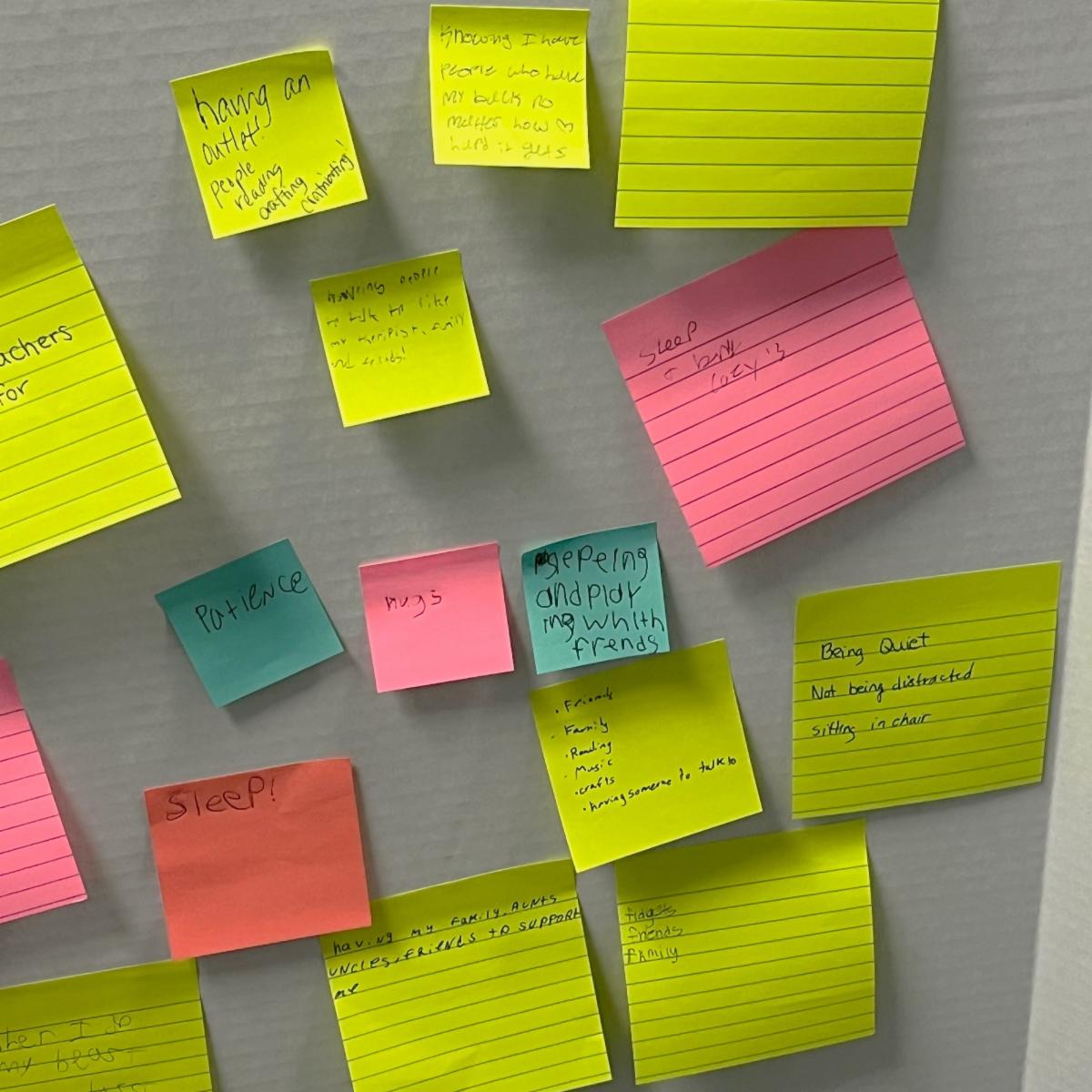
Incorporating stress-relieving practices in whatever form works best for you is crucial to making sure that you are able to show up for yourself and your loved ones through any difficult situations you may face. Life is about more than fear, uncertainty, and stress. It is about more than work, even if it may not seem like it. Life is about the people you love and the happiness you carve out for yourself.
Improving your mental health always takes work. You have to show up every day committed to searching for peace and connection. And you also have to know when that isn't enough; when it is time to reach out for professional interventions.
Mental Illness Cannot Be Ignored
While focusing on mental health is important for everyone, one critical factor has been omitted from the conversation in recent years: general day-to-day mental health struggles are not the same as mental health conditions.
Although it is partially correct that the prevalence of mental health topics in general conversation has led to a better understanding of the conditions themselves, there is still a lot that most people don't understand about Mental Illness. People with mental health conditions like Generalized Anxiety Disorder (GAD), Major Depressive Disorder (MDD), Bipolar Disorder (BD), and other such diagnoses were already dealing with heightened stressors and emotions before the global tragedy, and they will be facing them many years into the future.
Of course, it is important to address anxiety that comes in the form of "I am scared about the fate of the world and the safety of my family and I don't know what to do about it." However, it is also important to provide resources to people who experience Anxiety that looks more like: "I feel like everything is going wrong and there is no reason for it so it must be that there is something wrong with me."
Mental Health conditions are often not aligned with a specific circumstance a person is facing. They are due to observable changes in a person's brain chemistry. Therefore, while self-care practices and inspirational memes might be helpful, they are often not enough. Professional/clinical support may be the only way forward for people in these situations.
This is where the limitations of the mental health movement are the most obvious. By painting mental health challenges as things that everyone deals with and can work through with enough effort and time, we ignore the very real barriers facing people with diagnosable conditions.
Feeling anxious or depressed is not the same as having Anxiety (GAD) or Depression (MDD), but it is hard to know that distinction during casual conversations, especially now that these terms have been destigmatized. It is powerful that the shame that was once linked to these terms has decreased in recent years. This demonstrates that the world is moving in a good direction. However, in removing the stigma from mental health terms and making them a part of general conversation, they have become terms to use flippantly, without much care.
This has had the unfortunate consequence of removing the power from these terms, making them seem like inconveniences rather than very serious symptoms.
Takeaway
While there is value in making mental health resources available for all, it might be time to devote more of our energies toward advocating for people who have been overlooked in the conversation. This Mental Health Awareness Month (May), don't forget the people who need your support the most. Let's make an effort to listen to their voices and advocate for a more educated and compassionate world.
|