new newsletter header.png
 

Psychological Safety

Here’s the latest from Creative Leadership Solutions, where we believe in evidence, passion, and results. We value respect, trust, service, collaboration, and reason. This month, and every month, we're advocating for psychological safety.


FEATURED CONTENT


Judging Grief


In this poignant and beautifully articulated blog post, Dr. Rachael George discusses her perspective on grief. She writes, "I am learning to embrace the fact that things aren’t logical anymore."


Let go of judgement.


Upcoming Events

Webinar | The Ghosts in our Classrooms: Identifying and Reconnecting Disengaged Students


Virtual Seminar | Ideas to Facilitate Your Responsive Schedule


Webinar | Fearless Coaching: Supporting Teachers and Leaders for Immediate Impact

NEW VIRTUAL OFFERING


We've partnered with Rocket PD to offer a digital course taught by Dr. Douglas Reeves. The five sessions of Grading Reform Without Tears help teachers and administrators to bridge the gap between theory and practice. How do teachers change their grading practices without increasing their stress? How can grading practices support and accurately reflect student performance?

Learn More and Register

Read More

Further watching and reading for promoting psychological safety

In "The Power of Psychological Safety," Doug Reeves reviews Amy Edmondson's invaluable book The Fearless Organization: Creating Psychological Safety in the Workplace for Learning, Innovation, and Growth.

Read the Blog

One of the most important roles of a leader is to build trust within their organization. Learn about the connection between psychological safety, fearlessness, and trust in this blog post.

 
Read the Blog

Service Highlight

Each month, we feature just one of the many services we offer.

Safe, Welcome, Invited: Creating an Inclusive Classroom 


We all agree that the classroom environment is vital to the success of each student. We tend to spend a lot of time at the beginning of the year establishing norms and building relationships. Yet are we maximizing our attention to this necessary factor and truly building overt practices to ensure all students are included? Join Dr. Neil Gupta as he provides insights and strategies using the Whole Child Tenets in creating an inclusive classroom for all students to feel safe, welcomed, and invited. Participants will analyze their current strategies as well as begin drafting ideas and possible changes for 2022-2023. 


Our coaches know that trust is the only way forward.

We enable the creation of psychologically safe environments.
 

IN THE SPOTLIGHT

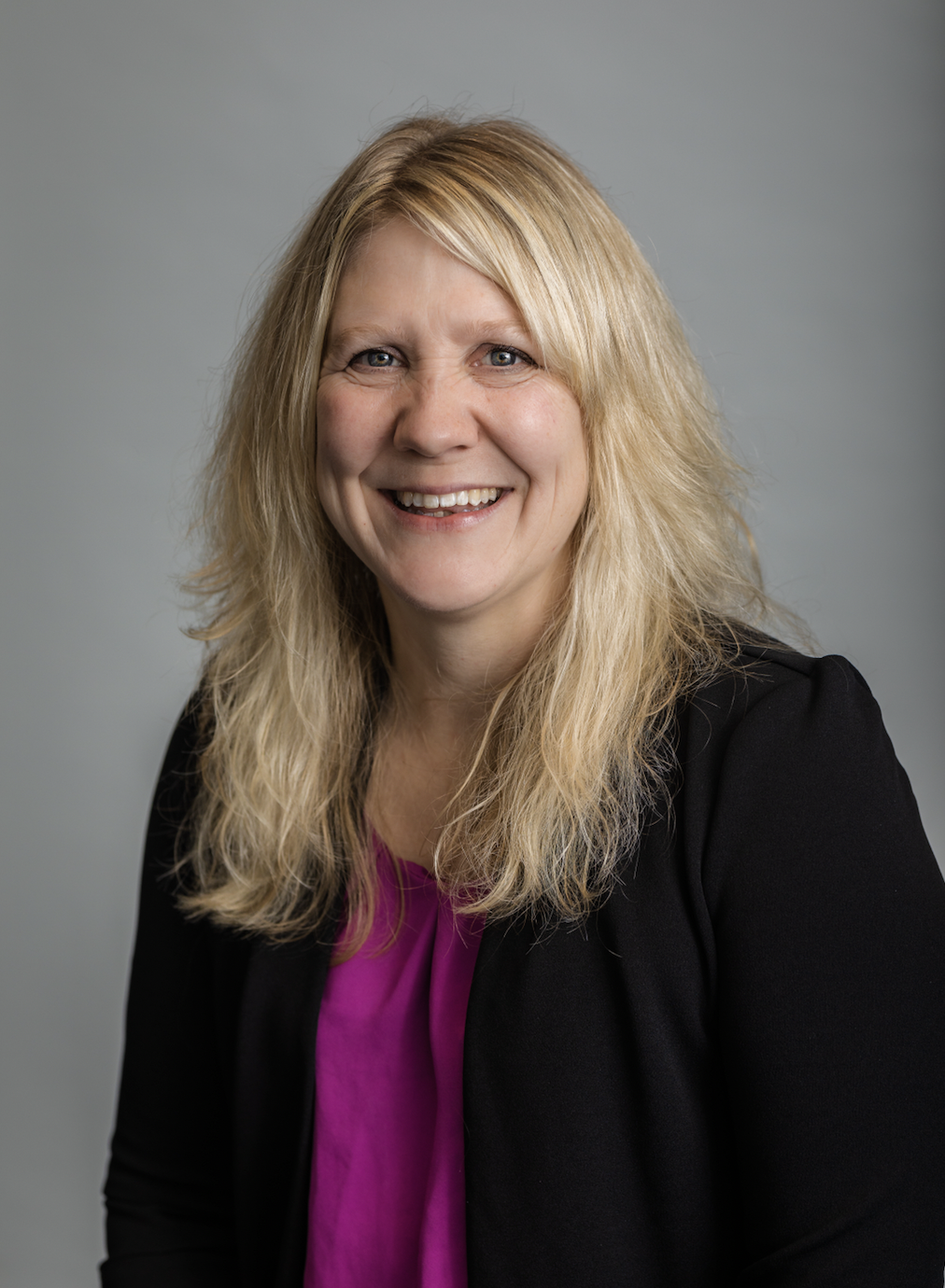
Majalise Tolan has been an energetic and proactive educator for eighteen years. She has served as principal for intermediate and high schools, the Secondary Teaching and Learning Administrator for the Lincoln County School District, overseeing curriculum and instruction, AVID, athletics, career and technical education, and the Title VI Bureau of Indian Education Program for five secondary schools before becoming Secondary Director. Through her time working as a consultant, she has led multiple districts through standards, instruction, and assessment alignment work.  


What is the purpose of Professional Learning Communities in secondary singleton courses?

Lots of questions arise when initially implementing PLCs at the secondary level. I am often asked about the purpose of professional learning communities, especially when we have groups of singleton teachers working together. I remind them that although we are looking at student evidence and discussing how to improve student learning, PLCs are one of the most impactful ways for teachers to learn and grow together, too. Double bonus! They provide authentic professional learning opportunities for our teachers because they are looking at real-time results in a collaborative way that allows them to learn from each other and grow their own tool box of strategies. Trying new strategies requires an element of risk and having a group of peers who provide a safe space to ask questions, honestly discuss outcomes, and openly reflect provides a level of psychological safety teachers may not get working in isolation. Teachers don’t need to teach the same content to teach the same skills - take non-fiction writing or vocabulary application for example. I recently listened to a team of career and technical education and fine art teachers analyze an informational text assessment and set an instructional goal and success criteria for each of their own courses. Although the text they use will be different, the selected common instructional strategy can be the same and applied and analyzed for student impact. The discussion was powerful and inspiring!

CLS-fearlessbanner-dec2021.png
 

WEBINAR


Over the years, we've hosted a wide variety of webinars on psychological safety. Access the playlist of the webinars by clicking on the thumbnail to the right and register for future webinars by clicking the button below.

Register


Creative Leadership Solutions | Website

Facebook  Twitter  LinkedIn