JULY 2025 | VOLUME 2 ISSUE 1 | | |
Gwendolyn Clegg
Diane Redleaf was inspired to write this poem after hearing the story of Titus Smith, a member of the LSNJ Reunified Youth Foster Forum, told at the National Alliance for Parent Representation Conference (workshop on Keeping Families Strong: Pre-petition Representation as an Anti-Racist Strategy), May 20, 2021. The poem was reprinted in the inaugural issue of the Public Knowledge's Family Integrity and Justice Works Quarterly at p. 72. Diane Redleaf graciously gave permission for OFR to published her poem in our newsletter.
My hope as you read Diane's poem and reflect on OFR's one year birthday today that you will continue to be inspired to carry out OFR's mission to provide high-quality legal representation to your client. HQLR requires you to spend time getting to know your clients in out of court meetings so that you may zealously represent your clients in court. Relational representation not transactional. Trauma informed representation. Client directed representation. Everyone is entitled to being heard, seen and treated with dignity and respect. Everyone is also entitled to due process of law.
Ode to the Family Destruction System: They Decided Not to Listen to Her
By Diane Redleaf
They decided that she was a mess.
They slapped on labels:
addict,
crazy,
hopeless case.
And she was a black woman, too.
So she could hardly force anyone to listen
in the years before anyone thought to be
“trauma-informed”
or thought that
a black momma mattered.
It’s unclear, looking at case records,
whether a single person
listened along her way.
And by the time her son knew of her struggles,
he could see them listening to his dad,
not her,
as they claimed righteous concern for his welfare,
keeping him away from her.
He wanted to shout to them,
Including the one in black robes,
“Listen to her; she’s worthy, too!”
But he was too young to
articulate the point:
that claims about caring for children
ring hollow
when uttered by the mouths
of those who hate their mommas—
the ones who have decided that
they can manage a child’s welfare
without reckoning with so intangible a thing
as a mother’s love.
| | |
Shoutout to Judge Bridge in Lincoln County!
Judge Bridge in Lincoln County does such a wonderful job of using a family centered approach for all families that enter her court room. She goes out of her way to congratulate individuals on the progress/completion of their service plans and acknowledges the hard work that they have put into their case. She is encouraging and uplifting, and it is very refreshing to see!
| | |
Shoutout to Daniel McClure!
Daniel McClure, attorney for Lincoln and Pottawatomie Counties, has been a great advocate and supporter of IDT's in Region 2. He does such a great job of providing excellent representation to his clients and is not afraid to advocate when it is needed. He utilizes a team approach and truly listens to the ideas and thoughts of the IDT, which is proving to add success to his cases in the courtroom!
| | |
Shoutout to Kathy Baker!
Kathy has gone out of state to visit with her client in the Department of Corrections in Missouri!
| | |
Goodbye and best of luck in retirement to David Ball!
Good luck and best wishes in future endeavors to Hope Cooper!
| | |
Welcome Valerie Frost to the Your Case Plan family!
She will be helping us to get the most out of the product and will provide one-on-one trainings and consultations. Keep an eye out for messages from Valerie! (valerie@yourcaseplan.com)
Be on the lookout for updates to the app!
| | Have you done something awesome? Do you have a good story? Share it here! | | |
Timothy Michaels-Johnson, Managing Attorney
Weaponization of Collaboration
For decades, child welfare practice in Oklahoma has differed from county to county, with each county having its own culture and way of doing things. Often this has resulted in a “go along to get along” attitude that has compromised the efficacy of parent and child representation. While collaboration can be a phenomenal tool in advocacy, it is far too often used as a bludgeon to punish attorneys who act with zeal in advocacy for their client’s expressed interests.
Certainly, “it is the intent of the Legislature that the paramount consideration in all proceedings within the Oklahoma Children’s Code is the best interests of the child.” 10A O.S. 1-1-102(E). However, in an effort to ensure the best interests of the child are achieved, the legislature implemented an adversarial system with three primary parties with separate interests (four parties when ICWA applies). Each party’s rights and responsibilities are described in OUJI Juvenile Instruction No. 5.1:
- The parent’s right to custody and control of a child.
- The State’s responsibility to protect a child under eighteen (18) years.
- The child’s right to a wholesome place to live, free from abuse and neglect.
- The right of the Indian child’s tribe to stability and security.
And don’t forget that the parent and the child each have a constitutionally protected fundamental right to family integrity.
Within this adversarial system, each lawyer is expected to comply with Oklahoma’s Rules of Professional Conduct (ORPC) to “act with reasonable diligence and promptness in representing a client.” ORPC 1.3. While this duty “does not require the use of offensive tactics or preclude the treating of all persons involved in the legal process with courtesy and respect,” it does require the lawyer to “act with commitment and dedication to the interests of the client and with zeal in advocacy upon the client’s behalf.” Id. at Comment [1]. This duty to your client is highlighted further in ORPC 4.4 Comment [1]: “Responsibility to a client requires a lawyer to subordinate the interests of others to those of the client.”
When attorneys challenge the status quo and push against the flow of cultural practice by placing their client’s expressed wishes above the best interest of the child, they may be treated as pariahs. Opposing parties, the court, and sometimes even other OFR contractors act like such attorneys are creating havoc for the sake of havoc, rather than recognizing that they are doing their jobs. This mistreatment exhibits a fundamental misunderstanding of child welfare proceedings in Oklahoma.
While the best interest of the child is a paramount consideration in all child welfare proceedings, it is the Court that ultimately determines what is in the best interest of the child after hearing all sides and considering the interests of all parties to the proceeding. Failure to advocate zealously for your client’s expressed interests (whether your client is the parent or child) and instead arguing for what you believe is in the best interest of the child ultimately deprives the Court of information it needs to properly determine the child’s best interest and make an informed ruling.
Remember that collaboration can be useful and is recommended, but only if that collaboration does not require you to subordinate your client’s expressed interests to the interests of another party, or even to the perceived best interests of the child.
| | |
Seeing Through a Parent's Eyes: An Invitation to Reflect
Priscilla Minor-Thoms, Director of Social Work
Working in the child welfare system can sometimes pull us into seeing families through checklists, reports, and timelines. But each parent’s journey is layered with personal pain, generational trauma, and often an overwhelming sense of loss. The poem below, Dear Children by April Lee, offers a raw and honest reflection from a parent's perspective—one that speaks to regret, healing, and hope.
We invite you to read this poem not just with your professional lens, but with your heart. Let it challenge you to reflect on how our assumptions and biases might cloud our ability to truly connect with the parents we serve. Every parent has a story. When we pause to listen with empathy, we make space for restoration, dignity, and change.
Let this piece be a reminder: growth is messy, healing is real, and our belief in someone’s ability to rise can be the bridge to reunification.
Dear, Children
This is for you, and its way past due.
I’m sorry for all the hurt, and the pain I caused you.
It wasn’t right I was wrong.
See, I stop singing you songs, because I couldn’t move on.
I had a lot of things in my life that went unresolved.
I had a lot of problems with myself that I refused to solve.
So, no more lullabies, all I want to do was cry; so, I went inside of myself to hide, then turned to drugs and got high.
I telling you this because I want you better than myself; never destroy your health, so you can have prosperity and wealth.
I can’t take back all the time I lost with you, or the times I made you blue.
I really had no clue all the things you were going through.
I was selfish and refused to see the light.
The thing I was doing really wasn’t right.
If I could take it back, I would its true.
I would tell you I loved you, and smother you with hugs and kisses too.
I think about you constantly, now that we’re apart.
I should have known it from the start, and had a bigger heart.
My love for you is real, I just didn’t know how to feel; didn’t know how to heal.
So, the old me I had to kill to make a better life for you; even though you won’t be in it for a while.
While I get myself together I’ll remember your beautiful smiles.
I fell to know that you’ve learnt so must without me.
I missed you grow because the Devil had got me.
He had me believing in his lies, while I was ignoring your cries.
Oh God, I didn’t know why, I felt like I wanted to die.
Baby it wasn’t you, it was all of mommy’s baggage.
I carried it my soul, like on freaking luggage.
Keep your head up; best believe I am coming for you.
I’m going to learn how to be patient, and to myself be true.
I’m going to learn some new skills to better take care of you.
By April Lee
| | |
In the Matter of B.T. and F.T., alleged deprived children
Father, pro se, appeals the judgement terminating his parental rights. Father argues: false testimony from a DHS worker, that the CASA based her report only on conversations with DHS, that the trial court denied his request for an independent evaluation of his relationship with Children, that the State failed to prove he consumed alcohol, that the State included a false statement, and that DHS made improper decisions through the life of the case. COCA found clear and convincing evidence in the trial transcript supporting the grounds for termination. See full opinion
| |
In the Matter of I.T.M-S., Alleged Deprived Child
Parents appeal the jury verdict terminating their parental rights. Jury found it was in Child's best interest to terminate for failure to correct the condition of domestic violence, that this condition was the subject of a previous deprived adjudication, and that the child was under 4 and had been in foster care for 6/12 months. Parents challenged the termination on due process grounds and argued DHS failed to make reasonable reunification efforts. Father also argued the court improperly excluded evidence that may have been favorable to him, which the COCA found was not an abuse of discretion. COCA found that the State presented clear and convincing evidence that it was in the child's best interest to terminate. See full opinion
| | |
In the Matter of C.R,M-S., Alleged Deprived Child
Parents appeal the termination of their parental rights. Both parents challenged the termination on multiple grounds. Father argued it was not in the child’s best interest, DHS failed to provide reasonable efforts, and the trial court erred in excluding potential impeachment evidence. The appellate court rejected these claims. The excluded evidence (alleged text messages from DHS) was deemed non-prejudicial, as the jury had not terminated his rights on the disputed grounds.
Mother argued DHS failed to provide adequate language access and failed to make reasonable efforts to support her service compliance. The court concluded that Mother posed an ongoing risk to the child due to her status as a victim of domestic violence perpetrated by Father, citing continued cohabitation with Father and multiple protective order filings and dismissals. See full opinion
| | |
Palmer Johnson - Trial Attorney, Tulsa
Palmer Johnson of Welsh & McGough, PLLC has spent his legal career focused on Family Law, Probate, Adoption, and Guardianship matters. He is a lifelong Oklahoman and proud graduate of the University of Tulsa. Palmer is an active community volunteer and has served on the board of several nonprofit organizations including a local charter school. Palmer is excited to be a part of OFR and is looking forward to advocating for children.
| |
Emilee Morris Ratcliff - Trial Attorney, Tulsa
My name is Emilee Morris Ratcliff. I am the owner and sole attorney at Morris Ratcliff Law, PLLC. I have been doing deprived work as an attorney for about a year and a half, but I have a long background in this area as a prior DHS investigator and CASA. In my free time, I love nothing more than spending time with my husband, Justin, our extended family, and our friends. I also dabble in amateur photography and running and am involved in my church as a youth group volunteer.
| |
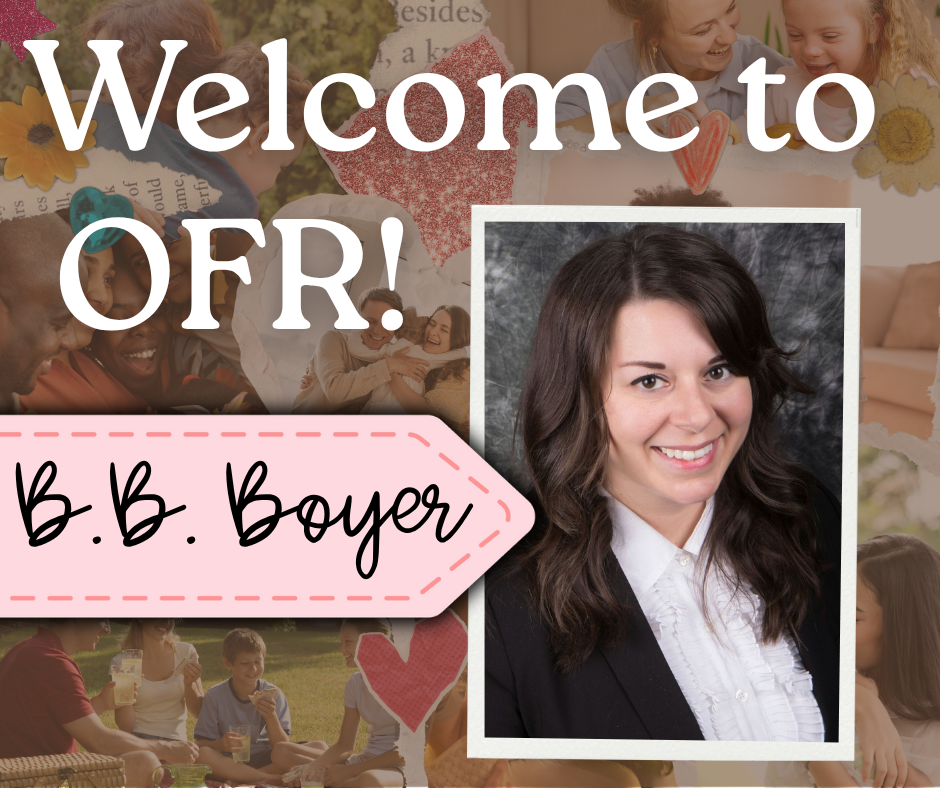
B.B. Boyer - Trial Attorney, Tulsa
B.B. Boyer earned her Juris Doctor from the University of Tulsa College of Law in 2020 and a B.S. from Northeastern State University. Licensed to practice law in Oklahoma, Muscogee (Creek) Nation, and Cherokee Nation, B.B. has zealously represented hundreds of clients in criminal cases. She looks forward to using her client focused approach to advocate for families.
Born in Tahlequah and raised in Muskogee, B.B. lives in Tulsa with her wife Janay and their rescue pets.
| |
Megan Wagner - Trial Attorney, Osage, Pawnee, Tulsa
Megan began her legal career working in Tribal child support, where she has appeared in 20+ tribal and county courts throughout eastern Oklahoma. She has also represented indigent victims of domestic violence in civil family law matters through the Kaw Nation’s domestic violence program and has represented indigent clients in deprived matters in tribal court and criminal matters in both state and tribal court. These roles built upon the skills she learned during her legal internships at Oklahoma Indian Legal Services, Moore-Shrier Law, and the U.S. Department of the Interior Field Solicitor’s Office.
During her time at TU Law, she was inducted into the Order of Barristers and competed in the National Trial Competition, the National Native American Law Students Association Moot Court Competition, where she and her teammate advanced to the sweet sixteen, and the Southern Illinois University National Health Law Moot Court Competition, where her team earned second place for their appellate brief. Megan also had her case note published in the Energy Law Journal and served as the student Editor-in-Chief for the ABA Environmental and Energy Resources Section’s Year-in-Review publication. She also received CALI Awards for Excellence in Administrative Law and Native American Natural Resources Law.
Megan is licensed to practice in numerous tribal courts across the state, all three Oklahoma district courts, and the Tenth Circuit Court of Appeals. During her free time, she enjoys hiking, reading, cooking, and spending time with her dog, Glinda.
| |
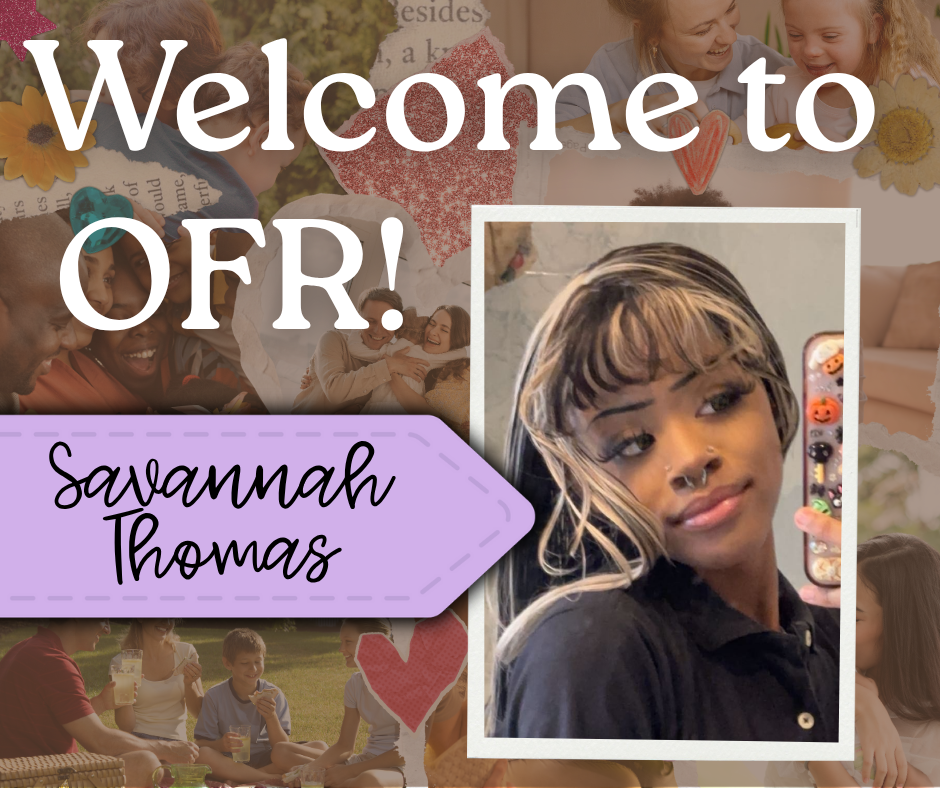
Savannah Thomas - Youth Mentor, Region 2
My name is Savannah Thomas, I’m a culinary arts major and I’ve been working with children for over 3 years now. I started as a private nanny and eventually found my way into working with criminal and juvenile youth. From there I developed a passion for helping troubled youths dealing with life and hard situations I myself have lived through. My husband and three puppies are my biggest supporters and my favorite food is sushi and iced coffee.
| | |
Justin Pratt - Appellate Attorney
I graduated from the University of Oklahoma College of Law and passed the Oklahoma Bar Exam in 1997. After a brief stint as a prosecutor, I started a private practice in 1999. I do wills, probates, property cases, title opinions, adoptions, and appeals. I am a proud father of a teenager and my two dogs. I love to sing and play my guitar.
| |
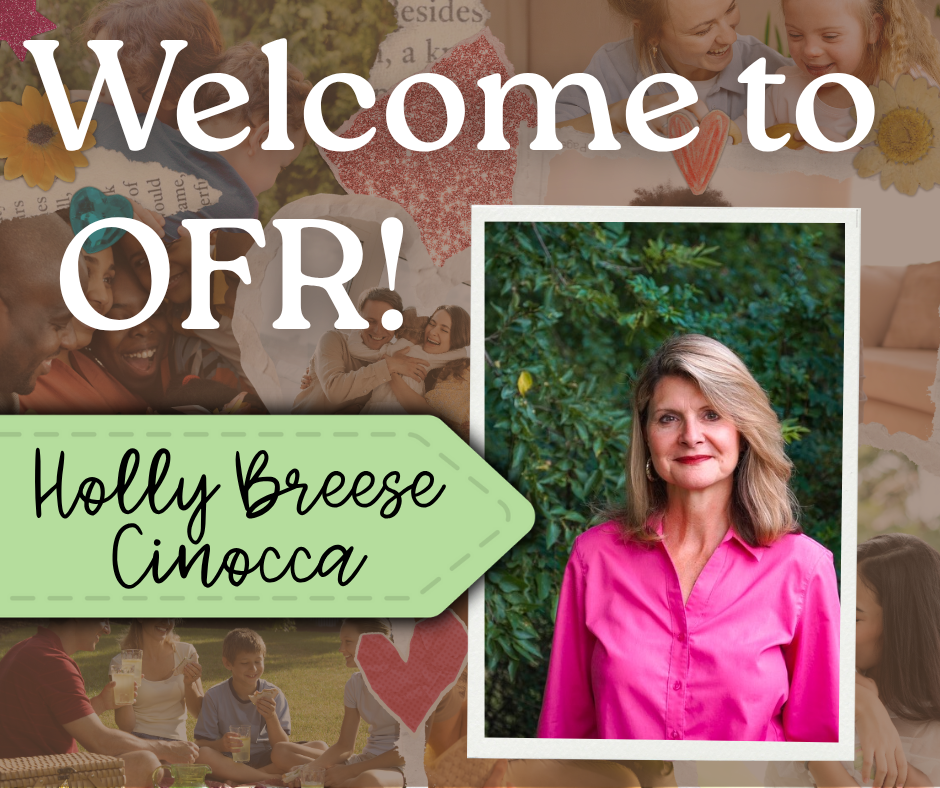
Holly Breese Cinocca - Trial Attorney, Tulsa
Holly Breese Cinocca is an Owasso native who graduated from the University of Tulsa College of Law in 1994. She has practiced law for over 30 years, and volunteered with Tulsa Lawyers for Children from 2014-2025. She is also a musician, an author of a humorous book about her time as an Assistant District Attorney in LeFlore County, a runner who has finished one marathon and five half-marathons, and a horsewoman. Holly is married to Jim Cinocca, Jr., a former attorney and pastor of the Owasso First Methodist Church, and they have three children ranging in age from 27 to 19.
| |
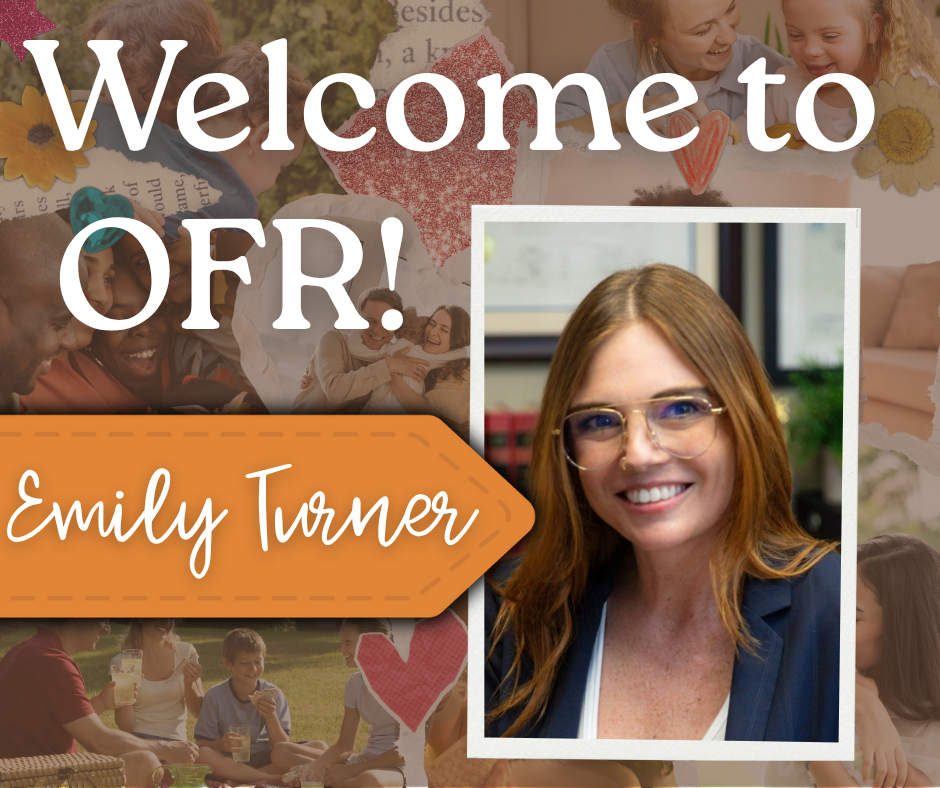
Emily Turner - Trial Attorney, Tulsa
Emily R. Turner is an experienced trial attorney with a background in family defense, child advocacy, and juvenile justice. Her work has focused on representing children and parents in complex legal matters, with an emphasis on thoughtful, client-centered representation across every stage of litigation.
Prior to joining OFR, Emily held roles in both direct representation and impact litigation. She has worked across public defense, nonprofit, and reform-focused organizations, where she developed and executed legal strategies addressing family separation, systemic inequities, and conditions of confinement.
Emily holds a J.D. from the University of Tulsa College of Law and a B.S. in Psychology from Northeastern State University. She is proud to bring her experience and dedication to the mission of the Office of Family Representation.
| |
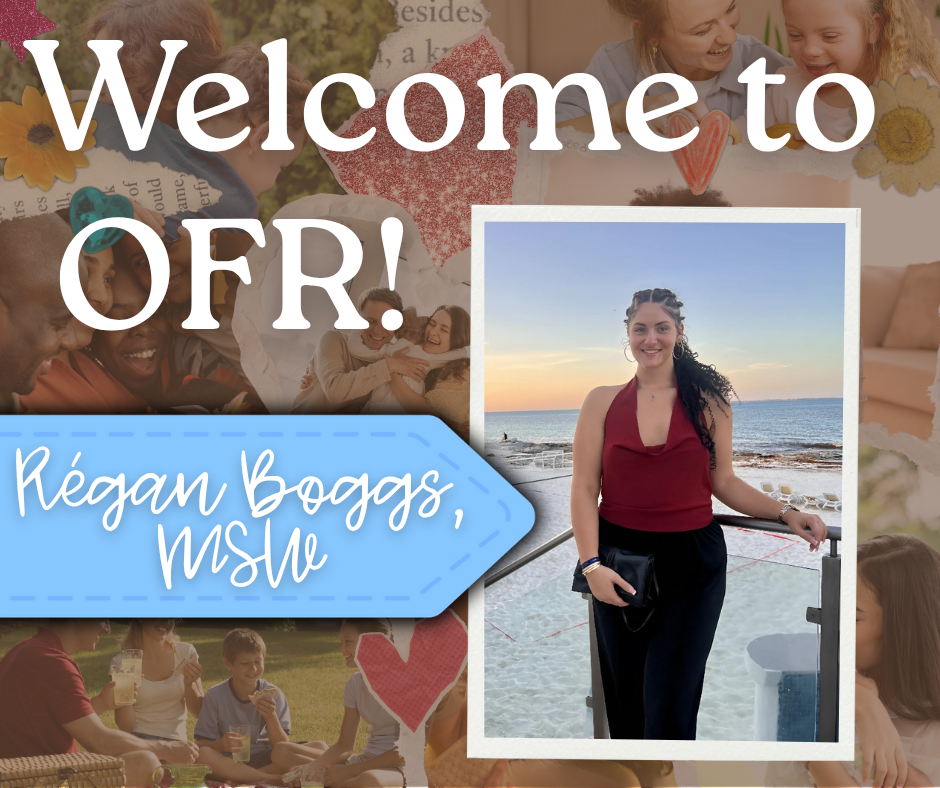
Régan Boggs, MSW - Social Worker, Region 5
"As a Christian, I have always had a calling to serve others. The professional capacity in which I am to fulfill this call was not always clear until I found the field of Social Work while getting my bachelor’s and master’s degree, respectively. Growing up in an impoverished, rural community, I have been through many trials and tribulations and have seen others go through them as well, with no available or apparent help or access to resources. Working with families to restore hope and healing is one of the roles I am most proud of and will continue to pursue and improve upon. Wisdom is not confined to those who hold degrees but can be gained through the lived experiences of the families we work with."
Acts 30:35 — "In everything I’ve done, I have demonstrated to you how necessary it is to work on behalf of the weak and not exploit them."
Proverbs 11:25 — "The one who blesses others is abundantly blessed; those who help others are helped."
| |
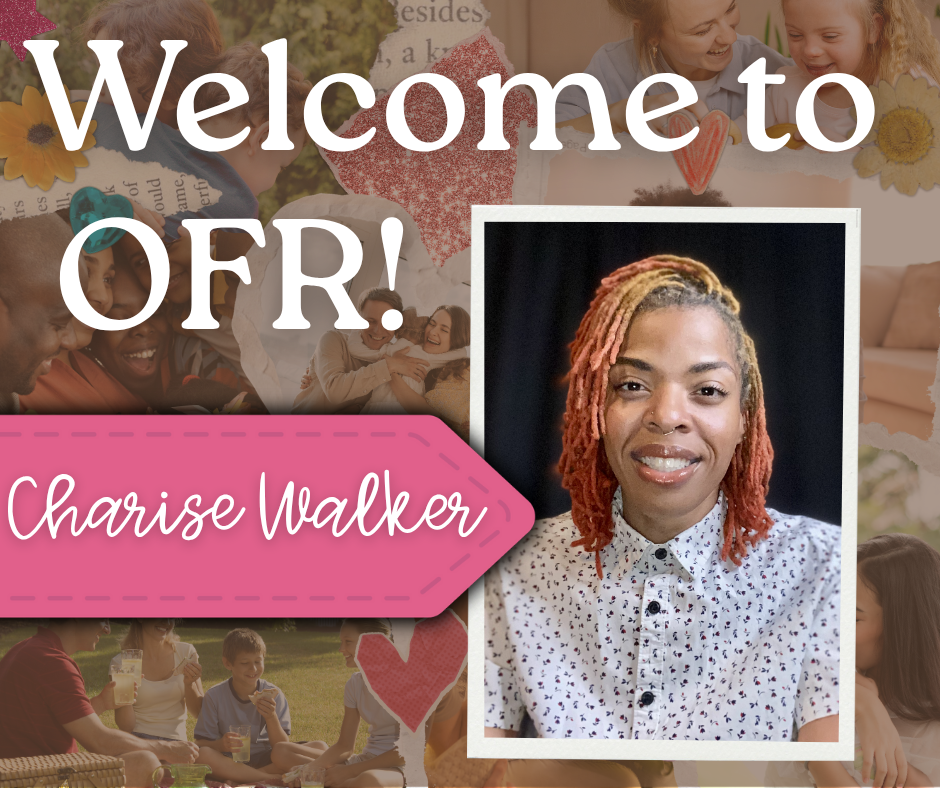
Charise Walker - Youth Mentor, Region 2
Charise Walker is a criminal justice–trained professional and dedicated mentor with experience supporting system-involved youth and families across legal, educational, and community-based settings. She has held long-term mentorship roles providing guidance, advocacy, and consistent support to help youth build resilience and maintain connection to community. Her background also includes service in grassroots organizing, where she developed skills in training, team coordination, and coalition-building. Charise’s approach to her work helping people navigating complex systems centers on creating trusting partnerships with clients and community-based resources to promote well-being and trauma-informed care. Charise is committed to advancing equitable outcomes through relationship-centered practice that honors connections and cultural identity.
“Community care is not simply about helping each other; it is about creating spaces where we can grow and heal together.” - bell hooks
| | |
The Trap of “Non-Compliance” - Beck Rayfield
When a parent is labelled “non-compliant,”
What is really happening ?
A lack of effort?
Or a parent caught in a trap, built from fear, grief, poverty, and impossible expectations?
“Non-compliance” isn’t refusal.
It’s survival.
And the trap was set long before they missed the appointment.
The Truth Behind “Non-Compliance”:
1. Fear and Mistrust of the System
→ Past removals, surveillance, goal posts keep moving.
→ Fear that honesty will result in even more loss.
2. Lack of Understanding
→ Systems full of jargon and confusion.
→ No clear explanation of what’s expected or why.
3. Overwhelmed by Grief, Depression, or Anxiety
→ The pain of losing a child cuts deep, it breaks identity, confidence, and hope.
→ When you’re numb, anxious, or ashamed, even getting out of bed can feel impossible.
4. Poverty and Practical Barriers
→ No car. No childcare. No phone credit. No money.
→ These are barriers, not failures.
5. Shame and Hopelessness
→ Being constantly told you’re “failing” can make you ? if it’s even possible
→ Shame steals the one thing parents need most: belief in themselves.
6. Lack of Connection and Trust
→ When trust hasn’t been built, there’s no safety to show up honestly.
7. Deep Grief and Loss of Identity
→ Losing a child to removal doesn’t just hurt, it shatters a parent’s sense of self.
→ Without their child, they feel invisible, voiceless, and broken.
8. What’s the Point?
→ “Everyone’s better off without me.”
→ When hopelessness takes over, survival becomes the only goal and even that feels out of reach.
9. Living in Crisis
→ Days blur together. Basic needs take priority.
→ When every day is about food, safety, shelter, or survival, compliance becomes impossible not because parents don’t care, but because they’re drowning.
10. Lack of Voice and Control
→ When plans are made about parents, not with them, there’s no ownership.
→ People resist what they don’t feel part of.
“Non-compliance” is what happens in a system that focuses on control instead of connection.
Parents are bound by impossible expectations, blamed for falling short, and their struggle goes unseen.
Don’t trap parents in a label of “non-compliance.”
Create plans with them, not for them.
Build trust, not tick boxes.
See people, not checklists.
See the reason not the reaction.
If we change the way we look at things we change the things we see.
| |
| How did you like this newsletter? | | | | | | |