|
Outdoor Recreation Emerges as an Economic Force
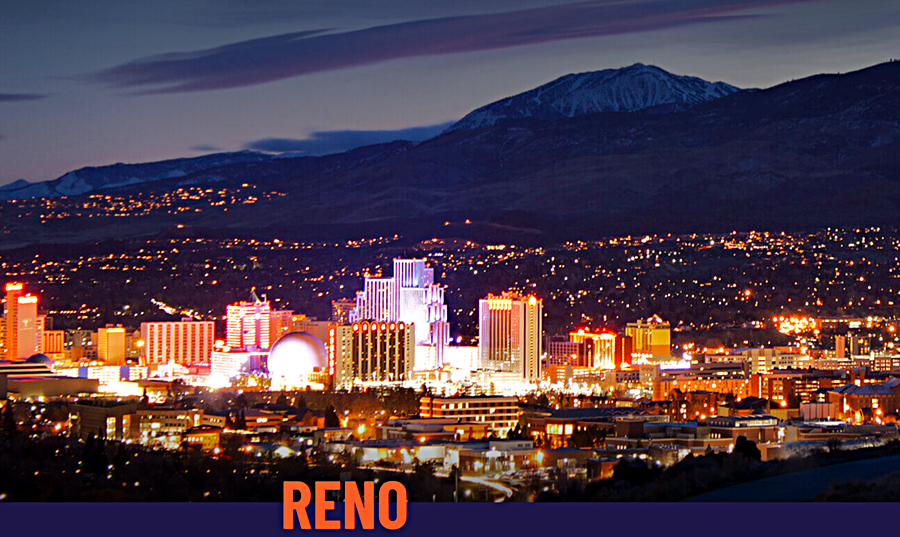
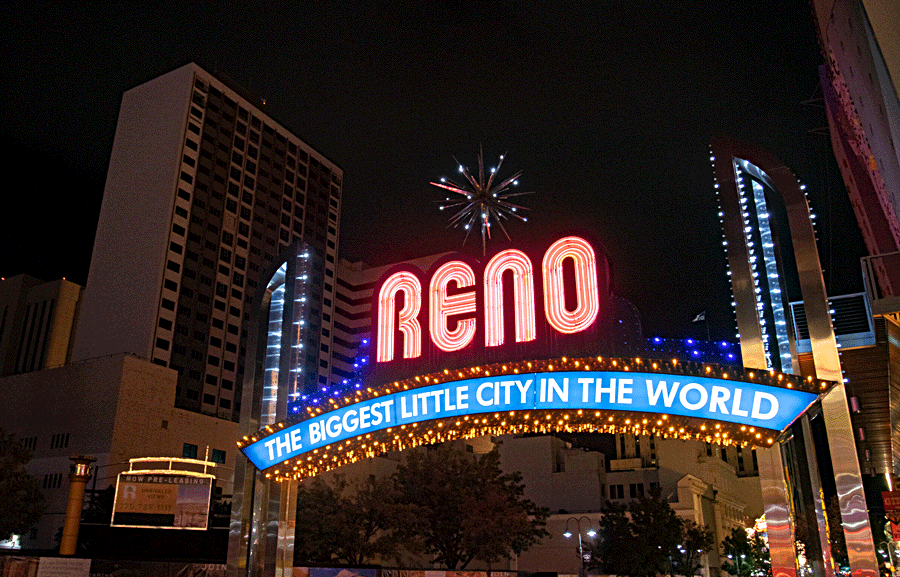
Reno Nevada has long been defined by its casinos, neon lights and quick getaways for gamblers from California and beyond. For decades gaming revenue powered the city economy and shaped its national image. But in recent years, that foundation has begun to shift. While casino visitation has softened, a new economic engine has surged forward. Outdoor recreation and diversified entertainment are reshaping Reno and Northern Nevada, offering a more resilient and multifaceted future for the region. This transformation has not happened overnight. It has unfolded in stages, driven by changing visitor preferences, state level investment, and major redevelopment projects that look beyond gaming. The result is a city increasingly known for trailheads and festivals as much as slot machines and card tables.
Last year, the Nevada Division of Outdoor Recreation released an Economic Impact Analysis that underscored just how large outdoor recreation has become across the state. According to the report, outdoor recreation now represents a twenty four billion dollar industry in Nevada. It generates thirteen point seven billion dollars in total economic output, supports more than seventy five thousand jobs, and contributes eight point eight billion dollars to the state Gross Domestic Product. That contribution officially surpasses mining, a sector that once symbolized Nevada economic identity. Outdoor recreation is now a cornerstone of the state diversification strategy, signaling a decisive shift in how Nevada plans to grow.
The findings were especially relevant for Reno, a city surrounded by mountains, rivers and public lands. Hiking, skiing, biking, climbing and paddling have become year round draws. While casino traffic has declined, outdoor focused visitation has continued to rise, filling hotels and restaurants with a different kind of traveler. State officials have leaned into this momentum.
Not only at the federal level but the state level, the amount of energy and effort that they have put into outdoor recreation over the last few years is significant. With two new adventure centers under development, the state is doubling down on outdoor recreation as a long term growth strategy. These investments reflect a broader understanding that modern visitors want experiences, not just gaming. That realization has rippled through Reno most visibly in its casino sector.
| |
Casinos Respond to Shifting Visitor Behavior
As traditional gaming revenue softened, Reno casinos began to pivot. Operators recognized that competing head to head with larger destination casinos was no longer enough. Instead, they started expanding non gaming attractions to appeal to a wider audience. Downtown Reno has become a focal point for this transition. Two major projects to revive aging resorts are underway, alongside the development of a ten thousand seat sports arena located three miles east of Virginia Street. Over the next several years, billions of dollars are expected to be spent on entertainment venues, new restaurants, nightlife attractions and remodeled hotel rooms.
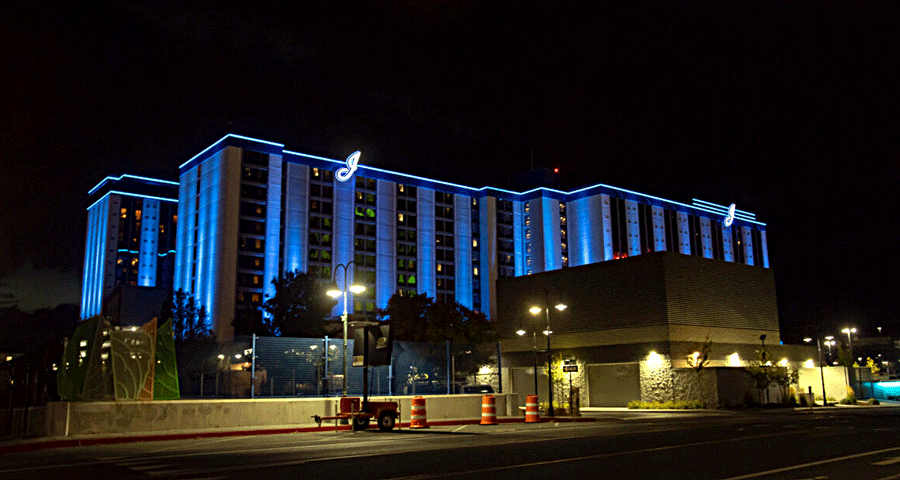
For Jacobs Entertainment Chief Executive Officer Jeff Jacobs, the shift away from a gaming first mindset is deliberate. In 2023, Jacobs rebranded the Sands Regency into the J Resort and opened a twenty thousand capacity outdoor festival grounds just south of the property. By the time his plans are complete, Jacobs expects to invest more than one billion dollars into an arts and entertainment district spanning eight square blocks of downtown Reno. Rather than going head to head with the existing big boxes in a mature market, Jacobs said, the company chose to grow through amenities that attract non gaming customers. The goal is to drive room nights whether visitors gamble or not, gradually building a broader book of business.
City leaders have embraced this evolution. Reno Mayor Hillary Schieve said she has long supported economic diversification. New developers are bringing broader visions, she said, incorporating arts, culture, food and tourism together. Outside perspectives are now recognizing potential that many locals overlooked for years.
| |
Downtown Renewal and the Return of the City Center
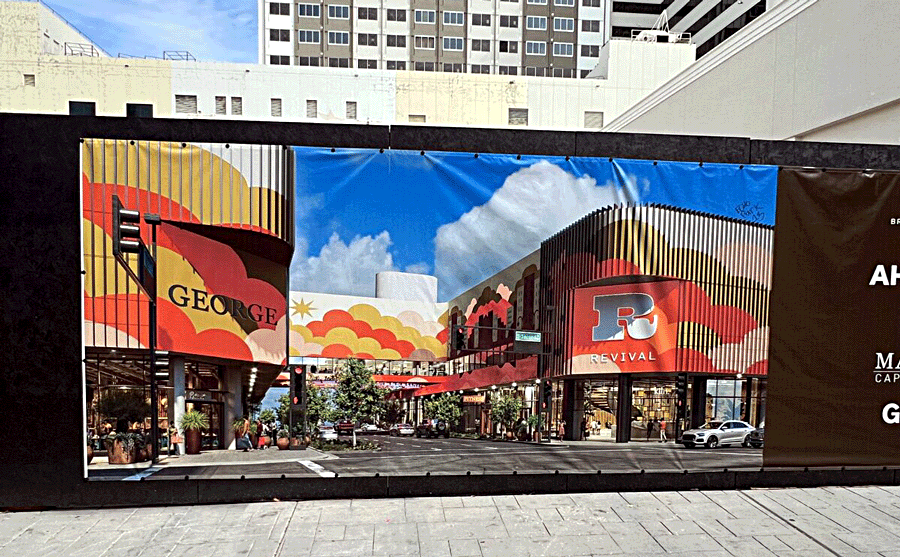
One of the most symbolic properties in this transformation has been the former Harrahs Reno. Closed in 2020, the massive property sat vacant behind a chain link fence, a visual reminder of downtown challenges. An effort to rebrand it as Reno City Center collapsed in 2022 when ownership filed for Chapter Eleven. Last year, the property was purchased and rebranded as Revival Reno. The project converts former room towers into a combination of boutique hotel and office space, bringing new foot traffic back to the heart of the city.
Reno Sparks Convention and Visitors Authority Chief Executive Officer Mike Larragueta said revitalizing the downtown core is essential. A city center will always be a draw for visitors, he said, and leaving a property of that size fenced off was damaging to the city image.
Casinos nearby see opportunity rather than competition. Mark Huse, who oversees Caesars Entertainment three downtown resorts known as The Row, said Revival Reno will benefit surrounding properties through increased pedestrian traffic. The Row includes more than four thousand rooms, two hundred twenty five thousand square feet of casino space, and fifty restaurants, bars and lounges. Huse noted that Caesars has steadily expanded its non gaming offerings, adding celebrity chef restaurants while preserving long established dining destinations. Customers arrive with discretionary dollars and a range of interests, he said, and the goal is to provide options that keep them engaged.
| |
Transportation and Accessibility Fuel Growth
While downtown redevelopment gained momentum, Reno accessibility was improving at the same time. The Reno Tahoe International Airport is more than eighteen months into a ten year, one billion dollar expansion. In August, the airport recorded its busiest month in twenty years, serving more than four hundred eighty nine thousand passengers. In 2024, total traffic reached four point eight million passengers, the highest level in nearly two decades.
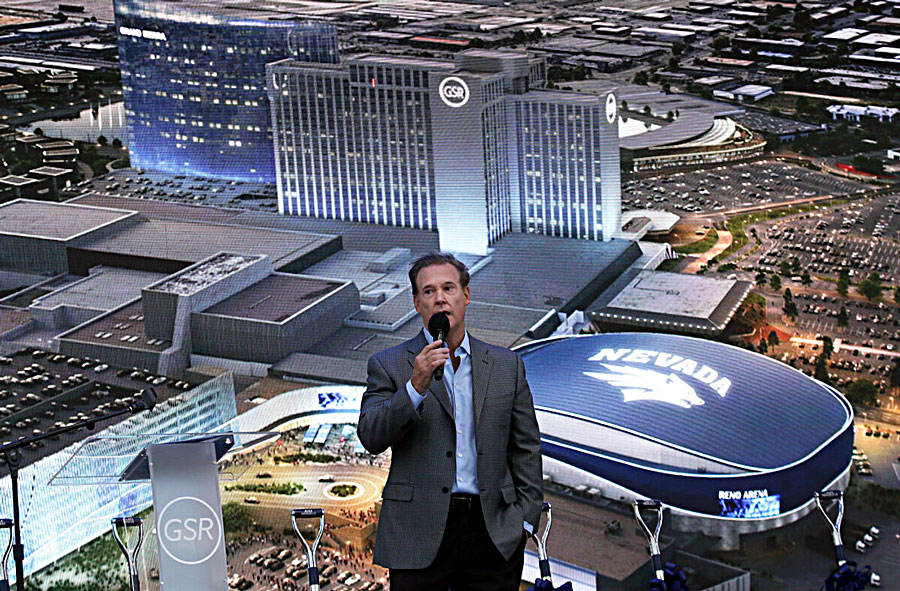
That increased access set the stage for one of the most ambitious projects in Reno history. In a highly anticipated announcement, Grand Sierra Resort broke ground on a sports and entertainment arena. The ten thousand seat venue marks the first phase of a planned one billion dollar redevelopment of the two thousand room hotel casino. The arena will become the home court for the Nevada Wolf Pack mens basketball team and is expected to attract headline entertainers and sporting events that historically bypassed Reno due to lack of a suitable venue. The project does not include an expansion of the casino floor, underscoring the shift toward entertainment driven visitation.
Grand Sierra General Manager Shannon Keel said the arena will create demand across the entire market. When one property fills up, competitors benefit, she said, creating a win win environment for the region. The two year construction phase includes a new parking garage, a community ice center, and a central plaza connecting the arena to the resort. Future plans could include a new hotel tower, expanded recreational amenities, and employee housing.
| |
A Diversified Future Takes Shape
The arena is expected to be ready for the 2027 college basketball season and host approximately ninety five events annually. Nevada Athletic Director Stephanie Rempe said the venue could open doors to hosting NCAA March Madness first and second round games, further elevating Reno profile.
Meanwhile, Jeff Jacobs continues to advance his arts and entertainment district. The concept grew out of his experience operating Gold Dust West Casino, where he spent five years acquiring and demolishing roughly eighty deteriorated properties. While the effort drew protests from housing activists, city officials defended the redevelopment, citing improved living conditions for relocated residents and long overdue removal of unsafe structures.
Mayor Schieve credited Jacobs with taking on a challenging area and delivering results. His track record, she said, provides confidence that the project can succeed. The outdoor festival grounds anchor the Reno Neon Line, featuring more than half a mile of illuminated sculptures, many inspired by Burning Man. New works by internationally acclaimed artists are planned as the district expands northward.
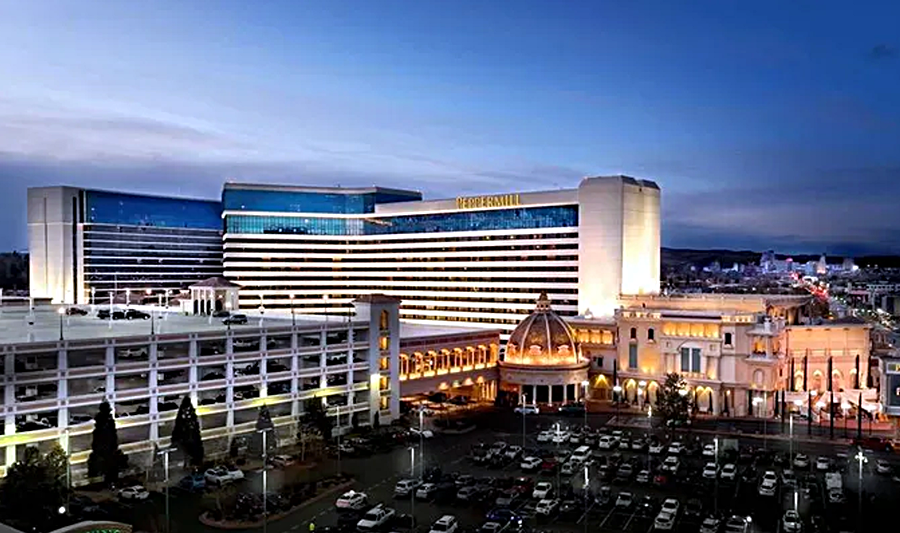
Across the region, established operators are also adapting. Stephen Ascuaga of the Peppermill Hotel and Casino described decades of expansion that transformed the property from a small coffee shop into a destination resort with sixteen hundred rooms, ten restaurants and extensive convention space. Peppermill retains a strong local customer base. Weekdays skew local, weekends draw visitors. Amenities such as the spa and pool have broadened its appeal as a regional getaway. Ascuaga said Northern Nevada diversification has taken time, but momentum is building. Operators across the market support downtown redevelopment and large scale projects like the Grand Sierra arena, recognizing that a healthier, more diverse Reno benefits everyone.
Taken together, the growth of outdoor recreation, entertainment driven development, and strategic infrastructure investment mark a turning point. Reno is no longer defined solely by gaming. It is becoming a place where trails, arenas, art and experiences work together to power the next chapter of its economy.
| |