|
Dear Angelenos,
November is National Native American Heritage Month. City Planning recognizes that the City of Los Angeles is situated on the ancestral and unceded lands of the Gabrielino-Tongva Indian Tribe (also known as Yaavitam), the Kizh Nation Gabrieleño Band Of Mission Indians, the Fernandeño Tataviam Band of Mission Indians, the San Fernando Band of Mission Indians, and the Chumash, among others. Native American tribes are sovereign nations, and our ongoing relationship with each native nation requires the utmost respect, mutual understanding, and sensitivity.
As part of our commitment to working with tribal governments, City Planning published guidance for environmental consultants preparing reports or studies on tribal cultural resources. It directs them to represent Native Americans’ culture and history honestly, and recognize their contributions as the original Los Angeles caretakers and leaders.
This year, we held a speaker series on working with tribal governments. Raquelle Myers from the National Indian Justice Center educated us about the history of Native peoples in California, particularly the shameful legacy of Indian slavery in our State law, and members of the Fernandeño Tataviam Band of Mission Indians shared their tribe’s history in the Los Angeles basin and their perspectives on tribal consultations.
Moving forward, we are working to establish a tribal liaison team that will serve as our point of contact for tribal governments, building relationships that will help us fulfill our obligations to the Indigenous peoples of California.
Together, we are Planning4LA.
| |
|
Vince Bertoni,
Director of Planning
| | |
|
South Los Angeles CPIO Amendments | |
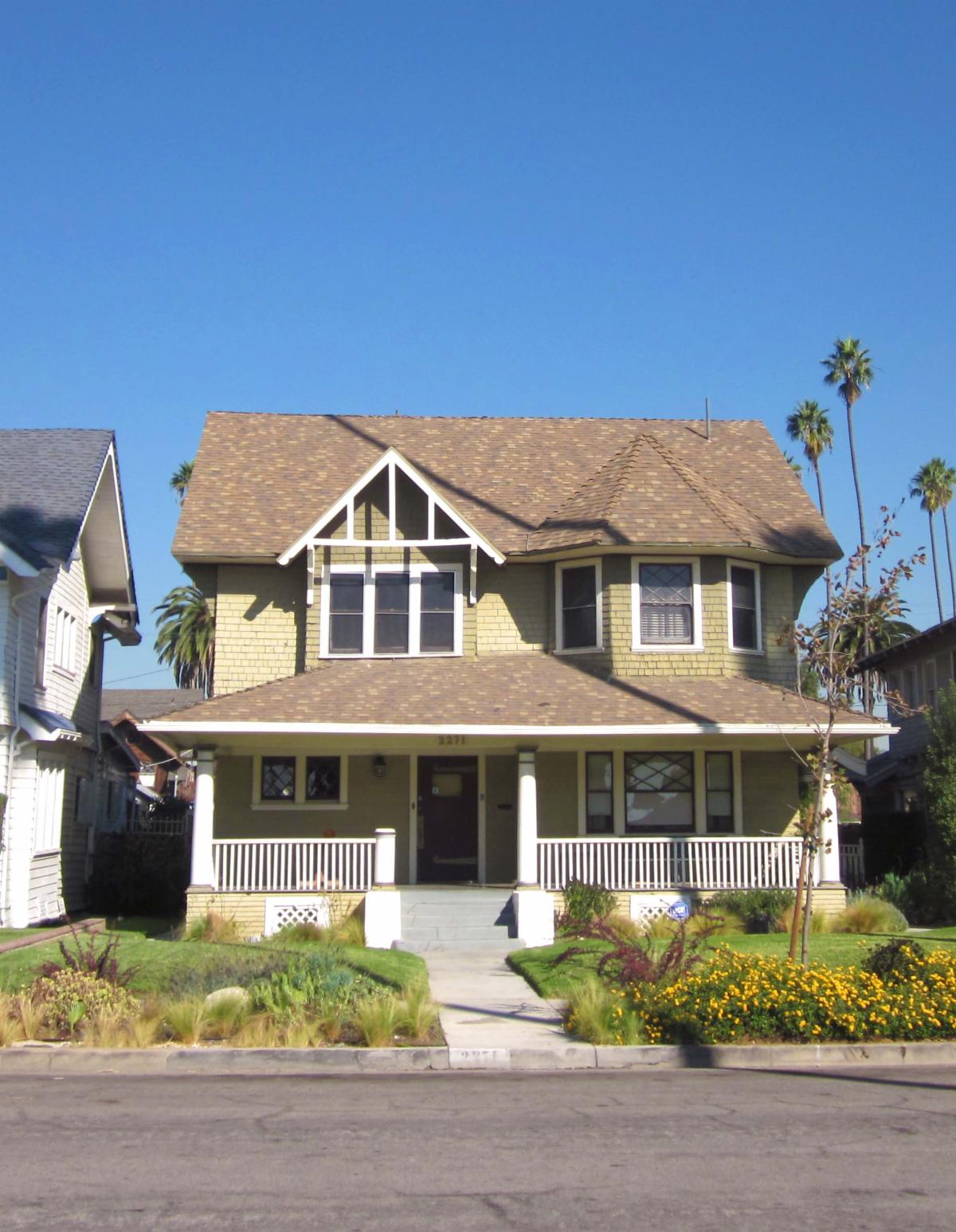
On November 17, the City Planning Commission endorsed the Department’s recommended amendments to the South Los Angeles Community Plan Implementation Overlay (CPIO), which seeks to address displacement and strengthen residents’ ability to remain in place. It also provides opportunities to streamline affordable housing and mixed-income projects by way of the CPIO Administrative clearance process.
Working together with the Los Angeles Housing Department and community stakeholder groups, City Planning recommended expansion of the South Los Angeles CPIO District with targeted amendments that enhance tenant protections, limit the pace of demolition of older affordable housing stock through construction enforcement and design regulations, and accommodate much-needed affordable housing capacity in nearby established Transit Oriented Development (TOD) areas.
For years, the demand for student housing within the plan area has driven up the price of properties near campus, forcing long-time renters out of the neighborhoods they call home. These strategies aim to balance the needs of long-term residents with those of the short-term student population.
Staff Recommendation Report
StoryMap | Fact Sheet
| | |
|
Expansion of Hillside Construction Regulations | |
On November 3, the City Planning Commission voted to apply the Hillside Construction Regulations to the hillside communities of Franklin Canyon, Coldwater Canyon, and Bowmont Hazen, and hillside areas throughout the Northeast Los Angeles Community Plan.
The City originally adopted the Hillside Construction Regulations in 2017, establishing a supplemental use district the City can apply to regulate the construction of single-family homes in hillside areas. The regulations were intended to address construction activity in Los Angeles’s hillside communities with constrained access and geotechnical sensitivities. For example, the ordinance regulates grading and construction activities, among other considerations.
The City Planning Commission recommended approval of the Zone Change and Code Amendment Ordinances to the Hillside Construction Regulations, which will now be transmitted to the City Council for their consideration and adoption.
Project Webpage | Hillside Construction Regulations
| | |
|
Oil and Gas Drilling Ordinance Passes PLUM Committee | |
On November 1, City Council’s Planning and Land Use Management (PLUM) Committee unanimously voted to accept City Planning’s proposed recommendations that would prohibit new oil and gas extraction and begin the phase-out of existing operations. Historically, most oil wells have been situated in heavy industrial areas of Los Angeles, but some are in residential neighborhoods, often located in underinvested communities of color, near parks and schools.
The ordinance will now advance to the City Council. Upon adoption, the ordinance will institute an outright ban on all future oil uses, along with phasing out existing operations over time by making extraction a nonconforming use in all zones across Los Angeles.
At present, there are 26 oil and gas fields and over 5,000 oil and gas wells in the City, with some wells still active and others either idle or abandoned. The ordinance will join other community protections the City has put in place to improve land use compatibility at the neighborhood level while addressing Los Angeles’s goals around sustainability and resiliency.
Staff Recommendation Report | Fact Sheet
| | |
|
Slauson Corridor Transit Neighborhood Plan Approved by PLUM Committee and City Council | |
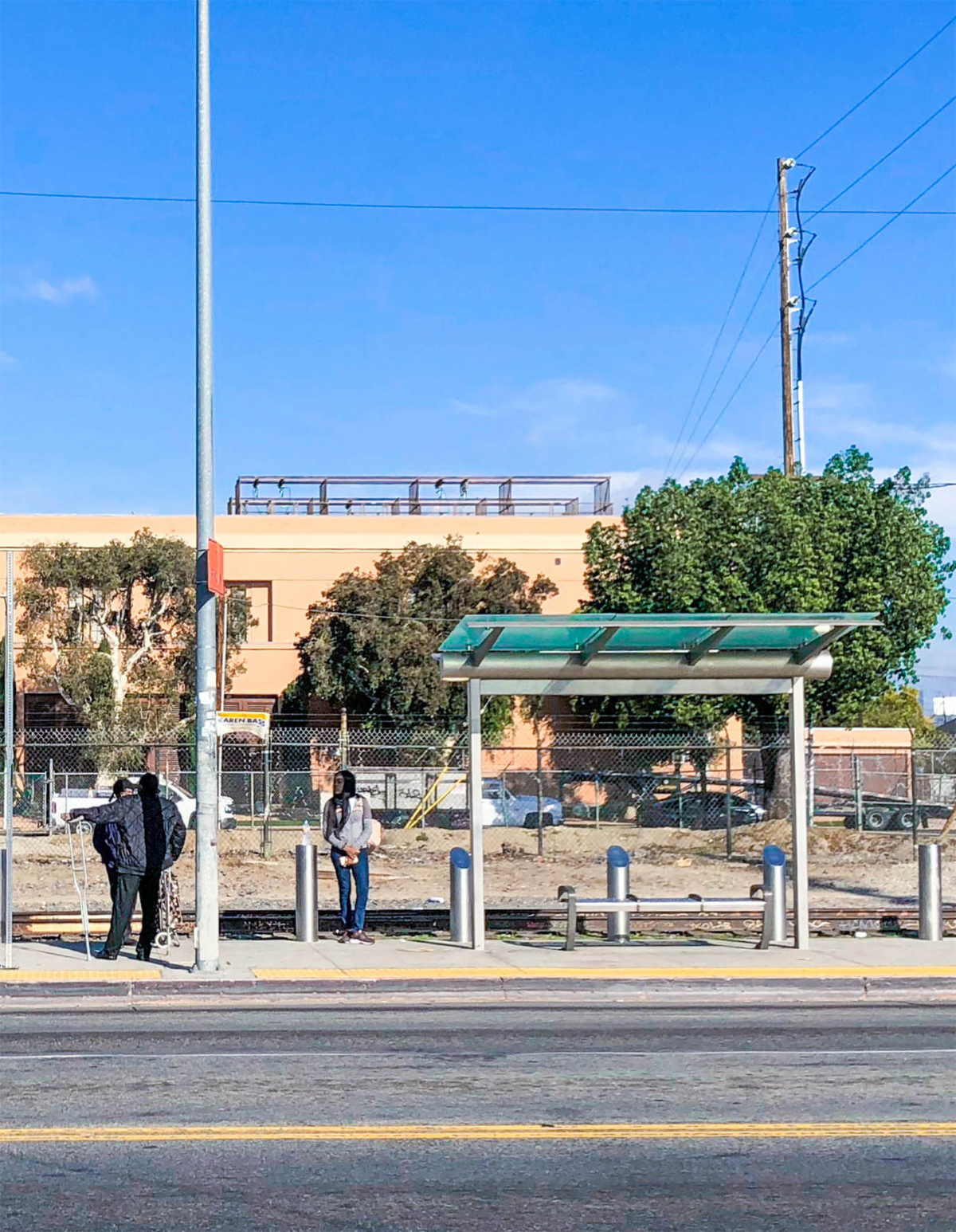
On November 1, the Planning and Land Use Management (PLUM) Committee of the City Council voted to recommend Council approval of the Slauson Corridor Transit Neighborhood Plan (TNP), a set of land use regulations that aims to promote affordable housing, green jobs, and transit access along Slauson Avenue across various neighborhoods in South Los Angeles.
On November 22, the City Council voted to adopt the TNP. The TNP will return to Council in 2023 before becoming effective. The plan would incentivize green employment across portions of the southern part of the City by offering Floor Area Ratio bonuses to qualifying projects. Additionally, it would activate affordable housing incentives in certain subareas of the Slauson Corridor, fostering the construction of 100% affordable housing projects and mixed-income housing alike.
The Slauson Corridor TNP also proposes new design standards for existing commercial and industrial areas. The new standards facilitate building designs that will complement Metro’s Rail-to-Rail bike path and encourage neighborhood-serving uses along major commercial corridors and transit lines, advocating for more attractive, walkable, and livable neighborhoods.
Staff Recommendation Report | Project Webpage
| |
City Planning Meets 65th Coro Fellows | |
|
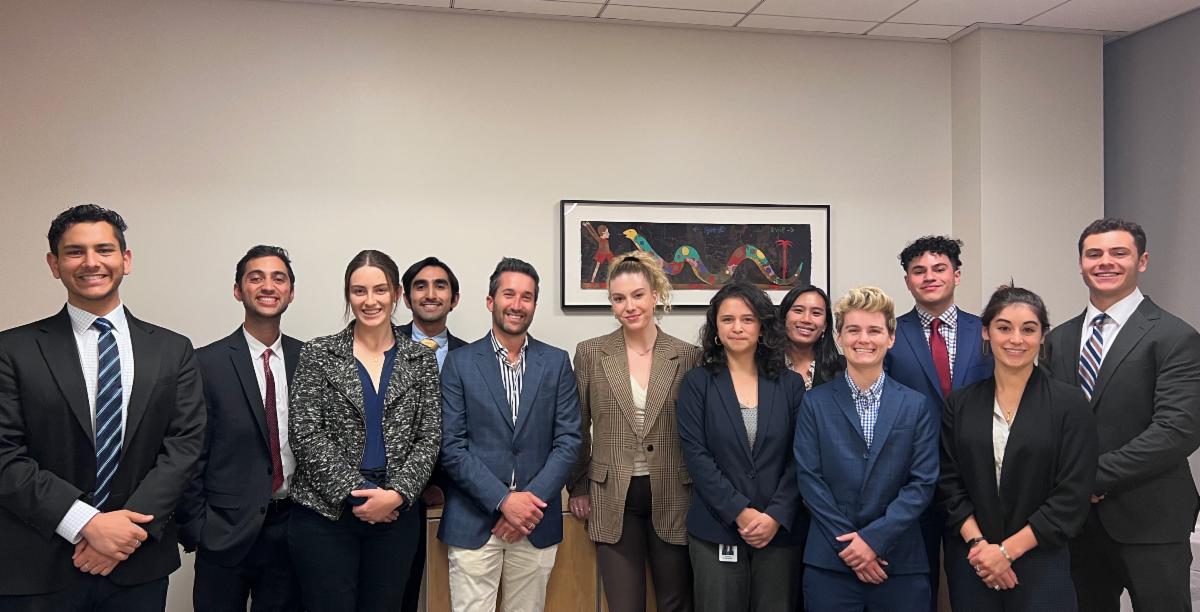
On November 17, Chief External Affairs Officer Yeghig Keshishian addressed the current class of Coro Southern California Fellows. During the Housing, Land Use, and Development week of the nine-month program, he reviewed the historical factors that contributed to the housing crisis in Los Angeles and discussed the City’s ongoing efforts to expand affordable and mixed-income housing, such as the successful Transit Oriented Communities (TOC) Incentive Program, one of the most successful programs of its kind in the nation. As a result of TOC and other initiatives, 27% of all proposed housing units were affordable in 2021, a nearly fivefold increase from the 6% of proposed units that were affordable in 2016.
Established by a nonprofit organization in 1942, the Coro Fellowship offers professional development opportunities for emerging leaders in public affairs. Fellows learn by experience, working with organizations in government, business, labor, philanthropy, media, and electoral politics.
| |
Deemed Approved Ordinance Holds Webinar | |
|
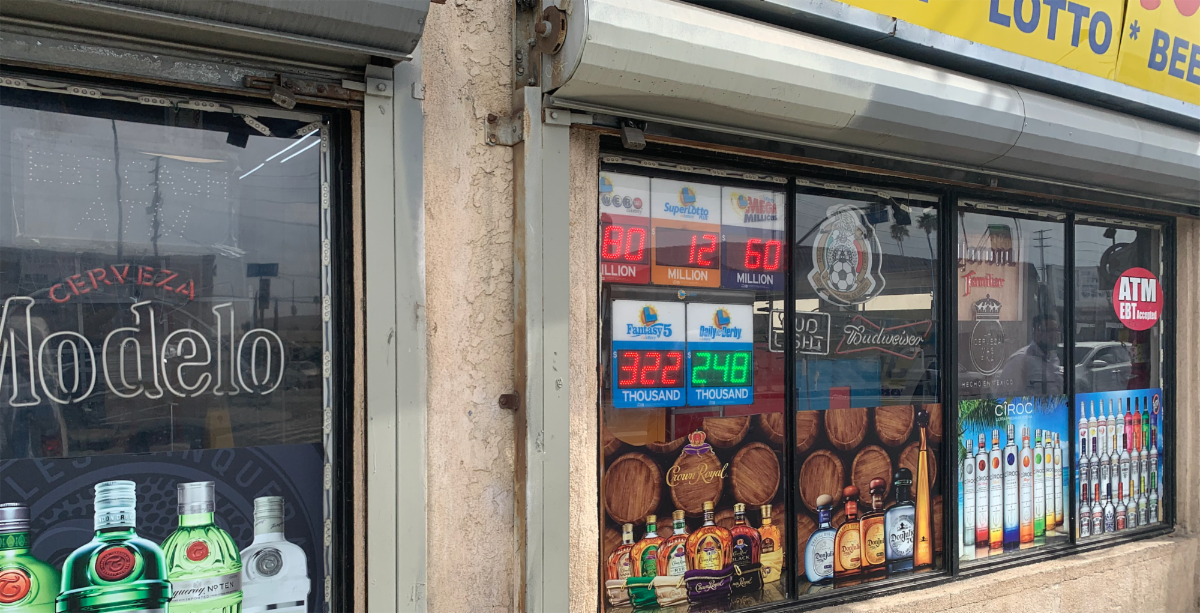
On November 2, the Code Studies team working on the proposed Deemed Approved Ordinance held a webinar to present information about the ordinance, answer questions, and collect feedback. The ordinance seeks to create operating standards for existing businesses that began selling alcohol before the City required Conditional Use Permits (CUPs) for alcohol sales. The ordinance’s intent is to limit potential community impacts that would be otherwise addressed under a CUP.
Modeled on regulations adopted by the City of Oakland and Los Angeles County, the Deemed Approved Ordinance intends to put universal operating standards in place for these businesses and new enforcement procedures to ensure compliance. The Department anticipates the release of an initial draft ordinance in early 2023.
Project Webpage
Council File No. 17-0957
| |
Westside Community Plans Advisory Group Created | |
|
The Westside Community Plans Update team announced the formation of the Westside Community Plans Advisory Group (WCPAG) in November. The 51-member Advisory Group is composed of a diverse group of community leaders, residents, students, youth, community-based organizations, advocacy groups, business leaders, neighborhood councils, business improvement districts, housing development experts, and professionals. Members represent the four Westside Community Plan geographies of Palms-Mar Vista-Del Rey, West LA, Westchester-Playa Del Rey, and Venice.
While the Advisory Group is not a decision-making body, it will serve as a sounding board to assist planning staff in evaluating land use policy and zoning at different stages of the Community Plan Update process.
WCPAG Announcement Letter (English)
WCPAG Announcement Letter (Spanish)
Project Webpage
| |
OFFICE OF RACIAL JUSTICE, EQUITY, AND TRANSFORMATIVE PLANNING | |
|
The Office of Racial Justice, Equity and Transformative Planning (ORJETP) now has more information on City Planning’s website. This new page outlines the office’s mission, past collaborations, and the City Planning Commission's Equity Value Statement, which centers future decision-making on planning around an equitable development framework.
The launch of the ORJETP webpage is a milestone that further solidifies the Department's long-term commitment to racial equity and transformative planning. By early next year, the office will build out a centralized online access point for additional resources and initiatives, including pages for its guiding principles, community partnerships, and internal and external initiatives.
|
|
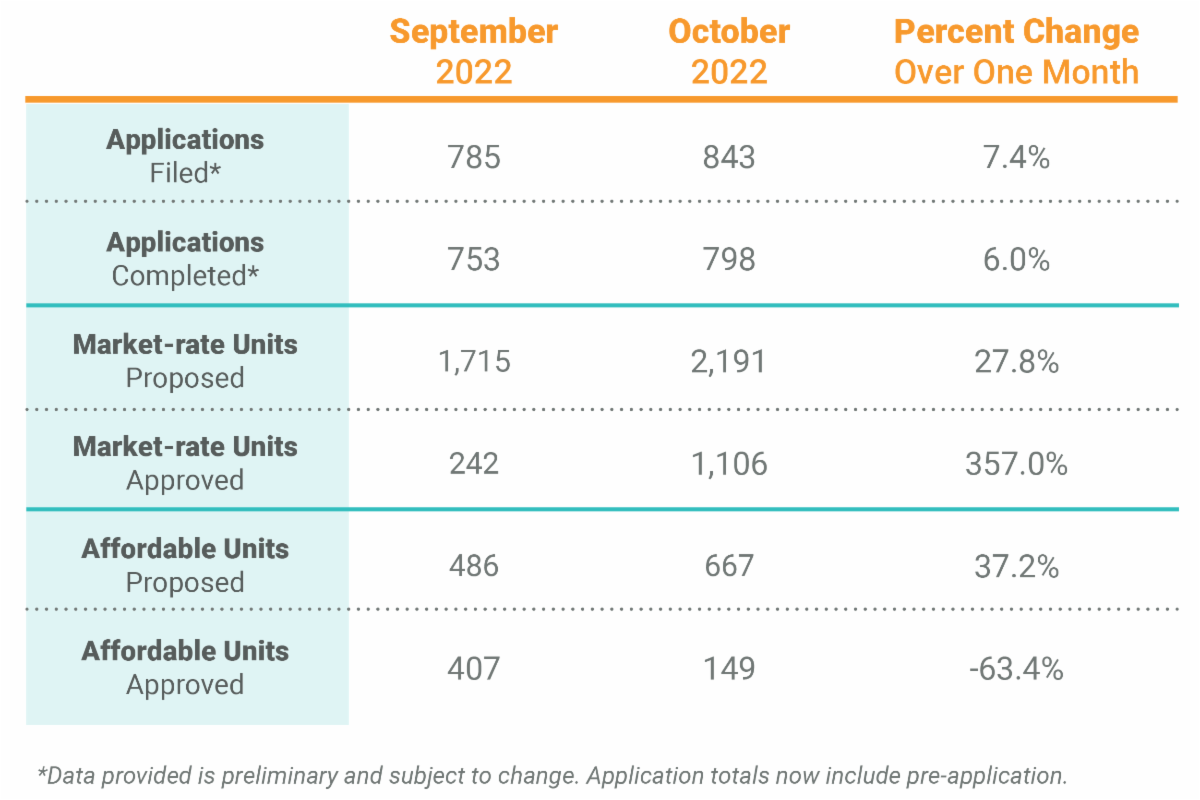
Between September and October, the number of applications for City Planning approvals filed and completed grew by 7.4% and 6%, respectively. The Department also reported a sharp increase in the number of market-rate units approved, logging a 357% month-over-month increase. The number of market-rate and affordable units proposed also increased month-over-month, while the number of affordable units approved declined over the past month. In total, the City Planning added 1,255 new units of housing to the City’s development pipeline this month. | | |
|
- Transmitted Letter of Determination, Final EIR (FEIR), and CPC's recommended Community Plan to the Mayor and City Council for adoption on September 27, 2022
- City Planning Commission recommended the plan and new zoning for approval in September 2022
-
Released revised materials in advance of City Planning Commission hearing, including Zoning, Plan Text, Land Use Map, and Community Benefits Program, in June 2021
|
| |
|
- Planning Harbor LA Plans Virtual Outreach for late fall 2022
- Preparing Draft Zoning and Draft EIR for the Harbor LA Community Plans Update
-
Released the Preliminary Draft Plans (updated policy documents) for Harbor Gateway and Wilmington-Harbor City in May 2022
-
Released Harbor LA StoryMap with new zoning information in December 2021
|
| |
|
- Conducting outreach for Ventura-Cahuenga corridor in summer/fall 2022
- Working toward releasing General Plan Land Use Map in summer 2023 and initiating EIR in fall 2023
|
| |
|
- Preparing draft Zoning and EIR for the Southwest Valley Community Plans Update
- Virtual Office Hours held in June 2022
-
Updated Proposed General Plan Land Use Designations video series and StoryMap released in May 2022
|
| |
|
- Preparing revised General Plan land Use (GPLU) StoryMap, Plan Policy Text, and New Zones
- Received and reviewed over 100 applications from the public to join the Westside Community Plan Advisory Group (WCPAG) in June and July 2022
- Rolled out Westside Community Plan Advisory Group (WCPAG) application in May 2022
- Conducted outdoor field site visits in Palms-Mar Vista-Del Rey, Venice, West LA, and Westchester-Playa del Rey in March and April 2022
| |
4652-4680 West Wilshire Boulevard | |
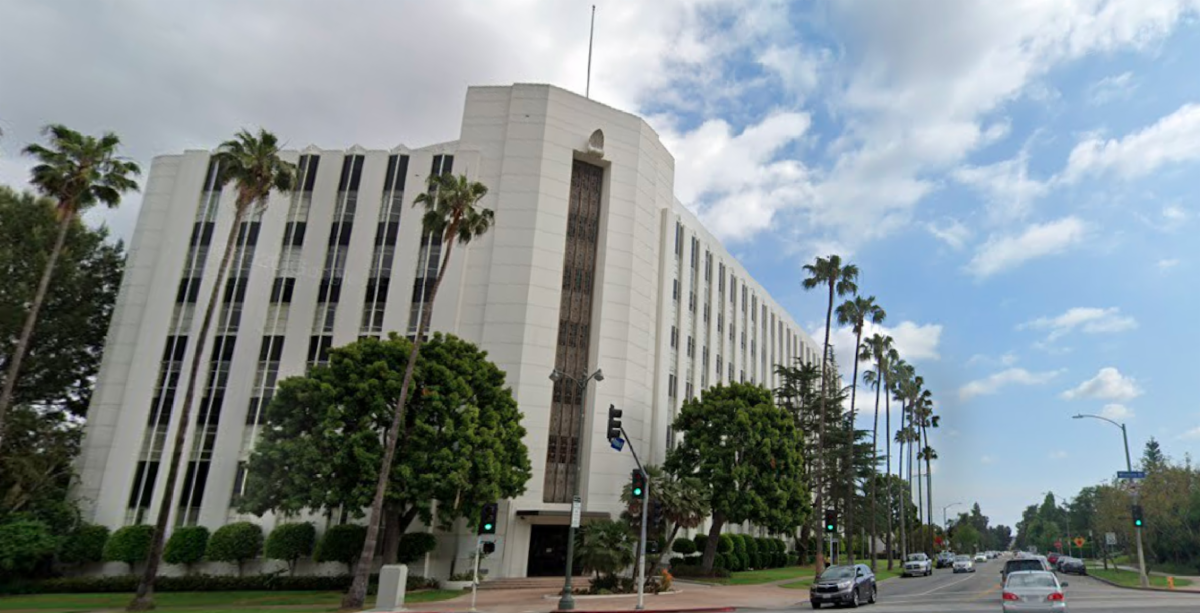
This month, City Planning approved the adaptive reuse of a portion of the Farmers Insurance Building into residential condominiums in the Park Mile Specific Plan. Located at 4652-4680 West Wilshire Boulevard in the Wilshire Community Plan, the building’s northern two-thirds will be converted into 65 residential condominiums, while the remaining southern portion will be retained as the building’s historic office use. No significant alterations to the exterior facades of the existing building are proposed, with the exception of the addition of small balconies with open decorative railings on the eastern side of the building. The tower rooftop will serve as an outdoor patio area for residents, featuring hardscape and landscaping as well as an indoor lounge area. This project is an example of creating new residential opportunities out of an existing building that is also surrounded by existing residential uses, including single-family homes and multi-family dwelling units.
ZA-2019-2192-ZAD-DRB-SPP Determination Letter
VTT-73895 Determination Letter
| |
|
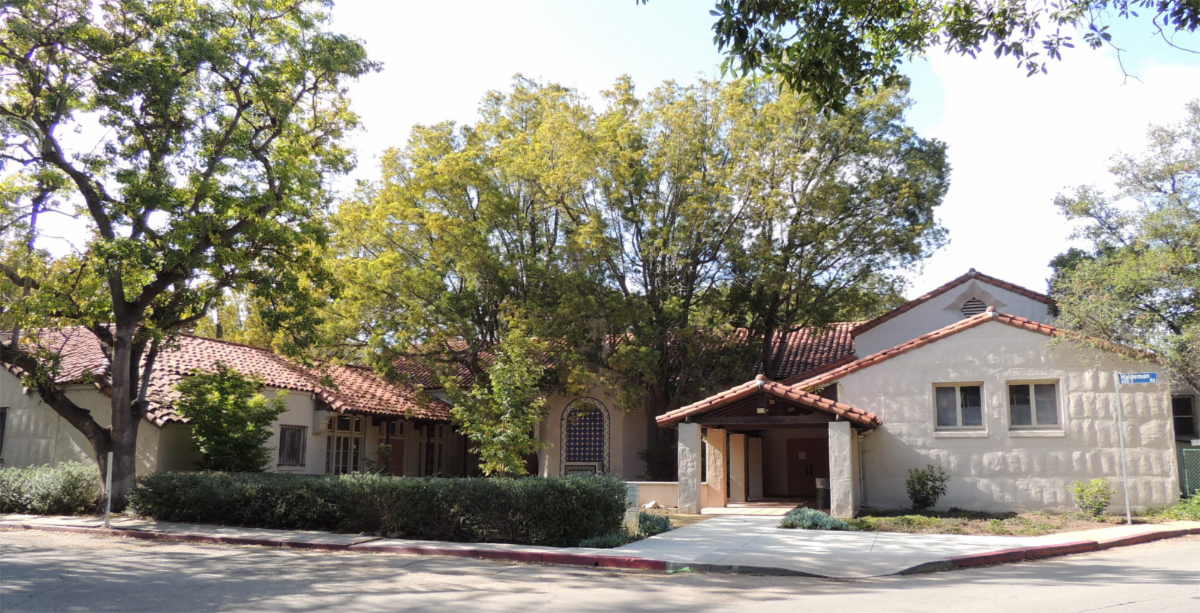
The Uplifters was a private, all-male social club formed at the Los Angeles Athletic Club in 1913 to foster artistic talent and friendships. In 1920, the club relocated from downtown to Rustic Canyon in pursuit of year-round outdoor activities. The Uplifters Ranch was originally part of the country’s first Forestry Experimental Station, and included a ranch house, which was the only private residence in Rustic Canyon until 1920.
The original house was destroyed in a 1922 fire and rebuilt by notable architect and Uplifters member William J. Dodd in the Spanish Colonial style. Around this time, Uplifters members began developing the adjacent area, planting trees, naming streets after themselves, and building weekend and summer homes. Members were required to use rustic designs for the houses and observe restrictions on paint colors and building materials. As a result, many Craftsman bungalows and log-faced cabins rose in the area. Although the original Uplifters Club was disbanded in the 1940s and most of the original ranch has since been developed, the Uplifters’ aesthetic impact is visible in the area’s landscape and architecture.
Learn more about the Uplifters and the Ranch on HistoricPlacesLA. The clubhouse now serves as the Rustic Canyon Recreation Center and was designated Historic-Cultural Monument #663 in 1999.
| |
December City Planning Commission Meetings | |
|
December Area Planning Commission Meetings | |
|
Central: December 13, 27
South Los Angeles: December 6, 20
South Valley: December 8, 22
West: December 7, 21
East: December 14, 28
Harbor: December 6, 20
North Valley: December 1, 15
| |
December Cultural Heritage Commission Meetings | |
|
LOS ANGELES
CITY PLANNING
| |
Sign up to receive citywide planning updates by email
| |
|
| | | | |