|
Hello Friends and Supporters,
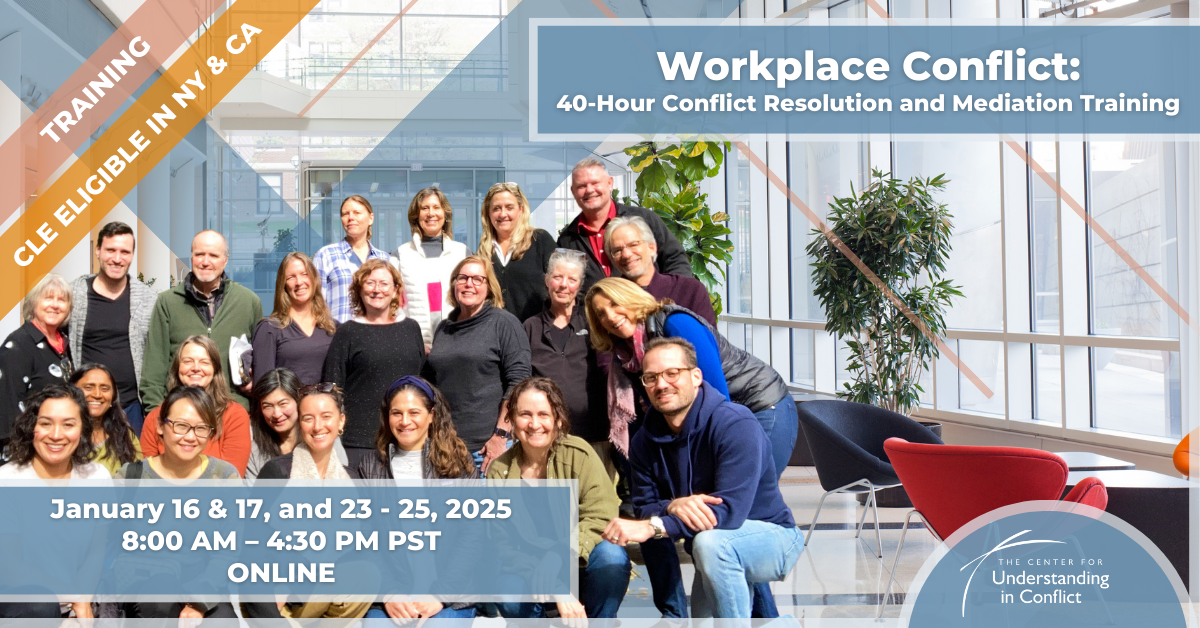
As we step into October, we’re reminded of the transformative power of conflict resolution—whether it’s helping mediators in Ukraine navigate life-altering challenges or addressing conflicts closer to home, like those that can disrupt the workplace. We have some exciting training opportunities, including our Support and Development Group and the Navigating Difficult Conversations series. We’re also gearing up for our 40-hour Workplace Conflict Mediation and Conflict Resolution training this January, perfect for those looking to build skills for handling workplace disputes.
In addition, we’re thrilled to announce our next Self-Reflection for Conflict Professionals Intensive (SCPI). This six-month online series explores how our personal experiences and biases influence our work with others. It’s a chance to dig deep, connect with peers, and enhance your capacity to support clients through their conflicts.
We couldn’t offer these programs without your participation and support. Your contributions help us extend our training to mediators in Ukraine and beyond and provide free resources focused on equity and justice in conflict resolution. If you haven’t already, consider joining our CUC Connect Membership for access to monthly webinars, recordings, and a network of like-minded professionals.
Thank you for everything you do to bring people together every day!
In partnership,
James Dykeman
Executive Director
| |
|
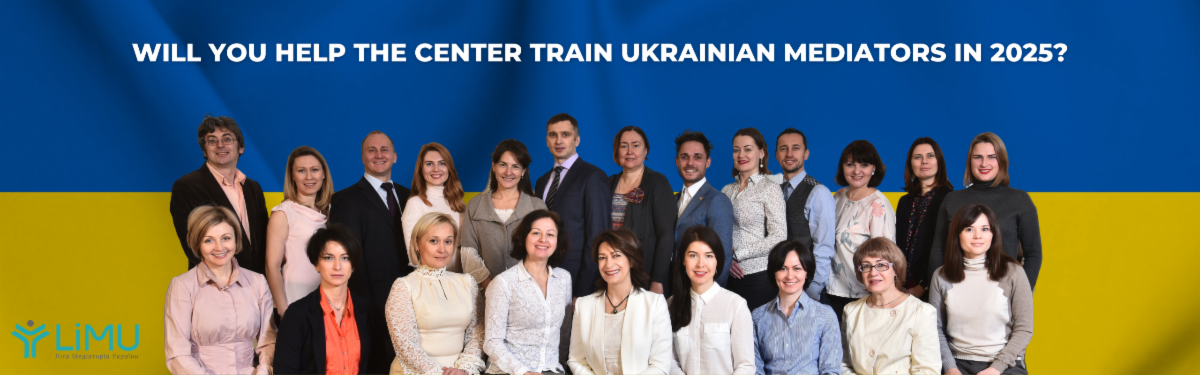
Since the beginning of the full-scale invasion, LIMU has been providing mediation services free of charge to Ukrainian families facing profound changes in their lives and relationships due to the war: forced displacement within the country, emigration due to hostilities, uncertainty, long-lasting periods of separation, especially when one of the family members is in the area of active hostilities.
Co-founder Tatyana Bilyk has attended SCPI training in Europe and wants to bring the understanding-based approach to mediators and people in conflict in Ukraine. Can you help us respond to this request?
| |
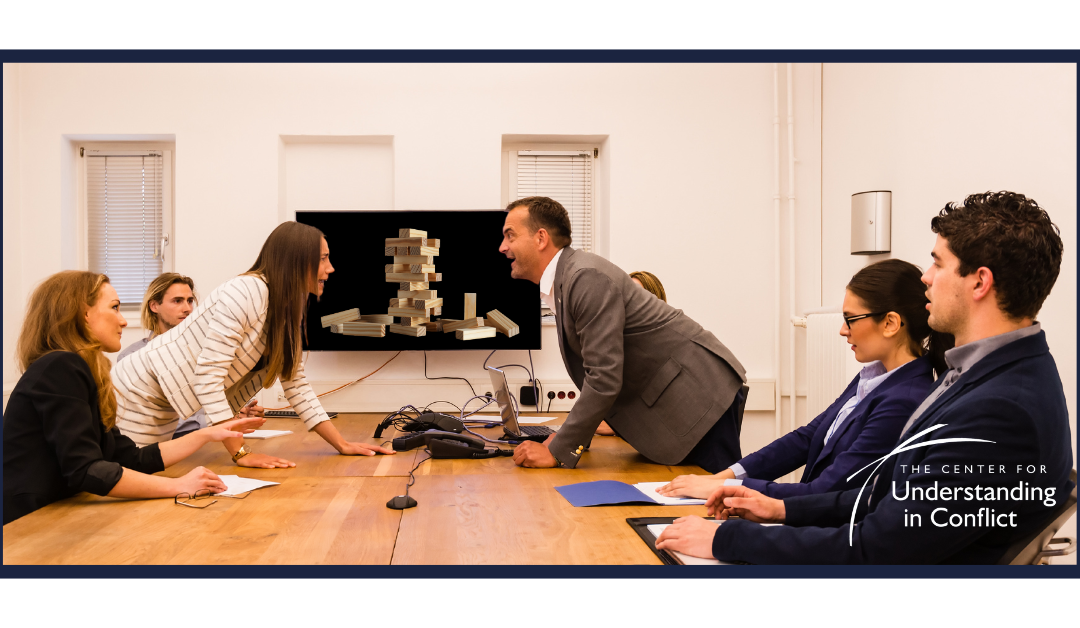
The Ripple Effect: Workplace Productivity and Culture Erosion
Internal conflicts between staff members are common in a large company with hundreds or even thousands of employees. If left unaddressed, these conflicts can create ripple effects throughout the organization, damaging the individuals and the overall workplace environment. A fictional case illustrates these challenges: Two senior employees, Jane and Alex, start experiencing friction due to competing project priorities. What begins as a simple miscommunication escalates into a deeply personal conflict, with both parties feeling disrespected and undermined.
The first visible impact is on productivity. Jane and Alex, who were once efficient team leaders, now spend more time arguing and collaborating less. This tension affects their decision-making processes, and projects stall as they fail to reach consensus on important issues. Team members under their management also start to feel stressed, leading to missed deadlines and lower overall output. The situation worsens when both begin avoiding direct communication, instead relying on passive-aggressive emails or involving middle management unnecessarily, further delaying progress.
| |
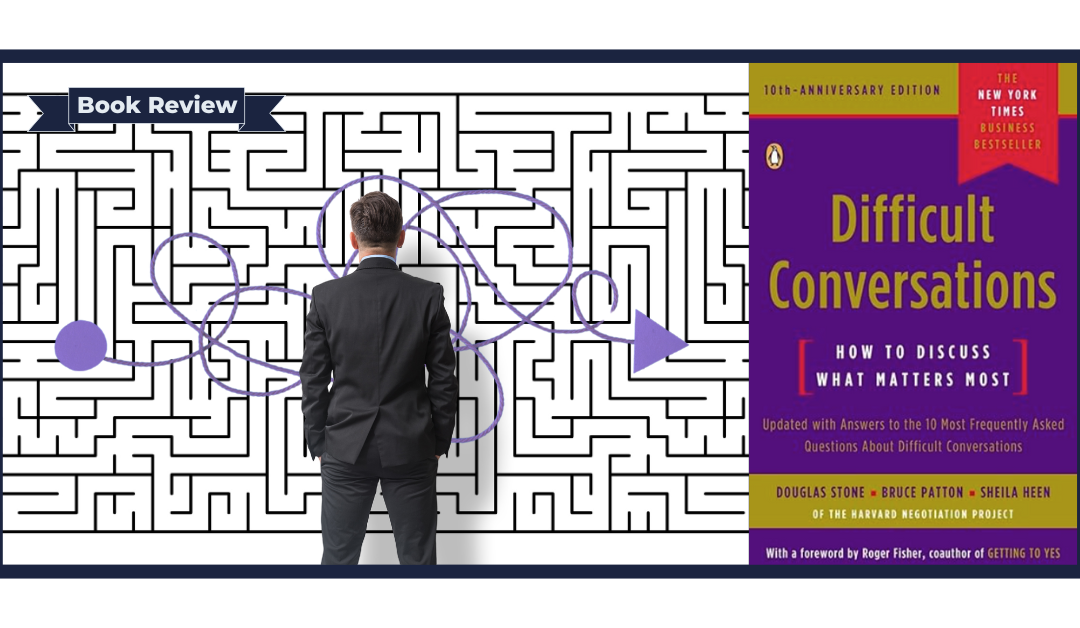
Difficult Conversations: How to Discuss What Matters Most by Douglas Stone, Bruce Patton, and Sheila Heen
Difficult Conversations: How to Discuss What Matters Most by Douglas Stone, Bruce Patton, and Sheila Heen offers practical insights for navigating the tough conversations we all dread. For practitioners of the understanding-based approach, this book aligns closely with our core principles of curiosity, empathy, and deeper understanding.
The book breaks down difficult conversations into three layers: “What Happened,” “Feelings,” and “Identity.” These layers help us recognize that conflicts often go beyond surface issues, touching on emotions and personal identity. In understanding-based conflict resolution, we also focus on these underlying issues, encouraging people to explore what drives their emotions and assumptions during conflicts. Both approaches emphasize the importance of going beneath the surface to resolve not just the issue and the feelings and personal stakes involved.
| |
|
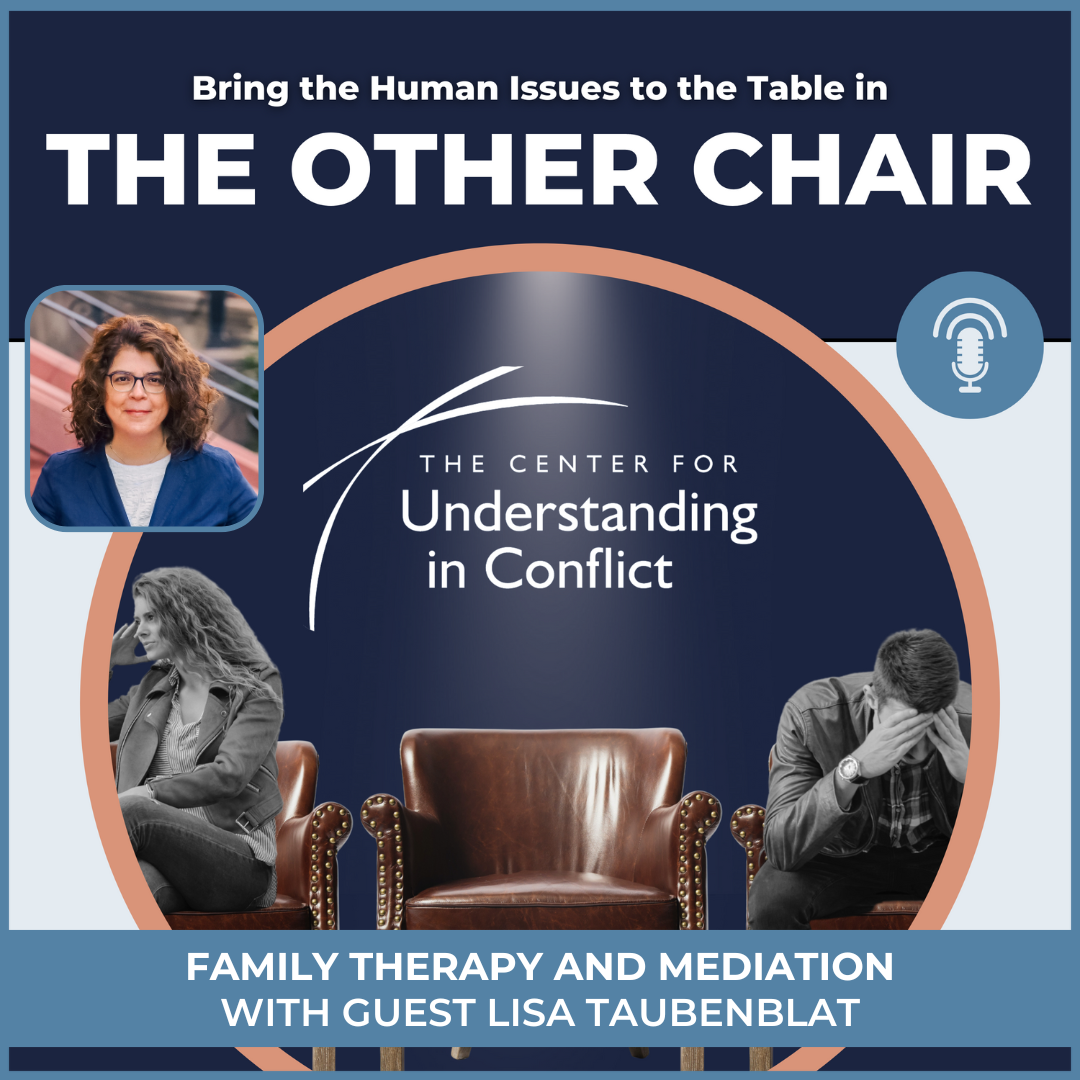
Family Therapy and Mediation with Guest Lisa Taubenblat
In this episode of The Other Chair, guest Lisa Taubenblat, a seasoned psychotherapist and family mediator, shares her expertise in family and couple’s therapy, explaining how her background in psychotherapy enhances her mediation work, particularly with families facing conflict. She also explores essential skills for relationship improvement, the challenges of working with diverse and marginalized communities, and practical strategies for emotional regulation during conflict.
| |
|
|
Working Creatively with Workplace Conflict
The 40-hour Workplace Conflict: Mediation and Conflict Resolution Training is tailored for professionals involved in managing workplace disputes, such as HR leaders, managers, and consultants. The program teaches participants to mediate conflicts using the Understanding-Based Model, focusing on neutrality, enhancing understanding, and fostering collaborative solutions. Training includes interactive role-plays and simulations that immerse participants in real-world workplace conflict scenarios.
The sessions are conducted online and provide a comprehensive approach to handling conflict within organizations, equipping participants with skills directly applicable to workplace conflict.
| |
Our flagship experiential certificate training program centered in the Understanding-Based Model | |
|
Working Creatively
with Conflict
Realistic simulations, in which participants work through mediations from beginning to end, with coaching from our teachers, offer participants the chance to hone their skills and experience the emotional challenges faced by parties in dispute. Participants describe these different learning modes and their interplay as enjoyable, engaging, and rewarding.
| |
|
West Coast
March 5 - 9, 2025
November 5 - 9, 2025
East Coast
June 23 - 28, 2025
|
|
|
CUC invites you to join our next online cohort of SCPI, where conflict resolution professionals commit to exploring together practices of self-reflection that are constructive for ourselves and productive for our clients.
Together we will:
- Learn about compassionately connecting with and understanding, in the context of our various histories, positions, and intersections, our deeper impulses fueling our commitment to working with people in conflict.
- Recognize barriers to self-understanding and constructive presence, such as general reactivity, judgment, insecurity, anger, or the desire for control.
- Work with those barriers in ways that bring us closer to ourselves and our clients.
- Explore SCPI concepts and skills through the specific experiences of cohort participants.
- Discuss how to integrate inner experience and external action.
Participants will practice various self-reflection methods during six group online sessions over six months (approximately 1 three hour group session monthly) and in-between sessions individually (daily) and 1-1 peer meetings (weekly).
| |
|
Navigating Difficult Conversations
Join our expert-led series focused on transforming high-stakes conversations into opportunities for deeper understanding and connection. Over multiple sessions, you’ll learn practical strategies for managing conflict, de-escalating tension, and fostering open dialogue. Grounded in values of empathy, clarity, and collaboration, this series equips you to navigate difficult dynamics and build stronger, more trusting relationships. Ideal for professionals, mediators, and anyone facing challenging interactions.
| |
|
Support and Development Group
The CUC Support and Development Group is a virtual series that meets monthly for five months. This small, focused group offers professionals trained at the Center for Understanding in Conflict the chance to deepen their skills, explore complex cases, and discuss challenges they face in their practice. Facilitated by experienced trainers, the sessions emphasize peer learning and advanced topics in mediation. It's a valuable opportunity for growth and connection within a supportive, understanding-based community.
| |
|
FREE - Planning for Impact
As we approach the end of the year, we invite you to collectively explore personal and professional interests, address common concerns, and ignite a passion for applying understanding-based practices. Join Catherine Conner and Gary Friedman on Wednesday, November 20, 2024 and be part of an interactive discussion to explore making an impact in the new year.
Gain invaluable insights to embark on a shared journey of successful conflict resolution and mediation with a renewed commitment to support working through conflict, fostering harmonious relationships and creating positive change.
| |
FREE – 4 Steps for Anti-racist, Anti-oppressive Conflict Resolution
Join Hansa Patel and Melanie Rowen on December 19, 2024, at 12:00 PM Pacific for an insightful one-hour webinar with Rev. Liên Shutt, LCSW, a Zen Buddhist priest, social worker, and social justice advocate, as we explore strategies to address unconscious racism in conflict resolution.
This session introduces the PACE method—Prevent, Abandon, Cultivate, Extend—a four-step approach for skillfully engaging with unconscious racial biases during mediation. We will also delve into “up-power” and “down-power” dynamics in leadership and conflict. Drawing from Rev. Shutt’s book Home is Here: Practicing Antiracism with the Engaged Eightfold Path, this webinar is perfect for conflict resolution professionals and leaders committed to fostering racial equity and justice.
This program is free for all who wish to attend, though we ask that participants register in advance.
| |
COMMUNITY VIDEO FOR NOVEMBER | |
|
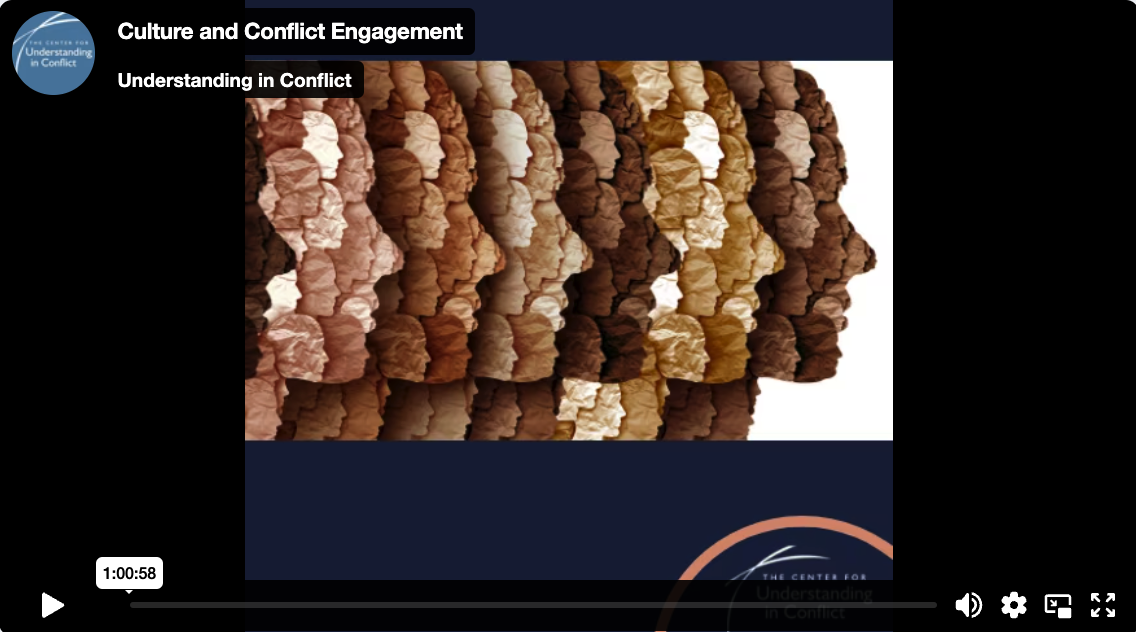
Culture and Conflict Engagement
We all develop and evolve from and by cultural forces in our lives – our family of origin, religion, race, ethnicity, community/country/region, and other organizations or groups in which we are involved. Each party and conflict professionals bring their unique bag of cultures into the room. As conflict professionals, how can we be aware of and honor these cultural forces significantly when they may exacerbate the conflict?
Natalia Lopez-Whitaker, Lacey Wilson, and Catherine Conner will discuss the impact of culture on conflict engagement.
| | | | |