CDM Monthly Newsletter, February 2025

X Share This Email
LinkedIn Share This Email

Center for the Developing Mind honors our Presidents for the month of February

Happy President s day design background with uncle Sam hat. Handwritten lettering.

This month's newsletter continues with providing support in the aftermath of the LA Fires. As a consequence of many families having lost their homes, businesses or schools in the recent fires, clinical teams are reporting an uptick in major depressive episodes amongst our neuro-divergent teen population. While sadness and anxiety is normal given the level of disruption to the basic structure of families' lives, Stephanie Dowd, Psy.D., raises awareness of what parents can do if they suspect that their teen is experiencing excessive if not debilitating levels of depression and how to make sure that all members of your family remain healthy, as they work to regain their footing within the confines of this ongoing crisis.


As we begin to process of rebuilding, we also resume our mission to provide up to date information to the greater special needs community. Our interns at Center for the Developing Mind, have been hard at work interviewing families as to what they would like to come away with from this month's newsletter updates. Beyond the immediate crisis, the number one consensus that was presented by polled parent groups is getting advice on when is the best time and how to present the subject of being on the spectrum to their child. Our colleague, Laina Roberts, has written both an insightful and practical essay on the best timing and approach for this conversation between yourself and your child. In addition to addressing this difficult subject, parents are also expressed interest on what is the best way to create a special needs trust for their child with need. We've consulted with special needs attorneys who have assisted in compiling a basic check list that supports a parent's initial inquiry into this complex legal question. 


Wishing all a safe and thoughtful reentrance into February,


Esther Hess, Ph.D. and all the staff at Center for the Developing Mind

How can you tell and what to do when you teenager is depressed

Thoughtful girl sitting on sill embracing knees looking at window_ sad depressed teenager spending time alone at home_ young upset pensive woman feeling lonely or frustrated thinking about problems

Writer: Stephanie Dowd, PsyD


When kids are young, parents are used to swooping in and rescuing them whenever they need help. As your kids get older and their problems become more complex, you have to transition into more of a supporting role, and that can be difficult. This is especially true with teens who are struggling with depression. They need help to get better, but first they have to want that help.


Signs your child is depressed:

  • Have they been sad or irritable most of the day, most days in a week for at least two weeks?
  • Have they lost interest in things that they used to really enjoy?
  • Have their eating or sleeping habits changed?
  • Do they have very little energy, very little motivation to do much of anything?
  • Are they feeling worthless, hopeless about their future, or guilty about things that aren’t their fault?
  • Have their grades dropped, or are they finding it difficult to concentrate?
  • Have they had thoughts of suicide? If so it’s crucial you have them evaluated by a mental health professional immediately. If the thoughts are really serious and there is imminent threat, you will need to take them to an ER.


If your teen shows more than a few of these signs they may have depression that warrants professional attention. While you can’t make them want to get better, there are some things that you as their parent can do. And it starts with simply being there for them.


Be supportive


One of the most important things you can do for your teen is to work on strengthening your relationship. Try to build empathy and understanding by putting yourself in their shoes. You might be frustrated that they seem down and irritable a lot of the time and don’t seem to be doing much of anything to help themselves. But if there isn’t much in their life that is making them happy, or something intensely disappointing has happened to them, it’s understandable that they might avoid things they used to enjoy and retreat to their room. Depression makes even doing the smallest things more difficult.

Try to validate their emotions, not their unhealthy behavior. For example, you could say, “It seems as though you’ve been really down lately. Is that true?” Make it clear that you want to try to understand what’s troubling them without trying to problem solve.


Be compassionately curious. Ask them questions about their mood gently, without being emotional. Even parents with the best intentions often don’t realize that their concern can come across as critical rather than loving. Do not be judgmental or try to solve their problems, even if you disagree with their point of view. Listening to them talk about their problems might seem as though you’re highlighting the negative, but in fact, you’re letting them know that you hear them, you see them, and you’re trying to understand — not fix them. People don’t like to be fixed. Listening without judgment will actually make them more likely to view you as an ally and someone they can turn to when they’re ready to talk.


Try also to give them opportunities to do things without being critical of them. Instead of saying, “Honey, you should really get up and do something. How about calling an old friend?” you might say, “I’m going to the mall to do an errand. Let me know if you want to come with me, and maybe we can get lunch together.”


For some parents, this can feel passive, as though you’re not doing enough. But being there for them and communicating your acceptance is exactly what they needs from you right now. It’s actually a very active way to strengthen your relationship.


Accentuate the positive


Make sure you’re noticing the positive things your teen does, too. Going to school, holding down a part-time job, doing the dishes or picking up their brother from soccer practice: These are all good things they’re doing, and it’s important to recognize them rather than thinking, “This is what they should be doing.” We all like to be appreciated and recognized for doing a good job even when it’s expected of us.


Ask yourself how many positive things have you said to them today? How many negative things have you said? How many times have you highlighted their problems or tried to fix them? The positive should outweigh the negative. Let them know that you’re proud of them, that they’re doing a good job if you see them taking care of themselves, doing homework, interacting with the family, or doing other things that take effort. They’ll likely appreciate that you noticed.


Likewise, you don’t need to mention that you’re disappointed they aren’t hanging out with friends as much or taking the interest they used to in guitar, for example. They probably feel disappointed, too, and don’t need to be reminded of what’s not going well in their life. They don’t want to feel this way. If they could snap their fingers and feel better, they would.


Helping kids with depression get treatment


Some teens will want to go to therapy when you ask them and some won’t. For those who are resistant, know that they aren’t going to suddenly open up to the idea of therapy (or to you) quickly, but you can help guide them towards treatment by opening the door and then waiting patiently for them to walk through it.


Try saying, “I know you’re having a hard time, and I have some ideas of things that could help. If you’d like to talk with me about them, let me know. I’m here for you.” It’s also a good idea to ask them if they has any suggestions on how you might be able to help. You might be surprised with what they have to say.

Be aware that your teen might tell you to back off. That’s fine; it’s their way — albeit a slightly irritable one — of telling you that they need space. It’s normal for teenagers to want independence, and it’s important for you to respect that. You can respond by saying, “I’ll give you more space, but know that I’m here for you if you ever want to talk or hear my suggestions.”


If they do come to you wanting help, be prepared. Do your research. Find two or three therapists they can interview and tell them that they can choose the one that they feel most comfortable with, and think will help the most. Finding a therapist who is a good fit is extremely important, and making the choice theirs will help them feel ownership over their own treatment, which is extremely important to teens and sets the stage for effective therapy.


It’s also important to know that there are several different kinds of therapy that might be helpful for your teen, including some well-studied behavioral therapies. Interpersonal therapy (IPT),cognitive behavioral therapy (CBT), and dialectical behavioral therapy (DBT) have all been shown to be helpful for teenagers with depression. Make sure that your child has had a thorough evaluation that includes treatment recommendations to help guide you.


Many teens with depression benefit from medication, such as an anti-depressant. While therapy alone may be effective with mild to moderate depression, the best results are usually gained with a combination of medication and therapy. If depression medication is a consideration, it is strongly recommended that you make an appointment with a board certified child and adolescent psychiatrist (rather than a general physician) for a consultation.


Why depression treatment might not be working


If your child already is in treatment but it isn’t helping, ask them why they think that is. What isn’t helpful or what don’t they like about therapy? Are there things about therapy they do like? Maybe you can work together to find a therapist who does more of the things they like. If you do consider changing therapists, it’s important to discuss this with their current therapist before the decision to change is made. Many times, the therapy and/or the therapeutic relationship can be improved.


Keep in mind that therapy usually isn’t effective if the person in treatment isn’t committed to it, or is doing it to please someone else. Your child should want to get better for themselves. Unfortunately, sometimes people have to get worse before they want help. But the good news is that if you lay the groundwork by strengthening your connection now, they’ll be more likely to turn to you for support when they’re finally ready.


Taking care of yourself


Lastly, it’s important to make sure that you’re taking care of yourself. It can be emotionally and physically exhausting to be a parent of someone who is struggling with depression. Know that you are not alone, and get support for yourself. Make sure that you make time to do things you enjoy and go out with friends. The phrase: happy mommy (or daddy) = happy baby (read: teenager) still applies!

When and how to tell your special needs child that they are on the spectrum

Back view of dad sit on couch with preschooler son talking sharing thoughts or problems_ loving father speak have conversation with little boy child_ support him showing care and understanding

Tips for talking to kids about autism, and why it’s important to tell them


Writer: Laina Richards


When a child receives an autism spectrum diagnosis, you may wonder how it will affect their life and what support they might need. You might also have a hard time figuring out when and how to tell your child. The answer may be different for each child, as there are no two autistic children who are exactly alike, just as there are no two individuals who are exactly alike.


Why you shouldn’t delay telling them


Many parents worry about how their child’s diagnosis will be perceived by others, particularly other children. “Nobody wants their child to be ostracized, have a ‘label,’ or thought of as ‘different’ in their peer group,” says Alexis Bancroft, PhD, a psychologist in the Autism Center at the Child Mind Institute. However, if you’ve decided to seek an autism evaluation for your child, you may already be noticing differences in their behavior or development. Your child and their peers will soon become aware of those differences as well, if they haven’t already.


Stigma can be a problem, but kids tend to be more critical of “different” behavior when they don’t understand it, Dr. Bancroft explains. “Stigma happens when we don’t diagnose, and we don’t share.” She points to a study showing that first impressions of adults with anautism spectrum disorder improved when the diagnosis was disclosed and when peers had more information about the disorder.


Kids can be harsh toward each other but similarly harsh toward themselves. Undiagnosed kids with autism may worry there’s something wrong with them, unable to pinpoint why they feel different from other kids their age. This can cause a great deal of anxiety. And not being upfront about a child’s diagnosis might also lead them to eventually believe there is something shameful about it. “When you learn about your diagnosis very early on, it becomes a natural part of who you are,” says Dr. Bancroft.


In a study of the perspectives of autistic university students, participants who learned that they were autistic when they were younger reported a better overall quality of life than students who did not learn about their diagnosis until they were older. “Findings suggest that telling a child that they are autistic at a younger age empowers them by providing access to support and a foundation for self-understanding that helps them thrive in adulthood,” the authors wrote.


However, just because it’s beneficial to share your child’s diagnosis with them early in life does not mean this is a conversation to take lightly.


How to start the conversation


“There’s no one thing that you can do to be prepared to share the information,” says Dr. Bancroft, but parents should do their own research — reading books or listening to podcasts, including some by self-advocates — before starting a conversation with their child. “Understanding different perspectives about autism and what it means, and how it presents within the community, can be helpful.”


You might need time to wrap your mind around what exactly it means to have autism, and what exactly it means for your child to have autism, notes Dr. Bancroft, because every child is different. She also recommends talking to people close to you about it and getting support when you need it, particularly if you feel overwhelmed. You may want to meet with a mental health professional yourself.


Kids pick up on a lot, so it’s important you’re able to manage your emotions and nonverbal behaviors before you talk to them. It is also helpful to pick a time and location where you and your child both feel relaxed and can focus. “They might not always remember what you say when you share the diagnosis with them, but they’re always going to remember how you made them feel,” says Dr. Bancroft.


Dr. Bancroft recommends preparing to answer questions they might have. But if you don’t know the answer to a question, you can always say, “I don’t know, I’m learning about this too. Let’s find out together.’” Just make sure you follow up.


Focus on their strengths


When explaining an autism diagnosis to a child, Dr. Bancroft suggests starting with their strengths. Then acknowledge the challenges they have faced and might face in the future — framing them as differences rather than flaws and emphasizing that these challenges are not their fault. Remind them that this diagnosis will help them get the support they need, and you’ll be with them every step of the way.


“There’s nothing wrong or damaged, or really anything that needs to be changed about the way their brain works or about who they are as people,” says Dr. Bancroft. “People with autism might need some extra help with certain things, but you can also point out that everybody has challenges. All people have things that they need help with.”


If your child has a special interest, you might want to start with that strength, reminding them that they know everything there is to know about Pokémon or the New York City subway map, and that their friends don’t know those things as well.


What to say and what not to say


After you talk about one of their strengths, you might then turn to one of their challenges. Dr. Bancroft gives this example: “You know how sometimes you might not understand why some kids will say the things that they do, or do the things that they do? Kids with autism might have a hard time understanding what people want and what they’re thinking if they don’t say it out loud.”


An example Dr. Bancroft gives for a reframing a challenge is: “Instead of saying, ‘Autism is characterized by lack of conversation,’ you might want to say something like, ‘Having autism means you tend to talk passionately about your special interests while you’re less excited about small talk.’”


Reminding them that these challenges are not their fault might look like this: “Sometimes kids with autism can feel out of control when they get upset, and they can have some meltdowns. It’s not your fault,” or “Sometimes you might have different ways of calming your body or showing that you’re excited. That’s OK.”


How to handle a negative reaction


If a child is angry, scared, or has a strong negative reaction to the news, the best thing a parent can do is validate their emotions rather than trying to get them to calm down right away or see the positives in the diagnosis. In the moment, they need to know that you are going to help them navigate their challenges and get the support they need.

You can talk about the team you’re building to support them — their doctors, teachers, and family members, for example — and how that team will share strategies to address their challenges and help them feel better. Any conversation about a lifelong diagnosis will be an ongoing one, so don’t worry about fitting everything into the first discussion.


Choose specific wording for your child


How you describe an autism diagnosis depends on your child. Dr. Bancroft suggests considering their developmental level, language level, and readiness to hear the news in addition to their age.

They might wonder about the evaluation, noticing differences between themselves and their peers, or asking questions like “What’s wrong with me?” or “Why do I keep doing that?” These are critical moments to open up a conversation about neuro-divergence, and Dr. Bancroft suggests doing so by replying directly. For example, “There’s this thing called autism that’s making it more difficult for you to read social cues. It’s not that there’s something wrong with you. It’s just harder for you to pick up on those cues. We can work on that together.” The language you use during this strengths-based conversation depends on the child. Here are some suggestions for different age groups:


Children in preschool — or with similar developmental and language levels — might not be able to understand what having autism means. It helps to talk in simple terms of who they are, explaining autism as “just a fact, a way of life,” says Dr. Bancroft.


“Preschool is a time when kids are starting to learn about differences and beginning to notice differences in themselves and their peers in general.” She adds that preschool children are also very loving and forgiving. “So, the way that I like to coach parents in the pre-K years is by using different phrases such as, ‘Your brain is amazing, and it might work a little differently than some of your friends. Everyone’s brain works a bit differently.’” It might even be helpful to compare yourself to another loved one and discuss what comes more easily to each of you.


In these younger years, she says, “It’s best to keep it short, simple, and concrete. Focus on observable behaviors and other tangible examples your child can wrap their mind around. You want to normalize, ask if they have any questions, and then let them move on. Your child may be ready to move on from the conversation before you are — and that’s okay.”


School-aged children will be more aware of the evaluation process, and they might be ready for a frank conversation about the diagnosis. They will likely have direct questions as well. Otherwise, much of the approach stays the same. “It’s just that the language you use becomes more sophisticated over time,” Dr. Bancroft says. You still want to use a strengths-based approach tailored to their specific talents and challenges, follow their curiosity, and use words they understand.


Teens and young adults who are receiving a new autism diagnosis likely already have seen information about it on social media. “Maybe they’ve done the TikTok deep dive, and they’re saying, ‘Oh, some of these things, they ring true for me.’”

If not, they will probably look up the diagnosis online and on social media afterward. TikTok, in particular, is a topic of conversation among clinicians right now, since many creators are making videos about autism. Dr. Bancroft says it’s useful to remind teens that not everything on TikTok is based in fact.


There is plenty of reputable information about autism available online to direct them toward if they want to know more. Parents may also want to speak to their teenagers about how algorithms work, serving them more and more content about autism if they keep watching it, for example.


More generally, parents should pay attention to what their teens are looking at online and foster open communication about what they’re seeing, particularly as it relates to autism. “Ask them, ‘Do you see positive things? What about a negative light? What do you think?’” Dr. Bancroft says. “Teens just want you to be real with them. So, it’s really important to meet a teen where they are and ask them open-ended questions so they have the opportunity to share what they’re seeing and experiencing. Then validate those reactions as much as you can.”


Connecting with a community


“Let them know that a lot of people have autism,” says Dr. Bancroft. “And there’s a community out there.” In fact, learning about this diagnosis at a young age can help children find autistic communities and helpful social skills groups where they feel understood.


If your child with autism is interested in a specific area, it can be helpful to find articles that discuss individuals on the spectrum that are quite successful in life.

How to set up a special needs trust

Couple Meeting With Male Financial Advisor Relationship Counsellor In Office

Tax Planning for Families with Special Needs


By Bradley J. Frigon, CELA


As tax-paying season approaches, there are a number of tax obligations and deduction opportunities that families with special needs should bear in mind. It’s important to realize that the investment income generated by funds deposited in a special needs trust (SNT) are taxable, yet the details differ, depending upon the type of trust in question.


First Party SNTs


A first party SNT is a trust established using funds that belong to an individual with a disability. Most commonly, the funds originate from a personal injury settlement or inheritance. Any investment income from the trust will generally be taxable to the special needs beneficiary.


In most states, first party SNTs are automatically classified as “grantor” or “pass-through trusts,” meaning that instead of being taxed at the standard rate for trusts–35 percent– the beneficiary’s tax rate will apply. This is permitted since the trust has been established with the beneficiary’s own assets.


Third Party SNTs


A third party SNT is established by a parent, grandparent or other third party for the benefit of an individual having a disability. In this case, the income will be taxed to the creator of the trust unless distributions are made for the benefit of the beneficiary. All distributions made during the year are deductible to the trust and income to the beneficiary.


It’s important to note that SNT-generated investment income does not affect eligibility for means-tested government benefits such as SSI or Medicaid. For more detailed information concerning the taxation of SNTs, visit Taxes and Special Needs Trusts.


Tax Deductions and Credits


Families that include children with special needs are eligible for a variety of tax deductions. It’s important to note that adult children with disabilities can qualify as dependents if parents provide more than half of their support and their personal income is less than the exemption to be applied.


Deductions to be considered include:

  • Health expenses totaling more than 7.5 percent of adjusted gross income. Don’t forget to include evaluations and the costs of special education such as tuition, tutoring and transportation.
  • Attendance at medical conferences and seminars related to the child’s diagnosis.
  • Unreimbursed work expenses for an individual with disabilities. This might include an attendant, adaptive equipment or special transportation arrangements. The advantage of deducting adaptive equipment under this category rather than as a health expense is that the 7.5 percent threshold does not apply.

In addition, families can claim a tax credit to offset costs for child and dependent care. If the individual having a disability is 65 or older and filing a personal tax return, an “elderly disabled” credit is available.


Soon, it will be time to prepare and file your taxes. Since individual situations vary and tax issues can quickly become complex, it’s recommended that families with special needs seek the advice of an attorney with tax expertise.

Great Recent Photo

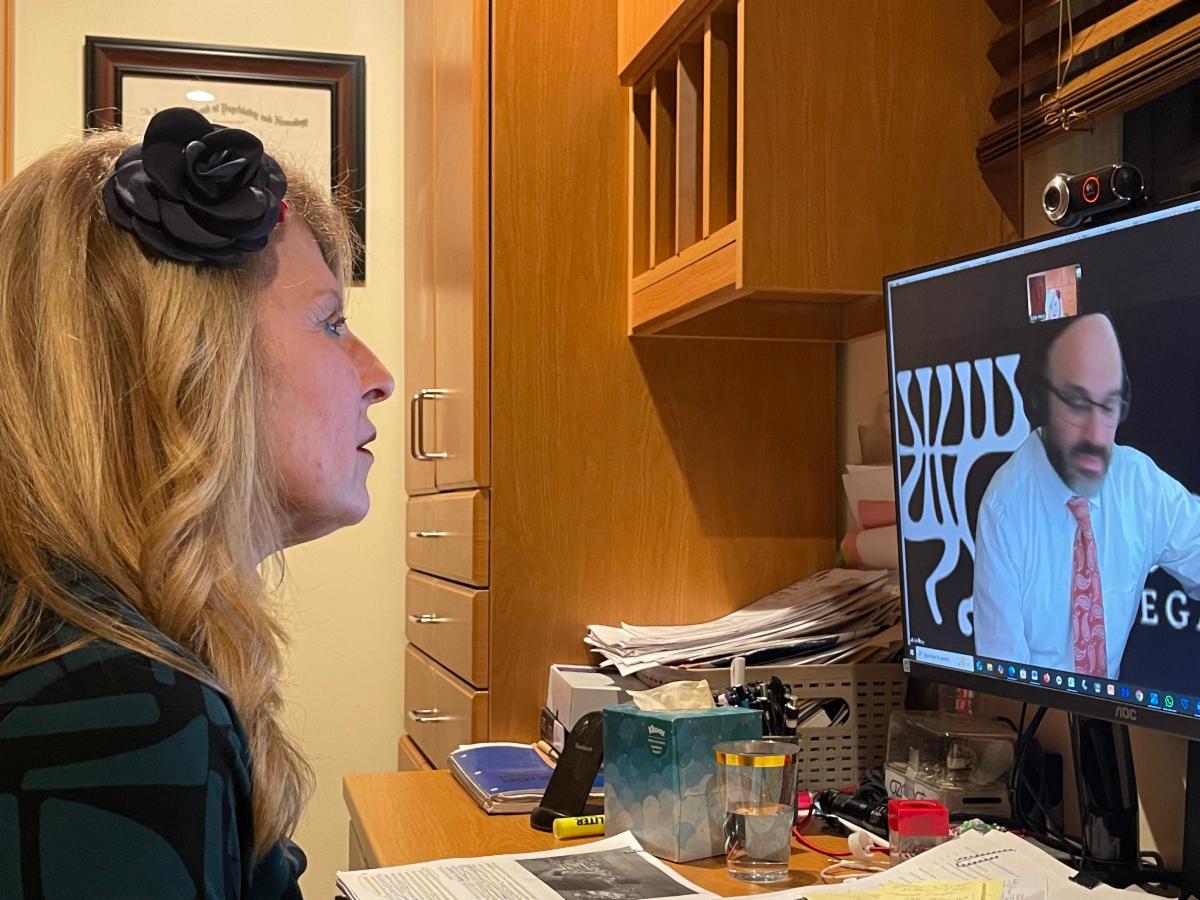
Great photo from Dr. Hess's virtual January 23, 2025 seminar; " After the Flames Have Gone Out: Coping with Yours and Your Child's Trauma-LA Fires". Sponsored by Beth Jacob Congregation, Beverly Hills, CA 

Announcements

February 4, 2025: Join Dr. Esther Hess for a free virtual event sponsored by Miller Vocational High School; "What Teachers Need to Know about Selective Mutism". For more information and to register, please reach out directly to Dr. Hess at Drhess@centerforthedevelopingmind.com.

February 27, 2025: You are invited to a virtual presentation sponsored by Centrum Futurum, "How to Work with Difficult Parents Within the School System". For more information, please reach out directly to Dr. Hess at Drhess@centerforthedevelopingmind.com. 

March 9-20, 2025, Dr. Esther Hess and Allen Samson have been invited to lead a psychological mission of care throughout the state of Israel. Sponsored by the Wilensky Foundation, Dr. Hess and Allen will be working with clinical teams to support special needs children and their families impacted by the most recent war in Gaza. Additionally, they will be addressing soldier groups and their families impacted by post-traumatic stress disorder. Photos to follow!

Groups

Young married upset couple man and woman sitting on sofa in counselor s office during family therapy session with male psychologist trying to find solution. Effective marital therapy concept.

By ongoing demand, Dr. Hess will be conducting a neuro-divergent teen group for adolescents who have been displaced by the Los Angeles Fires., The in-person group meets for 4 weeks at the Center on Sunday mornings, from 11a.m.-12 p.m. Topics being discussed include coping strategies for dealing with the aftermath of the LA Fires. Week one will include transition strategies for handling emergency transition to a new school placement. For more information and to register, please contact Dr. Hess directly at Drhess@centerforthedevelopingmind.com.

Dr. Hess continues to facilitate a Thursday morning social support group for caregivers sponsored by Ogden Manor Home Care.


For additional information please contact Dr. Hess directly at Drhess@centerforthedevelopingmind.com.

Dr. Hess and the staff at Centrum Futurum, Lodz, Poland's only special needs school, will be meeting virtually Monday mornings. Join us as we continue to discuss "Clinical tips for dealing with difficult parents in a school system". Contact Dr. Hess directly to register at Drhess@centerforthedevelopingmind.com.

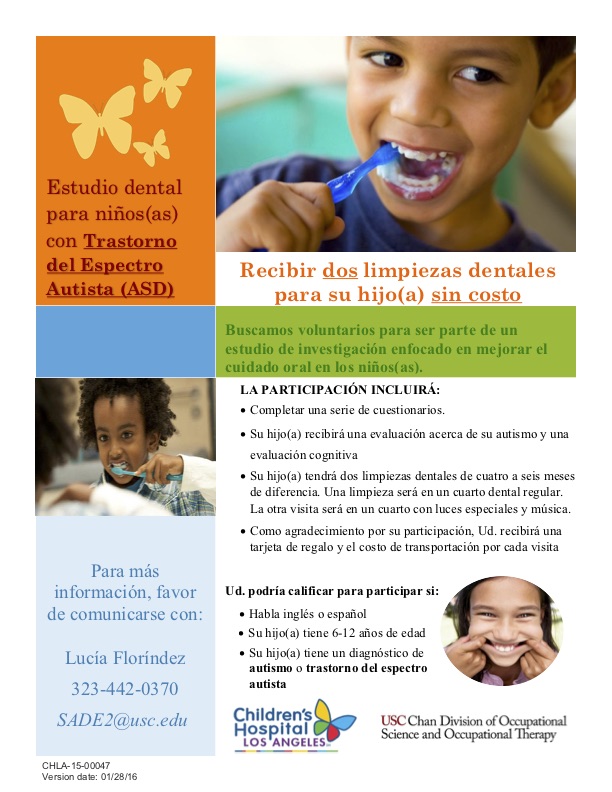
Free Dental Cleanings for Kids

Career Opportunities

Center for the Developing Mind is Seeking Occupational Therapists

There are immediate openings at Center for the Developing Mind for California licensed occupational/physical therapists. Ability to work weekends, a plus. Salary and benefits are compensatory to experience.


For more information, please contact Dr. Esther Hess at (310) 652-7581 and/or Drhess@centerforthedevelopingmind.com.

Center for the Developing Mind is Seeking Speech and Language Therapists

Center for the Developing Mind is Expanding It's Speech and Language Services. We are looking for licensed SLPs to work in our state of the art facility. Treatment model based on DIR/Floor Time. Ability to work weekends, a plus. Salary and benefits are compensatory to experience.


For more information, please contact Dr. Esther Hess at (310) 652-7581 and/or Drhess@centerforthedevelopingmind.com.

Are You Looking To Expand Your Own Private Practice While Being Part of a State of the Art Team For Children?
Center for the Developing Mind is now licensing space within a multidisciplinary facility. Suites available for speech pathologists, occupational therapists, physical therapists, and educators. For more information please contact Dr. Esther Hess: (310) 652-7581

Start the New Year off right with a tax-free contribution to the Center

Center for the Developing Mind Foundation is a 5013c donation location. Your end of the year donation helps support neuro-diverse children and their families receive much needed services. 


To learn more or to make a donation please visit centerforthedevelopingmind.com/non-profit.