|
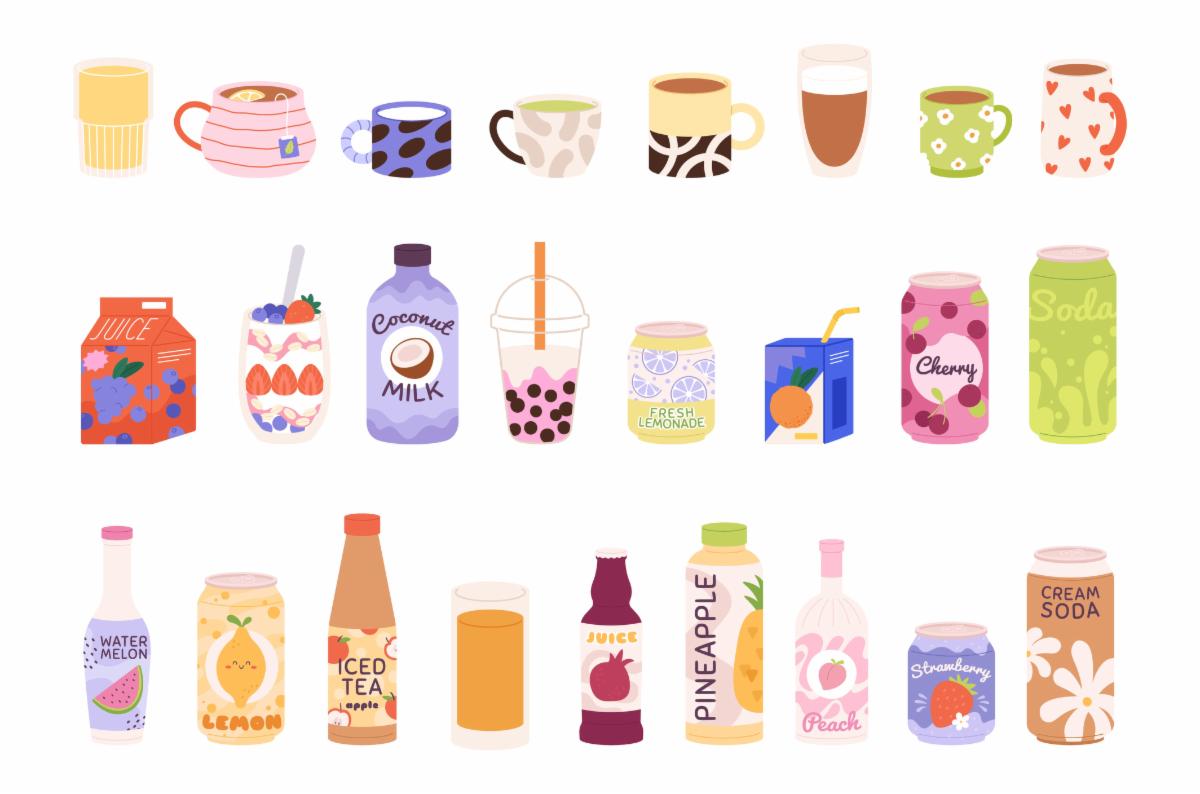
When you think about a healthy diet, you probably picture what goes on your plate. But what you pour into your cup deserves attention too. Soda, sweetened tea, flavored coffee, and other sweetened beverages can add extra calories to your day without a second thought. Becoming more aware of what’s in the things you drink is a practical way to cut back on empty calories in your diet and that aren’t very nutritious for you.
Beverage calories are easy to overlook because food rather than drinks are often the focus of healthy diet recommendations and conversations, but following a healthy diet includes making healthy choices in what you drink too. The things we drink can accompany habits we have like coffee in the morning, a mid-afternoon pick-me-up soda, and drinks that come with fast-food meals and social gatherings. Together, those drinks throughout the day add up. Even drinks marketed as healthy, including smoothies, juice, and energy drinks, may contain substantial added calories and sugar.
Why does this matter? High-calorie and sugary drinks rarely provide a nutritional benefit and according to the CDC, sugary drinks are the leading source of added sugars in our American diet. Frequently drinking these types of beverages is associated with health problems such as weight gain, obesity, type 2 diabetes, heart disease, and cavities. Choosing lower-calorie, unsweetened drinks can help reduce added sugar intake and support efforts to manage weight and some chronic conditions. Replacing sugary beverages with water is also one of the steps the National Institute of Diabetes and Digestive and Kidney Diseases recommends for people working to prevent type 2 diabetes.
Still, “don’t drink your calories” is a reminder, not a rule that every drink containing calories is unhealthy. Milk and fortified dairy alternatives without added sugar can provide nutrition, while some 100% fruit or vegetable juice can fit into a healthy diet. The important distinction is between drinks that contribute useful nutrients and those that mainly contribute empty calories and added sugar. Consider both what a beverage provides and how much you drink of the beverage, rather than judging it by its calorie count alone. Start by reading the nutrition label, paying attention to calories, added sugars, carbohydrates, vitamins, minerals, and serving size.
If you do have a tendency or habit of reaching for sodas, energy drinks, or something similar throughout the day, making a change does not have to mean quitting your favorite drinks overnight. If you usually drink sweetened iced tea, mix it with unsweetened tea and gradually increase the unsweetened portion. Choose a smaller serving of a sugary drink instead of your usual large one. At the coffee counter, ask for less sweetener, or try unsweetened coffee or tea more often. Small, repeatable adjustments can make cutting back feel more manageable than an all-or-nothing approach.
Water is among the healthiest beverage you can choose for your body, but if plain water feels boring, give it a little personality. Add slices of lemon, orange, lime, berries, cucumber, or fresh mint. Unsweetened sparkling water or seltzer can offer the fizz you enjoy without the added sugar of regular soda. You can even experiment with unsweetened tea flavors, served it hot or over ice. Keeping a refillable bottle nearby, at your desk, in your bag, or wherever you spend your day, can make water the convenient choice instead of an afterthought.
Diet drinks deserve a balanced perspective, too. Replacing regular soda with a low- or no-calorie version or a zero-sugar version can reduce the calories and natural sugar coming from that drink. However, that substitution does not automatically mean it’s healthy and that you don’t need to limit how much you drink. The artificial sweeteners added to replace natural sugars, and other artificial ingredients, can put a strain on your body’s health just as the ingredients in a non-diet drink. Try to avoid treating diet beverages as healthy replacement. Water and unsweetened drinks remain the healthiest everyday options.
If you want to focus on making healthier choices in the things you drink, start by noticing one drink you have regularly and choosing one realistic change. You might replace your lunchtime soda with sparkling water, order a smaller sweetened coffee, or keep cold water ready for the afternoon. You do not need a perfect routine to make progress. Paying attention to what is in your cup, checking labels, and choosing unsweetened options more often can help you reduce empty calories and added sugar in your diet while still enjoying variety. Let your next drink be a simple opportunity to practice a healthier habit.
|