|
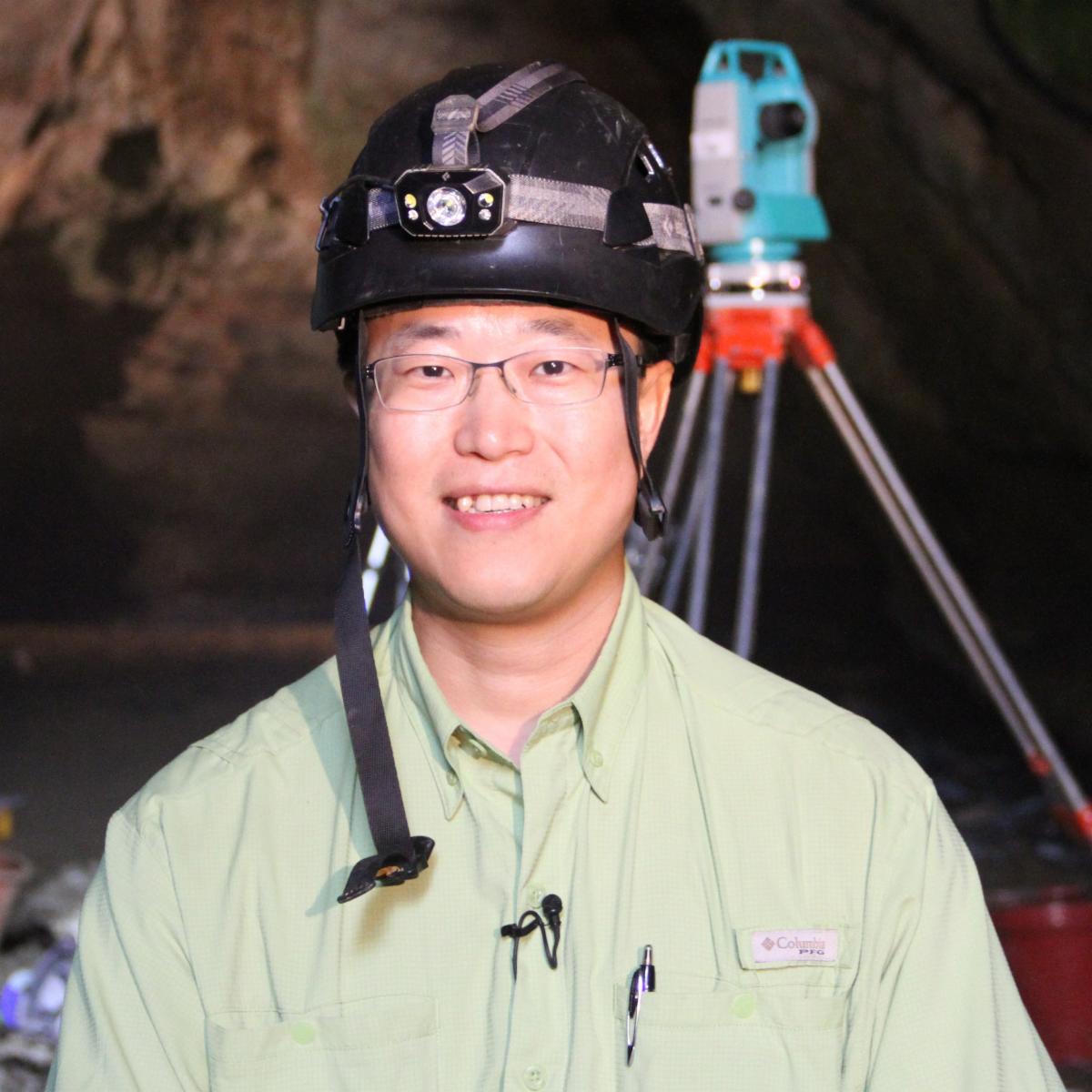
 The Institutes for Chinese, Japanese, and Korean Studies will present a lecture by Christopher Bae, University of Hawai'i at Manoa, on Thursday, November 18 from 4:00 p.m. to 5:30 p.m. online (regstration required). Prof. Bae will present "The Peopling of East Asia: Early Prehistoric Perspectives."
Abstract: East Asia (China, Korea, and Japan) is contributing an increasing number of important findings to bettering our understanding of early prehistory. Here, I focus attention on the Late Pleistocene (~127,000-12,000 years before present) and provide examples of recent findings from the region. During the latter part of the Late Pleistocene, particularly when modern humans appeared in growing numbers in the region, much of East Asia served as a broader interaction sphere. This is evidenced by the human fossil and archaeological records. Such evidence includes the early appearance of anatomically modern humans [e.g., Zhoukoudian Upper Cave (China), Ryonggok Cave (Korea)] and the movement of artifacts (e.g., obsidian) over long distances. Further, the earliest peopling of the Honshu-Shikoku-Kyushu island group in Japan likely originated from dispersals from the Korean Peninsula sometime during the Late Pleistocene, indirect evidence of early watercraft. These and other recent findings from this region will be discussed.
|