|
'Daylight Saving Time 2026'
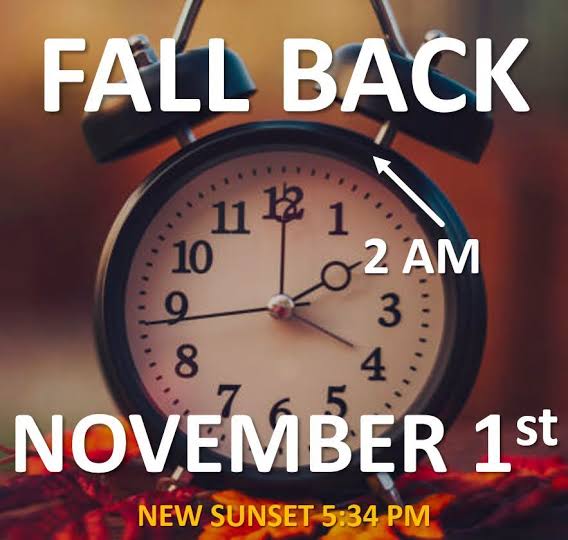
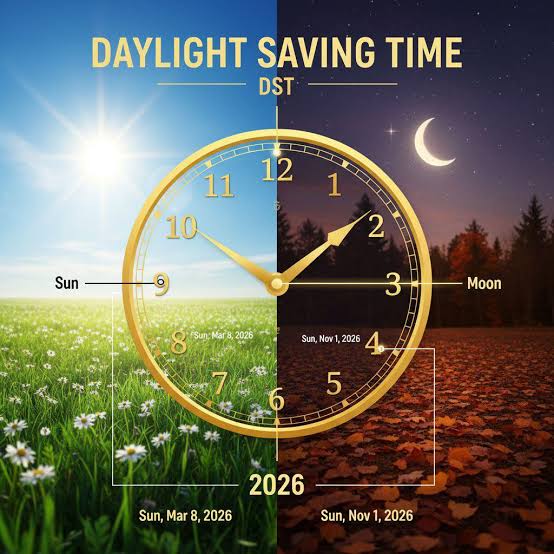
In 2026, Daylight Saving Time starts on Sunday, March 8, when we “spring forward,” and ends on Sunday, November 1, when we “fall back.” The Sun keeps its own schedule, but most of the United States adjusts its clocks twice a year.
We move clocks ahead one hour in spring and back one hour in fall—losing an hour, then gaining it back. Keep the date chart below handy, check which places skip the change, and discover why farmers shouldn’t get the blame!
The time changes at 2:00 A.M., when most people are asleep. Consider changing your clocks before bed on Saturday, October 31, to avoid confusion in the morning!
After this change, sunrise and sunset are about an hour earlier by the clock. That means brighter mornings and darker evenings.
| | |
'The Weekly DoctorDoug Report'
Paradise Valley Medical Clinic,
Douglas M. Lakin, M.D.
Kaitlin A. Kraemer, PA-C
9977 N 90th Street, Suite 180, Scottsdale, AZ 85258
480.614.5800 (phone), 480.614.6322 (Fax)
| | |
We Are Here to Take Care of Your Healthcare Needs.
We Are Here to Serve!
Our office is using techniques to reduce exposure to a minimum during your visit. These include:
- Multiple Super-HEPA filters to filter out potential virus and
particles in the office.
- High Level UV light air cleansing in the office to eliminate
bacteria and viruses in the air.
OUR OFFICE SCHEDULE
DOORS OPEN
7AM - 4PM Monday through Thursday
7AM - 11AM Friday
IN OFFICE
APPOINTMENTS: MONDAY – THURSDAY
7AM – 11:15AM & 1PM – 3:30PM
APPOINTMENTS: FRIDAY
7AM – 10:30 AM
Dr. Lakin is also available for telehealth visits via FaceTime, WhatsApp, or Zoom when appropriate.
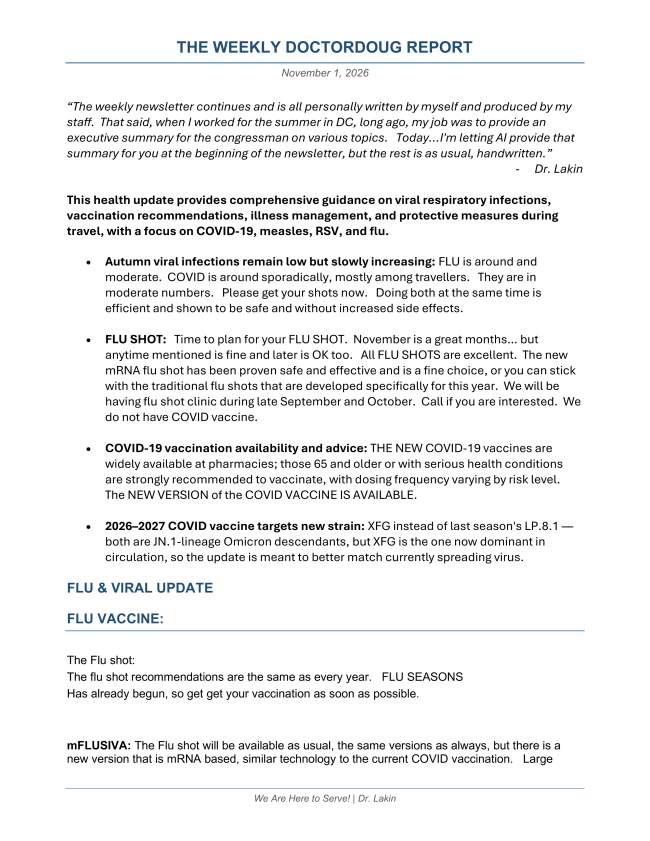
| | ‘THE WEEKLY DOCTORDOUG REPORT’ | | |
November 1, 2026
“The weekly newsletter continues and is all personally written by myself and produced by my staff. That said, when I worked for the summer in DC, long ago, my job was to provide an executive summary for the congressman on various topics. Today...I'm letting AI provide that summary for you at the beginning of the newsletter, but the rest is as usual, handwritten.”
- Dr. Lakin
This health update provides comprehensive guidance on viral respiratory infections, vaccination recommendations, illness management, and protective measures during travel, with a focus on COVID-19, measles, RSV, and flu.
• Autumn viral infections remain low but slowly increasing: FLU is around and moderate. COVID is around sporadically, mostly among travellers. They are in moderate numbers. Please get your shots now. Doing both at the same time is efficient and shown to be safe and without increased side effects.
• FLU SHOT: Time to plan for your FLU SHOT. November is a great months… but anytime mentioned is fine and later is OK too. All FLU SHOTS are excellent. The new mRNA flu shot has been proven safe and effective and is a fine choice, or you can stick with the traditional flu shots that are developed specifically for this year. We will be having flu shot clinic during late September and October. Call if you are interested. We do not have COVID vaccine.
• COVID-19 vaccination availability and advice: THE NEW COVID-19 vaccines are widely available at pharmacies; those 65 and older or with serious health conditions are strongly recommended to vaccinate, with dosing frequency varying by risk level. The NEW VERSION of the COVID VACCINE IS AVAILABLE.
• 2026–2027 COVID vaccine targets new strain: XFG instead of last season's LP.8.1 — both are JN.1-lineage Omicron descendants, but XFG is the one now dominant in circulation, so the update is meant to better match currently spreading virus.
FLU & VIRAL UPDATE
The Flu shot:
The flu shot recommendations are the same as every year. FLU SEASONS
Has already begun, so get get your vaccination as soon as possible.
mFLUSIVA: The Flu shot will be available as usual, the same versions as always, but there is a new version that is mRNA based, similar technology to the current COVID vaccination. Large scale studies have proven this both safe and effective… 20% more effective. That said, this is the first year for the mRNA FLU shot. It is made by MODERNA and called: mFLUSIVA. This is
considered safe and is fine to take this season, but if you are the more conservative type, you should take the traditional FLU vaccine this year, awaiting full roll-out, and then perhaps take the new technology flu shot next year…but it is proven safe to take and if you prefer this is an excellent choice.
The FDA's advisory committee confirmed on March 12-13, 2026 that the 2026-2027 US flu vaccines will keep the trivalent (three-strain) format that's been standard since the 2025-2026 season, covering two Influenza A strains and one Influenza B strain — with no bivalent option offered. The three components are:
• Influenza A(H1N1): A/Missouri/11/2025-like virus
• Influenza A(H3N2): A/Darwin/1454/2025-like virus (egg-based) or A/Darwin/1415/2025-like virus (cell/recombinant-based) — a new subclade K strain
• Influenza B: B/Tokyo/EIS13-175/2025-like virus (egg-based) or B/Pennsylvania/14/2025-like virus (cell/recombinant-based), both from the Victoria lineage
All three components got refreshed strains for this coming season, which is notable — it's the first time in recent years all three have changed simultaneously.
COVID-19 VACCINATION
The NEW COVID-19 vaccine is widely available at Walgreens, CVS, and other pharmacies. If you get the COVID vaccine… and a prescription is required, please contact our office and we will send that in for you. THAT SAID, THE GOVERNOR SIGNED A LAW SAYING YOU DO NOT NEED A VACCINE PRESCRIPTION, SO YOU SHOULD BE ABLE TO REGISTER AND OBTAIN IT WITHOUT A PRESCRIPTION FROM OUR OFFICE.
Our office does not carry the COVID vaccine at this time. If you would like to receive both the flu and COVID shots together, scheduling directly with your local pharmacy is a convenient option — and it is perfectly safe to get both at the same visit.
Key Facts About COVID Vaccination
• The COVID vaccine is strongly recommended for adults 65 and older, and for anyone with serious underlying health conditions.
• In the 65+ age group, the vaccine has been proven to reduce the risk of hospitalization and death.
• COVID continues to rank among the top 3 or 4 causes of death in Americans over 65.
• The annual risk of contracting COVID is estimated at 10–30%.
• The risk of serious complications from the vaccine is approximately 1 in 100,000 — roughly the same odds as dying in a single skydiving jump. By comparison, the risk of serious illness or death from COVID in those over 65 is 50 per 100,000 or higher.
• Cash price for the COVID vaccine ranges from $140 to $200. This should not be a barrier for those who are high-risk, but I want you to have the full picture.
About the 2025–2026 COVID Vaccine Formulation
XFG instead of last season's LP.8.1 — both are JN.1-lineage Omicron descendants, but XFG is the one now dominant in circulation, so the update is meant to better match currently spreading virus.
Available options include mRNA vaccines from Moderna and Pfizer/BioNTech.
Dosing Recommendations
• Adults 65 and older (healthy): one dose per year is recommended.
• Adults 65 and older with significant health conditions (diabetes, COPD, heart failure, kidney disease, immune compromise): every six months is appropriate — and at minimum, once a year.
• Adults over 80: every six months is the preferred interval.
• Immunocompromised individuals should consult with me directly for personalized guidance.
If you fall into any of these higher-risk groups, please stay current with your COVID vaccinations. The protection they offer against hospitalization is real and well-documented.
| | |
TOP PODCAST DONE WEEKLY
BY DR. MICHAEL OSTERHOLM
(UNIVERSITY OF MINNESOTA)
He is a world-renowned epidemiologist who was credited with first elucidating TOXIC SHOCK SYNDROME in the 1980’s.
He provides comprehensive and understandable/actionable ideas related to COVID and other infectious diseases.
The Osterholm Update
(Same as last week's... New podcast next week!)
October 22, 2026
'Measles: It's More Than a Rash'
Last week, a sixth measles-associated death was reported in Pennsylvania, which is currently the nation's measles hotspot. Every death from this vaccine-preventable disease is worth noting, especially amid the nationwide measles outbreaks. This week, hosts Chris Dall and Dr. Michael Osterholm discuss some of the complications from measles infection like immune amnesia and acute disseminated encephalomyelitis.
They'll also talk about Health Secretary Robert F. Kennedy Jr.'s new vaccine injury initiatives, provide an on-the-ground view of the Ebola outbreak in Democratic Republic of Congo, cover the uptick in bird flu activity on US farms and examine how cuts to Medicaid may affect Americans with HIV.
Plus, a very special dedication honoring the late journalist Helen Branswell.
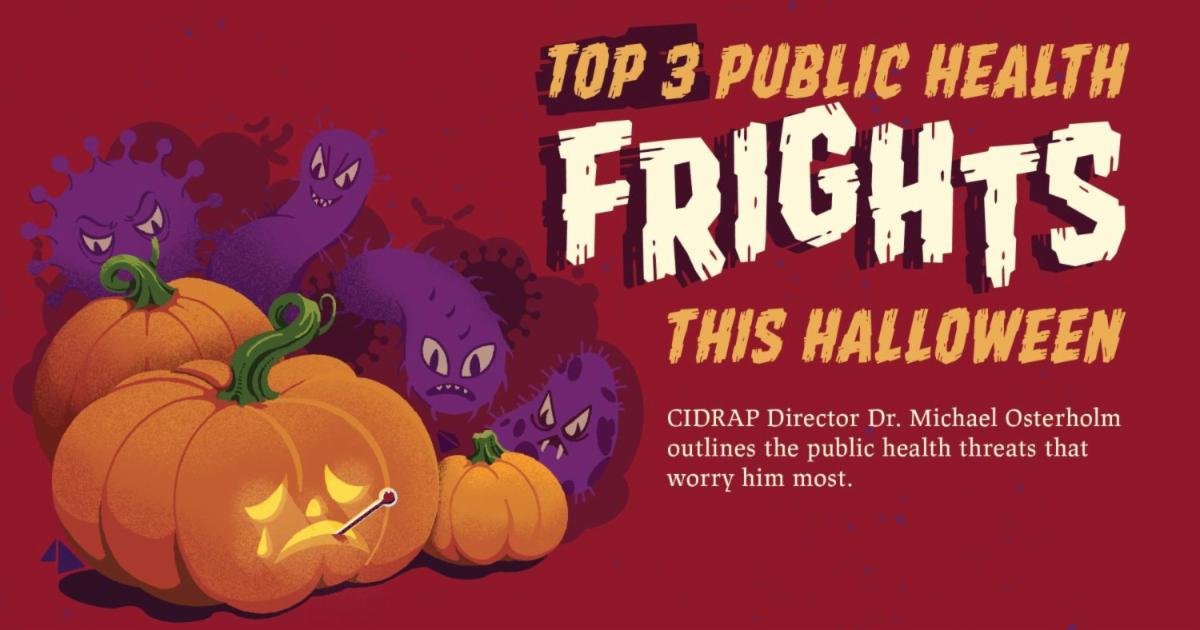
| | The 3 Public Health Threats That Scare Michael Osterholm Most—and 4 Bonus Frights | | |
Halloween gives us plenty of imaginary threats to fear: ghouls, goblins, your neighbor trying to dress like Kid Rock, and the monster under the bed (which, admittedly, makes a compelling case for keeping your feet under the covers).
Infectious disease experts have a more consequential list, but what tops it isn’t usually what scares people most. Headlines about rare infections and unfamiliar diseases tend to ratchet up anxiety, but, say experts, some of the greatest dangers have become so familiar that we underestimate them.
There are big gaps between what the public most fears and the threats that actually cause the most harm, says Director of the Center for Infectious Disease Research and Policy (CIDRAP) Michael Osterholm, PhD, MPH. “There's often a lot of confusion between what kills you versus what hurts you versus what concerns you versus what panics you.”
This Halloween, we asked Dr. Osterholm to outline the top three infectious disease threats that concern him the most and what people can do reduce their risk.
- Threat #1: Respiratory diseases
- Threat #2: Antibiotic resistance
- Threat #3: Measles
And, in true Osterholm fashion, he provided four bonus scares.
| | Ebola Outbreak in DR Congo Approaches 5,000 Deaths as US Issues New Travel Rule | | |
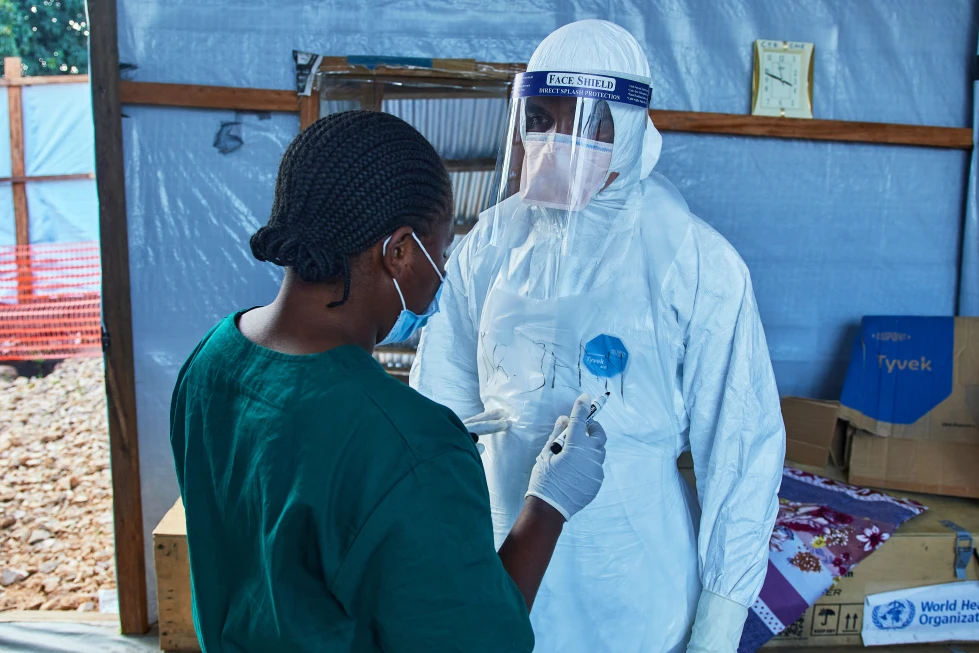
The Bundibugyo Ebola outbreak in the Democratic Republic of Congo (DRC) continues to kill almost half of all those infected in that country, as the official case count now includes 10,141 confirmed cases, including 4,928 related deaths.
World Health Organization (WHO) officials say officials still record 50 to 80 new Ebola cases each day among eight affected DRC provinces, with 80% of cases coming from outside known transmission chains.
Genomic testing released today shows that recent cases in Nigeria and Kenya are from the same genetic group as current cases in DRC, but there is still no understanding of how the patient in Nigeria got infected.
The Nigerian patient visited Uganda from September 15 to October 3. The Kenyan index patient traveled from DRC through Uganda from October 1 to October 3. Both patients were at the Entebbe airport in Uganda on October 3. Both samples collected from the index patients do not carry any markers of the Ugandan Ebola cases reported in May and June of this year, eliminating the suggesting of underreported spread in that country. Instead, both carry the same genetic lineage as cases in the DRC.
Kenya has confirmed nine cases and two deaths, while no additional Ebola patients have been identified in Nigeria.
CDC announces new travel rule
Although the US Centers for Disease Control and Prevention (CDC) says Americans are at a low risk in the outbreak, the agency announced a new rule today stating all passengers boarding an international flight to the United States must attest via a signed statement that they have not been in the DRC during the previous 21 days.
The required attestation will begin on November 3 and last through December 18.
“Travelers, including U.S. citizens and U.S. nationals, who have been in DRC within 21 days before their flight will not be allowed to board flights with U.S. destinations and should plan to remain outside the United States for at least 21 days after they leave DRC,” the CDC said. “This includes all passengers transiting through DRC on a connecting flight regardless of whether they disembark or stay on the airplane.”
The CDC said about 500 people at the agency are involved in responding to the outbreak, including more than 120 people deployed to the affected countries.
Warning for Europe
Today Director-General Jean Kaseya, MD, MPH, of the Africa Centres for Disease Control and Prevention, warned that the Ebola outbreak could spread to the United Kingdom and other European countries.
“It is the first time three African regions have been affected [by Ebola]. The geographic extension of this outbreak is unprecedented,” he said. “Each country, not only in the African region, but all continents, must now increase the preparedness level and the possibility for treatment.”
-CIDRAP, 10/28/2026
| | New World Screwworm Spreads to Arizona and is Found in a Cat in New Mexico | | |
Arizona has reported its first detection of New World screwworm (NWS).
The detection is one of five new NWS cases confirmed in the past few days by the US Department of Agriculture’s (USDA’s) Animal and Plant Health Inspection Service (APHIS), all in pets. Four of the NWS infestations are in dogs in Arizona, New Mexico, and Texas, and the other is in a domestic cat in New Mexico—the first case detected in a cat.
There have now been 71 NWS cases in the country since the outbreak began in June. Most have been in cattle and sheep in Texas and New Mexico. Nine cases have been in dogs.
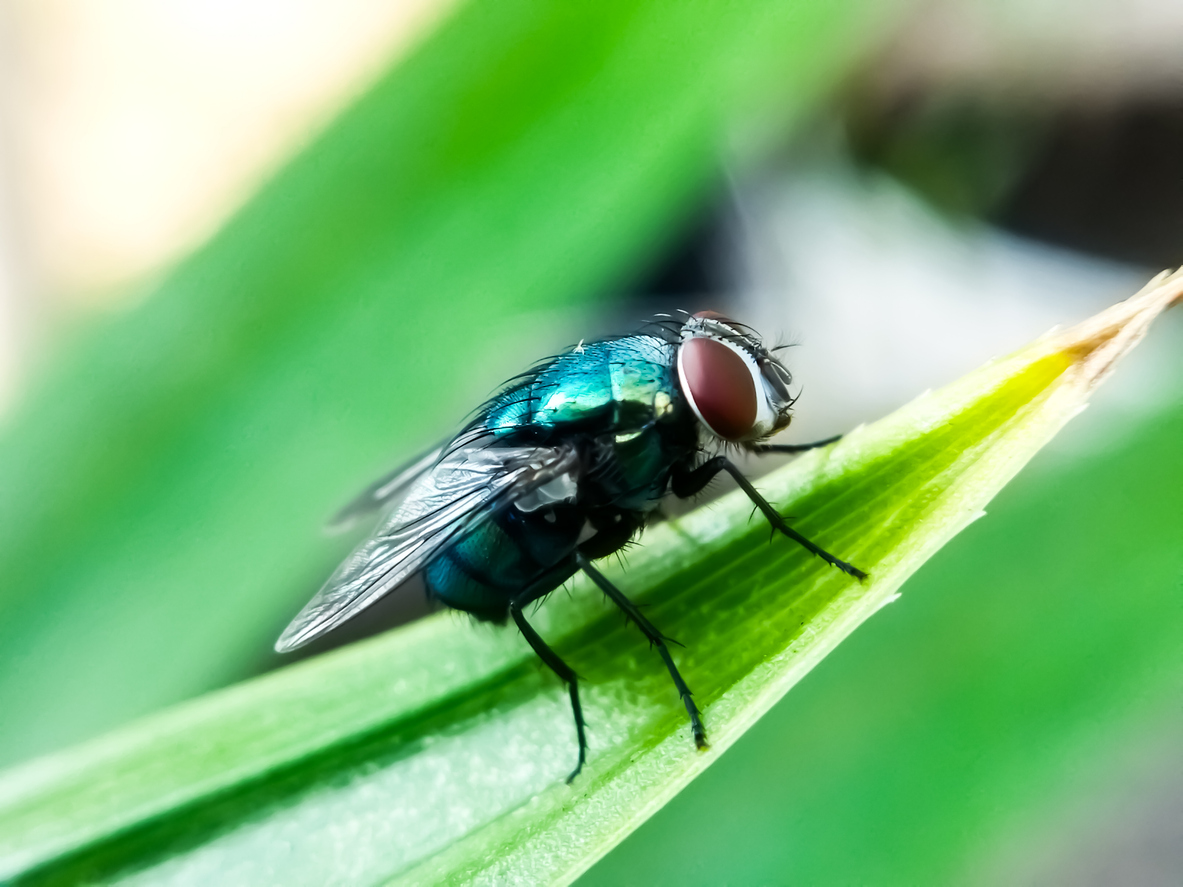
NWS is a parasitic fly (Cochliomyia hominivorax) that’s been spreading north from Central America in recent years. When the adult fly lays its eggs in the open wounds or mucous membranes of warm-blooded animals, the larvae feed on the animals’ tissue, causing severe damage. Cases can be fatal if left untreated.
Although state and federal officials are worried primarily about the threat to livestock, pets and wildlife are also at risk of getting infected, especially if they live in areas where NWS has been detected.
Officials urge close monitoring of animals
The Arizona Department of Agriculture said the confirmed case was identified by a veterinarian in a dog in Cochise County with a heavily infested wound on its back. The county borders both Mexico and New Mexico.
“We remain prepared and vigilant, and we urge all livestock owners, pet owners, and other animal industry partners to continue to monitor animals closely and report any unusual wounds consistent with NWS immediately,” the department said in an update.
APHIS said it’s working closely with Arizona officials on a joint response.
The USDA urges animal owners in the area to inspect animals daily for draining or enlarging wounds and maggots or egg masses in wounds.
The Food and Drug Administration has issued several emergency use authorizations in recent months for drugs that can treat and prevent NWS in dogs and cats.
-CIDRAP, 10/29/2026
| | US Measles Cases Top 4,800 as the Disease Surges in Multiple States | | |
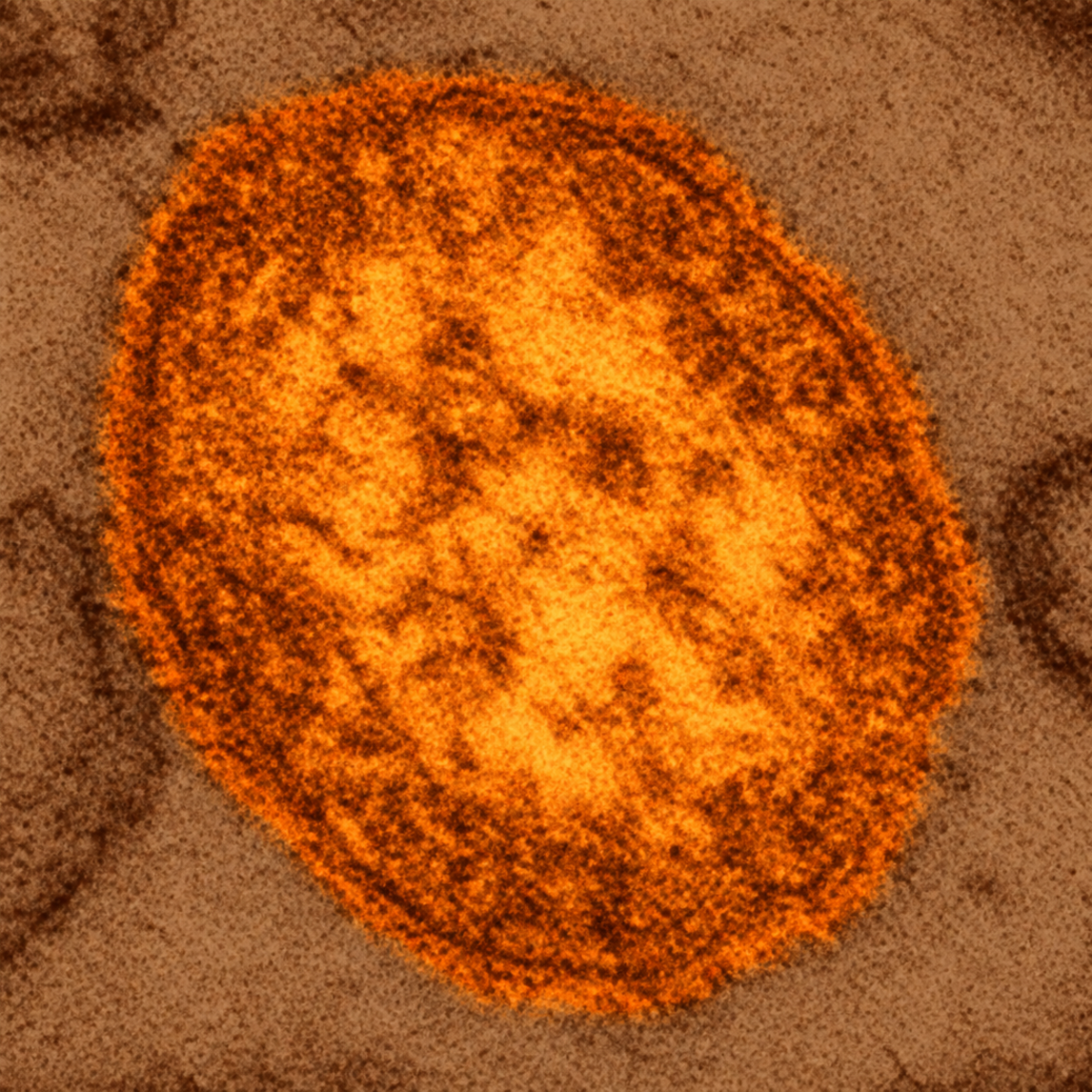
It used to be that 200-plus US measles cases would reflect the total for the year or even for two years, but the Centers for Disease Control and Prevention (CDC) today confirmed 264 new cases in just the past seven days, raising the country’s total to 4,852 cases, by far the highest yearly total in 35 years.
The new data mark the 12th straight week of triple-digit increases nationwide. Rising cases in multiple states have contributed to the escalation, but Pennsylvania continues to be the nation’s hot spot, logging 88 new cases this week, followed closely by Wisconsin.
The United States will very likely lose its measles elimination status—which it gained in 2000—in the coming month. Even an analysis published in May, when the country had only around 1,800 cases, said as much.
The CDC has logged 43 measles outbreaks across the country so far this year, compared with 48 for all of last year, which saw 2,289 cases by year’s end. An outbreak involves three or more people. All but 18 infections this year have been locally acquired, with the rest involving international travelers.
Of the confirmed cases, 17% have been in children under the age of 5 years, and 41% have been in kids and teens ages 5 to 19. Eleven percent of cases overall have required hospitalization, a number that has been slowly climbing and now matches the 2025 rate. Hospitalization rates are highest in preschoolers (16%), with a 14% rate in adults 20 and older.
Though the CDC continues to acknowledge just three measles deaths this year, Pennsylvania has reported five, with a sixth death in that state under investigation.
The vast majority of confirmed cases (96%) have been in people who are unvaccinated or have an unknown vaccination status.
Illnesses surge in Pennsylvania, Wisconsin, Minnesota, Indiana
In its ongoing outbreak, this week Pennsylvania confirmed 88 new cases and 1,426 total cases, by far the largest state outbreak the nation has seen since the early 1990s. Lancaster County continues to be the epicenter, with 493 cases now. Mifflin is second with 205 cases, followed by Chester (93) and Jefferson (88).
As opposed to the national trend, 67% of reported cases in Pennsylvania have involved adults.
The state’s outbreak doesn’t appear to be slowing, despite a statement from Health and Human Services Secretary Robert F. Kennedy Jr. two weeks ago that he will bring it “to a quick close.” An Associated Press story today, however, said more of the state’s residents are open to vaccination, including those in hard-hit Amish communities.
Wisconsin saw another large jump this week, with 82 new cases and 392 total. Of those cases, 336, or 86% of the total, have been confirmed in Grant, Iowa, Lafayette, and Vernon counties in southwestern Wisconsin. State and county officials in that area “are working to identify and notify people who may have been exposed to the measles virus,” the Wisconsin Department of Health Services said. Chippewa County has 33 infections.
Neighboring Minnesota has reached its highest measles total in 36 years, the Minnesota Department of Health reported yesterday. The state now has 80 cases, with 38 new cases in the past week.
“The measles, mumps, and rubella vaccine is well-tested, highly effective, and provides long-lasting protection,” said Minnesota Commissioner of Health Brooke Cunningham, MD, PhD. “We strongly advise anyone who is recommended to receive the MMR vaccine and has not been vaccinated to contact their healthcare provider and get vaccinated now.”
The disease is also surging in Indiana. With 47 newly confirmed cases, the state is just shy of 100 for the year. Today the Indiana Department of Public Health listed 97 known measles infections, with the most in LaGrange (22 cases), Adams (17), and Wayne (16) counties.
Ohio confirmed 30 more infections this week, and 296 total. New York state has eight new cases, lifting its count to 170. Finally, Iowa, which before August 16 had only one case for 2026, has now recorded 42, according to Iowa Health and Human Services. Last year Iowa had nine measles cases.
Cases in Kentucky have now reached 201, the state health department reported today, with four new cases this past week. Last year the state recorded only 11 measles infections. The hardest-hit counties are Christian (65 cases), Laurel (56), and Trigg (31).
-CIDRAP, 10/30/2026
| | Avian Flu Activity Increases in Midwestern, West Coast Poultry | | |
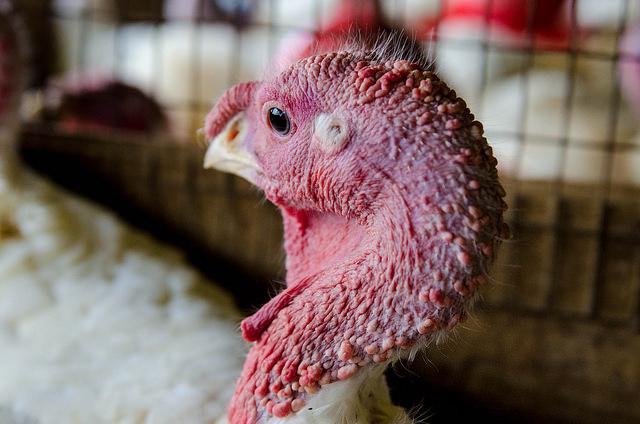
H5N1 avian flu activity is increasing across the United States, with 29 confirmations in the past 30 days, including 11 commercial flocks and 18 backyard flocks. A total of 1.32 million birds have been affected in the past month, according to the most recent update from the US Department of Agriculture Animal and Plant Health Inspection Service (APHIS).
Of note are several large outbreaks on turkey facilities, including ones in Roseau County, Minnesota, with 57,500 birds, and a turkey breeder hen facility in Barron County, Wisconsin, with 13,500 birds. In Dickey County, North Dakota, a flock of 60,600 birds was hit at a commercial turkey meat facility.
The largest outbreak reported in October is in Clinton County, Illinois, where a commercial table egg-layer farm with 934,600 chickens reported H5N1.
West Coast wild birds affected
Along the West Coast are several new backyard flock notifications, including in Solano and Sacramento counties in California. Kittitas County, Washington also reported a backyard outbreak.
Alameda, Fresno, Los Angeles, San Diego, and Sacramento counties in California also reported several recent wild-bird detection among Canada geese and American white pelicans in October, which is typical with migratory patterns.
-CIDRAP, 10/28/2026
| | 7% of Measles Cases Misdiagnosed, Study Finds, Raising Concerns About Disease Spread | | |
Measles is highly contagious, and quickly identifying who is infected is critical from a public health perspective: Delays lead to additional cases since patients, caregivers, and clinicians won't know to take precautions to prevent viral spread.
Yet an estimated 6.9% of patients with measles who sought medical care were misdiagnosed at least once in the two weeks before an accurate diagnosis, according to a study published this week in Infection Control and Hospital Epidemiology.
While the findings suggest these errors are not common, the University of Iowa authors argue the study shows the need to consider early measles testing among patients with respiratory symptoms.
"The risk of transmission is increased when patients spend time in busy waiting rooms or clinics, because virus aerosols remain airborne for hours," said the authors, led by biostatistician Alan T. Arakkal, PhD.
For every 1,000 unvaccinated children infected with measles, an estimated one to three will die of respiratory and neurologic complications. Other long-term concerns include permanent brain damage, a compromised immune system, and sensory impairment, such as hearing loss or blindness.
Misdiagnosis more common in very young kids, in outpatient clinics
Using private and federal insurance databases, the researchers identified 4,651 US measles cases from 2001 through 2023 and estimated that 381 cases were misdiagnosed, with a mean diagnostic delay lasting just over four days.
Outpatient settings, like doctor's offices, accounted for 81% of missed cases, while emergency departments made up 14%, and inpatient settings just 3.9%
"Outpatient settings often have fewer infection control resources than hospitals, making diagnostic delays in these settings particularly concerning," the authors wrote.
Multiple outbreaks have been attributable, at least in part, to delays in diagnosing measles.
Factors associated with misdiagnosis included patients who received respiratory antibiotic prescriptions and those who were under 2 years old. For the latter, the authors speculate this may be because very young children lack the language to describe their symptoms well.
Because the measles vaccine has been readily available for more than a generation and there were years when the United States reported well under 100 cases, the authors said that many clinicians may not include measles in their differential diagnoses, because they have never encountered a patient with the illness.
"The difficulty in diagnosing measles contributes to disease spread," they said. "Multiple outbreaks have been attributable, at least in part, to delays in diagnosing measles."
But as vaccination rates continue to drop and the number of measles cases reported in 2026 nears 5,000, many more US physicians are, unfortunately, becoming acquainted with the disease.
-CIDRAP, 10/30/2026
| | |
After you received your COVID or any other vaccination outside our office, please let us know!
We would like to document this information into your chart.
What we need:
- Your name
- Name & date of vaccination received
- Brand name
- Lot number if available
- Which dose you have received
| |
Postcards From ID Week:
Infectious Disease Specialists Say They Remain Dedicated to Improving Lives, Despite Challenges
| | |
Infectious disease specialists and public health professionals from around the world gathered in the nation’s capital last week, just over a mile away from a White House that has canceled billions of dollars in research funding, repeatedly cast doubt on the safety of vaccines, and eliminated international programs that provided medical aid to some of the world’s most vulnerable people.
Among those attending or speaking at IDWeek, an annual conference focused on infectious diseases, were people who were fired from their roles on a vaccine advisory panel to the Centers for Disease Control and Prevention by Health and Human Services Secretary Robert F. Kennedy Jr.
Yet several healthcare providers who attended IDWeek said they remained largely optimistic, in spite of nearly two years of attacks on their profession and public health.
“The people in the infectious diseases community have always been fighters,” said Hilary Babcock, MD, MPH, the past president of the Society for Healthcare Epidemiology of America, one of the organizers of IDWeek, told CIDRAP News.
“Nothing that anyone does is going to change our commitment to our patients.”
| |
'Daylight Saving Time Ends Nov 1 What Happens to Your Sleep—and Will Clock Changes End'
Most Americans will turn their clocks back one hour on Sunday, November 1, 2026. But could this finally be one of the last times we “fall back”?
In this episode of Sleep Takeout, sleep psychologist Dr. Daniel Baughn and sleep medicine physician Dr. Michelle Zetoony explain what the 2026 time change means for sleep, why morning light matters for circadian rhythm, what Congress has—and has not—done about permanent Daylight Saving Time, and whether 2027 could bring an end to changing the clocks twice a year.
You’ll also learn why sleep medicine generally favors permanent Standard Time, which parts of the U.S. already skip the clock change, and how to keep one extra hour from disrupting your sleep.
| | | | |