E-Newsletter | April 24, 2020
|
|
Kitchen Gardens of Yesteryear
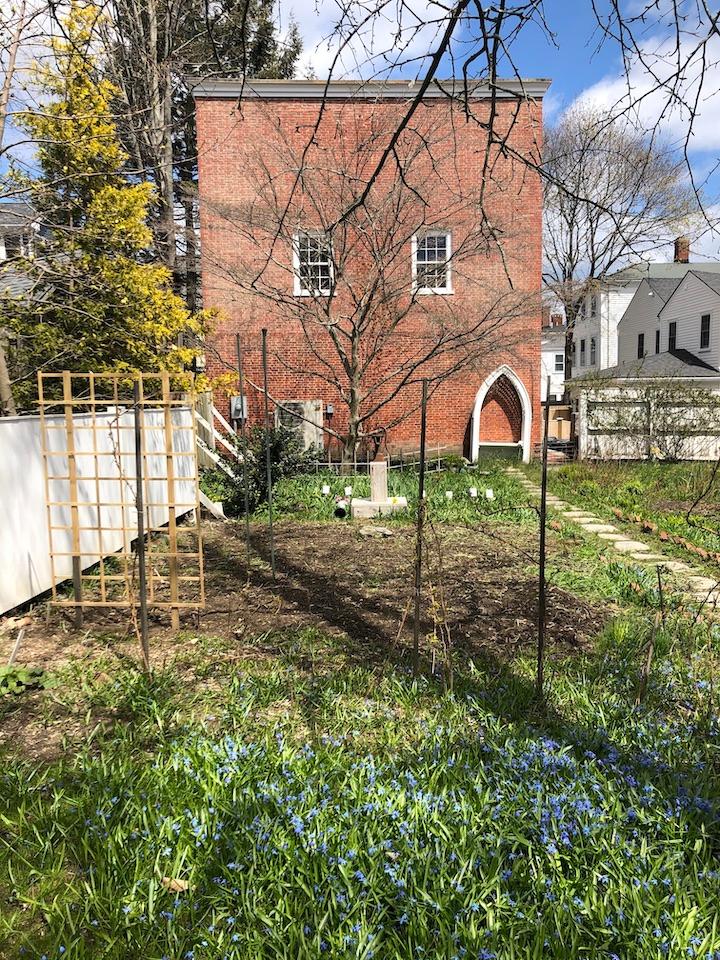
The Cushing House’s rose garden is a testament to 19th century formality. Planted with historical accuracy and striking symmetry, the upper plot is an enchanting place to spend an afternoon. But while you are there enjoying the beautifully manicured boxwoods and fruit trees, don’t forget to wander down the garden path to the lower yard. There you will find a more utilitarian, but no less charming, kitchen-style garden plot.
Kitchen gardens were planted to help feed a household and usually featured rows of vegetables and herbs, sometimes flanked by fruit shrubs or flowers. While our formal beds were planted meticulously following archival documentation, the kitchen garden at the Museum of Old Newbury is not based on any particular plan. One of our dedicated Board Members simply had a vision and, with the help of some determined volunteers, successfully transformed an area of grass, hostas, overgrown roses and scrub into a bountiful and educational space. The lower yard now serves as an area for propagation, experimentation and cultivation – a necessary creative foil to the traditional upper rose garden.
Preparation for this year has already begun with weeding and planting seeds. The season’s harvest will include lettuce, carrots, parsnips, turnips, beets, fingerling potatoes, beans, peas, onions, asparagus and tomatoes. There will also be raspberry, rhubarb and strawberries, along with some herbs, namely thyme, sage, parsley and rosemary. Chosen with historical consideration, this is a small sampling of what would have been gown in a typical 19th
century kitchen garden.
A special thank you to our volunteers who make this happen: Nancy & Fred Thurlow and Margie Gillis.
|
|
Something is Always Cooking at the Museum
Emily Hoffman,
Museum of Old Newbury Board Member, makes a Toasted Pastina Pilaf that is sure to be a favorite in your house. Works as a terrific side or add shredded rotisserie chicken for an easy one-pot meal. *Because the pastina is toasted, 1 1/2 cups uncooked Israeli couscous can be substituted.
Toasted Pastina Pilaf
1/2 cup (1 stick) butter
2 carrots, finely chopped
1 medium onion, finely chopped
1 12-oz. package pastina*, uncooked
4 cups low sodium chicken broth
2 tablespoons chopped parsley
1/8 teaspoon dried thyme
Salt & pepper to taste
In skillet, melt butter over medium heat. Add carrot and onion, cooking until tender, but not brown, about 5-6 minutes. Add pasta; cooking and stirring until lightly browned. Stir in chicken broth, parsley, thyme, salt and pepper. Bring to a boil. Reduce heat, cover and cook 5 minutes or until all liquid is absorbed. Serves 6.
|
|
ICYMI: Puzzle Me This...The Granger Homestead
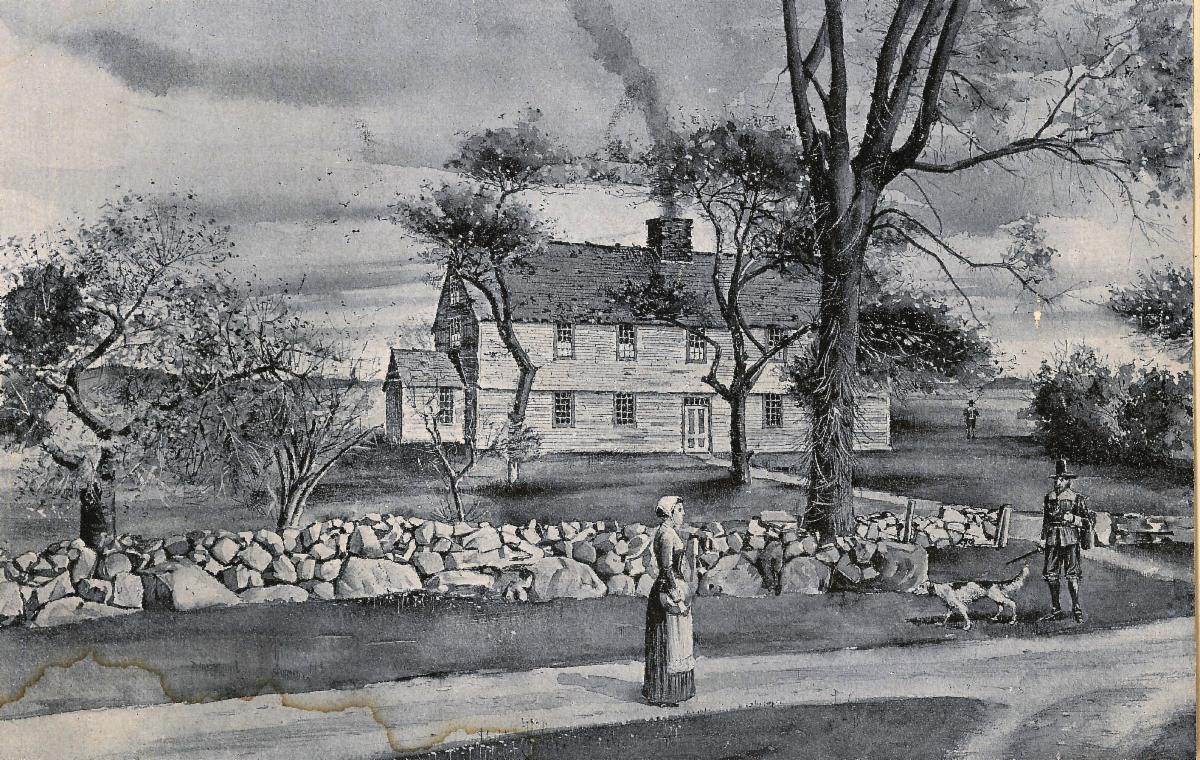
This garrison-style house on Kent’s Island was built in 1651 by Richard Kent. In 1654 he sold it to Launcelot Granger and his wife Joanna Adams who made it their home for 20 years. Granger was born in Bedfordshire England about 1637 and came on board ship as a cabin boy to Plymouth, MA, when he was about 14 years old.
After a two-year apprenticeship to pay for his passage, he made his way to Newbury and settled on Kent's Island. The house was destroyed in 1884. This charming Colonial Revival drawing was done from a photograph.
Click on the image below to begin.
(*ICYMI: In Case You Missed It)
|
|
Picture this!
Museum of Old Newbury Board Member,
Bob Watts
recently captured
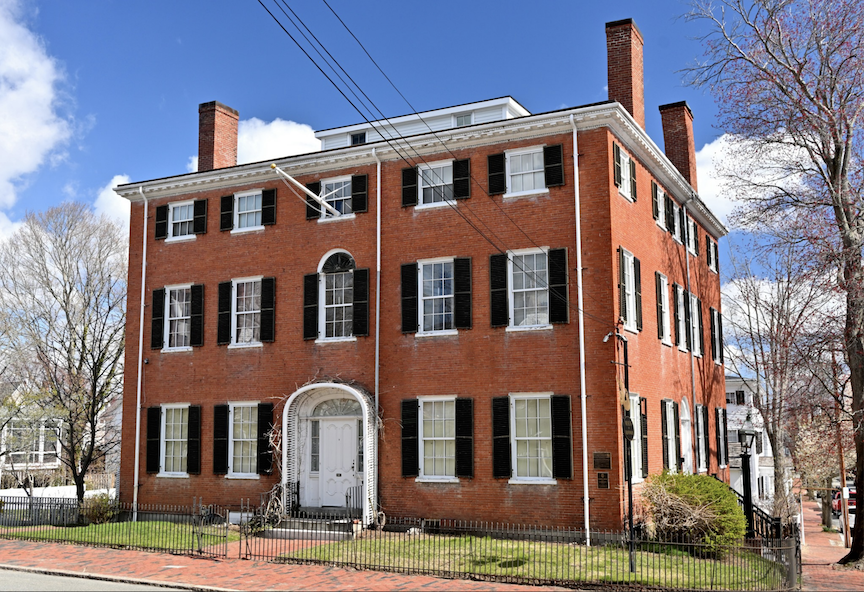
this beautiful image on one of his strolls around town.
PHOTO CREDIT: Bob Watts - Newburyport, MA
Even though the museum is not open, feel free to walk around and enjoy our grounds.
Send photos in and around the Newburys to info@newburyhistory.org. Let us know where you took the image and any other useful information.
Look for select images in upcoming e-Newsletters and be eligible to win a free membership.
|
|
During this difficult period of COVID-19, we rely on your support more than ever. We are working to reschedule many of the programs that we have had to postpone, as well as develop new, online programs for you to enjoy and keep us connected. We hope, if you are able, that you will consider a
donation
to the museum. Thank you for your continued support.
|
|
Museum of Old Newbury
98 High Street
Newburyport, MA 01950
978-462-2681
|
|
|
|
|
|
|
|