Greetings!
When hurricane season officially ends on Nov. 30 it will likely be recorded as one of the most active years on record. NOAA recorded 21 named storms, including seven hurricanes and four major hurricanes. This year, we also deployed — and tracked in near-real time — a record number of gliders in the Gulf thanks to the support of our network of partners, including the U.S. Navy, which supported the Gulf Glider Picket line by providing additional gliders for deployment. Having uncrewed gliders in the Gulf is important to tracking ocean temperatures at depth — a key factor in predicting storm strength. Our glider piloting dashboard — known as GANDALF — is still hard at work tracking a half-dozen gliders in the Gulf, including one dedicated to investigating Loop Current eddies.
While hurricane season officially starts June 1, this year our first storm, Ana, formed in May. In fact, over the last seven years, we’ve had storms form in May — perhaps an indicator of long-term changes in ocean temperatures tied to a changing climate.
It’s heartening to know that the Glasgow Climate Pact reached at the recently ended COP26 Summit, while not legally binding, is still an accord for countries to cut C02 emissions in an effort to limit global warming to 1.5 C. While the current pledges, if met, will only limit global warming to 2.4 C, it is still a step in the right direction.
Climate change, of course, affects more than just tropical storms and hurricanes. Harmful algal blooms are also on the rise worldwide. In the U.S., the ocean observing community is coming together to develop a new national HAB system to track toxic blooms. I’m pleased to say that GCOOS is helping to lead the way! Co-Data Manager and Research Specialist Bob Currier will be one of the featured speakers during the Dec. 1 national HAB Observing Group Webinar for managers and scientists, “HAB Data Portals: It would be easy if there was one species!” Registration information is below, please be sure to join in if you can.
Until next month,
|
|
“HAB Data Portals: It would be easy if there was one species!” |
|
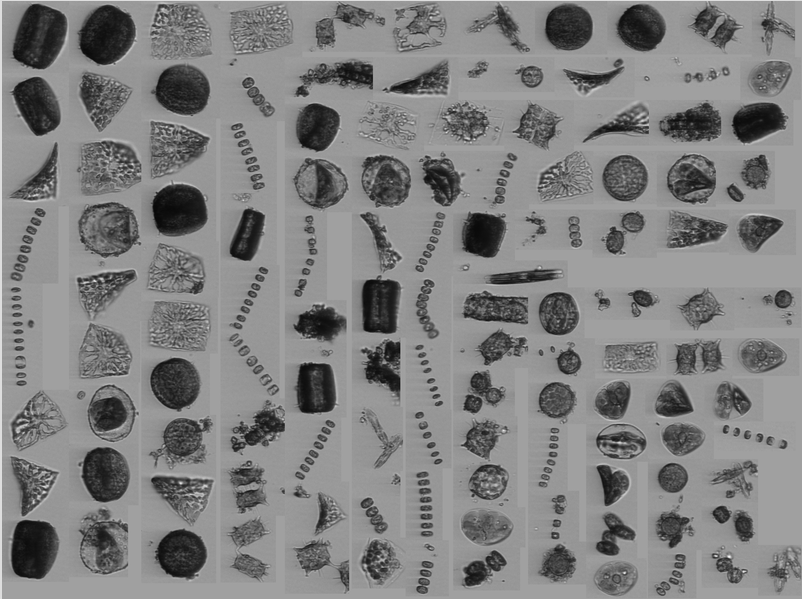
HAB data portals are challenging to develop because multiple species occur in the data sets — some that are species of interest and others that are not. This webinar will present three strategies for developing a HAB data portal to help spur HAB tracking strategies in other regions. The webinar will include:
- WHOI HABHub
- The co-designing of a community HAB Data Assembly Center — HABDAC
- The GCOOS HABScope
Panelists are Dr. Rob Bochenek, Axiom Data Science, Dr. Mike Brosnahan, Woods Hole Oceanographic Institute and Bob Currier, GCOOS/Texas A&M University.
|
|
GCOOS Fall Meeting Roundup |
|
We seated our elected and reelected Board members during our Fall Members Meeting. Newly elected or reelected members in 2021 are:
-
Private Sector Representatives: Dr. Alyssa Dausman, Vice President for Science of The Water Institute of the Gulf; and Bill Lingsch, Following Seas LLC and Coordinator for the U.S. Underwater Glider User Group.
-
Government Sector: Dr. Kate Hubbard, Director of the Center for Red Tide Research at the Florida Fish and Wildlife Conservation Commission’s Fish and Wildlife Research Institute (FWC-FWRI).
-
Academic Sector: Dr. Lynn K. (Nick) Shay, Associate Dean and Professor in the Department of Ocean Sciences at the University of Miami’s Rosenstiel School of Marine and Atmospheric Science and Director of the Upper Ocean Dynamics Laboratory; and Renee Collini, PLACE: SLR Coordinator/Coastal Climate Resilience Specialist with Mississippi-Alabama SeaGrant.
Were you unable to attend the meeting? It included presentations by Carl Gouldman, Director of the U.S. IOOS Program Office, Josie Quintrell, Executive Director of the IOOS Association, and Dr. Jorge Brenner, GCOOS Executive Director. The meeting also included an update on the 2021 hurricane season glider deployment activity in the Gulf by Bill Lingsch, U.S. Glider User Group Coordinator, and GCOOS Oceanographer Dr. Kerri Whilden.
|
|
The People Behind the Data |
|
Red Tide Respiratory Forecast Team Continues to Expand |
|
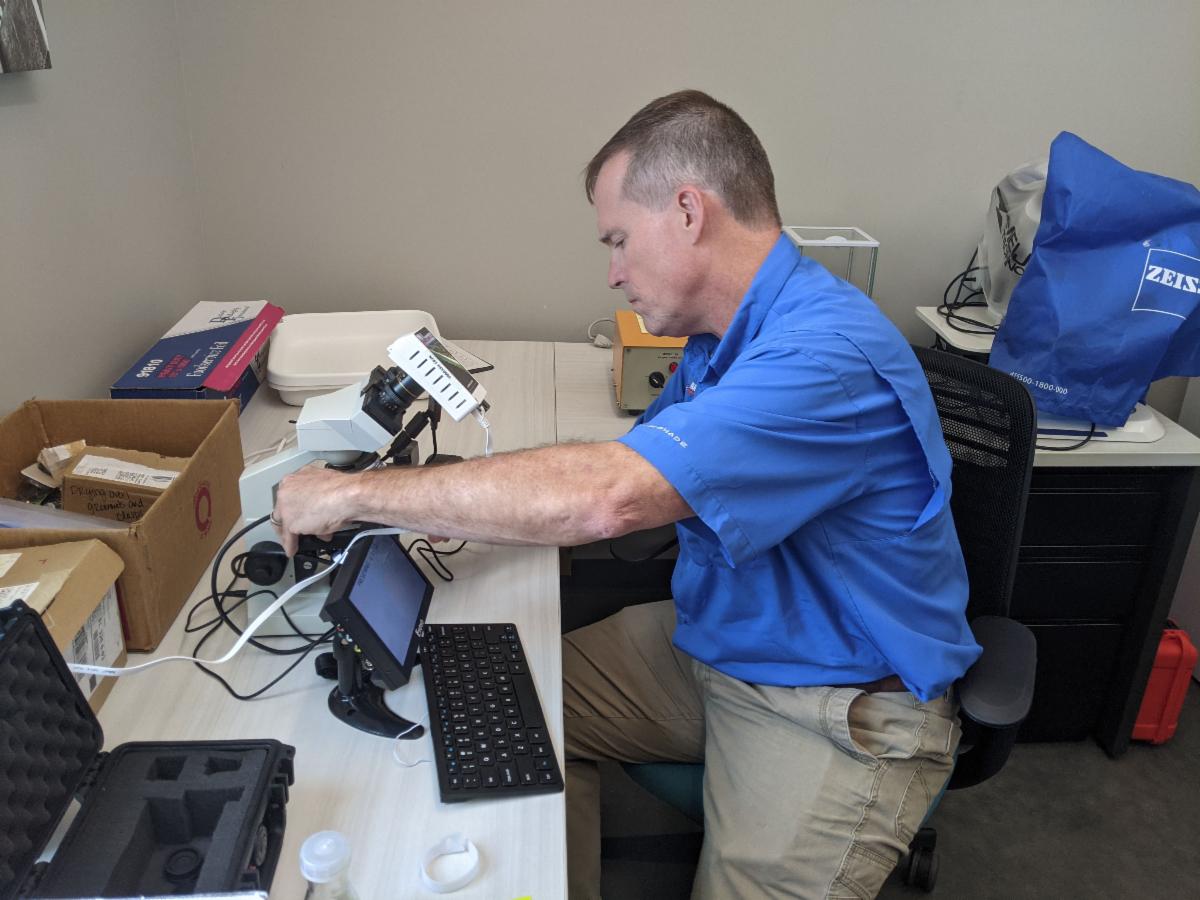
GCOOS Product Developer Bob Currier and Volunteer Coordinator Grant Craig made a trip to the University of Florida Nature Coast Biological Station at Cedar Key to drop off a HABscope 2.0 and show Dr. Mike Allen (pictured here) and his team how to use the new system to provide information for the Red Tide Respiratory Forecast.
HABscope is a low cost, classroom-grade, portable microscope with a special adaptor designed by the research team’s engineer and printed on a 3D printer. In the first HABscope, the adapter was used to mount an Apple iPOD touch to the eyepiece of the microscope. HABscope 2.0 now utilizes a Raspberry Pi computer, which has increased its programmability and made it even easier for volunteers to use.
HABscope 2.0s have also been delivered to volunteers in Port Charlotte and Naples Florida and the team has grown to include staff from the Florida Department of Health’s Healthy Beaches Program.
|
|
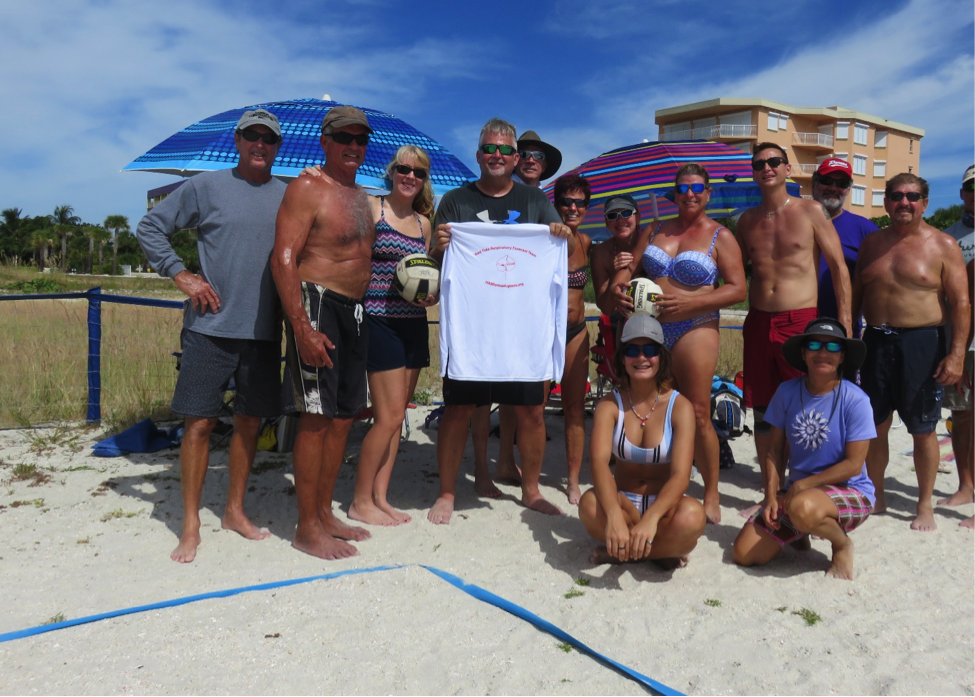
The expanding Forecast is getting noticed! Recently, a group that has gathered for more than three decades to play volleyball on Treasure Island, Florida, discovered how useful it is following a historic fish kill in Tampa Bay. “The widespread, prolonged red tide in the Tampa Bay area has made it difficult to know what conditions will be like at the beach,” said player Kevin Kowzan. “I have to drive more than an hour to get to Treasure Island so knowing the conditions before heading out is really helpful.”
|
|
New Sensors Deployed in the Gulf |
|
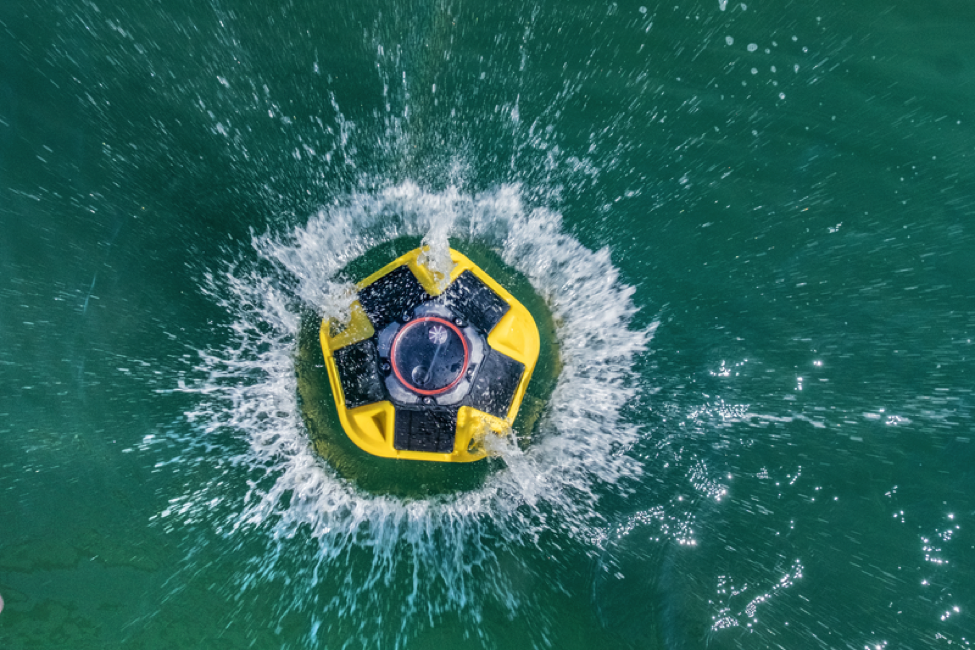
Sofar Ocean deployed 15 Spotters with the help of Fugro into the Gulf of Mexico in October. The drifting sensors are providing freely available real-time wave, wind, drift current, sea surface, temperature, rain intensity, and barometric pressure data as part of the company’s global ocean sensor network and to provide a deeper understanding of marine weather in the Gulf of Mexico.
- Academic professionals and researchers can apply for non-commercial data access on Sofar’s website
- Commercial and industry professionals can reach out to Sofar’s sales teams via sales@sofarocean.com
Sofar Ocean’s mission is to build a sustainable future powered by ocean intelligence. Sofar’s technology platform enables organizations to measure, predict, and act on Planet Ocean. Visit their website to learn more about their weather buoys, data services, shipping industry applications, and additional insights. |
|
Aquaculture Atlas for the Gulf |
|
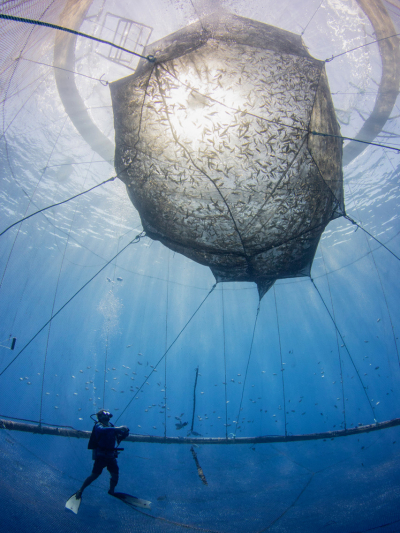
NOAA has released an atlas compiling the best available science to inform the identification of Aquaculture Opportunity Areas (AOAs) in the Gulf of Mexico and Southern California. NOAA previously identified the regions for their potential to host sustainable commercial aquaculture development in the U.S. Areas in the Atlases have characteristics expected to support multiple types of aquaculture industries including finfish, shellfish, seaweed, or some combination.
The National Centers for Coastal Ocean Science developed the atlases using more than 200 data layers accounting for key environmental, economic, social, and cultural considerations, including fishing interests and marine protected areas. The studies identified nine areas in the Gulf of Mexico that might be suitable for aquaculture, while also reducing conflicts with other ocean uses.
|
|
FAU Seeks Study Subjects For Health Effects Of Harmful Algal Blooms |
|
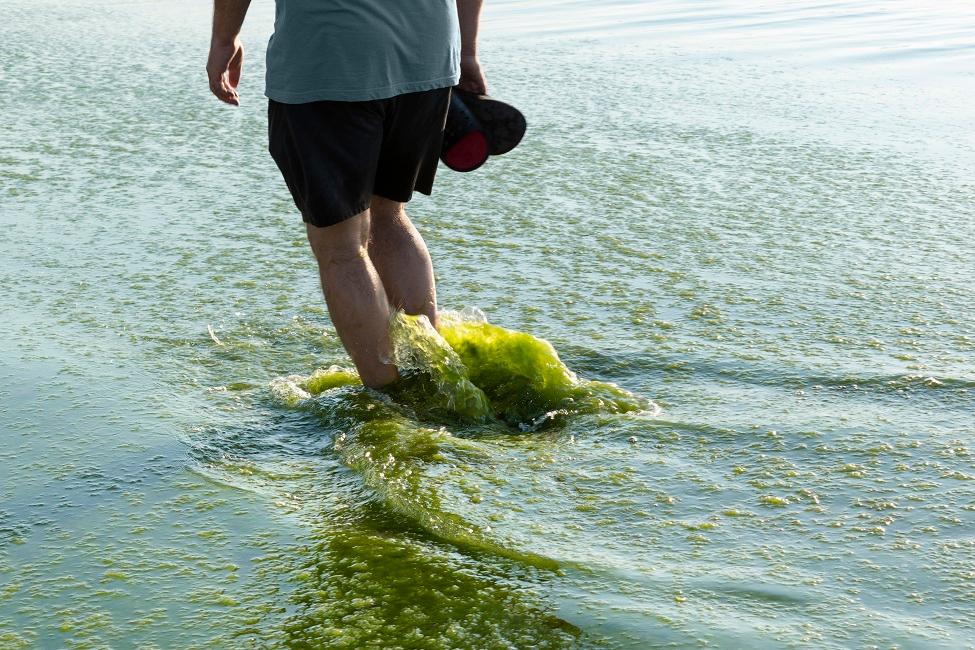
Researchers from Florida Atlantic University’s Christine E. Lynn College of Nursing and Harbor Branch Oceanographic Institute are seeking participants for a study evaluating potential impacts of exposure to cyanobacteria harmful algal blooms. A Florida Department of Health (FDOH) grant is supporting evaluation of both the short-term and potential long-term health effects among Florida residents, and the study uses a collaborative, multi-site approach, which includes researchers from Florida Gulf Coast University. Study leaders are seeking an additional 50 adults to participate.
The study will also be the first of its kind to evaluate the potential effect of exposure to SARS-CoV-2 virus and researchers will explore whether there is a relationship between a history of SARS-CoV-2 virus infection and susceptibility to the effects of harmful algal blooms exposure.
|
|
Healthy Ecosystems & Living Resources |
|
Hot Off the Presses: Reef Corridor of the Southwestern Gulf of Mexico: challenges and opportunities for its protection and management |
|
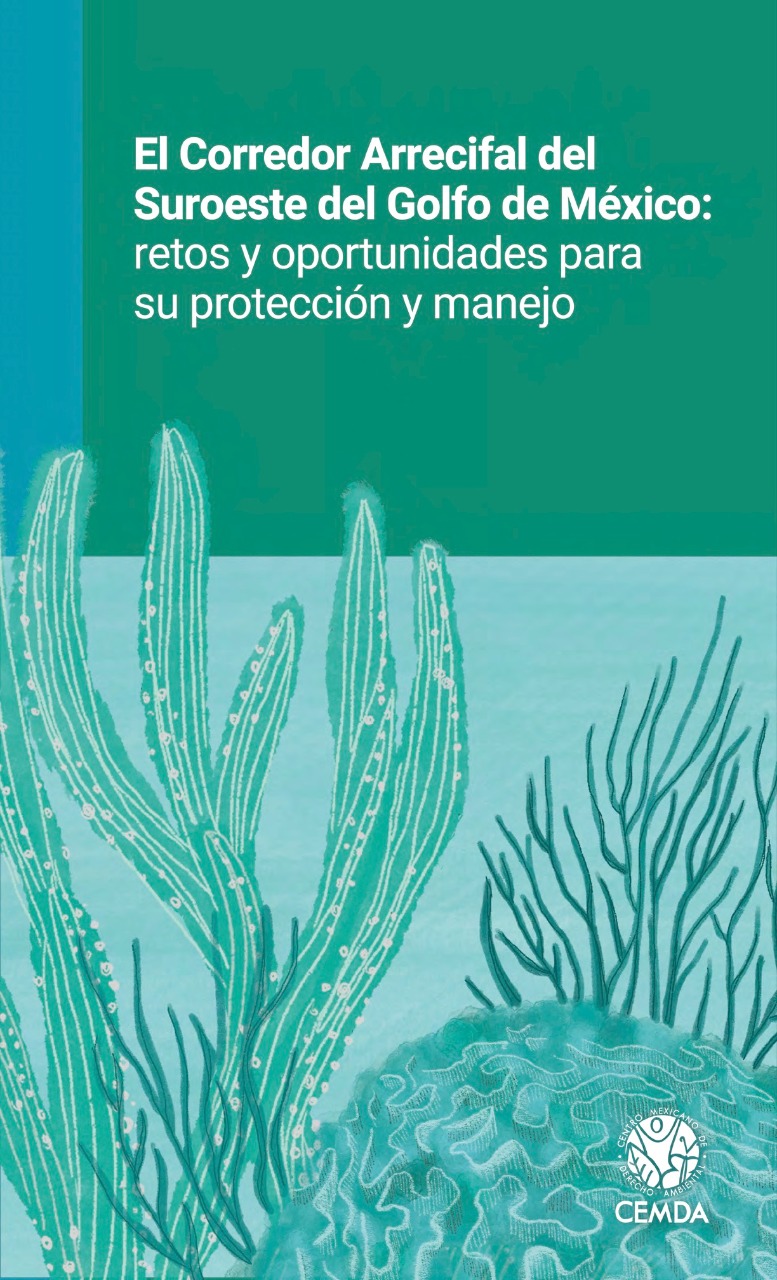
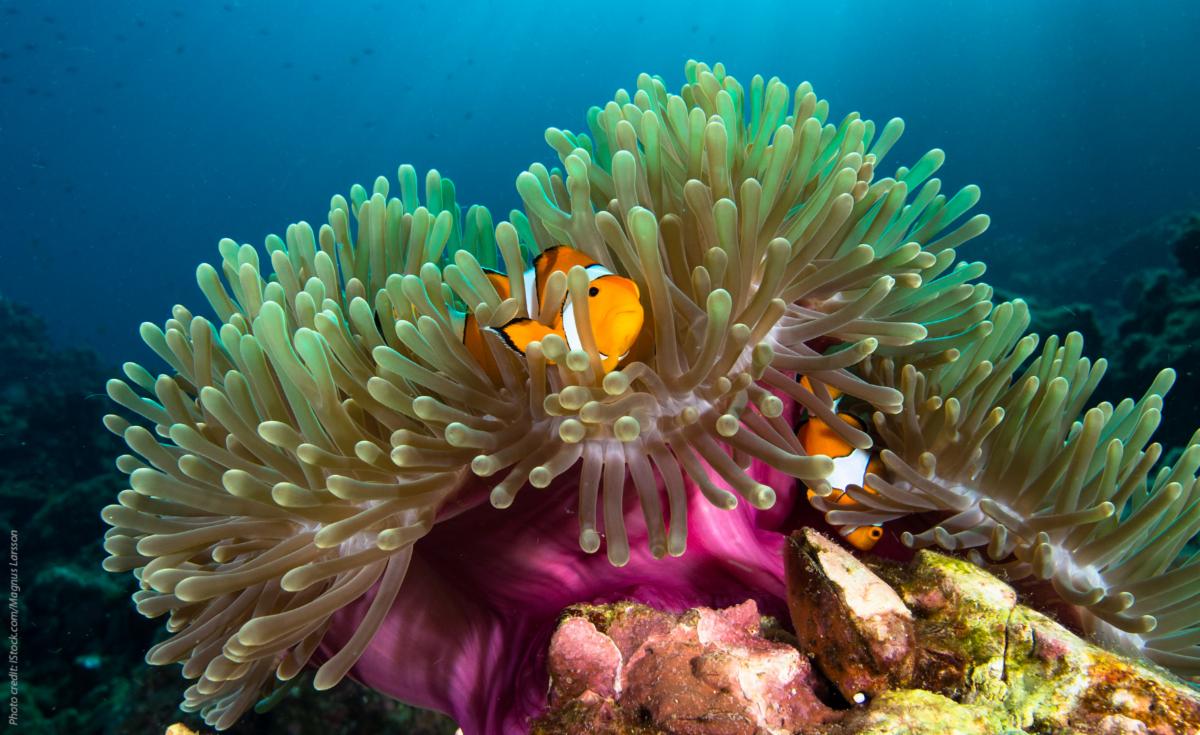
The Mexican Center for Environmental Law (Centro Mexicano de Derecho Ambiental, CEMDA) recently published a new book presenting important research results and management needs following the discovery of an interconnected reef system of multiple individual reefs in the Southwestern Gulf of Mexico, about 600 kilometers off Veracruz from the Tamiahua Lagoon to the Tonala River. The book, available in Spanish only, includes a prologue written by GCOOS Executive Director Dr. Jorge Brenner and is the result of five years of multidisciplinary collaboration that recognizes the reef corridor as a hidden and endangered treasure at risk of disappearing, which would generate serious socio-environmental and cultural consequences for the people and communities of Veracruz. The book is the first step in:
- Making the reef corridor visible;
- Understanding the threats to its existence;
- Developing paths for conservation and management strategies.
Brenner writes: “This book makes it possible to understand (the reef corridor’s) role in the lives of those of us who live in the coastal zone. This understanding is achieved only through the trans-disciplinary research that is presented and that ranges from geomorphology to productive activities such as fishing. The chapters in this book contribute to the understanding of hidden values as great benefits to our well-being and to the maintenance of the essential functions of these ecosystems. I want to end with the idea that the conservation of these values depends on the participation of all people and becomes a socio-environmental process. It is precisely the interest of the whole of society that can make its use and sustainable management possible in the future.”
|
|
New GOMA Open Data Platform |
|
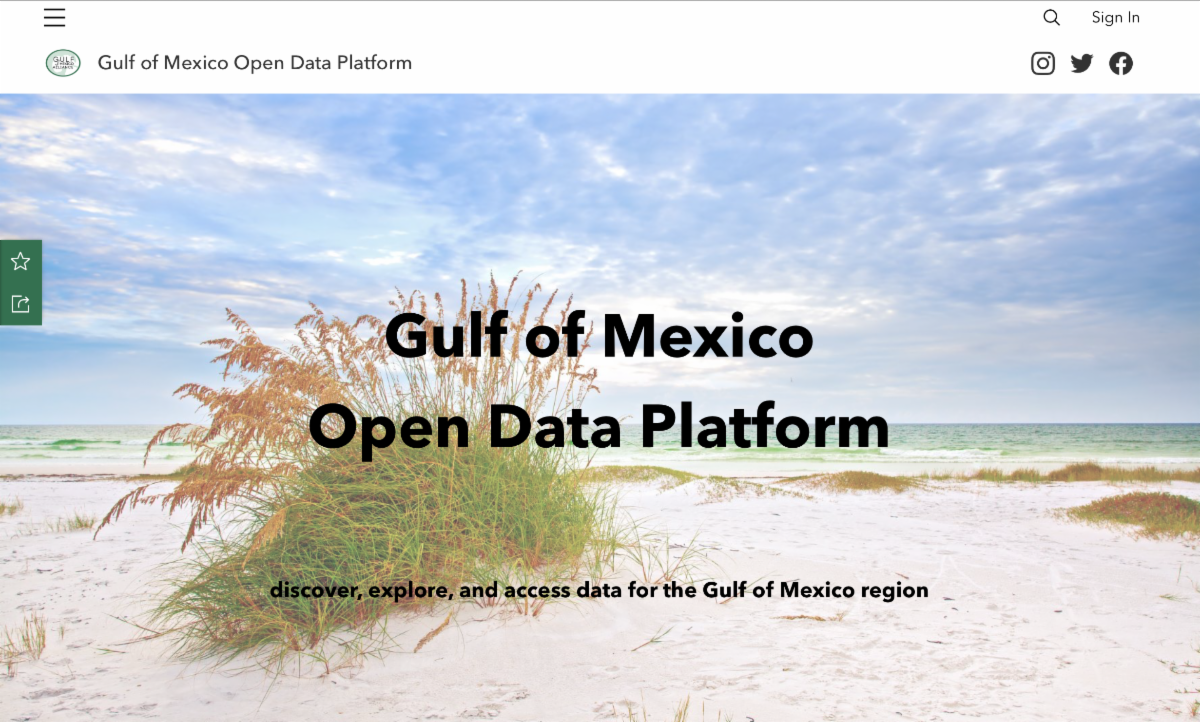
The Gulf of Mexico Alliance (GOMA) has developed the new Gulf of Mexico Open Data Platform to make it easier for users to discover, explore, and access data for the Gulf of Mexico region.
The GOMOD platform includes a comprehensive map of seagrass coverage for the entire Gulf of Mexico, curated theme maps for key coastal and ocean management topics of interest to Gulf stakeholders, a data explorer where users can choose their own datasets of interest, and access to a suite of regional data tools developed by GOMA.
GOMA is currently working to create a comprehensive map of oyster extent for the entire Gulf as well as theme maps for living shorelines, regional sediment management, aquaculture, and more.
|
|
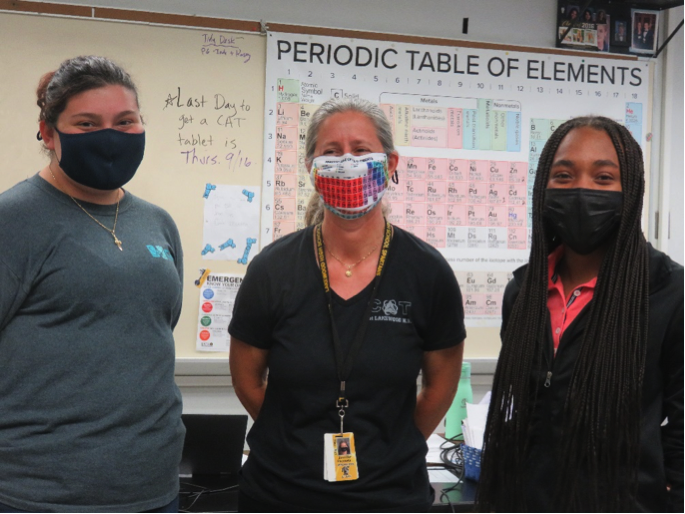
Lakewood High Schoolers Kasey Hovey (left) and Layla Frazier (right) recently worked with their teacher Jennifer Pacowta (center) to develop three lessons cross-referenced to Next Generation Sunshine State Standards using data from the GCOOS portal. The project was designed to increase interest and experience in STEM education careers and the teacher-student team represented Lakewood’s Center for Advanced Technologies in Florida.
They investigated the relationship between hurricanes and subsequent prolonged red tides using data from GCOOS nodes provided by the Sanibel Captiva Conservation Foundation, the University of South Florida Coastal Ocean Monitoring and Prediction System, and the Florida Fish and Wildlife Conservation Commission’s Fish and Wildlife Research Institute.
“Connecting what’s happening in the ocean when storms shake things up with how living things respond was an eye-opener,” Hovey said. “It made me realize how interconnected everything is!”
The project was made possible with a grant from Shell to GCOOS System Architect and Co-Data Manager Felimon Gayanilo, and Outreach and Education Manager Dr. Chris Simoniello, for the Stones MetOcean Observatory.
|
|
The Value of Our Estuaries |
|
What’s the health of your estuary worth? Restore America’s Estuaries has released a new report focused on the economic value of estuaries in the United States.
In particular, the report highlights the economic benefits that estuaries and coastal habitats provide by protecting communities from the impacts of flooding and climate change.
|
|
New Marine Biological Observing Network (MBON) Publications |
|
Interested in learning how the Marine Biodiversity Observation Network (MBON) is making data findable, accessible, interoperable and reusable… plus really cool to view?
A second publication — “Establishing the Foundation for the Global Observing System for Marine Life” — in Frontiers in Marine Science is focused on four key steps to help create a coordinated marine biodiversity observing system enabling ecological forecasting and better planning for a sustainable use of ocean resources.
|
|
Governors' Action Plan for the Gulf |
|
The Gulf of Mexico Alliance (GOMA) is a partnership of the five Gulf States with the goal to significantly increase regional collaboration to enhance the ecological and economic health of the Gulf of Mexico.
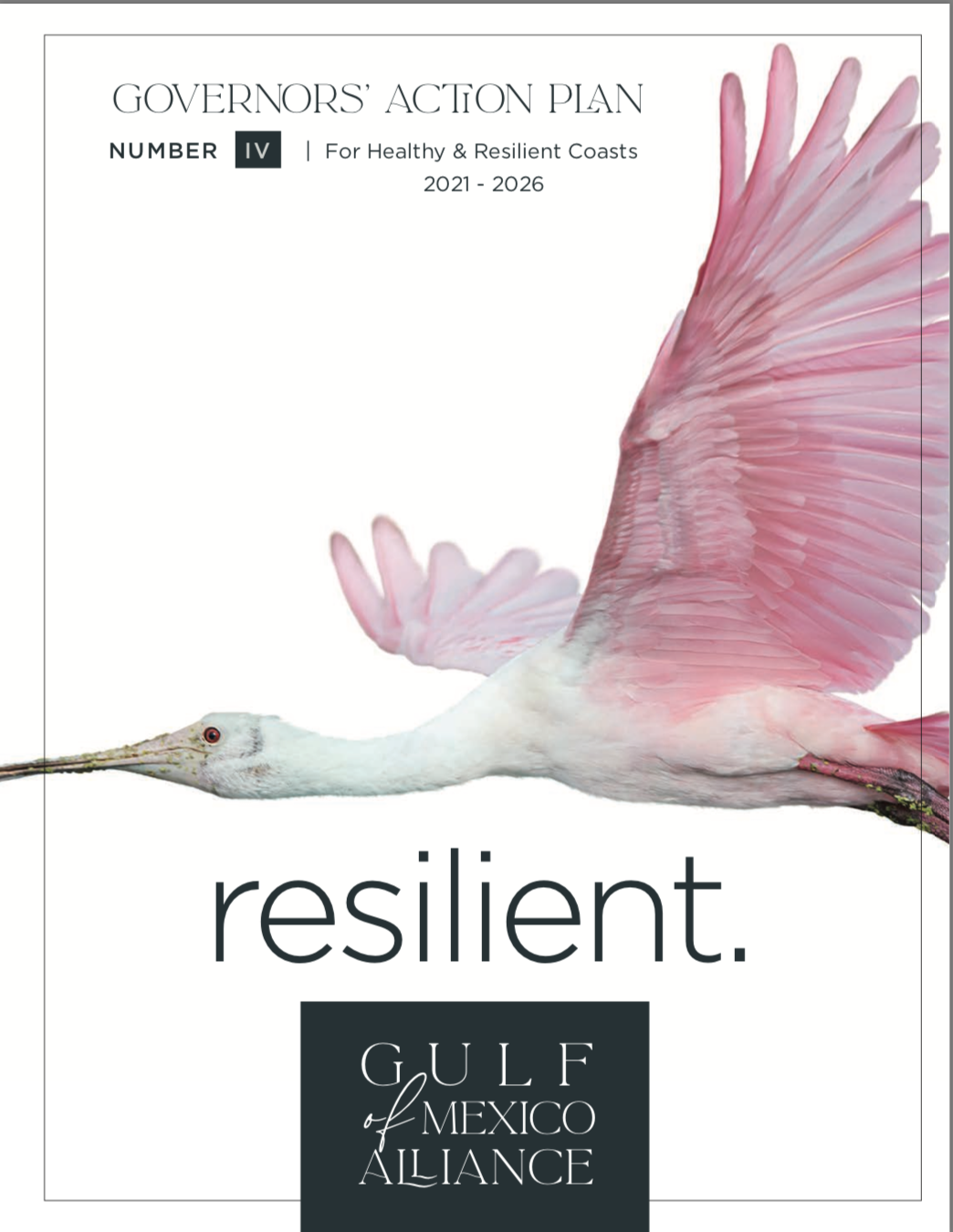
GOMA recently released the Governors’ Action Plan IV for Healthy and Resilient Coasts, signed by the governors of all five Gulf states: Alabama, Florida, Louisiana, Mississippi, and Texas. Every three to five years, GOMA evaluates the region’s priorities and publishes this collaborative work. This, the fourth plan, identifies priority issues, focus areas, and actions to enhance the environmental and economic health of the Gulf of Mexico. The Plan will guide activities within the Alliance's priority issues through 2026.
-
Read the full plan
-
Join the webinar: GOMA will be hosting a webinar about the plan at 9 a.m. CT/10 a.m. ET on Thursday, Dec. 2. Register now to participate.
|
|
GoMCon Abstract Deadline Extended |
|
The Gulf of Mexico Alliance has extended the abstract submission deadline for the 2022 Gulf of Mexico Conference. The deadline is now Nov. 30! The program committee invites submissions that promote the integration of science and management into decision-making in these conference themes:
- Resilience
- Living Resources
- Science, Management, Practice, and Policy
- Climate Impacts
- Water and Sediment Management
- Citizen Science, Education, Communication, and Extension
- Water Quality and Quantity
- Habitat Management and Restoration
- Emerging Issues
GoMCon is scheduled for April 25-28, 2022 in Baton Rouge, Louisiana. It combines the annual Gulf of Mexico Alliance All Hands Meeting, the annual Gulf of Mexico Oil Spill and Ecosystem Science Conference, and the tri-annual State of the Gulf Summit. Emphasizing the intersection of science and management across the Gulf Coast region, GoMCon will include sessions on themes that are important to ecosystem and community resilience as well as restoration and natural resource management. GCOOS is a conference sponsor.
|
|
The Gulf of Mexico Research Initiative and SeaGrant in the Gulf of Mexico have released two new papers looking at the impacts of the Deepwater Horizon oil spill.
Mental Health Impacts: The impacts of Deepwater Horizon on stress, anxiety, and resilience of people and communities varied based on what kind of job a person had, how financially secure they were, how attached they were to the place they lived, and how many disasters they had lived through prior to the spill.
Oil on the Beach: Where oil lands on the beach can impact how long it stays in the environment. Oil buried in sand can persist longer than oil that remains on the surface and is exposed to the elements.
-
Learn what happened to oil that reached Gulf of Mexico beaches in the aftermath of the Deepwater Horizon oil spill here.
SeaGrant in the Gulf of Mexico is also hosting an upcoming webinar on how the oil spill impacted marine mammals in the Gulf. Seminar speakers will review overall Deepwater Horizon impacts on marine mammals with a special focus on dolphins, give updates on what scientists now know about marine mammal toxicology, and provide recovery strategies moving forward.
|
|
In 2010, the explosion of the Deepwater Horizon resulted in the largest man-made disaster in U.S. history. Today, each Gulf state administers restoration funds and programs. Additionally, other agencies and organizations are also tasked with administering programs designed to restore Gulf habitats and better understand Gulf ecosystems.
|
|
IOOS Association Caraid Nominations Now Open |
|
The IOOS Association has opened nominations for the Caraid Award, which was created in 2020 to recognize those who have made outstanding contributions to observing and understanding our oceans, coasts and Great Lakes through vision, leadership, friendship and collaboration. Candidates can be an individual, a group, or an organization that has contributed to observing and understanding the oceans, coasts, and/or Great Lakes through collaboration, innovation, and/or a commitment to working with stakeholders.
|
|
GCOOS maintains a jobs listing for positions and fellowships in the ocean observing community. Want to advertise a position? Email Laura Caldwell
|
-
Harte Research Institute: Endowed Chair in Socio-Economics
-
Florida State University, Department of Earth, Ocean and Atmospheric Science: Assistant Professor
-
National Oceanographic and Atmospheric Administration Underwater Glider User Group: Program Specialist – Uncrewed Marine Systems
-
Florida State University, Department of Earth, Ocean and Atmospheric Science: Assistant Professor (5 positions)
-
Dalhousie University: Scientific Director of the Ocean Tracking Network and Professor of Biology
-
University of South Florida Water Institute: Web Developer
-
Mississippi State University, Gulf Research Institute: Research Engineer
-
University of Southern Mississippi: Associate Marine Instrumentation Specialist
-
Auburn University School of Fisheries, Aquaculture and Aquatic Sciences: Research Assistant
-
Mote Marine Laboratory: Communications Specialist
-
Science Systems and Applications, Inc. - Biogeochemistry Research Assistant
-
GOOS Biology: Data Manager
Postdoctoral Positions:
-
NOAA: National Centers for Coastal Ocean Sciences, NRC Research Programs
-
NRC: Research Associateship Programs Postdoctoral and Senior Research Awards
Fellowships:
-
The Integrated Ocean Observing System Association: Diversity, Equity, Inclusion, and Accessibility Fellowship
-
NASEM: Early Career Fellowships
-
Margaret A. Davidson: Graduate Fellowship
|
|
GCOOS maintains a listing of funding opportunities. Have an opportunity you'd like to advertise? Email Laura Caldwell
|
|
- NASEM: Gulf Research Program’s Early-Career Research Fellowship
- NOAA Technology Partnership Office
- NOAA: Ocean and Coastal Mapping and Request for Partnership Proposals
- NOAA Ocean Exploration Fiscal Year 2022
- NOAA National Ocean Service – FY2022 Marine Debris Prevention
- NOAA: National Ocean Services - Understanding the combined impacts of multiple stressors on the function and health of marine ecosystems within the context of climate change
-
NOAA: Integrated Research on Coastal and Ocean Acidification and Harmful Algal Blooms
- Gulf of Mexico Alliance
- FY 2022-2023 Margaret A. Davidson Fellowship Request for Proposal
- Restore Science Program
|
|
25-28: Gulf of Mexico Conference. Baton Rouge, Louisiana. Details
|
|
GCOOS is the Gulf of Mexico regional component of the U.S. Integrated Ocean Observing System (IOOS) and the only certified system dedicated solely to the Gulf of Mexico. Our mission is to provide timely, reliable, accurate and on-demand information on the open ocean and coastal ocean waters of the Gulf of Mexico to ensure a healthy, clean, productive ocean and resilient coastal zone. |
|
Dr. Jorge Brenner, Executive Director • Dr. Barbara Kirkpatrick, Senior Advisor • Bill Lingsch, U.S. Glider User Group Coordinator • Dr. Kerri Whilden, Oceanographer • Dr. Chris Simoniello, Outreach & Education Coordinator • Dr. Chuan-Yuan Hsu, Associate Research Scientist • Felimon Gayanilo, Systems Architect, Co-Data Manager • Bob Currier, Research Specialist, Product Developer, Co-Data Manager • Marion Stoessel, Senior Research Associate • Jennifer Vreeland-Dawson, Research Associate • Grant Craig, Program Coordinator • Stephanie Watson, CETACEAN Coordinator • Laura Caldwell, Program Assistant • Nadine Slimak, Public Relations & Content Marketing, Vetted Communications, LLC
|
|
In Memoriam: Matt Howard, 1952-2018
|
|
|
|
|
|
|