Dear Readers,


As we stand on the cusp of the post-election era, the impending changes in the legal landscape beckon our attention. On the shapeshifting horizon loom mirages that may be deceiving our very eyes… Such as renters rights and tax rebates for ALL!


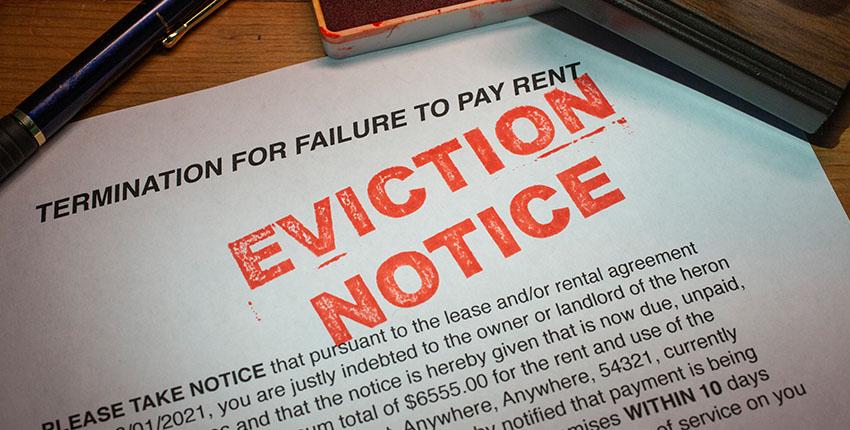
Section 21 evictions and leasehold protections are two of such mirages. Pre-4th of July, there were two separate pieces of significant legislation that were chugging along to provide much needed refreshment for leaseholders and private renters alike. Alas! Only one got through… just in the nick of time! The other? Stopped dead in its tracks before it could reach the surface.


To find out more about this dramatic turn of events, read on…


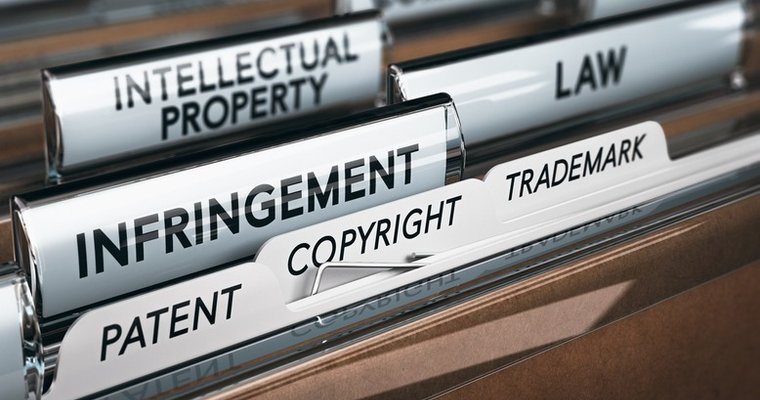
Moving on… In our last instalment, we covered two of the three pillars of Intellectual Property protection: Patents and Trademarks.


In this article, we will focus on the third pillar: the mysterious and ubiquitous concept of Copyright. This article, my budding Thespians and future Van Goghs, you will definitely want to read!


Enjoy,


Joy Akah-Douglas | Principal & Solicitor - Advocate

About the author

The End of Section 21? Exploring the Alternatives for Landlord-Tenant Evictions

(5-minute read)


In a significant shift for rental housing in the UK, the previous government's proposition to abolish Section 21 eviction notices marked a pivotal moment in the landlord-tenant relationship. Originally introduced under the Housing Act 1988, Section 21 allowed landlords to evict tenants without providing a reason, contributing to widespread concerns about housing insecurity and tenant rights.


The proposed abolishment of Section 21 no-fault evictions was originally part of the Conservative Party's manifesto in 2019. The government had planned to abolish this section through the Renters (Reform) Bill which did not meet the watershed before the 4th of July 2024 elections. However, post-4th of July 2024, it is left to be seen if the new Labour government will follow through on the promises of this legislation’s Benefactor. As the Bill was not passed before Parliament was dissolved for the General Election, it will need to go through the same process all over again before it can become the law.


On the other hand, the Leasehold and Freehold Reform Act 2024 made it through in the nick of time before Parliament was dissolved for the General Election. However, property leaders have heavily criticised the new Act which they say was rushed through and, in fact, makes leasehold law “more uncertain not less.”

Read more
About the author
About the author
 

Understanding Copyrights: The Things you Need to Know

(5-minute read)


In our last article, we covered two of the three pillars of Intellectual Property protection: Patents and Trademarks. In this article, we will focus on the third pillar: the mysterious and ubiquitous concept of Copyright. In this digital age, where ideas and information are so readily available and easily reproduced, it is essential to ensure that your intellectual property is protected.


Below, we discuss what copyrights are, what they protect, when they are most and least useful, and when to apply to register your copyright. 

Read more
About the author
About the author
TRIVIA QUESTION: When does someone get Copyright protection?
When the author gets paid
As soon as the work is created
When it is published with a © symbol
When it is registered for copyright
Instagram
TRIVIA QUESTION: Something must have the © symbol to be Copyrighted.
True, how else would you know if it was in the public domain or not?
False, a work belongs to a creator whether or not it has this symbol
TRIVIA ANSWER 1:  In our May 2024 Newsletter, we asked you what you think the purpose of Trademarks are? The answers are now in; and a whopping 60% of you were correct! Whilst trademarks serve multiple purposes, the main purpose is to protect design elements that identify the source or owner of a product or service. 
TRIVIA ANSWER 2: In our May 2024 Newsletter, we asked you which you think gives the strongest IP protection between Trademarks, Copyright, and Patents? The answers are now in; and 50% of you were correct! Although each form of IP protection has its strengths, patents are generally considered to be the strongest.

This newsletter contains general legal information and not specific legal advice. If you or your organisation require specialised legal advice, please do not hesitate to contact a member of our client support team for your fixed fee strategy and advice session.

Hillary Cooper Law | Visit Our Website
Facebook  Twitter  Instagram  Linkedin  Youtube