Lessons from a Challenging Season
So that those hard-learned lessons during this difficult growing season aren’t forgotten, now is the time to take notes on what went well and what didn’t work. It’s tempting to think we’ll remember all the details of the past season but by spring it’s likely to be forgotten or brushed aside. We’d like to share some of the lessons we took away from this season. But we would also love to hear what you learned in 2026.
Saved seeds:
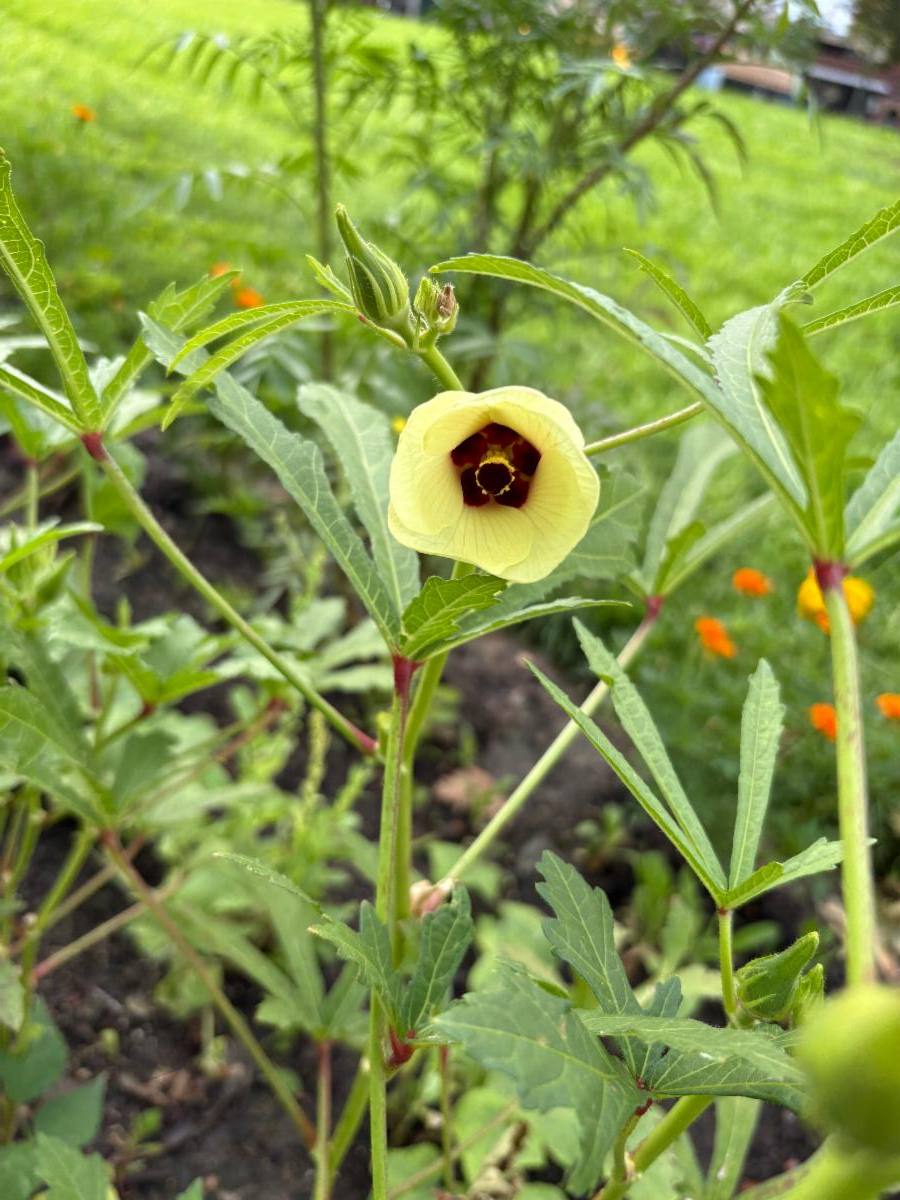
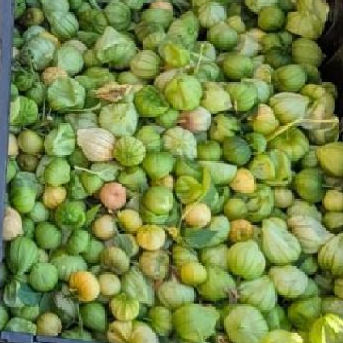
Our co-director, Linda, saved okra seeds from 2025. The plants grown from those seeds did very well. The same is true of the volunteer tomatillo plants that came up in our South High garden. They seldom were watered but they produced several pounds of tomatillos. Seeds carry adaptations learned from previous seasons. As our climate gets drier and hotter those adaptations can mean the difference between a successful harvest or a paltry picking.
Drought tolerant crops:
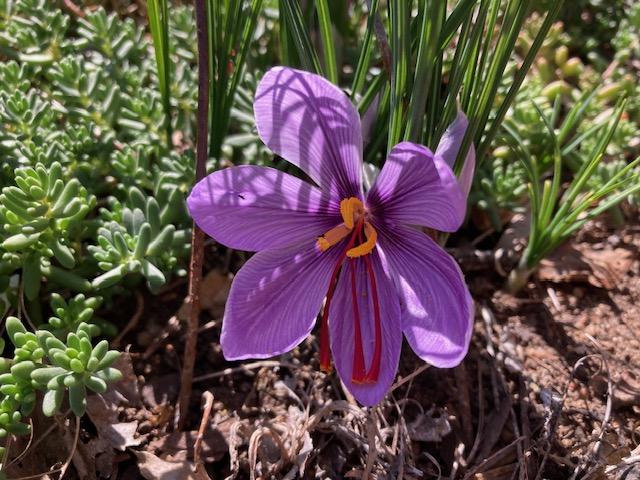
For 2027 we plan on focusing on varieties that do better in our challenging conditions. As mentioned above, tomatillos excel as do many varieties of peppers. Purslane (not just a weed but a very nutritious green) is very resilient. Saffron is a fun crop that was made for our dry climate. What varieties do you recommend?
Mulching:
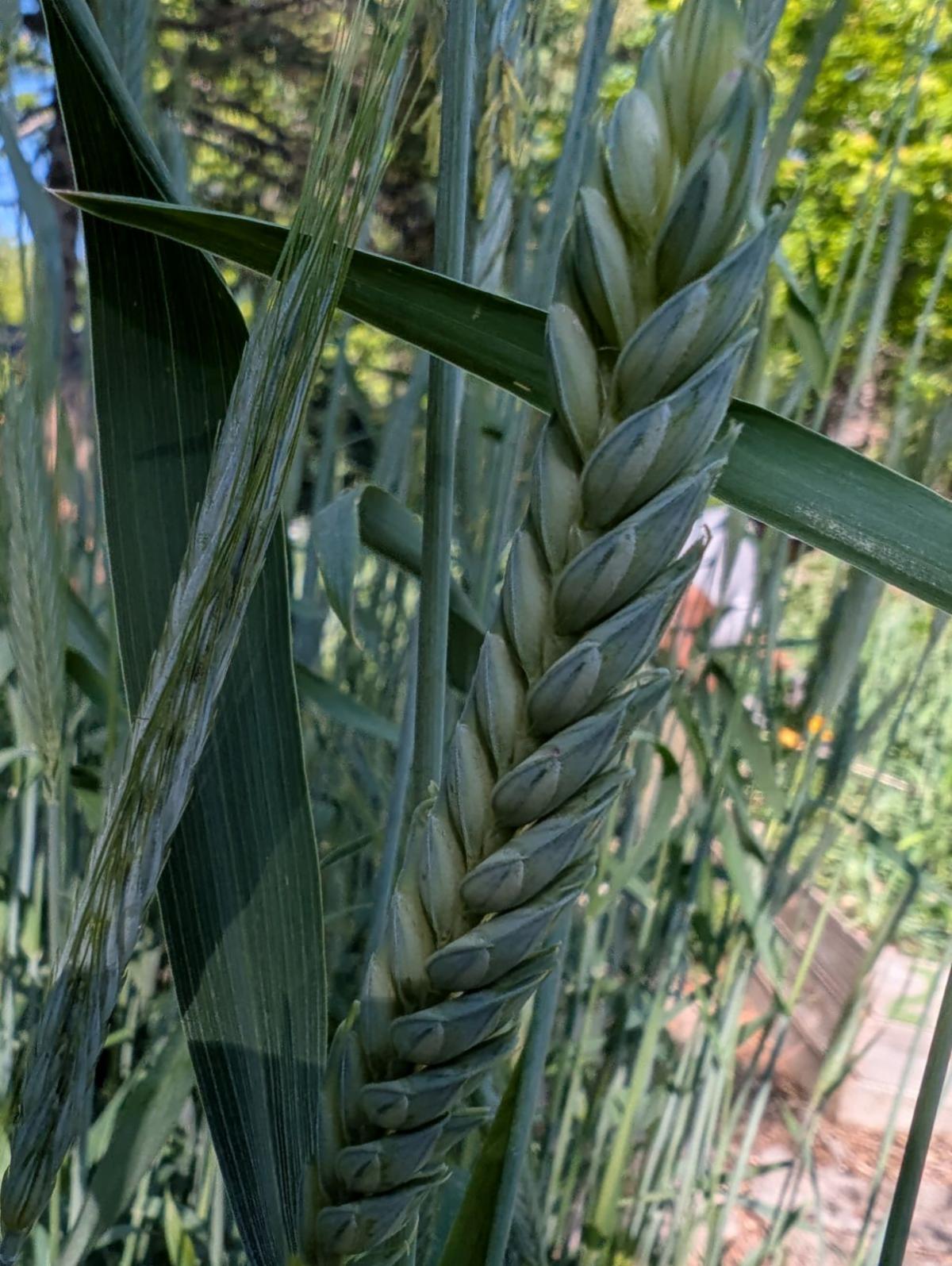
Cover crops planted now, especially winter rye, will provide mulch for those new seedlings next spring. We saved a lot of money on straw by growing our own mulch material. Just before planting we cut the cover crop plants back and use that vegetation around the base of each seedling. This not only keeps moisture in but it also keeps weeds out.
Amendments:
Compost! Nearly all of our sites have compost piles that break down the vegetation from that garden. We also add mushroom substrate, leaves, coffee grounds and regular watering. A bonus to the compost pile is making compost tea. This soil supplement provides microbes and nutrients which in turn provide plants with a monthly boost.
Please share with us the lessons you have taken away from this season. By sharing our successes and failures we can prevent repeating mistakes while implementing new ideas.
|