Connecting

Nov. 12, 2026


Click here for the sound of the Teletype

Top AP News

Top AP Photos

AP Merchandise

AP Emergency Relief Fund

AP Newsletters

AP Donations

AP News Tips

Colleagues,


Good Thursday morning on this Nov. 12, 2026,


It's a decision that many of us Baby Boomers put off until tomorrow, and tomorrow, and tomorrow...


Major next-step life decisions faced by our generation - the first of whom have been entering our 80s this year – involve two major options - aging in place in our own homes as long as we can or choosing to move to a retirement facility.


And not doing so in a crisis situation.

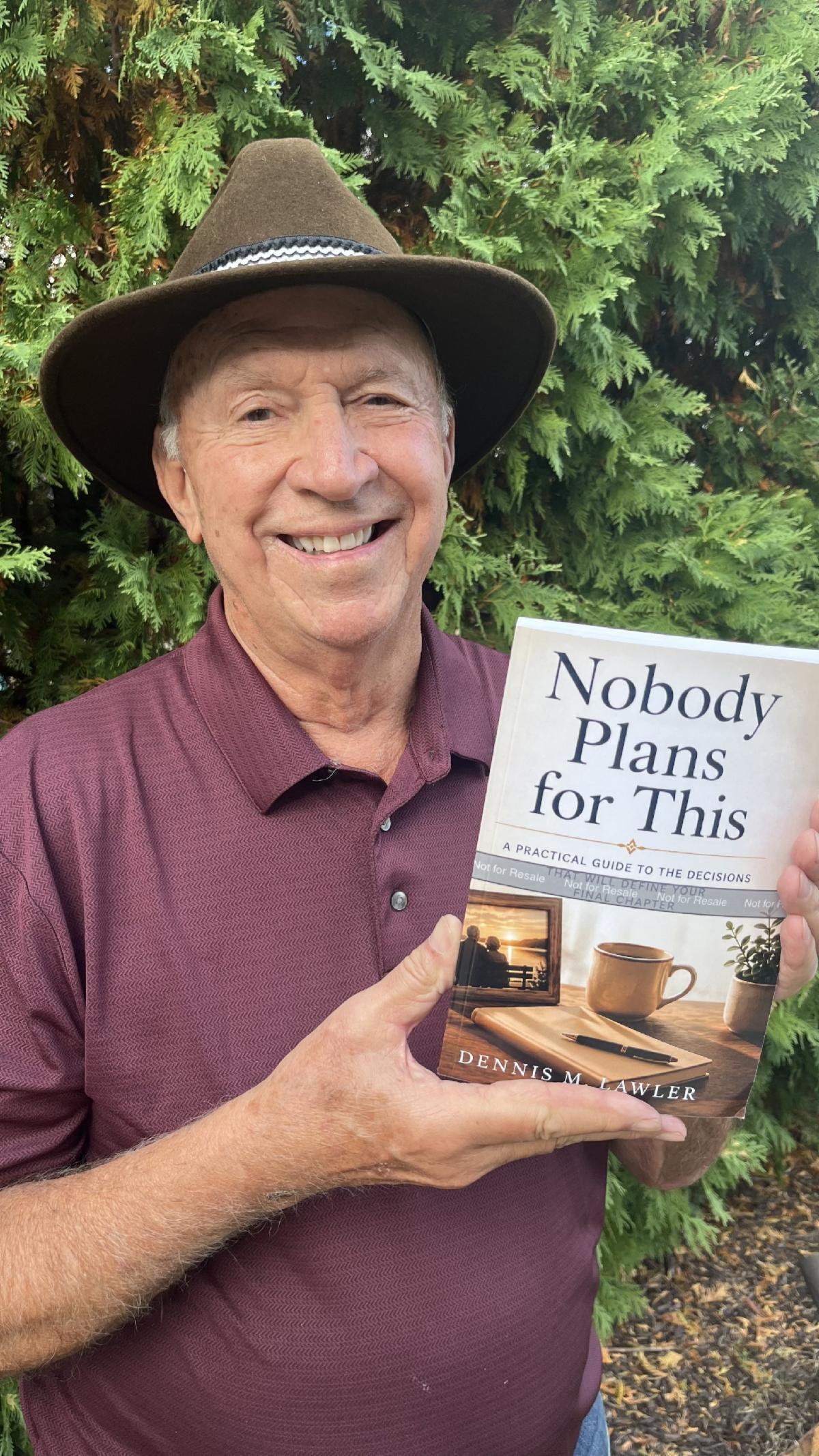
My recent Spotlight column for my hometown newspaper, The Messenger of Fort Dodge, Iowa, tells how Connecting colleague Dennis Lawler approaches the topic in his new book "Nobody Plans for This" and offers his own experiences and extensive research to help fellow seniors in what is among the most major decisions they will make.


“It analyzes a real problem,” Lawler, 81, said, “first starting with the Baby Boomers and continuing forward. Earlier generations usually measured the span between retirement and death in years. Our generation is measuring it in decades. That's not because we're retiring earlier. It's because we're living longer, much longer, than our parents and grandparents did. That's usually regarded as good news, but when you factor in the rising cost of Elder Care, lack of availability of familial care, and the realization that Medicare hardly covers any of those services, a stroke, a broken hip, or an Alzheimer's diagnosis can quickly become a family crisis and a financial catastrophe that comes out of left field without warning or preparation.”


“Longevity has been a blessing or a curse. Hope for the best, and plan for the worst.”


Click here to read the column. (And drop me a note if you cannot access.)  And click here for Amazon site for the book, available in Kindle and paperback formats.


Today’s issue leads with more from Connecting veterans who share what their military experience meant to their lives.


And we also bring news of the latest gathering for AP recurring donors to be held next Wednesday for a behind the scenes of AP's congressional coverage, what it's like to report from inside the House of Representatives and the Senate, and what the 2026 midterms results mean for the balance of power in Congress and the White House.


Have a great day – be safe, stay healthy, live it to your fullest.


Paul


Connecting veterans and what their service meant to their lives


Harry Atkins - U.S. Air Force, 1959-63 - After my discharge, while finishing college on the GI Bill, I jumped at an offer to be a part-time sports writer for a weekly newspaper near my hometown, Port Huron, Mich. That job changed everything. I soon learned I no longer wanted to be a coach. I wanted to be a reporter, to write. Within a year or so I landed a job at a small daily in the Detroit suburbs, then accepted an offer from COB Clem Brossier to join the AP. The rest is history. I spent the next 29 years in Detroit before retiring in 1990. I wrote regular news, including the sinking of the Edmund Fitzgerald, then became an AP sports writer for the final 21 years. I feel my years in the Air Force gave me the discipline to handle the many trials of deadline news.


-0-


Jim Carlson – U.S. Army, 1968-70 - Once I was on infantry duty, while serving in Vietnam, I managed to get a job serving as a stringer doing stories and photos for Army publications and hometown news outlets. That experience helped me greatly as I later got a newspaper job and then joined the AP. But it took months of unwinding before I was ready for any job search. More than a year later, I met my future wife, Ellen, who helped me deal with lingering effects of the service, such as occasional anxiety attacks that soon stopped happening. As someone who experienced campus protests against the war but also felt obligated to go when called, I still have mixed feelings about my service, and I'm concerned and ready to speak out whenever the U.S. seems headed for another questionable, potentially tragic military action.


-0-


Dave Lubeski – U.S. Army, 1967-1969 - In the fall of 1966. I was 20 years old, taking a semester off from college after missing classes while recovering from surgery for an infected abdominal cyst. I got a job as an all-night disc jockey in Orange, Texas, and planned to go back to school in January. In December, I got my draft notice and was headed for Fort Polk in January. After basic training, I completed medic training at Ft. Sam Houston and served in the Infantry in Germany. In those two years, I learned discipline, patience, and leadership. I'm glad I served. It has served me well.


-0-


Bill Morrissey - U.S. Army, 1959-1962 - From youthful naivety to realization. During the 20th Century open warfare among human beings could resume any day; peace is mystical.


-0-


Bob Reid – U.S. Army, 1970-1973 – The Army taught me more about leadership than anything else in my life. I got to do things I would never have done otherwise: three years living in Europe, airborne school, tank commander training and German Army Mountain Warfare School.


I couldn’t serve…


Dan Juric - I never served in the military. NJROTC was one of the classes I selected when I started high school in 1974. I knew that after three years of passing ROTC, I could enter the Navy as an officer being paid $300 more than enlisted person. My plan was to start with the Navy and see what happened after that. I could have been a lifer, maybe. LtCmdr Tilton looked at my file and noticed that I was deaf in my right ear. He told me the Navy would not let me serve. He told me none of the other services would let me serve either.


Plan B:


I went to school for electronics in 1981. I took the five semester course. One of the graduates of the three semester, quicker course, had come back to mention his new job working with lasers (LaserPhoto) at the Associated Press. I kept that in the back of my head.


When I graduated in 1982, I believe AP was probably my sixth interview for a job. It took a month; but Jack Pace called me and said I was hired. 40 years and a week later I’m retired now for a few years.


RSVP now: Inside the halls of Congress


Recurring AP donors received the following Wednesday:


Our next exclusive conversation for our most loyal supporters is just a week away. Register to join us next Wednesday to go behind the scenes of AP's congressional coverage, what it's like to report from inside the House of Representatives and the Senate and what the 2026 midterms results mean for the balance of power in Congress and the White House.


AP Is There: Inside the Halls of Congress

When: Wednesday, November 18, at 1 PM ET

Who: Recurring donors only

Speakers:


Lisa Mascaro, Chief congressional correspondent

Sagar Meghani, AP Broadcast Washington correspondent

Meg Kinnard, National politics reporter

Ron Vample, Executive producer, digital audio and radio


In this program for Editors Circle members like you, AP politics news leaders Lisa Mascaro, Sagar Meghani and Meg Kinnard will share what it takes to cover the U.S. House of Representatives and the Senate and the impact of the 2026 midterms on our political landscape.


Together, they'll discuss:


What it's like to report from inside the House and the Senate


What the results of the 2026 midterms mean for the balance of power in Congress and the White House


Congressional leadership elections and the agenda ahead as the 120th U.S. Congress prepares to begin its term in 2027


Have a question? We’d love for you to submit it in advance for the chance to have it answered live.


The AP Donations Team


On a visit to Columbus

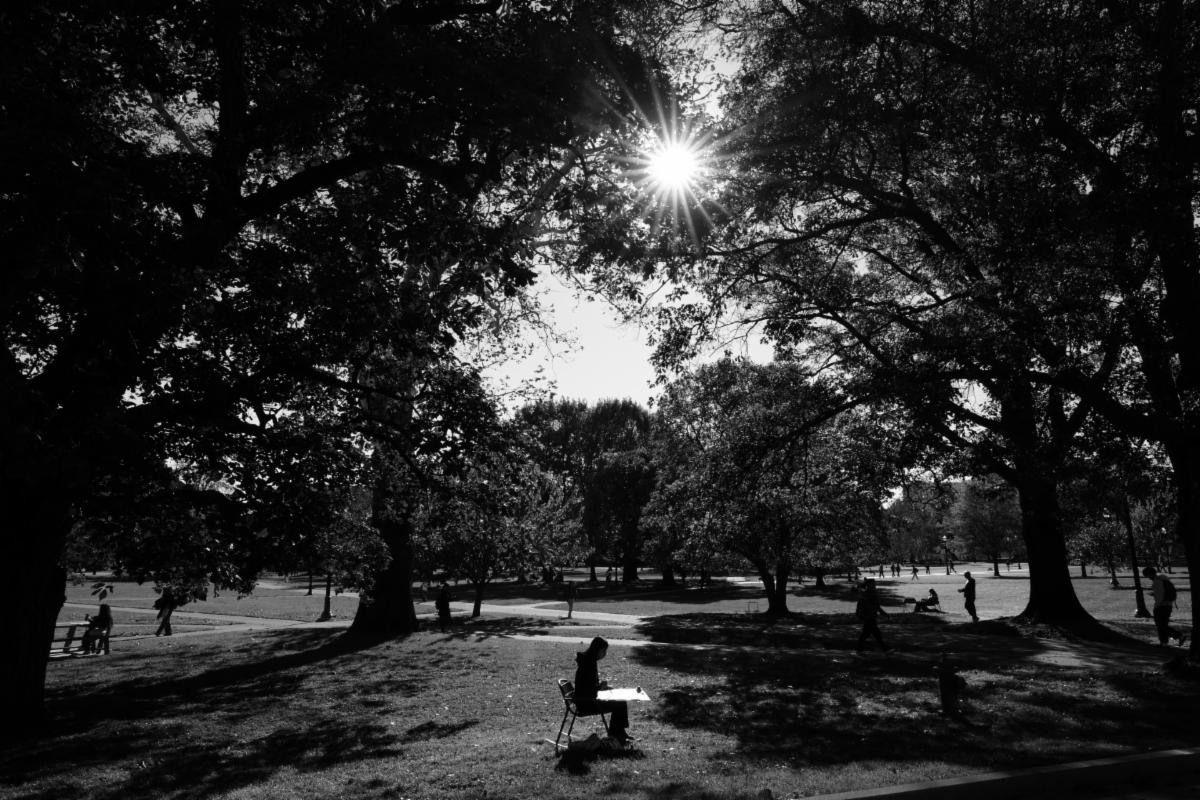
Charles Arbogast - On Monday, Nov. 9, I traveled up to Columbus to meet with photographers at Ohio State's student newspaper The Lantern. I headed up early to walk around the Capitol and campus to shoot a few Noir photos and found this very soothing image of an art student on the campus Oval drawing/painting in the late afternoon sun. It was a pleasure seeing the complete staff still having a hunger for the news.


Shots from Arizona, Utah journey

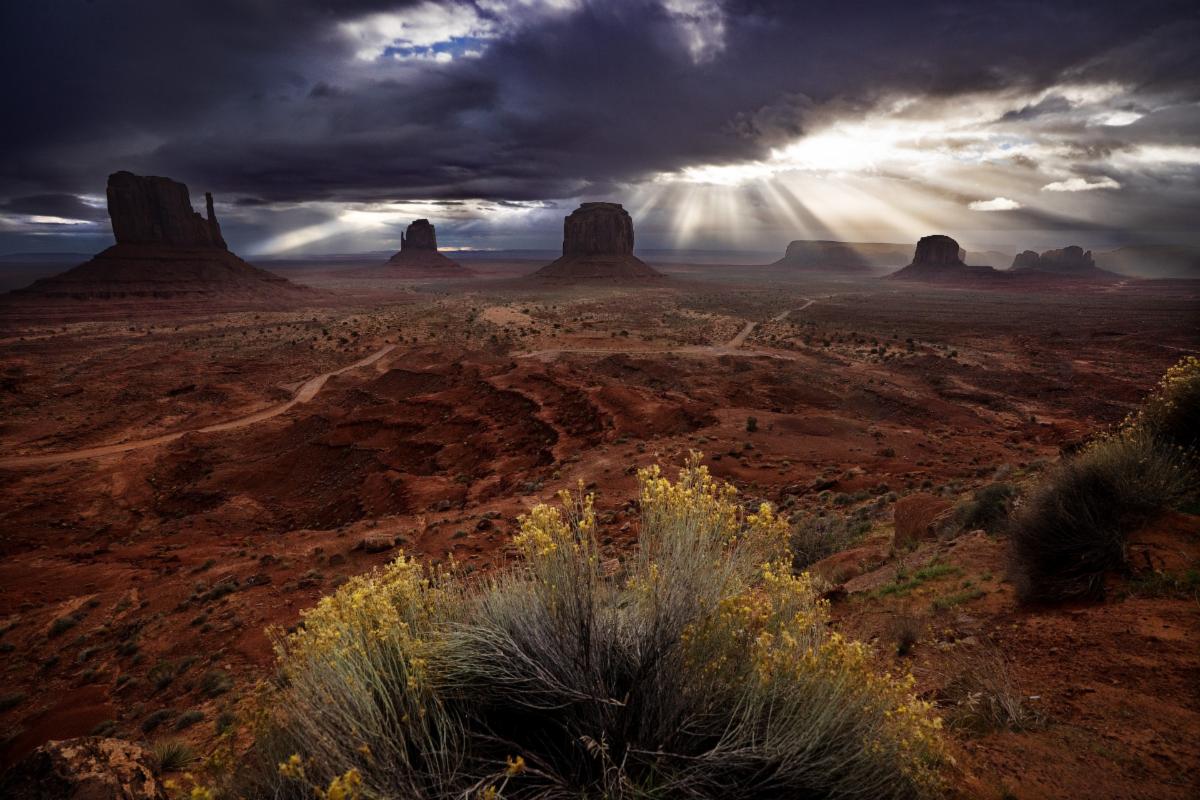
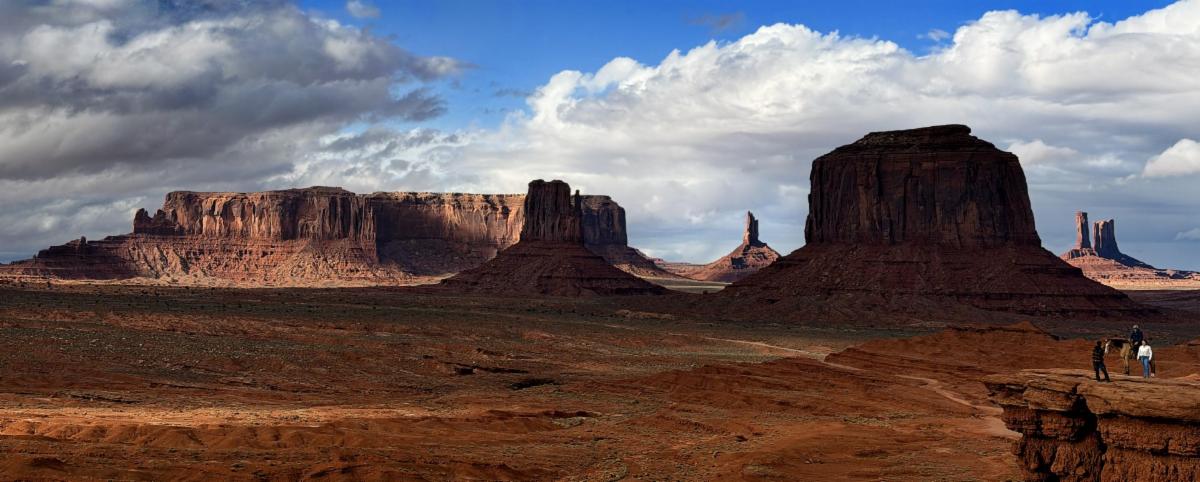
Keith Myers - Here are three pictures from a recent vacation trip to Arizona and Utah. No one told me it rains almost every day in Arizona! It’s no doubt apparent but they were taken at the Grand Canyon and Monument Valley.


I also have a couple of stories that may prompt memories from other members. These are titled “Just the Truth.”


When my son, Cole, was about 5 (34 now), he was playing nearby when I noticed a column of carpenter ants crossing our sidewalk and going into the garage wall. Although I knew it wouldn’t stop the onslaught, I discreetly began stepping on several of the ants. Evidently not discreet enough because Cole shouted, “Dad, you stepped on that ant!” Trying to mitigate my misdeed I said, “Oh, I sorry.” That’s when my son looked up at me and said, “Sorry doesn’t work when you’re dead.”


Recently I was setting up a new burn barrel at my in-laws' farmhouse with the help of my wife’s great-nephew, Duke, who is 5. He tagged along as I took their golf cart and went searching for blocks to keep the barrel off the ground. When we found bricks behind their machine shed, I explained that we needed three because the barrel would sit evenly on three. Like a tripod I told him. As we drove back to set up the barrel Duke blurted out, “If you had two, you’d be screwed,” A couple of seconds later he added, "If you had one you’d be really screwed."


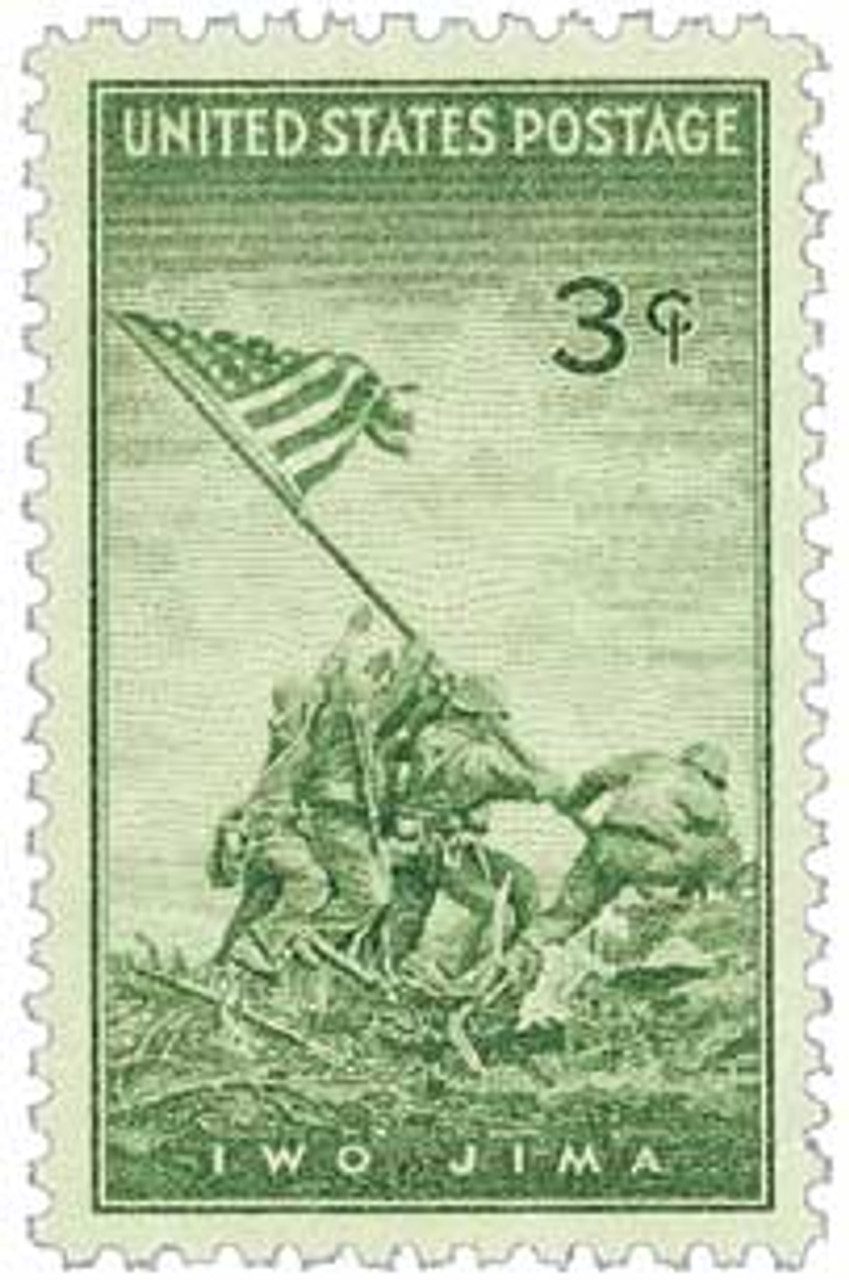
Anniversary of opening of Iwo Jima Memorial, based on AP image


November 10, 1954


Mystic Stamp Learning Center


On November 10, 1954, President Dwight D. Eisenhower presided over the dedication and official opening of the United States Marine Corps War Memorial, also known as the Iwo Jima Memorial.

The history of the memorial is very closely aligned with the famous image that stands as its centerpiece, the flag-raising at Iwo Jima. That iconic flag-raising occurred on February 23, 1945.


The battle of Iwo Jima had begun days earlier on February 19, with an amphibious assault on Iwo Jima. The US troops fought their way to Mount Suribachi and captured it on February 23. Earlier in the day, the troops raised a small flag on the mountain’s peak, but an officer wanted them to raise a larger flag. So a small group of Marines climbed to the top of the mountain and raised the much larger flag. Associated Press photographer Joe Rosenthal was with the Marines and took the now-famous picture.


Read more here. Shared by Cliff Schiappa.

Connecting wishes Happy Birthday

Roy Bolch   


Lynne Harris    


Lee Mitgang    


Clay Wirestone  

Stories of interest


Appeals court limits order for LinkedIn to disclose journalists’ communications in leak probe


By MICHAEL KUNZELMAN

The Associated Press


WASHINGTON (AP) — A judge must narrow an order requiring LinkedIn to divulge journalists’ communications on the social media platform to the Trump administration as part of a leak investigation, a federal appeals court ruled Tuesday in a case with profound free-speech implications.


A three-judge panel from the 4th U.S. Circuit Court of Appeals said the government isn’t entitled to a “blanket” order for LinkedIn to disclose a broad array of user records belonging to the journalists, whose employer isn’t identified in court records.


“A request by the government to scoop up reporters’ records wholesale and ascertain the identity of their sources would tip the balance against informed discourse in a manner inimical to democratic health,” Judge J. Harvie Wilkinson III wrote in the court’s unanimous opinion.


But the panel also rejected LinkedIn’s request to entirely quash the district court’s “substantially overbroad” disclosure order. The panel recognized that the journalists’ First Amendment rights must be balanced against the administration’s duty to protect national security information.


“Serious security and speech claims are in tension in this case. There is space under law for both,” wrote Wilkinson, who was nominated to the court by Ronald Reagan, a Republican.


The panel also included Judge James Andrew Wynn, who was nominated by Democratic President Barack Obama, and Judge Nicole G. Berner, who was nominated by Democratic President Joe Biden.


Read more here.


-0-


Judge Allows Trump’s Defamation Suit Against BBC to Proceed


By Karla Adam

The New York Times


A federal judge in Florida on Tuesday allowed President Trump’s defamation lawsuit against the BBC to proceed, rejecting the British broadcaster’s bid to dismiss it.


Mr. Trump sued the BBC over its documentary “Trump: A Second Chance?” which aired a week before the 2024 presidential election. The program spliced together two portions of remarks that Mr. Trump delivered roughly 55 minutes apart on Jan. 6, 2021, giving the impression that he was encouraging his supporters to storm the U.S. Capitol.


Mr. Trump’s legal team has accused the BBC of “intentionally, maliciously and deceptively doctoring his speech” in an effort to interfere with the election, and is seeking $10 billion in damages.


The BBC has apologized, acknowledging that its editing gave “the mistaken impression that Trump made a direct call for violent action,” a controversy that prompted the resignations of its director general, Tim Davie, and news chief, Deborah Turness. But it says it was not evidence of a fundamental bias in the BBC’s news reporting and did not constitute defamation.


Read more here.


-0-


In Mexico, journalists face threats from their attackers and the system meant to protect them


By Fenanda Pesce

The Associated Press


As Mexico grows more dangerous for journalists, Alberto Jordán and Jonathan Cuevas continue reporting under death threats, while Priscila Pacheco fights for justice a decade after her father, journalist Francisco Pacheco, was murdered.


Watch video here. Shared by Doug Pizac.


-0-


Nigerian court orders journalist kept in custody over report, renewing concerns over media freedom


By Dyepkazah Shibayan

The Associated Press


ABUJA, Nigeria (AP) — A decision by a court in Nigeria to keep an investigative journalist in custody has sparked widespread outrage, renewing concerns about media freedom in the country.


Daniel Ojukwu, with the Foundation for Investigative Journalism, or FIJ, a local investigative media house, was jailed on a 12-count charge for allegedly violating the country’s cybercrime act, pending a bail hearing. The court’s decision was issued on Tuesday.


The law has long been seen as a tool to censor journalists in Nigeria, where journalists are exposed to political persecution over reports.


At least 29 journalists have faced prosecution under Nigeria’s cybercrimes law since it was enacted in 2015, the Committee to Protect Journalists said in a report in October 2024.


Read more here. Shared by Doug Pizac.


-0-


Brazil fines Facebook $1.3 million for failing to comply with court orders during election


By Elenore Hughes

The Associated Press


RIO DE JANEIRO (AP) — Brazil’s top electoral court fined Meta’s Facebook $1.3 million for failing to fully comply with judicial orders during last month’s presidential election runoff campaign when the company was accused of political bias by President Luiz Inácio Lula da Silva ’s team.


Justices ruled late Tuesday that Facebook had failed to adequately meet court demands related to allegations that its platform treated content from Lula and challenger Flávio Bolsonaro differently but said there was no evidence so far that the company attempted to influence the election’s outcome.


“Such a conclusion would require compelling evidence of intent, to be presented in full proceedings through the appropriate legal channels,” Justice Marco Aurélio Bellizze said in his decision that was unanimously accepted by his colleagues.


Ahead of the runoff vote, Lula’s campaign filed a lawsuit claiming that the company owning Instagram, Facebook and WhatsApp was using biased algorithms and AI restrictions to favor Bolsonaro.


Read more here. Shared by Doug Pizac.


-0-


What 33 journalists learned about leading AI adoption


By Lisa Geiger

Poynter


Some tech-savvy journalists are finding themselves in a new role: introducing AI into their newsrooms and persuading colleagues to get on board. It’s a big responsibility, especially when the technology seems to change every week, and they’re often expected to figure it out without much support.


For journalists in small and medium-sized newsrooms, that can be a lonely job. Poynter is working to change that by giving these emerging AI leaders practical training, expert guidance and a community of peers who understand their challenges.


On Oct. 26–27, 33 journalists from across the U.S. gathered at the ASU California Center in Los Angeles to kick off Leading AI in the Newsroom with Poynter faculty members Alex Mahadevan, Sitara Nieves, Tony Elkins and Kelly McBride. Over two days, they explored responsible AI adoption, strategies for managing change and ways to bring their colleagues along.


Read more here. Shared by Doug Pizac.


-0-


A Sale Brings New-Media Tastemakers Into the Hollywood Fold


By Allie Holtermann

The New York Times


Podcasters, newsletter writers and content creators are building mouthwatering audiences in today’s entertainment ecosystem — and Hollywood is taking note.


The talent management company Entertainment 360 announced today that it would acquire Brigade, a firm representing some of the most influential new-media tastemakers. The deal will bring Brigade clients including the Substack writers Leandra Medine Cohen and Emily Sundberg under the same umbrella as Hollywood superstars like Margot Robbie and Julianne Moore.


Max Stein, who founded Brigade in 2015, will join Entertainment 360 as a partner. Many of his clients command significant followings in the fashion world, including the celebrity stylist Danielle Goldberg and Chris Black, a creative consultant for clothing brands and a host of the podcast “How Long Gone.”


Read more here. Shared by Doug Pizac.


-0-


AJC means business, with its new newsletter, ‘Georgianomics’


By Taayoo Murray

Editor and Publisher


When The Atlanta Journal-Constitution (AJC) ended its print run in December 2025, it was making a deliberate bet on digital growth. Its new business newsletter, “Georgianomics,” illustrates how the publisher is putting that strategy into practice.


Launched in August 2026, “Georgianomics” is a weekly newsletter connecting younger professionals with reporting on the businesses, people and economic forces shaping Georgia. “Our existing business coverage has relevant material for younger professionals, but that audience isn’t finding it,” said Betsy Santoyo, director of audience engagement at AJC.


Rather than creating an entirely new reporting operation, the newsletter provides another entry point to journalism the newspaper already produces. The goal is to develop reading habits that eventually translate into paid subscriptions. The launch builds on AJC’s deliberate transition to digital-only publishing, which includes investment in newsletters, video and audience development. The publisher has surpassed 100,000 online subscribers, although its target of reaching 500,000 has been extended to the end of the decade.


Read more here. Shared by Doug Pizac.

Today in History - Nov. 12, 2026

By The Associated Press

Today is Thursday, Nov. 12, the 316th day of 2026. There are 49 days left in the year.


Today in history:


On Nov. 12, 1954, Ellis Island officially closed as an immigration station and detention center. More than 12 million immigrants arrived in the United States via Ellis Island between 1892 and 1954.


Also on this date:


In 1927, Josef Stalin became the undisputed ruler of the Soviet Union as Leon Trotsky was expelled from the Communist Party.


In 1936, the San Francisco-Oakland Bay Bridge opened as President Franklin D. Roosevelt pressed a telegraph key in Washington, D.C., and gave the green light to traffic.


In 1936, American playwright Eugene O'Neill received the Nobel Prize in Literature.


In 1948, Japanese general and former Prime Minister Hideki Tojo and several other World War II Japanese leaders were sentenced to death by a war-crimes tribunal; Tojo was executed in December 1948.


In 1970, the Bhola cyclone struck East Pakistan, now Bangladesh. The deadliest tropical cyclone on record claimed the lives of an estimated 300,000-500,000 people.


In 2001, American Airlines Flight 587, en route to the Dominican Republic, crashed after takeoff from New York’s John F. Kennedy International Airport, killing all 260 people on board and five people on the ground.


In 2019, Venice saw its worst flooding in more than 50 years, with the water reaching 6.14 feet (1.87 meters) above average sea level; damage was estimated in the hundreds of millions of dollars.


In 2021, a judge in Los Angeles ended the conservatorship that had controlled the life and money of pop star Britney Spears for nearly 14 years.


In 2024, Jack Teixeira, a Massachusetts Air National Guard member, was sentenced to 15 years in prison for leaking classified military documents about the war in Ukraine. Nearly a year after his April 2023 arrest, Teixeira had pleaded guilty to willful retention and transmission of national defense information under the Espionage Act.


Today’s Birthdays: Actor-playwright Wallace Shawn is 83. Rock musician Booker T. Jones is 82. Sportscaster Al Michaels is 82. Singer-songwriter Neil Young is 81. Actor Megan Mullally is 68. Olympic gold medal gymnast Nadia Comăneci is 65. Former American figure skater Tonya Harding is 56. Olympic gold medal swimmer Jason Lezak is 51. Pakistani filmmaker and journalist Sharmeen Obaid-Chinoy is 48. Actor Ryan Gosling is 46. Actor Anne Hathaway is 44. Golfer Jason Day is 39. MotoGP star Marco Bezzecchi is 28. NBA All-Star Paolo Banchero is 24.

Got a photo or story to share?

Connecting is a daily newsletter published Monday through Friday that reaches more than 2,000 retired and former Associated Press employees, present-day employees, and news industry and journalism school colleagues. It began in 2013. Its author, Paul Stevens, retired from the AP in 2009 after a 36-year career as a newsman in Albany and St. Louis, correspondent in Wichita, chief of bureau in Albuquerque, Indianapolis and Kansas City, and Central Region vice president based in Kansas City.


Got a story to share? A favorite memory of your AP days? Don't keep them to yourself. Share with your colleagues by sending to Ye Olde Connecting Editor. And don't forget to include photos!


Here are some suggestions:


- Connecting "selfies" - a word and photo self-profile of you and your career, and what you are doing today. Both for new members and those who have been with us a while.


- Second chapters - You finished a great career. Now tell us about your second (and third and fourth?) chapters of life.


- Spousal support - How your spouse helped in supporting your work during your AP career. 


- My most unusual story - tell us about an unusual, off the wall story that you covered.


- "A silly mistake that you make"- a chance to 'fess up with a memorable mistake in your journalistic career.


- Multigenerational AP families - profiles of families whose service spanned two or more generations.


- Volunteering - benefit your colleagues by sharing volunteer stories - with ideas on such work they can do themselves.


- First job - How did you get your first job in journalism?


- Most unusual place a story assignment took you.


Paul Stevens

Editor, Connecting newsletter

paulstevens46@gmail.com