Rail Workers Weekly News Digest
Number 39 - December 17th, 2019
|
|
Below is a series of articles compiled over the previous week.
They are of interest to railroad workers.
_____________________________________________
|
|
Article 1 -
RAIL SAFETY CRISIS
Three Railroad Workers Killed in One Week!
4 Killed first half of December
6 Killed Since November 9th!
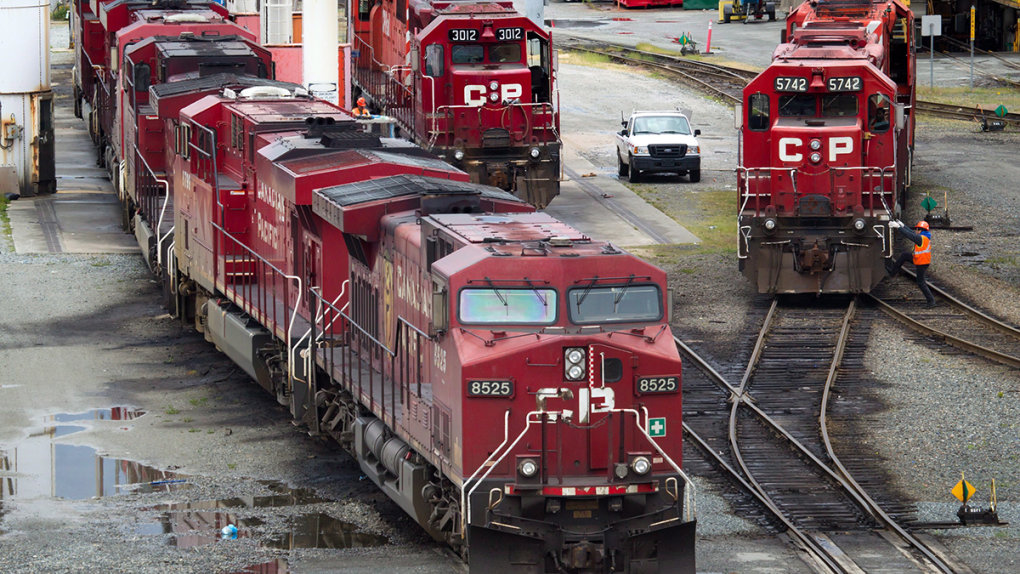
Coming on the heels of two Amtrak workers killed in two separate incidents within 36 hours in November, three more railroad workers were killed in one week in December. On December 2nd, veteran engineer at Canadian Pacific Kirk McLean was killed in the yard at Port Coquitlam, BC. The next day, a conductor was killed on the UP-BNSF jointly owned Wichita Terminal Association RR. on December 7th, Jarrett Erhart, and Amtrak maintenance electrician was killed in the Bronx, NY. And most recently, on December 14th, CSX Conductor Curtis C. McConihay was killed on the job.
While the rail carriers crow about their wonderful safety programs, statistics and so forth, the reality is that safety is on the decline. FRA statistics prove it. They can cover up injuries but it is hard for them to cover up deaths! See Article 5 below.
|
|
Article 2 -
WRECK UPDATE
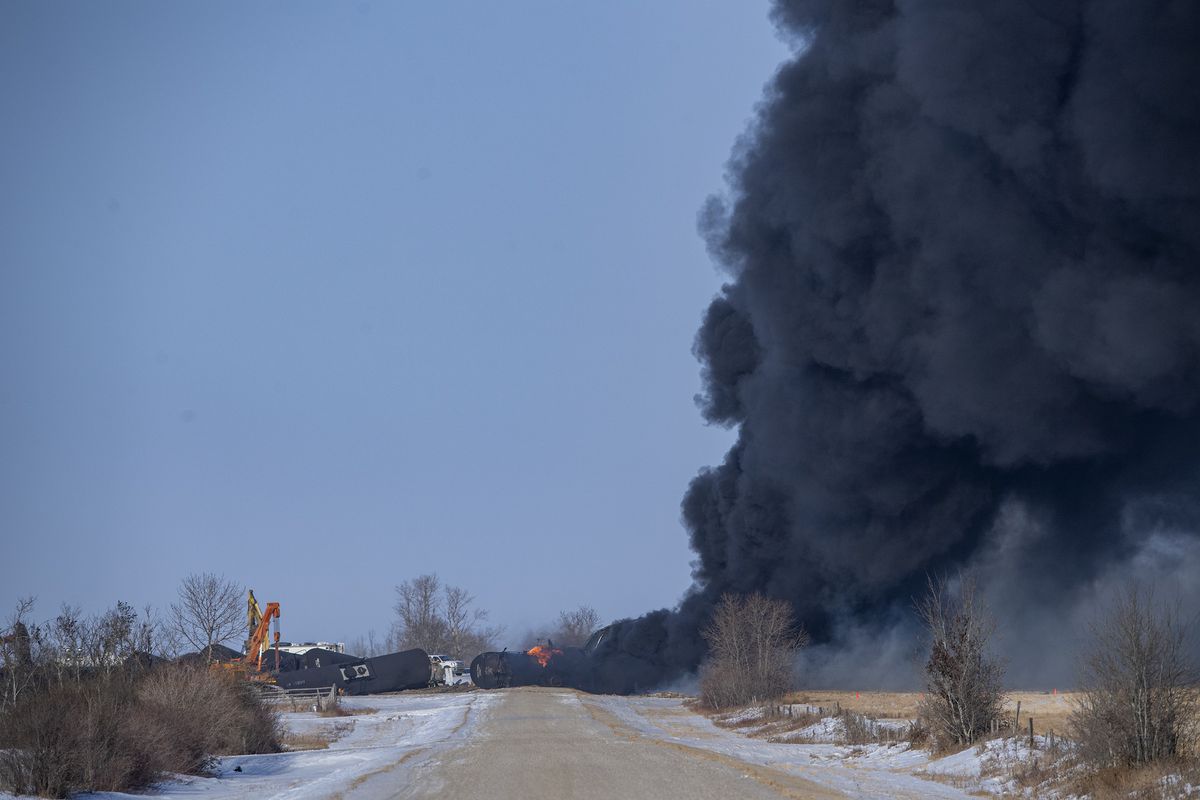
CP Rail train derails in Canada sparking fire that closes highway
SASKATOON -- The fiery overnight derailment of a Canadian Pacific (CP) freight train carrying a load of crude oil left a large swath of highway in Saskatchewan closed Monday morning.
A plume of thick, black smoke could still be seen rising from the wreckage as drivers were diverted from a stretch of Highway 16, west of Lanigan. According to a news release from CP, the train derailed around midnight local time and no injuries were reported.
Melanie Loessl could see the flames from her driveway. “It was horrible when I looked out the window and saw all the flames and everything engulfed. I actually thought it was my daughter’s place that was involved because we both live on the same driveway,” Loessl told CTV News.
She was unable to leave her home because emergency crews blocked her driveway. Loessl said firefighters had knocked on her door, informing her of the derailment, and warned of a possible evacuation.
The railway said that according to initial reports there had been no impact on any local waterways, adding that crews would work to ensure the area is cleaned up and restored.
|
|
Article 3 -
LNG BY RAIL UPDATE
U.S. Reps. DeFazio, Malinowski slam PHMSA for granting LNG-by-rail permit
U.S. House Transportation and Infrastructure Committee Chairman Peter DeFazio (D-Ore.) and U.S. Rep. Tom Malinowski (D-N.J.) offered sharp criticism of the
Pipeline and Hazardous Materials Safety Administration's (PHMSA) decision
to grant a special permit to a company that wants to transport liquefied natural gas (LNG) by rail from Pennsylvania to New Jersey for export.
On Dec. 5, PHMSA granted a special permit to
Energy Transport Solutions LLC
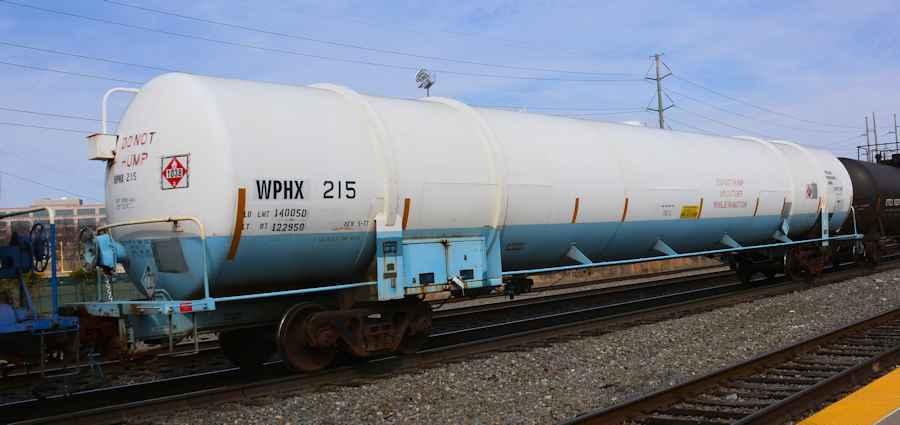
to authorize transportation of LNG in DOT-113C120 tank cars between Wyalusing, Pennsylvania, and Gibbstown, New Jersey, with no intermediate stops, subject to certain operational controls.
In doing so, the agency jumped ahead of its notice of proposed rulemaking on moving LNG by rail, DeFazio and Malinowski said in a press release.
The decision to grant the permit came despite repeated objections from members of Congress, and safety and environmental groups, they said.
"For months I have been sounding the alarm on this dangerous plan. Not only has PHMSA failed to take the proper steps of testing, analyzing or reviewing this unprecedented plan, it failed to provide Congress and the public the opportunity to consider whether the permit’s operating conditions sufficiently address the potential safety implications — an opportunity that’s required by law," said DeFazio.
"This decision by the Department of Transportation to allow LNG to move in large volumes without adequate safeguards is irresponsible, and yet another example of the [Trump] administration putting corporate interests over the safety of the American public,” Malinowski added.
In June, the U.S. House passed a DeFazio amendment to H.R. 3055, which would prohibit the U.S. transportation secretary from finalizing a rulemaking on issuing a special permit to allow LNG transport by rail.
|
|
Article 4 -
COMMUTER NEWS
Panel's report says 'safety is not the priority' at MBTA
Group brought in after June derailments issues lengthy list of recommendations
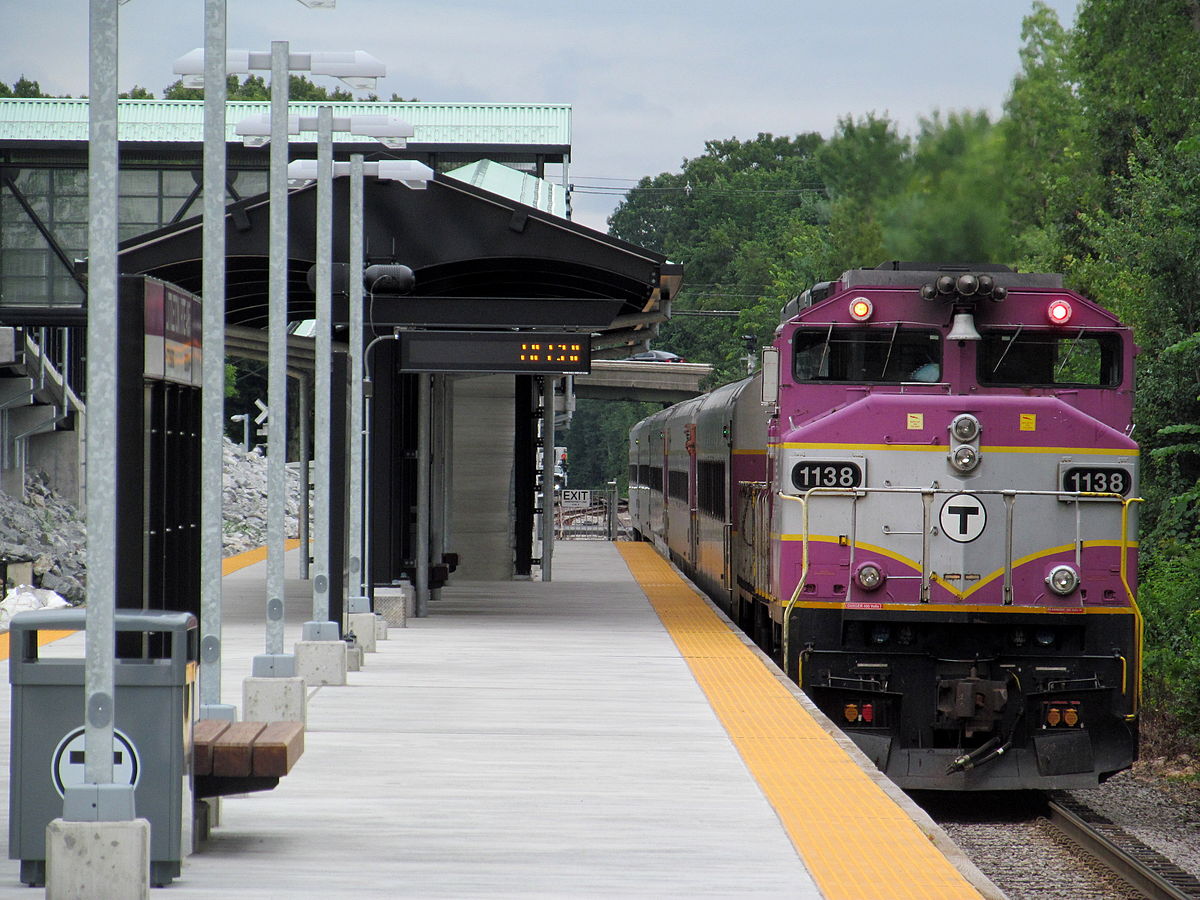
BOSTON — A highly critical report commissioned in the wake of a series of incidents earlier this year says “safety is not the priority” at the Massachusetts Bay Transportation Authority.
The report released Monday, by a panel brought in by the MBTA’s Fiscal and Management Control Board, found that MBTA staff believes “fiscal controls over the years may have gone too far, which coupled with staff cutting has resulted in the inability to accomplish required maintenance and inspections, or has happened work keeping legacy system assets fully function.”
The three-member panel included former U.S. Transportation Secretary Ray LaHood; Carolyn Flowers, former acting administrator of the Federal Transportation Agency, and Carmen Bianco, former president of MTA’s New York City Transit. They were asked to assess MBTA operations in the wake of incidents including two derailments in a four-day span in June: a light-rail accident on the Green Line [see
“Ten injured in MBTA light rail derailment,”
Trains News Wire, June 9, 2019] and a Red Line derailment that caused signal-system damage that delayed operations for months [see
“MBTA Red Line subway derailment injures one, disrupts morning commute,”
Trains News Wire, June 11, 2019].
The group interviewed more than 100 executives, employees, and other individuals involved with the MBTA, contract commuter rail operator Keolis, the FTA, Federal Railroad Administration and other organizations. They said the agency “performs the necessary core functions to be considered a relatively safe system,” but some items “need immediate attention.”
Its report states that “the T’s approach to safety is questionable, which results in safety culture concerns. In almost every area we examined, deficiencies in policies, application of safety standards or industry best practices, and accountability were apparent.”
Critical preventative maintenance and inspections are not taking place, the report states, and “there is no meaningful [quality assurance/quality control] strategy or system in place.” It also found that the frequent meetings of the Fiscal and Management Control Board, required to by law to meet 36 times a year, eat up staff time “and leave staff little if any time to tend to the operation or maintenance of the system.”
It also noted that the commuter rail operation is “performing well and does not face many of the challenges that were identified on the transit side of the house.” It attributed this in part to well-defined FRA regulations with fiscal consequences.
|
|
Article 5 -
RAIL SAFETY NEWS
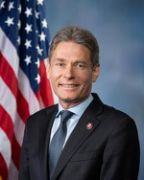
Rep. Tom Malinowski question freight railroad safety
Have the freight railroads cherry-picked periods of safety data to misrepresent their safety records in the present? Rep. Tom Malinowski thinks so. From the hearing on 12/5 entitled, “Where’s My Stuff? Examining the Economic, Environmental, and Societal Impacts of Freight Transportation”
|
|
Article 6 -
PSR NEWS
Rail Workers' Safety, Jobs in Jeopardy as Precision Scheduled Railroading Expands
An efficiency scheme being adopted by most large freight railroads threatens the safety and job security of members in the IBEW's railroad branch, and International President Lonnie R. Stephenson is appealing to the Transportation Department to take a closer look at the practice and its potentially dangerous outcomes.
"We are seriously concerned about the long-term effects of 'precision scheduled railroading' on the rail workforce and on services as a whole," Stephenson wrote in an October letter to Transportation Secretary Elaine Chao. "We ask for robust analysis and monitoring of the safety of PSR operations."
PSR, which was first experimented with on the Canadian National railroad, is a business strategy that calls for consolidating rail services, cutting craft headcount by the hundreds and deferring equipment and facility maintenance, all in a rush to slash companies' operating ratios — that is, the difference between the amount of money a railroad makes and the amount it spends on operations.
In the U.S., CSX, Norfolk Southern and Union Pacific have been implementing PSR over the last 18 months, something the IBEW's Railroad Department believes is the continuation of a dangerous philosophical shift away from the freight rail industry's longstanding objectives.
"These railroads are pursuing profit at any cost, even when the effort seriously risks the safety of workers and the public at large and hurts customer service and jobs," said Al Russo, an international representative in that department. "Activist investors love this. It's lining their pockets at the expense of everyone else. PSR is reducing operating ratios from the 80% range to around 50%, but at what cost?"
|
|
Freight Train Safety a Concern for Unions & Bernie Sanders
Railroad union workers will get a little help from Bernie Sanders this weekend. The democratic presidential candidate and US senator is co-sponsoring the Safe Freight Act which would ensure two people work on freight trains.
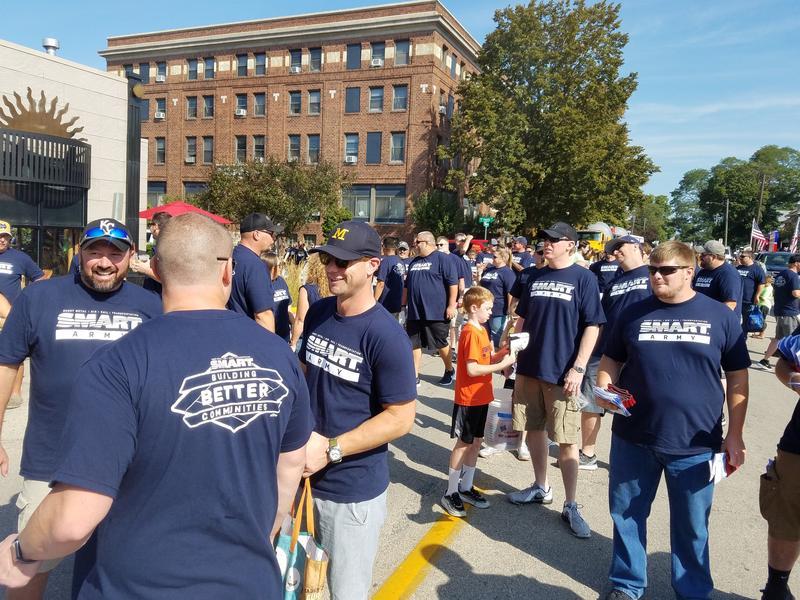
Sanders is scheduled to speak at a town hall in Keokuk on Sunday. A couple of local unions will hold a rally in the morning, and then go to Sanders' campaign stop.
Wes Ekstedt is the Secretary of Local 445 of the SMART-TD union in Galesburg. The
Fight for Two Person Crews
began when railroad companies started pushing for one person crews.
"What a lot of people don't realize is this is a safety concern not only for us as there's only one person up in the cab a lot of times going through some pretty vacant areas. And if that person has a health issue, it's not good for them.
Also when we take these hazardous trains through these communities, a second person, one person has to stay in the cab and a second person is able to be a first responder in any event of an accident. So that would not be possible and would be delayed if we only had one person."
|
|
Jeff Kurtz - former BNSF engineer, BLET State Legislative rep, RWU member, and now Iowa State Representative - introduces Senator Bernie Sanders at the rally with SMART-TD and other union members in Keokuk, IA (segment starts at roughly 3:15). Sanders speaks out in favor of two-person train crews and a revitalization of the nation's railroads (segment starts at 53:00).
|
|
Article 8 -
RAIL, LABOR &
ENVIRONMENT
The Rail Industry’s Secret, Decades-Long Fight Against the Climate
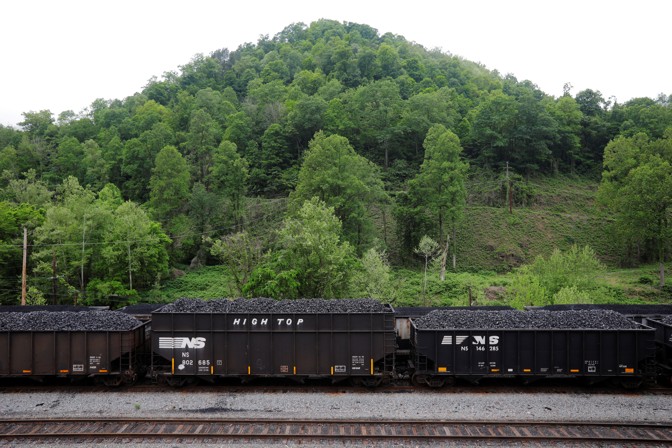
For nearly 30 years, America’s four biggest rail companies—which move the majority of the country’s coal—have spent millions to deny climate science and block climate policy.
n the fight against climate change, the nation’s freight railroads have painted themselves as heroes. Rail is the “the most environmentally friendly way” to move cargo over land,
says
the Association of American Railroads, the industry’s trade group. The industry’s four biggest companies agree: “Railroads are essential to moving [climate] objectives forward,”
says
CSX Transportation, the largest railroad east of the Mississippi.
Yet for almost 30 years, the biggest players in the freight-rail industry have waged a campaign to discredit climate science and oppose almost any federal climate policy, reveals new research analyzed by The Atlantic.
The four largest American freight railroads—BNSF Railway, Norfolk Southern, Union Pacific, and CSX—have sat at the center of the climate-denial movement nearly since it began, documents and studies show. These four companies have joined or funded groups that attacked individual scientists, cast doubt on scientific consensus, and rejected reports from major scientific institutions, including the United Nations–led Intergovernmental Panel on Climate Change. Their effort has cost at least tens of millions of dollars and outlasted individual leaders and coalitions.
It continues to this day. The four companies are members of a powerful pro-coal trade association that in 2014 called climate change a “hypothesis” and argued that carbon dioxide—the air pollutant that causes global warming—was as much as 400 times more beneficial to humanity than it was harmful.
“We can now identify railroads as an integral component of opposition to climate action,”
Robert Brulle
, an author of the new research and a professor of sociology and environmental science at Drexel University, told me. “There’s no doubt in my mind about that.”
|
|
|
|
|
|
|