|
Dear Community:
Happy Holiday weekend!
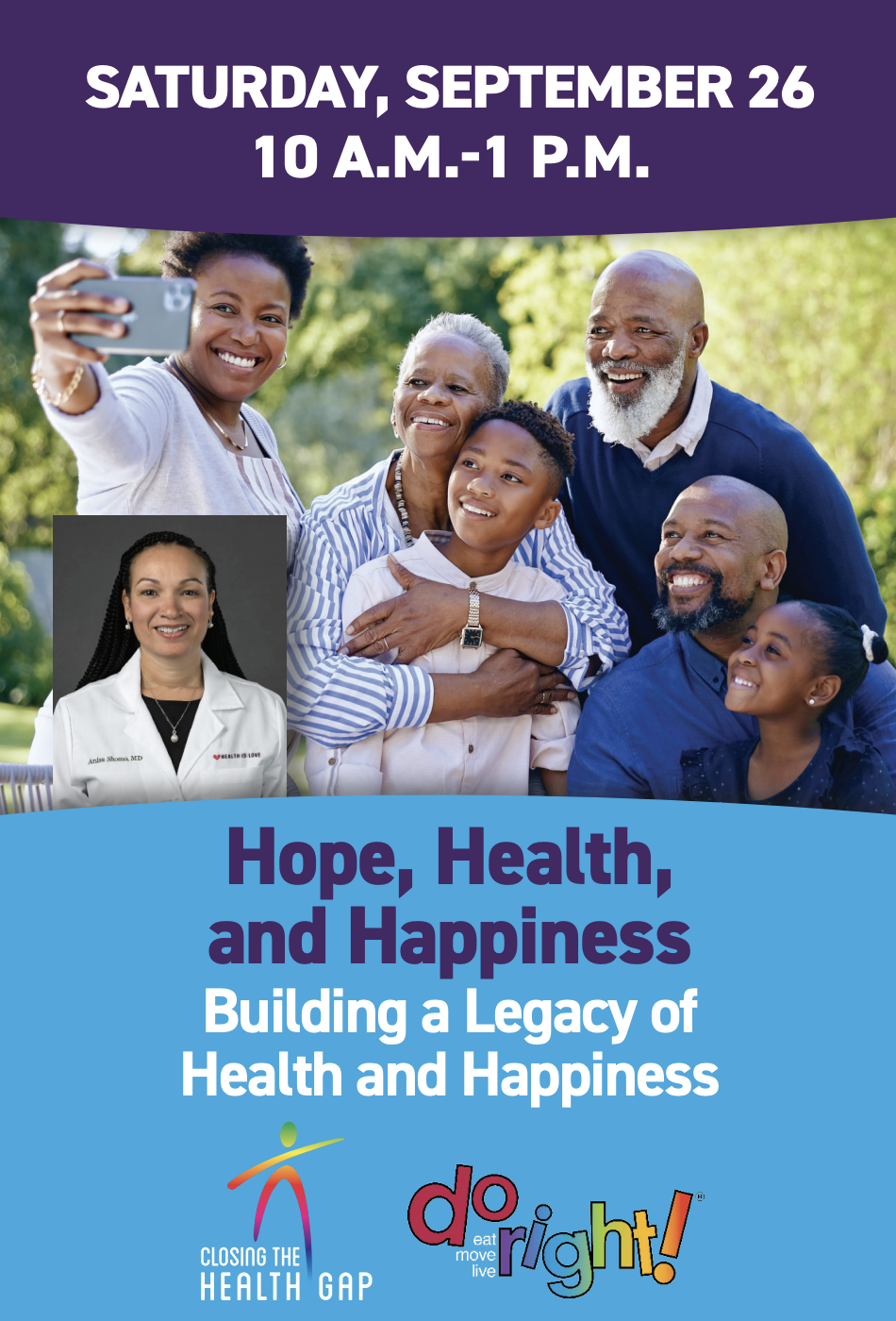
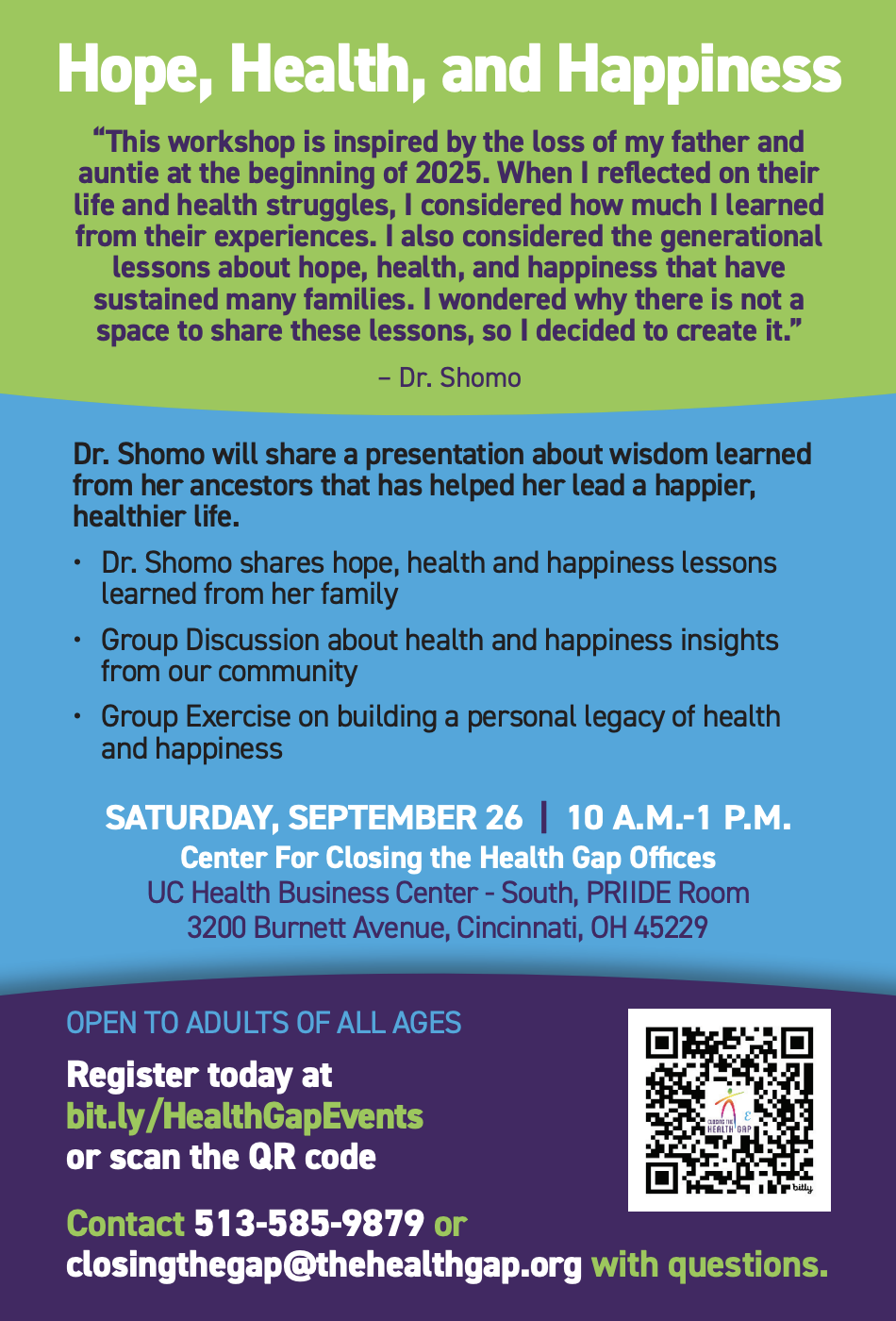
I am excited to invite you to a very special workshop on Saturday, September 26: Hope, Health, and Happiness with Dr. Shomo. Inspired by her own family's journey, Dr. Shomo has created a beautiful space to share ancestral wisdom, discuss community insights, and help us build personal legacies of wellness.
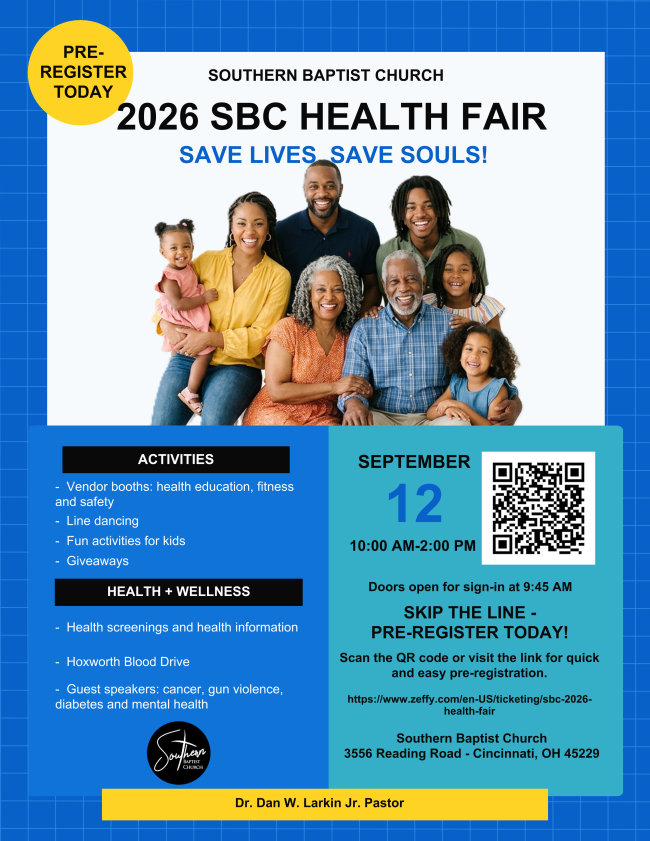
Please also mark your calendars for the Southern Baptist Church Health Fair on September 12, and join us for our ongoing Caregiver Support Series, which continues on September 26.
Additionally, I am incredibly pleased to welcome our new Diabetes Challenge Cohort 5, a vital program made possible in partnership with the City of Cincinnati, the Cincinnati Recreation Commission, the Cincinnati Health Department, UC Health, and The Christ Hospital Women's Heart Center!
If you're not following us on social media, please be sure to find us on Facebook, Instagram, and LinkedIn! Blessings to all of you for a safe and healthy holiday weekend.
Renee Mahaffey Harris, MPH
President & CEO
| |
SPECTRUM NEWS 1: Black businesses invest in community
As National Black Business Month comes to a close, local leaders say the impact of supporting those businesses extends beyond dollars and cents.
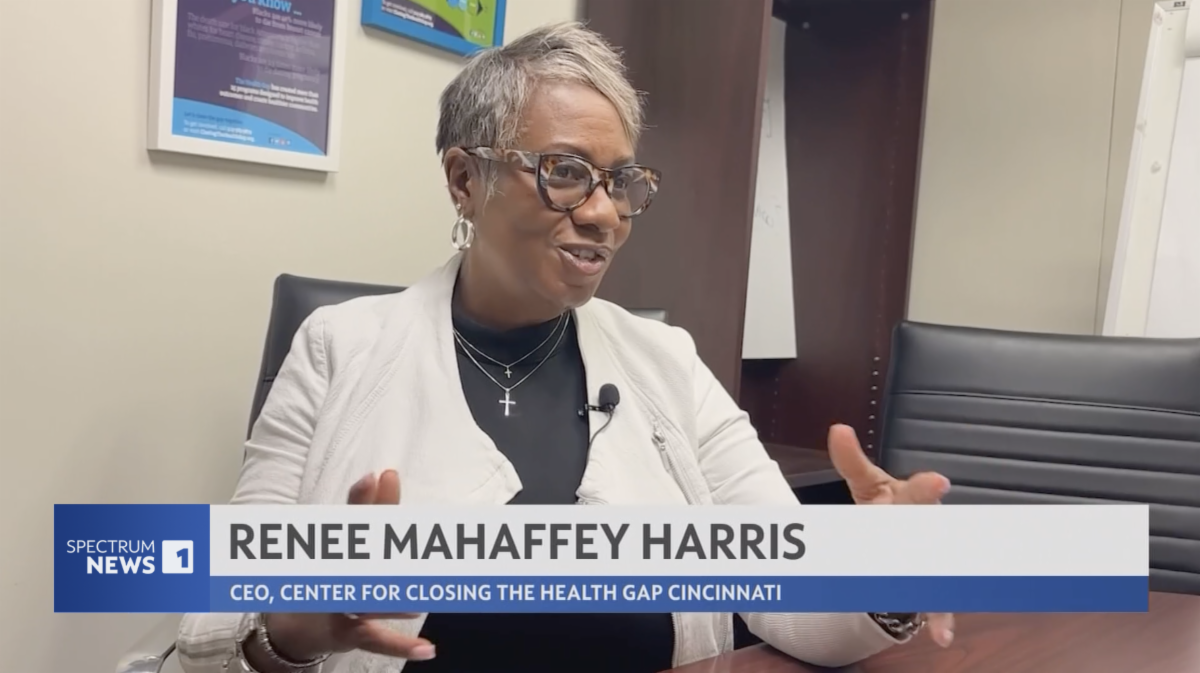
The Center for Closing the Health Gap works to address health disparities across Greater Cincinnati by connecting communities with health education, resources and services. Renee Mahaffey Harris, the organization's president and CEO, said economic stability and physical health can be closely connected, particularly for entrepreneurs and small-business owners.
“You are a small business owner with a small number of employees, if one of you is sick or does not have the ability to take care of your health needs on an annual basis, it's going to have a long-term impact on your business sustainability,” Harris said. Harris said about 90% of the contractors and businesses the Center works with are Black-owned.
| |
LOCAL12: Cincinnati doctor receives $3.6 million grant for first-of-its-kind heart study
A Cincinnati doctor has received a $3.6 million federal grant to lead what The Christ Hospital Health Network says will be the nation's first clinical trial evaluating a potential treatment for a form of heart disease that disproportionately affects women. Dr. Odayme Quesada, medical director of The Christ Hospital's Women's Heart Center, received the grant from the National Institutes of Health.
The five-year clinical trial will study patients with angina with nonobstructive coronary artery disease, known as ANOCA, and coronary microvascular disease, or CMD. CMD affects the heart's tiny blood vessels and can cause persistent chest pain even when tests show no significant blockages in the major coronary arteries.
|
Successful systems won’t be ‘the ones with the best strategy’: 4 CEOs on closing the execution gap
Health systems face no shortage of strategy. What many are running low on is the capacity to execute it. That observation sits at the center of a conversation that Mandy Eaton, PhD, president and CEO of Springfield, Ill.-based Memorial Health, believes most health system leaders are not having openly enough.
“Most health system leaders understand the industry’s challenges,” Dr. Eaton said on the “Becker’s Healthcare Podcast.” “We understand reimbursement pressures, workforce shortages and rising costs, technology investments and constraints, and increasing consumer expectations. But what’s less discussed is that health systems are trying to solve all those challenges simultaneously, while continuing to care for patients every day.”
|
Health disparities persist in patient portal signups, messaging
A pair of studies is shining a light on steep racial health disparities in patient portal enrollment and messaging, showing that the technology isn't exactly working for everyone.
The first study, published in the Journal of Medical Internet Research, shows that differences in patient portal enrollment, especially by race or ethnicity, persist.
But even when racial minorities do enroll in the patient portal, they aren't getting the same experience. A second study in JAMA Network Open shows that Black, Hispanic and Asian patients are less likely to have their own provider -- as opposed to a nurse or case worker -- answer their messages, a trend mostly explained by writing style, the researchers said.
|
Why health equity is now a business imperative in cardiology
Health equity is not just a clinical responsibility for cardiology organizations—it is becoming essential to the business side of things as well. Dipti Itchhaporia, MD, an interventional cardiologist and director of cardiovascular innovation, AI and care continuum at Hoag Heart and Vascular Institute, believes health systems that fail to address health disparities risk higher costs and poorer outcomes at a time when healthcare is increasingly moving toward value-based payment models.
She spoke with Cardiovascular Business about this topic at ACC.26, the American College of Cardiology annual conference.
“We have made incredible strides in cardiovascular medicine over the last 60 years,” Itchhaporia, a former ACC president, explained. “But in that, we have lost the translation in terms of delivery of care because we're not reaching some of our most vulnerable patients.”
|
The Newest Federalism and Population Health
Since the 1980s, changes in intergovernmental relations, termed “New Federalism,” combined with polarization in policies across state and local governments, resulted in some places being conducive to health while others are not. This Perspective proposes that the country has entered “Newest Federalism” with contemporary changes in intergovernmental relations that carry profound, and largely unstudied, implications for population health.
Three characteristics of the Newest Federalism are particularly important. These include the erosion of the federal floor, evident in the declining real minimum wage, repeal of federal abortion protections, cuts to SNAP and Medicaid, threats to the Department of Education, and more; formation of cross-state alliances that fill federal policy vacuums in areas such as public health, data privacy, and reproductive rights, but that may themselves widen disparities between states; and growing use of executive orders, agency actions, and waivers to circumvent congressional policymaking. These changes may harm population health overall and disproportionately affect people with limited socioeconomic resources and those living in states that cannot or will not offset federal retrenchment.
|
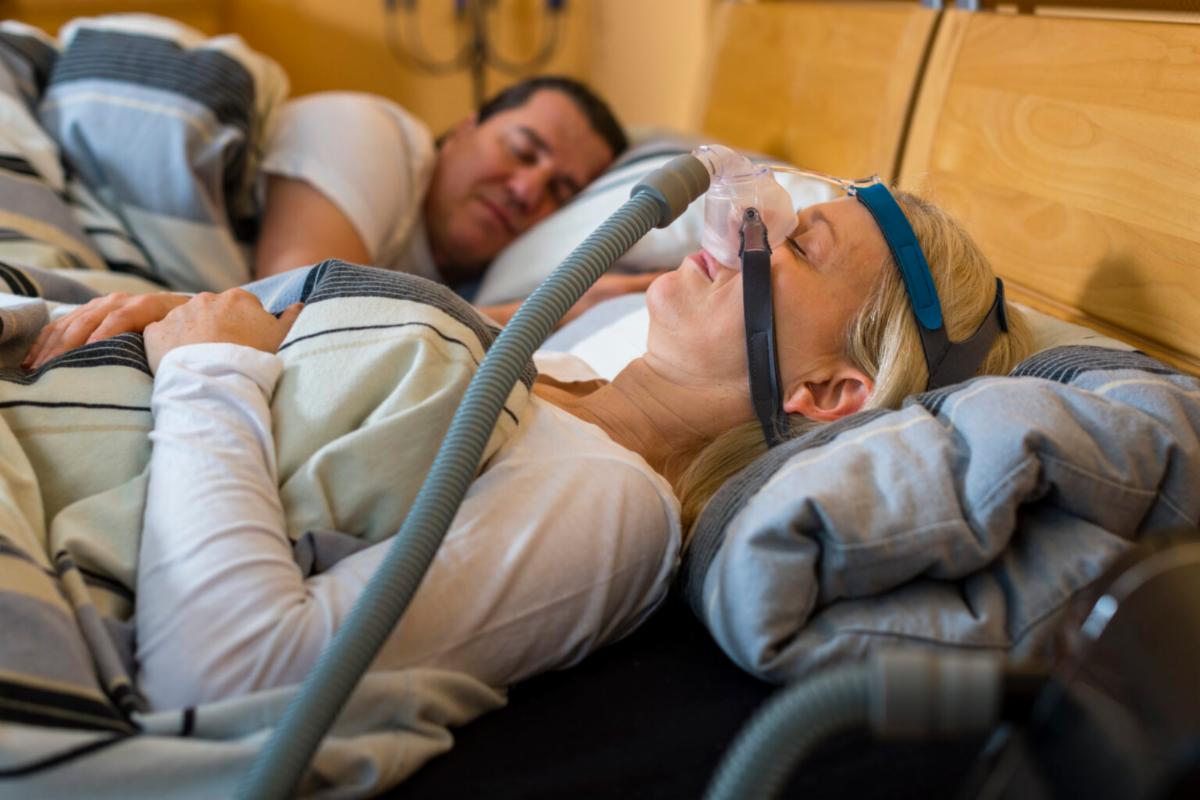
Sex Disparities in Sleep Health: Underdiagnosis of Obstructive Sleep Apnea in Women
Obstructive sleep apnea (OSA) has been classically understood as a male condition, but emerging evidence shows that the disorder is underdiagnosed and misunderstood in women. Screening and diagnostic tools often miss OSA in women because of a sex-specific symptom profile and clinical findings. Underdiagnosis of OSA in women leads to worse health outcomes, such as higher rates of cardiovascular disease, metabolic syndrome, and dementia. Addressing this sex disparity requires increased awareness, better clinical investigation, and sex-specific screening and diagnostic thresholds to improve outcomes for women.
| | | | |