ADHD

The positives and how to help our kids!

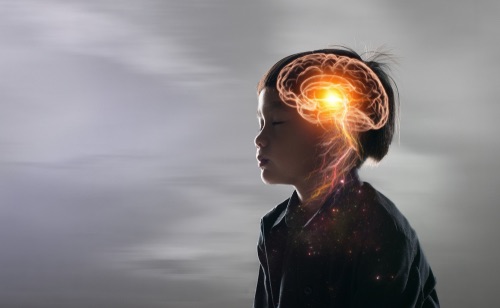
Brain Nervous System concept.Science is something that children should study and learn.Thinking process and Psychology of Kids.

Children diagnosed with ADHD or Hyper Activity Deficit Disorder, can face additional struggles. However, they are creative, intelligent and productive. Simone Biles is a perfect example of someone who was able to channel her energy into olympic gold. Thinking out of the box and rehearsing roles can aid with expectations. Learning more and creating strategies for your child can make all the difference. Learn how to help them below!


“Executive Functions:

Describing Six Aspects of a Complex Syndrome”


by Thomas E. Brown, PhD, published in Attention Magazine (CHADD), February 2008. 

It describes Brown’s model of ADHD as involving six clusters of executive-function difficulties:

  1. Activation — organizing, prioritizing, estimating time, and getting started.
  2. Focus — sustaining and shifting attention.
  3. Effort — regulating alertness, sustaining effort, and processing speed.
  4. Emotion — managing frustration, emotions, and motivation.
  5. Memory — using working memory and accessing information when needed.
  6. Action — monitoring and regulating behavior and carrying out tasks. 

This is particularly useful for explaining to parents that ADHD is much more than simply having trouble paying attention. Brown described it as a complex pattern of executive-function impairments that can affect everyday self-management.

CHADD's current page listing Brown's articles confirms the exact title and February 2008 publication. 

CHADD — Thomas E. Brown, PhD articles and publications


Educate early and listen now.

In this episode, Denise Mayer speaks with Pat Aussem, Vice President of Consumer Clinical Content Development at Partnership to End Addiction, about the connection between ADHD and increased risk for substance use in children and teens. They break down what ADHD really is, why the “pause button” in the brain can be harder to access, and how parents can support kids with practical strategies, structure, and encouragement.Pat explains that ADHD is not a parenting failure, but a brain-based difference that affects attention, impulsivity, and decision-making. The conversation also covers medication concerns, how to talk with children about their diagnosis without focusing only on labels, and why early treatment and support can be protective against later substance use.A major theme of the episode is hope: with the right tools, support team, and honest conversations, kids with ADHD can thrive. Key topics covered:


  • What ADHD looks like in children and adults
  • Why children with ADHD may be at higher risk for substance use
  • The brain’s “pause button” and impulse control
  • Behavior-based strategies that help kids succeed
  • Medication, side effects, and provider oversight
  • How to talk with parents who are skeptical of mental health support
  • Protective factors during the teen years
  • Why early treatment can reduce later substance use risk
  • Healthy risk-taking and school supports
  • How families can use community support and professional help


  • ADHD is a skill gap, not a character flaw.
  • Parents should focus on behaviors, not stigma.
  • Medication is only one tool — support and routines matter too.
  • Early treatment can help lower substance use risk later.
  • Children do best when parents build a team around them.


  • Partnership to End Addiction: https://drugfree.org
  • CRAFT support approach: Community Reinforcement and Family Training
Al

Step Up to Save Our Children is now on Apple Podcasts

Parents are the most powerful influencers in a teen's life. We need to use this influence in creating the healthiest protective factors for our teens.

Learn more at www.stepupanderson.org


Follow us https://www.youtube.com/@stepuptosaveourchildren

on Apple Podcasts and Youtube "Step Up to Save Our Children", on Instagram, X, Facebook and Spotify. And PLEASE SUBSCRIBE TO OUR CHANNEL TO SPREAD THE WORD ON THE THINGS THAT MATTER MOST TO OUR YOUTH