Another Weather Emergency, Another Urgent Reminder to Teach Climate Justice
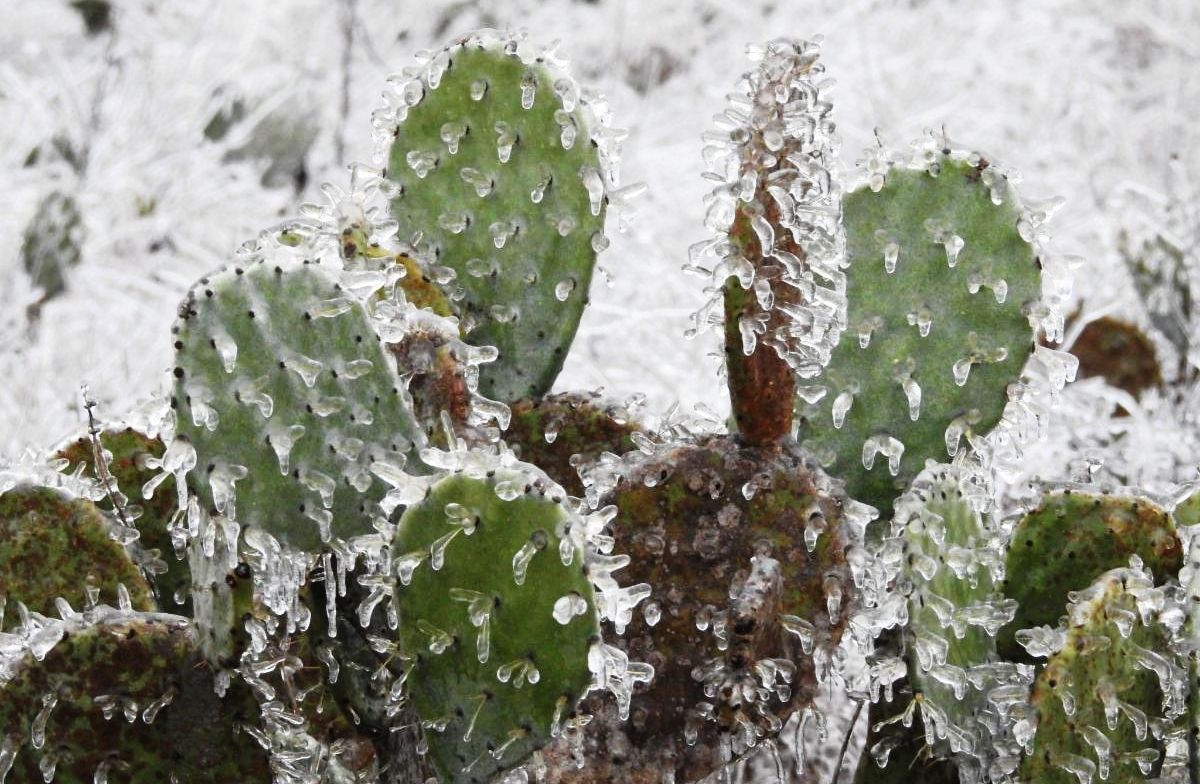
Extreme weather events like those plunging huge swathes of the United States into freezing temperatures, darkness, danger, and fear are becoming increasingly common.
Also common is the way industry-friendly policymakers try to muddle the causes of these catastrophes, as the governor of Texas did Tuesday when he blamed his state’s devastatingly unprepared storm response on renewable energy. The combination of now-routine climate emergencies and the too-often tepid — or deceitful — responses by elected officials is enough to demoralize anyone. It is critical that young people know that our current situation is not destiny.
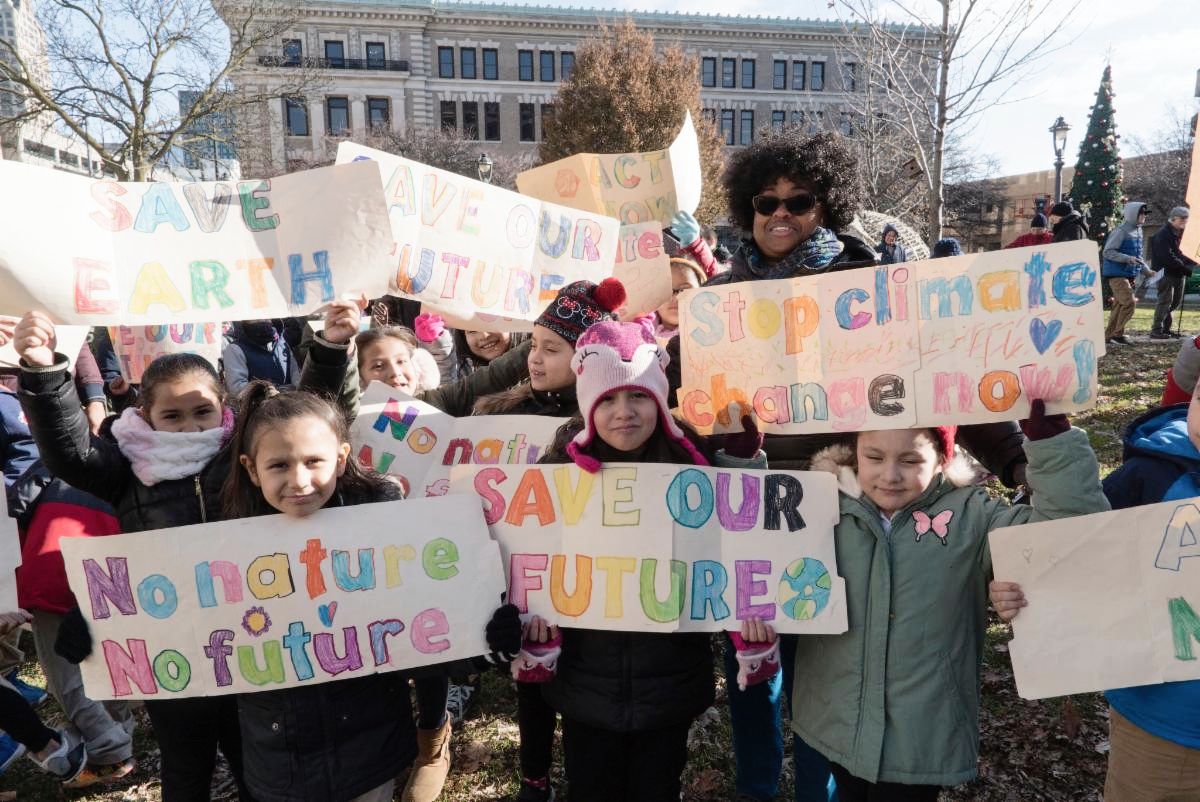
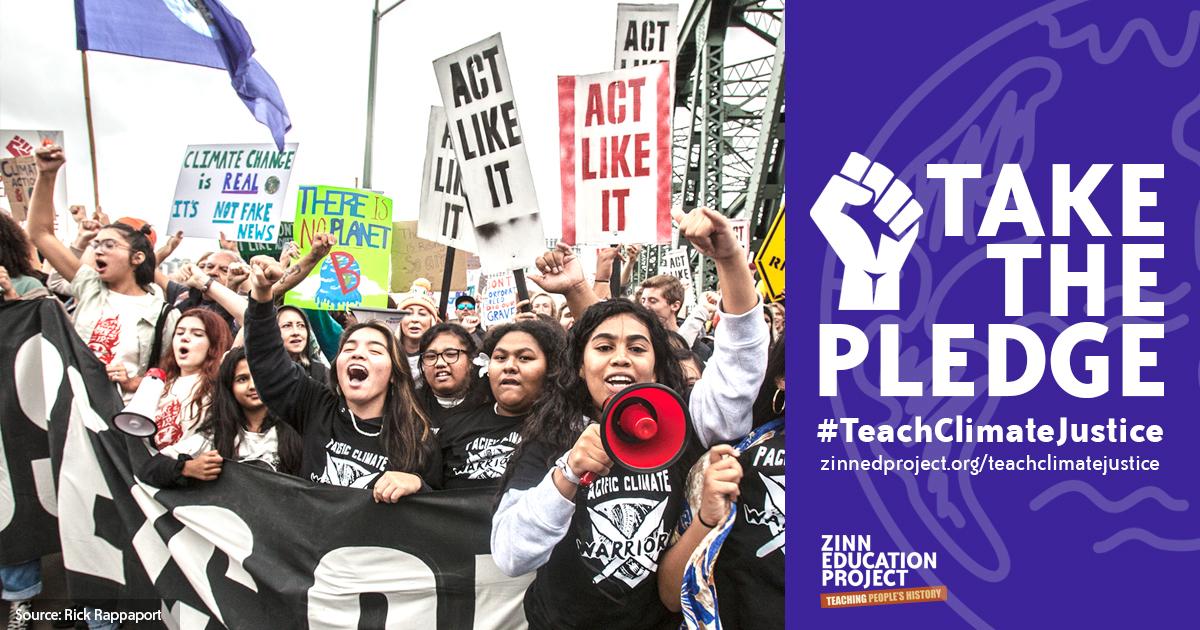
A climate justice curriculum rejects cynicism by teaching that another world is possible and is already being born in the efforts of activists and movement builders.
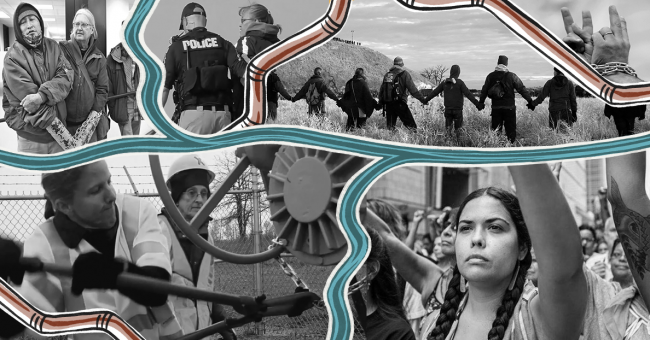
The permit for the Keystone Pipeline was canceled on President Biden’s first day in office because Indigenous rights and anti-pipeline activists never stopped organizing; and at this very moment, there are multiple Indigenous-led resistance encampments across northern Minnesota to #StopLine3, another trans-Canada-U.S. pipeline, that threatens the treaty-protected waterways in which local tribes fish and harvest wild rice.
Stories of activism — and sometimes even successes — can provide our students both a practical and visionary path toward a more just future.
Below are lessons and resources that are part of the Zinn Education Project’s Teach Climate Justice Campaign. We hope you will use them with your students and share your story.
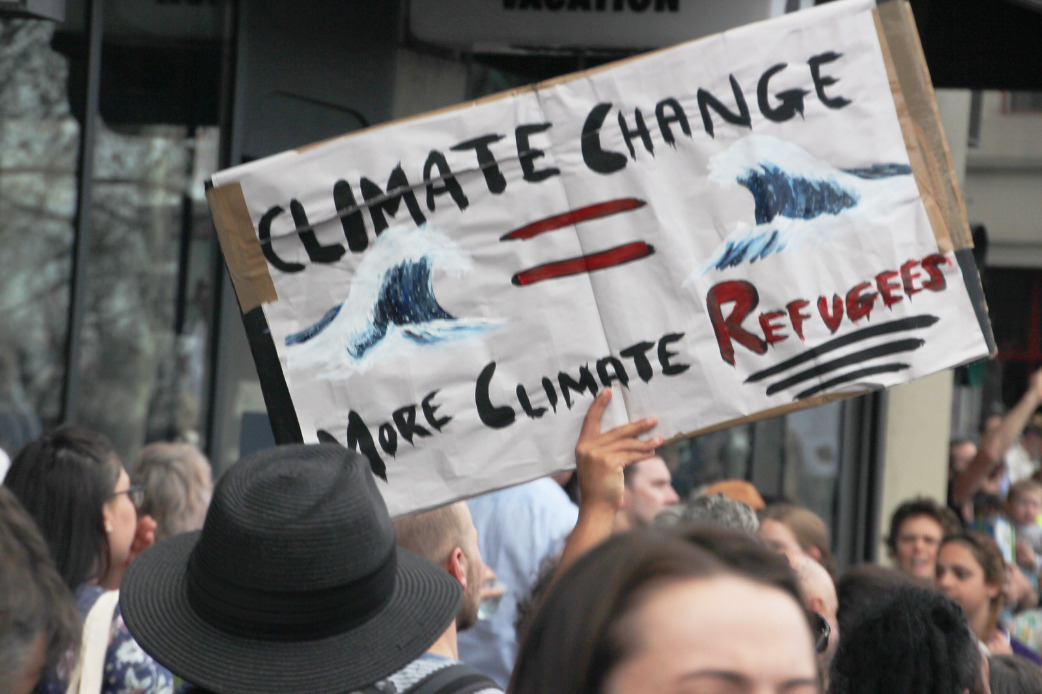
No Option Except Escape: A Role Play on the Struggles of Climate Refugees
Explore the experiences of climate refugees using a lesson written by high school students, affirming for young people their critical role in this work.
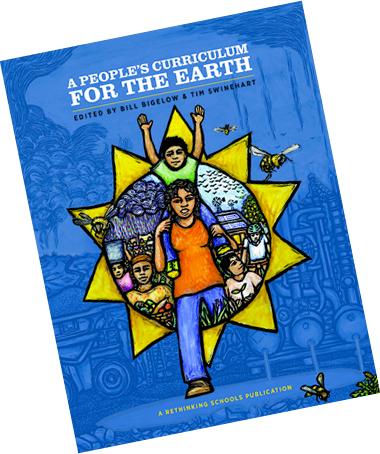
Purchase Rethinking Schools’ A People’s Curriculum for the Earth, featuring classroom-friendly readings and lessons on climate change, energy, water, food, and pollution — as well as on people who are working to make things better.
As Naomi Klein says, "A People's Curriculum for the Earth is an educator's toolkit for our times."
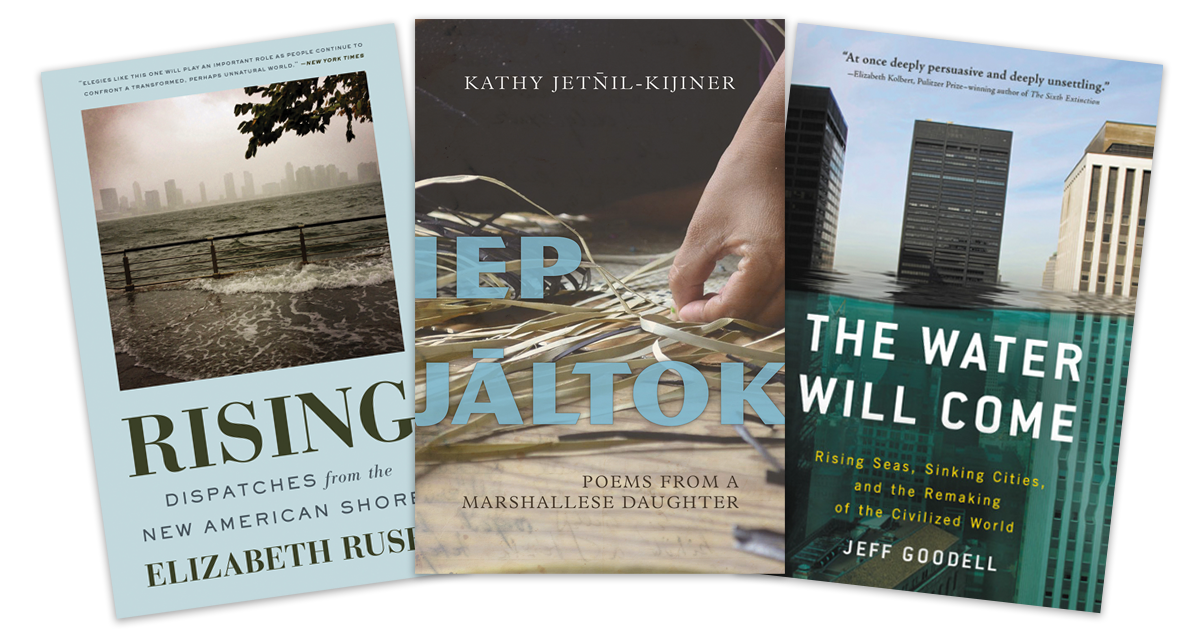
Describe how you used one or more of our climate justice lessons to teach about climate change, environmental activism, and issues related to land rights, and we will send you three books — free!