|
Over the years, I’ve had the privilege of working with organizations through leadership transitions, mergers, financial challenges, labor disputes, public controversies, and moments of remarkable success. Some of those relationships have lasted decades. Looking back, I’ve realized they endured not because we always got everything right. They lasted because of a few lessons that experience has taught me.
Your value isn’t in what you do. It’s in what you see.
Any experienced professional can execute a project. What clients remember are the times you spotted an issue before it became a problem, recognized an opportunity others overlooked, or offered advice they hadn’t even thought to request. The best advisors aren’t simply responsive; they’re anticipatory.
Never stop bringing fresh ideas.
The marketplace changes. Industries evolve. New technologies emerge. If we’re offering the same thinking we delivered five years ago, we’re no longer adding the value our clients deserve. Long-term relationships require continuous learning, curiosity, and the willingness to challenge our own assumptions.
Trust is earned long before it’s tested.
Clients don’t decide whether they trust you during a crisis. They decide after hundreds of ordinary interactions. Returning a phone call when you said you would. Meeting or beating a deadline. Admitting when you’ve made a mistake. Being candid, even when the conversation is uncomfortable. Those moments may seem routine, but together they become the foundation that supports a relationship when the pressure is greatest.
The hardest conversations often build the strongest relationships.
Early in my career, I assumed clients expected us to have all the answers. Over time, I learned something far more important. They expect honesty. Sometimes our responsibility is to tell a client what they need to hear, not what they’d prefer to hear. Those conversations aren’t always easy, but they are often the moments that build the deepest trust.
In the words of leadership guru Stephen R. Covey, “Trust is the glue of life. It’s the most essential ingredient in effective communication. It’s the foundational principle that holds all relationships.”
Every client wants to know they’re important.
Technology has made communication faster than ever, but relationships still depend on personal attention. A phone call instead of an email. Remembering an important milestone. Checking in when there’s no project to discuss. Asking how things are going rather than waiting until something goes wrong. Clients remember how you make them feel every bit as much as they remember the work you produce.
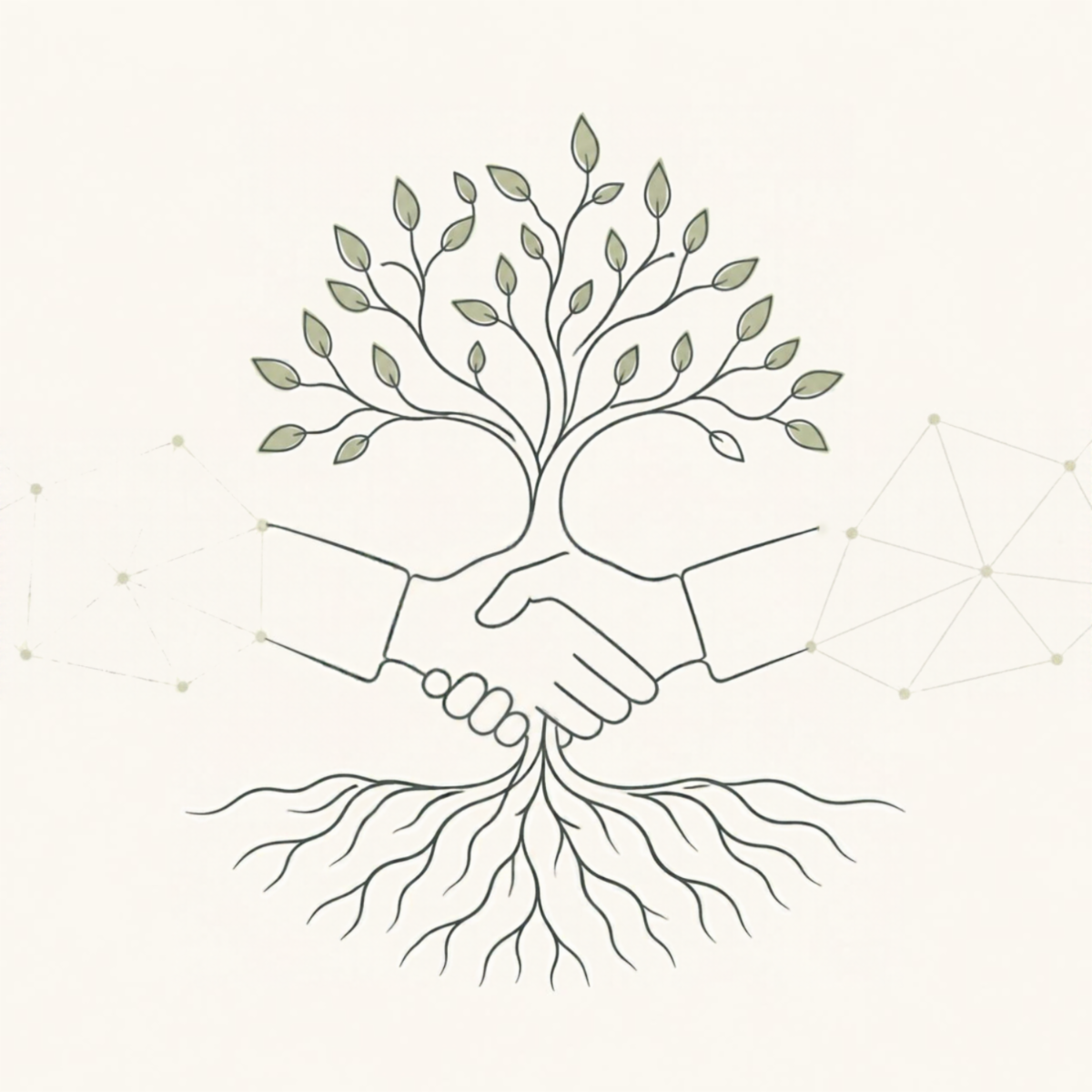
Perhaps the biggest lesson I’ve learned is that loyalty isn’t something clients give you. It’s something you continue to earn.
Every meeting. Every challenge. Every phone call. Every idea. Every success.
Relationships don’t last because a contract says they should. They last because, day after day, month after month, year after year, both parties continue to find value in one another.
That’s the real secret to client loyalty and success. It isn’t that problems never arise. It’s that they’re addressed before they become reasons to leave. If you’ve ever disappointed a client or failed to meet their expectations, don’t hesitate to pick up the phone. Wouldn’t you rather have the difficult conversation than lose the opportunity to continue serving them? Before they start shopping for another firm, wouldn’t you want the chance to earn their confidence back?
In the end, loyalty isn’t measured by the number of years you’ve worked as a team. It’s measured by the confidence that, whatever tomorrow brings, your client still wants to face it with you.
Our team at Sullivan & LeShane Public Relations, we never want to be the reason a client says goodbye.
After 38 years, I’ve learned that the measure of a firm isn’t simply how many clients walk through the door. It’s how many still want you beside them years later. So, as we look toward 40, that may be the measure that matters most.
|