|
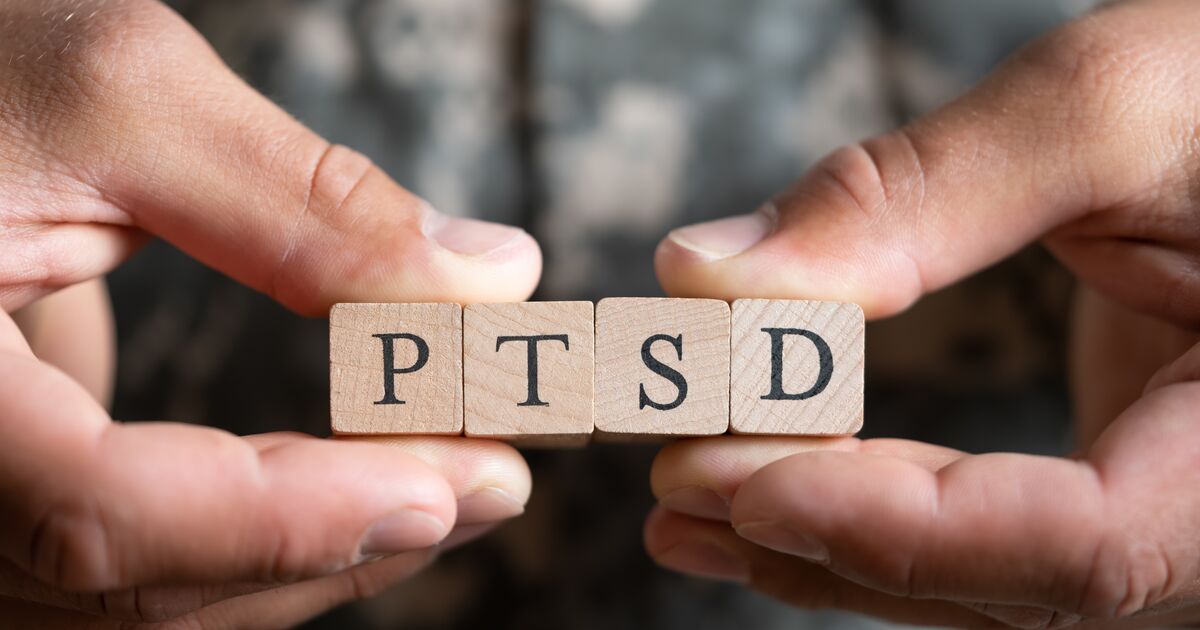
PTSD is a mental health condition that can develop after experiencing or witnessing a traumatic event—combat situations, natural disasters or accidents. For many who have served, the memories of their time in uniform linger, affecting their daily lives and relationships.
PTSD manifests uniquely in each individual, but symptoms can include flashbacks, nightmares, severe anxiety and hypervigilance. These symptoms can make it challenging to navigate daily life and may lead to difficulties at work, in social situations and may impact overall wellbeing.
It's essential to recognize that PTSD is not a sign of weakness or failure; it's a natural response to extraordinary circumstances, and seeking help is a sign of strength and courage. There are resources available to veterans struggling with PTSD, including counseling, therapy and support groups. The Department of Veterans Affairs and various non-profit organizations offer specialized programs and services tailored to the unique needs of veterans coping with PTSD.
Moreover, the support of family and fellow veterans plays a vital role in the journey to recovery.
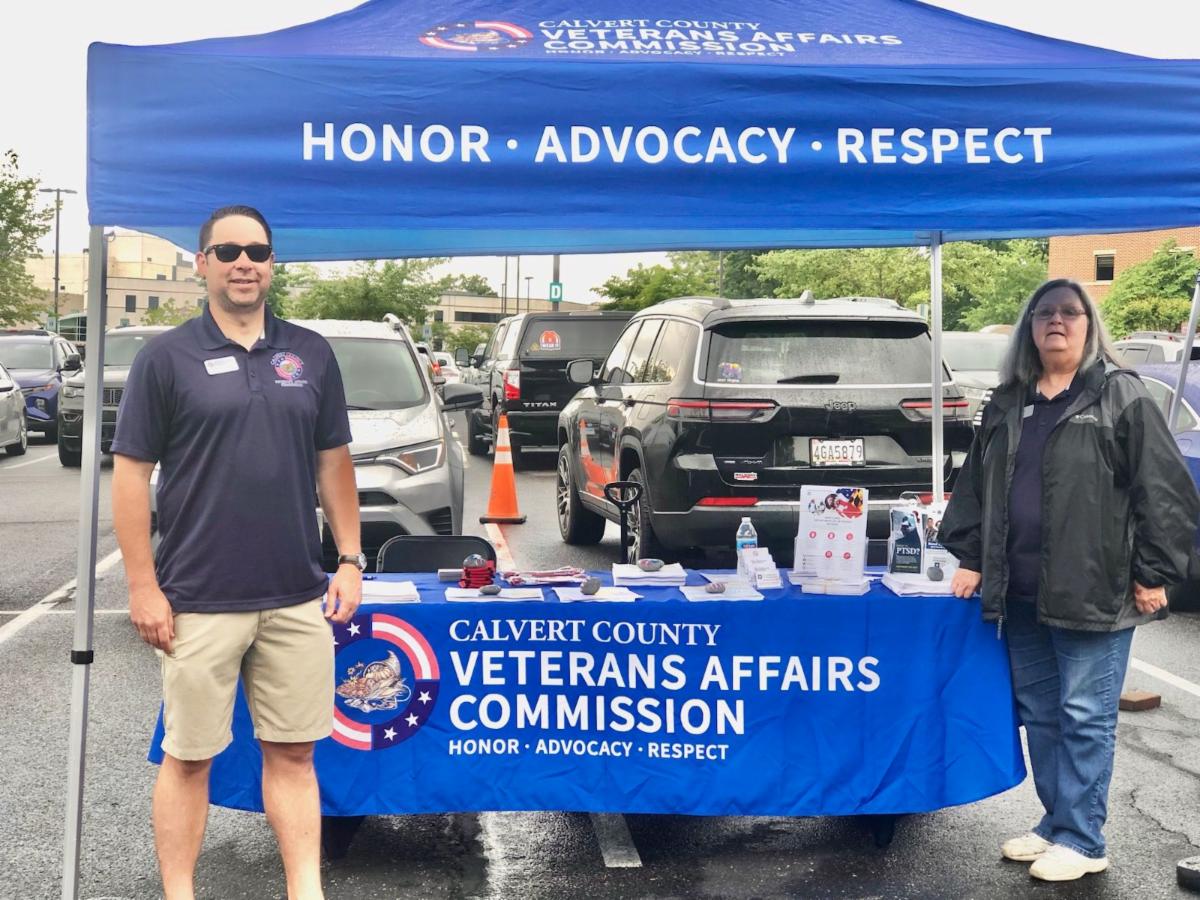
By understanding PTSD and providing a compassionate and understanding environment, we can help servicemembers feel heard, valued and supported as they navigate the path to healing. The Veterans Affairs Commission reaffirms its commitment to supporting veterans and raising awareness about this critical issue. Together, we can ensure that every veteran receives the care, respect and understanding they deserve.
|