|
Dear Colleagues and Partners,
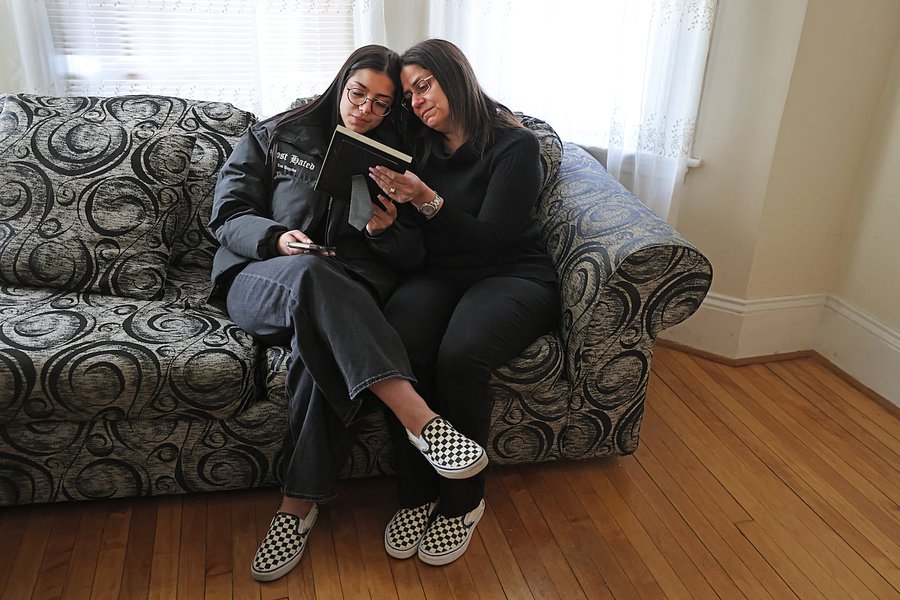
“He wouldn’t have taken her life if he was incarcerated and being held accountable for any of the crimes that he had done to me — or anyone else.”
— Brittany Grimes, Baglini’s ex-wife and survivor of years of abuse
Across the country—and here in Massachusetts—we are losing far too many lives to intimate partner homicide (IPH). These deaths are not random. They are most often preceded by clear, identifiable warning signs. And yet, our systems remain fragmented, our data inconsistent, and our opportunities for early intervention too often missed.
IPH is among the most predictable—and therefore most preventable—forms of homicide. But we cannot prevent what we do not measure. One of the most urgent needs raised by those working in the field—advocates, law enforcement, researchers, and policymakers alike—is the need for better data. Not just to understand what happened after a tragedy, but to prevent the next one.
That’s why we’re developing IMPACT: Improving Measurement, Processes, and Collaboration through Technology.
Launching this fall, IMPACT is a secure, web-based platform that will serve as the digital infrastructure for communities using the Danger Assessment for Law Enforcement (DA-LE) and the Domestic Violence High Risk Team (DVHRT) Model. These proven, life-saving strategies depend on structure, coordination, and consistency to reach their full potential.
IMPACT was built in direct response to what many of you have told us: that data collection is inconsistent, implementation is resource-intensive, and cross-system collaboration is difficult to sustain.
Once launched, IMPACT will enable communities to:
- Standardize the use of risk assessment and high-risk response
- Monitor high-risk cases across agencies in real time
- Analyze trends and disparities in intimate partner homicide
- Identify where systems are working—and where they’re falling short
- Access online trainings and implementation resources to build capacity
- Share community-driven best practices across jurisdictions
This is more than a technological advancement—it’s a transformative step toward closing the data gap that has long hindered our advancement in preventing intimate partner homicide. Because if we’re serious about saving lives, we must be serious about measuring what matters—and building transparent, accountable systems that respond to risk before it becomes tragedy.
We’ll be sharing more as we approach the launch. Thank you for the work you do—and for your continued partnership in building safer, more responsive communities.
With deep gratitude,
Kelly Dunne
Executive Director
|