|
Data Center and Large Load Customer Presentation to Pinal County
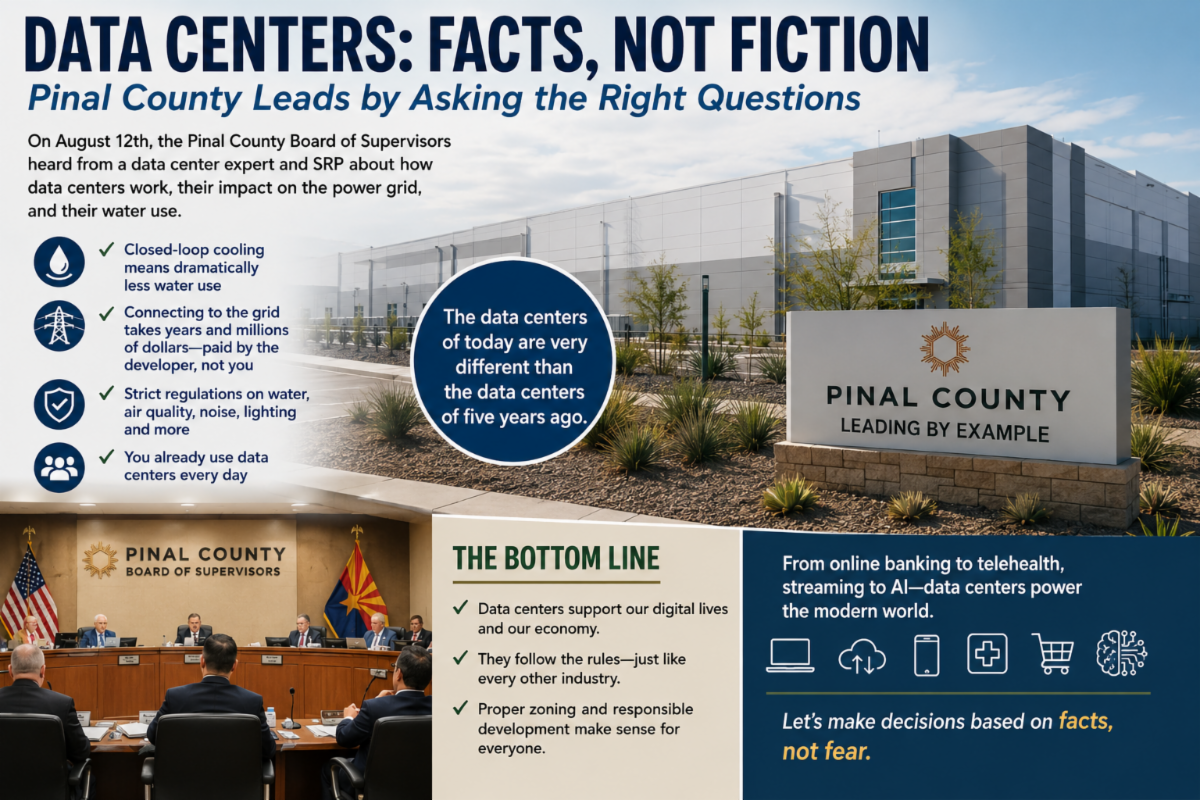
On August 12, the Pinal County Board of Supervisors heard a presentation from a data center expert who explained how data centers work, why they are needed, and—perhaps most importantly—how much the industry has changed.
That presentation was followed by a presentation from Salt River Project (SRP) explaining how large-load customers such as data centers connect to the electric grid.
I believe Pinal County is leading by example. Other counties and cities across Arizona—and frankly across the country—should consider doing the same thing: bring in the experts, ask questions, separate fact from fiction, and make decisions based on current technology rather than outdated information.
There is an enormous amount of misinformation circulating about data centers, particularly regarding water consumption and their impact on the power grid.
The Technology Has Changed
One of the most important points made during the presentation was simple: the data center being built today is not the same data center that was being built five or ten years ago.
Older data centers could consume tremendous amounts of water for cooling. That history has understandably created concerns in a state like Arizona, where every discussion about major development eventually comes back to water.
But the industry has responded.
Many newer facilities are being designed with closed-loop cooling systems that dramatically reduce ongoing water consumption. Once that concern is addressed, however, another question often immediately appears: What happens when the water in that closed-loop system eventually needs to be discharged?
That is a legitimate question, but it is also something our existing regulatory structure is designed to address.
Think about the radiator in your car. When the coolant is flushed, you cannot simply dump the old fluid wherever you want. It has to be handled and disposed of properly. Industrial facilities face regulations governing water discharge and waste as well.
Data centers do not receive a free pass.
States, counties, cities and regulatory agencies already impose requirements involving water, wastewater discharge, noise, lighting, air quality and numerous other environmental and operational issues. Companies that fail to comply can face financial penalties and potentially more serious consequences.
Approving a project does not mean those regulations suddenly disappear.
Where Should We Put Them?
The discussion also highlighted another challenge facing the industry: NIMBYism—"Not In My Backyard."
Early in the meeting, one supervisor commented that data centers should be built in the middle of nowhere. Later, the same supervisor expressed concern about locating one near farmland because it would stand out and did not belong there.
I am not pointing this out to criticize that supervisor. In fact, I think it perfectly illustrates the dilemma.
If a data center should not be near homes, should not be near farmland, and should not be visible in rural areas, where exactly should it go?
This is why zoning matters.
I believe there is a proper place for everything. If property is zoned residential, changing it to accommodate a massive industrial project generally would not make sense. But when land is appropriately zoned industrial, a data center that meets the community's other requirements should be considered like other industrial uses.
Most people probably drive past data centers without even realizing it. From the outside, many resemble large warehouses or other industrial buildings.
What About the Power Grid?
Another major misconception is that data centers simply arrive, plug into the electric grid and leave residential customers paying for the infrastructure necessary to serve them.
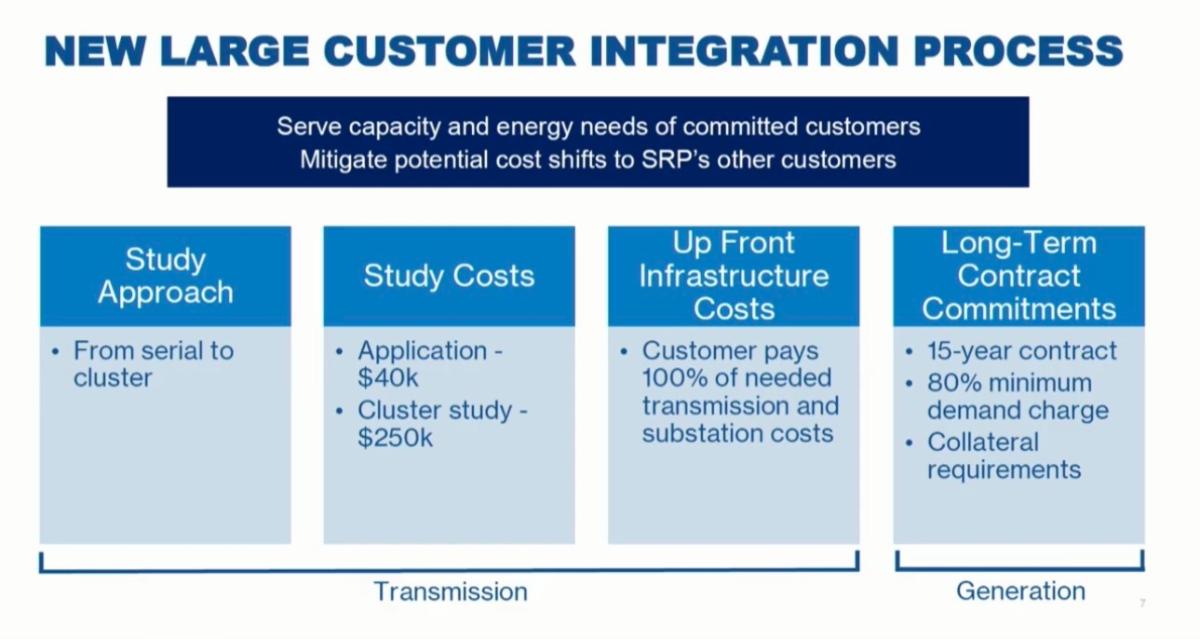
The SRP presentation helped explain why that is not how the process works.
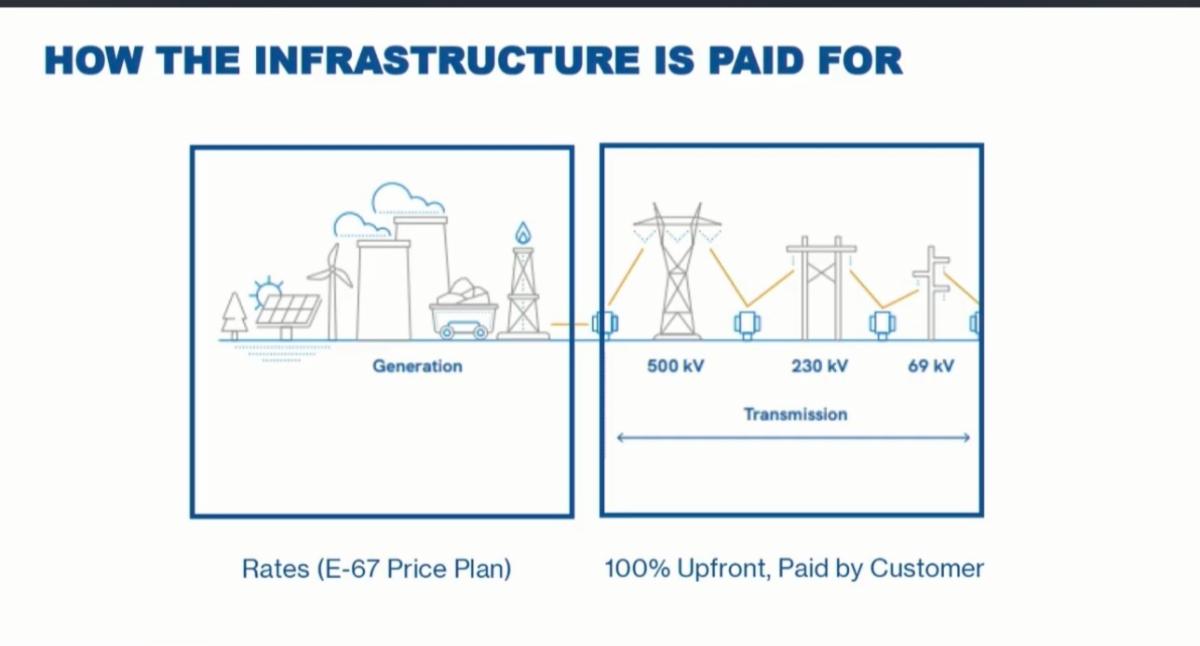
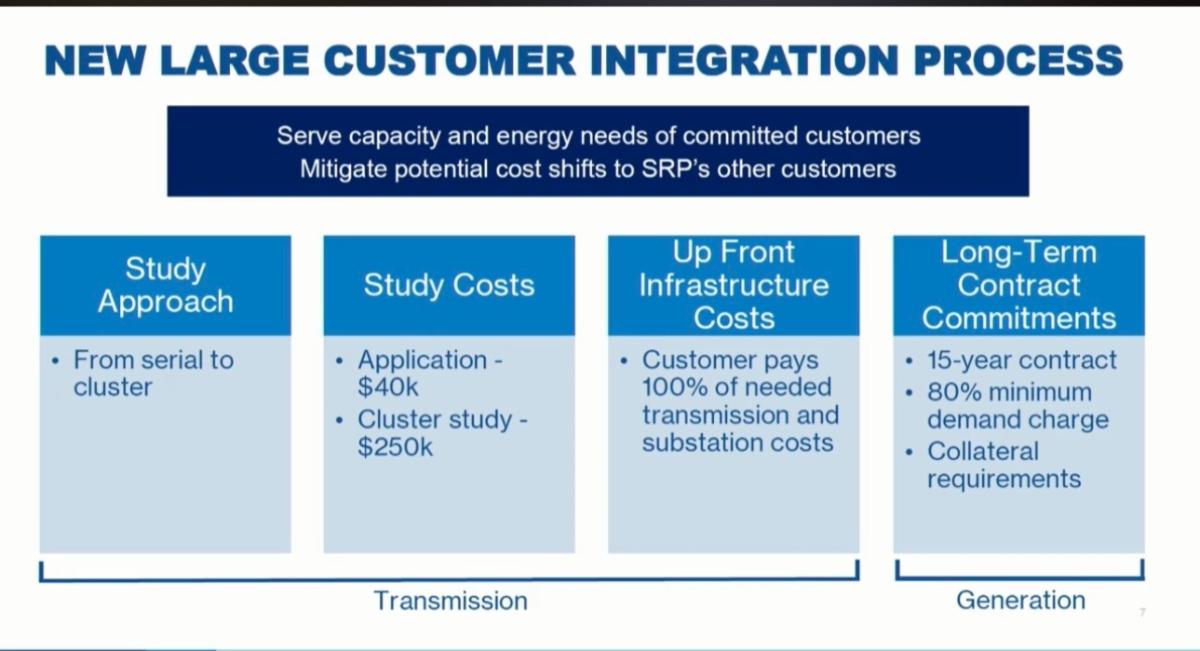
Connecting a major large-load customer can take years of planning. New substations may be required. Transmission infrastructure may need to be constructed. Grid upgrades may be necessary. These projects involve extensive engineering, planning and significant investment.
Connecting a data center is nothing like moving across town, calling your utility company three days before the move, and asking them to turn on the electricity.
Large-load customers go through an extensive process before receiving service, and the infrastructure required to serve them can represent millions of dollars in investment.
That is an important distinction when discussing another claim circulating online—that data centers are responsible for increasing everyone's utility bills.
We should absolutely scrutinize utility rates and make certain ordinary ratepayers are protected. But we should also understand how large-load customers actually connect to the system before assuming residential customers are automatically footing the bill.
When a data center brings its own power generation, that can create additional opportunities. The electricity being generated is not fundamentally different simply because it is associated with a data center. Natural gas turbines, for example, are already part of the generation mix used by utilities to provide electricity to homes and businesses.
You Already Use Data Centers Every Day
Lost in much of this debate is a basic fact: we all use data centers.
Every time you open an internet browser, access online banking, store photographs in the cloud, stream entertainment, use an app, make an online purchase, visit a patient portal or interact with countless other digital services, somewhere behind that activity is data infrastructure.
Your bank uses data centers. Your doctor's office uses data centers. Businesses use them. Schools use them. Governments use them.
Artificial intelligence is certainly increasing demand for computing capacity, but AI is not the only reason more data centers are needed. Our entire economy and daily lives have become increasingly digital.
Data centers have existed for decades. The difference today is that they are larger, more visible and receiving far more public attention.
That increased scrutiny is not necessarily a bad thing. Communities should ask questions. Supervisors and councilmembers should demand answers about water, electricity, noise, infrastructure, zoning and costs.
But those questions need to be answered using today's facts and today's technology, not assumptions based on what a data center looked like years ago.
That is why I applaud Pinal County for holding this discussion publicly. The supervisors asked questions, challenged the presenters and had an opportunity to learn directly from people who understand the industry and the electric grid.
Arizona is going to continue facing proposals involving data centers and other large technology projects. We can simply say "no" because we are afraid of what we have heard, or we can educate ourselves, establish appropriate regulations, put projects in properly zoned locations, protect residents and taxpayers, and evaluate each proposal on its individual merits.
Pinal County chose education before judgment.
In the slides below the customer is the large load user.
|