A Season Made Together
As the growing season winds down, I’ve been thinking about the many ways people bring the Seed Library to life. Some share their knowledge, some give their time, and thousands more take seeds home and see what grows.
We recently completed our inventory for the 2025–26 season: 22,576 envelopes from our curated collection went out into the community, along with 2,387 through our grab bin and special packages. That’s 24,963 seed envelopes in all! Each one represents a chance for someone to grow something, and we’re thankful to everyone who helped make that possible.
We’d love to hear what grew from your Seed Library seeds. Share your story or photos here.
Submitted by Melissa, N.E.W. Master Gardener
| |
Thank You to the
Gardeners Club of Green Bay
The Gardeners Club of Green Bay invited the community into seven local gardens for its fourth annual Garden Walk this July. The day offered visitors a chance to enjoy the creativity and care behind each garden—and it also made support for local projects possible.
The club’s members chose four Brown County organizations to receive awards from Garden Walk proceeds, including a generous $500 award to the Brown County Seed Library. We’re honored to be among the recipients and grateful to the garden hosts, club members, volunteers, and everyone who attended the walk. Thank you for helping us share seeds and gardening resources with our community!
Learn more about the Gardeners Club of Green Bay.
Submitted by Melissa, N.E.W. Master Gardener
|
From Herbal Tea to Pumpkin Land
Thank you to Crystal Brown of Inspired North for leading Herbal Tea in the Edible Garden on September 1! Gardeners young and old made several herbal teas right in the garden and sampled them in real teacups. It was a lovely evening of learning, tasting, and enjoying a little bit of magic together.
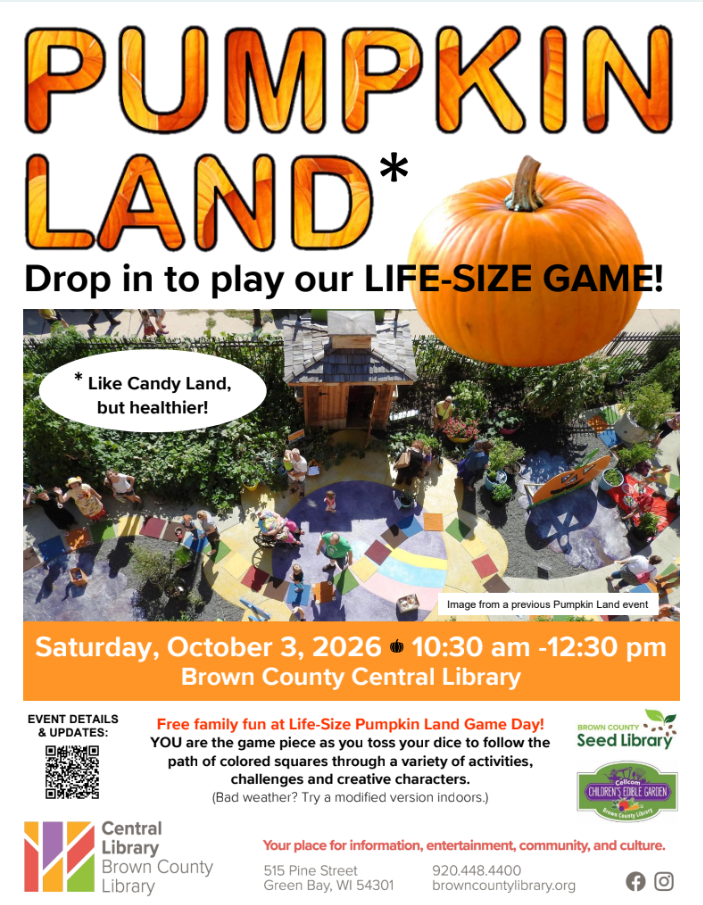
We hope you’ll join us for another playful day in the garden at Pumpkin Land on Saturday, October 3. This time, children can become the game pieces as they make their way through the Edible Garden. The NWTC Energy and Conservation Club will bring a solar and battery-powered trailer to pop locally grown popcorn for everyone to enjoy. Take a look at the poster for more of the fun planned, and visit the library’s event page for details and updates.
Submitted by Melissa, N.E.W. Master Gardener
|
Keep an Eye on the Frost Forecast
October often brings our first frosts. Check the forecast regularly, especially when nighttime temperatures begin to dip, and harvest any tender crops that are ready. If a light frost is expected, you may be able to give plants a little more time by covering them with old sheets or frost cloth before evening. Secure the edges so cold air cannot easily get underneath, then remove the covers in the morning. A covering can help with a light frost, but it may not protect tender plants during a hard freeze.
Sometimes the forecast means bringing in fruit that hasn’t fully ripened. Later in this newsletter, we’ll look at what you can do with green tomatoes, pumpkins, peppers and unripe beans harvested ahead of a freeze. For more ways to extend the season, revisit “Gardening Beyond the Frost” in last October’s newsletter.
Submitted by Melissa, N.E.W. Master Gardener
|
Provider Beans: Were Yours True to Type?
Growing from seed gives us a chance to get to know our plants. As they grow, we can notice their shape, flowers, and fruit—and sometimes spot a surprise.
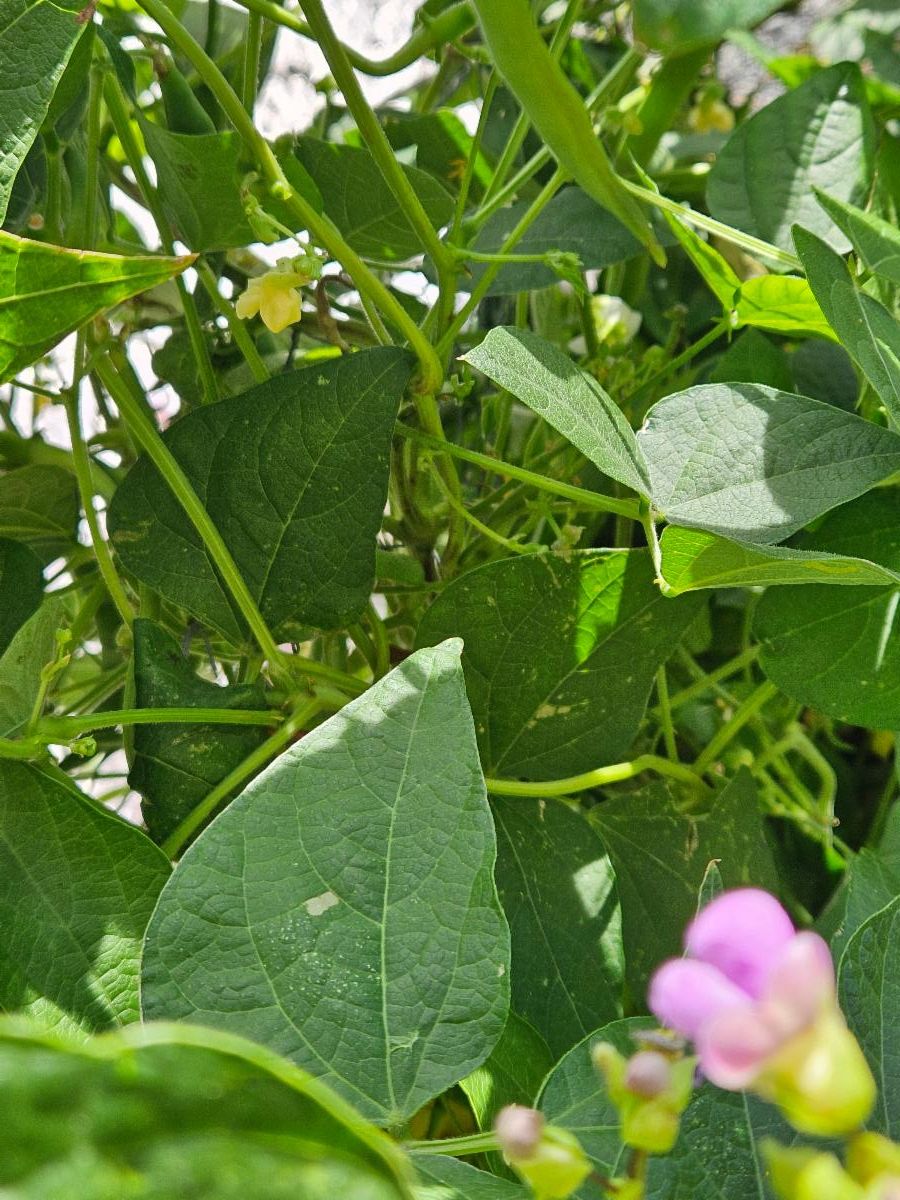
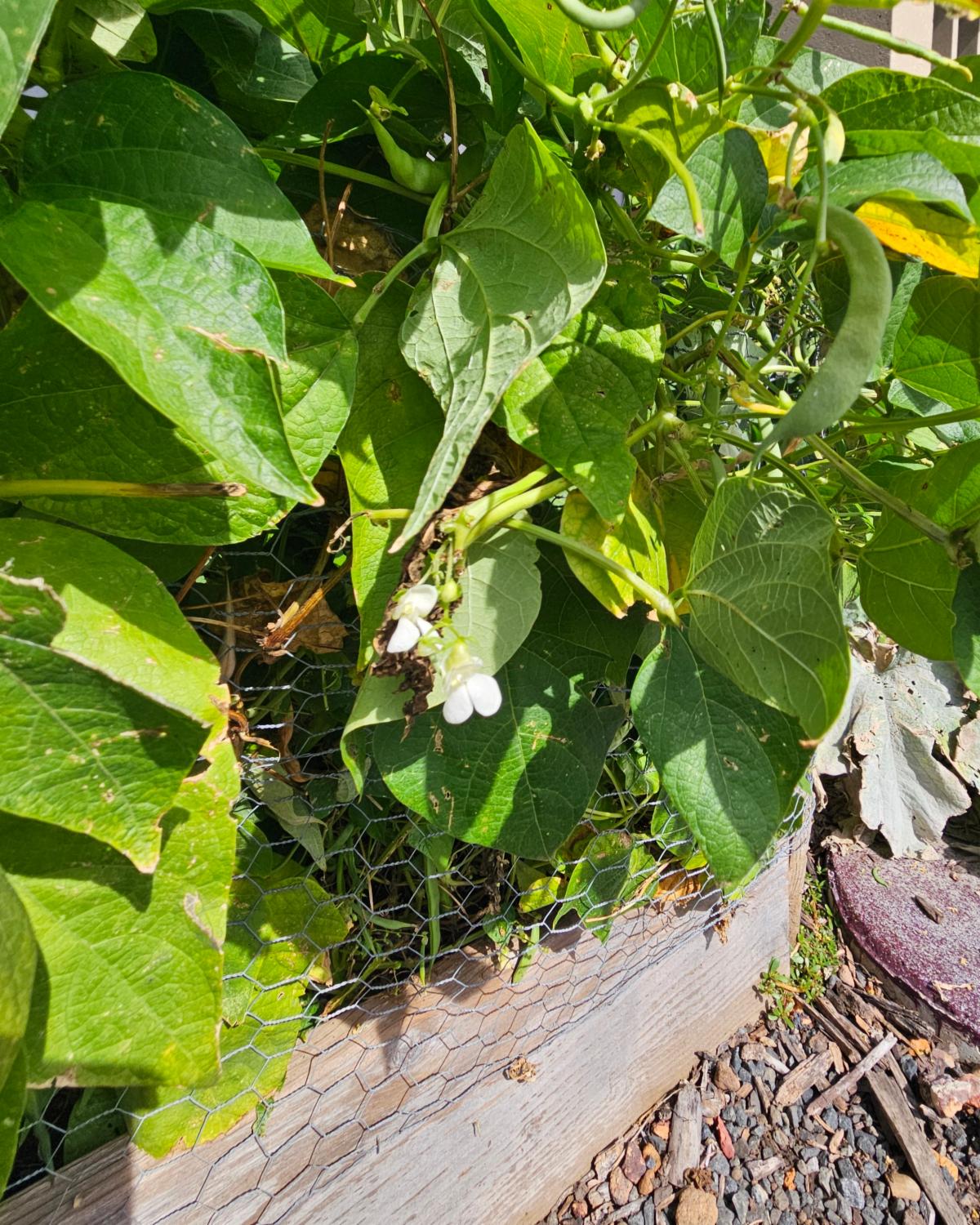
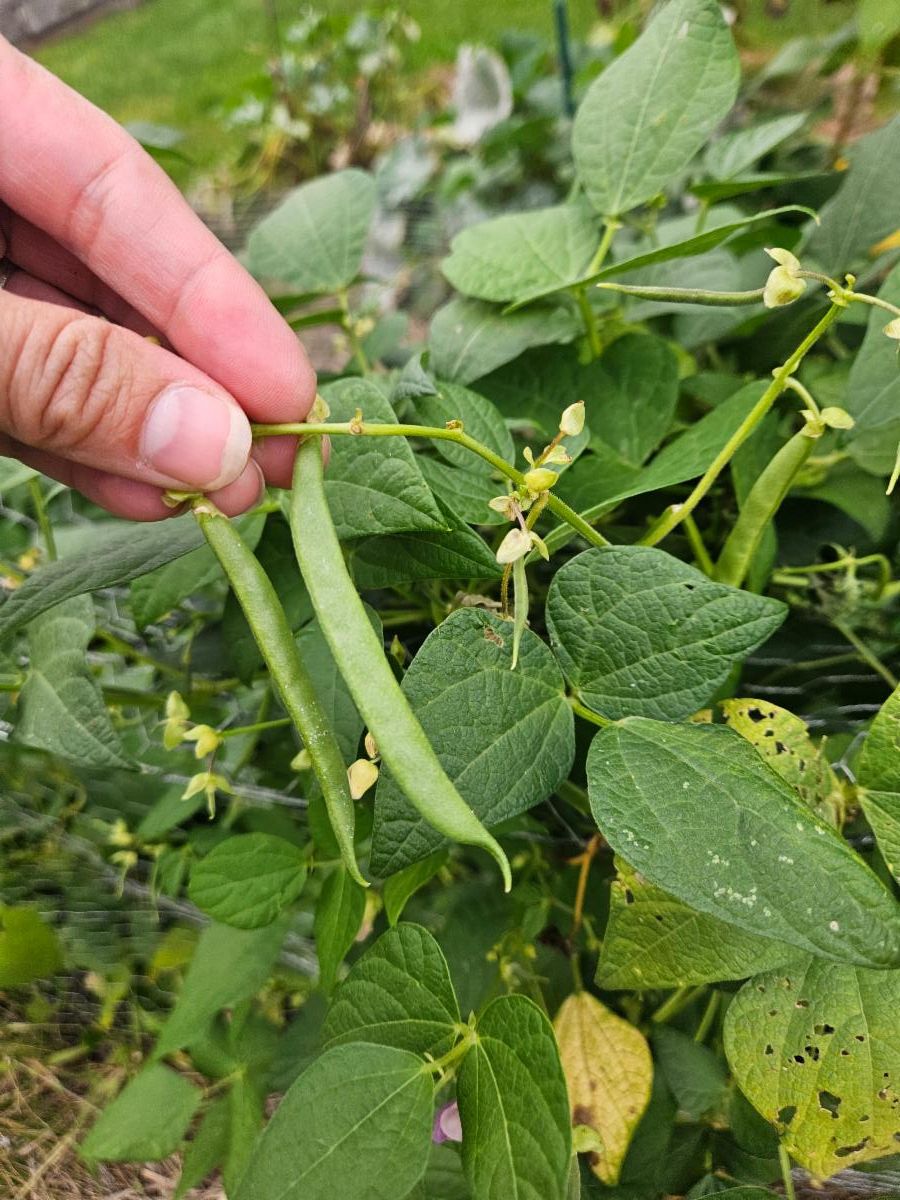
This year, some of the Provider beans grown from our seed supply appear different from what we expected. Many have flat pods rather than rounded ones, some are vining rather than growing as bushes, and some have cream or yellow flowers instead of purple ones. The photos below show examples from my home garden and the Children’s Edible Garden.
We contacted the seed supplier, and they are looking into it. They have not received other reports of issues with this seed lot. After rabbits ate my first planting, I replanted directly from the supplier’s seed bag, so I know where the plants in my garden came from.
How are your Provider beans growing? Take a closer look at their growth habit, flowers, and pods. If you notice traits like these, please send a photo to SeedLibrary@NewLeafFoods.org. Let us know what you observed and what year the seeds were packed (this is on the back of the seed envelope on the bottom), if you still have it.
This is a useful reminder to observe and monitor our plants throughout the season, especially if we plan to save seeds. Getting familiar with what a variety normally looks like helps us recognize when something is different. We recommend not saving seeds from Provider plants that aren’t growing true to type. And we will keep you updated if we find out anything further from the seed company.
Submitted by Melissa, N.E.W. Master Gardener
|
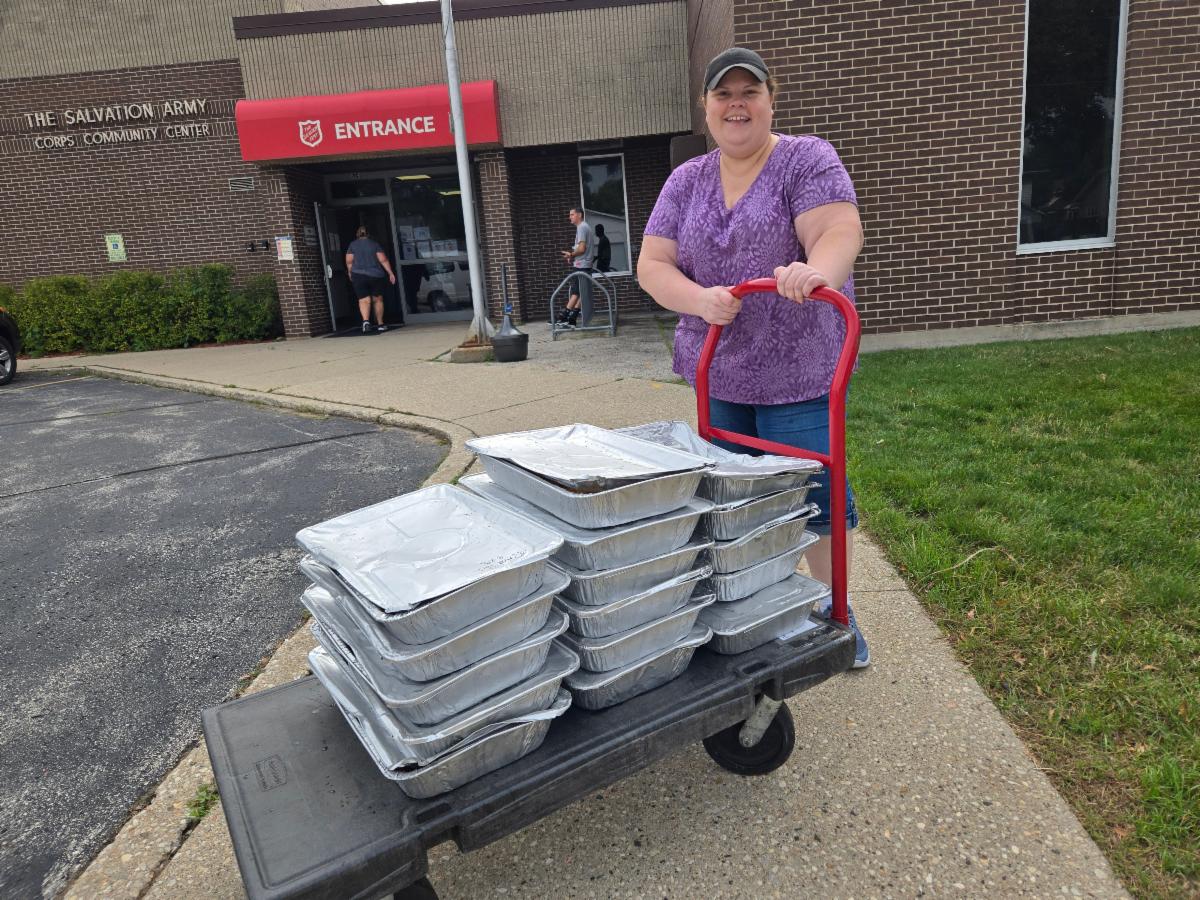
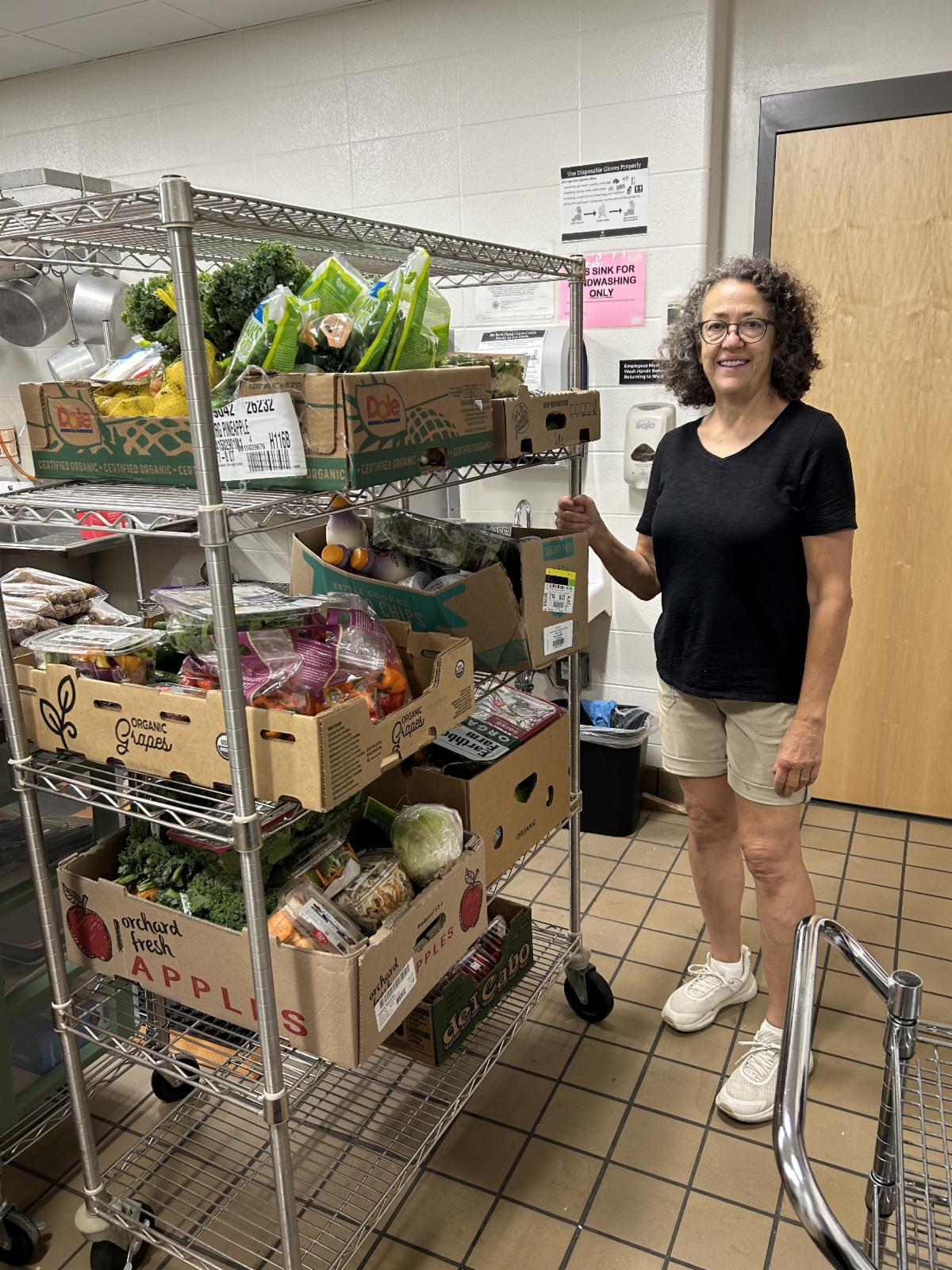
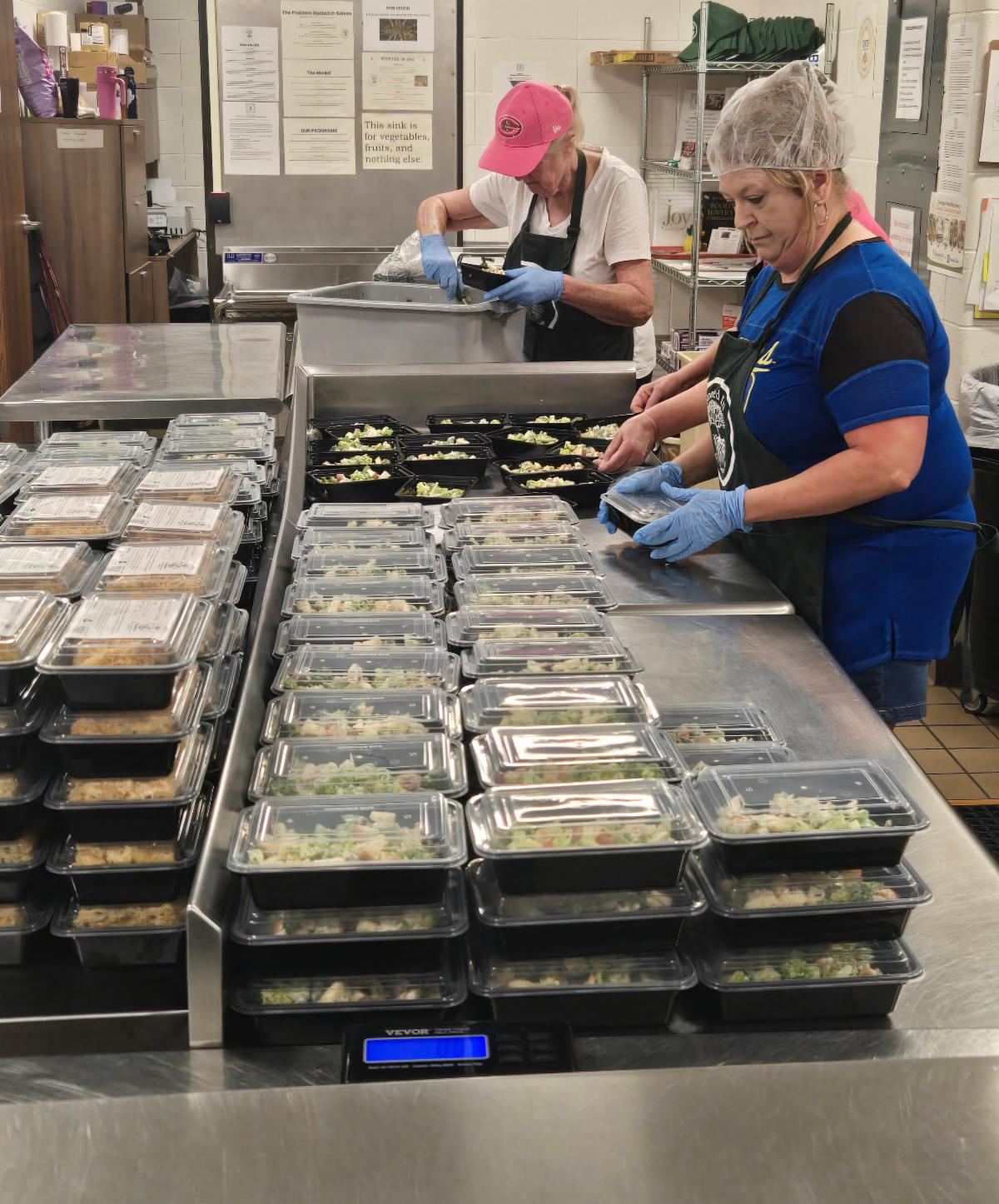
Local Organization: Rooted In Inc.
In recognition of Food Waste Prevention Week, September 28–October 4, the Brown County Seed Library is featuring Rooted In, a nonprofit making a difference here in Greater Green Bay. We’re pleased to share this message from its founder and CEO, Selena Darrow, about their mission and how you can get involved:
| | |
Rooted In bridges the gap between good food going to waste and getting that food to neighbors who are hungry.
We recover high-quality surplus food from local businesses, food manufacturers, farms, grocery and retail partners, restaurants, and community events. Volunteers help us transform those ingredients into nutritious, ready-to-eat meals in our commercial kitchen. Those meals are then shared through trusted community partners serving older adults, families, veterans, people with disabilities, people experiencing homelessness, and others facing food insecurity throughout Greater Green Bay.
Volunteers help prepare and cook food, assemble and package meals, pick up food from donors, or deliver food and meals to food access partners.
At the heart of this work is our mission to build a community table where all people are nourished and uplifted. Every meal prepared, every pound of food recovered, and every hour volunteered helps strengthen that table—bringing people together, caring for our neighbors, and building a healthier, more connected community.
Whether you come by yourself, with coworkers, friends, or a community group, we invite you to pull up a chair, take your seat at the community table, and help nourish our community together.
Learn more and sign up at Rooted In Volunteer Opportunities.
Submitted by Selena Darrow, Founder and CEO of Rooted In Inc.
| | |
Calendar of Local Garden Related Events:
October 1, 5:30pm - 7:30pm ($)
Green Thumb Gardening Fall 2026 Series: Woody Plants for Fall Fireworks: Choosing Deciduous Woody Plants With Great Fall Color
Virtual, UW Extension
October 3, 10:30-12:30 (free)
Life-sized Pumpkin Land and Return of the Scarlet Runner Bean
Brown County Central Library, 515 Pine St, Green Bay
October 6, 9:30am - 10:30am (free for members, $ for non members)
Guided Tree Walks
Green Bay Botanical Garden, 2600 Larsen Rd
October 7, noon - 1pm (free)
Tribal Food Systems Webinar Series: Intro to Growing Mushrooms
Virtual, UW Extension
October 8, 10am - noon ($)
From Fall to Frost: Preparing Your Garden for Overwintering
Green Bay Botanical Garden, 2600 Larsen Rd
October 8, 5:30pm - 7:30pm ($)
Green Thumb Gardening Fall 2026 Series: Soils, Soil Testing, and Fertilizers
Virtual, UW Extension
October 13, noon - 1pm (free)
Add Color to Your Landscape with Flowering Shrubs
Virtual, University of Minnesota
October 15, 5:30pm - 7:30pm ($)
Green Thumb Gardening Fall 2026 Series:
Small Native (and Nativar) Trees and Shrubs
Virtual, UW Extension
October 19, 11:30am - 12:30pm (free program, $ lunch)
Library Lunch & Learn: UWGB and the Future of Composting
Kress Library, 333 N. Broadway, De Pere
October 20, noon - 1 pm (free)
Before They Take Hold: Stopping the Spread of Invasive Species
Virtual, University of Minnesota
October 21, 1:30pm - 2:30pm (free)
Ask Your Gardening Question: LIVE
Virtual, UW Extension
October 21, 6pm - 7pm (free)
Bats in the Backyard with Bat Conservation International
Virtual, Wild Ones
October 22, 5:30pm - 7:30pm ($)
Green Thumb Gardening Fall 2026 Series: Getting the Garden Ready for Winter
Virtual, UW Extension
October 24, 10am - 12:30pm and 1pm -3:30pm (free)
Seed Cleaning for BCSL, with Wild Ones Green Bay
Brown County Central Library, 515 Pine St, Green Bay
October 28, 6:30pm - 8:30pm (free)
2026 PDDC Plant Disease Talks - Orchid Diseases
Virtual, UW Extension
October 29, 5:30pm - 7:30pm ($)
Green Thumb Gardening Fall 2026 Series: Native Plants and Pollinators
Virtual, UW Extension
November 5, 5:30pm - 7:30pm ($)
Green Thumb Gardening Fall 2026 Series: Made in the Shade: Shade Perennials
Virtual, UW Extension
Nov 6, 6:30pm - 10pm (free, donation appreciated)
Foraging for Freedom: An Evening with Robin Greenfield
Tarlton Theatre, 405 W Walnut St, Green Bay
November 7, 11:00am – noon (free)
Fantastic Fungi
Brown County East Branch Library, 2253 Main Street, Green Bay
November 9-11 ($)
Friends of the Library's BIG Book Sale
Brown County Central Library, 515 Pine St, Green Bay
November 10, noon - 1pm (free)
Fact or Fiction? Garden Myths Meet Research-Based Science
Virtual, University of Minnesota
November 10, 1pm - 2pm (free)
Growing honeyberries in Minnesota
Virtual, University of Minnesota
November 11, 1:30 – 2:30pm (free)
Ask Your Gardening Question: LIVE
Virtual, UW Extension
November 12, 5:30 – 7:30pm ($)
Green Thumb Gardening Fall 2026 Series:
Strawberries, Raspberries, and Blueberries
Virtual, UW Extension
November 14, 1pm - 2:30pm (free)
Pruning Workshop: Fruit & Nut Trees
Brown County Central Library, 515 Pine St, Green Bay
November 17, 1pm -2pm (free)
Amplify your garden: Add wildlife habitat
Virtual, University of Minnesota
November 18, 6pm - 7pm (free)
The Habitat Check-Up with Wildr Places
Virtual, Wild Ones
November 18, 6:30 – 8:30pm (free)
2026 PDDC Plant Disease Talks - Confessions of a Black Thumb
Virtual, UW Extension
November 19, 5:30 – 7:30pm ($)
Green Thumb Gardening Fall 2026 Series: Adapting Gardening to Weather Extremes: Trends, Adaptations, and Shrinking Your Garden Carbon Footprint
Virtual, UW Extension
November 21, 10am - 3:30pm (free)
Seed Packing for the BCSL
Brown County Central Library, 515 Pine St, Green Bay
November 24, 1pm - 2pm (free)
Growing herbs: Beyond the container
Virtual, University of Minnesota
| |
For Kids!
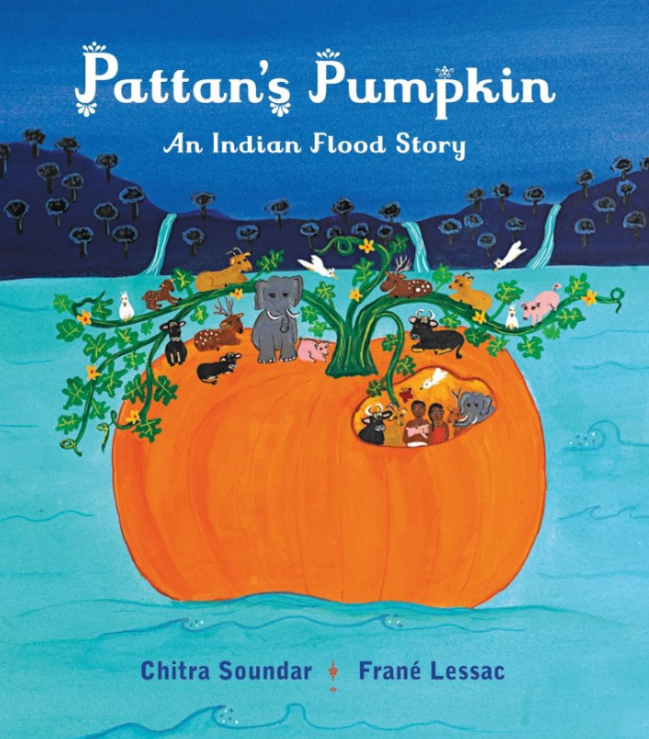
Pattan’s Pumpkin: A traditional flood story from Southern India
By Chitra Soundar
Format: book
A story for readers ages 4-8.
This is a story in which the people and pumpkin share the role as the hero. First, Pattan saves the pumpkin which grows pleasantly on the family’s homestead in the Sadyadri Mountains in Southern India. When a natural disaster threatens the community, Pattan determines that it is the pumpkin that could save them. It is a beautifully illustrated story with a happy ending.
| |
For Adults
Purely Pumpkin: More than 100 seasonal recipes to share, savor, and warm your kitchen
by Allison Day
format: book, ebook
Harvesting, decorating with, carving, annnndd eating! Pumpkins bring joy as we wind down the long, hot days of summer. Author Allison Day introduces us to all things Pumpkin. Heirloom pumpkins will enchant us with their names like pink banana and strawberry crown. They enrich us with their vitamins. Grab this cookbook to get your Fall 2026 harvest recipes for easy to use fresh pumpkin in warm beverages. Continue on for more of the sweet and savory dishes like various pancakes, oodles of soups and salads, and desserts galore. Then like Day suggests, be sure to share with the people in your life!
| |
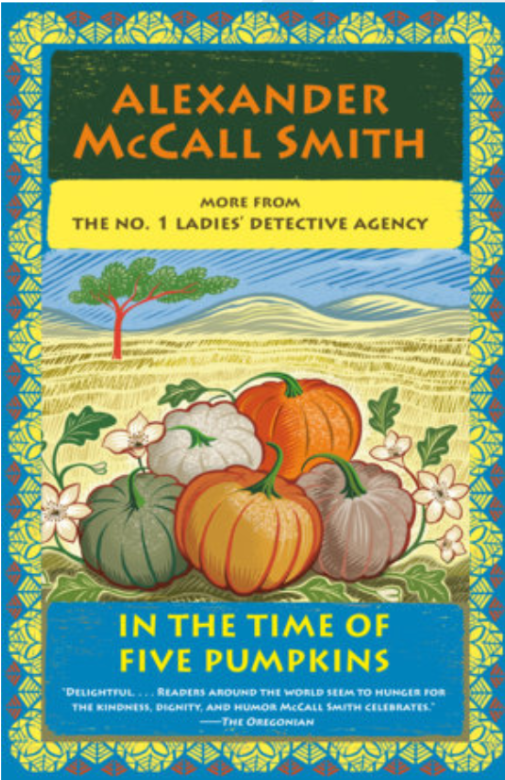
No. 1 Ladies Detective Agency series: In the time of five pumpkins
by Alexander McCall Smith
format: book, ebook, playaway
In the time of five pumpkins is book number 26 in McCall-Smith’s No. 1 Ladies Detective Agency. In this 26th installment, readers follow Mma Precious Ramotswe, the founder of the agency, in a case in which they do not have all the information they need to solve it. And what significance have the pumpkins growing in her garden? Do they provide context or evidence for her to solve the case? Pick up a copy of In the time of five pumpkins, perfect for the season we’re in, and find out for yourself how Mma Ramotswe and her team solve their latest case!
The benefits of reading No. 1 Ladies Detective Agency mystery series in sequence is for backstory and character development. It’s okay to read out of order because each book features a self contained case.
Submitted by Jennifer, N.E.W. Master Gardener and Brown County Librarian
| |
What Can You Do With a Harvest
That Isn’t Quite Ripe?
An approaching frost can leave gardeners with a familiar question: should you pick what’s still growing, and what can you do with it afterward? The answer depends on the crop. Some produce can finish ripening indoors, some is delicious while still green, and some needs to be used sooner than you might expect.
Green tomatoes: Pick tomatoes before frost damages the fruit. Full-sized, mature green tomatoes can often ripen indoors; placed in brown paper bags. Check them regularly and use any that begin to soften. Tomatoes that are still small and immature are less likely to ripen well. You can also enjoy green tomatoes just as they are. The National Center for Home Food Preservation has a tested Pickled Green Tomato Relish recipe that makes good use of them. If you plan to can it, follow the recipe and processing directions as written. If you’re growing an indeterminate (vining) tomato, you can pinch or cut off its growing tips late in the season so the plant stops putting energy into new growth and focuses on fruit already on the vine.
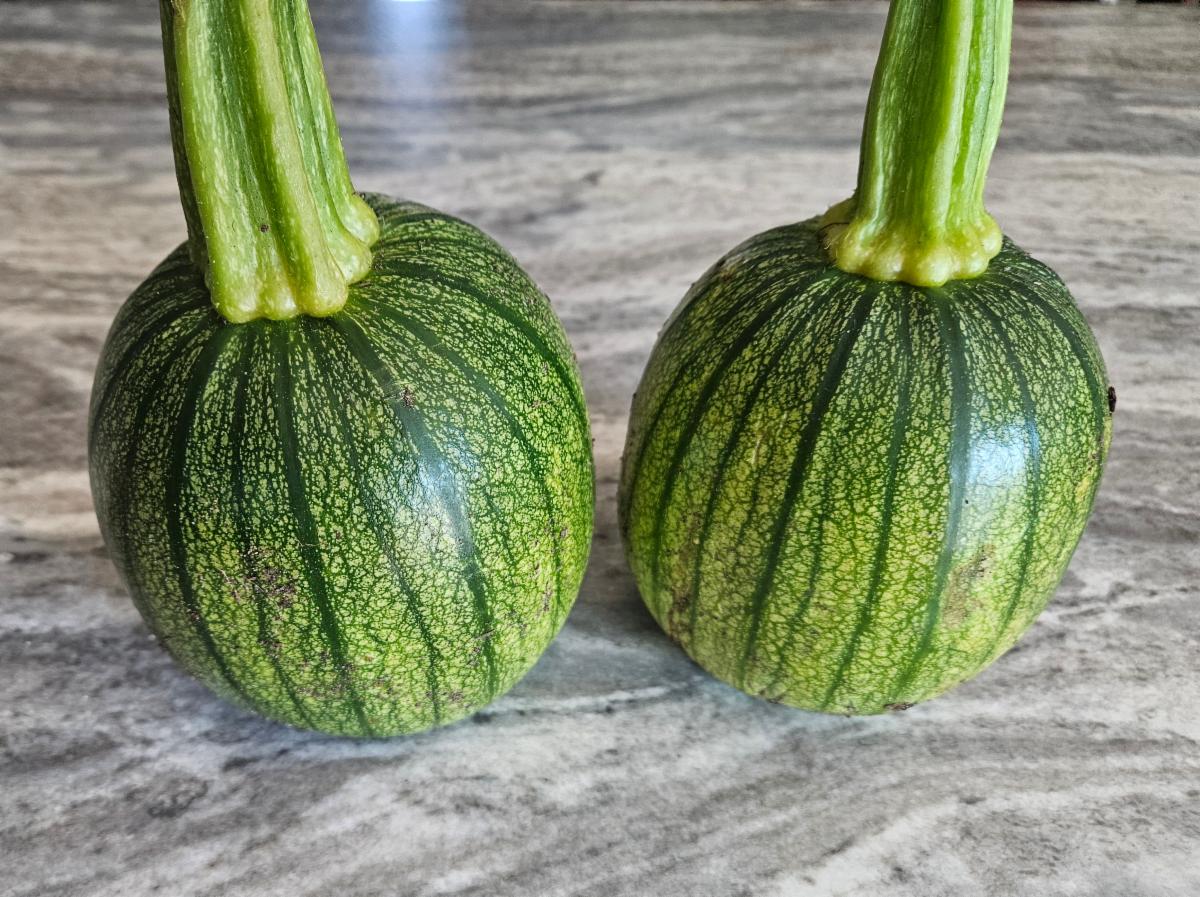
Pumpkins and winter squash: Check the variety before deciding that a green squash is unripe—some are green even when fully mature. Look for a hard rind that resists a fingernail, and harvest before a hard freeze, leaving a short piece of stem attached. A pumpkin that has started changing to its mature color may continue to color after picking, but color change alone doesn’t mean it has reached full maturity. An immature pumpkin or squash may be less sweet, have a different texture, and lack the firm rind needed for winter storage. If the rind is still soft, plan to use it soon.
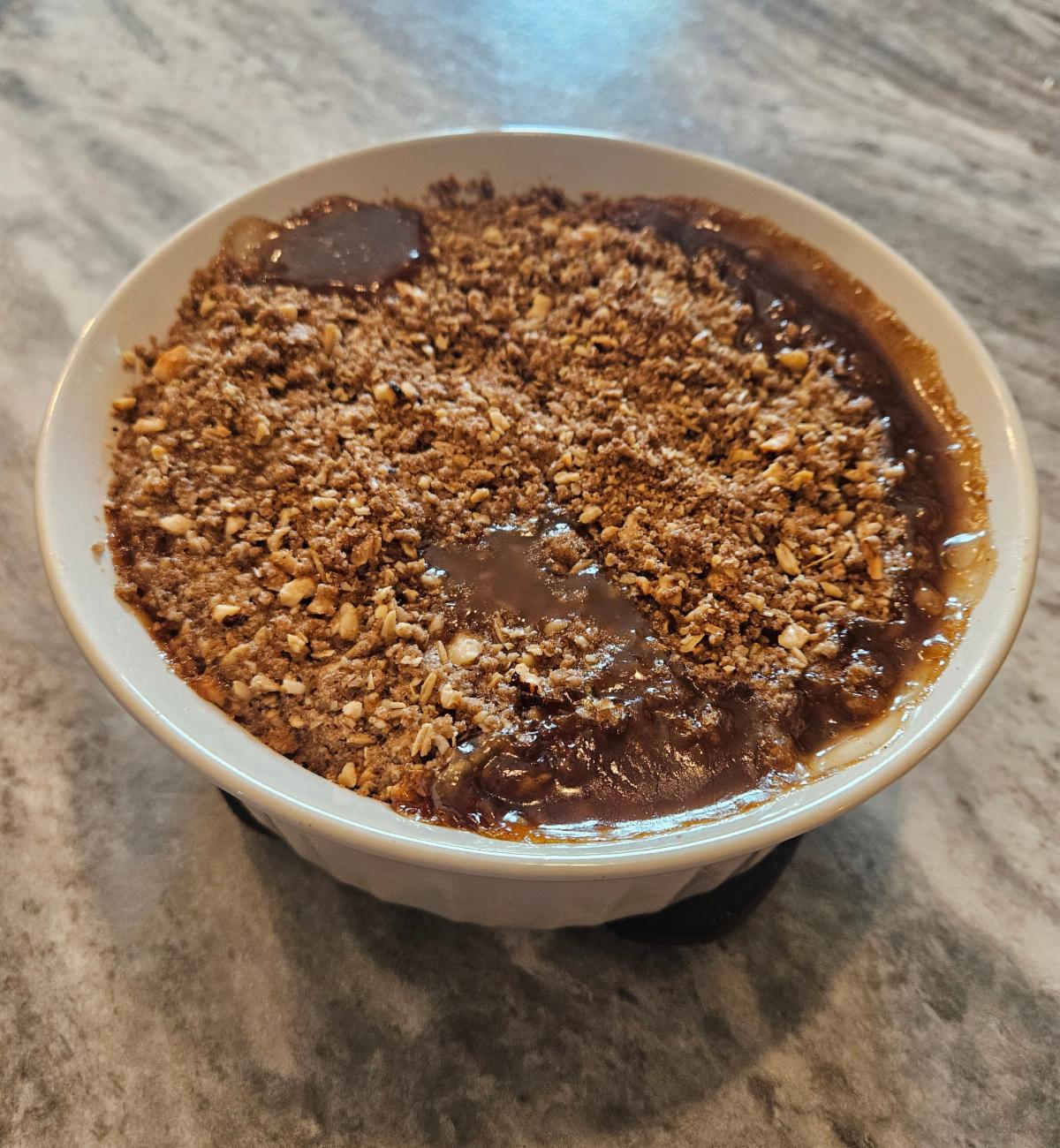
The green pumpkin crisp recipe below is our take on a mock apple pie made with unripe pumpkin by Alan Bergo, the Forager Chef. He adapted the idea from a recipe in The Little House on the Prairie books, and his website offers many more ideas for using garden harvests and Midwest foraged foods.
Peppers: Green peppers may taste different from fully ripe ones, but many sweet and hot peppers are good to eat before they reach their final color. Pick them before frost, then use them fresh in cooking or preserve the extras.
Beans grown for drying: If frost arrives before your bean pods have dried, take a closer look. Young, tender pods can be cooked like green beans. If the pods are tough but the beans inside are plump, shell and cook them as fresh “shelling beans.”
If you want to save beans for planting, look first for full-sized seeds and pods that have begun to fade from green. Ideally, the pods will become tan, dry, and brittle on the plant. If frost arrives sooner, pull up the plants and let them finish drying in a sheltered, airy place.
You can also spread harvested pods out to dry. Once shelled, planting seeds should be hard enough that you cannot dent them with a fingernail. Compare them with fully mature seeds of the same variety: beans that dry small and shriveled may not have developed enough to save. If you’re unsure, set a few aside for a germination test before relying on them next spring.
A frost forecast doesn’t have to mean leaving the last of the harvest behind. Take a look at what’s growing, identify the variety when you can, and choose whether to ripen, store, or cook each crop based on what it needs.
Submitted by Melissa, N.E.W. Master Gardener
| |
Green Pumpkin Crisp
Inspired by Alan Bergo’s green pumpkin mock apple pie.
Ingredients
Filling
- About 6 cups peeled, thinly sliced green pumpkin
- ¾ cup packed brown sugar
- ¼ cup apple cider vinegar
- 4 tablespoons cornstarch
- 1 teaspoon ground cinnamon
- ⅛ teaspoon ground cloves or allspice
- ½ teaspoon ground nutmeg
- ½ teaspoon ground ginger
- ¼ teaspoon salt
Crisp topping
- ⅓ cup flour
- ½ cup packed brown sugar
- ½ teaspoon salt
- ½ teaspoon ground cinnamon
- 3 tablespoons cold butter, cubed
- ⅓ cup old-fashioned rolled oats
- ¼ cup coarsely chopped hazelnuts, walnuts, or other nuts
Instructions
- Prepare the pumpkin. Remove the stem and cut the pumpkin into quarters. Scoop out the seeds and all the stringy, spongy flesh. Peel the quarters until the green outer skin is removed, then cut the firm flesh into ¼-inch slices, much as you would slice apples. Measure out about 6 cups. If you have extra, set it aside to cook as you would zucchini.
- Make the filling. Toss the pumpkin slices with the brown sugar, vinegar, cornstarch, spices, and salt until evenly coated. Transfer to a buttered 2-quart baking dish.
- Make the topping. Add the flour, brown sugar, salt, and cinnamon to a food processor and pulse to combine. Add the cold butter and pulse until the mixture looks like coarse crumbs. Add the oats and nuts and pulse once or twice, just enough to mix them in. Sprinkle the topping evenly over the pumpkin.
- Bake uncovered at 350°F for about 45–50 minutes, until the filling is bubbling, the pumpkin is tender when pierced with a fork, and the topping is golden brown.
- Let the crisp cool for at least 15 minutes so the filling can thicken. Serve on its own or with whipped cream or ice cream.
Submitted by Melissa, N.E.W. Master Gardener
| |
|
Support the BCSL!
We are entirely supported by grants, donations and volunteers! If you are interested, there are many ways to support the BCSL.
*You can become a Seed Steward and support the library by growing out seeds from our core list to donate. We will accept seed donations by anyone who would like to donate, seeds can be dropped off at the STEM center or at the Central library.
*You can volunteer to sort and pack seeds. Opportunities will be posted on the New Leaf Foods Calendar of Events and included in our newsletters.
*You can make a monetary donation through our Fiscal Agent, New Leaf Foods. Click here to donate.
*You can visit our Amazon Wish List, which has basic packing supplies that we utilize for preparing our seeds for distribution. Click here to access the wishlist.
| | This newsletter is brought to you by: | | |
With assistance from AI technology
Disclaimer:
Although brand names of products are mentioned in this newsletter, NEWMG and BCL do not endorse any particular brands. These mentions reflect individual experiences and should not be interpreted as endorsements or recommendations.
| | | | |