ICYMI: 75TH ANNUAL MEETING WRAP-UP |
Last week, NACD virtually held its 75th Annual Meeting, celebrating the national association's past, present and future. Joined by over 1,800 conservation district representatives, partners and conservation leaders, this year's first-ever virtual meeting was an incredible success, from exciting keynote speakers to engaging breakout sessions that covered a variety of topics to the signing of a new agreement dedicated to promoting diversity and equity within the conservation space. We are excited by everything we accomplished this past week, and we look forward to all the work we have ahead of us.
Worried that you missed a moment from this year's annual meeting? Have no fear—we've got you covered! NACD's Annual Meeting Online Hub will remain available to view until Sunday, Feb. 21, 2021 and includes links to all Feb. 8-10 session recordings.
Additionally, we invite you all to take our 2021 Annual Meeting Survey here or by clicking the button below. We love your feedback, and it helps us gain insight on what you liked about this year's first-ever virtual meeting and how we can make improvements in the future. Please email us at events@nacdnet.org with any questions.
Thank you to all who made this year's meeting a success, including our speakers, sponsors, meeting attendees and exhibitors. On behalf of NACD's officer team: we couldn't have done it without you, and we look forward to seeing you all very soon in Chicago!
|
USDA FSA EXTENDS
CRP SIGN-UP
|
The U.S. Department of Agriculture (USDA)'s Farm Service Agency (FSA) has extended the general sign-up for the Conservation Reserve Program (CRP) until further notice. Included in this extension will be an agency evaluation of the program to ensure that the full acreage cap is utilized due to a current shortfall of four million acres.
Last November, NACD wrote to President Biden’s USDA transition team regarding CRP, expressing concern that the agency was not utilizing all existing authorities to ensure full enrollment of the program. FSA Associate Administrator Steve Peterson has indicated that there is no timeline for when a deadline will be announced or what changes to the program may include as the new administration reviews the program.
|
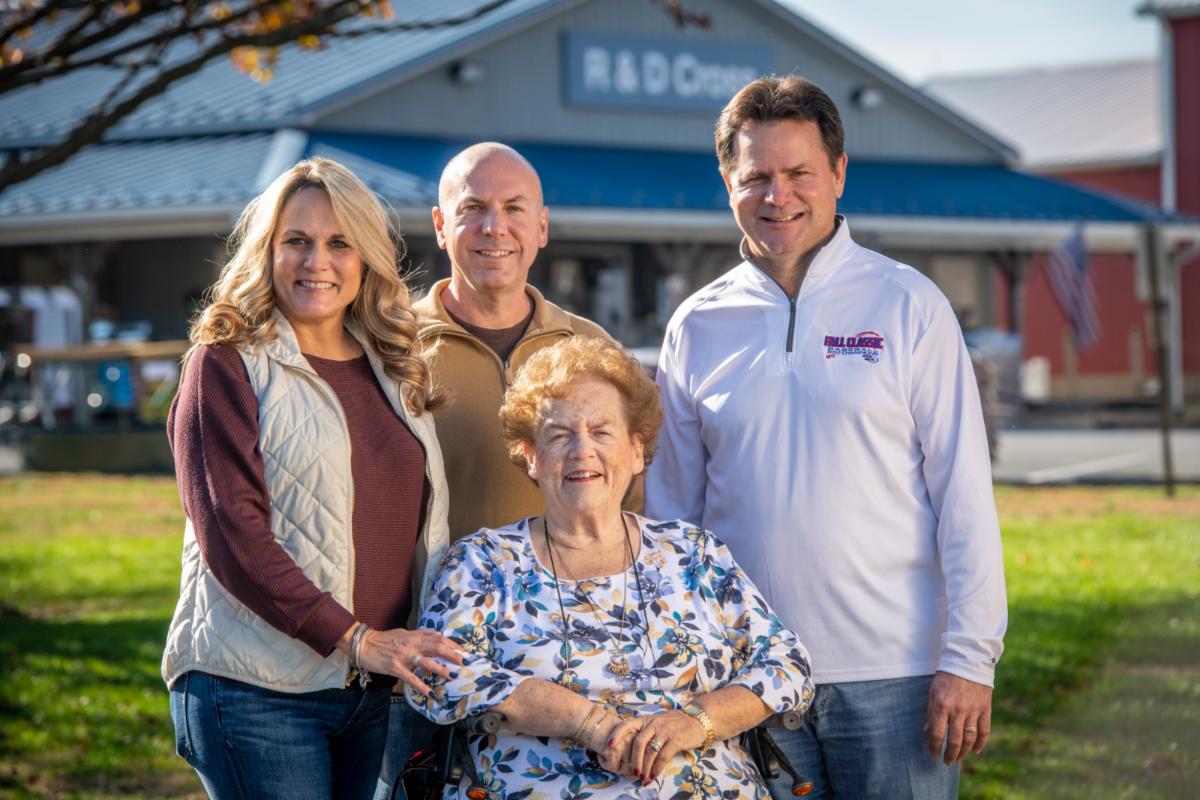
MARYLAND GOVERNOR INDUCTS FAMILY FARM INTO AGRICULTURE HALL OF FAME |
Photo Credit: Edwin Remsberg |
On Feb. 4, Maryland's Department of Agriculture announced that Maryland Governor Larry Hogan and Agriculture Secretary Joe Bartenfelder inducted the Cross family of Prince George’s County into the Governor’s Agriculture Hall of Fame during the Maryland Agriculture Council's "Taste of Maryland Agriculture" event.
“This year more than ever, it is clear how incredibly important the work of our farmers and producers is to each and every Marylander,” said Governor Hogan. "The resilience and perseverance of the Cross family has allowed their operation to grow and serve their community for more than a century. They represent the best of Maryland’s agriculture industry and it is an honor to induct the Cross family into the Governor’s Agriculture Hall of Fame.”
The Cross family are cooperators within the Prince George’s Soil Conservation District (SCD), where they were named Cooperator of the Year in 2009.
“They are leaders in soil and water conservation efforts and have installed multiple best management practices (BMPs) including […] one of the largest grade stabilization drop pipe structures in Prince George’s County,” said Steve Darcey, Prince George's SCD district manager. "The Cross family exemplifies the true spirit of the Governor’s Agriculture Hall of Fame.”
Read the full press release here. |
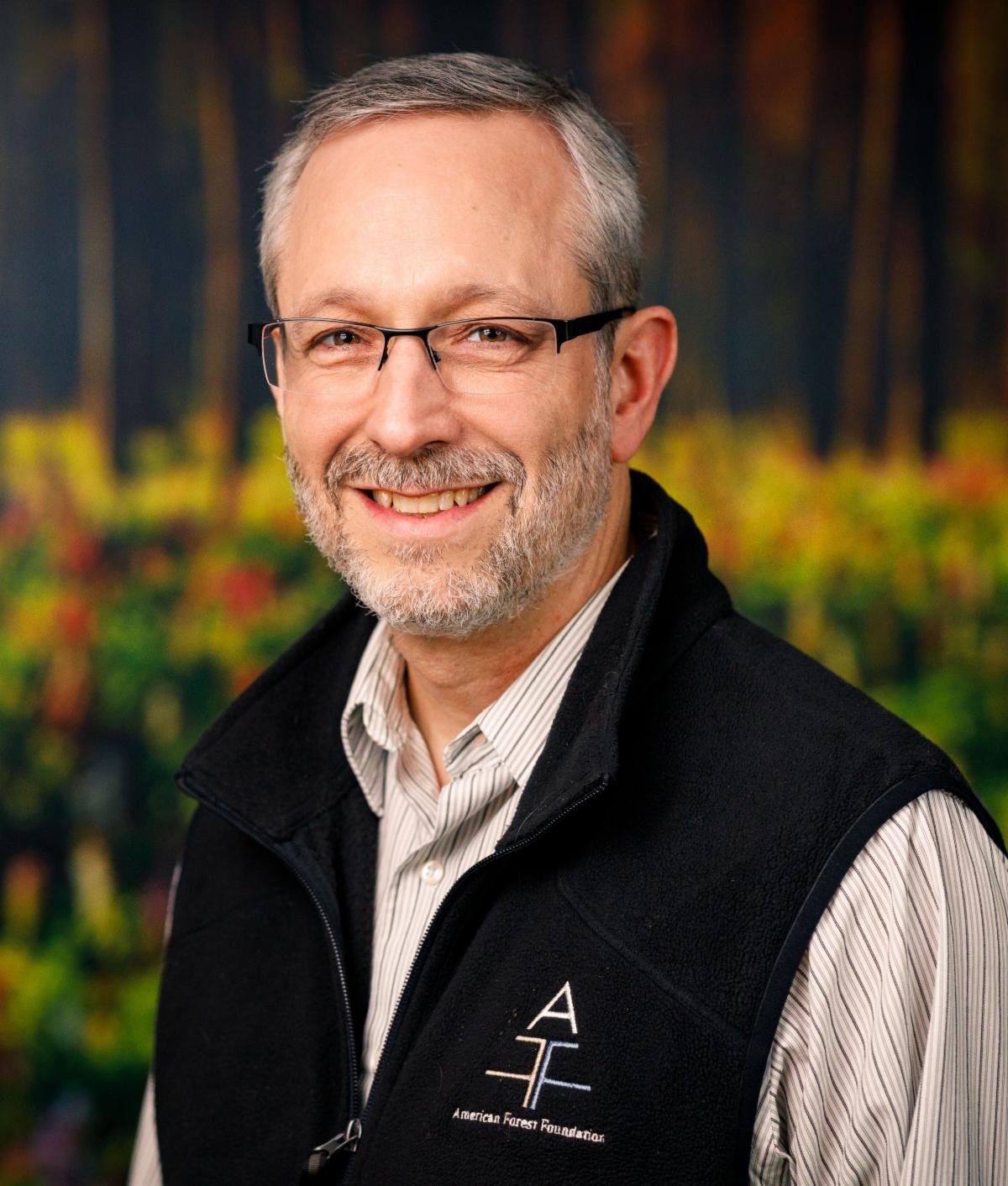
FORESTRY NOTES Q&A: PAUL DELONG |
Paul DeLong is senior vice president for the American Tree Farm System & Conservation at the American Forest Foundation (AFF). He supports a talented team of conservationists, working with partners to administer the nearly 20 million-acre Tree Farm program and implement projects on family-owned forest lands designed to protect drinking water supplies, at-risk wildlife and sustainably-produced wood across the country.
Recently, he spent time with NACD Forestry Notes to discuss his work and experience with forest conservation.
Talk about your role as senior vice president at AFF and also conservation, what that entails, and what that transition’s been like going to AFF.
I’ve been at AFF now for about four and a half years. Previous to that, I was Wisconsin’s chief State Forester for 13-plus years and had been with DNR in Wisconsin for 24 years. Part of what attracted me to AFF was I had partnered with AFF over many years, first through the American Tree Farm System, as an important landowner engagement and recognition and education program active across the country. And, in fact, when I was in college and interning with the Mosinee paper company, I did Tree Farm re-inspections.
One of the things I loved about it was meeting landowners and seeing the passion they had for their land and their desire to be good stewards. It always stuck with me through my career with DNR. Looking at a place like Wisconsin, where not only is the majority of forestland owned by individual families, the majority of timber that is harvested comes from those lands that fuels a vital part of Wisconsin’s economy. And yet when most people think about forests and the benefits they provide, whether it’s sustainably-produced wood, clean air, clean water, wildlife habitat, etc., folks aren’t thinking about those individuals and families who own the bulk of forestland.
Having the opportunity to come to AFF has been great. So then my role, and happy to dive into the different components of it, because it includes really the many ways in which AFF is sort of connected to and touching what happens on the ground with family forest lands. And such an important and vital part of what AFF does, our policy work, for example, is really critically important and often not maybe recognized outside of particularly the D.C. area, about the importance of how federal policy influences the ability of landowners to be able to achieve these conservation outcomes. As we dive into more of what I’m working on, I just want to recognize the really important work that’s done through our policy and communications work and of course, many other enabling functions that help achieve conservation on the ground.
|
|
Deadline Approaches:
NACD Seeks Northern Plains Region Representative
|
The deadline to apply for NACD's Northern Plains Region Representative position is this Friday, Feb. 19!
The Northern Plains Region Representative would provide assistance to the national association's member conservation districts and NACD Board of Directors to advance conservation, resource development and to assist in the implementation of the association’s policies related to the Northern Plains (KS, MT, ND, NE, SD) Regions.
The position is a full-time, service-oriented telework position with focus on creating and maintaining relationships and increasing the effectiveness of NACD in supporting conservation districts and their state associations.
Interested applicants should be based in NACD's Northern Plains and should send a resume, cover letter and two writing samples to hr@nacdnet.org with the subject line "Northern Plains Region Representative" no later than this Friday, Feb. 19 to receive priority conservation. Learn more at NACD's Careers webpage.
|
The U.S. Senate has scheduled action for Feb. 23 on Sec. Tom Vilsack's nomination for Secretary of the U.S. Department of Agriculture (USDA).
NACD supports the confirmation of Vilsack and his past work with ensuring the conservation delivery partnership between conservation districts and government agencies. Read the letter NACD sent in support of Vilsack's nomination here. |
ESMC Debuts Newly Revamped Logo
and Website
|
Last week, the Ecosystem Services Market Consortium (ESMC) launched a new website to provide its members and the public more timely and interactive information on the organization, its progress and its programs.
|
Visit NACD's Marketplace
for 2021 S&E Materials
|
You may not be able to visit a forest right now, but you can still connect with nature and bring the forest into your home with NACD's free, downloadable educational materials with printable worksheets and activities.
Educate K-8 students on the importance of forests and trees with the 2021 Stewardship and Education (S&E) educational materials, featuring the theme "Healthy Forests, Healthy Communities."
|
NACD Attends SARE Virtual Conference |
During the virtual conference, speakers discussed the need for increased support for African-American forest landowners struggling to gain clean title in southern states, tribal landownership obstacles and land retention programs. A list of conference speakers is available here.
|
Register Today:
RAP Webinar
|
Interested in learning more about the Rangeland Analysis Platform (RAP)? On Thursday, Feb. 25, the Natural Resources Conservation Service (NRCS) is hosting a webinar entitled, “RAP: Integrating Production and Economics into Area-wide Planning.”
RAP is an innovative online tool that combines current and historical satellite imagery with thousands of on-the-ground vegetation measurements to facilitate an exploration of trends in western vegetation over time. Information gained from the tool can be integrated into area-wide planning to stop further economic loss and prevent wholescale ecosystem transitions.
Presenters for the webinar include Brady Allred from the University of Montana and Dirac Twidwell from the University of Nebraska-Lincoln. Learn more about the webinar and register here. |
Promote your conservation district or state association's tree sale, annual meeting, webinar, field day or more on NACD's Calendar of Events!
|
|