News and information that journalists need to serve the public and stay safe.
|
|
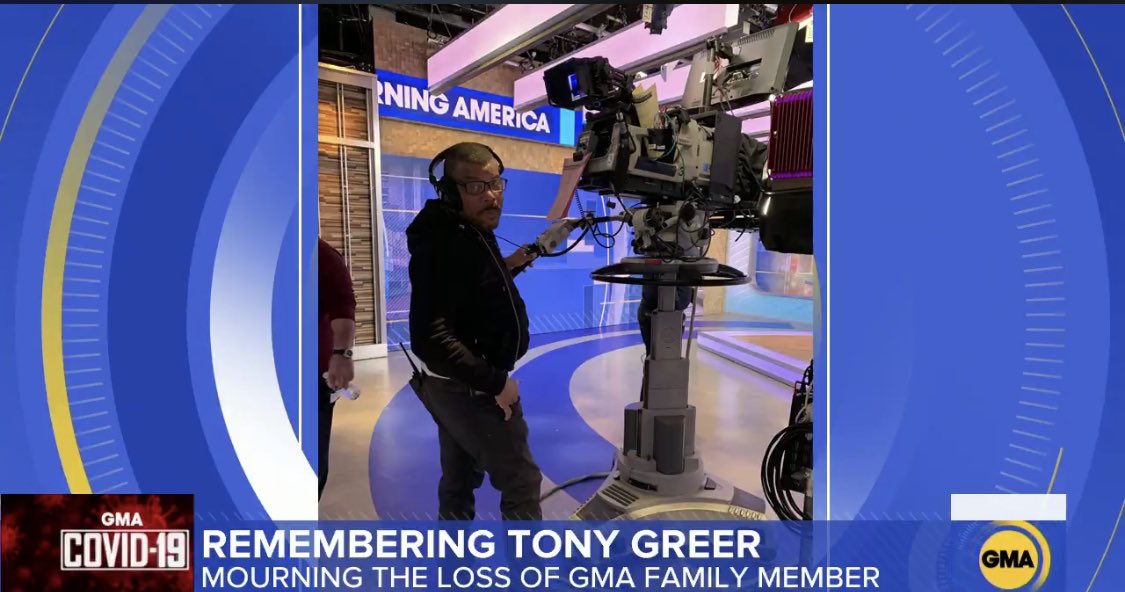
ABC News staffer dies after testing positive for coronavirus
|
|
With news organizations working 24/7 to keep the public informed about COVID-19, it seemed like a reasonable gesture for POLITICO, known for its hard-driving journalistic pace, to offer its journalists a day off.
“During this time, and especially as we all navigate remote life, it’s important that we all find time to rest and rejuvenate,” editor-in-chief Matt Kaminski, editor Carrie Budoff Brown and managing editor Joe Schatz wrote in a Tuesday memo to staff.
At CEO Patrick Steel’s suggestion, “we’re encouraging as many teams as possible to treat this Friday, April 10, as a day off.”
April 10 is also Good Friday, which pre-pandemic might have been taken as a holiday before Easter for many.
NBC senior media reporter Dylan Byers found the day off an
“odd approach,”
and many on Twitter responded to his view with defenses of POLITICO.
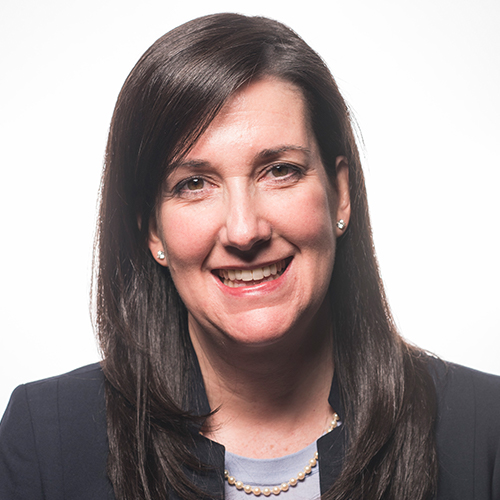
Watching this play out made us think about the wellbeing of newsroom staffs in general these days. So we reached out to POLITICO’s Chief Talent Officer, Traci Schweikert, to ask about the day-off decision and to seek broader answers about how newsrooms might be addressing work-life balance in a high-pressure WFH environment.
How did you reach the decision to offer Friday as a day off, and how does that decision fit with Politico's approach to the staff wellbeing right now?
Schweikert
: Our leadership team looked around the organization and saw how relentlessly all of our POLITICOs were engaging. Within our own teams, we had adjusted schedules, reassigned work to balance loads and encouraged employees to continue to take time off as they needed. We just finished Q1 by hitting our revenue goals and wanted to offer recognition to all our employees. Since Friday is Good Friday, and a day when markets are closed, etc, we thought this would be a good opportunity for POLITICO to collectively take a bit of time.
Read on
for more details on what support newsrooms need from HR and managers these days.
|
|
|
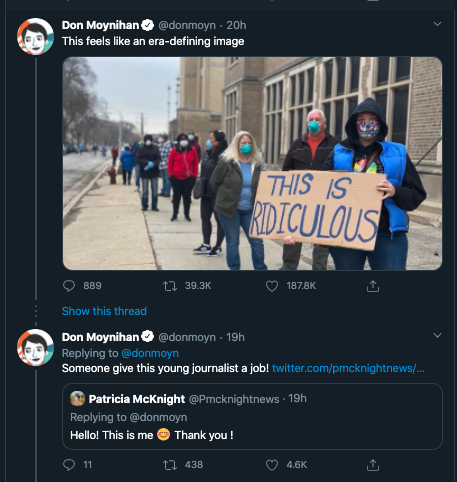
On Tuesday, Patricia McKnight set out to vote in Wisconsin’s election. By the end of the day, a photo the
Milwaukee Journal Sentinel
intern captured while performing her civic duty had gone viral.
“Perfect picture of our times. THANK YOU for keeping us all informed.”
“Love the photo. I hope it’s nominated for a Pulitzer. You captured the moment perfectly.”
“There is nothing special about a person holding a sign. With photo stories, what is really special is timing and the moment. This is a perfectly timed photo that reflects what is really happening. Well done.”
Georgetown professor Don Moynihan kicked off the praise for
McKnight
’s work simply: “This feels like an era-defining image.”
McKnight, who graduates next month from the University of Wisconsin-Milwaukee, shared how she captured the moment and what she’s learned about interning during a pandemic in an e-mail interview with the Institute:
When you got the assignment to cover lines at the election, what were your initial thoughts? How did you prepare for the assignment, especially given social distancing guidelines?
McKnight
: This wasn’t an assignment at all. I planned to go vote and asked my editor if they’d like an update of the polls. I’ve always been proactive, so any chance I get to tell a story, I ask the editors right away if I can report. I’m always eager to talk to people and take photos; today was just like any other day in my world.
What drew you to this particular subject — the woman carrying the "This is ridiculous" sign?
McKnight
: Her sign was obvious that she had something to say. I was walking towards the back of the line and caught a glimpse of the sign. I knew I just had to stop and talk to her … and take a picture, of course.
Read on
to learn what McKnight has learned from interning during this pandemic.
|
|
Bill Plante Chair in Leadership & Media Integrity, Loyola University Chicago
Freedom Forum Fellow in Women’s Leadership
There’s a lot of stereotyping around introversion and extroversion on any given day. It can get worse when we apply that thinking to working at a “social distance.”
To start:
Don’t assume that Introverts are shy or anti-social
. They lead meetings, teach classes, make speeches and anchor newscasts (yes, of the many anchors in my leadership seminars who took the Myers-Briggs Type Indicator®, twenty-five percent were introverts.) But they get their energy from the life of mind. They like time to think and prep - and they recharge their batteries with quiet time to do so.
Don’t assume that extroverts are “always on” and eager to mix, mingle and chat
. Extroverts get energized by connections with people, but they need “down time,” too. They may be among the first to speak in your meetings and may speak more than others, but they don’t necessarily want to be your “social chairperson,” assigned to plan all the team’s get-togethers.
Some tips for managing introverts and extroverts from a distance
:
- Ask people what they need from you. Don’t assume the introverts want fewer check-ins than extroverts. Silence can lead to misunderstandings.
- Zoom meetings can exhaust introverts AND extroverts - for interesting reasons. They differ from in-person sessions, where people can move more freely, read body language, make eye contact across a meeting table to express support, and speak without having to “unmute” first. Build breaks into long meetings so people can stretch. Try to avoid back-to-back sessions so people can clear their heads.
- Don’t assume that your extroverts always prefer on-camera meetings. Phone calls provide more options to multi-task (come on, we all do it) and move around. Mix things up.
- Agendas help everyone. They let introverts plan and keep extroverts on task - and help ensure that meetings don’t run longer than they need to.
Finally, remember what I teach managers about personality types: They explain you, but they don’t excuse you. We’re all capable of tapping into the best of our personality preferences when they benefit our team, and modifying our behaviors when they don’t.
|
|
|
Avoid the “Quarantine 15”
|
Weeks into WFH, you might be feeling it around your midsection.
Headlines and
memes
about the “Quarantine 15” make us pause to consider the potential weight gain in store as overall stress increases, WFH stretches office hours, we’re less mobile, and social distancing brings us closer to food than to our friends. One site has
created a calculator
to predict weight gain.
Some tips:
|
|
This newsletter is written & edited by the National Press Club Journalism Institute staff: Beth Francesco, Holly Butcher Grant, Jim Kuhnhenn, and Julie Moos.
Send us your questions and suggestions
for topics to cover.
|
|
The National Press Club Journalism Institute promotes an engaged global citizenry through an independent and free press, and equips journalists with skills and standards to inform the public in ways that inspire civic engagement. Support our important work with a tax-deductible contribution today.
|
|
|
|
|
|
|