Coast Posts
- A Newsletter From FEC

December 2024

Monthly News Updates

News from Future Earth Coasts International Project Office
Shanghai | East China Normal University
Subscribe to Our Newsletter!

Highlights:


  • Anthropocene Coasts: Call for Papers – Tour de Coasts
  • IOC WESTPAC-FEC Workshop in Toyama Unites Global Experts to Tackle Marine Sustainability Challenges
  • Empowering Future Leadership: Building a Coastal Sustainability Value Chain for Tomorrow
  • Call for Expressions of Interest: International Project Office in Latin America for FEC
  • FEC and EU-CONEXUS European University for Smart Urban Coastal Sustainability Collaborate to Foster Coastal Sustainability
  • FEC New Publication: Assessment of the Chesapeake Bay watershed socio-ecological system through the Circles of Coastal Sustainability framework
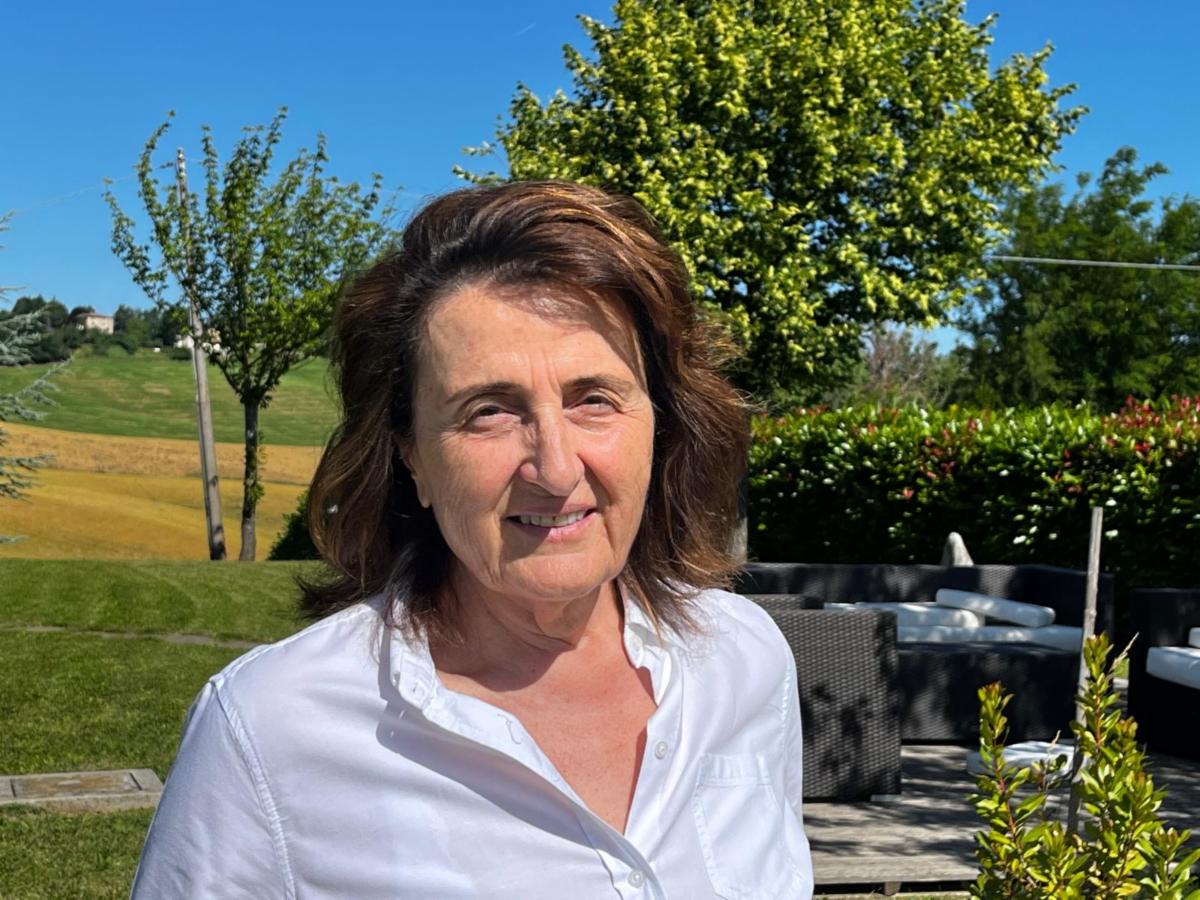
  • Updates from FEC Academy Members: Prof. Nadia Pinardi
  • Updates from FEC Fellows: Dr. Sourav Paul
  • Updates from FEC Affiliated Projects: the Scubaverse, Proplayas, Building Community Resilience to Coastal Climate Hazards in Australia
  • Updates from FEC Supported Networks: Early Career Ocean Professionals
  • Call for Applications: IJMS Mentorship for Early Career Scientists
  • Anthropocene Coasts | Calling for Special Collection Proposals

What have we been up to

Anthropocene Coasts:

Call for Papers – Tour de Coasts

Anthropocene Coasts is launching a new special collection titled Tour de Coasts.  

This special collection is supported by FEC and provides a forum for knowledge exchange about priority coastal sustainability concerns and aims to create a comprehensive understanding of coastal sustainability challenges and opportunities from a global perspective.


For this Special Collection, Anthropocene Coasts invites manuscripts of all aspects of coastal sustainability challenges and opportunities globally including but not limited to: governance; individual, cultural, community, and ecological health; effective and inclusive communication; human behavioral change; food, water, and housing security; ecological analyses; economics and financial incentives; potential for managed coastal retreat; technology and increased connectivity; coastal disease threats and health benefits; use crises to inform; and modeling. 

The submission deadline for this collection is July 21, 2025. You can access the topical collection via this link. 


Guest Editors 


Dr. Katya Altman, Bureau of Ocean Energy Management, USA 


Dr. Dwayne Porter, University of South Carolina, USA  

Dr. Heath Kelsey, University of Maryland, USA

Dr. Anja Scheffers, Southern Cross University, Australia 

Dr. Xiaoyu Fang, East China Normal University, China  

Submit Your Manuscript
 

IOC WESTPAC-FEC Workshop in Toyama Unites Global Experts to Tackle Marine Sustainability Challenges

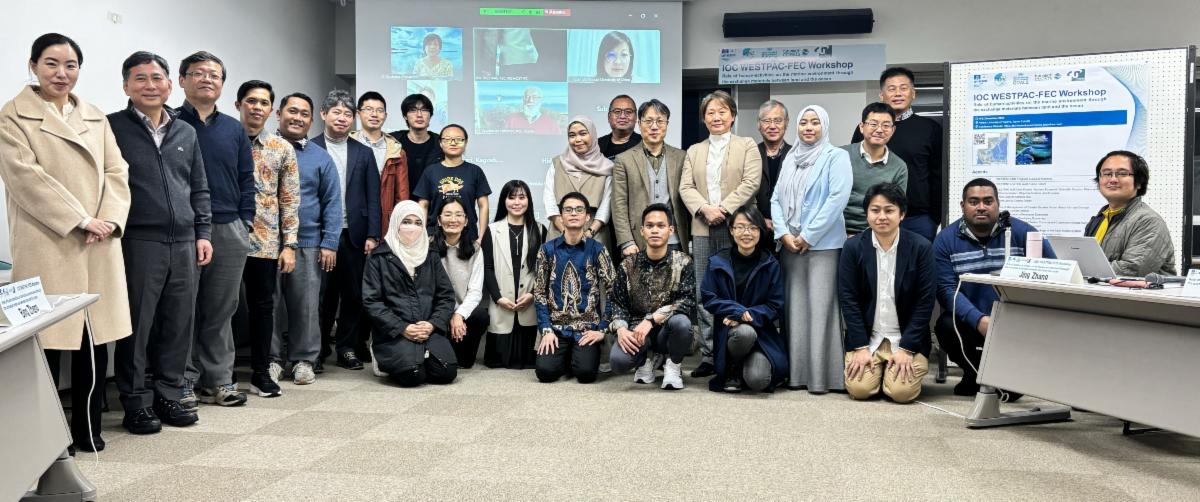
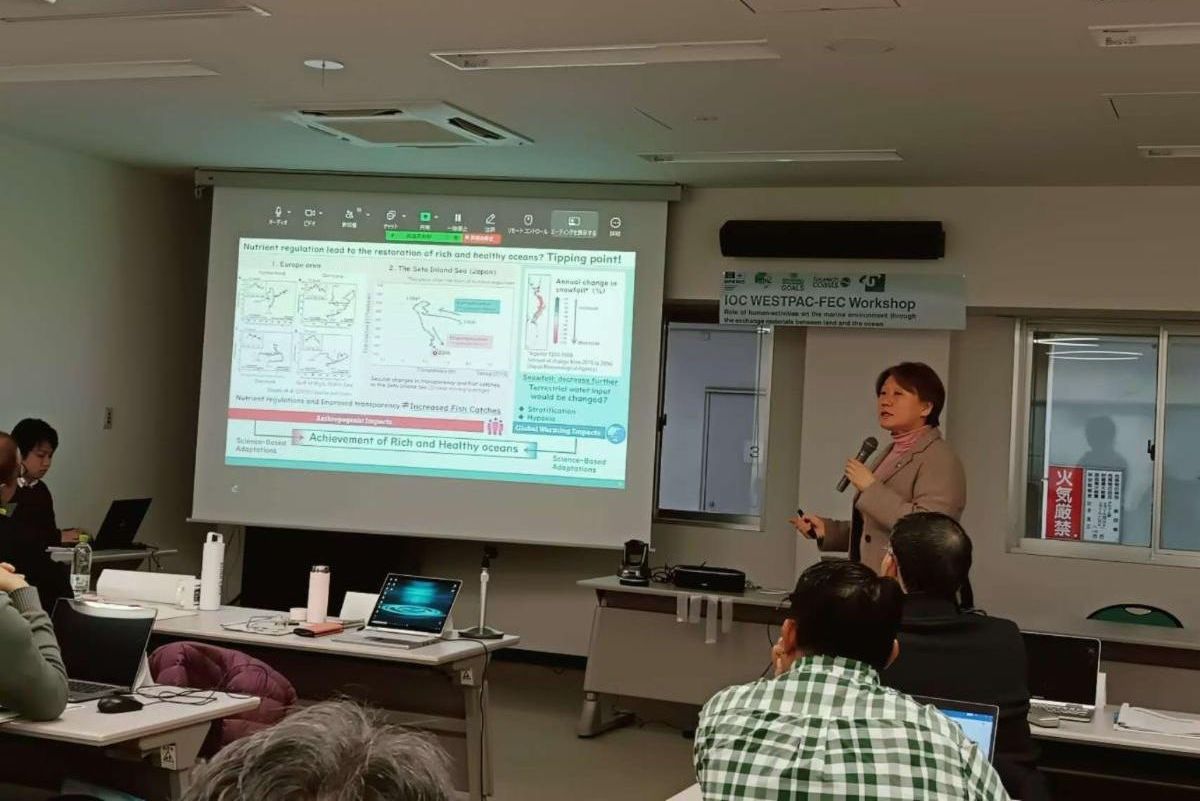
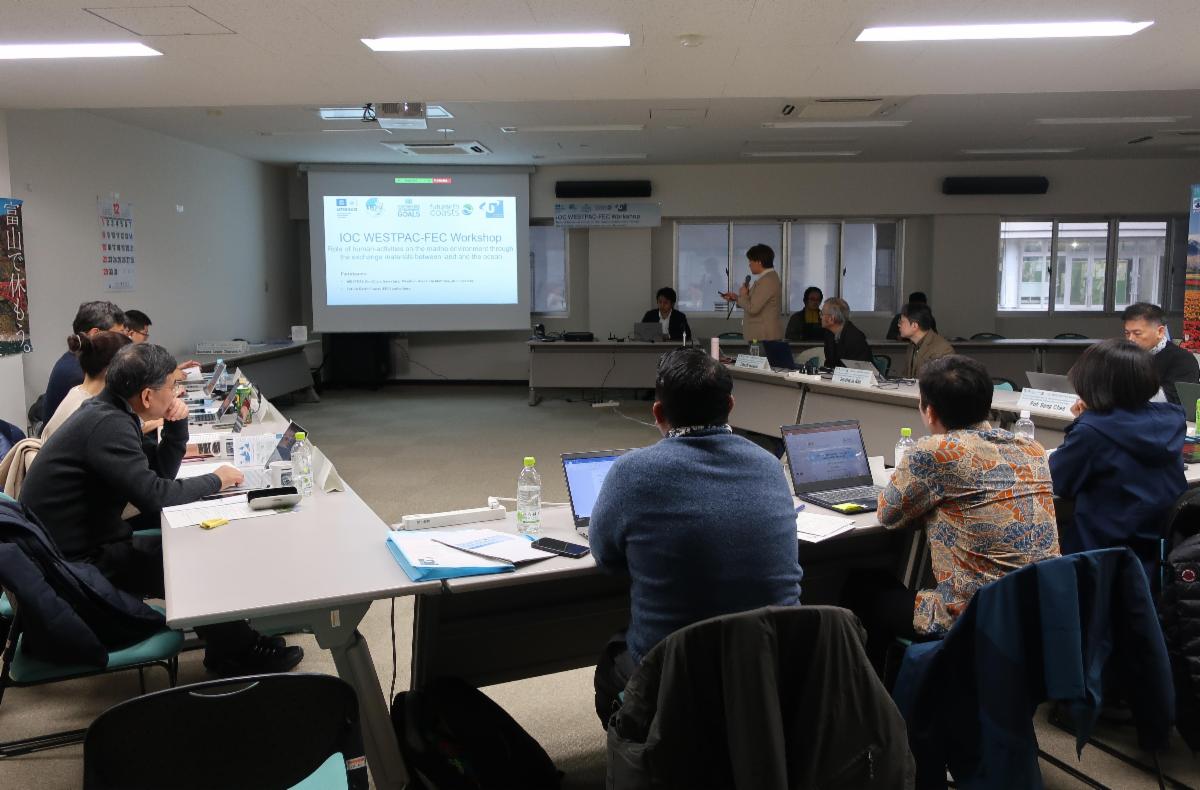
From December 6-8, 2024, the University of Toyama hosted the International Workshop on the Role of Human Activities on the Marine Environment Through the Exchange of Materials Between Land and the Ocean. Organized by the IOC-WESTPAC Asian Marginal Seas (AMS) Program in collaboration with Future Earth Coasts (FEC), the event brought together participants from 29 countries and over 80 affiliations, both in person and online. This dynamic global platform facilitated rich dialogue and collaborative action through diverse sessions, including an in-depth exploration of nutrient footprints, a public forum on nutrient management in the face of climate change, and a cultural study showcasing Toyama’s water sustainability practices.

Scientific Insights on Nutrient Footprints

The morning of December 7th was dedicated to the IOC-WESTPAC AMS core project, Nutrient Footprint. Co-leads of the AMS Programme Prof. Jing Zhang and Prof. SungHyun Nam co-chaired the session. Project partners from a diverse range of countries, including Indonesia, Mongolia, Fiji, the Philippines, Malaysia, Korea, China, Japan, Russia, Cameroon, Thailand, and the USA, shared cutting-edge research on nutrient dynamics in coastal and marginal seas. Discussions emphasized innovative practices to manage nutrient loads, vital for ensuring the health of marine ecosystems.


Click here to read more.


Empowering Future Leadership: Building a Coastal Sustainability Value Chain for Tomorrow

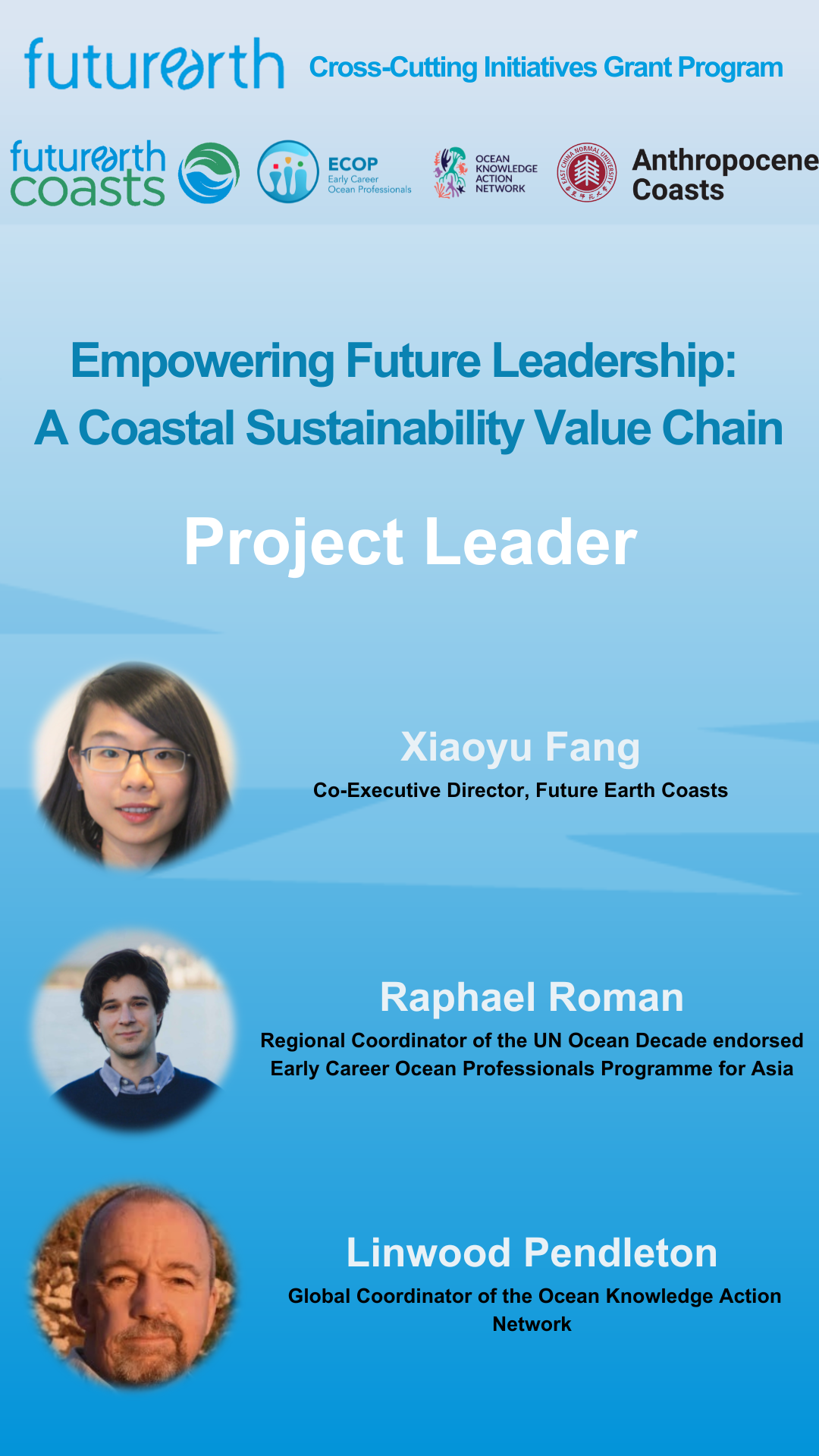
Future Earth Coasts (FEC) is excited to announce that its cross-cutting proposal, “Empowering Future Leadership: A Coastal Sustainability Value Chain,” has been awarded funding from the Future Earth Cross-Cutting Initiatives Grant Program. Set to launch in early 2025, this project is led by FEC in collaboration with the Early Career Ocean Professionals (ECOP) Programme, OceanKAN (Ocean Knowledge Action Network), and Anthropocene Coasts.

The primary aim of this initiative is to cultivate knowledge exchange, collaboration, and leadership development among Early Career Ocean Professionals (ECOPs) and stakeholders in coastal management. The project focuses on enhancing understanding and skills related to best practices in coastal zone management while fostering connections between future leaders. By engaging and empowering the next generation of leaders, this initiative seeks to improve decision-making processes for sustainable development and the preservation of coastal ecosystems.


This three-year project will feature a series of workshops addressing critical topics in coastal management, providing opportunities for ECOPs to connect and catalyze interdisciplinary and transdisciplinary collaboration. This workshop series represents a comprehensive value chain, beginning with the integration of Indigenous and academic knowledge tailored for traditional decision-makers. It then applies just transition principles to support resource-dependent coastal communities in adopting sustainable development practices. Dissemination and capacity building are facilitated through science publication training, policy advocacy, and ocean literacy workshops, empowering participants to share knowledge and influence policy effectively. Policy development is further strengthened by training on coastal hazard mitigation, equipping communities to address risks and enhance climate resilience. Innovation is promoted through blue economy governance workshops, which foster sustainable entrepreneurship and land-use planning. The series concludes with a transdisciplinary research application workshop, focusing on collaboration and partnerships to address complex coastal challenges and drive global positive change. The workshops will be conducted utilizing a flexible format that includes in-person, virtual, or hybrid sessions to accommodate both physical and remote participation.


To get involved, please contact fecchina@ecnu.edu.cn.


Click here to read more.


Call for Expressions of Interest: International Project Office in Latin America for FEC

FEC is seeking an institution in Latin America to host an International Project Office (IPO). This unique opportunity offers the chance to play a key role in advancing coastal sustainability both regionally and globally as part of the FEC network.


FEC IPOs are responsible for carrying out day-to-day operations and facilitating collaboration within the FEC network. They play a crucial role in collating and communicating information related to national and international FEC research while serving as a vital communication channel for coastal aspects of global environmental change. This role requires active participation in monthly IPO meetings and Executive Committee meetings every two months, as well as engagement with key stakeholders at regional, national, and local levels. A strong commitment to collaboration and communication is expected to ensure the successful implementation and achievement of FEC’s vision.

We encourage interested institutions to adopt a dual-structure approach by nominating two leadership positions: a Director (e.g. Senior Professor) and a Deputy Director (Lecturer or Junior Researcher (e.g. Postdoctoral) level)). This structure aims to facilitate the sharing of responsibilities, thereby alleviating the pressure on a single individual and ensuring operational continuity, as well as allowing the development and mentoring of an earlier career researcher.


Deadline for submissions: January 31st, 2025. Click here to read more.


FEC and EU-CONEXUS European University for Smart Urban Coastal Sustainability Collaborate to Foster Coastal Sustainability

Future Earth Coasts is delighted to announce the partnership establishment with EU-CONEXUS European University for Smart Urban Coastal Sustainability (EU-CONEXUS), an integrated transnational higher education and research institution promoting smart urban sustainable coastal development. This collaboration signifies a crucial advancement in our shared endeavor to enhance coastal sustainability and tackle urgent global change challenges affecting coastal regions. Together, we aspire to forge a vibrant platform where coastal researchers, experts, and practitioners can converge, exchange profound insights, and collaborate to safeguard our coastal environments for the benefit of future generations.

With this partnership between FEC and EU-CONEXUS, we look forward to a future where coastal ecosystems thrive, exhibit resilience, and harmoniously support both human societies and natural ecosystems. We are committed to heeding the call of the sea and taking purposeful steps to protect the enduring coastal heritage that will be cherished by generations to come.


Click here to learn more about the EU-CONEXUS.


FEC New Publications

Assessment of the Chesapeake Bay watershed socio-ecological system through the Circles of Coastal Sustainability framework


María Esther Leyva Ollivier, Alice Newton, Heath Kelsey

Prof. Alice Newton

Dr. Heath Kelsey

The concern with preserving natural resources for the future has been capturing global attention due to the state of decline of productive ecosystems. Chesapeake Bay, a large estuary located on the mid-Atlantic coast of the United States of America is such a productive ecosystem supporting thousands of animal and plants species, and the surrounding human population. Despite the concept of sustainable development, there has been continued pressure on the natural resources and the ecosystem services of the Bay. Institutional restoration and management efforts have been extensive, generating organizations, agreements, regulations and projects, among others. This research assesses Chesapeake Bay’s sustainability in four domains: environment, social, economy, and governance, using the Circles of Coastal Sustainability methodology. Each of the four domains has five categories, and each category is evaluated by the authors’ expert judgment using indicators related to the socio-ecological system and the definition of sustainable development. The article proposes a global sustainability score developed by a literature review of sustainability evaluated through the expert judgment of the authors. The results from the framework gave a “Satisfactory” score to the overall system; the environment and economic domains obtained the “Satisfactory” score, whilst the government and social domains obtained “Good” and “Poor” scores, respectively. The categories ranged between “Excellent” and “Poor” scores. The “Excellent” score was obtained by organization. The “Poor” score was obtained by five categories across the domains including social benefits, demographic, identity, security, and economic wellbeing. The assessment showed that the system has degradation problems, but the results have provided a general foundation for management bridges and barriers for sustainable development, with the barriers used to discuss new bridges towards holistic management proposals. The framework is a tool in progress to communicate to various actors the current sustainability development with the available information, provide a holistic system view, and find knowledge gaps in the research of a system. Similarly, the framework and assessment can be complemented, adapted, refined, and improved with each application as part of an adaptive management iterative cycle.


Click here to read more.


Coastal Radar

Updates from FEC Academy Members 

The 1st Assessment Report of the Knowledge Hub on Sea Level Rise

Prof. Nadia Pinardi Opens International Conference on Coastal and Marine Ecosystem Challenges

On November 20, 2024, FEC Academy member, Prof. Nadia Pinardi, Director of the DCC-CR, delivered the opening keynote at the International Conference Dialogue between Land and Sea - Challenges and Solutions. Her talk explored science-based solutions for land-sea challenges, emphasizing the role of the UN Decade of Ocean Science in bridging scientific advancements and societal needs. 


Click here to read more.

The DCC-CR proudly co-chaired the launch of the 1st Assessment Report on Sea Level Rise, led by Prof. Nadia Pinardi and Bart van den Hurk. Published in State of the Planet, the report offers key insights into projected sea level rise in Europe, highlighting adaptation strategies and policy recommendations. A companion Summary for Policymakers provides actionable guidance for navigating these challenges.


Click here to read more.

CoastPredict and DCC-CR Meeting


Join CoastPredict and the DCC-CR in Lecce, Italy, or online from February 3–7, 2025, for workshops and discussions advancing coastal resilience. Highlights include an ECOP-focused workshop on empowering Early Career Ocean Professionals and the DCC-CR Annual Programme Committee Meeting. 


Learn more.

Updates from FEC Fellows

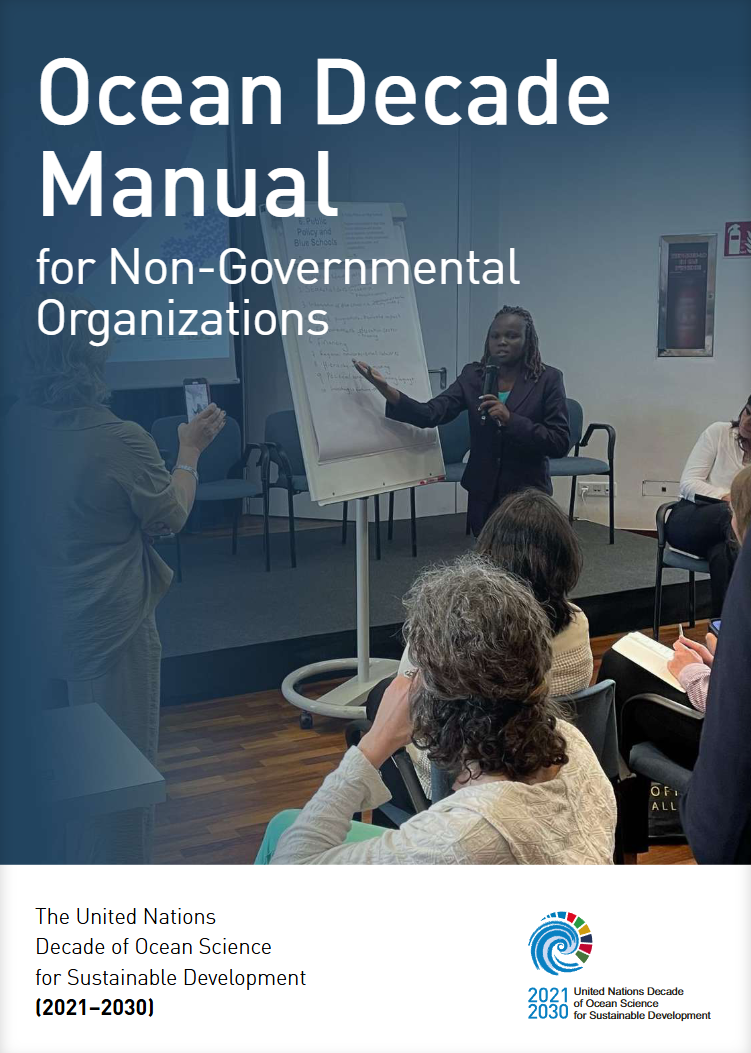
Dr. Sourav Paul, an FEC Fellow, has co-authored the newly published Ocean Decade Manual for Non-Governmental Organizations.


This manual is designed to encourage, guide, and enhance NGO engagement in the Ocean Decade initiative. 


It offers guidance on navigating the Ocean Decade’s coordination and engagement frameworks to discover partnership opportunities, along with a systematic approach for project development and implementation. 


Click here to read the Manual.


Apply to become an FEC Fellow

Updates from FEC Affiliated Projects

the Scubaverse

The Scubaverse working group on digital literacy and digital sustainability has recently issued a report introducing the Global Alliance for Digital Education and Sustainability (GADES) and detailing the alliance's first-year achievements in promoting digital literacy and sustainability. This comprehensive report captures the essence of GADES's mission to foster a global community focused on digital education, awareness, capacity, and literacy in the context of social and environmental sustainability.

Over the past year, the Alliance brought together a group of more than 80 experts from various domains, who participated in 2 scientific workshops. These workshops helped identify the core challenges in implementing the UN target "Digital for All" and define key actions to be undertaken in 2025 to bridge the digital literacy divide. The "Advancing Digital Education & Sustainability" report has been endorsed by all partner organizations—13 global think tanks, universities, and groups representing stakeholders on each continent—and by a diverse group of core experts, including 27 experts from 23 countries who actively contributed to all sessions and meetings of the Alliance.

Click here to read the full report.

Proplayas

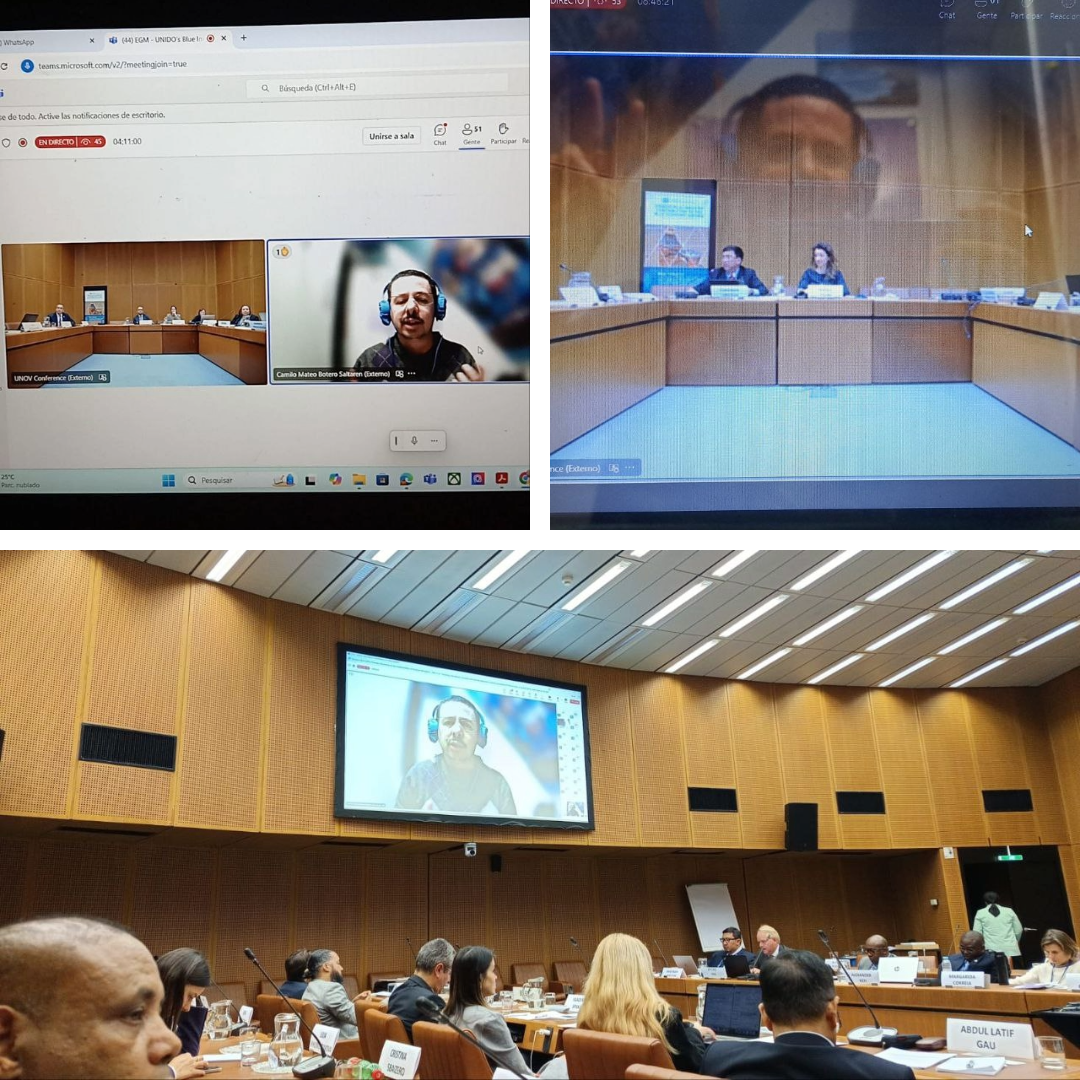
Proplayas Network at UNIDO Group of Experts in Blue Economy Workshop


In the first week of December, delegates from the Proplayas Networks participated in the Group of Experts in Blue Economy Workshop organized by the United Nations Industrial Development Organization (UNIDO). This high-level meeting was conducted in a hybrid format, both in Vienna and virtually. During the event, a draft report on Blue Economy, primarily focused on the blue industry, was presented. 

Proplayas' involvement centered on two main elements. Firstly, they highlighted the absence of mention of beaches as a key coastal asset within coastal tourism, an economic activity emphasized in the Blue Economy report. This issue was raised both in the plenary session and various presentations. It was noted that beaches were not included enough in the report, and references to coastal tourism were generic and could be emphasized as the other Blue Economy activities, such as maritime transport, wind energy, or even fishing and aquaculture, which generate less employment and annual revenues than tourism.


Secondly, Proplayas actively participated in the Latin America Regional Working session. They stressed the importance of including beaches within the Blue Economy framework and submitted a formal proposal to assist UNIDO in enhancing the draft report. Comments on the draft can be submitted until January 31.

Additionally, an agreement was made with UNIDO's Blue Economy coordinator to hold a meeting in mid-January with Proplayas' General Coordinator and researcher Camilo Botero, a fellow of FEC. The aim is to form an alliance that leverages Proplayas' expertise to support UNIDO in strengthening this topic and creating new opportunities for institutional, academic, and technical cooperation.


Click here to read more.

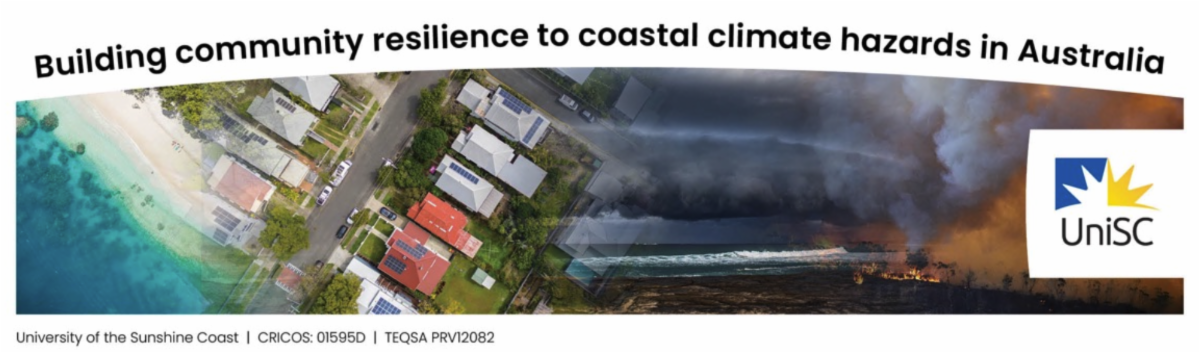
Building Community Resilience to Coastal Climate Hazards in Australia

A recently released report, titled "Building Community Resilience through the Multi-Disciplinary Research of Australia's Leading Early-Career Researchers," showcases the significant contributions of the DECRA24 Consortium to community resilience in the face of climate hazards. The report emphasizes the importance of early-career researchers in developing strategies that help communities withstand, adapt to, recover from, and transform in response to climate-related disasters.


Click here to download the report.

Updates from FEC Supported Networks

ECOP (Early Career Ocean Professionals)

Call for Expressions of Interest to Join a New Regional Working Group on "Blue Carbon and Marine Carbon Dioxide Removal (mCDR)"

First proposed at COP29 in Baku, Azerbaijan, this initiative is a unique opportunity to join a new regional team in Asia dedicated to unlocking ocean-based solutions to climate change (Decade Challenge #5). This group is envisioned as a welcoming platform for exchanging transboundary knowledge, sharing good practices and local stories, spotlighting existing and future projects, shaping ocean-climate policy priorities, and fostering a strong sense of community.

Click to complete the contact form.

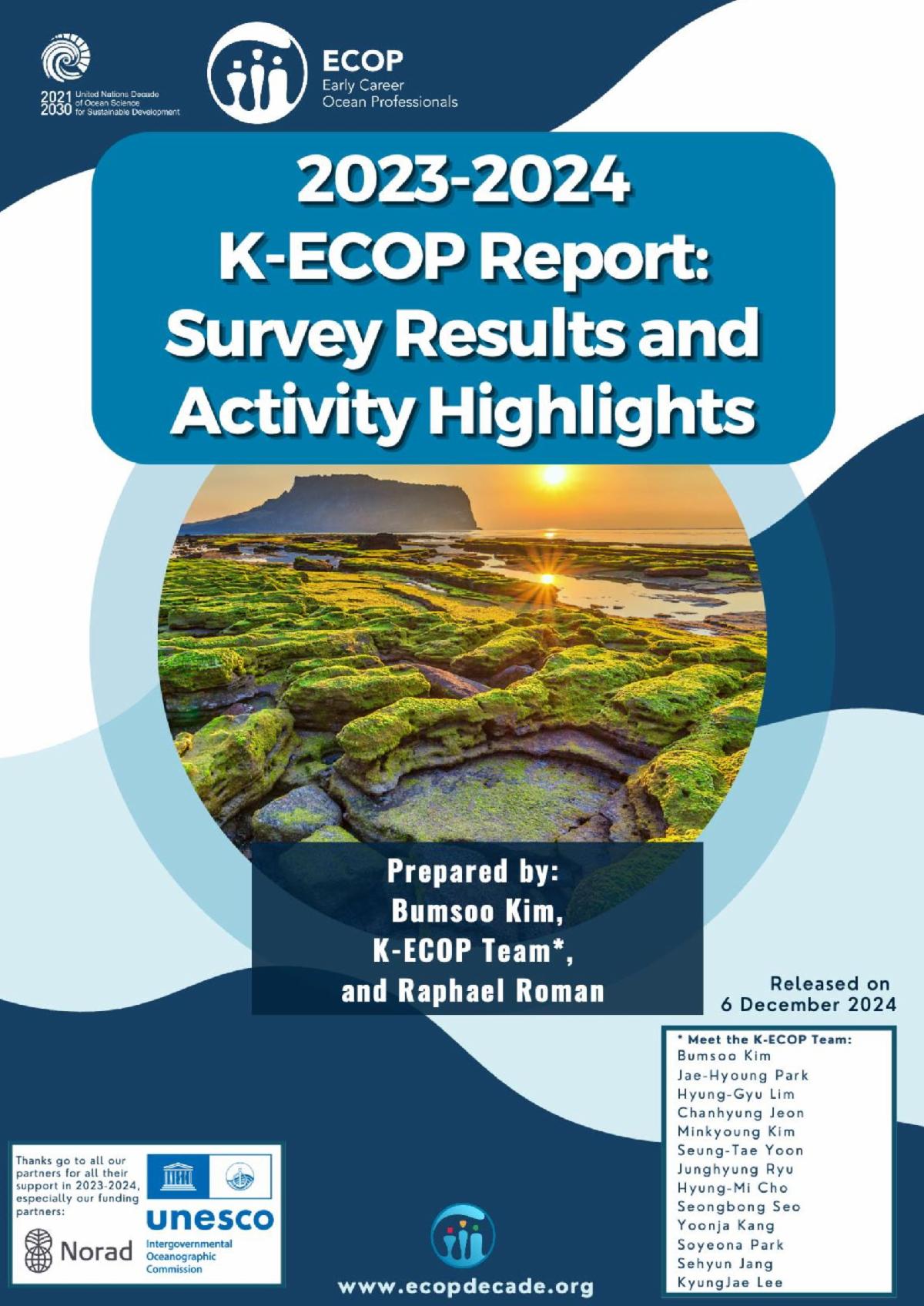
New ECOP Asia Publication

The ECOP Korea team (K-ECOP) published a national report that presents the finding of the 2023 K-ECOP needs-assessment survey and highlights the empowering initiatives that the team has led or participated in since its launch in 2022.


Link to the publication

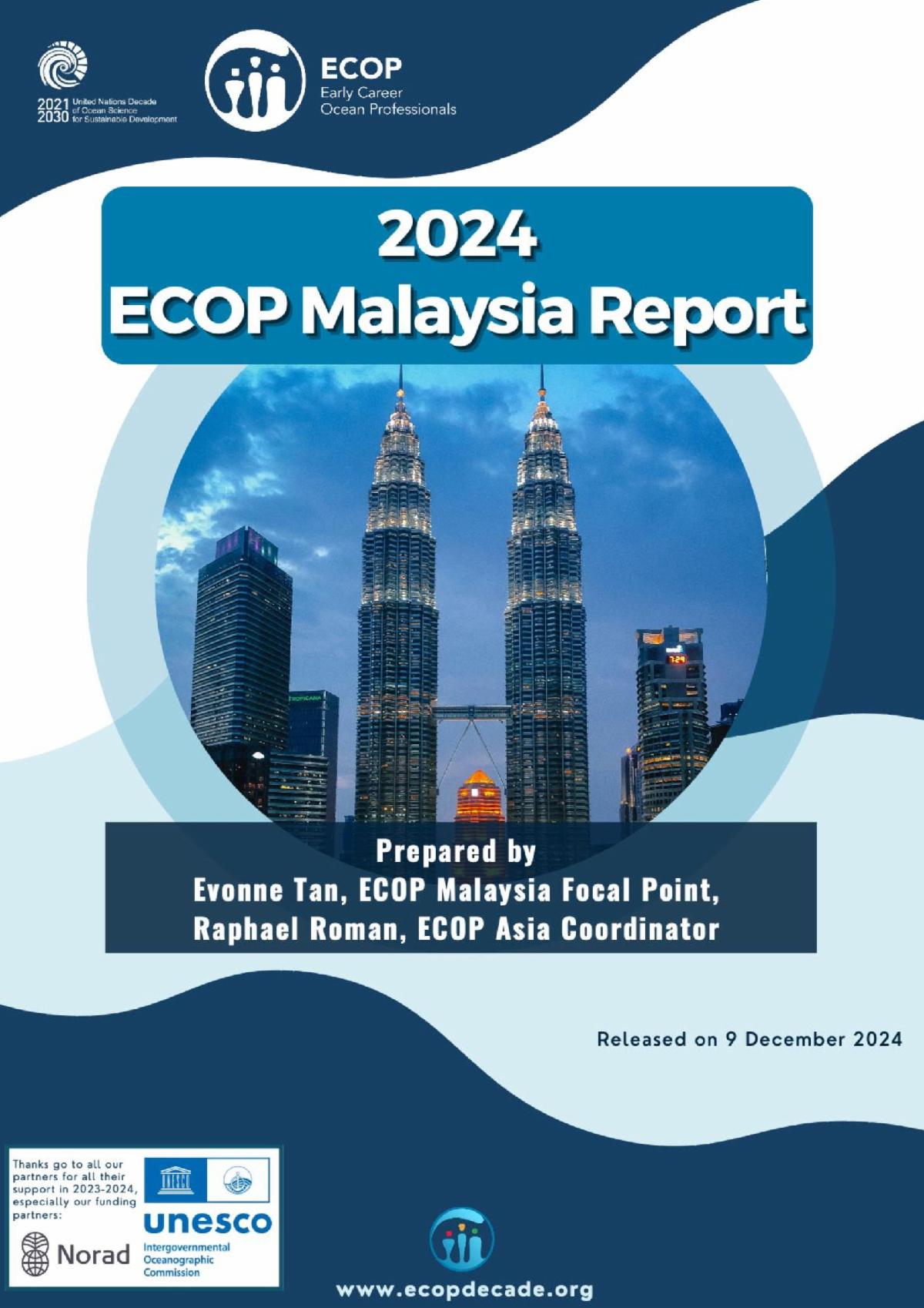
A national ECOP survey was conducted in Malaysia from December 2023 to February 2024, with the aim of enhancing our understanding of local challenges and needs, connecting stakeholders, and fostering new leadership. From the survey findings, the strategic priorities for ECOP Malaysia were identified, set to be established in early 2025. Link to the publication

Opportunities

Call for Applications: IJMS Mentorship for Early Career Scientists

The ICES Journal of Marine Science has launched a mentorship program specifically tailored for early-career researchers who are keen on learning more about scientific publishing and journal editing. This unpaid, part-time and remote-work educational opportunity spans a duration of 12 to 24 months. The primary goal of this program is to foster professional development among these researchers in areas such as scientific publishing, peer review, the editorial decision-making process, and scientific writing. By participating, mentees will gain opportunities to explore personal interests in some aspect(s) of science, scientific writing, editing and publishing, and to communicate their experiences to fellow early-career researchers and to others.


Click here to view more details and register through the webpage.

Anthropocene Coasts | Calling for Special Collection Proposals 

Anthropocene Coasts is now calling for special collection proposals from members of Future Earth Coasts. If you are interested in serving as a Guest Editor to organize a special collection for publication in Anthropocene Coasts, we welcome you to submit a proposal to our Editors-in-Chief Prof. Shu Gao and Prof. Ian Townend. The proposal should include, but is not limited to, the title of the special collection, keywords, aims and scope, potential guest editor candidates, and the deadline for submissions. Proposals can be sent directly to Prof. Shu Gao at shugao@nju.edu.cn and Prof. Ian Townend at i.townend@soton.ac.uk, or to the managing editor Dr. Wenjing Xie at wjxie@sklec.ecnu.edu.cn, who will forward them to the Editors-in-Chief.


Click here for more information about Anthropocene Coasts. 


New FEC Publications (Since April 2024)

○ Anthony, E., Syvitski, J., Zăinescu, F., Nicholls, R. J., Cohen, K. M., Marriner, N., ... & Maselli, V. (2024). Delta sustainability from the Holocene to the Anthropocene and envisioning the future. Nature Sustainability, 1-12.

https://doi.org/10.1038/s41893-024-01426-3

○ Banerjee, S., Lahiri, R., Choudhury, A. K., Mondal, A., Kim, J. W., MubarakAli, D., & Satpati, G. G. (2024). Unraveling the potential of cyanobacteria as food and investigating their production and nutritional properties. Biocatalysis and Agricultural Biotechnology, 103421.

https://doi.org/10.1016/j.bcab.2024.103421

○ Day, J., Anthony, E., Costanza, R., Edmonds, D., Gunn, J., Hopkinson, C., ... & White, J. R. (2024). Coastal Wetlands in the Anthropocene. Annual Review of Environment and Resources, 49.

https://doi.org/10.1146/annurev-environ-121922- 041109

○ Day, J. W., Xu, Y. J., Keim, B. D., Brown, V. M., Giosan, L., Mann, M. E., & Stephens, J. R. (2024). Emerging climate threats to the Mississippi River Delta: Moving from restoration to adaptation. One Earth.

https://doi.org/10.1016/j.oneear.2024.03.001

○ Eriksen, S. H., Simpson, N. P., Glavovic, B., Ley, D., Carr, E. R., Fernández-Carril, L., ... & Degvold, F. (2024). Pathways for urgent action towards climate resilient development. Nature Climate Change, 1-4.

https://doi.org/10.1038/s41558-024-02190-0

○ Harvey, N and Thom, B (2024) Coastal Governance in Federated Countries. In: Baird, Daniel and Elliott, Michael (eds.) Treatise on Estuarine and Coastal Science, 2nd Edition, vol. 7, pp. 307–326. Oxford: Elsevier.

https://doi.org/10.1016/B978-0-323-90798-9.00098-6

○ Leyva Ollivier, M. E., Newton, A., & Kelsey, H. (2024). Assessment of the Chesapeake Bay watershed socio-ecological system through the Circles of Coastal Sustainability framework. Frontiers in Water, 6, 1269717.

https://doi.org/10.3389/frwa.2024.1269717

○ Liu, P., Zhang, J., Liu, Y., Sun, Q., Zhang, D., Li, Y., ... & Chen, J. (2024). Sediment source-to-sink patterns along the Southeast China coast during the late quaternary: New insights from sediment geochemistry and OSL ages in the Ningde Bay. Palaeogeography, Palaeoclimatology, Palaeoecology, 112577.

https://doi.org/10.1016/j.palaeo.2024.112577

○ Maire, E., Robinson, J. P., McLean, M., Arif, S., Zamborain-Mason, J., Cinner, J. E., ... & Hicks, C. C. (2024). Managing nutrition-biodiversity trade-offs on coral reefs. Current Biology.

https://doi.org/10.1016/j.cub.2024.08.031

○ Matovu, B., Lee, M. A., Mammel, M., Lukambagire, I., Lutalo, B., Mwangu, A. R., ... & Muhoozi, Y. (2024). Mobilizing Evidence-based Knowledge for Sustainable Wetlands Co-management and Co-governance amidst increasing Anthropogenic and Environmental Stressors: Key Lessons from Mityana District, Uganda. Environmental Challenges, 17, 101014.

https://doi.org/10.1016/j.envc.2024.101014

○ Perillo, G.M.E., Piccolo, M.C., 2024. Global variability in estuaries and coastal settings. En: Whitfield, A.K., Elliott, M. (eds.) Treatise on Estuarine and Coastal Science, 2nd Ed. Vol.1 18-24 Elsevier.

DOI 10.1016/B978-0-323-90798-9.00038-X

○ Perillo, G.M.E., Gao, S., Cuadrado, D.G., 2024. Tidal flats: geomorphology and dynamics. En: Uncles, R.J., Mitchell, S., French, J. (eds.) Treatise on Estuarine and Coastal Science, 2nd Ed. Vol.2 809-842 Elsevier

DOI10.1016/B978-0-323-90798-9.00034-2

○ Politi, E., Brito, A. C., Gomes, M. R., Lebreton, C., & Falcini, F. (2024). Listening to stakeholders: Development of water quality indicators for transitional environments using satellite data. Ocean & Coastal Management, 253, 107140. https://doi.org/10.1016/j.ocecoaman.2024.107140

○ Raha, D., Davies-Vollum, K. S., Hemstock, S. L., Boateng, I., Islam, M. T., & Pierce, C. A. (2024). We need collaboration and co-creation to address challenges facing coastal communities. Nature Human Behaviour, 1-9.

https://doi.org/10.1038/s41562-024-01875-y

○ Valderrama-Landeros, L., Flores-de-Santiago, F., Ávila-Flores, G., Flores-Verdugo, F., Alcántara-Maya, J. A., Troche-Souza, C., ... & Suarez, E. (2024). IUCN Red List of Ecosystems, Mangroves of the Warm Temperate Northeast Pacific.

https://doi.org/10.32942/X2B03V

○ Venevsky, S., Berdnikov, S., Day, J. W., Sorokina, V., Gong, P., Kleshchenkov, A., ... & Giosan, L. Don River Delta Hydrological and Geomorphological Transformation Under Anthropogenic and Natural Factors: Century and Decadal Perspectives. Available at SSRN 4474057.

https://doi.org/10.1016/j.ocecoaman.2024.107364

○ Wolanski, E., & Kingsford, M. J. (Eds.). (2024). Oceanographic processes of coral reefs: Physical and biological links in the Great Barrier Reef (2nd ed.). CRC Press.

https://www.routledge.com/Oceanographic-Processes-of-Coral-Reefs-Physical-and-Biological-Links-i/Kingsford-Wolanski/p/book/9781032340746

○ Xue, L., Li, T., Li, X., Bi, Y., Su, L., Song, Y., ... & Shi, B. (2024). Short-term evolution pattern in salt marsh landscapes: the importance of physical constraints. Landscape Ecology, 39(5), 1-16.

https://doi.org/10.1007/s10980-024-01898-w

○ Zhang, W., & de Vriend, H. (Eds.). (2024). Delta sustainability: A report to the Mega-Delta Programme of the UN Ocean Decade. Springer Singapore.

https://doi.org/10.1007/978-981-97-7259-9

○ Zhao, Y., Peng, Z., Chen, X., Fang, D., Liu, S., Wang, X., & He, Q. (2024). Parameterisation and evolution of non-breaking wave nonlinearity over flexible vegetation. Coastal Engineering, 192, 104543.

https://doi.org/10.1016/j.coastaleng.2024.104543

○ Zhu, Q., Xing, F., Wang, Y. P., Syvitski, J., Overeem, I., Guo, J., ... & Gao, S. (2024). Hidden delta degradation due to fluvial sediment decline and intensified marine storms. Science Advances, 10(18), eadk1698.

https://doi.org/10.1126/sciadv.adk1698


FEC Publications (2023-2024)

○ Alarcón Borges, R. Y., Pérez Montero, O., Tejera, R. G., Silveira, M. T. D., Montoya, J. C., Hernández Mestre, D., ... & Milanes, C. B. (2023). Legal Risk in the Management of Forest Cover in a River Basin San Juan, Cuba. Land, 12(4), 842. https://doi.org/10.3390/land12040842

○  Alice Newton, Michele Mistri, Angel Pérez-Ruzafa and Sofia Reizopoulou. (2023). Editorial: Ecosystem services, biodiversity, and water quality in transitional ecosystems, Front. Ecol. Evol., Volume 11. https://doi.org/10.3389/fevo.2023.1136750

○  Baird, D., Elliott, M. (Editors-in-Chief), 2024. Treatise on Estuarine and Coastal Sciences, 2nd Edition, 7 Volumes, Elsevier, Academic Press, Hardback ISBN: 9780323907989, eBook ISBN: 9780323910422. https://www.sciencedirect.com/referencework/9780323910422/treatise-on-estuarine-and-coastal-science-second-edition

○  Baumann, L., Riechers, M., Celliers, L., & Ferse, S. C. (2023). Anticipating and transforming futures: a literature review on transdisciplinary coastal research in the Global South. Ecosystems and People, 19(1), 2288957. https://doi.org/10.1080/26395916.2023.2288957

○  Bezerra, Moisés & Goyanna, Felipe & Lacerda, Luiz. (2023). Risk assessment of human Hg exposure through consumption of fishery products in Ceará state, northeastern Brazil. Marine Pollution Bulletin. 189. 114713. https://doi.org/10.1016/j.marpolbul.2023.114713

○  Botero, C. M., Palacios, M. A., Souza Filho, J. R., & Milanes, C. B. (2023). Beach litter in three South American countries: A baseline for restarting monitoring and cleaning after COVID-19 closure. Marine Pollution Bulletin, 191, 114915. https://doi.org/10.1016/j.marpolbul.2023.114915

○  Brempong, E. K., Almar, R., Angnuureng, D. B., Mattah, P. A. D., Jayson-Quashigah, P.-N., Antwi-Agyakwa, K. T., & Charuka, B. (2023). Coastal Flooding Caused by Extreme Coastal Water Level at the World Heritage Historic Keta City (Ghana, West Africa). Journal of Marine Science and Engineering, 11(6), 1144. MDPI AG. http://dx.doi.org/10.3390/jmse11061144

○ Brendel, Andrea & Ferrelli, Federico & Echeverria, María & Piccolo, Maria & Perillo, Gerardo. (2022). PROCESAMIENTO DE DATOS SATELITALES ÓPTICOS Y DE RADAR PARA LA DETECCIÓN DE CAMBIOS MORFOMÉTRICOS: EL CASO DE LA DESEMBOCADURA DEL RÍO SAUCE GRANDE (ARGENTINA). Caminhos de Geografia. 23. 85-94. https://doi.org/10.14393/RCG238658189 

○ Carmen E. Elrick-Barr, Julian Clifton, Michael Cuttler, Craig Perry, Abbie A. Rogers, Understanding coastal social values through citizen science: The example of Coastsnap in Western Australia, Ocean & Coastal Management, Volume 238, 2023, 106563, ISSN 0964-5691, https://doi.org/10.1016/j.ocecoaman.2023.106563

○  Castiglioni, Eduardo & Gaucher, Claudio & Perillo, Gerardo & Sial, Alcides. (2022). Marine deposits of the Chuy Formation (Late Pleistocene) and isostatic readjustments in the area of Laguna de Rocha (Uruguay). Agrociencia Uruguay. 26. https://doi.org/10.31285/AGRO.26.799

○  Celliers, Louis & Manez Costa, Maria & Rölfer, Lena & Aswani Canela, Shankar & Ferse, Sebastian. (2023). Social innovation that connects people to coasts in the Anthropocene. Cambridge Prisms: Coastal Futures. 1. 1-22. 10.1017/cft.2023.12. https://doi.org/10.1017/cft.2023.12

○  Charuka, B., Angnuureng, D. B., Brempong, E. K., Agblorti, S. K., & Agyakwa, K. T. A. (2023). Assessment of the integrated coastal vulnerability index of Ghana toward future coastal infrastructure investment plans. Ocean & Coastal Management, 244, 106804. https://doi.org/10.1016/j.ocecoaman.2023.106804

○  Chen, Y., Deng, B., Zhang, G., Zhang, W., & Gao, S. (2023). Response of Shallow Gas‐Charged Holocene Deposits in the Yangtze Delta to Meter‐Scale Erosion Induced by Diminished Sediment Supply: Increasing Greenhouse Gas Emissions. Journal of Geophysical Research: Earth Surface, 128(1), e2022JF006631. https://doi.org/10.1029/2022JF006631

○  Cunha, J., Cabecinha, E., Villasante, S., Balbi, S., Elliott, M., Ramos, S., (2023) Defining hotspots and coldspots of regulating and maintenance ecosystem services is key to effective marine management – an assessment of a coastal-open sea gradient, Portugal. Ocean & Coastal Management, 245: 106876; https://doi.org/10.1016/j.ocecoaman.2023.106876

○  Datta, Satabdi & Roy, Joyashree. (2022). Exploring adaptive capacity: Observations from the vulnerable human-coastal environmental system of the Bay of Bengal in India. Frontiers in Climate. 4. 1007780. https://doi.org/10.3389/fclim.2022.1007780 

○  Davies-Vollum, K. S., Koomson, D., & Raha, D. (2024). Coastal lagoons of West Africa: a scoping study of environmental status and management challenges. Anthropocene Coasts, 7(1), 7. https://doi.org/10.1007/s44218-024-00039-9

○  Davranche, A., Arzel, C., Pouzet, P., Carrasco, A. R., Lefebvre, G., Lague, D., ... & Poulin, B. (2023). A multi-sensor approach to monitor the ongoing restoration of edaphic conditions for salt marsh species facing sea level rise: An adaptive management case study in Camargue, France. Science of the Total Environment, 168289. https://doi.org/10.1016/j.scitotenv.2023.168289

○  Day, J. W., Hall, C. A., Klitgaard, K., Gunn, J. D., Ko, J. Y., & Burger, J. R. (2023). The coming perfect storm: Diminishing sustainability of coastal human-natural systems in the Anthropocene. Cambridge Prisms: Coastal Futures, 1, e35. https://doi.org/10.1017/cft.2023.23

○  de Oliveira, E.B., Newton, A. & Botero, C.M. Development of a management-based ranking of beaches. Anthropocene Coasts 7, 6 (2024). https://doi.org/10.1007/s44218-024-00040-2

○  Elegbede, I. O., Lawal-Are, A., Oloyede, R., Sanni, R. O., Jolaosho, T. L., Goussanou, A., & Ngo-Massou, V. M. (2023). Proximate, minerals, carotenoid and trypsin inhibitor composition in the exoskeletons of seafood gastropods and their potentials for sustainable circular utilisation. Scientific Reports, 13(1), 13064. https://doi.org/10.1038/s41598-023-38345-w

○  Elegbede, I., Lawal-Are, A., Favour, O. et al. Chemical compositions of bivalves shells: Anadara senilis, Crassostrea gasar, and Mytilus edulis and their potential for a sustainable circular economy. SN Appl. Sci. 5, 44 (2023). https://doi.org/10.1007/s42452-022-05267-7

○  Elegbede, I., Zurba, M., Hameed, A., & Campbell, C. (2023). Gaps and Challenges in Harnessing the Benefits and Opportunities of Indigenous Certification for a Sustainable Communal Commercial Lobster Fishery. Environmental Management, 1-20. https://doi.org/10.1007/s00267-023-01852-7

○  Elliott M. (2023). Marine Ecosystem Services and Integrated Management: "There's a crack, a crack in everything, that's how the light gets in"!. Marine pollution bulletin, 193, 115177. Advance online publication. https://doi.org/10.1016/j.marpolbul.2023.115177

○  Elliott, M., Borja, Á., & Cormier, R. (2023). Managing marine resources sustainably–Ecological, societal and governance connectivity, coherence and equivalence in complex marine transboundary regions. Ocean & Coastal Management, 245, 106875. https://doi.org/10.1016/j.ocecoaman.2023.106875

○  Elliott, M., Wither, A., (Eds.) (2024). Environmental Consequences and Management of Coastal Industries: Terms and Concepts. Elsevier, Amsterdam, Paperback ISBN: 9780443137525, eBook ISBN: 9780443137532, pp 371. https://doi.org/10.1016/C2022-0-00268-3

○  Elrick-Barr CE, Clifton J, Cuttler M, Perry C & Rogers AA (2023). Understanding coastal social values through citizen science: The example of Coastsnap in Western Australia. Ocean & Coastal Management, 238, 106563. https://doi.org/10.1016/j.ocecoaman.2023.106563

○  Elrick-Barr, C. E., Smith, T. F., & Thomsen, D. C. (2024). Is ‘hope’helpful or a hinderance? Implications for coastal governance. Ocean & Coastal Management, 248, 106953. https://doi.org/10.1016/j.ocecoaman.2023.106953

○  Feng, Y., Tu, C., Li, R., Wu, D., Yang, J., Xia, Y., ... & Luo, Y. (2023). A systematic review of the impacts of exposure to micro-and nano-plastics on human tissue accumulation and health. Eco-Environment & Health. https://doi.org/10.1016/j.eehl.2023.08.002

○  Ferreira, A.C.; LACERDA LD, Rodrigues, J.V.; Bezerra, L.E.A. 2023. New contributions to mangrove restoration/rehabilitation protocols and practices. Forest Ecology & Management Journal 31, 89-114. https://doi.org/10.1007/s11273-022-09903-2

○  Foley, Aideen & Moncada, Stefano & Mycoo, Michelle & Nunn, Patrick & Tandrayen-Ragoobur, Verena & Evans, Christopher. (2022). Small Island Developing States in a post‐pandemic world: Challenges and opportunities for climate action. Wiley Interdisciplinary Reviews: Climate Change. 13. https://doi.org/10.1002/wcc.769 

○  Forero-López, A. D., Toniolo, M. A., Colombo, C. V., Rimondino, G. N., Cuadrado, D., Perillo, G. M. E., & Malanca, F. E. (2023). Marine microdebris pollution in sediments from three environmental coastal areas in the southwestern Argentine Atlantic. Science of The Total Environment, 169677. https://doi.org/10.1016/j.scitotenv.2023.169677

○  Fragoso, C.; Gatts, P.V.; Di Benedittoa, A.P.; Martinelli, L.A.; LACERDA, L.D. & Rezende, C.E. 2023. Stable isotopes and Mercury as tools to depict aquatic food webs. Quimica Nova 46 (11) http://dx.doi.org/10.21577/0100-4042.20230125

○  Fu, C., Li, Y., Tu, C., Hu, J., Zeng, L., Qian, L., ... & Luo, Y. (2023). Dynamics of trace element enrichment in blue carbon ecosystems in relation to anthropogenic activities. Environment International, 180, 108232. https://doi.org/10.1016/j.envint.2023.108232

○  Fu, C., Li, Y., Zeng, L., Tu, C., Wang, X., Ma, H., ... & Luo, Y. (2024). Climate and mineral accretion as drivers of mineral‐associated and particulate organic matter accumulation in tidal wetland soils. Global Change Biology, 30(1), e17070. https://doi.org/10.1111/gcb.17070

○  Gallo Velez, David & Restrepo, Juan & Newton, Alice. (2023). Assessment of the Magdalena River delta socio-ecological system through the Circles of Coastal Sustainability framework. Frontiers in Earth Science. 11. 10.3389/feart.2023.1058122. https://doi.org/10.3389/feart.2023.1058122

○  Goyanna, F., Silva, G., Bezerra, M.F., LACERDA, L.D. 2023. Mercury in oceanic upper trophic level sharks and bony fishes - A systematic review. Environmental Pollution 318, 120821 https://doi.org/10.1016/j.envpol.2022.120821

○  Guzmán, D. H., Mier, R. L., Vergara, A., & Milanes, C. B. (2023). Marine protected areas in Colombia: A historical review of legal marine protection since the late 1960 s to 2023. Marine Policy, 155, 105726. https://doi.org/10.1016/j.marpol.2023.105726

○  Harvey N & Smith TF, 2023, 'Key lessons from new perspectives on Australian coastal management', Ocean & Coastal Management, Volume 239, 15 May 2023, 106581 https://doi.org/10.1016/j.ocecoaman.2023.106581

○  Hawkins, S. J., Todd, P. A., Russell, B. D., Lemasson, A. J., Allcock, A. L., Byrne, M., ... & Swearer, S. E. (2023). Review of the Central and South Atlantic Shelf and Deep-Sea Benthos: Science, Policy, and Management. Oceanography and Marine Biology: An annual review. Volume 61, 61, 127-218.

○  Huddleston, P., Smith, T. F., White, I., & Elrick-Barr, C. (2023). What influences the adaptive capacity of coastal critical infrastructure providers?. Urban Climate, 48, 101416. https://doi.org/10.1016/j.uclim.2023.101416

○  Inguaggiato, S., Meng, Q., Mondal, E., Chen, Y.-X., LACERDA, L. D., eds. (2024). Reviews in geochemistry: 2022. Lausanne: Frontiers Media SA. https://doi.org/10.3389/978-2-8325-4261-3

○  LACERDA LD, Godoy, JMO, Gonçalves, R.A., Rocha, M.F. & Dutra, B.F. 2023. Metais em sedimentos de talude da Bacia Potiguar em área de exploração de petróleo e gás natural offshore, NE Brasil. Química Nova 46 (6), 54-560. http://dx.doi.org/10.21577/0100-4042.20170959

○ Lange, M., Cabana, D., Ebeling, A., Ebinghaus, R., Joerss, H., Rölfer, L., & Celliers, L. (2023). Climate-smart socially innovative tools and approaches for marine pollution science in support of sustainable development. Cambridge Prisms: Coastal Futures, 1, E23. https://doi.org/10.1017/cft.2023.11

○  Laubenstein T, Smith TF, Hobday AJ, Pecl GT, Evans K, Fulton EA & O'Donnell T, 2023, 'Threats to Australia's oceans and coasts: a systematic review', Ocean & Coastal Management, 231 (published online 29 Oct 2022). https://doi.org/10.1016/j.ocecoaman.2022.106331

○  Lehuen, A., & Orvain, F. (2024). A cockle-induced bioturbation model and its impact on sediment erodibility: A meta-analysis. Science of the Total Environment, 912, 168936. https://doi.org/10.1016/j.scitotenv.2023.168936

○  Li, Y., Fu, C., Hu, J., Zeng, L., Tu, C., & Luo, Y. (2023). Soil Carbon, Nitrogen, and Phosphorus Stoichiometry and Fractions in Blue Carbon Ecosystems: Implications for Carbon Accumulation in Allochthonous-Dominated Habitats. Environmental Science & Technology, 57(14), 5913-5923. https://doi.org/10.1021/acs.est.3c00012

○  Li, Y., Fu, C., Wang, W., Zeng, L., Tu, C., & Luo, Y. (2023). An overlooked soil carbon pool in vegetated coastal ecosystems: National-scale assessment of soil organic carbon stocks in coastal shelter forests of China. Science of The Total Environment, 876, 162823. https://doi.org/10.1016/j.scitotenv.2023.162823

○  Li, Yingjie & Robinson, Samuel & Nguyen, Lan & Liu, Jianguo. (2023). Satellite prediction of coastal hypoxia in the northern Gulf of Mexico. Remote Sensing of Environment. 284. 113346. https://doi.org/10.1016/j.rse.2022.113346 

○  International Science Council, 2023. Global Sea-level Rise: ISC Policy Brief. Coordination: Seag, M., Contributors: Lebbe, T.B., Church, J., Colleoni, F., Elliott, M., Hinkel, J., Jacot des Combes, H., Mycoo, M., Naish, T., Post, J., Scobie, A., Stevance, A.S., Thomas, A., van de Wal, R., Webster, D.G. ISC Liaison to the UN System, International Science Council, 5 rue Auguste Vacquerie, 75116, Paris, France. 

○  Mabon L and Kawabe M (2022) 'Bring Voices from the Coast into the Fukushima Treated Water Debate' PNAS 119 (45) e2205431119. https://doi.org/10.1073/pnas.2205431119

○  Madhanagopal, D. (2023). Local Adaptation to Climate Change in South India: Challenges and the Future in the Tsunami-hit Coastal Regions. Taylor & Francis.

https://doi.org/10.4324/9781003187691

○  Mestanza-Ramón, C., Monar-Nuñez, J., Guala-Alulema, P., Montenegro-Zambrano, Y., Herrera-Chávez, R., Milanes, C. B., ... & Toledo-Villacís, M. (2023). A Review to Update the Protected Areas in Ecuador and an Analysis of Their Main Impacts and Conservation Strategies. Environments, 10(5), 79. https://doi.org/10.3390/environments10050079

○  Moura, V.L. & LACERDA, L.D. 2022. Mercury sources, emissions, distribution and bioavailability along an estuarine gradient under semiarid conditions in NE Brazil. International Journal of Pollution Research and Public Health 19, 17092 https://doi.org/10.3390/ijprph192417092

○  Mycoo, M. A., & Roopnarine, R. R. (2024). Water resource sustainability: Challenges, opportunities and research gaps in the English-speaking Caribbean Small Island Developing States. PLOS Water, 3(1), e0000222.https://doi.org/10.1371/journal.pwat.0000222

○  Newton A, Mistri M, Pérez-Ruzafa A and Reizopoulou S (2023) Editorial: Ecosystem services, biodiversity, and water quality in transitional ecosystems. Front. Ecol. Evol. 11:1136750. https://doi.org/10.3389/fevo.2023.1136750

○  Ollivier, M. E. L., Newton, A., & Kelsey, H. (2023). Social-Ecological analysis of the eutrophication in Chesapeake Bay, United States of America. Frontiers in Marine Science.

○  Pauli, Natasha & Clifton, Julian & Elrick-Barr, Carmen. (2023). Evaluating marine areas in Fiji. Nature Sustainability. 10.1038/s41893-023-01136-2. https://doi.org/10.1038/s41893-023-01136-2

○  Peng, Ya & Sengupta, Dhritiraj & Yuanqiang, Duan & Chunpeng, Chen & Tian, Bo. (2022). Accurate mapping of Chinese coastal aquaculture ponds using biophysical parameters based on Sentinel-2 time series images. Marine Pollution Bulletin. 181. 113901. https://doi.org/10.1016/j.marpolbul.2022.113901 

○  Pereira CI, Botero CM, Ricaurte-Villota C, Coca O, Morales D, Cuker B, Milanes CB. Grounding the SHIELD Model for Tropical Coastal Environments. Sustainability. 2022; 14(19):12317. https://doi.org/10.3390/su141912317

○  Perillo, G. M., Zilio, M. I., Tohme, F., & Piccolo, M. C. (2024). The free energy of an ecosystem: towards a measure of its inner value. Anthropocene Coasts, 7(1), 4. https://doi.org/10.1007/s44218-024-00036-y

○  Pickering K, Pearce T, Manuel L, Doran B & Smith T, 2023, 'Socio-ecological challenges and food security in the 'salad bowl' of Fiji, Sigatoka Valley'. Regional Environmental Change, 23, 61. https://doi.org/10.1007/s10113-023-02059-6

○  Rodriguez CAB, LACERDA LD, Bezerra, MF. 2023. Pilot study of mercury distribution in the carapace of four species of sea turtles from Northeastern Brazil. Bulletin of Environmental Contamination & Toxicology 110, 99 (2023). https://doi.org/10.1007/s00128-023-03745-1

○  Rölfer, L., Abson, D. J., Costa, M. M., Rosendo, S., Smith, T. F., & Celliers, L. (2022). Leveraging governance performance to enhance climate resilience. Earth's Future, 10. https://doi.org/10.1029/2022EF003012

○  Rölfer, Lena & Celliers, Louis & Abson, David. (2022). Resilience and coastal governance: knowledge and navigation between stability and transformation. ECOLOGY AND SOCIETY. 27. https://doi.org/10.5751/ES-13244-270240 

○  Sengupta, D., Choi, Y. R., Tian, B., Brown, S., Meadows, M., Hackney, C. R., ... & Zhou, Y. (2023). Mapping 21st century global coastal land reclamation. Earth's Future, 11(2), e2022EF002927. https://doi.org/10.1029/2022EF002927

○  Smith, T., Elrick-Barr, C., Thomsen, D., Celliers, L., & Le Tissier, M. (2023). Impacts of tourism on coastal areas. Cambridge Prisms: Coastal Futures, 1, E5. https://doi.org/10.1017/cft.2022.5

○  Taryn Laubenstein, Timothy F. Smith, Alistair J. Hobday, Gretta T. Pecl, Karen Evans, Elizabeth A. Fulton, Tayanah O'Donnell, Threats to Australia's oceans and coasts: A systematic review, Ocean & Coastal Management, Volume 231, 2023, 106331, ISSN 0964-5691. https://doi.org/10.1016/j.ocecoaman.2022.106331

○  Thomsen, D. C., Smith, T. F., & Elrick‐Barr, C. E. (2023). The Anthropocene Obscene: Poetic inquiry and evocative evidence of inequality. The Geographical Journal. https://doi.org/10.1111/geoj.12559

○  Valenzuela, V. P. B., Esteban, M., & Onuki, M. (2023). Middle-class risk perception of disasters and land reclamation in Metro Manila, Philippines. Anthropocene Coasts, 6(1), 13.

○  van Onselen, V., Bayrak, M. M., & Lin, T. Y. (2023). Assessment of Ecosystem-Based Disaster Risk Reduction Strategies in Coastal Environments of Taiwan. Journal of Disaster Research, 18(7), 700-707. https://doi: 10.20965/jdr.2023.p0700

○  Vargas, S. M., Vitale, A. J., Genchi, S. A., Nogueira, S. F., Arias, A. H., Perillo, G. M., ... & Delrieux, C. A. (2023). Monitoring multiple parameters in complex water scenarios using a low-cost open-source data acquisition platform. HardwareX, 16, e00492. https://doi.org/10.1016/j.ohx.2023.e00492

○  Verzele, P., Rodriguez, C.A.B., Bezerra, M.F. & LACERDA, L.D. 2023. Regional differences in Hg contents in liver and muscle of Chelonia mydas from three foraging grounds in Northeast Brazil. Environmental Science & Pollution Research https://doi.org/10.1007/s11356-023-31407-6

○  Ward, R.D., LACERDA, L.D., Cerqueira, A.C., Hugo, V., Hernandez, O.C. 2023, Impacts of sea level rise on mangroves in northeast Brazil. Estuarine Coastal and Shelf Science, 108382. https://doi.org/10.1016/j.ecss.2023.108382

○  Wolff M, Ferse SCA, Govan H (eds) (2023) Challenges in Tropical Coastal Zone Management - Experiences and Lessons Learned. Springer International Publishing, Cham, Switzerland. https://doi.org/10.1007/978-3-031-17879-5

○  Yang, H., Li, X., Elliott, M. (2023). An Integrated Quantitative Evaluation Framework of Sustainable Development – the complex case of the Yangtze River Delta. Ocean & Coastal Management, 232: 106426, https://doi.org/10.1016/j.ocecoaman.2022.106426

○  Yingjie Li, Samuel V.J. Robinson, Lan H. Nguyen, Jianguo Liu, Satellite prediction of coastal hypoxia in the northern Gulf of Mexico, Remote Sensing of Environment, Volume 284, 2023, 113346, ISSN 0034-4257. https://doi.org/10.1007/s44218-023-00028-4

FEC Official Journal

Anthropocene Coasts

special column

Anthropocene Coasts, the official journal supported by Future Earth Coasts, is archived by 17 databases, such as Emerging Sources Citation Index (ESCI), SCOPUS, Google Scholar, Catalogue of Chinese High-Quality Sci-Tech Journals (Geosciences), CLOCKSS, CNKI, Wanfang, CNPIEC, Dimensions, EBSCO Discovery Service, Naver, EBSCO Discovery Service, OCLC WorldCat Discovery Service, Portico, ProQuest-ExLibris Primo, ProQuest-ExLibris Summon, TD Net Discovery Service.


Official Website:

https://www.springer.com/journal/44218

Submission system:

https://www.editorialmanager.com/anth/default1.aspx

FEC Official Journal

Congratulations to Anthropocene Coasts on being selected for the High-Starting New Journal Project under the China Science and Technology Journal Excellence Initiative. The editorial team of Anthropocene Coasts extends their gratitude to the Editors-in-Chief, Associate Editors, Guest Editors, Reviewers, and especially to the Authors of Anthropocene Coasts for their unwavering support and outstanding contributions! 


Anthropocene Coasts Seeks Associate Editors

Anthropocene Coasts, Future Earth Coasts' first official journal, is a Green Open Access journal hosted by East China Normal University. The journal publishes multidisciplinary research addressing the interaction of human activities with our estuaries and coasts.


To help build on the success of Anthropocene Coasts and to explore more exciting international opportunities representing the journal, we’re seeking more international Associate Editors who will recruit high-quality papers and increase the journal’s impact. Candidates will also be expected to coordinate with the Editors-in-Chief, Prof. Shu Gao and Prof. Ian Townend, to oversee manuscript review and make recommendations for manuscript reviewing.


Main responsibilities:


  • Secure high-quality journal content. Actively support the journal during your term of office by soliciting submissions to the journal, leading or encouraging others to lead special collections and promoting the journal to peers, colleagues, and the wider coastal research community.
  • Raise the journal’s profile in your country and internationally.
  • Safeguard the integrity of the peer review process. Ensure it is rigorous, timely, unbiased, and confidential.
  • Attend our editorial board webinars and work with the Editors-in-Chief to help journal develop.


Click here to read more.


Call for Papers:

Special Collection: Coastal governance in the Global South

GUEST EDITORS:


Professor Sian Davies-Vollum


Dr Debadayita Raha


Dr Steve Puttick


For this Special Collection, Anthropocene Coasts invites manuscripts of all aspects of coastal governance and management in the Global South including but not limited to: coastal policy, governance for sustainable development, resource management, managing climate change (adaptation and mitigation), human-centred and community led governance, strategies for sustainable coastal livelihoods, health and wellbeing, and studies generating primary data that can inform coastal management.


Anthropocene Coasts is especially interested in studies that bridge basic theoretical research and management sciences. We encourage submissions from the Global South.


Update Milestones:


  • August 30, 2024: Open call for abstracts closes; submit MS for 2x independent review
  • January 2025: Manuscript submission deadline


Click here to read more.

Online Resources

"World Large River and Delta Systems Source-to-Sink Online Talk Series" continue to update!

Links:

(1) Bilibili: https://space.bilibili.com/441864512

(2) YouTube:https://tinyurl.com/s2stalks


For more resources in 2022: https://meas.ncsu.edu/sealevel/s2s/talks.html

Most of our subscribers are coasts-related researchers. If you would like to put some recruitment information or share some latest news about coastal research in FEC monthly newsletter, please feel free to contact us through fecchina@ecnu.edu.cn.

FEC IPO is supported by:
Follow us on Wechat !
「FEC微信公众号」


FEC IPO-China

联系方式:

FEC 国际项目办公室(中国)| 河口海岸学国家重点实验室
华东师范大学
东川路500号 上海 | 200241

邮箱 | fecchina@ecnu.edu.cn
Contact details:

FEC IPO (China)
State Key Laboratory of Estuarine and Coastal Research
East China Normal University
No.500, Dong Chuan Rd. Shanghai | 200241

Email | fecchina@ecnu.edu.cn
 
 
Facebook  Twitter  Linkedin