June 2024

From the Station Director

Last week, researchers at the UNH Woodman Horticultural Research Farm harvested the first strawberries of the research season—a sure sign that another summer of science in New England is just around the corner. It was also a wonderful reminder of how long-term Station strawberry research efforts have continued to support New Hampshire food growers, for whom this crop is key to ensuring early-season financial sustainability and helping attract agritourists who, in turn, support nearby economies. In addition to the many ongoing projects, a few projects beginning at the Woodman Horticultural Research Farm this year include a tomato management experiment, testing alternative landscaping strategies for honeybee habitats, broomcorn production, and manure-based heating systems to extend and/or develop sustainable year-round agricultural production in high-tunnels.

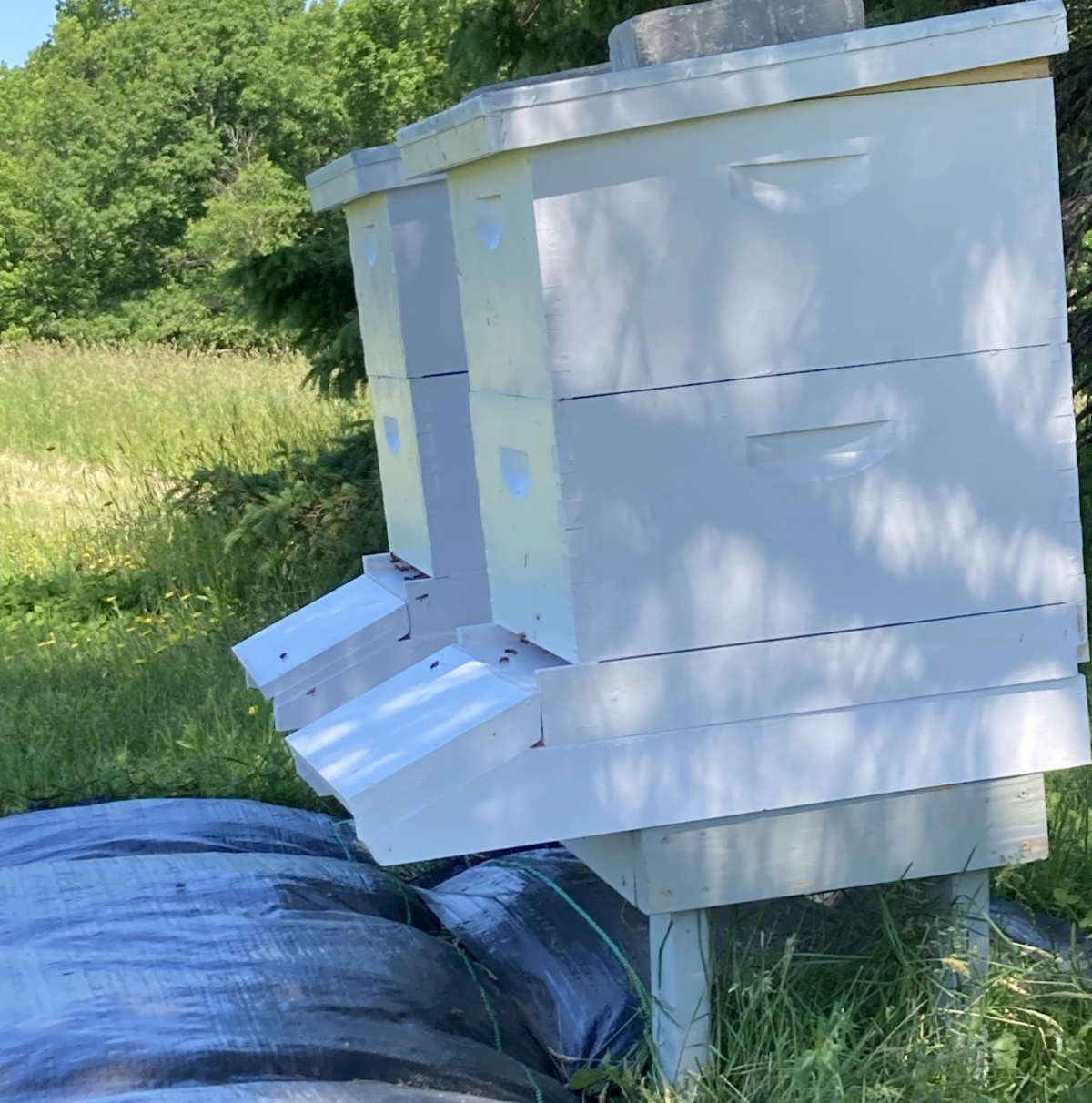
Honeybee management research, led by scientist Fikirte Erda, began this spring at the Woodman Horticultural Research Farm.

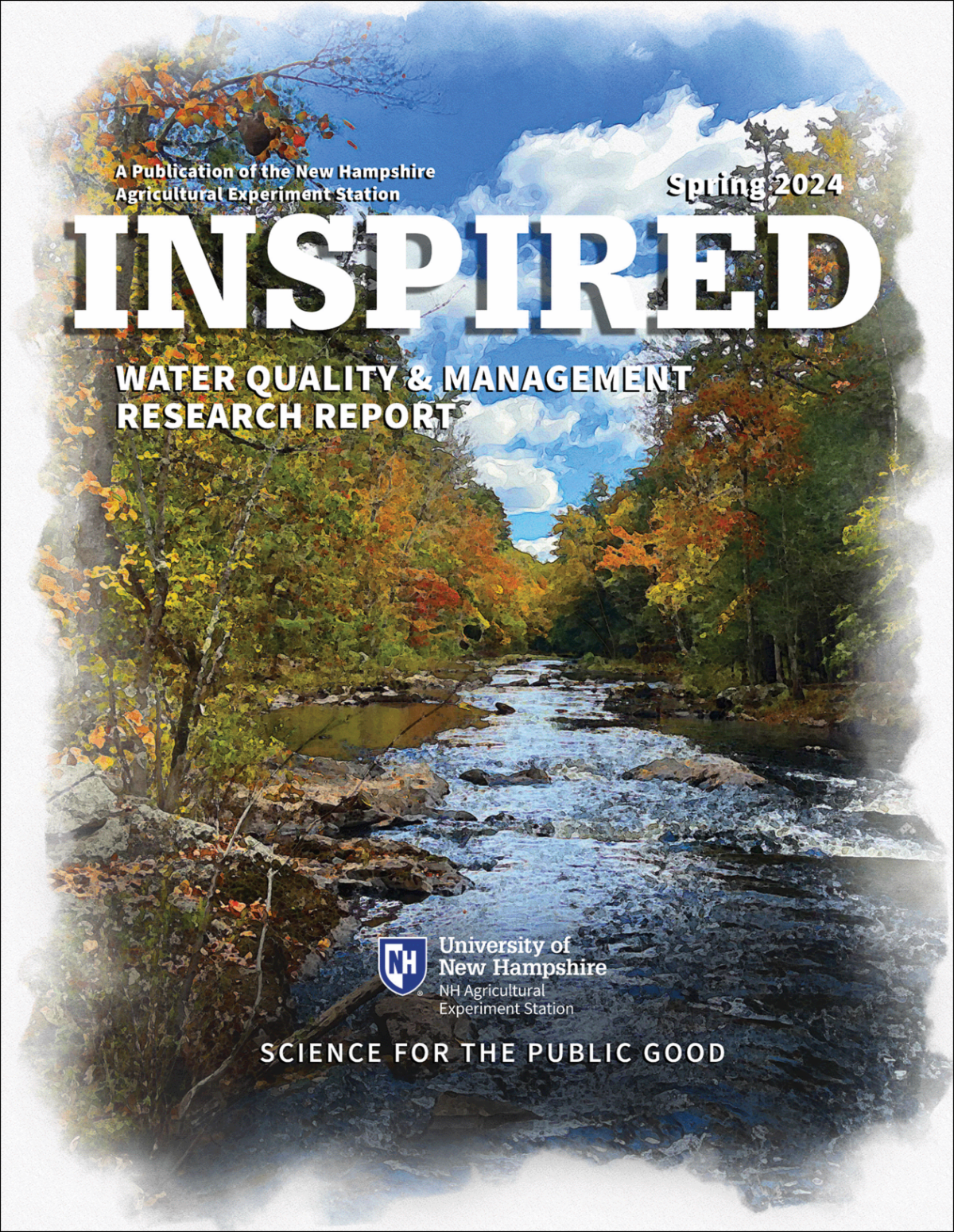
I want to also provide one more mention of our recently published Inspired publication. This issue provides a round-up of research that seeks to assess and improve the quality of our state's and region's freshwater systems.


Thank you for supporting our efforts to improve the lives and landscapes of our state and region!


Anton Bekkerman

Director, NH Agricultural Experiment Station

Latest NHAES Research and News

The INSPIRED Water Quality & Management Research Report is Here!


Download the digital version today!


New Hampshire’s freshwater bodies play a vital role in supporting the state’s hydroelectric power, ecosystems, tourism, and recreation, contributing over $200 million from recreational fishing alone. As climate change and urbanization impact these natural water systems, NHAES researchers are pioneering methods to assess water quality and develop sustainable management solutions. By leveraging new technologies and extensive data, their discoveries aim to keep New Hampshire’s waters resilient. Read more about these advancements in the 2024 Water Quality & Management Report.

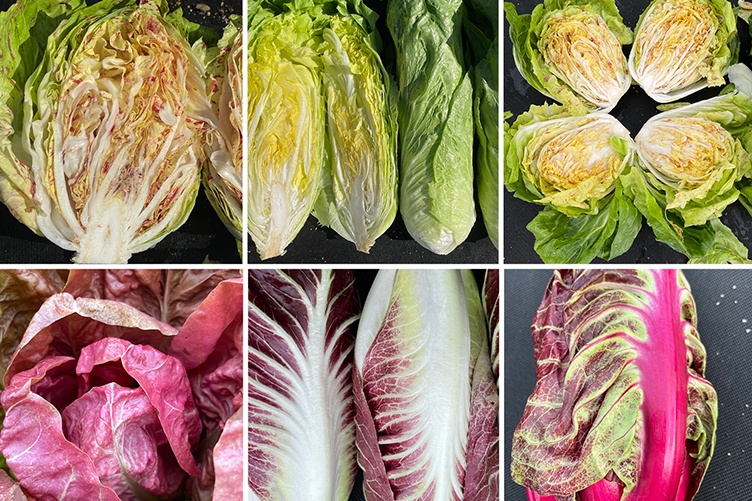
Best Radicchio Varieties for New England Farmers


UNH scientists have completed a two-year study on radicchio varieties to recommend the best options for New England farmers. Station scientist Becky Sideman led the study, which assessed crop marketability, disease susceptibility, harvest maturity and other factors of more than 30 cultivars. Sideman and her team also examined seeding timing and related factors, discovering that planting radicchio in the third week of June maximizes harvest windows. This research aids farmers in capturing new market opportunities with high-quality, specialty crops. Discover which radicchio varieties can boost your farm's success.

Aquatic Plants Could Help Reduce Water Pollution


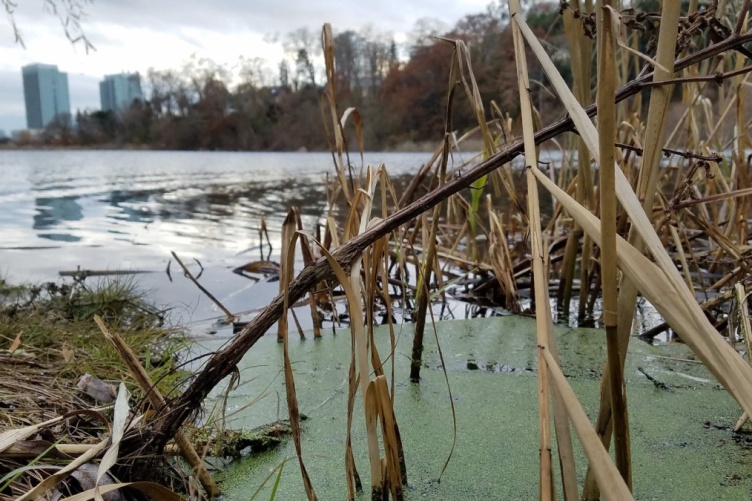
Station scientist Anna O'Brien's research shows that duckweed, a small aquatic plant, can help reduce water pollution by absorbing harmful chemicals like benzotriazole from urban runoff. This study suggests that integrating duckweed into stormwater management systems could enhance water quality and sustainability. O'Brien's findings highlight the potential of using natural plant-microbiome systems to combat pollution in freshwater ecosystems. Read more about how duckweed can improve water quality and sustainability in New Hampshire.

bill-mcdowell-society-freshwater-science-fellow image

William McDowell Named a Fellow of the Society for Freshwater Science


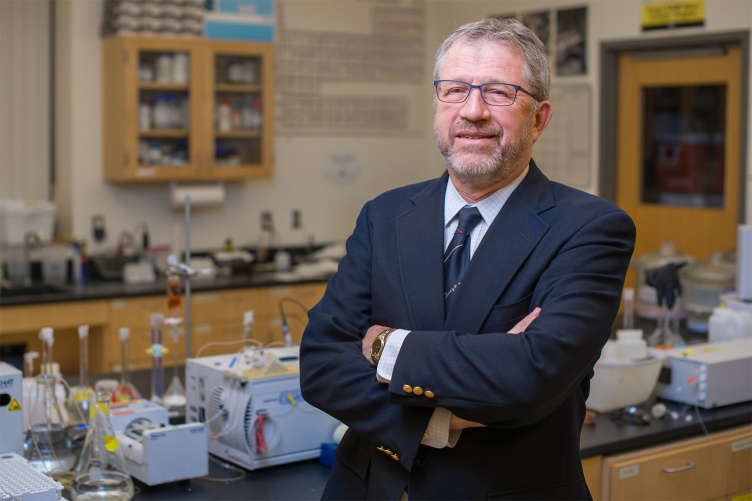
UNH Professor Emeritus of Environmental Science and NH Agricultural Experiment Station scientist William H. McDowell was recently named a 2024 Fellow of the international Society for Freshwater Science (SFS) for his research contributions to aquatic science. McDowell, whose teaching and research career spans more than four decades, serves as the director of the New Hampshire Hampshire Water Resources Research Center. His research examines the impacts of land-use changes, hydrological flows, droughts and extreme weather events on stream chemistry and other ecological processes. Learn more about McDowell's global research on stream chemistry and his long-term New Hampshire studies.

hale_kiwiberry_jg image

Kiwiberry Breeder Is UNH’s 2024 Innovator of the Year


Iago Hale, associate professor of specialty crop improvement, has been named UNH’s 2024 J. Brent Loy Innovator of the Year, recognizing his pioneering work in the kiwiberry research and breeding program. The Innovator of the Year award, presented annually by UNHInnovation, celebrates the commercialization of innovative ideas originating from UNH research that have substantial social and economic impact. Hale has been instrumental in developing these cold-hardy, grape-sized fruits into a promising horticultural crop for the Northeast. Learn more about this well-deserved recognition and Hale's specialty crop research.

Elsewhere in COLSA Research

UNH Receives AKC Grant to Further Mysterious Dog Illness Investigation


UNH researchers at the New Hampshire Veterinary Diagnostic Laboratory and the Hubbard Center for Genome Studies have received a grant from the American Kennel Club Canine Health Foundation to further investigate a mysterious respiratory illness in dogs. Last fall, the team identified a genome segment of a previously uncharacterized bacterium possibly causing the illness. This funding will support advanced genomic sequencing to better understand the pathogen and develop potential treatments. Read more about this research and its impact.

Regenerating Northern Oak Forests Using Prescribed Fire


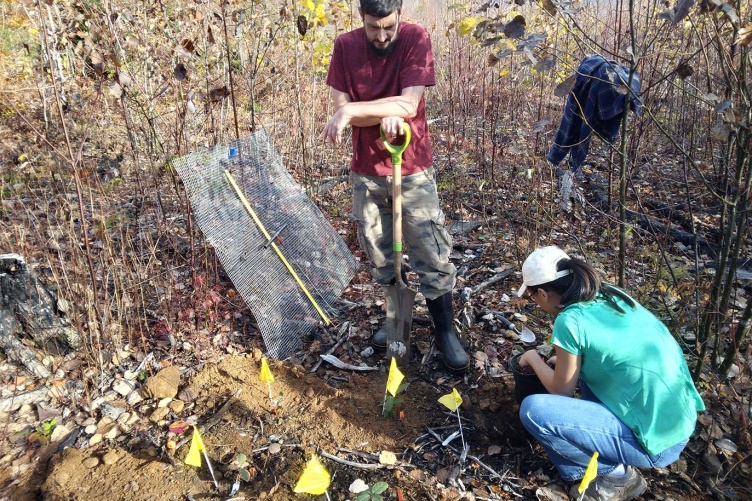
UNH scientists are exploring the use of prescribed fire to regenerate Northern red oak forests, a crucial timber species in New England. Led by COLSA research scientist Matthew Vadeboncoeur, the study has so far found that stands thinned and burned have three times more oak seedlings than those only thinned. This study aims to enhance oak regeneration and expand its range northward, offering new forest management strategies in the face of climate change. Learn how prescribed fire could shape the future of our forests.

colsa-cactus-mice-portrait image

Desert Mice Illustrate Potential Climate Change Adaptations


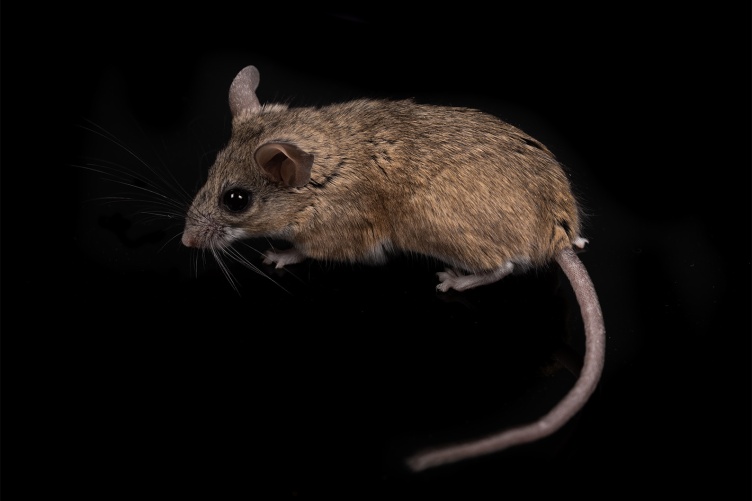
Understanding how animals survive harsh, water-limited environments will be critical to sustaining life across a rapidly warming and drought-prone climate. COLSA researchers turned to a specialist—the small, unassuming cactus mouse, which has evolved as a desert survivalist—to identify strategies and adaptations that could be used by other animals, and possibly humans, to adjust to a changing climate in New Hampshire and far beyond. Read about the researchers' next steps in studying desert mice adaptations at the genetic level.

More Station News & Notes

Support the NHAES and Subscribe to Our News Channels


Please consider supporting future agricultural, food and natural resources research and innovation at the NH Agricultural Experiment Station with a charitable gift.


Want more news and information from the NHAES? Sign up for our NHAES News – and get notified each time we publish new articles highlighting our research (approximately twice a month). Know someone who might be interested in signing up to receive Station Science? Send them our newsletter sign-up webpage.

Visit our Website
Read and Be INSPIRED!
Meet our Researchers
Follow NHAES on social media:
Facebook  Twitter  Instagram  
Share this newsletter:
LinkedIn Share This Email