Faulkner County Agriculture Update

March 13, 2026


General Conditions

Weather


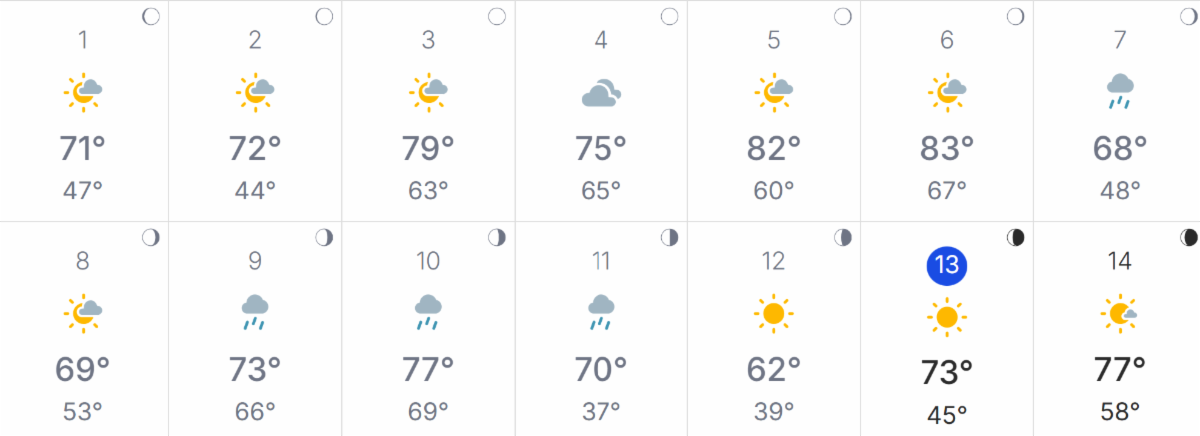
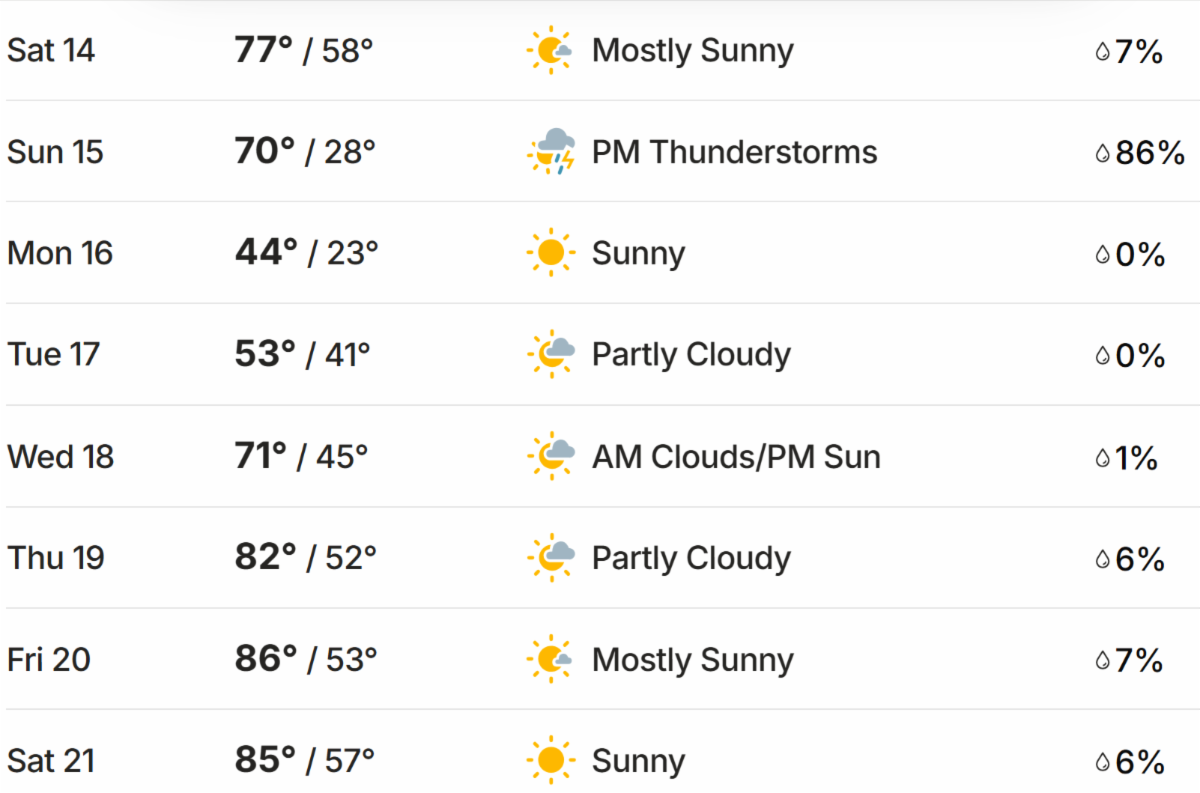
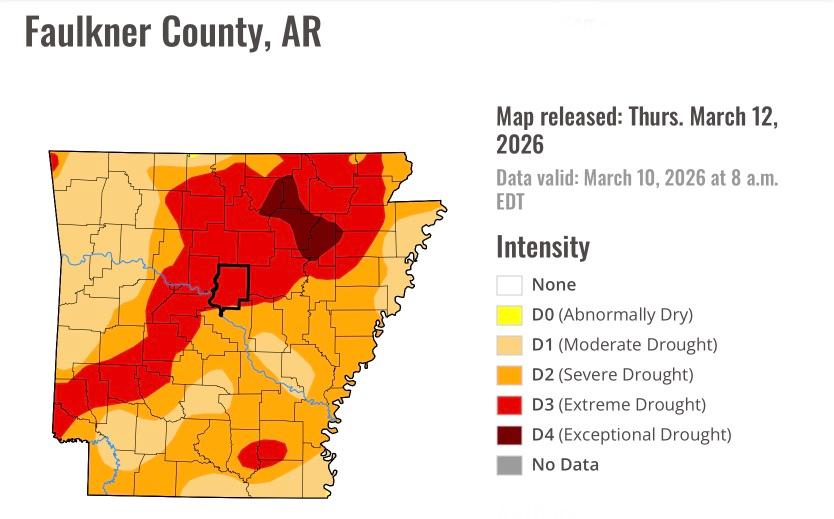
Rain this week ranged from 1.75 inches to just a little over 2 inches depending on where you were in the county. This was a nice rain but we are still almost 1.5 inches below normal precipitation for the young year. We continue to be in a D3 drought so more rain is needed across the county. It looks like our first big freeze of the spring is predicted on Sunday and Monday. Now that grass is growing and things are blooming we are looking at a low of 23 early next week. But it will warm back up into the 80's by the end of the week.

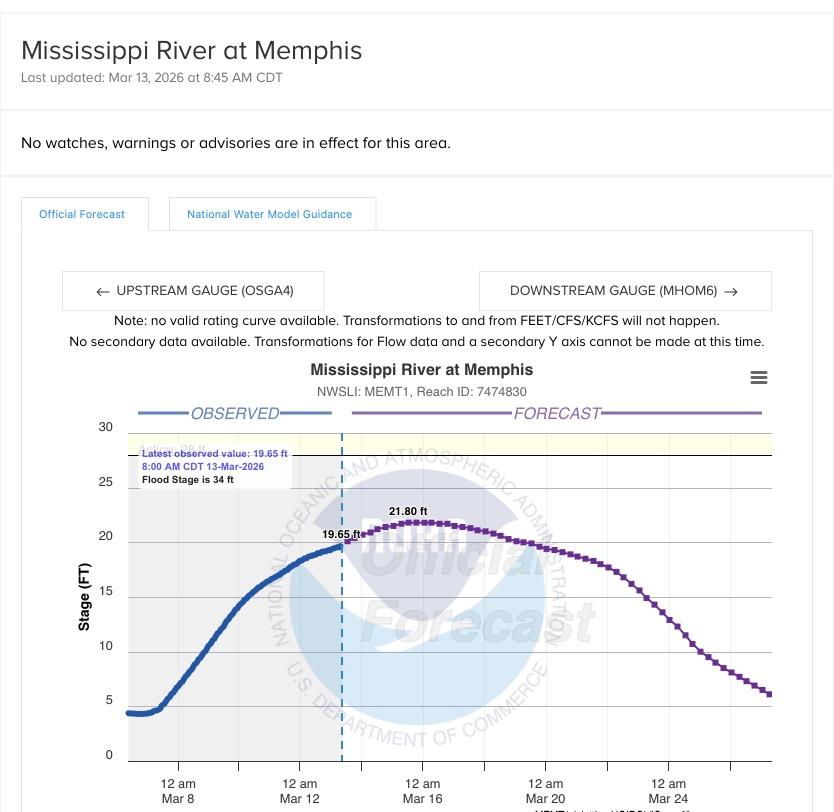
Arkansas and Mississippi River

Drought Monitor

Row Crop

Wheat


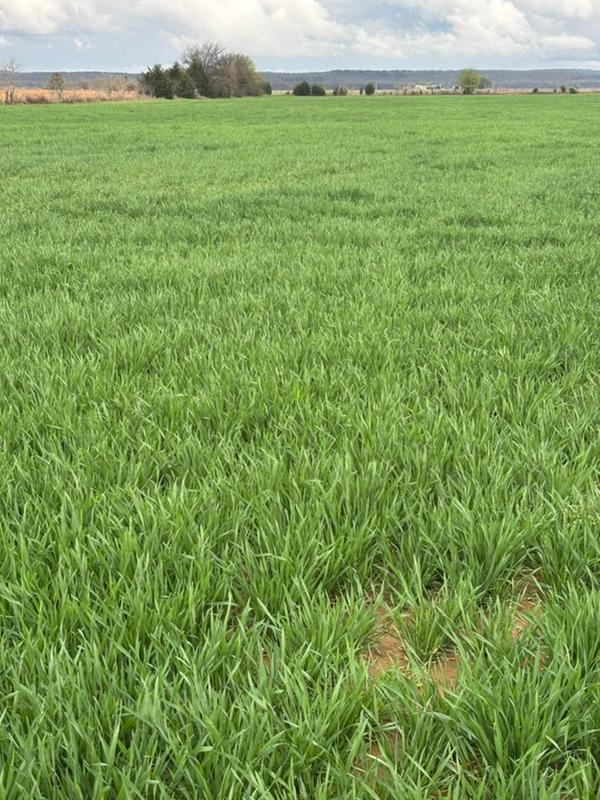
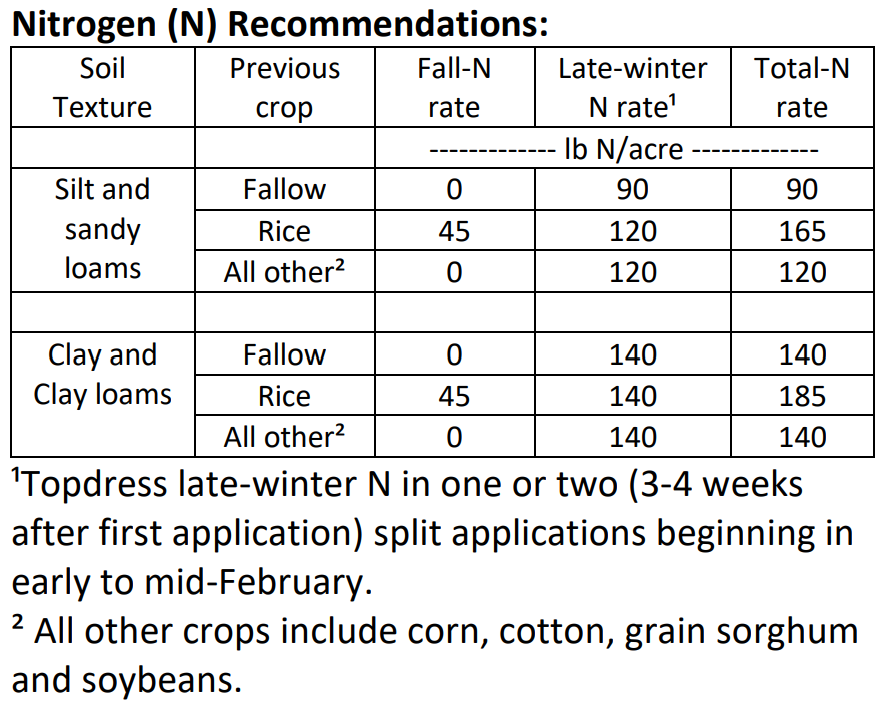
A few producers are taking advantage of the predicted rain for Sunday and fertilizing wheat, some are waiting until the next chance comes through. I think there are different scenarios out there and the decision to fertilize is on a field by field basis right now. Check out the current growth and check for yellowing. If you are seeing any yellowing, get out the next round, if you are still green and growing, you can wait if you need to.

War-spiked urea prices may prompt increase in soybean acres

 By Mary Hightower


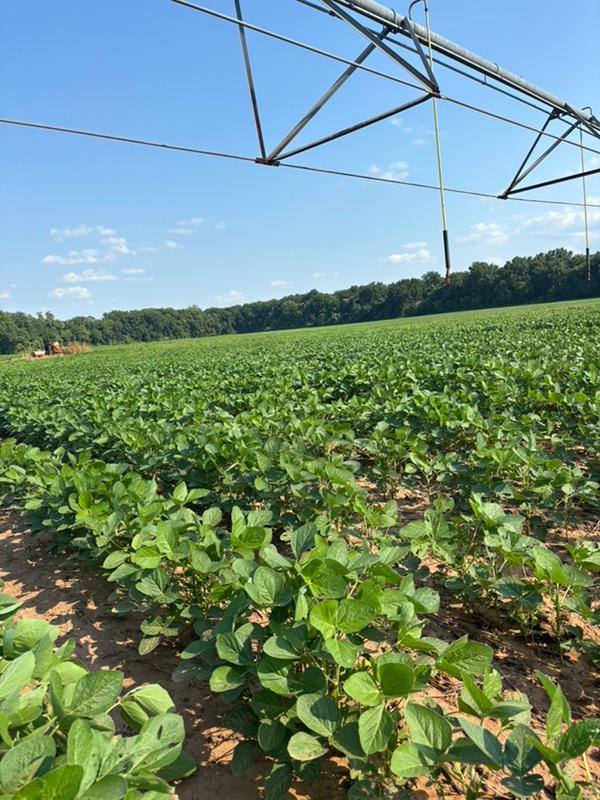
As war pinches shipping through the Strait of Hormuz and drives up the cost of urea, growers are pivoting to soybeans — a crop that's not hungry for the widely used nitrogen fertilizer.


Unlike other crops, soybeans can fix nitrogen themselves, so no urea is required. However, urea is needed to grow corn, cotton and rice.


“It’s a good idea to revisit the crop enterprise budgets to look at any change in the net revenue margins for crops that require nitrogen fertilizers,” said Hunter Biram, extension agricultural economist with the University of Arkansas System Division of Agriculture. “So maybe you grow more soybeans than you originally thought you’d plant.


“We could be looking at 2017 acreage levels — over 3.5 million acres of soybeans this year,” he said.


Looking at the enterprise budgets established in the fall, “soybeans appear to be the least bad when it comes to returns,” Biram said. “We are looking at about a negative $5 per acre return on soybeans under a standard crop share agreement — and that's best-case scenario.”


Moving toward beans

Jeremy Ross, extension soybean agronomist for the Division of Agriculture, said a colleague joked that Arkansas might have 4 million acres of soybeans this year.

“I laughed, but we may be over 3.5 million acres. That would be a 900,000-acre increase compared to 2025,” Ross said on Friday. “And 2.6 million last year was the lowest since 1960.


“It’s a good thing we don’t need urea for soybean production,” he said. “We will take all the acres we can this year.”


Scott Stiles, extension agricultural economics program associate, said even with the move toward soybeans, “growers are being offered new crop bids above $11 all around the state and growers are already making some marketing decisions on '26 crop soybeans. The lower input cost and better margins are favoring soybeans this year.”


Fewer rice acres

Jarrod Hardke, extension rice agronomist for the Division of Agriculture, said he’s seeing more growers back away from rice. “I continue to hear rice seed orders being returned,” he said. “The question for me is no longer ‘will we plant at least 1 million acres?’ but instead, ‘just how low will acres fall?’”


“Nitrogen fertilization is directly tied to rice yields,” he said. “Farmers know how much urea it takes to make their yields, so it's a matter of whether this increasing urea price pushes them out of more acres.


“Given the economic situation, I'm guessing fewer farmers than normal had booked their urea at this point in the year, meaning this price increase will affect more growers — and acres — than usual,” Hardke said. “With rice already penciling out to a negative return in all situations, the red will deepen.”


Sticking with corn

The situation with urea is “not going to help corn acres any,” said Jason Kelley, extension wheat and feed grains agronomist for the Division of Agriculture. “Those who may have been trying to decide what to plant, this will make those decisions easier and are more likely to move to beans. 


“However, the corn price has come up a little,” Kelley said, adding that “overall, still many intend to stick with plans that included corn.” 


Stiles said the awakening in the corn market “has a strong linkage with the energy market” — specifically ethanol made from corn, which is blended with gasoline into E-15.


“Corn industry groups have long been advocating for year-round, nationwide, E-15 usage,” Stiles said. “The spike in crude oil and fuel prices in general this week is probably the event that will make E-15 a reality. That will be a sizeable demand opportunity for corn. 


“New crop corn futures are trading at the highest level we've seen since May 2024, pushing above $4.80 this week,” Stiles said.


Urea and war

Urea production is reliant on liquified natural gas production. Iranian drone strikes prompted Qatar to halt production of liquified natural gas and closure of the Strait of Hormuz is preventing about 20 percent of the global LNG supply from reaching its destinations.


 This isn’t the first time urea prices have spiked, Biram said.


“Back in 2021, right before Russia had the full-on invasion of Ukraine, Russia was limiting fertilizer exports, and that was causing prices to go up. Then there was the actual invasion in 2022, and fertilizer prices nearly doubled and remained elevated for almost a year.


"Strong demand and low liquified natural gas inventories kept prices elevated in late 2021. Any restrictions on natural gas production or exports will increase the price of natural gas, a key component in urea production, which will increase the price of urea fertilizer,” Biram said.


“However, the liquified natural gas market has been quiet.”


There were two other spikes in 2008 and 2012.


“The one in 2008 was largely attributed to the expansion of the Renewable Fuel Standard,” Biram said. The Renewable Fuel Standard increased ethanol demand, and therefore demand for corn, which is heavily reliant on nitrogen fertilizer.”

Four years later, widespread drought “sent corn prices higher, which also increased demand for nitrogen fertilizer.


“In both these instances, higher prices were sustained through the growing season between March and November,” Biram said. “I can’t think of worse timing.”

Crop Enterprise Budgets


Below is a link to the 2026 Crop Enterprise Budgets. If anyone needs assistance with these budgets please let me know.

Organic Field Crop Production Meeting


Join us for a full-day meeting focused on organic field crop production and marketing in Arkansas. This event brings together experts, researchers, buyers, and industry professionals to share valuable insights on transitioning to organic production, accessing organic grain markets, and optimizing organic operations.


Organic grains continue to far outpace conventional grains in both price and overall profits. With organic soybeans moving towards $25/bu and organic corn approaching $13/bu, it is an excellent time to consider transitioning to organic grain production. The Mid-South, including Arkansas, is an untapped resource for farmers who want to capture a much better price for their field crops. The no-till and tilled organic plots at the UA Vegetable Research Station in Kibler in 2025 were very successful with good weed control and soybean yields exceeding the state average.

Beef, Small Ruminants, & Forages

Freeze on Bermudagrass


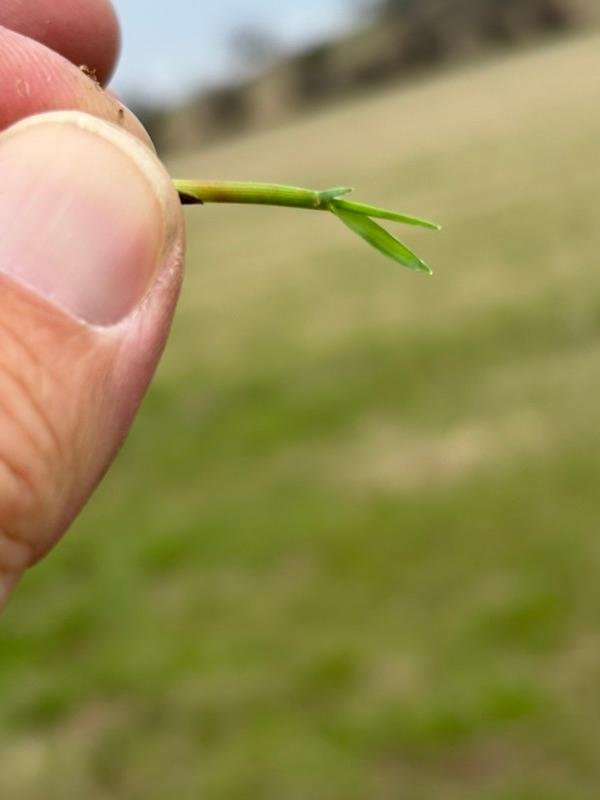
It is looking like we will get a pretty good freeze coming up this weekend. There is a lot of bermudagrass out there that has greened up. Some fields were really coming along more than others. I looked at one yesterday that looked like it was ready to fertilize it had greened up so much. This will be a set back for sure. It seems like this is more common every year. We get a really big flush then a freeze nips it back. Usually we come out of these little freezes okay, just delayed. So don't get to concerned about this freeze event at this stage of bermudagrass growth, we should be okay.

Bull Fertility

Barry Whitworth, DVM, MPH, OSU Cooperative Extension Senior Extension Specialist


The development of sperm cells in bulls depends on several factors. A key factor is temperature regulation of the testes. Bovine testes must be maintained at a temperature around 90° Fahrenheit (F). This means that bull testes are kept around 7° to 11°F below normal body temperature. Any insult to the scrotum that damages the testes and/or impairs their ability to move freely within the scrotum will disrupt temperature regulation of the testes. This will result in improper development of the sperm cells.


Damage to the bull’s scrotum may occur in a variety of ways. One way is frostbite. In a study performed in Canada, severe frostbite was associated with reduced satisfactory bull breeding soundness exams (BBSE). The authors of the study suggest that frostbite resulted in inflammation to the testes, which increases testicular temperature. Frostbite is not a common problem with bulls in Oklahoma; however, Oklahoma cattle are not accustomed to the extreme temperatures seen during the winter storm in late January. Without proper protection, bulls may have suffered damage to their scrotums or testes. Damage to these tissues may result in poor semen quality. 


The wildfires that burned over 300,000 acres in northwest Oklahoma may have resulted in some hidden reproductive consequences for bulls. Minor thermal injury or burns to the scrotum might be severe enough to interfere with scrotal temperature regulation. Again, this may result in nonmotile sperm and/or abnormal sperm.


With this information in mind, cattle producers need to have their bulls evaluated before spring turnout. A BBSE performed by a veterinarian should alleviate any concerns about infertility. The exam has three parts. Part one is a physical examination to ensure that the bull is in good health. Bulls impacted by wildfires may have sustained injuries to their feet which would impair their ability to breed. Part two is the examination of the internal and external reproductive organs. During this part of the process, the scrotum will be measured and evaluated for any abnormalities such as frostbite or burns. Lastly, the semen will be evaluated for motility and morphology (normal and abnormal sperm). Any abnormalities in any part of the exam are cause for concern.


Bulls meeting the minimal standards for each part of the BBSE will be classified as a “satisfactory potential breeder”. Any issues discovered will result in a bull being classified as “deferred” or “unsatisfactory potential breeder”. Bulls with signs of frostbite or burn damage to their scrotum and with poor semen will most likely be classified as “deferred”. The evaluator will probably suggest a recheck in a few weeks. One study indicated that most problems improve after 6 weeks of rest; however, according to the study in Canada, the fertility of some bulls with frostbite damage never improves.


A BBSE does not detect infectious diseases that might be present in the bull. These diseases may cause infertility or other reproductive problems. Testing for diseases such as Trichomoniasis or Persistently Infected Bovine Virus Diarrhea might prevent unwanted infections in the cow herd. If bulls were commingled with other cattle during the wildfire, producers may want to test for these diseases.


A BBSE is just one step in preparing for the spring breeding season. Hopefully, it will prevent any unwanted surprises during pregnancy testing this fall.

Arkansas Cattlemen's Area 7 Spring Area Conference


The Area 7 Conference of the Arkansas Cattlemen's Association will be on March 24, 2026 at the Conway Expo Center. The meeting starts at 5:00 pm.


To register, click on the link below. Registration is due by March 17, 2026.

Upcoming Meetings

Pesticide Applicator Trainings


In order to purchase restricted use pesticides (herbicides, insecticides, fungicides, etc) you must have a private applicators license. The license is good for 5 years.


To obtain a license you must first attend a certification training. Certification trainings are done in person by a County Extension Agent or you can go online and be certified. Below is a link to the online training.


In person trainings this year will all be at the Faulkner County Extension Office and will be on:


April 30 - 2:00 PM


A certification training costs $20 and is due the day of the training.


Once a producer is certified, they will go through the Arkansas Department of Agriculture to obtain the license which is $45.


Please call the Extension office at 501-329-8344 to sign up for one of these dates.


If you have a question about your license, please follow the License Search and Verification link below to find your license.

Livestock Market Report


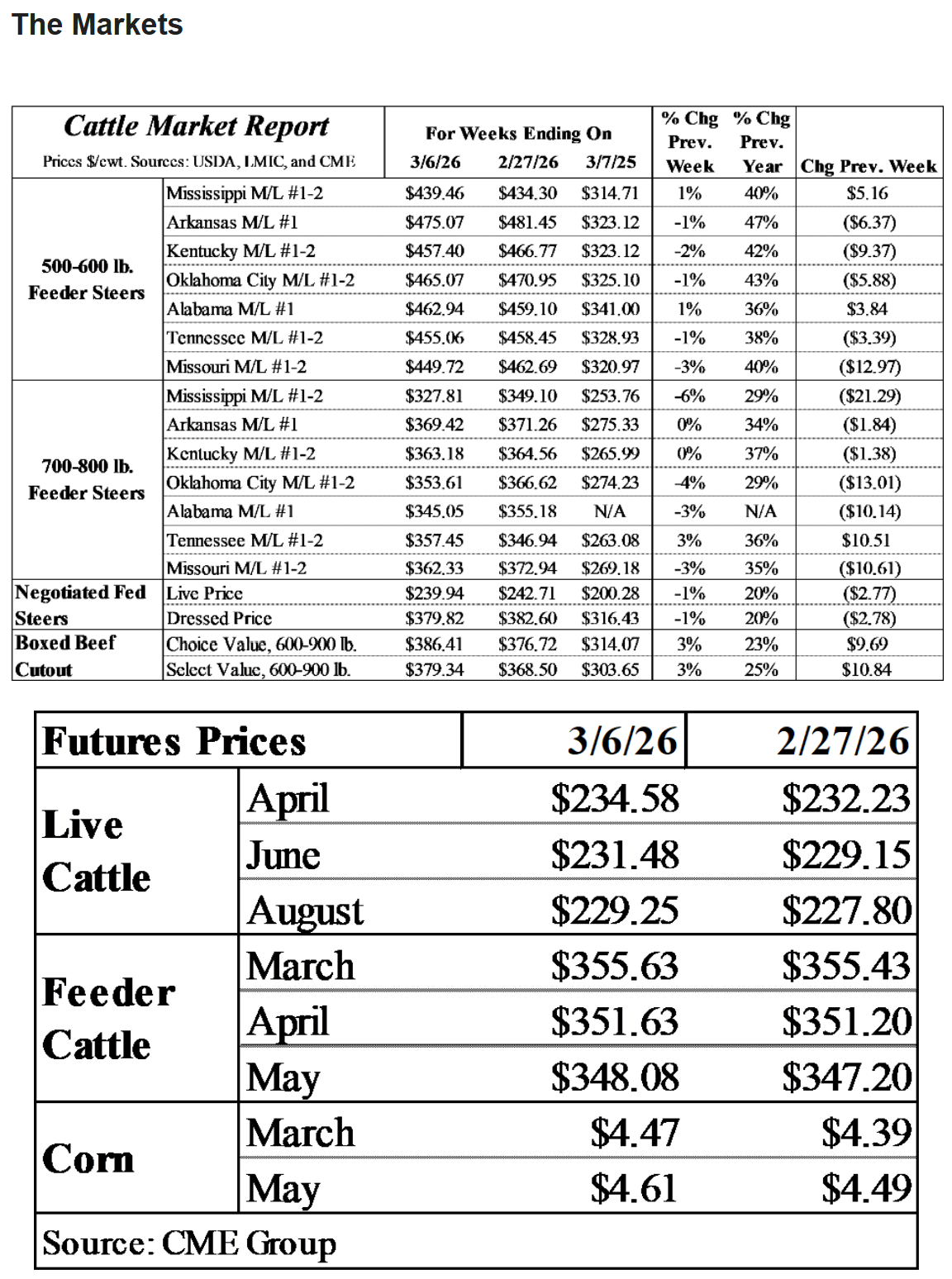
The following links are for the weekly livestock market report from the Arkansas Department of Agriculture website and the Livestock Auction Dashboard from USDA. Both sites have marketing data for all livestock sold at Arkansas Sale Barns.

2025 Faulkner County Agriculture Demonstration Summary


The 2025 Faulkner County Agriculture Demonstration Summary is now available at the link below.


The 2025 Faulkner County Demonstration Summary is a collection of on-site demonstration results conducted in Faulkner County by local County Agents. Demonstrations are the cornerstone of the University of Arkansas System Division of Agriculture Cooperative Extension Service’s mission which is:


“We strengthen agriculture, communities, and families by connecting trusted research to the adoption of best practices.”


On-site demonstrations allow producers and homeowners to see firsthand how Extension recommended varieties and best management practices work in their counties and surrounding area.

Sign up for Text Alerts


You can now sign up for text alerts from me throughout the year. I have two areas you can sign up for which includes Faulkner Livestock or Faulkner Ag (Row Crop Updates). To sign up you can follow one of these links or use the QR Codes below.

Faulkner Livestock


Use either the QR Code or this link:

https://slktxt.io/10lLe

Faulkner Ag (Faulkner Row Crops)


Use either the QR Code or this link:

https://slktxt.io/10lLc

Pursuant to 7 CFR § 15.3, the University of Arkansas System Division of Agriculture offers all its Extension and Research programs and services (including employment) without regard to race, color, sex, national origin, religion, age, disability, marital or veteran status, genetic information, sexual preference, pregnancy or any other legally protected status, and is an equal opportunity institution.

Contact Kevin Lawson, County Extension Agent–Agriculture, Faulkner County | Kevin Lawson