|
Dr. Mary-Frances O'Connor, an associate professor of psychology at the University of Arizona, said that there’s also a strong evolutionary element to how and why we endure grief.
"Grief as a response may have evolved originally as a response to separation," she told Live Science. "In order to help us maintain our connections to loved ones when we go and explore our world each day—like kids going off to school or your spouse going to work—powerful neurochemicals in the brain make us yearn for them and reward us when we are reunited."
O'Connor notes that the death of a loved one is a very rare event and suggests that the brain often responds as though the loved one is simply missing, rather than permanently gone.
"The brain wants us to find them or make such a fuss that they come to find us," she said. "This isn't necessarily conscious, although bereaved people often describe the feeling that their loved one will simply walk through the door again one day."
Coming to Terms with Grief
People often say that time is a healer, but can grief cause any lasting effects in the brain?
“The emotional trauma of grief results in profound changes to brain function due to the repetitive stress of the fight or flight response and neuroplasticity, which is the remodeling of the brain in response to experience and changes in our environment,” said Shulman, “Over time, these mechanisms result in a strengthening of the primitive fear center of the brain and a weakening of the advanced brain [the cerebral cortex].”
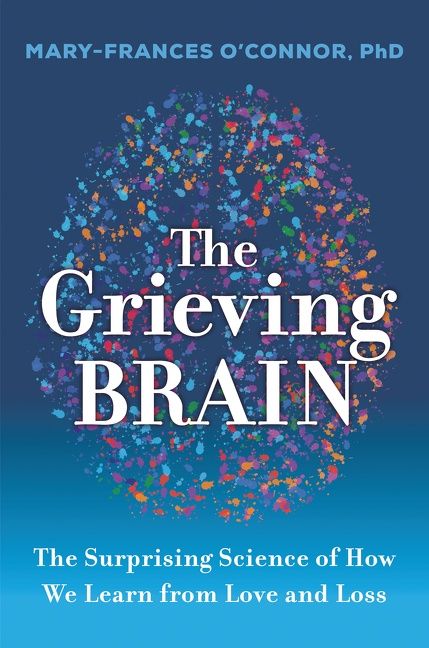
"...grieving can be thought
of as a form of learning..."
These changes are long-lasting but can be reversed by therapy and post-traumatic growth, she added. Post-traumatic growth is a technique that enables individuals to find a way to take new meaning from their experiences in order to live their lives differently than before the trauma.
Dr. Uma Suryadevara, an associate professor of psychiatry at the University of Florida, said that while certain events, locations or dates can trigger a wave of grief, people’s brains do eventually recover, although healing times differ from person to person.
|