Child Care Connector

Professional development is essential to maintain and enhance the quality of education. It equips early educators with the skills, knowledge, and strategies necessary to meet the evolving demands of students, curriculum changes, and technological advancements. Research consistently shows that high-quality professional development is one of the most effective ways to improve student achievement. Skilled and confident educators create more supportive and productive learning environments.


For early educators looking to take on leadership roles, transition into new subject areas, or simply grow in their careers, professional development is a key steppingstone. Learning new skills and gaining fresh perspectives helps teachers feel more competent and motivated, which can reduce burnout and improve job satisfaction. Professional development is not a one-time event but a continuous process that ensures early educators remain effective, inspired, and responsive to the needs of their students and the broader educational landscape.


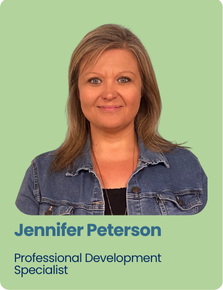
The Iredell County Partnership for Young Children offers high quality professional development trainings for early educators. Training sessions encourage teachers to reflect on their own practices, identify areas for improvement, and continuously strive for personal and professional growth. Visit our website to view, register, and pay for trainings. Contact Jennifer Peterson, Early Education & Professional Development Specialist, at jpeterson@icpyc.org or 704-380-3871 if you have questions.


ANNOUNCEMENTS

Our Mooresville office is open Tuesday - Thursday.

Our Statesville office is open Monday - Thursday.


We are closed:

  • Daily from 12-1 p.m. for lunch
  • Second Monday of each month for staff development


Big Feelings Aren't Just for Little People

October brings cooler mornings, changing leaves, pumpkin everything, and a reminder that sometimes we need to slow down and check in with ourselves.


October 10 is World Mental Health Day, making this month a perfect time to talk about something early educators don't always put at the top of the lesson plan—ourselves.


You spend your days caring for little people with BIG feelings. You comfort, teach, redirect, encourage, clean, plan, problem-solve, support families, and probably answer “Why?” more times than you can count!


But here's an important question:

How are YOU doing?


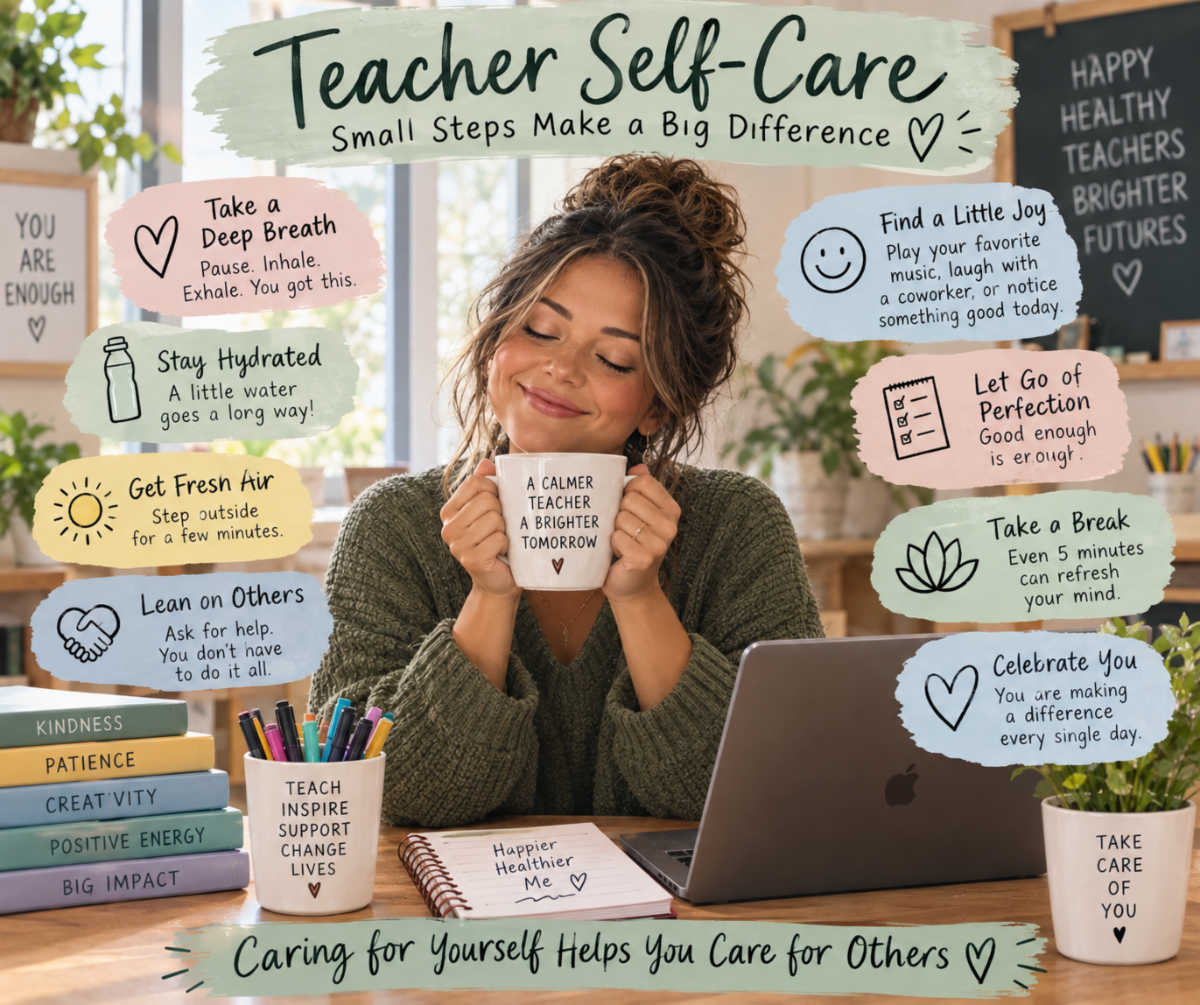
Taking care of your mental health doesn't have to mean adding another thing to your already-full to-do list. Sometimes self-care is taking your entire lunch break, stepping outside for a few quiet minutes, asking for help, setting a boundary, laughing with a coworker, or simply acknowledging, “Today was a hard day.”


As the leaves begin to change this October, consider what you might need to let go of too. Maybe it's the pressure to do everything perfectly. Maybe it's saying yes to everything. Maybe it's carrying the stress of the classroom home with you.


Whatever it is, give yourself some of the same patience, kindness, and grace that you so freely give to the children in your care.


🍁 Your October Challenge

Before this month ends, choose one small thing that supports your well-being and make it a priority. Small changes count.


Because the work you do is important—but you are important, too.  


“This fall, remember: the leaves aren't the only things allowed to let go.” 🍂


With appreciation,


Jennifer Peterson


Lesson Planning: NC FELD Alignment


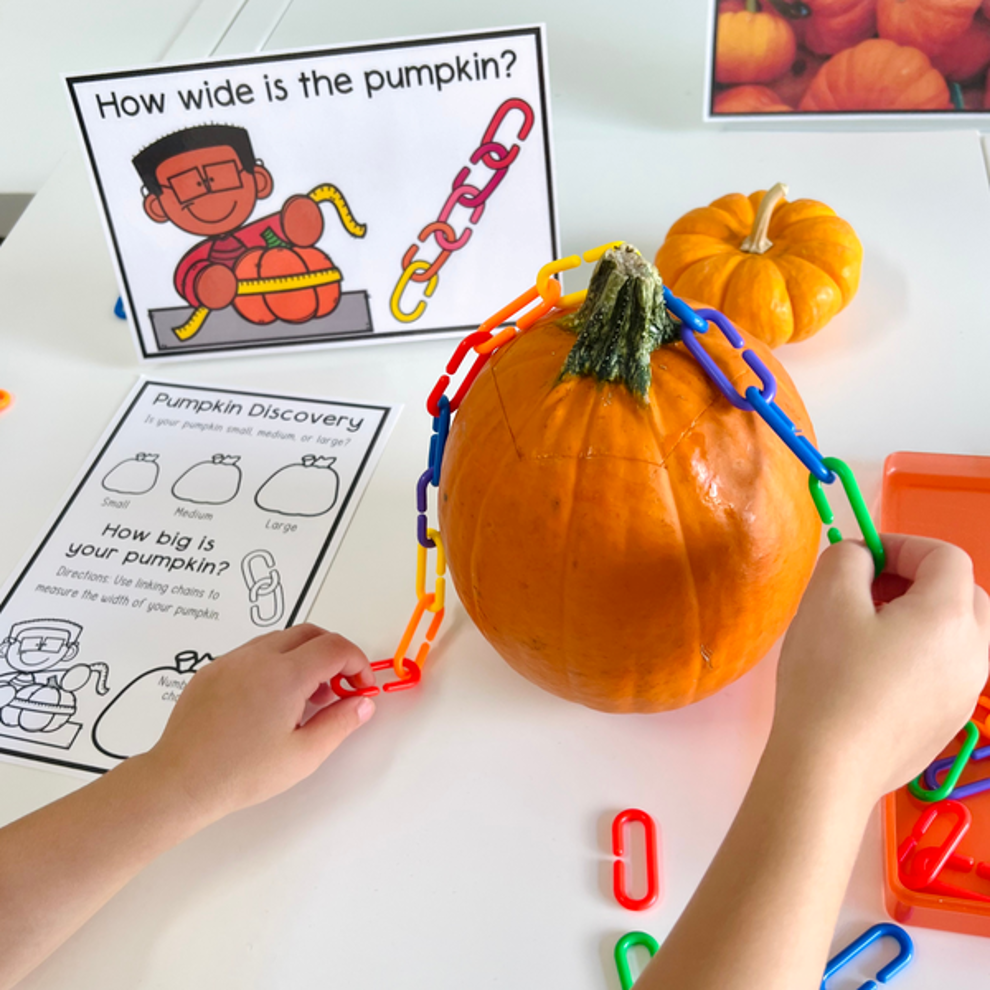
🎃Pumpkin Investigation: Explore, Predict, Measure & Create


Best for: Preschool/Pre-K

Materials: Pumpkin, chart paper, markers, measuring tape/string, balance scale if available, container of water, child-safe tools for opening the pumpkin, spoons, magnifying glasses, paper, crayons/paint.


Start by placing a pumpkin where children can investigate it. Before cutting it open, encourage them to look, touch, describe, predict, and measure. Ask questions such as: What do you notice? How does it feel? How heavy do you think it is? How many lines does it have? What do you think is inside? Will it sink or float?


Then open the pumpkin and let the children investigate the inside. Scoop out the seeds, feel the pulp, smell the pumpkin, count or sort seeds, and compare what they discovered with their original predictions. Finish by letting children draw or paint what they observed.


Developmental domains you can incorporate:

  • 🧠 Cognitive/Science: Make predictions, investigate the inside of a pumpkin, explore sink/float, and discuss how pumpkins grow.
  • 🔢 Math: Measure circumference and height, count seeds, compare quantities, estimate weight, sort seeds, and use words such as more, less, heavier, lighter, bigger, and smaller.
  • 🗣️ Language & Literacy: Introduce vocabulary such as stem, rind, pulp, seed, smooth, rough, inside, and outside. Chart children's predictions and observations.
  • ✋ Physical/Fine Motor: Scoop seeds, separate seeds from pulp, use tongs to pick up seeds, draw observations, and manipulate measuring tools.
  • ❤️ Social-Emotional: Practice taking turns, sharing materials, working together, expressing opinions, and discovering that different predictions are okay.
  • 🎨 Creative Arts: Draw the pumpkin before and after it is opened, make pumpkin prints, or create a representation using art materials.
  • 👃 Sensory: Explore the pumpkin's texture, smell, weight, temperature, and different parts.


🍂 Take It One Step Further

After the investigation, wash and dry the seeds and place them in a learning center. Children can count, sort, make patterns, use them in ten frames, or glue them onto pumpkin drawings.


You could even turn the entire experience into a classroom question: “How many ways can we learn with one pumpkin?” That makes a wonderful example for educators of how one meaningful activity can address multiple developmental domains without creating separate activities for every learning goal.


🍂 The Differentiation Is in the Expectation

The pumpkin doesn't have to change—the learning opportunity does.


An infant may touch the pumpkin.

A toddler may name it.

A two-year-old may compare it.

A preschooler may predict what is inside.

A Pre-K child may measure and document it.

A school-age child may develop and test a hypothesis.


NC FELD Alignment 

Approaches to Play and Learning (APL)

  • APL-1: Children show curiosity and express interest in the world around them.

Health and Physical Development (HPD)

  • HPD-5: Children develop small muscle control and hand-eye coordination to manipulate objects and work with tools.

Emotional and Social Development (ESD)

  • ESD-5: Children demonstrate the social and behavioral skills needed to successfully participate in groups.

Language Development and Communication (LDC)

  • LDC-2: Children participate in conversations with peers and adults in one-on-one, small, and larger group interactions.
  • LDC-4: Children speak audibly and express thoughts, feelings, and ideas clearly.


Important Provider Profile Update

The child care provider profile system has transitioned from Upfront to Work Life Systems (WLS). Providers are encouraged to keep their profiles current and accurate so families can easily find up-to-date information when searching for child care.


Beginning August 1, 2026, providers will also receive a monthly Provider Information Form (PIF) email from Work Life Systems on the 1st of each month.


For more information, including how to access your account and who to contact for assistance, please review the email that was forwarded to you or contact:


Shareeka McCullough

smccullough@childcareresourcecenter.org

336-245-4900, ext. 1019


Donna Bell

dbell@childcareresourcecenter.org

336-245-4900, ext. 1004


New Market Rate Charts Now Available

New Market Rate Charts Now Available


DCDEE is pleased to share that the 2026 market rates for North Carolina's Subsidized Child Care Assistance (SCCA) program are now available. These new rates take effect on October 1, 2026, and reflect recent state budget updates, including the statewide payment floor. The market rate charts list rates by county, with separate versions for child care centers and family child care homes.


If you have questions, please connect with your assigned subsidy consultant. A frequently asked questions document is also available.


Yours in partnership,

Candace Witherspoon

Director, Division of Child Development and Early Education


Training Spotlight


The Rhythm of Routines


Get ready to groove through your daily habits with beats that make routines anything but boring.


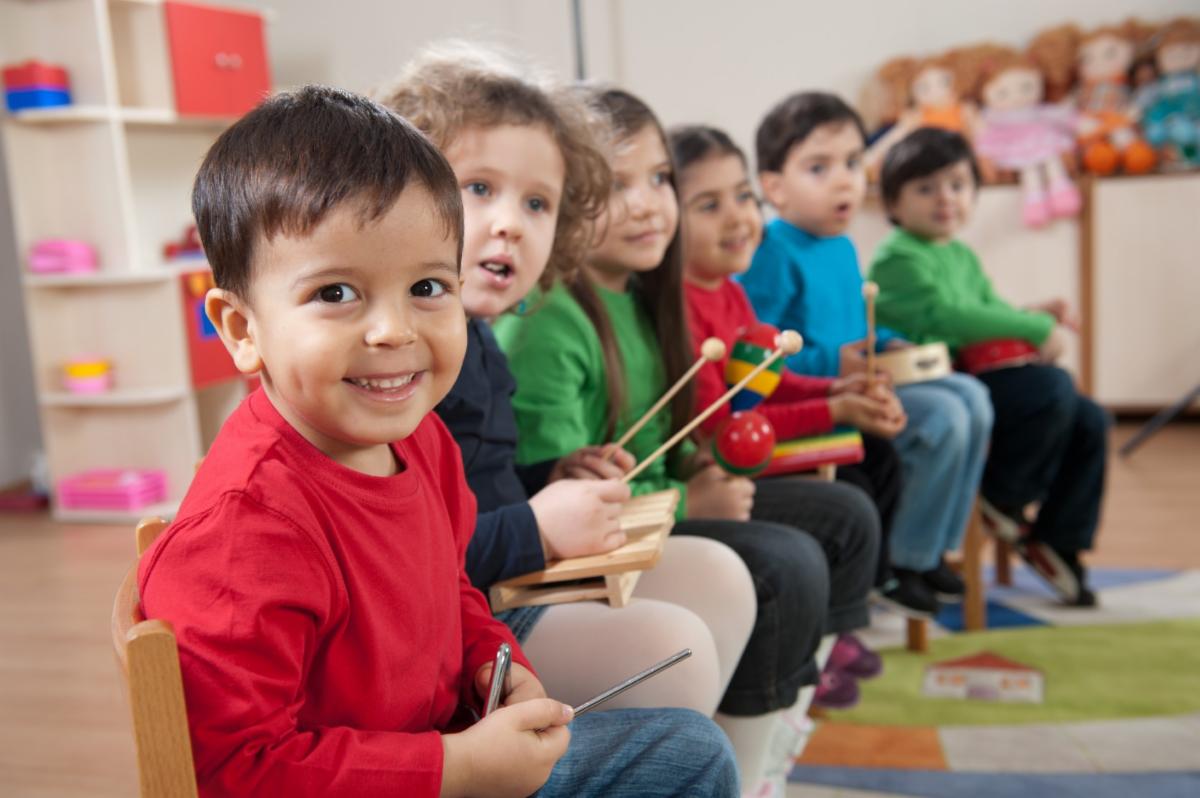
The Rhythm of Routine is a fun, practical training that teaches early childhood educators how to use music and rhythm to make daily transitions smoother and more engaging for children ages 0–5. Participants will explore simple musical cues, transition songs, and movement-based strategies that support emotional regulation and help young children shift between activities with ease. Educators will leave with ready-to-use tools they can implement immediately to create calmer, more predictable routines.


Participants will earn 2.0 DCDEE training hours.


When: October 14, 2026 // 6:00 - 8:00 pm

Location: ICPYC Statesville (734 Salisbury Road, Statesville, NC 28677)

Price: $5.00

Presenter: Tomeka Franklin


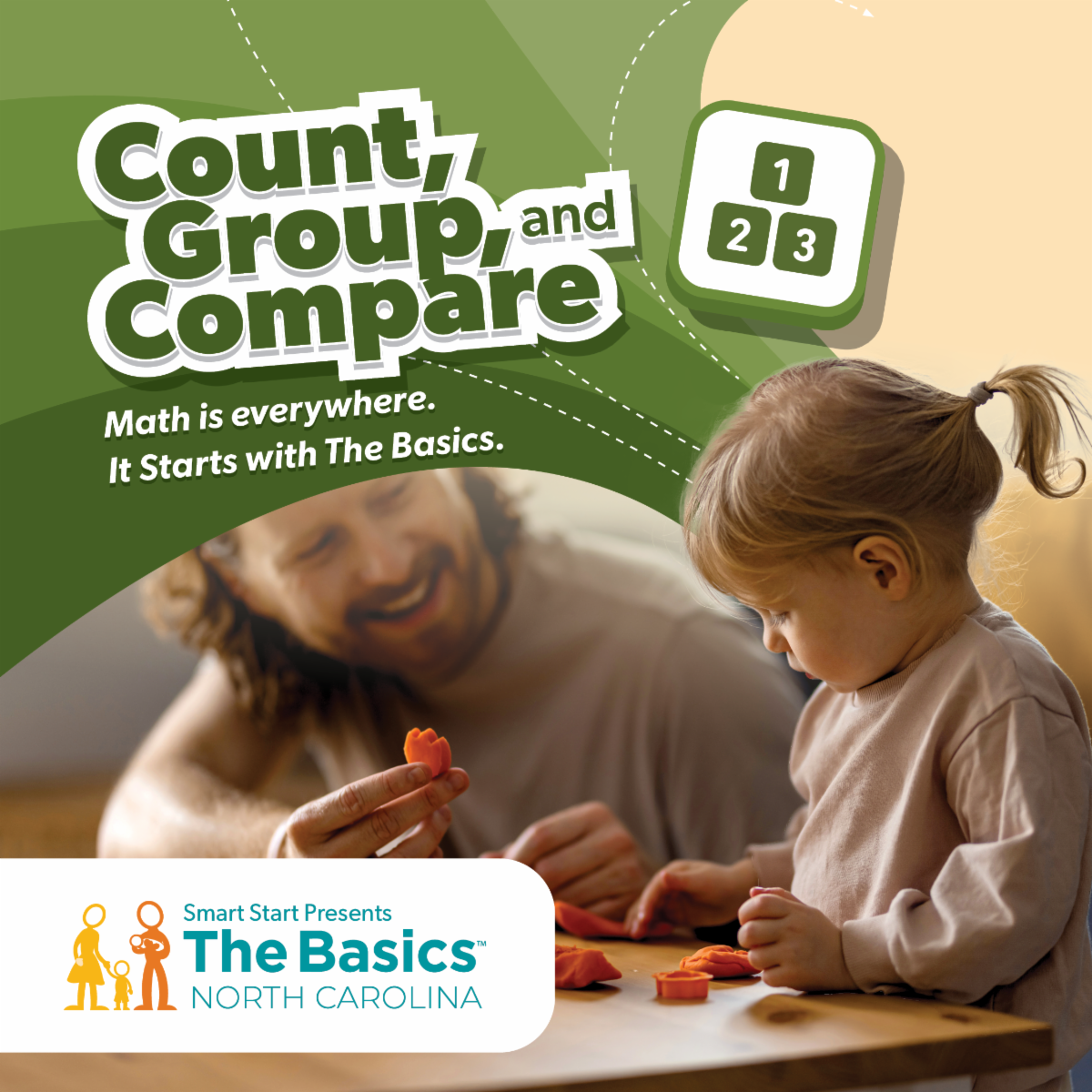
The Basics: Count, Group, and Compare

Everyone is born to be a math person! From the very beginning, children are curious, capable problem-solvers. Early childhood professionals can help build foundational math skills by turning everyday routines, play, and exploration into opportunities to count, group, and compare.


Fall provides countless opportunities for early math learning. Count leaves during outdoor play, compare which objects are bigger or smaller, sort natural materials by color or size, or count how many children are at the table. During art and sensory activities, invite children to count objects, group materials, or notice similarities and differences.


As you play and explore together, use math language throughout the day. Ask questions such as, “Which group has more?” “Can you find one that is smaller?” or “How many do we have?” Give children time to make observations, try different strategies, and explain what they notice.


These simple conversations help children develop number sense, problem-solving skills, and confidence with mathematical thinking.


Try It!


Take your learning outdoors and collect leaves, pinecones, acorns, or other natural materials. Invite children to count what they find, group items by color or size, and compare the different groups. You can also incorporate counting and sorting into classroom routines by counting children, organizing toys, or comparing objects during play.


Look for math everywhere! Counting, grouping, and comparing can happen during play, routines, conversations, and exploration.


Every object counted, group created, and comparison made helps children build confidence as capable mathematicians and lifelong learners.


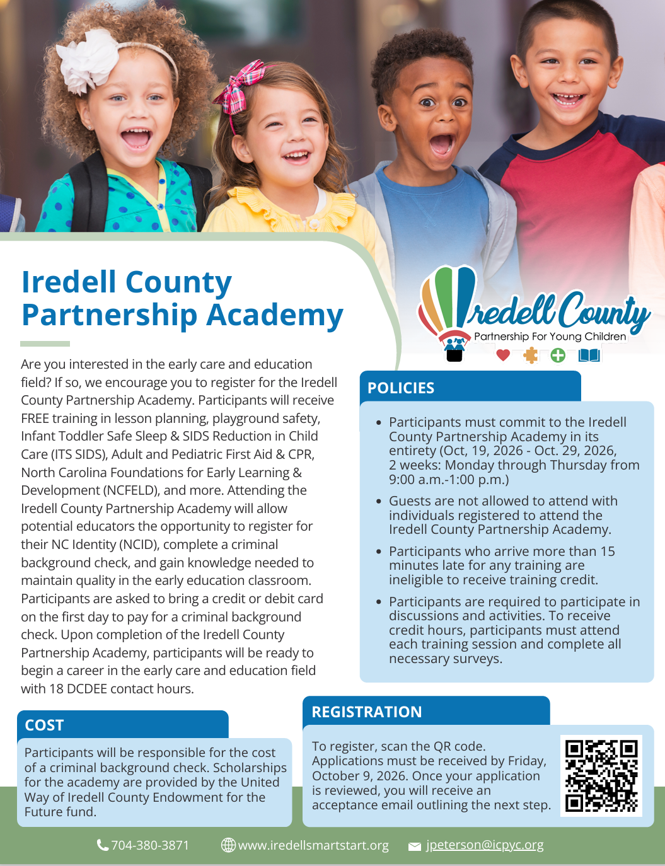
Iredell County Partnership Academy


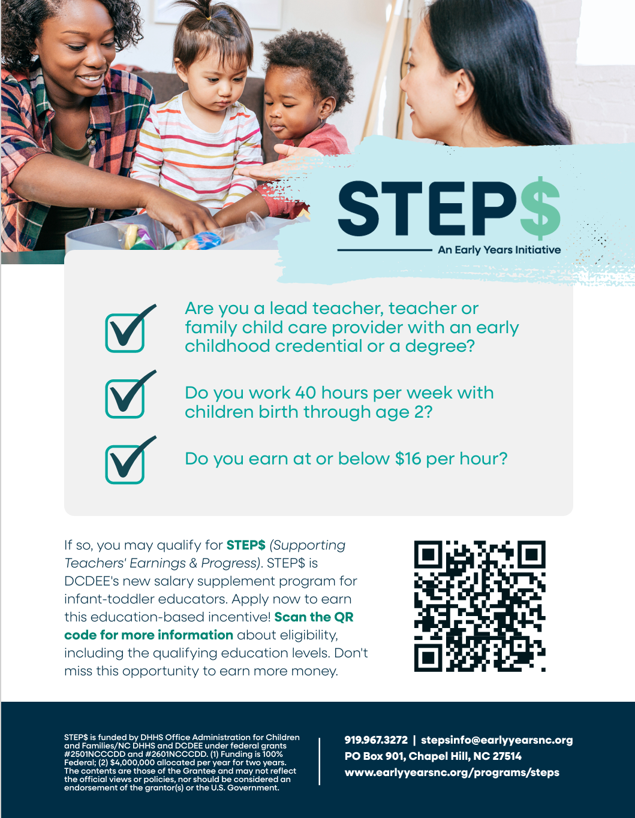
STEP$


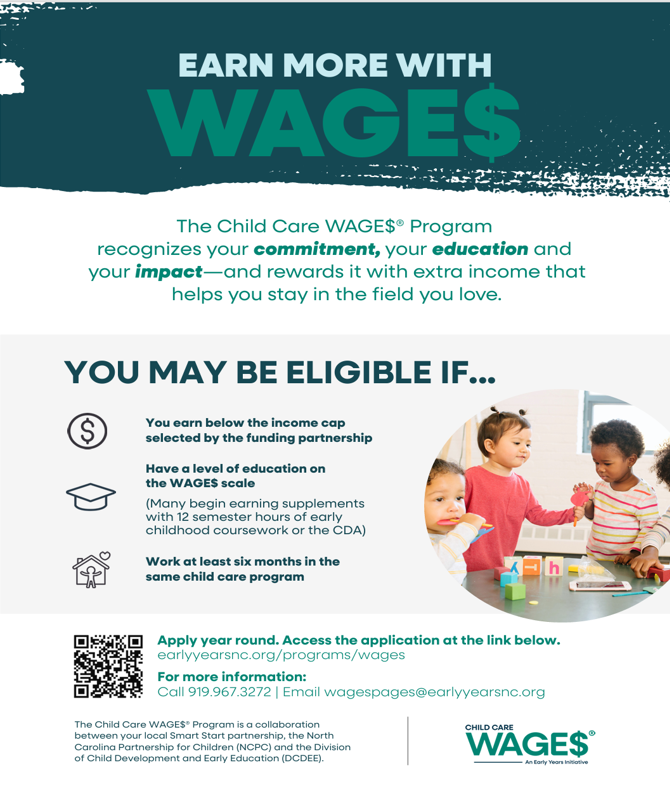
WAGE$


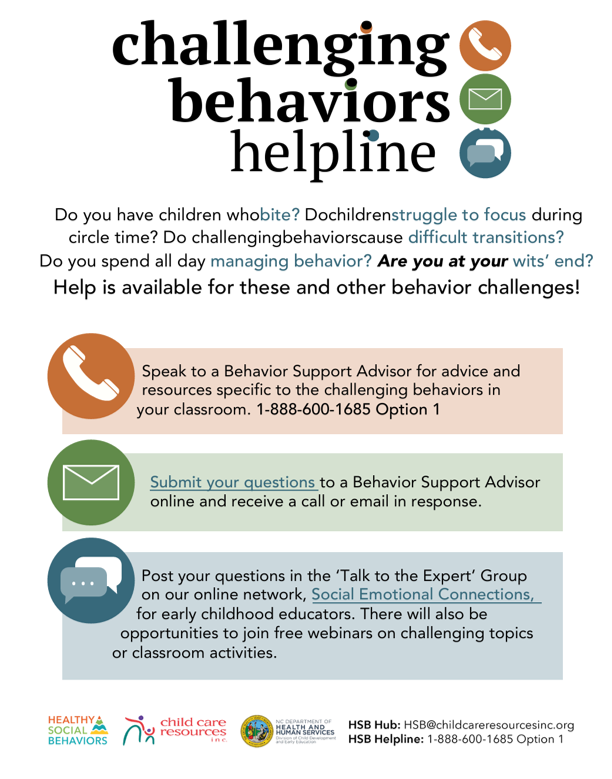
Challenging Behaviors Helpline


Training Calendar

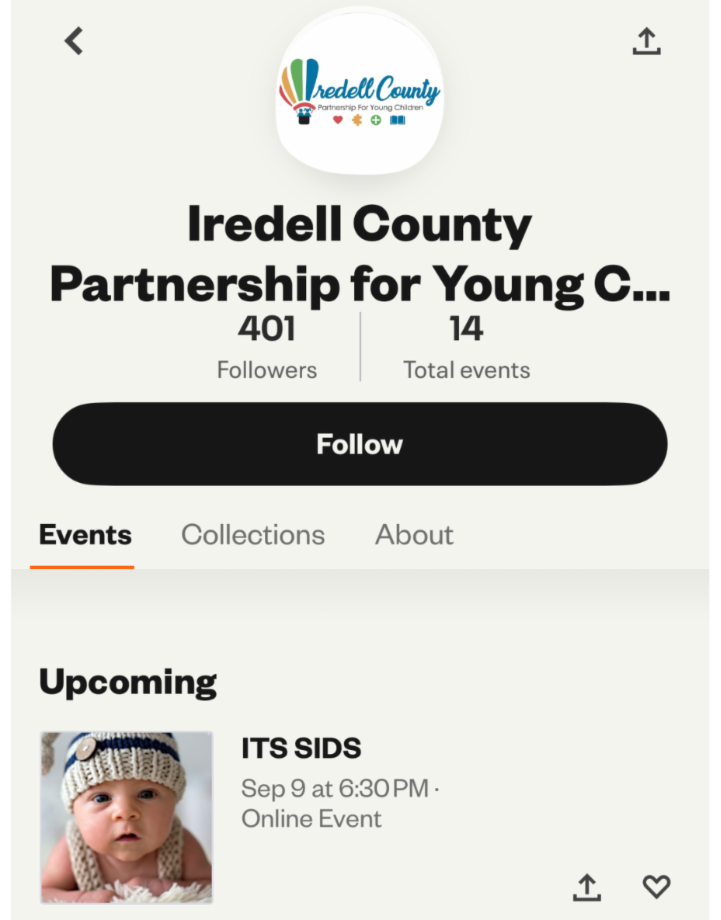
ITS SIDS


When: October 5, 2026 // 6:00-8:00 p.m.

Price: $10 // 2.0 DCDEE Credits

Location: ICPYC Statesville

Presenter: Jennifer Peterson


What are the risk factors for Sudden Infant Death Syndrome? Do you know how to decrease the risk of SIDS? Are you implementing safe-sleeping policies in your classroom or family child care home? Anyone who cares for infants or works in an infant classroom must complete this workshop. This training must be renewed every 3 years.


The Rhythm of Routines


When: October 14, 2026 // 6:00-8:00 p.m.

Price: $5 // 2.0 DCDEE Credits

Location: ICPYC Statesville

Presenter: Tomeka Franklin


Get ready to groove through your daily habits with beats that make routines anything but boring.


The Rhythm of Routine is a fun, practical training that teaches early childhood educators how to use music and rhythm to make daily transitions smoother and more engaging for children ages 0–5. Participants will explore simple musical cues, transition songs, and movement-based strategies that support emotional regulation and help young children shift between activities with ease. Educators will leave with ready-to-use tools they can implement immediately to create calmer, more predictable routines.


FIRST AID & CPR


When: October 26, 2026 // 5:30-8:30 p.m.

Price: $40

Location: ICPYC Mooresville

Presenter: Kristin Whitesides


This training is for early childhood providers who are currently certified or need full certification in Adult and Pediatric First Aid and CPR. Participants must have a valid email to receive a two-year certificate and pocket card following the training. Cards will be issued by HSI. *$40 Due to the trainer in cash on the night of the training.*


Stay Connected with The Partnership Pulse

Want to be the first to know about resources, events, and stories that celebrate families and early childhood educators in our community? Sign up for The Partnership Pulse, Iredell County Partnership for Young Children's monthly agency newsletter. It’s the best way to stay informed, inspired, and involved with the work we’re doing together for children and families. Click the button below to join The Partnership Pulse Today!


Iredell County Partnership for Young Children734 Salisbury Road Statesville, NC 28677 US

704-878-9980

www.iredellsmartstart.org