BIOSTATISTICS CORE UPDATES | | |
|
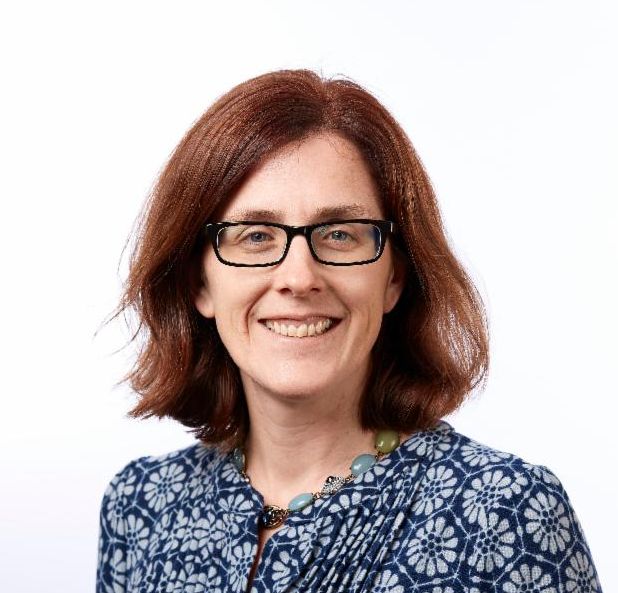
Debbie Cheng, ScD
Core Director, Biostatistics Core, Professor of Biostatistics, Boston University
| |
|
Joseph Hogan, ScD
Core Director, Biostatistics Core, Carole and Lawrence Sirovich Professor of Public Health Professor and Chair of Biostatistics
| |
|
The Providence/Boston CFAR Biostatistics Core, led by Drs. Debbie Cheng and Joseph Hogan, continues to ensure that the research generated by our CFAR incorporates rigorous study design and data analysis, knowledge gained through biostatistics training and mentoring, development of innovative methodology for complex data structures, and our core’s deep engagement in collaborative research. We highlight here some of the exciting activities Biostatistics Core members have been involved with over the past year.
Dr. Tao Liu provides vital statistical leadership on two current trials: one evaluating an intervention to enhance PrEP persistence among African American MSM and another testing the efficacy of an intervention to prevent HIV risk and interpersonal violence among adolescent boys in South Africa.
Allison DeLong continues to collaborate closely on projects involving HIV drug resistance, and co-authored three abstracts presented at this summer’s International AIDS Conference and the International Workshop on HIV and Pediatrics.
Dr. Sara Lodi, an expert in target trial emulation, led an ‘Ask the Data Science Expert’ session at BUSPH in April where domain area experts obtained her guidance on their real-world studies using target trial emulation.
Dr. Laura White received a CDC grant focused on infectious disease predictive modeling and became co-director of the Surveillance and Data Science Core for the Center for Emerging Infectious Diseases.
Finally, the Biostatistics Core co-organized a series of health data science seminars and workshops throughout the year on a range of topics including: designing complex data analyses, machine learning, AI in medicine, and data visualization techniques & tools.
| |
UPCOMING EVENTS AND UPDATES | |
|
August 22, 2024
5pm-7:30pm EST
Albert M. L. Anderson, MD Memorial Lecture
Join the Emory University Center for AIDS Research and its HIV & Aging Research Cluster for an evening to honor the legacy of Dr. Bert Anderson and to highlight the neuroHIV field.
KEYNOTE SPEAKER:
Scott Letendre, MD
Professor in Residence, Medicine and Psychiatry, University of California, San Diego (UCSD)
| |  |
|
Room 1000, 1st Floor,
CNR Building, RSPH, 1518 Clifton Rd
and via Zoom
| |
|
OPEN MIND and ASHA Podcast
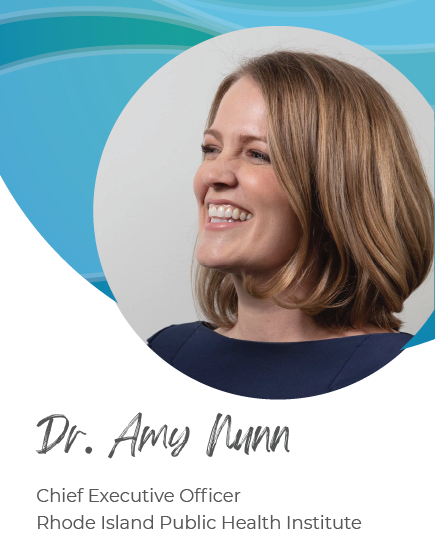
We’re excited to highlight the latest from OPEN MIND, led by Dr. Amy Nunn. They are expanding with a new space for their behavioral health program to enhance community support and anticipate opening for Fall 2024.
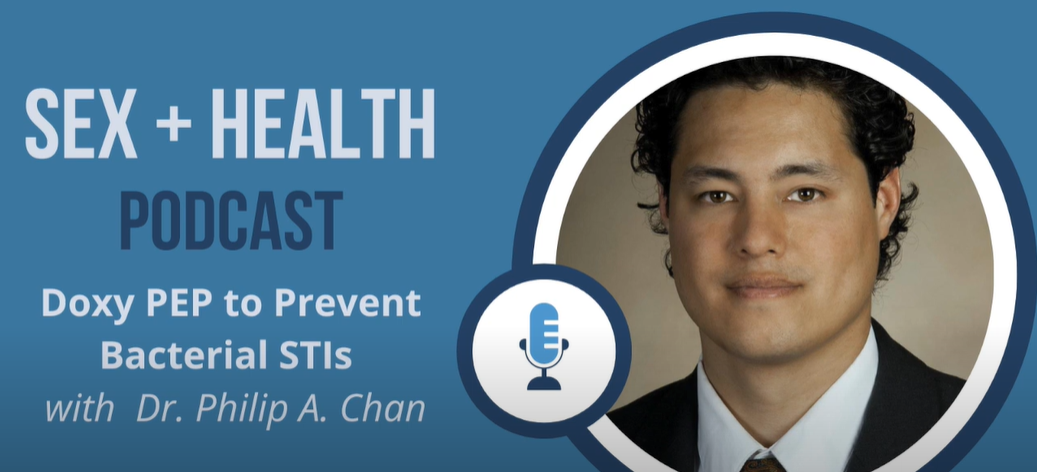
Plus, Dr. Chan recently discussed DoxyPEP’s potential on The American Sexual Health Association podcast, offering valuable insights into sexual health advancements.
Check out the details and see what’s new from OPEN MIND and Dr. Chan!
| | |
| |
|
New member joins the Prov/Bos Administrative Core
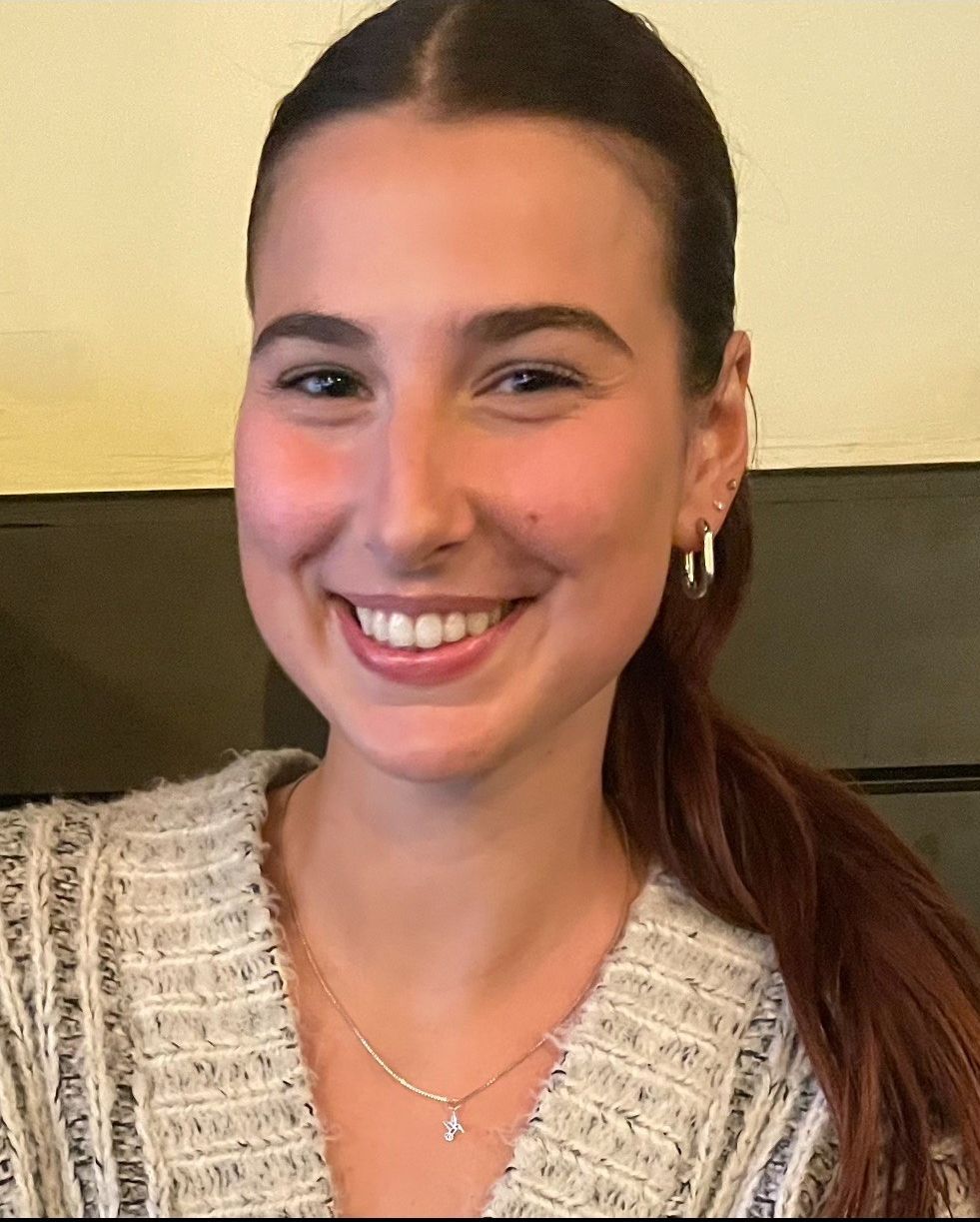
Please join us in welcoming Chloe Couderc as the new Providence/Boston CFAR Administrative Assistant.
| | |
|
Chloe is originally from Upstate New York where she pursued her undergraduate studies at the University of Rochester, earning a degree in Molecular Genetics. After a gap year as a research assistant in an aging and cancer research laboratory, she recently relocated to Boston. Starting this September, she will be pursuing a Master’s in Public Health at Boston University while continuing her part-time role with CFAR.
She is eager to contribute to the team and looks forward to building relationships with everyone here!
Chloe will be based at the Boston Medical Center campus and is able to assist both Boston and Providence CFAR members.
| | |
|
Administrative Supplements for NCI K12 Program Institutional Career Development Awards to Support an Additional Scholar Who is Establishing a Career in Improving the Health Outcomes of People With HIV and Cancer
Applications may be submitted on a rolling basis, starting August 2, 2024
| | |
|
► Please visit this website for more information on how to apply
| |
|
Advance-K Scholar Career Development Program
► Advance RI-CTR and the Division of Biology and Medicine at Brown University
Applications due August 26, 2024
| | |
|
|
Fall 2024 Prov/Bos CFAR Developmental Award
► Letters of Intent due August 9, 2024
Full applications due October 7, 2024
| | |
|
|
Not Just for Medical Journals: Disseminating Your Research Findings Back to the Community
HIV research no matter how innovative will never make a difference in the epidemic unless it is disseminated in an appropriate and timely manner to the people and organizations providing HIV services and community members who have participated in your research studies. Most researchers are not trained, rewarded or supported to disseminate their research findings beyond academic journals. Academic journals are great venues for peer review and information, but community access to those journals is both expensive and cumbersome and the alphabet soup is not easily understood.
| |
|
Paul B. Goulet
Chair, Providence/Boston CFAR CCERC- Community Engaged Research Council
| |
|
Disseminating research findings to the community is less straightforward than medical journals. Complicated scientific concepts need to be broken down into simple core messages that could be easily understood and not misunderstood or misinterpreted by the community. It is important that researchers communicate at a level that would be meaningful to community participants while remaining scientifically accurate. Using visuals, and animation that are easy to understand will help carry your message.
Professional academic social networks such as ResearchGate and academia.edu have millions of users. New innovative online formats for interaction with the wider public such as Ted Talk broadcast via YouTube, TICTOC, and Facebook receive millions of views. It is important to explore new ways of reaching and involving audiences beyond researcher’s usual dissemination targets (I. E., other scholars) to actively involve peers and community members who would otherwise remain out of reach using the traditional methods of communication. Adopting innovative dissemination methods can lead to new cross disciplinary collaborations, by helping to create new research publications and funding opportunities. It will also improve medical mistrust and open new doors to new opportunities and collaborations. When disseminating information about your research findings to the overall community there are a few questions that you should think about. First, who is most affected by your research? Who might find it most valuable? What it is it that you want your audience to take away? It is important to get to know your target audience, their needs and expectations of the research outcomes and to target and frame your key research message and results that you want to communicate to specific groups. Think first from the perspective of what your specific audience might want or need to hear from you, rather than what you want to tell them. Community dissemination may cost more, is a bit more work, so in your research proposal it is always good to include a budget for dissemination of your findings as well as how you will engage your participants to help you reach outside communities who may be interested in your research.
It is important to acknowledge how your partners participation helped, what were the conclusions, or how the research helped the larger community. Researchers need to eliminate the “helicopter research” model where researchers never bring results back to the community, thus fly in than fly out never to be heard from again. Research participants will help you develop a model for broader research dissemination. They already are your captive audience and can introduce you to interested community members who want to hear about your research and can give you innovative ways to bring results back to the community.
Embracing open access to publications, data and tools can boost the impact of your research. Open Access articles receive nearly a fifth more citations than average and pre-printing allows you to communicate your results much earlier than academic journals would allow. It also promotes the transparency and reproducibility of your research.
Finally, through open communication, you can help to raise awareness about diversity and increase the visibility and inclusion of underrepresented groups. Additionally, your research findings should always reach all those who might be affected by it.
| |
|
Dr. Karsten Lunze has recently received R61/R33 funding from NIDA for his work on "Substance Use Prevention for Recently displaced Adults (SUPRA)".
Assoumou SA, Bonilla HV, Ruiz-Mercado G, Von Lossnitzer M, Baker R, Crawford ND, Bernstein JA. Community-based HIV Self-testing for Persons Who Use Drugs Can Contribute to Reaching Ending the HIV Epidemic in the US (EHE) Goals. Open Forum Infect Dis. 2024 Jun 17;11(6):ofae189. doi: 10.1093/ofid/ofae189. PMID: 38887480; PMCID: PMC11181192.
Madlala HP, Myer L, Jao J, Geffen H, Matjila M, Fisher A, Meyer D, Werner EF, Petro G, Cu-Uvin S, McGarvey ST, Bengtson AM. Gestational weight gain and adverse birth outcomes in South African women with HIV on antiretroviral therapy and without HIV: a prospective cohort study. J Int AIDS Soc. 2024 Jun;27(6):e26313. doi: 10.1002/jia2.26313. PMID: 38926935; PMCID: PMC11208166.
Psaros C, Hill-Rorie J, Quint M, Horvitz C, Dormitzer J, Biello KB, Krakower DS, Safren SA, Mimiaga MJ, Sullivan P, Hightow-Weidman LB, Mayer KH. A qualitative exploration of how to support PrEP adherence among young men who have sex with men. AIDS Care. 2024 Jun;36(6):732-743. doi: 10.1080/09540121.2023.2240070. Epub 2023 Sep 25. PMID: 37748111; PMCID: PMC10961251.
Rossi SL, Young K, Wade P, Khan SM, Lunze K. Women's Perceived HIV Stigma and Testing in Stann Creek District, Belize: A Population-Representing, Mixed-Methods Study. Am J Trop Med Hyg. 2024 Jul 9:tpmd230059. doi: 10.4269/ajtmh.23-0059. Epub ahead of print. PMID: 38981505.
| |
The Providence/Boston CFAR Cores are available to help you with your research. Please click the link to request services. | | | |
|
ACKNOWLEDGE CFAR (P30AI042853)
Funding from NIH for the CFAR is dependent on evidence that the CFAR is providing value added in the conduct of HIV/AIDS research. One way this support is documented is through the acknowledgement of the Providence/Boston CFAR in publications, abstracts and presentations. If you have received funding, consultation, mentorship, research support services, materials, training, access to shared equipment and/or space from one of the CFAR Cores, please acknowledge the CFAR by using the following statement:
This work was facilitated by the Providence/Boston Center for AIDS Research (P30AI042853).
| |
The Providence/Boston Center for AIDS Research (CFAR) is a joint research effort between Brown University/Lifespan and Boston University/Boston Medical Center. The Providence/Boston Center for AIDS research is devoted to the pursuit of translational research to reduce the burden of HIV infection worldwide, with special focus on substance users, women, MSM, justice-involved persons, and at-risk youth. To achieve this goal, we are committed to fostering emerging HIV investigators both domestically and within resource-limited settings. | | | | |