|
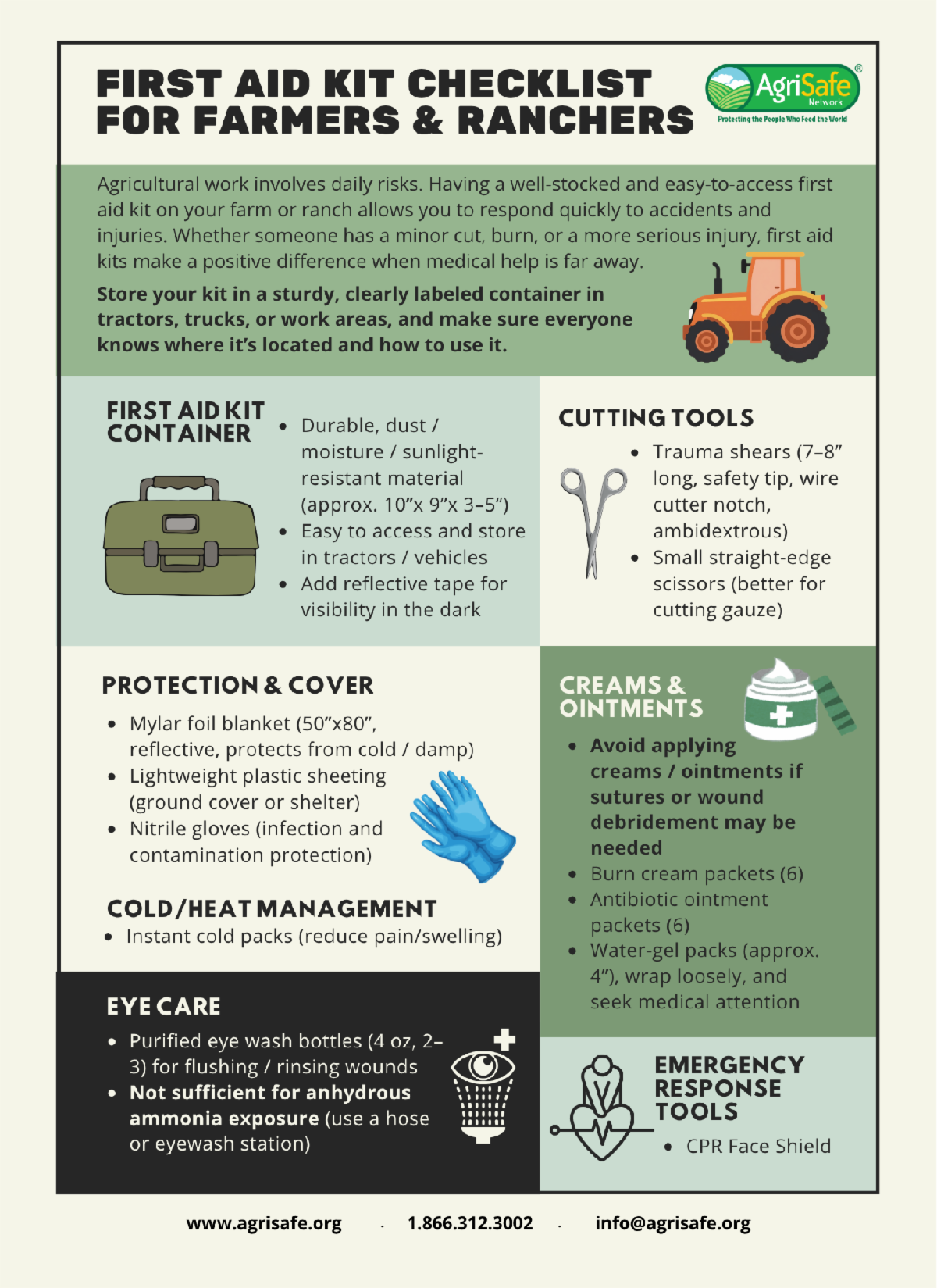
New Resource Alert: First Aid Kit Checklist for Farmers and Ranchers
This two-page resource lists all the materials recommended for stocking a first aid kit for farmers and ranchers.
|
|  | Upcoming AgriSafe Webinars | |
Thursday, July 16
12 pm - 1 pm CT
| | |
INTERNATIONAL YEAR OF THE WOMEN FARMER: Celebrating Wellness and Women in Ag
| | | Episode 2: Interview with Dr. Connie Baptiste | |
AgriSafe is celebrating International Year of the Woman Farmer (IYWF) by interviewing female farmers from across the United States.
In this episode of AgriSafe's "Celebrating Wellness & Women in Ag," Dr. Tara Haskins (Total Farmer Health Director) speaks with Dr. Connie Baptiste, veteran, fourth-generation farmer, chef, and owner of Hunter Family Farm.
Watch or listen on YouTube.
Want to learn more about IYWF, or want to find more health resources for women in ag? Check out AgriSafe's IYWF press release and visit AgriSafe's IYWF webpage.
For even more resources for women in ag, check out NASDA's IYWF information hub!
|
| |
NATIONAL FARM SAFETY AND HEALTH WEEK:
Call for Sponsors - Webinar Lineup Now Available
| | | Deadline to Receive Early Commitment Rate: July 31 | |
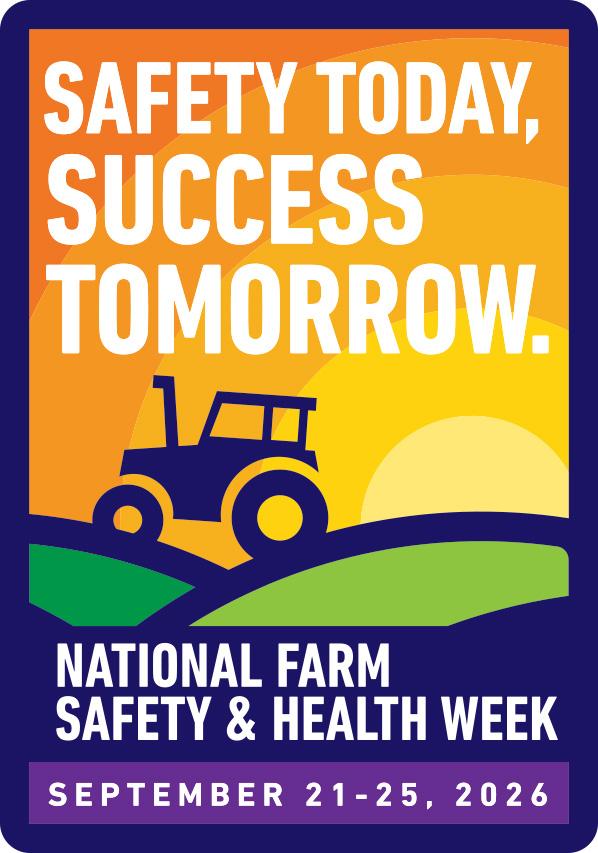
Fall harvest time can be one of the busiest and most dangerous seasons of the year for the agriculture industry. For this reason, the third week of September (Sept. 21 - 25 this year) has been recognized as National Farm Safety and Health Week (NFSHW).
Each year, AgriSafe recognizes NFSHW to emphasize the importance of preventing injuries and illnesses among agricultural workers. AgriSafe participates in this event by coordinating a webinar series based on the annual theme, which is “Safety Today, Success Tomorrow”. The series is a free, virtual event with an intended audience of healthcare professionals, agricultural health and safety researchers, extension staff, farmers, ranchers, and other agricultural workers. We are seeking sponsors to support the development, dissemination, and evaluation of this event. The cost for sponsoring NFSHW 2026 is $2,500 (price increases to $2,700 after July 31).
| Registration Now Open - Save Your Spot Today | |
Check out the daily themes and webinar topics. For more information and registration, click the titles below.
Monday, September 21, 2026 – Equipment and Rural Roadway Safety
Tuesday, September 22, 2026 – Health and Wellness
Wednesday, September 23, 2026 – Generations of Farming
Thursday, September 24, 2026 – Confined Spaces
Friday, September 25, 2026 – Cancer Prevention
Planning to attend more than one webinar? Register once for the entire National Farm Safety and Health Week webinar series! You'll be signed up for all 12 webinars, giving you the flexibility to attend the sessions that fit your interests and schedule.
|
| |
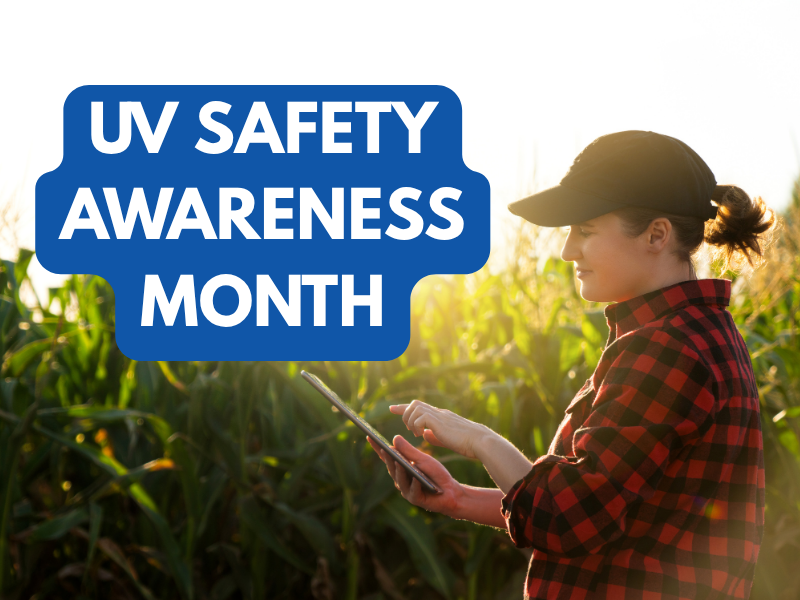
JULY HEALTH SPOTLIGHT: UV Safety Awareness Month
| | | Protecting Agricultural Workers Under the Sun | |
July is UV Safety Awareness Month, a timely reminder of the importance of sun safety for agricultural workers who spend long hours outdoors. By incorporating sun safety into daily routines agricultural workers can help protect their skin, reduce their risk of skin cancer, and stay healthy while working outdoors.
According to the American Academy of Dermatology (AAD), ultraviolet (UV) radiation is the root cause of most skin cancers, making protection from the sun an essential part of workplace safety.
The AAD recommends three simple steps to help reduce risk: seek shade when possible, wear sun-protective clothing, and apply a broad-spectrum, water-resistant sunscreen with SPF 30 or higher. For more tips for selecting sunscreen check out this guide from the AAD: How to Select a Sunscreen.
|
| |
PATHWAYS TO WELL-BEING: Recognizing Stress Before a Crisis
| | | A message from Olivia Bury, MA, LPC, Behavioral Health Coordinator, AgriSafe Network | |
When we think about a mental health crisis, it’s easy to imagine a sudden event. In reality, distress often develops gradually and can be difficult to recognize. This is especially true in rural communities where resilience and self-reliance are deeply valued. Individuals experiencing significant stress may not openly discuss their struggles. Instead, signs might appear in everyday interactions, such as withdrawing from activities, neglecting responsibilities, increased irritability, or expressions of hopelessness. Those who work alongside agricultural producers and rural communities are often in unique positions to notice these changes.
While it may not be your role to diagnose or provide crisis counseling, a simple conversation can make a meaningful difference. Consider reaching out when something seems different by asking open-ended questions such as, “How have things been going lately?” or “You don’t seem like yourself today. How are you doing?” Listening without judgment and expressing genuine concern can help create a space where someone feels comfortable sharing their struggles. Support does not require having all the answers - sometimes the most important step is helping connect someone with appropriate resources. By recognizing signs of distress early and responding with compassion, we can help build stronger, healthier rural communities.
|
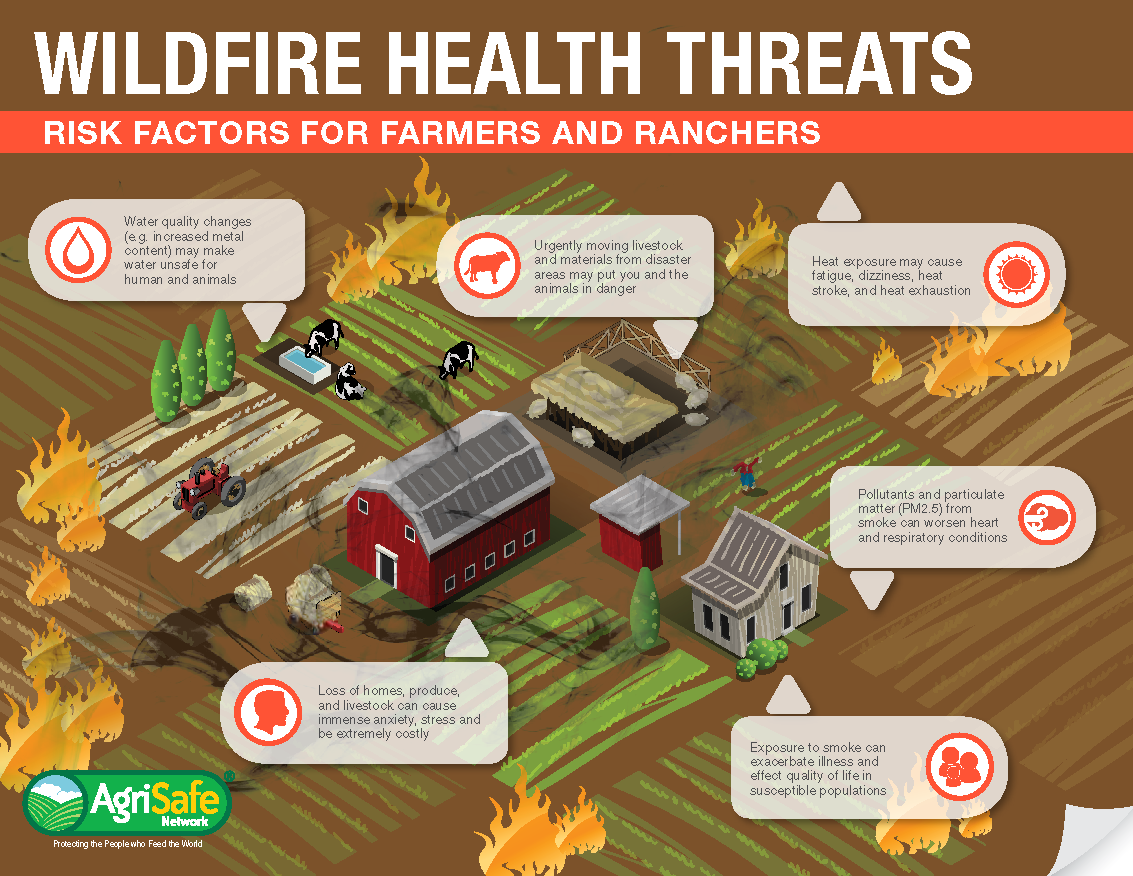
| | WILDFIRE HEALTH THREATS RESOURCE | | | Resource Designed for Farmers and Ranchers | |
Wildfire activity is currently affecting communities across multiple states. Ongoing dry conditions and shifting winds continue to elevate risk across rural and agricultural regions.
Wildfires can be especially devastating for agricultural communities, impacting livestock, crops, equipment, air quality, and the health and well-being of farm families and workers.
The AgriSafe Wildfire Health Threats guide is designed specifically for agricultural workers and rural communities, offering practical guidance to support decision-making before, during, and after wildfire events, including:
• Protecting respiratory health from smoke exposure
• Safeguarding livestock and feed supplies
• Reducing equipment and property risk
• Supporting mental health and recovery after disaster events
|
| |
AGRISAFE IN ACTION: Boots on the Ground
| | | |
Western States Livestock Health Association Meeting
(Newport, Oregon | June 10)
| |
AgriSafe was honored to present to the Western States Livestock Health Association at the Hatfield Marine Science Center in Newport, Oregon. The session, Understanding, Enhancing, and Protecting Mental Health and Well-being, focused on supporting the mental health of professionals involved in animal depopulation efforts. The presentation was led by AgriSafe’s Behavioral Health Coordinator, Olivia Bury, MA, LPC, who highlighted the Animal Depopulation Resiliency Check-In Tool developed by Dr. Elizabeth Strand.
Attendees learned how the tool can be used to support veterinarians, veterinary technicians, APHIS personnel, and others involved in depopulation activities by promoting resilience, encouraging self-reflection, and protecting mental well-being. We appreciated the opportunity to share resources and strategies that help agricultural and animal health professionals navigate the unique emotional challenges associated with depopulation work.
|
| | July Mental Health Innovations Exchange Recording | | | Meetings and Recordings Are Now Hosted in the Learning Lab | |
The July MHIE recording is now available for you to watch and share here! Recordings can now be accessed directly through the AgriSafe Learning Lab. If you registered for the July MHIE, you do not need to register again for the August session.
|
| | Upcoming Agricultural Events/Funding | | |
FREE Virtual Workshop:
Cultivating Resilience for Ecological Distress: Train the Trainer
August 12 | 11:30 am - 2:30 pm CT
Join Oregon State University Extension for a skill-building workshop on supporting farmers and ranchers as they navigate the challenges associated with ecological change. This program, presented by Oregon State University Extension Small Farm faculty Maud Powell and mental health professional Zoe Rossing, will introduce participants to strategies for increasing resiliency in the face of extreme weather events and a rapidly changing environment.
Many people are struggling with the consequences of environmental changes.
Farmers, ranchers, and landowners have close relationships with places and landscapes and, as a result, are especially vulnerable to ecological loss.
| |
| |
The Cultivating Change Summit (Minneapolis, MN | October 4 - 6)
The purpose of the Cultivating Change Summit is to bring together LGBTQ+ individuals connected to agriculture, natural resources, and food systems, along with employees, human resources, and diversity and inclusion professionals, employee resource group leaders, executives, organizational leaders, allies, and others who are working toward creating an equitable industry environment for LGBTQ+ people.
| | | Interested in supporting the work of AgriSafe? Donations to AgriSafe will help further the work of protecting the people who feed the world. Check out the details on how to donate ----> | | | Did a colleague forward you this email? Hear directly from us by subscribing to our contact list! ----> | | | | | |