|
Tips and Insights from a Higher Education Chief Human Resources Officer
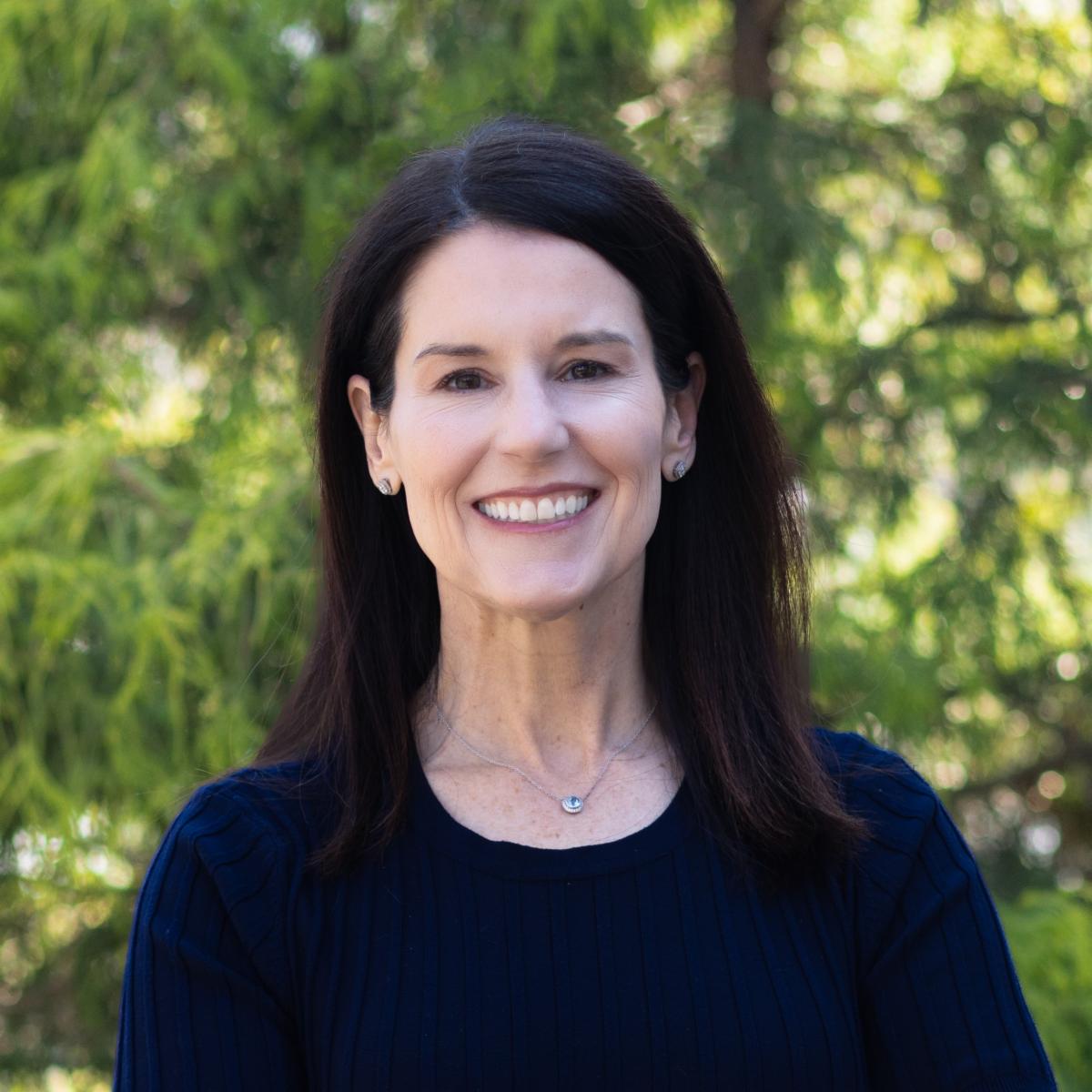
We recently interviewed Kristen Jadul, Vice President and Chief Human Resources Officer at Bentley University, and an edHEALTH Board of Managers member, about how she and her team are:
- Engaging faculty and staff about the rising costs of healthcare year-round
- Finding opportunities to prioritize whole-person care
- Using data to strategize for long-term sustainability
We encourage you to read about Bentley's commitment to whole-person care and how their timely communications are enhancing employee engagement and education. Kristen's tips can benefit any Human Resources team.
Recognizing that healthcare costs are rising more than inflation, what’s your primary objective right now related to your healthcare benefit offerings for your faculty and staff?
We are committed to providing high-quality healthcare coverage while responsibly managing rising costs. Our goal is to provide comprehensive and competitive benefits that offer flexibility so employees can make choices that best support their individual needs. We prioritize high-quality coverage while making thoughtful adjustments to ensure long-term sustainability.
Despite the challenges today, what types of point solutions or benefits design strategies do you think could work well on a college campus? Or simply intrigue you?
We are focused on helping our employees and their families achieve the best possible health
and well-being by prioritizing whole-person care. We implement strategies and explore point solutions that educate, engage, and support them in achieving this.
What’s your communication strategy to educate faculty and staff about market trends and what Bentley is doing to control costs and still provide comprehensive medical, behavioral, and pharmacy coverage?
Our strategy emphasizes transparency and regular, ongoing communication – not just during annual open enrollment. This approach is always important, but especially during times of rising healthcare costs driven by increased provider fees, prescription drug spending, and broader economic trends in the healthcare industry. It is essential that employees understand what is driving the costs, the value of being an informed consumer and how thoughtful decisions can help manage both their expenses and cost of the plan overall.
Along those lines, any quick and easy communication tips you can offer other schools trying to explain the cost of healthcare to faculty and staff?
We introduced a weekly benefits communication that provides small, easy-to-digest pieces of benefits information. This approach keeps important benefits top of mind, reminds employees of the full range of offerings and highlights timely topics. It is delivered the same day and in the same format each week, and it has become a great tool for education and communication.
Any other HR-related benefits or employee programs that you’ve found successful on your campus, e.g., on-site medical or convenience-related services?
We have found our most successful programs are those offered on campus. The on-site programs we offer focus on preventive care and education. One notable program was bringing a mammogram bus to campus, making preventive screenings more accessible for our employees.
Another popular wellbeing initiative is our chair massage program. Due to strong participation and positive feedback, we offer chair massages monthly at no cost to employees.
How are Bentley's advisor and edHEALTH supporting your short-term and long-term benefits strategies?
We are fortunate to have an advisor we view as a true partner and an extension of our team. We are committed to making data-informed benefit decisions, and our advisor helps us leverage the data to better understand our population and develop the strategies that are right for our organization.
|