|
The Tendruk community in Tashicholing Dungkhag, Samtse District in southern Bhutan, faces severe waste pollution as a result of rapid population growth and urbanization. Presently, waste has to be transported 65 kilometers (~40 miles) to the Samtse Landfill. As a result of this distance, and infrequent collections by the municipality, open burning and unauthorized dumping have become prevalent.
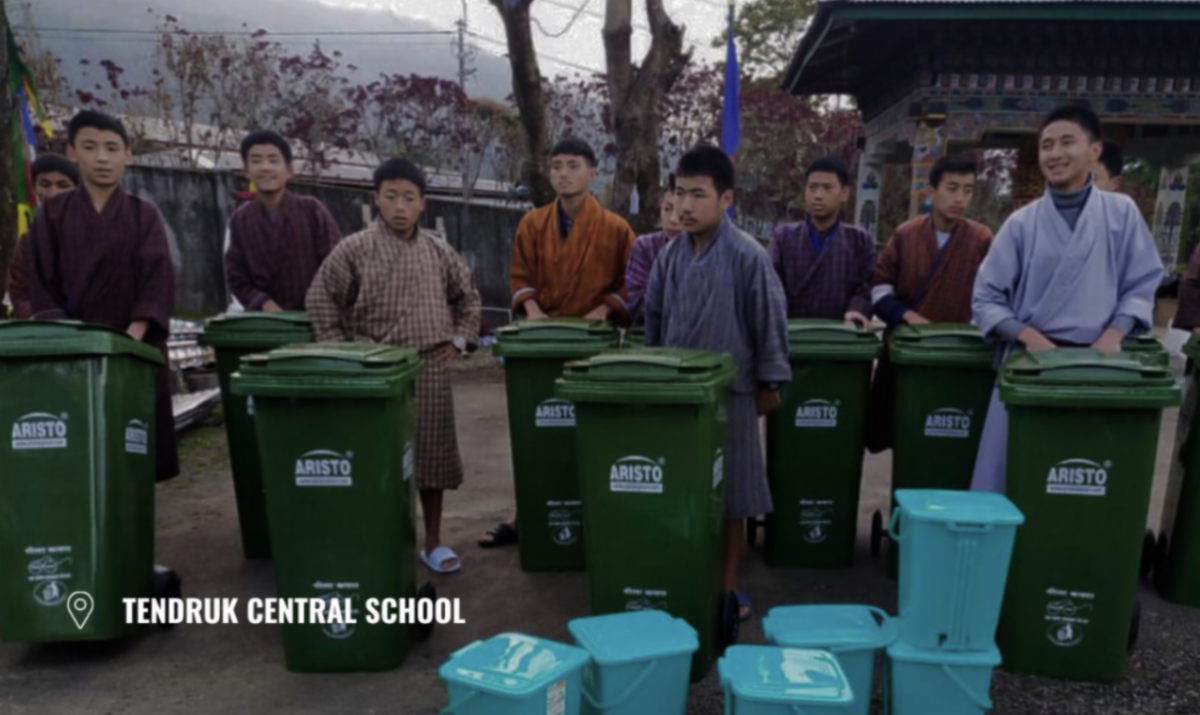
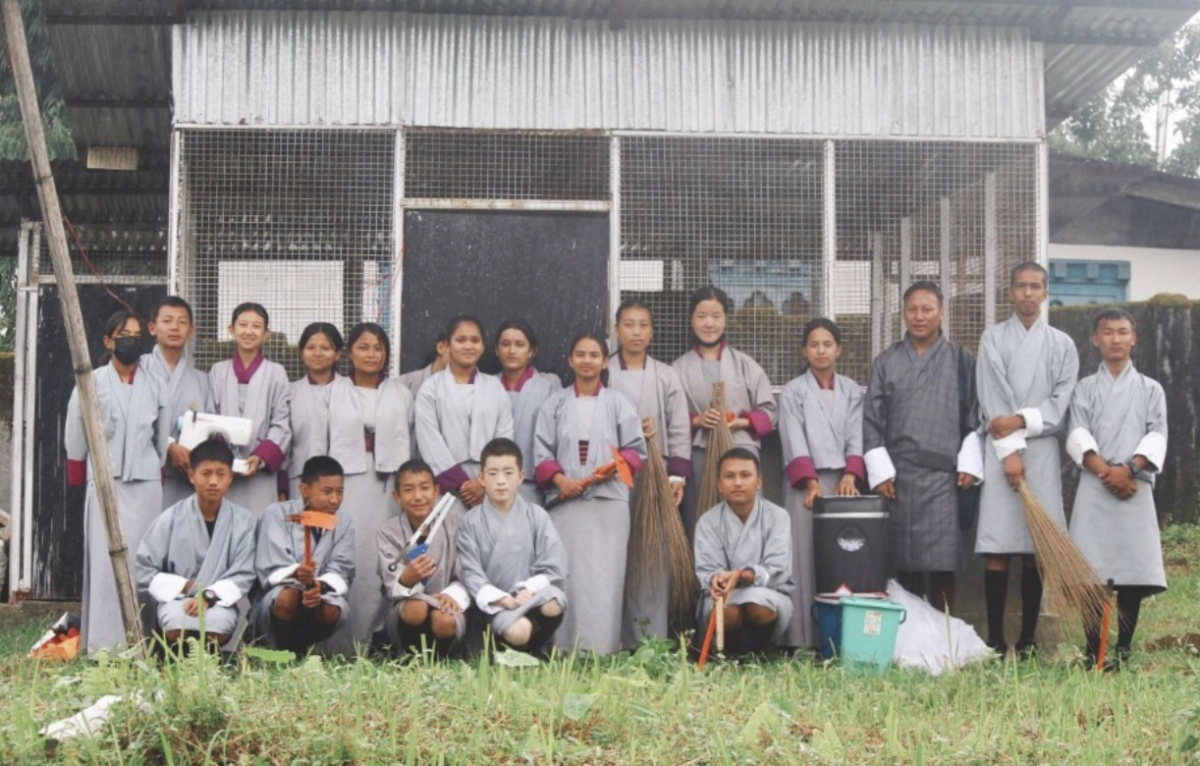
In response, Tendruk Central School waste management project centered on waste segregation at the source. This initiative also aims to educate students and the broader community on sustainable practices and proper waste management, fostering a culture of environmental stewardship.
Key accomplishments include the construction of waste segregation and storage facilities and the implementation of educational programs at the school and throughout the community. These efforts have already yielded significant results, with 304 kilograms (~670 lbs) of waste recycled and Nu.5000 (~$60) generated from local scrap dealers recently. The funds have been reinvested in purchasing safety gear (hand gloves, boots, masks, biohazard bags), ensuring the continuity and safety of waste management activities.
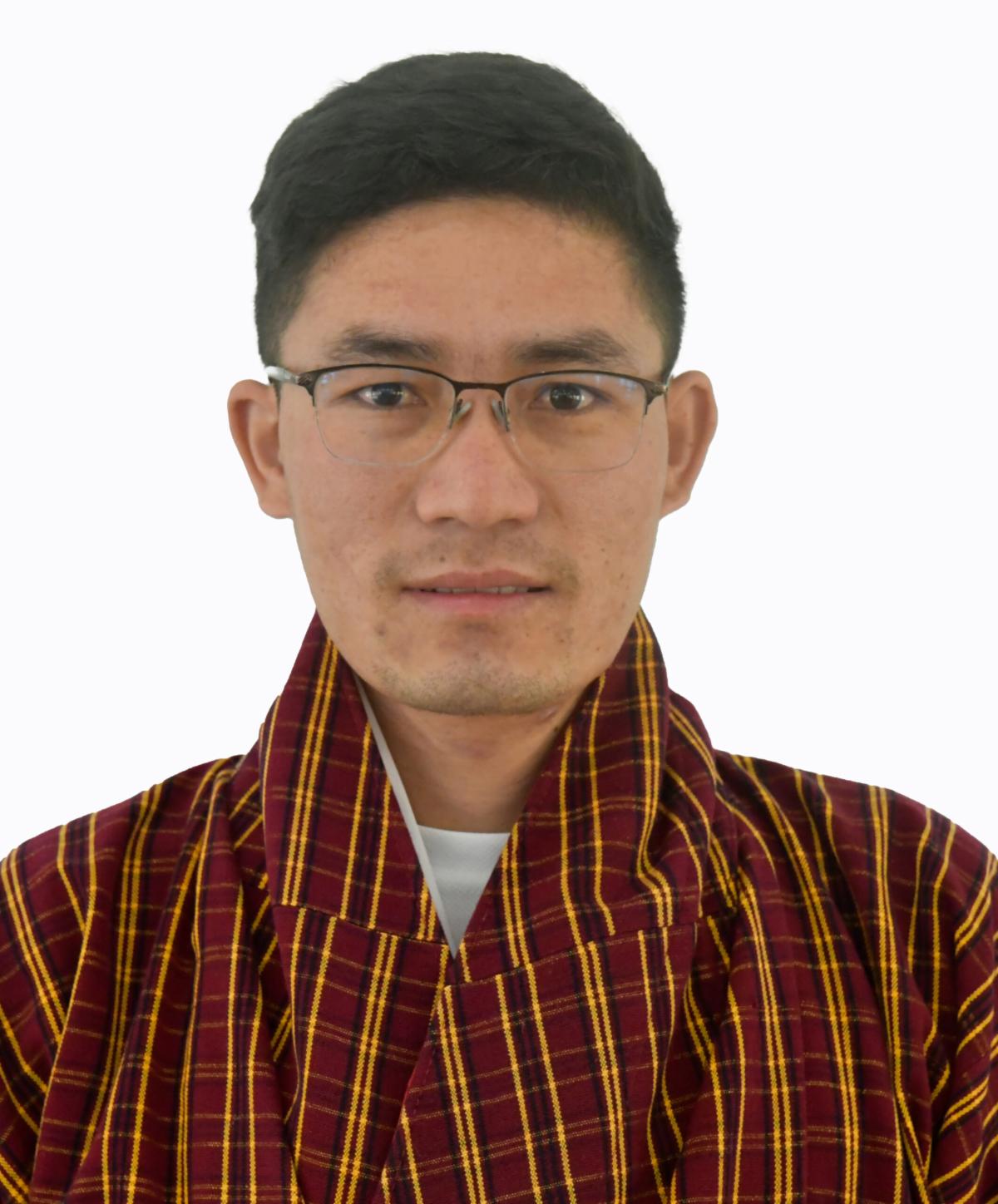
Mr. Tshering, the waste management coordinator, reported that 28% of the waste generated in 2023 was successfully recycled. The school’s proactive approach has not only enhanced waste management practices on campus but also inspired the entire community to adopt similar practices. Community members are now actively segregating waste, selling recyclables, and composting biodegradable waste to enrich the school’s vegetable garden.
Tendruk Central School's success is now a model for effective waste management, with plans to collaborate with the larger Tashicholing Dungkhag administration (the local government) and the Royal Bhutan Army to expand these practices.
|