Large Animal Clinic

Roundup

July/August 2024


Welcome New House Officers

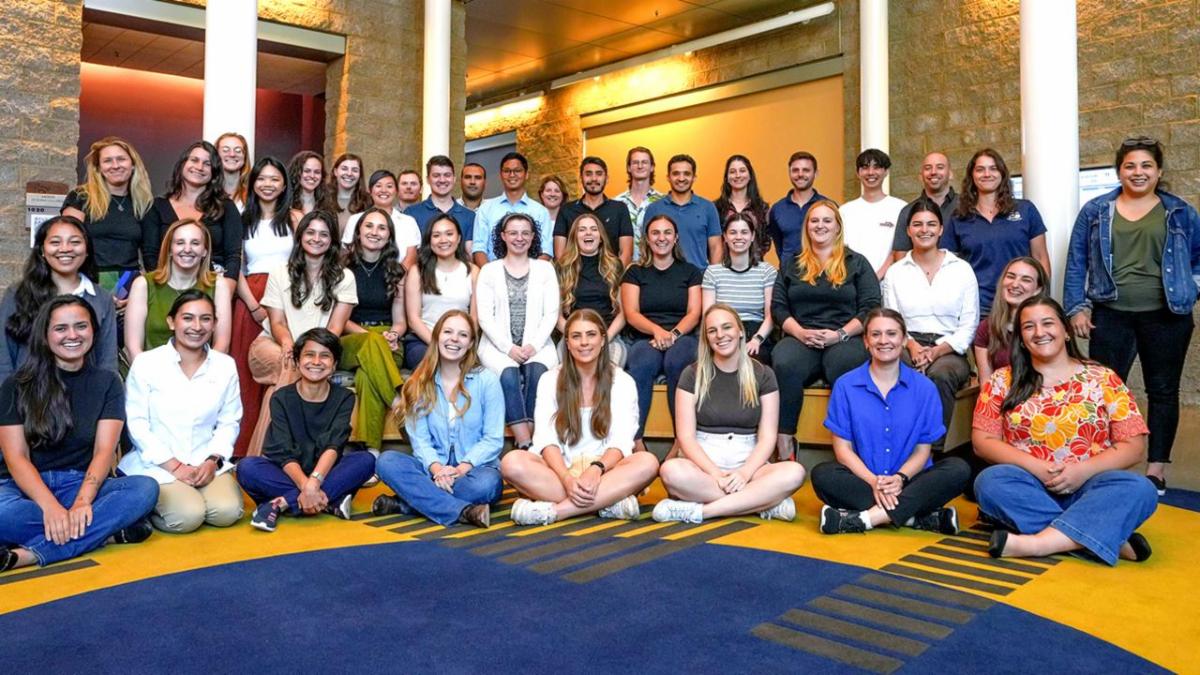
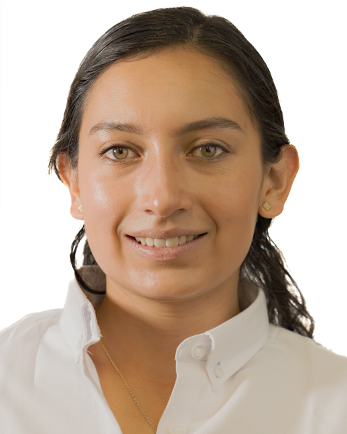
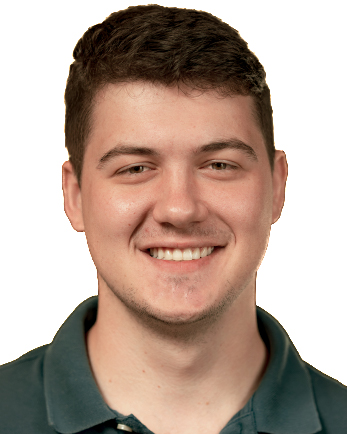
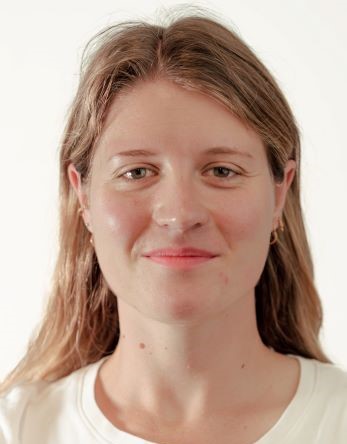
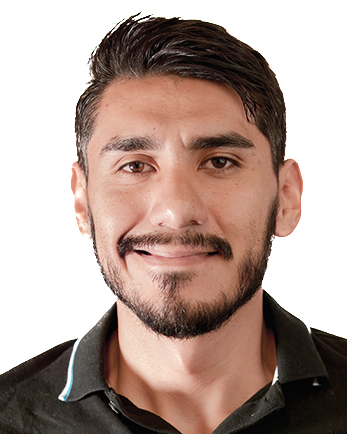
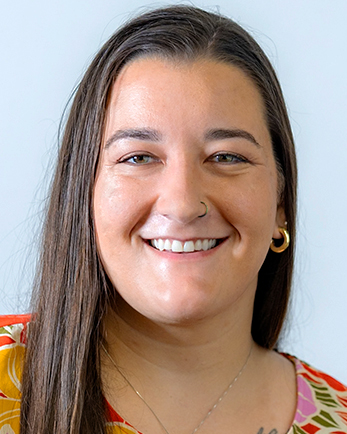
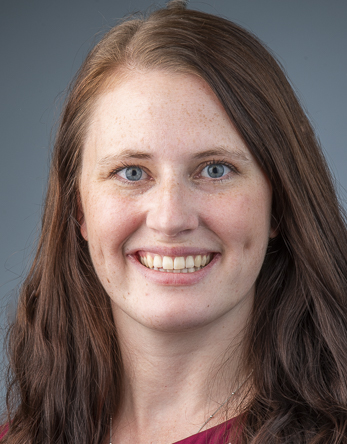
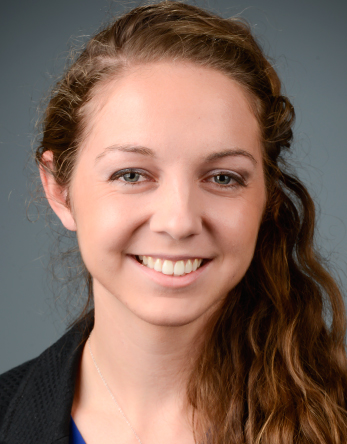
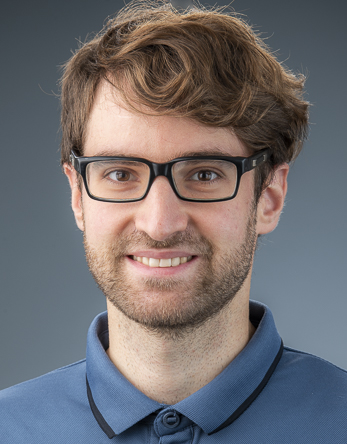
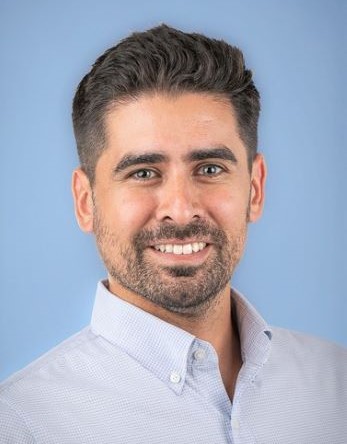
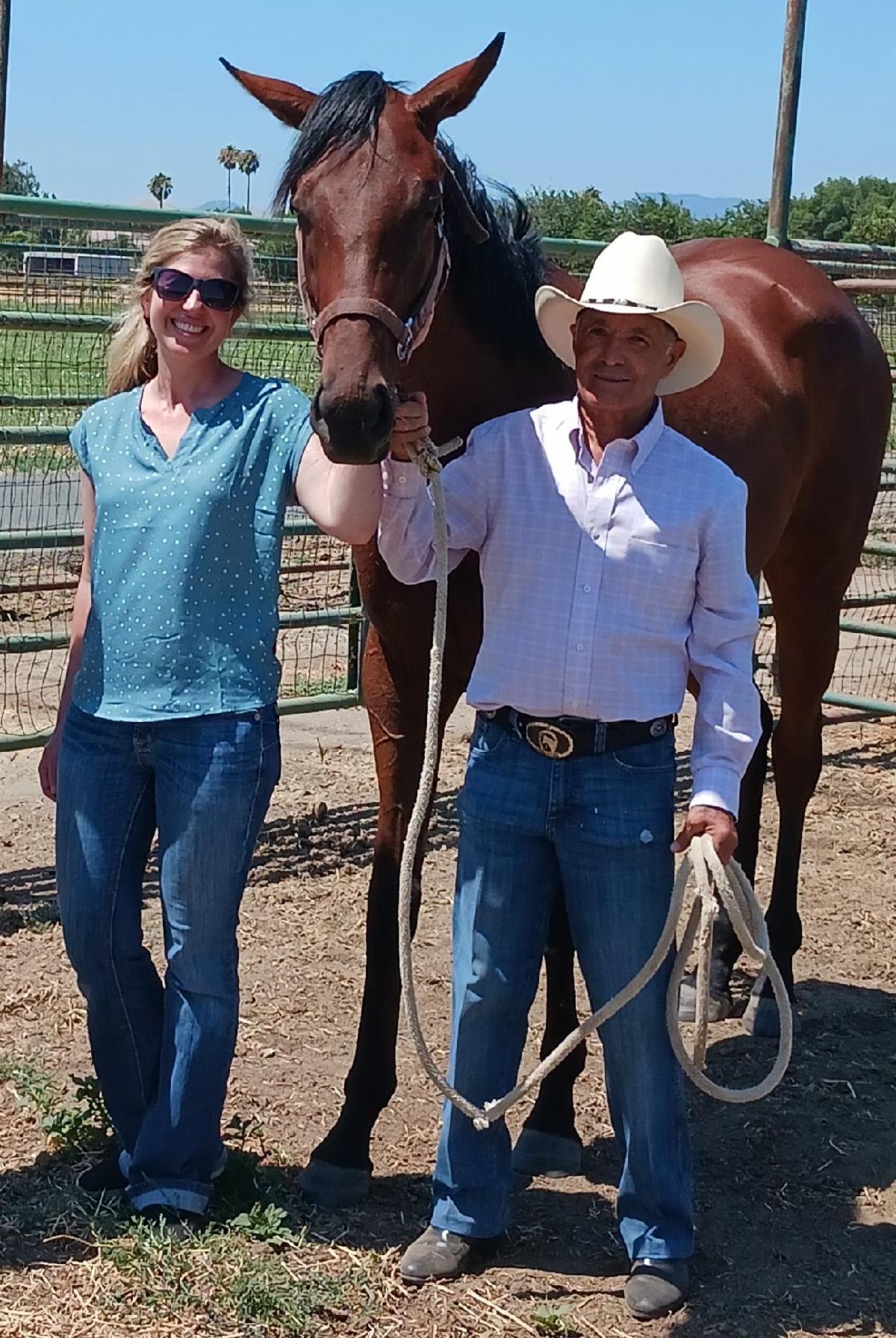
The UC Davis School of Veterinary Medicine welcomed 54 new house officers (fellows, interns, residents) into its advanced training programs this year. The School’s House Officer Program is the largest of its kind in the United States with 138 total house officers training in 42 specialty disciplines. Their training programs range from one to four years, where the veterinarians focus on a specific aspect of specialty medicine.


Specifically in the Large Animal Clinic, we welcomed 11 house officers in Equine Surgery, Large Animal Medicine (livestock and equine), Equine Field Service, Livestock Herd Health and Reproduction, Equine Reproduction, and Equine Integrative Sports Medicine. Additionally, the hospital added several other house officers in Diagnostic Imaging, Anesthesiology, Oncology, Ophthalmology, Pathology, and Nutrition that will include a percentage of their positions working with large animals.

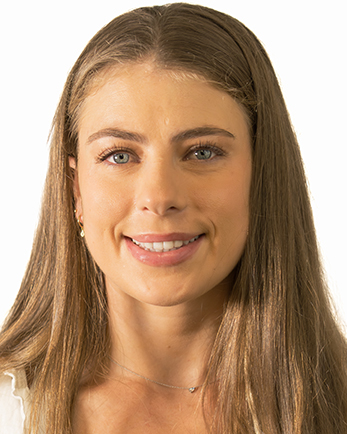
Amy Best, DVM

Intern

Equine Surgery and Lameness Service

Shoshana Brody, DVM

Intern

Livestock Medicine and Surgery Service

Maria Calero, DVM

Intern

Equine Field Service

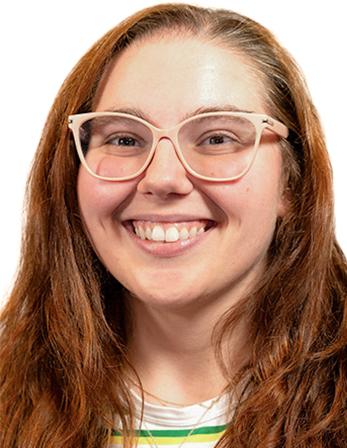
Iuri Buzelato Carli, DVM

Resident

Equine Internal Medicine Service

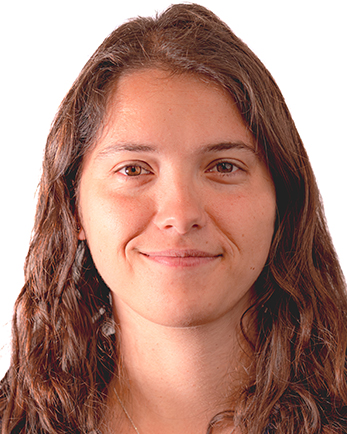
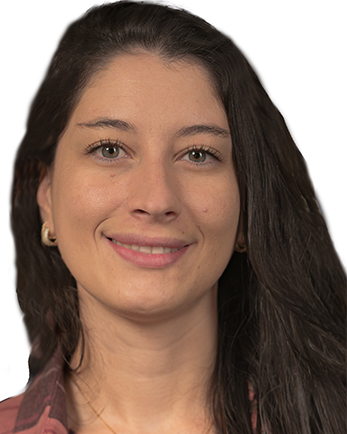
Mathilde Fournier, DVM

Resident

Equine Internal Medicine Service

Jesus Gomez Gonzalez, DVM

Resident

Livestock Herd Health and Reproduction Service

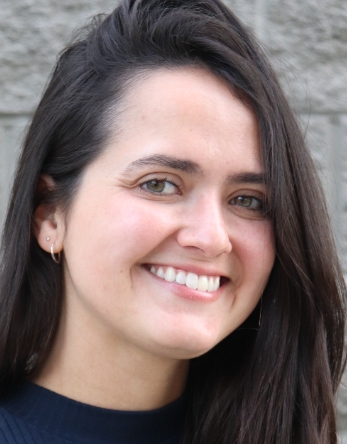
Genevieve Hughes, DVM

Resident

Livestock Medicine and Surgery Service

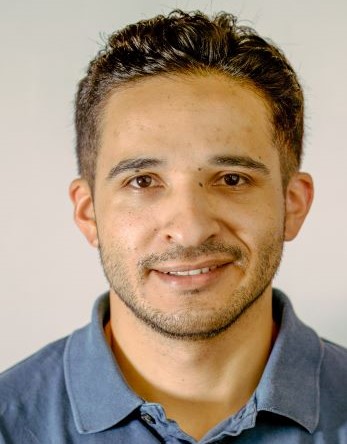
David Orozco Lopez, DVM

Resident

Equine Surgery and Lameness Service

Isabelle Macedo, DVM

Intern

Livestock Herd Health and Reproduction Service

Flavia Vieira, DVM

Resident

Equine Reproduction Service

Hannah Weinberg, DVM

Intern

Equine Integrative Sports Medicine

Welcome New Staff Veterinarians

Sarah Cuneo, DVM

Livestock Medicine and Surgery Service

Claudia Ferreira, DVM

Equine Field Service

Mitja Miklavcic, DVM

Equine Surgery and Lameness Service

Tomas Gonzalez, DVM, MS

Livestock Herd Health and Reproduction Service

Equine Medicine Specialists Help Thoroughbred Filly

Beat the Odds to Survive Tetanus

Tenacious Candy, a 2-year-old Thoroughbred filly, endured an extended hospitalization to survive tetanus and injury and is now on her way to a racing career. Days after a leg cut exposed her to the bacterium that causes tetanus, she went down in an exerciser. It took three men and a tractor to get her up. Initially, she could eat and drink, but over a period of hours, she stiffened.


Nearly unable to stand, Tenacious Candy was taken to the Large Animal Clinic at the UC Davis veterinary hospital where specialists in the Equine Internal Medicine Service observed a horse with a prolapsed third eyelid, a rigid mouth, and a stiff body and tail – classic signs of tetanus.


“It is not a recovery that can happen overnight,” said Dr. Emily Berryhill, assistant professor of equine medicine. “Horses recovering from tetanus routinely go through an extensive rehabilitation process. The toxins can be out of their system after being bound with antitoxin, but the damaged neuromuscular junctions need several weeks to regenerate.”

Dr. Gary Magdesian Featured on “Fit for Halter” Podcast

Dr. Gary Magdesian, chief of the Equine Internal Medicine and Equine Critical Care Services, was featured on the “Fit for Halter” podcast. He walks listeners through preventative measures for common respiratory and gastrointestinal illnesses often seen in the midst of the show season. As the fall futurity season approaches, it’s important to consider a health and wellness plan for showing and trailering with a weanling or adult horse. Dr. Magdesian also discusses deworming, vaccinations, and first aid kits, among many other helpful details.

Two UC Davis Livestock Residencies Gain

Certification Status

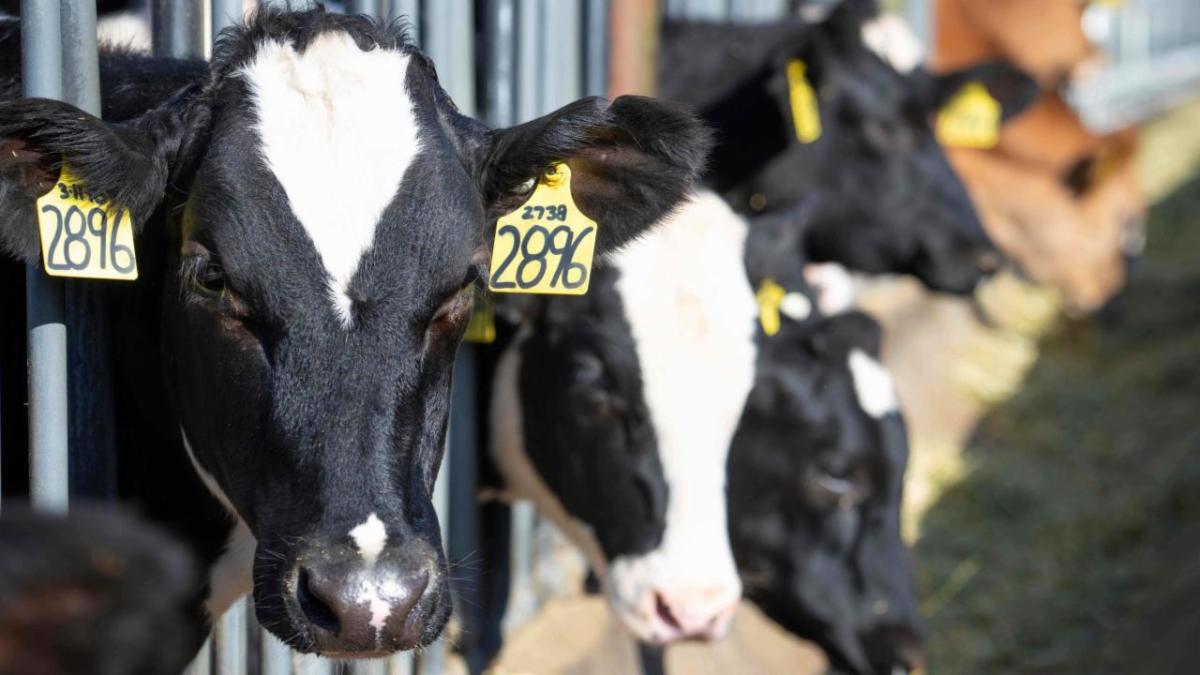
The American College of Veterinary Preventive Medicine (ACVPM) recently performed an on-site visit at the UC Davis School of Veterinary Medicine and granted full certification to two livestock residency programs. Veterinarians completing three-year residencies in Livestock Herd Health and Reproduction (LHHR) and Dairy Production Medicine (DPM) are now recognized by ACVPM for attaining eligibility to take their certifying examinations at the conclusion of their programs to become board certified in preventive veterinary medicine. Previously without certification status, residents were required to fulfill an additional year of qualifying experience following their residency before being allowed to take their certifying examinations. 


With this recognition, UC Davis became the first veterinary school to have two ACVPM-certified residency training programs that are exclusively focused on food animal preventive medicine. Only three other institutions in the U.S. have a ACVPM-certified residency.

Look for UC Davis at AABP and AAEP

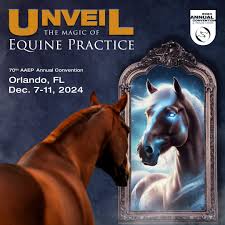
Are you attending the American Association of Bovine Practitioners or the American Association of Equine Practitioners conferences this fall? UC Davis will be there to host a trade show booth in the expo hall at both shows. Also, several of our faculty will be delivering continuing education lectures. AABP takes place September 12-14 in Columbus, Ohio, and AAEP will be December 7-11 in Orlando, Florida. Stop by to say hello, learn about our research, clinical, and laboratory offerings, and pick up some UC Davis swag. The alumni reception at AAEP will take place December 9 – contact Kristy Peterson for more details. Non-alumni referring veterinarians are welcome too!

Featured Research

Dear Valued Partner,

Our latest featured research article centers on the challenging diagnosis of EPM. The IFAT assay has been an important diagnostic tool since it was originally validated at UC Davis approximately 20 years ago. Given that a lot has changed in equine neurology during this time, the goal of the study was to reassess the utility and diagnostic accuracy of the IFAT. The paper has a lot of interesting information and brings to light the benefit of CSF taps in obtaining a more accurate antemortem diagnosis, among other things. Enjoy!

--Dr. Emily Berryhill (Equine Internal Medicine Service)


A fresh look at the SarcoFluor antibody test for the detection of specific antibodies to Sarcocystis neurona for the diagnosis of equine protozoal myeloencephalitis


Introduction

Antemortem diagnosis of EPM depends on appropriate use of immunodiagnostics, such as the SAG ELISA and IFAT. The primary objective of the study was to revisit optimized thresholds for serum and CSF antibody titers to support a diagnosis of EPM for S. neurona using the IFAT. Secondary objectives included establishing a serum:CSF ratio recommendation and evaluating the utility of phosphorylated neurofilament heavy chain protein (pNfH) concentrations in assisting with diagnosis.


Materials and methods

Retrospective study, with data on 172 horses a median of 9 years of age. Horses were grouped based on neurologic findings, necropsy, and histopathology: 1) non-neurologic control (n=24), 2) neurologic signs and negative for EPM on postmortem (n=74), 3) positive for EPM on postmortem (n=25); or exhibited classic clinical signs, exclusion of other neurologic disease, and responded to standard-of-care treatment (n=17). Horses with Neospora hughesi (n=4) from the EPM-positive group were excluded.


CSF and serum samples were tested using the IFAT protocol. pNfH concentrations on serum and CSF were determined.


Sensitivities, specificities, and likelihood ratios of a positive test were calculated for individual titer values. Statistical models were generated to compare EPM+ horses to neurologic, non-EPM horses, and also for EPM+ horses to all others (non-EPM and control).


Results

S. neurona serum IFAT titers

When EPM+ horses were compared to neurologic, non-EPM horses, a titer of 80 and 160 had 10x the odds of a true positive compared to horses with negative (=40) titer. Odds of being EPM+ significantly increased at a titer of >/= 320. When EPM+ horses were compared to negatives (non-neuro and controls), titers of 160 or >/=320 had statistically greater odds ratios (OR 7.33 and OR 99.00, respectively).


S. neurona CSF IFAT titers

When EPM+ horses were compared to neurologic, non-EPM horses, a CSF titer of 10 and >/=40 had statistically higher odds of being EPM+ compared to baseline titer <5 (OR 28.18, 36.64, respectively). Specificity of the test (true negative) increased, starting from a titer of 5 up to >/= 40, and the likelihood ratios were high, starting from a titer of 5. When EPM+ horses were compared to all negative horses, the odds of detecting EPM+ were significantly higher for titers >/= 40 compared to baseline.


Use of S. neurona serum:CSF IFAT titers ratios

The serum:CSF titer ratios were not significantly different in differentiating EPM+ from controls.


Use of serum and CSF S. neurona IFAT titers

Linear regression models with serum and CSF were utilized. When used with the CSF IFAT, serum IFAT titers of 80, 160, and >/=320 showed significantly higher odds ratios compared to the reference titer of =40 in differentiating EPM+ from neurologic, non-EPM horses. The highest probability was seen in horses with serum titers >/=320 and CSF titers 10. Combination of serum titers >/=80, 160, and 320 with CSF titer >/=5 showed a >80% probability of being a true positive.


When using the models to differentiate between EPM+ horses and all negatives, the odds of correctly identifying an EPM+ horse was 4x greater at a serum titer 160 and 31x greater at a serum titer >/=320 when tested along with CSF titers. CSF titers of 10 had significantly greater odds of correctly identifying EPM+ horses.


Use of serum and CSF pNfH biomarker concentrations to aid EPM diagnosis

EPM+ horses had mean pHfH serum concentrations of 0.39 ± 0.54 ng/mL; neurologic, non-EPM horses had higher concentrations at 1.91 ± 5.46 ng/mL. CSF pNfH concentrations were higher in EPM- horses than EPM+ horses. When modeled, there was no statistically significant association of serum and CSF pNFh concentrations with the odds of being EPM+.


Discussion

This reevaluation of the IFAT updates the diagnostic ability of detecting antibodies against S. neurona and showed that a combination of serum titers >40 and CSF titers >/=5 can lead to a specificity of 90 to up to 98% at higher titers. This work is important, given that knowledge of neurologic diseases in equids is much different now than it was 20 years ago when the IFAT was first validated. It also shows the diagnostic capacity of the IFAT in a clinical setting since comparisons were made between confirmed EPM+ horses and neurologic, non-EPM horses.


This study used stricter diagnostic inclusion criteria to establish the true disease status, using odds ratios, sensitivity, specificity, and likelihood ratios that are not affected by disease prevalence. This is important since S. neurona has a seroprevalence of 78% nationwide. The downside of this is that it may not be fully representative of all animals seen in a clinical setting.


The study shows the importance of using CSF IFAT along with serum to improve the accuracy of diagnosis for EPM in a clinical setting. This is especially true when trying to differentiate EPM from other neurologic diseases that have overlapping clinical signs. There was not a statistically significant optimum cutoff for serum:CSF titer ratio, however the post-test probability was >80% at ratios >/=32.


In this study, EPM+ horses had lower serum pNfH concentrations than horses with other neurologic disease. A combination of IFAT and PNfH concentrations in serum and CSF may help improve diagnostic accuracy. Further research is warranted.

Horse Report

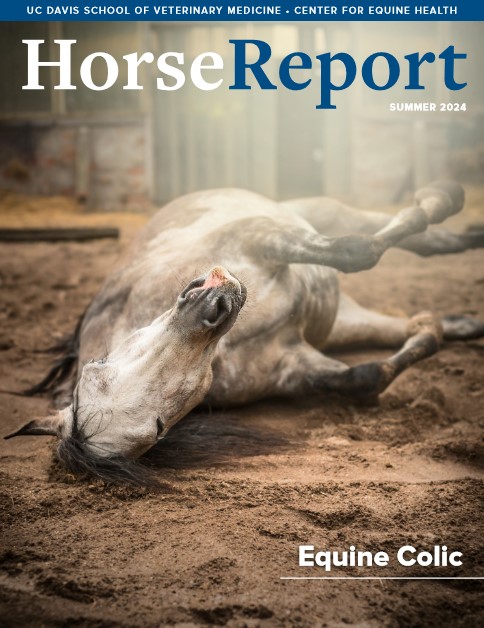
The Summer 2024 issue of the Horse Report is available. The award-winning newsletter from the UC Davis Center for Equine Health (CEH) is published quarterly with the most current information on a variety of equine health issues.


This latest issues contains articles on:

  • Director's Message from Dr. Carrie Finno
  • Colic Surgery for A Special CEH Teaching Herd Horse
  • Colic: A Pain in the Gut
  • Colic Happens: What You Can Do Before, During, and After a Colic
  • Here We Go Again: Cases of Recurrent Colic
  • 10 Things You Might Not Know About Equine Colic
  • UC Davis Equine Surgical Emergency and Critical Care Service


Read them all and subscribe to the Horse Report to receive this news every quarter.

Read the latest issue

Synergy

Read Additional News from the School of Veterinary Medicine


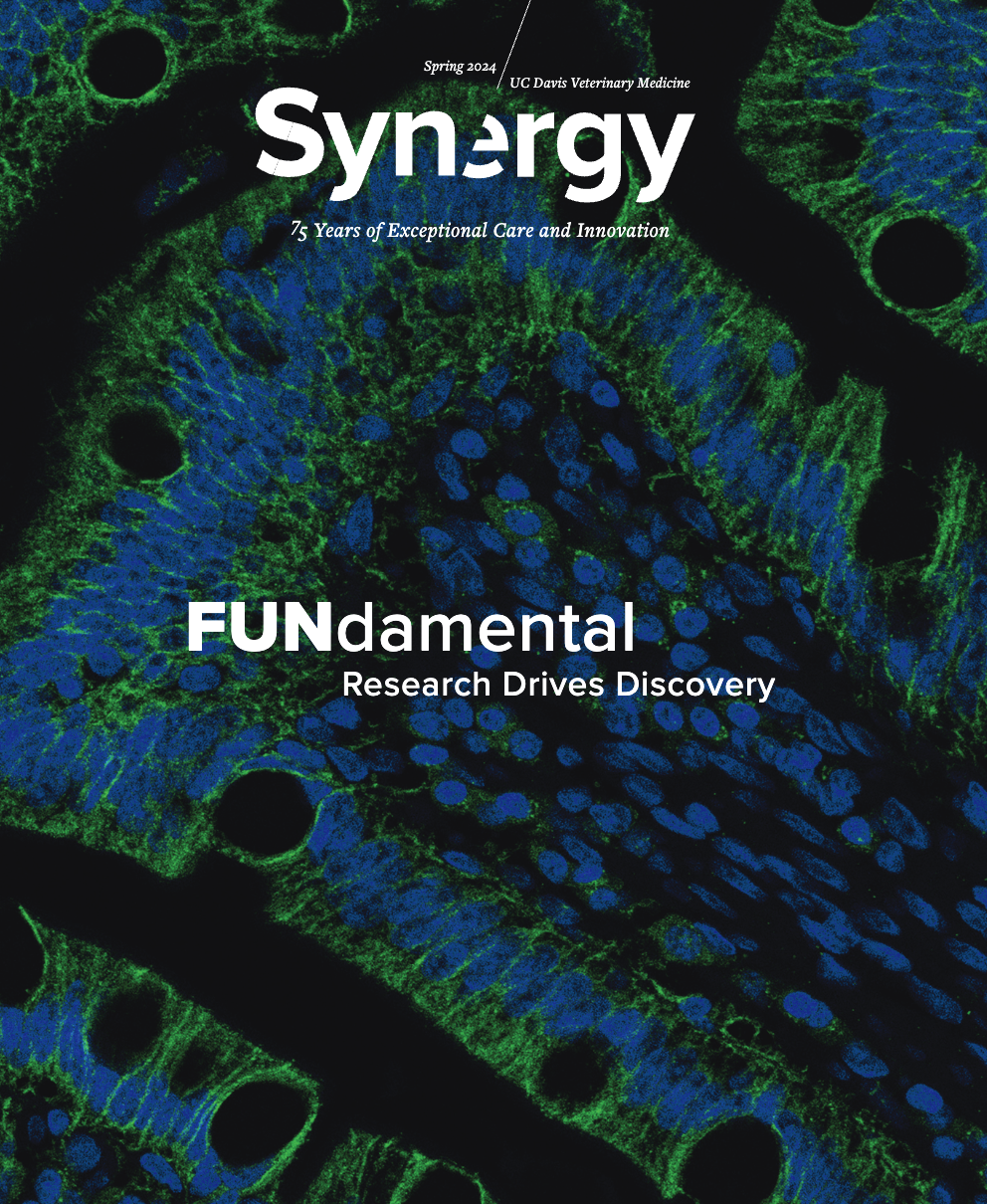
Discover Synergy, the School of Veterinary Medicine's biannual magazine highlighting the latest clinical advances, research updates, and other school news. The latest issue focuses on the critical role of fundamental research.

Read the latest issue

Reach the Large Animal Clinic:

530-752-0290 (clients)

530-752-4050 (referring veterinarians)