|
Welcoming Rabi-al-Awwal 🕌
As we enter the blessed month of Rabi al-Awwal, we welcome the season of nativity and joy. It is the third month of the Islamic calendar and the month of the birth of the Beloved Prophet ﷺ, a time that our masters have described as filled with mercy, light, and celebrations of Divine Love. Mawlana Shaykh Nazim (q) and Shaykh Hisham (q) often reminded us that Rabi al-Awwal carries a fragrance unlike any other—festivities in heaven and on earth for the arrival of Sayyidina Muhammad ﷺ.
This week's featured video (see above), “Mawlid Around the World” (2015), directed by Shaykh Hisham Kabbani is a 20-minute documentary-style film that celebrates the Prophet Muhammad ﷺ through the global tradition of Mawlid an-Nabi. The video highlights how Muslims in different countries — from the Middle East to Asia, Africa, Europe, and the Americas — express their love for the Prophet ﷺ with unique cultural styles of recitation, poetry, dhikr, and communal gatherings, yet all rooted in the same devotion.
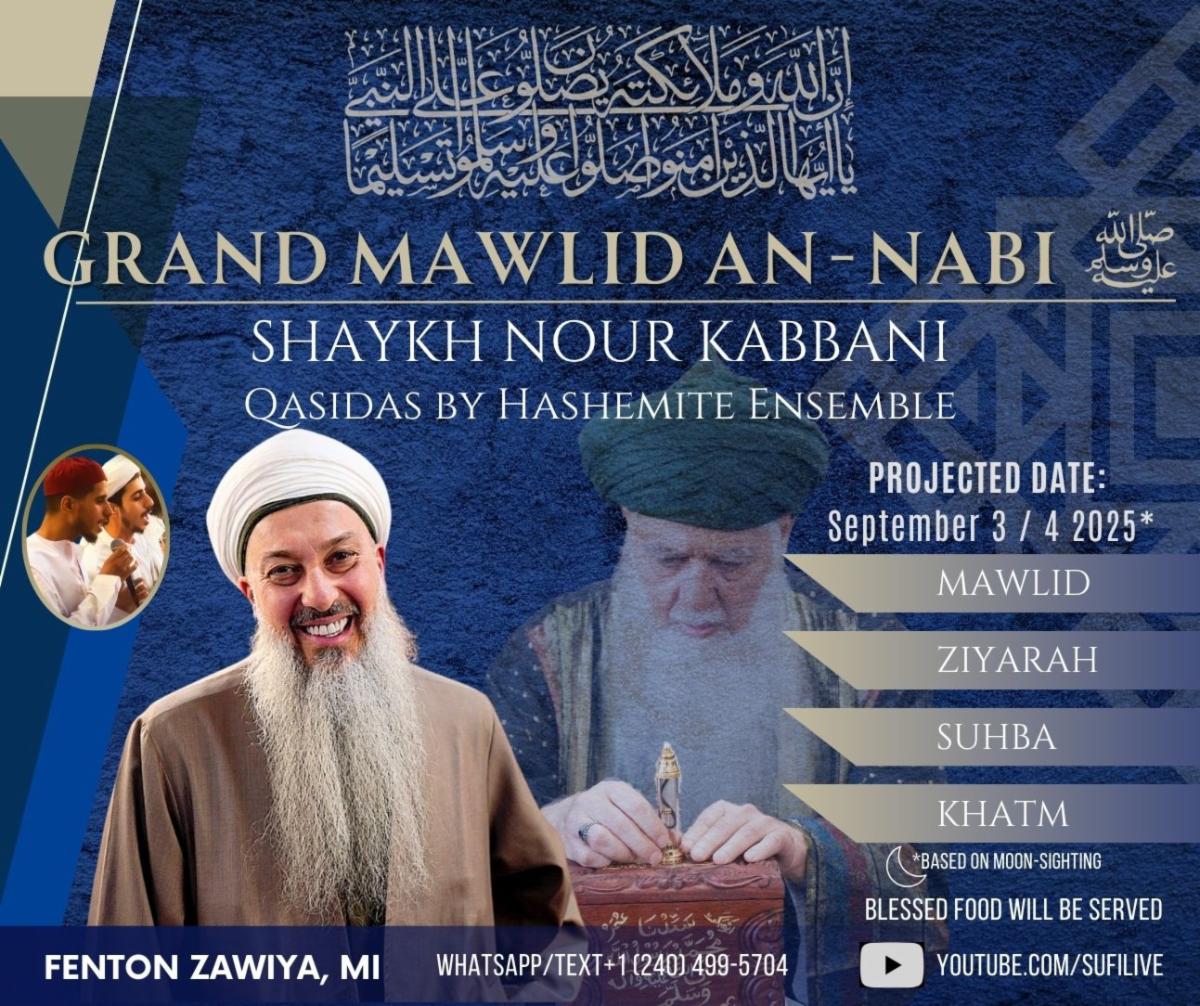
Here in the U.S., we also step into the month of September. Across the Naqshbandi murid network, Mawlid celebrations are beginning, and throughout this month we’ll be sharing highlights and community news in our weekly Friday newsletters. Mawlid-an-Nabi, celebrated on the 12th of Rabi al-Awwal, which is projected to be on Thursday, September 4th, give or take a day, depending on where you live!
Inshallah, we invite you to share Mawlid photos and flyers from murids everywhere so we can spread the joy together.
- YouTube video links
- Other Social Media links
- Event RSVP links
- Community updates, photos, event posters, etc
Share your Mawlid with us at sufilivemedia@gmail.com.
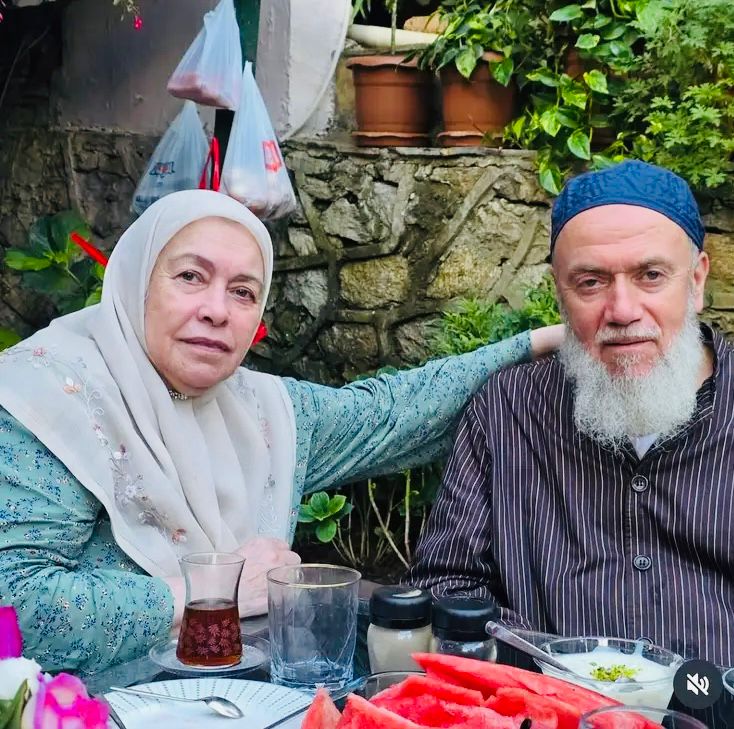
| Last week brought a moment of beauty and reunion. Hajjah Naziha Adil visited her brother Shaykh Mehmet in Istanbul, a long-awaited meeting after years of separation due to travel restrictions and health challenges. Their time together was heartfelt and healing, a reminder of the bonds of family and tariqat. | |
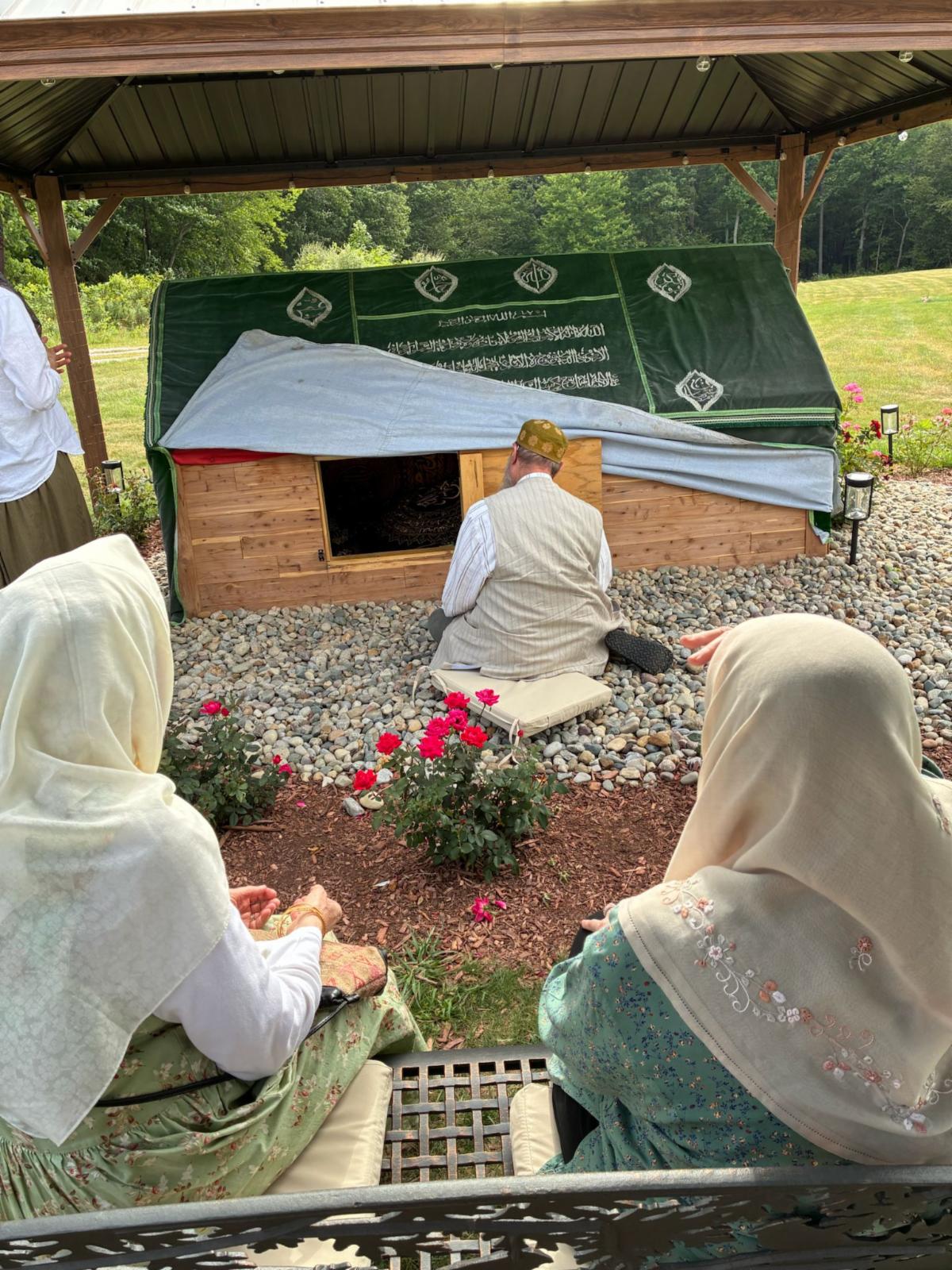
In a beautiful coincidence, just as Hajjah was leaving for the airport, longtime murids of Mawlana Shaykh Nazim—the Sperling family from California—arrived in Fenton from Cyprus. It was their very first visit to the maqam of Mawlana Shaykh Hisham. They crossed paths at the perfect moment, an exchange across oceans and generations, tying hearts together in remembrance of our masters.
| |
The Path of Pure Hearts 💎
Shaykh Nour Kabbani
August 17, 2025
Fenton, Michigan
| |
What are you trying to reach in this world? The smart ones try to reach something that they can keep. If you’re trying to reach something and after 10 years finally get it… and then you leave it, where is the mind? The smart one is the one that works for the Eternal Life, the one you keep.
We are trying to be from awliyaullah. Why not? The door is open. Our teachers have said, the door to be a waliullah is open. The door of prophethood is closed. That, you can’t reach. Allah (swt) has chosen them, and Rasulullah ﷺ was the Seal of Prophets. He was the last and the best, the most complete.
The level of awliya is not reached by too much voluntary worship, humility, or good attire. How is it reached?
- By the purity and truthfulness of the heart
- By the good intention to all — always intending good
- Not having hatred or enmity towards anyone
- Having rahmah, mercy, in your heart for all Muslims
So to be waliullah is not by physicality. It’s not to look good, know more, pray more, and you will reach waliullah. No, you reach that level by tazkiyatun nafs, by purification of the heart.
| | Mawlid Books For Everyone! | | |
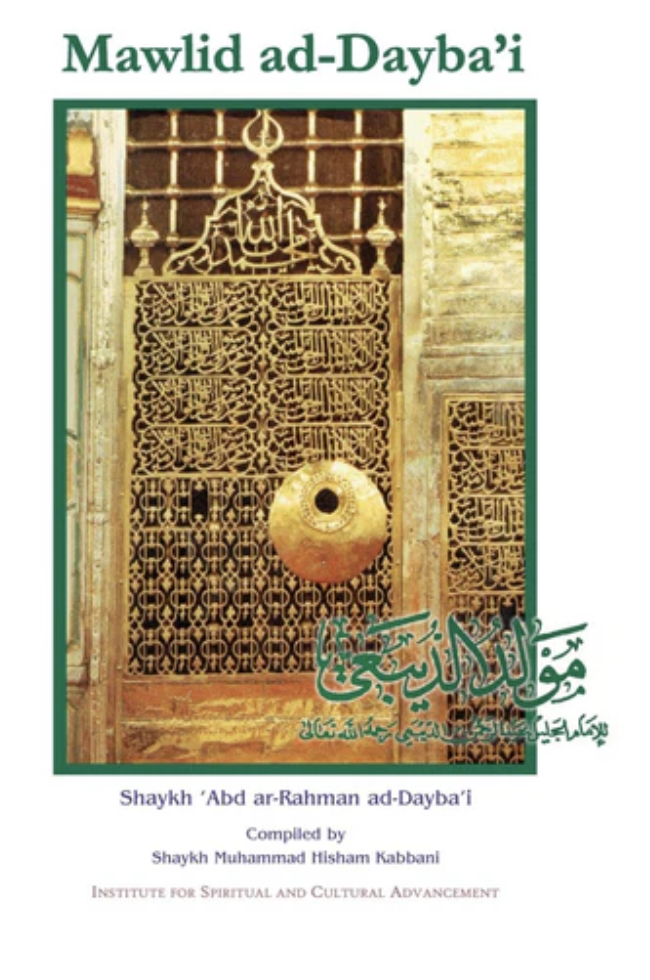
Mawlid al-Daybaʿi is one of the most beloved and widely recited Mawlid texts in the Muslim world. It was composed by al-Hafiz ʿAbd al-Rahman ibn ʿAli al-Daybaʿi (866–944 AH / 1461–1539 CE), a scholar and muhaddith from Yemen, who lived in Zabid, a great center of Islamic learning. His work beautifully weaves together Qur’anic verses, hadith, and poetry to recount the birth, character, and miracles of the Prophet Muhammad ﷺ.
From Yemen, it spread quickly across the Muslim world—to the Hijaz, East Africa, South Asia, and Southeast Asia—becoming a standard text for Mawlid gatherings. Its rhythmic flow and heartfelt praise made it easy for communities to recite collectively, and it is still read today in mosques, homes, and Sufi gatherings, especially within the Naqshbandi tradition.
Composed in the 15th century by Süleyman Çelebi, imam of the Grand Mosque of Bursa, Wasilat al-Najat—better known as the Mevlid-i Şerif—is one of the most celebrated Mawlid texts of the Ottoman world. Written in Turkish, it quickly spread throughout Anatolia, the Balkans, and beyond, becoming a centerpiece of public and private Mawlid celebrations.
Together, Mawlid al-Daybaʿi and Mevlid-i Şerif represent two luminous streams of Mawlid tradition. While different in language and style, both became beloved communal recitations—sung in mosques, homes, and gatherings—united in their purpose: to keep alive the joy of the Prophet’s ﷺ nativity and renew hearts with his light.
In Persia and South Asia, the celebration of the Prophet’s ﷺ birth took form in Milad gatherings and devotional poetry. By the 12th century, Persian poets like Sanāʾī (d. 1131) and ʿAttar (d. 1221) were weaving the Prophet’s ﷺ birth and light into their mystical poetry. Later, masters such as Jami (d. 1492) wrote verses specifically honoring the Mawlid, blending love of the Prophet ﷺ with deep Sufi metaphysics.
As Islam spread in the Indian subcontinent, this tradition blossomed in Urdu, especially during the Mughal era. Poets and scholars composed Milad Sharif texts and naʿt poetry (praise of the Prophet ﷺ), which became central to gatherings known as Mehfil-e-Milad. By the 18th and 19th centuries, Urdu Milad poetry had become a cornerstone of devotional life across India and Pakistan, with works like Milad-e-Akbar and countless naʿts recited at communal celebrations.
In both Persian and Urdu, the emphasis was the same: celebrating the Prophet ﷺ as rahmat li-l-ʿalamin (mercy to the worlds), remembering his miraculous birth, and keeping his love alive in the hearts of the people.
| |
| |
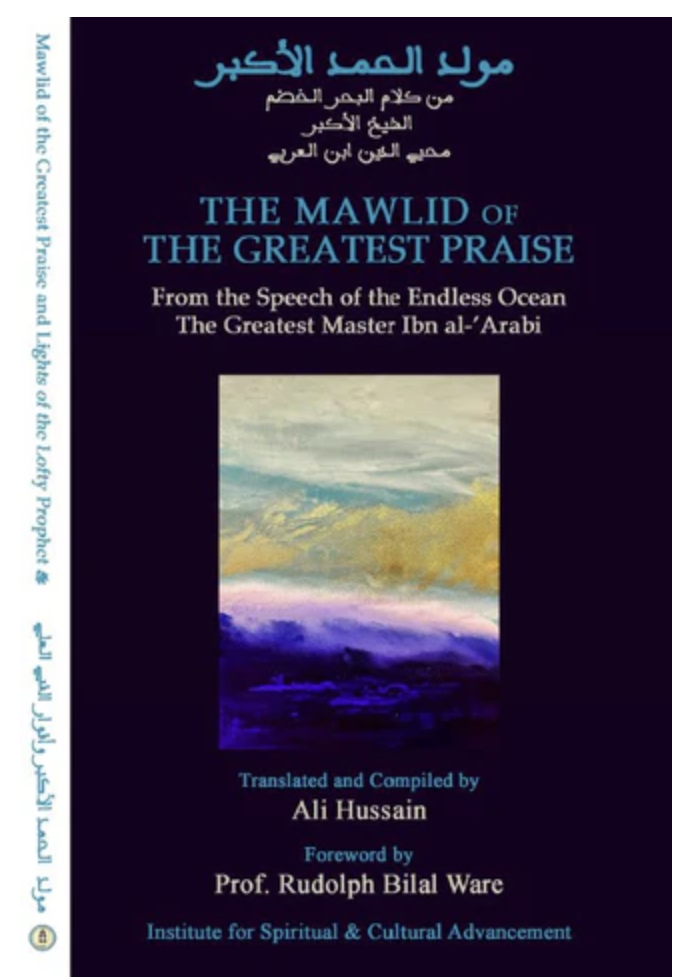
Mawlid of The Greatest Praise
SHAYKH MUHYĪDDĪN IBN AL-ʿARABĪ (q)
Translated and Compiled by Ali Hussain
This work stands in the lineage of classical Mawlid and praise texts—such as Mawlid al-Daybaʿi, the Burdah of Imam al-Busairi, and al-Ḍiyāʾ al-Lāmiʿ of Habib ʿUmar b. Hafiz—yet its focus is unique. Instead of centering only on the outward birth of the Prophet ﷺ, it reflects on the birth of his eternal reality, the ḥaqīqa muḥammadiyya, the first light created by Allah. Drawing on the writings of Shaykh Muḥyīddīn Ibn al-ʿArabī (1165–1240), one of the greatest Sufi thinkers of Islam, the book explores how the Prophet’s reality is the source of creation itself. It is both devotional and metaphysical, guiding the reader to understand the depth of the Prophet’s ﷺ presence beyond time and space.
| | | |
It's My Prophet's ﷺ Birthday!
Shaykh Abdulrahman al-Diba’i
Compiled by Mawlana Shaykh Hisham Kabbani
This is a vibrantly illustrated book created by young Sufi artists from across the world, designed to bring the spirit of Mawlid alive through colors and imagination. It introduces the beauty of Mawlid al-Daybaʿi in a way accessible to children, families, and anyone new to this tradition. The book reminds us of the innocence of children—described by the Prophet ﷺ as “like fresh rain from their Lord”—and how their joy mirrors the blessings of the Prophet’s birth. Both playful and spiritual, this book is a gentle doorway into the love of the Prophet ﷺ for the whole community.
| | | | |
| | |
Mawlid al-Daybaʿi: Arabic, Transliteration, and Translation
Shaykh Abdur Rahman ad-Dayba'i
This complete compilation offers the beloved Mawlid al-Daybaʿi—a text recited for centuries—presented in Arabic, English transliteration, and translation. It includes the poetry, prayers, and songs as taught by Shaykh Hisham Kabbani to his students, enabling readers to follow and participate in traditional Naqshbandi Mawlid gatherings. Rich in praise and devotion, the text reminds us that without the Prophet ﷺ we would not know Allah, His angels, His revelations, or the reality of the Hereafter. Reciting it deepens our love and gratitude, echoing the Companions’ devotion who cherished the Prophet ﷺ more than life itself.
| | | |
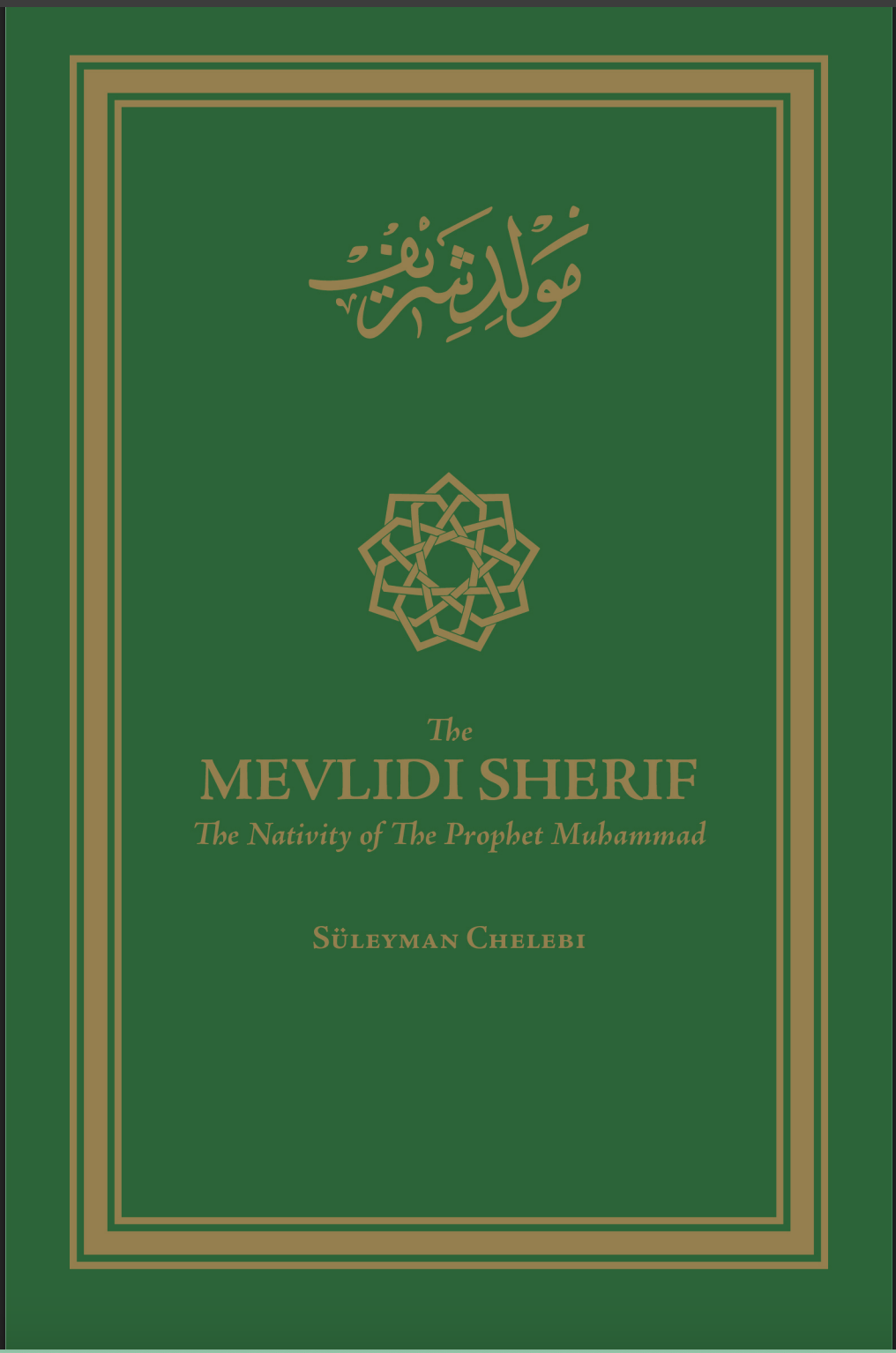
Mevlid-i Sherif
Sulayman Chelebi
Composed in the 15th century by Süleyman Çelebi, imam of the Grand Mosque of Bursa, Wasilat al-Najat—better known as the Mevlid-i Şerif—is one of the most celebrated Mawlid texts of the Ottoman world. Written in Turkish, it quickly spread throughout Anatolia and beyond, becoming a centerpiece of public and private Mawlid celebrations. Its poetry weaves together reverence, history, and longing, presenting the Prophet’s ﷺ birth as a radiant mercy for all creation. Centuries later, it remains a living tradition, still recited in Turkey and the Balkans as a bridge between Ottoman devotion and the love of the Prophet ﷺ that unites Muslims everywhere.
| | | | |
|
Shaykh Nazım Kıbrısi - Türkçe Mevlid-i Şerif
| | | | | Sufi Events Around the World | | A direct and compelling headline | |
| How would you rate the content of this email? | | | | Sufilive/ISCA is a 501(c)(3) nonprofit religious organization. Your contribution is tax-deductible to the extent allowed by law. Update your contact information BELOW in order to receive year-end tax-deduction documentation for tax purposes. | | | | |