Weekly Regional Business Intelligence | |
“Friday the 13th is still better the Monday the whatever.” — Unknown | |
 | |
Downtown office vacancy hits another new high
More than one in every four offices are still empty in downtown London, according to the Q4 2022 CBRE report — interpreted as a sign that hybrid work is here to stay. Core office space experienced 42,000 square feet of negative net absorption in Q4 due to tenant downsizing, the report stated, and the office vacancy rate in the core came in at 26.2 per cent at the end of 2022. Comparatively, in the first quarter of 2022, the core office vacancy rate was less than 18 per cent. “I think, realistically, there has been a longer-term change [in the office market] and I don’t expect we will get back to occupancy levels we saw prior to 2020,” Greg Harris, associate vice-president CBRE, told the London Free Press. The city’s suburban office space is faring better, with a more modest 9.3 per cent vacancy rate in Q4 2022 and seeing little fluctuation since early in 2022. Overall, London’s office vacancy rate stood at 21.9 per cent with the core and suburban rates combined.
The upshot: A high vacancy rate downtown has become the norm in these CBRE reports. Translation? Hybrid is here to stay, and dreams of filling offices to the brim again are increasingly of the pipe variety. With so much vacancy, landlords are starting to look seriously at repurposing office buildings towards residential and commercial spaces, with retrofitting seen by some as a low-cost way to rapidly increase urban housing stock. In contrast to the challenges on the office side of things, London’s industrial market remained strong through Q4, with vacancy hovering around one per cent throughout the year and average net asking lease rates and sale prices up 15.3% and 22.9%, respectively, year-over-year.
Read more: London Free Press | CTV London
| | |
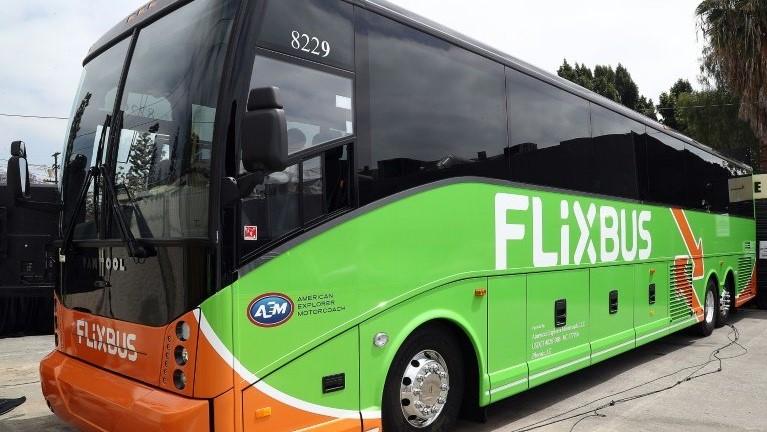 | |
No bus station, no big problem
The old Greyhound terminal at York and Talbot streets been shuttered since 2021 when the company halted operations in Canada, took its route monopolies and went home (the building was subsequently scooped up by Farhi Holdings Corp. just over a year ago). Since then, a number of inter-city bus lines like Onex, FlixBus and Megabus have filled the void — but none are clamouring for the terminal to be reopened and are just fine with picking passengers up on the street. “The curbside model is the future,” said FlixBus’ Andrew Schloss, speaking to CBC London. "Now, there's much more competition, and every company has to find their way. Curbside stops are much more efficient and easy, and to support the large increase in service, we have to be more creative.”
The upshot: Schloss is correct in that the business model based on one company owning the terminal and providing the service is likely too pricey in an age of increased land values (and transportation competition), and the likely future is to see inter-city bus stops integrated with local public transit stops and/or popular destination points. For its part, the city says it is happy to help facilitate these drop-off and pick-up spots for companies. "We are happy to help them find a location that works for them and a location that works for the traffic demands of that area as well,” said Doug McRae, London's director of transportation and mobility.
Read more: CBC London
| | |
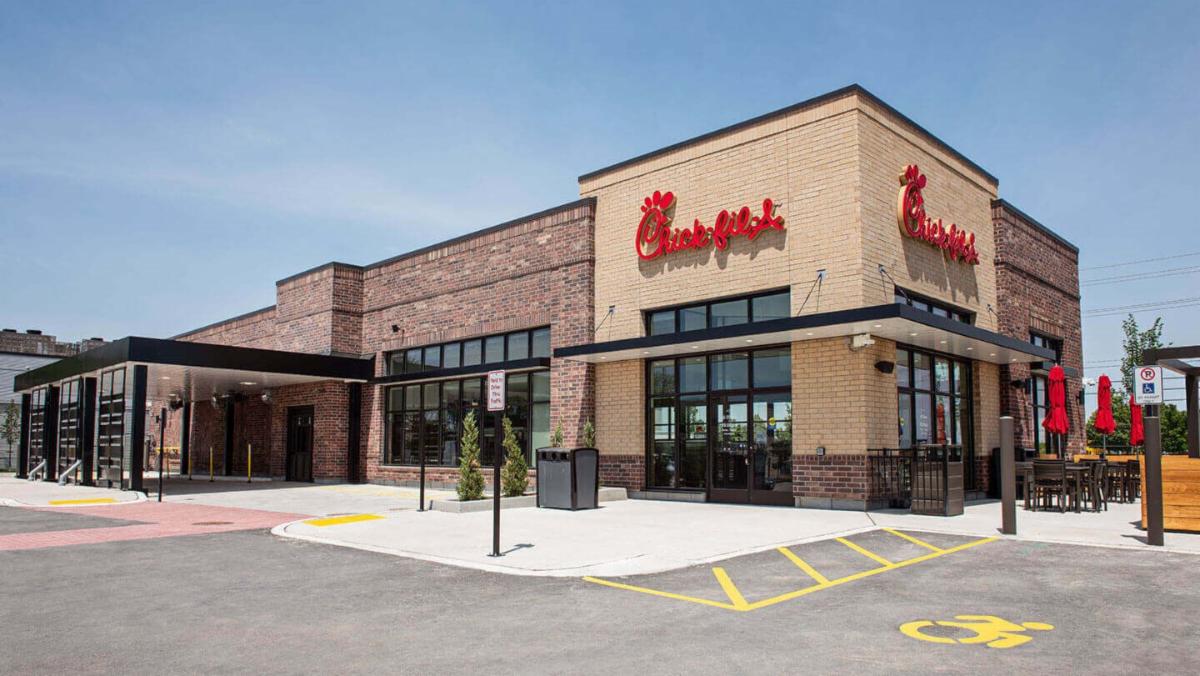 | |
Chick-fil-A coming to London as part of Canadian expansion
Fried chicken is definitely having its moment in the fast-food sun right now, and some poultry-heads will be pleased to learn that American chain Chick-Fil-A is planning on opening a London location. Destined for Wonderland Road South in a York Developments retail project just north of Wharncliffe Road, site plans suggest that the American chicken chain will open a restaurant of around 5,000 square feet and will feature a double drive-thru (something Chick-Fil-A restaurants have been trialing stateside, with one of the lanes reserved for quick pickup of mobile orders).
The upshot: Interesting news especially for anyone who wants a side of culture war with their chicken. Chick-Fil-A has attracted controversy over the years for enmeshing themselves in anti-LGBTQ politics in the United States via charitable donations to anti-gay marriage groups (the company halted those donations in 2019). In 2021, there were small protests outside a Windsor location. Regardless, the company says it is planning to launch as many as 20 stores in Canada by 2025.
Read more: Blackburn News
| | |
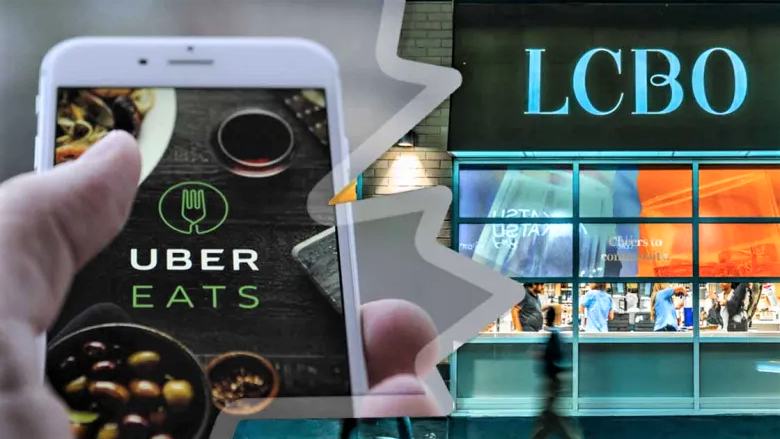 | |
Restaurants cry foul over new LCBO partnership with Uber Eats
The LCBO rolled out a new pilot program this week that will allow Uber Eats customers to order beer, cider, liquor and wine straight from the LCBO. (The LCBO and Uber Eats are both positioning this as a way to cut down on drunk driving, with Mothers Against Drunk Driving lending a statement to the announcement, calling it a “a safe and convenient option for legal-aged consumers.”) Customers will have to pay a $5.49 delivery fee to have their booze delivered and will have to prove that they are of age both through the app and at the door.
The upshot: It’s not the first time the LCBO has tried to partner with delivery app companies, and the reaction has been similar. In 2020, you could briefly order from the LCBO through Skip The Dishes — but swift pushback from restauranteurs, who felt that it was undercutting their own alcohol sales, prompted the provincial government to scuttle the service shortly after launch. Now, many of those same restauranteurs are saying that theyre being undercut again. “It’s a bit of a tough blow,” said the Canadian Federation of Independent Businesses’ Ryan Mallough. Restaurants are only able to deliver alcohol as long as food is ordered with it — a requirement that doesn’t seem to apply to the LCBO. “All they really want to do is be able to compete,” Mallough told CTV. “When you get a different set of rules, especially for the bigger guys, it makes it very difficult to do that.”
Read more: CTV | Global News
| | |
|
From the magazine: Flipping the retail script
Leveraging the traditional store to boost customer value, Os & Oakes unlocks the hidden value of brick-and-mortar retail.
Read more: London Inc.
| | |
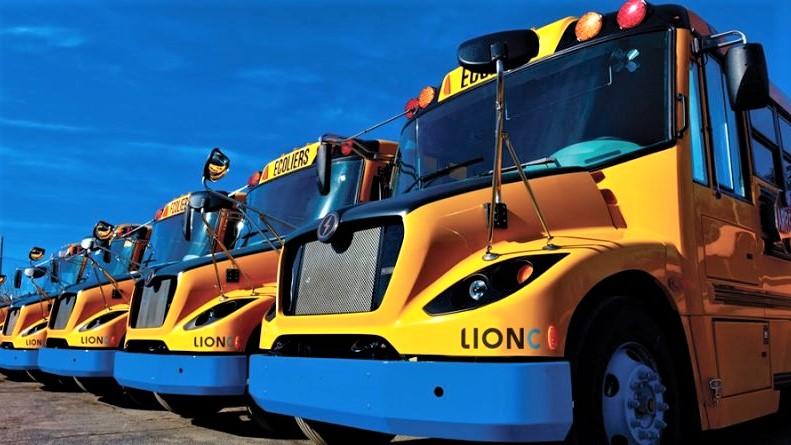 | |
EV school buses hit the road; finding someone to drive them is another matter
As kids went back to school this week, you might have noticed that a few of the school buses weren’t spewing diesel-fuel exhaust. That’s because Langs Bus Lines started putting its new electric school buses on the roads this week. In 2021, the Strathroy-based firm announced that it had inked a deal to purchase 200 LionC schoold buses, built by Lion Electric in Quebec, with plans to have half of its 400-bus fleet go electric over the coming years. So far, the reviews have been positive: the handful of buses that went into service this week have been praised for their “very quiet and smooth ride,” said Langs vice-president Kevin Langs.
The upshot: They sound like great buses…so long as you can get someone to drive them. Elsewhere this week, Southwestern Ontario Student Transportation Services (the non-profit which manages daily school busing in the region) administrator Ryan Readings said that they are still having a lot of trouble attracting drivers. “As we hire one, one drops off,” he told the London Free Press. At a Thames Valley District School Board meeting on Tuesday, where parents were expressing frustration about staffing challenges, Readings told trustees that the issue is low pay being offered by bus companies. “The answer to anyone’s question about that, is pay them more,” he said.
Read more: CBC London | London Free Press
|  | |
Dispatch: January 13, 2023
A summary of recent business appointments and announcements, plus event listings for the upcoming week.
View listings here
| | | | | |