|
|
Because Digestive Health Matters |
International Foundation for Gastrointestinal Disorders June 2022 eNewsletter |
|
|
Greetings!
June is National Men's Health Month!
During Men's Health Month, we will focus on raising awareness on healthy habits for men of all ages! This month, we want to encourage boys, men, and their families to implement healthy living decisions such as exercising and eating a balanced diet.
Men on average have a life expectancy of 5 years less than women, according to the Center for Disease Control and Prevention (CDC). The average death rate for men is higher, with the leading causes being heart disease, cancer, and unintentional injuries.
During this month, IFFGD encourages men to take control of their health. It's never too late to adopt healthy habits, whether it be for yourself or your family. We invite you to join us on June 19th and wear blue in support of the boys and men in your life. |
|
|
|
Motility disorders are abnormal muscle and nerve contractions that cause spasms or lack of motion anywhere along the gastrointestinal (GI) tract.
The GI tract is divided into 4 distinct parts that are separated by sphincter muscles. Each region has specific functions to perform and different motility patterns associated with that function.
|
|
The 4 components are the esophagus, stomach, small intestine, and colon. The esophagus carries food to the stomach, which mixes food with digestive enzymes and grinds it down into a liquid form. From there, the small intestine absorbs nutrients and the colon reabsorbs water while eliminating indigestible food residues.
A number of diseases fit into this category, including GERD, gastroparesis, and Hirschsprung's Disease.
|
|
Short answer-yes. Bloating is a common symptom for many people living with GI diseases such as IBS, gastroparesis, or dyspepsia.
Nearly 40% of the general population reports having issues with these symptoms. Often the rate is even higher for those diagnosed with GI orders.
50% of people with functional dyspepsia and 56% of people with chronic constipation report bloating. 23-96% of patients with IBS report experiencing this symptom.
Bloating can be caused by a variety of different factors, click the button below to learn about them. |
|
The term malabsorption refers to difficulty in the digestion or absorption of nutrients from food. This includes carbohydrates, protein, fat, minerals, or vitamins.
Diseases of the GI tract may contribute to the disturbance of normal nutrition.
This digestive disorder can lead to serious problems, especially if untreated. One of the first symptoms people typically experience is chronic diarrhea.
Other associated symptoms include weight loss, greasy stools, abdominal bloating and gas. Vitamin and mineral deficiencies may cause additional symptoms.
For more information on malabsorption, click the button below.
|
|
Upcoming Events
A Unique Charitable Event with Achievable Goals for All
|
This event will provide goals that will go beyond physical fitness by encouraging participants to also focus on wellness and self-care with activities including scheduling a doctor’s appointment or colonoscopy, trying a new gut-friendly recipe, or starting a diary of their food and/or symptoms. By adding these alternative activities, we hope that anyone that wants to participate can participate.
Click here to learn more about or to register for this year's Virtual Wellness and Walk Event. #Moves4GIhealth22
|
|
The first line of defense is talking to your doctor to find the cause of the discomfort. Causes can range from symptoms of a GI disease to an anal fissure. Regardless of the cause, there are some tips on how to manage discomfort.
Don’t clean too hard- the skin around this area is delicate and easily damaged. Intense wiping with toilet paper may damage the skin, further perpetuating the problem.
Avoid soaps with fragrance. Excessive cleaning or using allergenic/fragranced soap can remove natural lubricants meant to protect the area and cause further irritation.
Avoid tight clothing that may trap sweat, especially in warm weather.
For more tips and tricks on reducing any discomfort, click the button below.
|
|
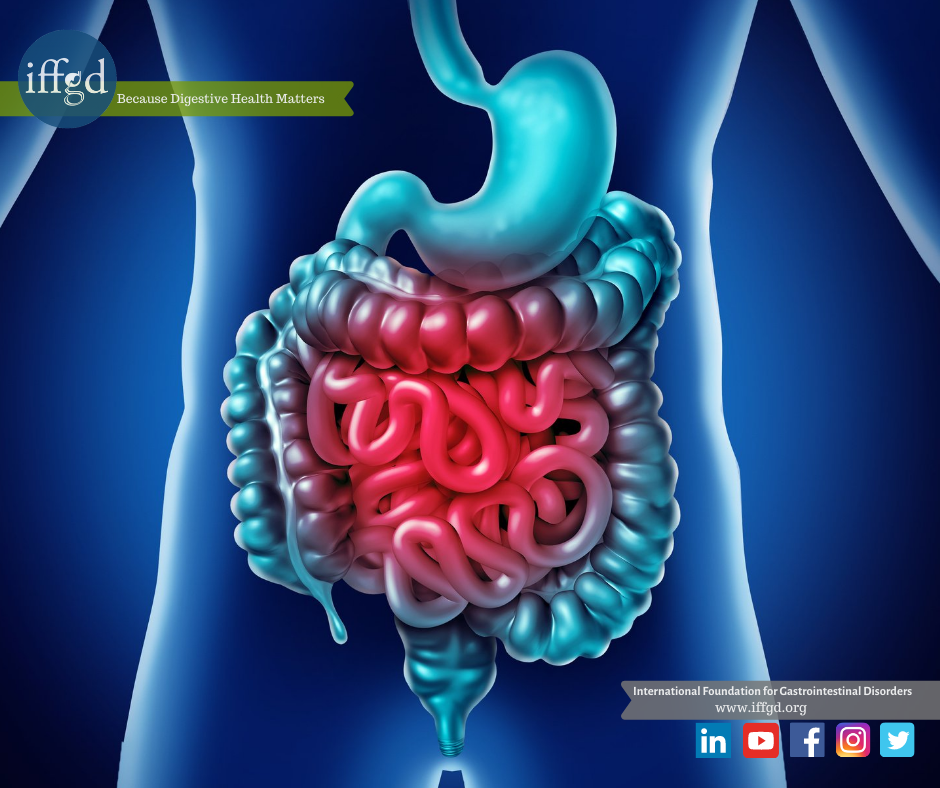
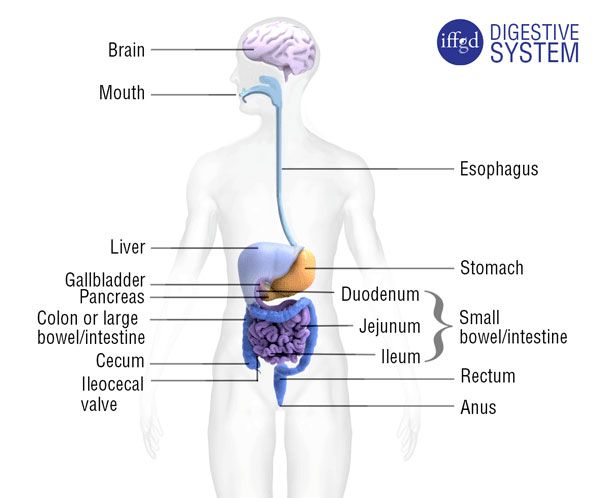
The digestive system is a series of hollow organs joined in a long, twisting tube running from the mouth to the anus.
The digestive system is made up of the mouth, pharynx, esophagus, stomach, small intestine, large intestine, rectum, and anus. It also includes the salivary glands, liver, gallbladder, and pancreas, which make digestive juices and enzymes that help digest foods and liquids.
Other organs including nerves and blood also play a major role in the process.
These organs work together to break down food into a form that can be used by the human body. Once this break down has occurred, the nutrients can be absorbed by the body to nourish cells and provide energy.
|
|
Clinical trials and research studies help to improve our understanding of the underlying mechanisms of diseases and advance the development of new and better treatment options. By participating in a study, you can help further the advancement of research and learn more about your condition.
Here are 3 studies currently recruiting participants:
|
|
|
|
Evaluation of a 7-Day Therapeutic Trial Dose of Commercial Sucraid®(sacrosidase) Oral Solution for Alleviating CSID Symptoms in Pediatric Subjects with Low, Moderate, and Normal Sucrase Levels |
|
A Study of Prucalopride in Breastfeeding Women With Constipation |
|
Dr. Judy Nee is the co-director of the GI Motility Laboratory at the Beth Israel Deaconess Medical Center. As a specialist in GI motility, she has a busy clinical practice that regularly includes second opinion consultations for patients with complex GI Motility and functional bowel disorders (FBDs) from across the US and internationally. The GI motility lab at BIDMC is one of the busiest GI motility Laboratories in the East Coast. Because of her clinical expertise, she has been invited to lecture at the premier GI motility meetings (ANMS, Harvard Motility Conference). |
|
|
Dr. Nee's research has focused on novel therapies in FBDs, but particularly in IBS. She is a co-investigator in a NIH R01 funded study evaluating the role of placebo in IBS. The seminal study on open-label placebo in IBS has led to number of similar studies in a variety of conditions with similar efficacy including lower back pain, cancer related fatigue and chronic abdominal pain in children. She has also published on the role of peppermint oil and Crofelemer in IBS. Dr. Nee has co-authored multiple publications describing the epidemiologic trends in gastrointestinal diseases such as diverticulitis, gastroparesis, and other symptoms in large databases such as NHANES, NEDS, etc.
Dr. Nee also has a strong interest in research on the gender differences in FBDs. She has investigated sex differences in anorectal manometry parameters. In collaboration with Dr. Meenakshi Rao from Boston Children’s Hospital, they examined the role of androgen sex hormones in both mouse and IBS patients. Given the predominance of IBS in women, they are seeking to clarify this role in IBS pathogenesis and possibly as a target for therapy.
Education has been an important focus of Dr. Judy Nee's career. She is dedicated to teaching an Advanced GI Motility and FBD fellow. As part of the teaching of GI Fellows, she also established a monthly Combined GI Motility Conference in collaboration with the Brigham and Women’s Hospital in which they review interesting GI Motility and FBD cases. She established and is a co-director of the Annual Harvard GI Motility Symposium, which is in now in its 19th year. This HMS CME symposium regularly draws between 50-75 participants each year.
|
|
IFFGD is a nonprofit organization. We rely on donor support to fund research and to provide reliable information and support to those affected by chronic gastrointestinal disorders.
|
|
|
|
|
|
|